initializer list c


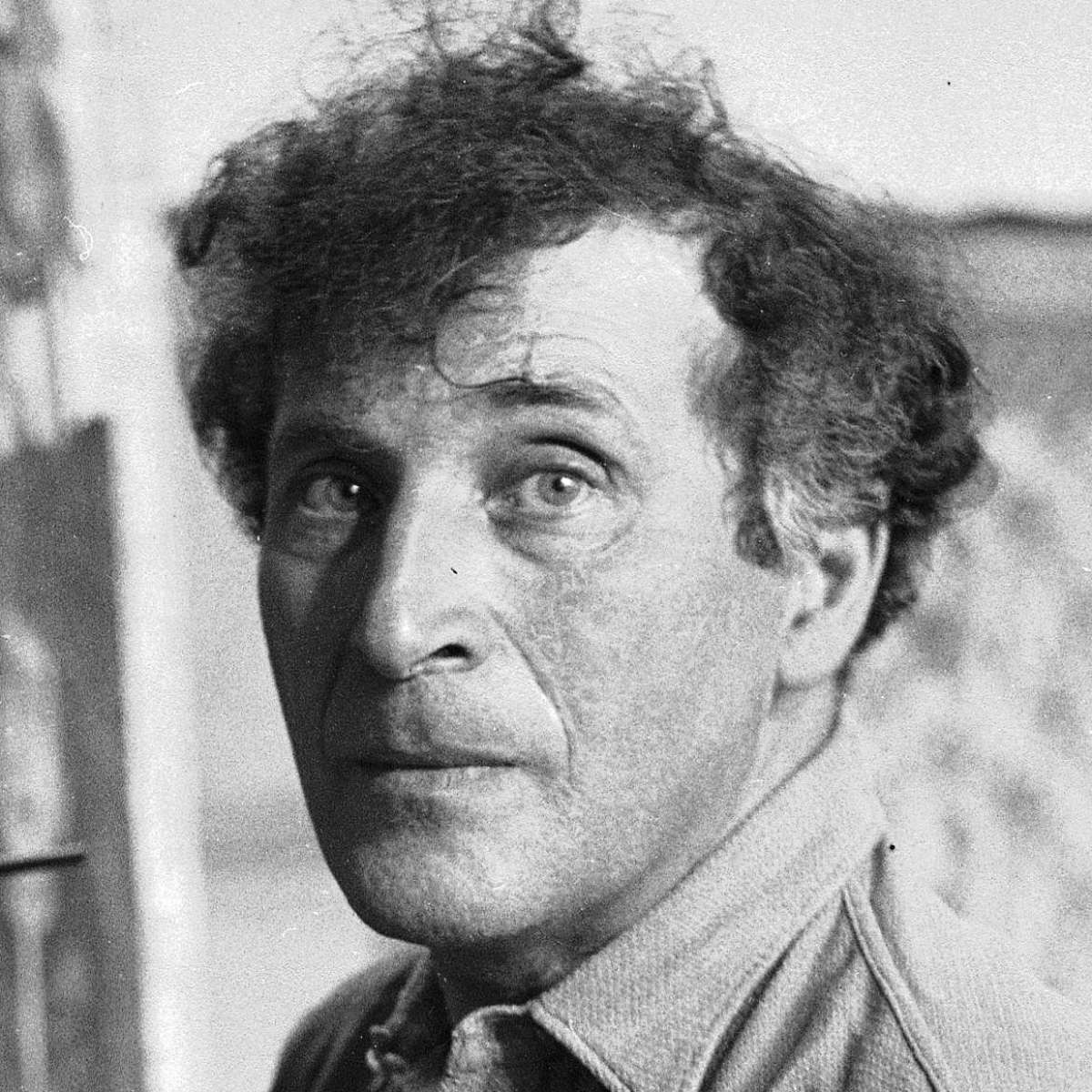
Marc Chagall (Russian: Марк Заха́рович Шага́л), born Moishe Shagal in 1887 near Vitebsk, Belarus (then part of the Russian Empire), was a Belarusian and French artist celebrated for his pivotal role in the avant-garde movement and his unique integration of Eastern European Jewish culture into modern art. His contributions spanned several artistic formats including painting, stained glass, stage sets, ceramics, tapestries, and fine art prints. Chagall's early modernist tendencies were enriched by his experiences across Saint Petersburg, Paris, and Berlin before World War I, leading to a distinctive style that melded Cubism, Symbolism, and Fauvism with his Jewish heritage.
Chagall's work is recognized for its emotional depth, often exploring themes of love, memory, and Jewish folklore through vibrant colors and dreamlike imagery. Notably, art critic Robert Hughes described him as "the quintessential Jewish artist of the twentieth century," a sentiment echoed by art historian Michael J. Lewis who regarded Chagall as a significant figure within European modernism and as the world's preeminent Jewish artist of his time.
Among Chagall's famed contributions are his stained-glass windows for the cathedrals of Reims and Metz, the UN, and the Jerusalem Windows in Israel. His monumental paintings include parts of the ceiling of the Paris Opéra and works that explore biblical themes, a hallmark of his oeuvre that underscores his enduring engagement with spiritual and religious motifs.
For art collectors and antiques experts, Chagall's works are notable not only for their artistic innovation but also for their rich cultural and historical significance. His art is housed in many prestigious museums worldwide, including the Marc Chagall National Museum in Nice, France, which focuses on his works inspired by religion and houses the series of paintings illustrating the biblical message.
For those interested in exploring Chagall's legacy and the vibrant intersection of culture, art, and history his work represents, signing up for updates on new product sales and auction events related to Marc Chagall can provide invaluable insights and opportunities. This is an invitation to engage more deeply with the world of art and culture that Chagall so uniquely encapsulated in his work.



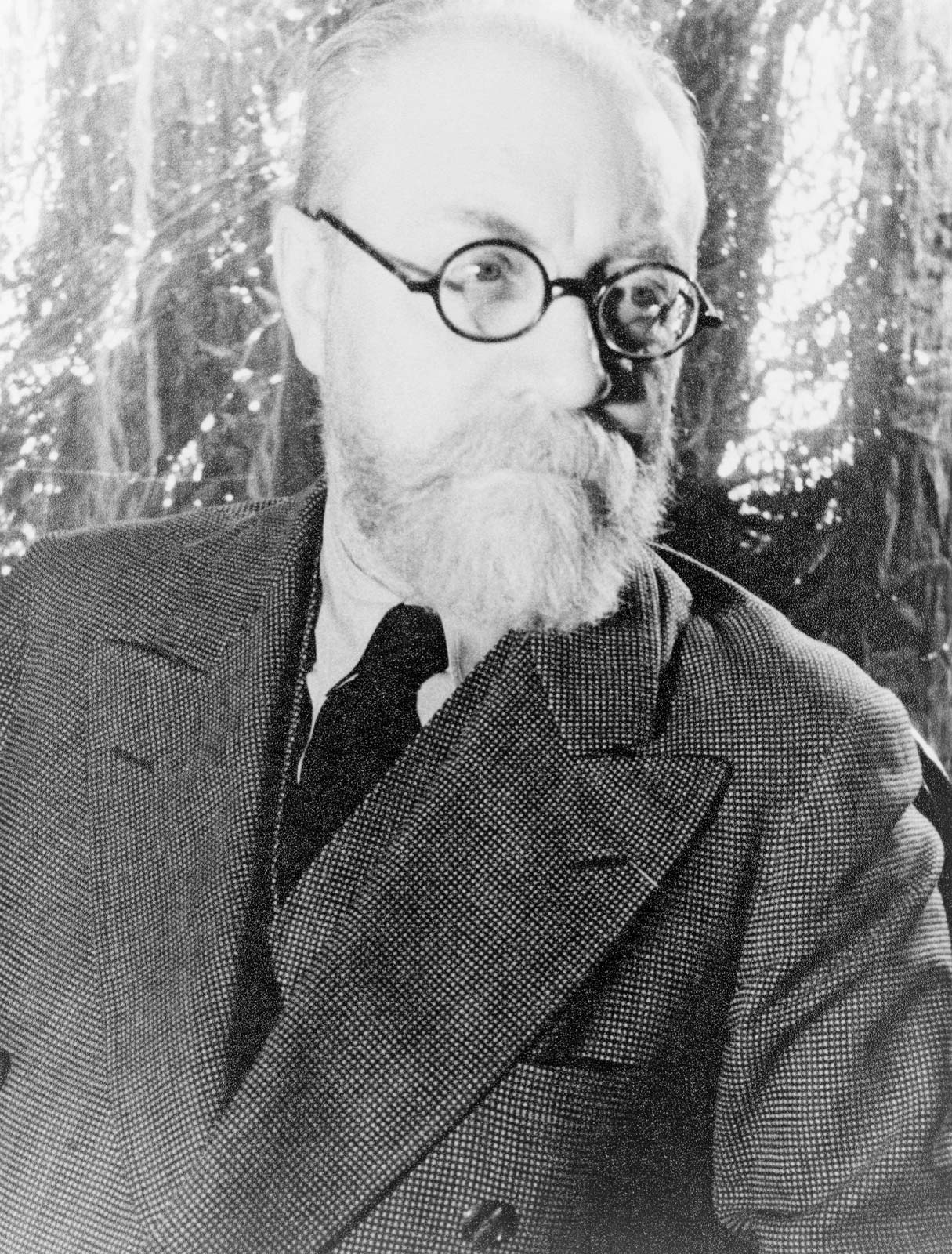
Henri Matisse, a renowned French visual artist, was celebrated for his vibrant use of color and fluid, original draughtsmanship. Born on December 31, 1869, in Le Cateau-Cambrésis, France, Matisse initially pursued a career in law before turning to art. He first began painting in 1889, a change inspired by convalescence art supplies his mother provided. This marked the beginning of a journey that would see him become a leading figure in modern art.
Matisse's career is notable for its stylistic evolution yet consistent aim to capture the "essential character of things." His early works, characterized by intense colorism, earned him recognition as one of the Fauves, or "wild beasts." The period from 1908 to 1913 was marked by significant developments, with works like "Reclining Odalisque" and "The Red Studio" showcasing his mastery in balance and serenity. In the 1920s, his style evolved to more relaxed forms, with a focus on light, color, and decorative patterns in paintings like his odalisque series.
Matisse's exploration of various mediums, including sculpture and paper collage, reflects his innovative spirit. His later years were dominated by cut paper collages, as health challenges limited his ability to paint. These works, alongside his bold drawings and sculptures, cemented his status as a pioneer in visual art.
For collectors and art experts, Matisse's work remains a testament to creative evolution and expressive use of color and form. His masterpieces can be found in prominent museums and galleries worldwide, continuing to inspire and fascinate art enthusiasts.
To stay updated on new product sales and auction events related to Henri Matisse's art, sign up for our updates. This subscription will keep you informed about opportunities to appreciate and acquire works connected to this iconic artist.


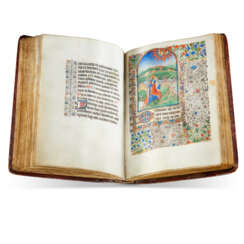

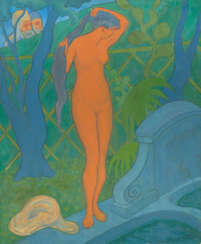

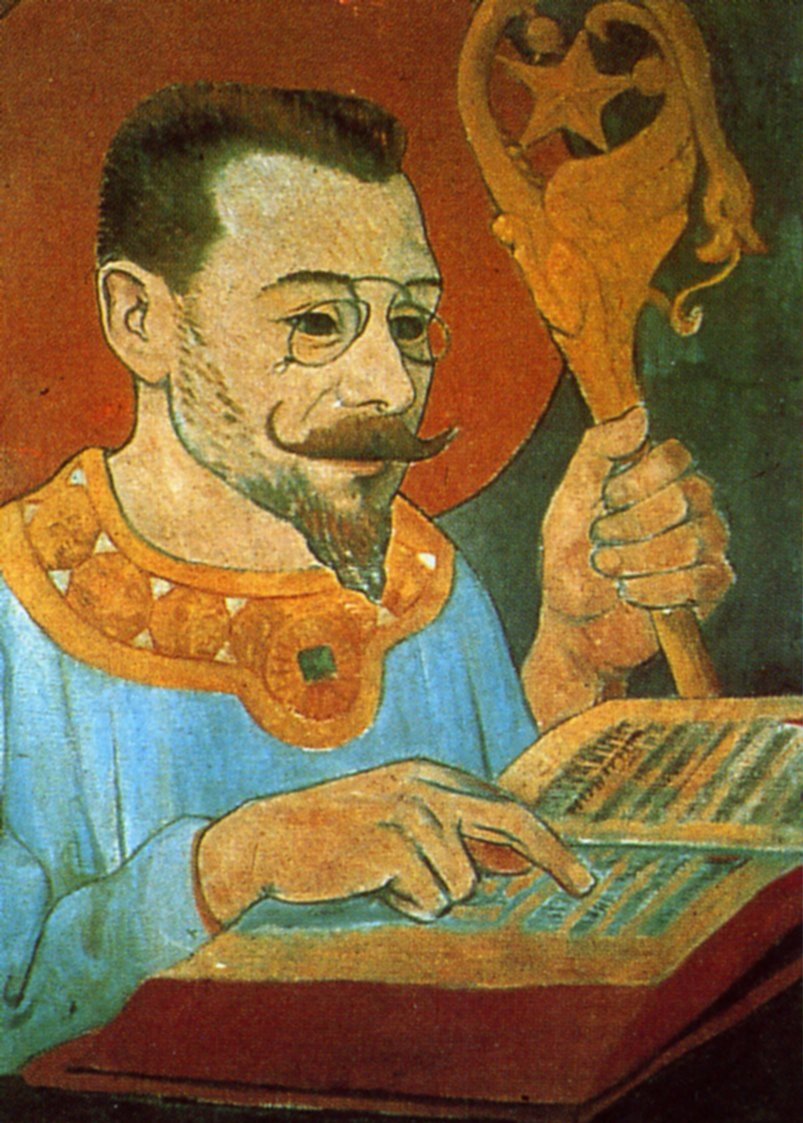
Paul-Élie Ranson, a French painter and writer, emerged as a prominent figure in the late 19th century art scene. Born in Limoges, he was raised by his grandparents and father after his mother's demise during childbirth. Ranson's early artistic inclinations were nurtured with drawing lessons from his grandfather. His educational journey in the arts began at the École des Beaux-Arts Appliqués à l'Industrie and later continued at the Académie Julian in Paris.
Ranson was a pivotal member of "Les Nabis," a group instrumental in transitioning from Impressionism to modern art. Along with notable contemporaries like Paul Sérusier, Pierre Bonnard, and Maurice Denis, he helped establish an art movement that blended elements of Symbolism, Art Nouveau, and Japanese prints. Ranson's role extended beyond painting; he was actively involved in the Symbolist performances at the Théâtre d'Art and directed a notable performance of "Ubu Roi" by Alfred Jarry.
Ranson's artistic oeuvre is marked by a fascination with Theosophy, magic, and occultism, themes that increasingly influenced his work. His paintings often delved into mythology, witchcraft, and anti-clerical subjects. Some of his notable works include "Christ and Buddha" (1880), "Witches Around the Fire" (1891), and "The Blue Room" (circa 1900). These works exemplify his unique blend of thematic and stylistic elements, setting him apart from his contemporaries.
Tragically, Ranson's life was cut short by typhoid fever in 1909. However, his legacy continued through the Académie Ranson, founded by his friends in Les Nabis. This institution, managed initially by Ranson and later by his wife Marie, remained active until 1955, perpetuating his influence on future generations of artists.
For art collectors and experts, Ranson's work offers a unique window into the transitionary period of late 19th-century art, showcasing the interplay of traditional and emerging styles. His contributions to the Symbolist and Nabi movements are particularly noteworthy.
To stay updated on new product sales and auction events related to Paul-Élie Ranson, sign up for our updates. This subscription service is tailored to keep art aficionados informed about the latest developments and opportunities related to Ranson's art.



![Georg Matthaeus Seutter | Atlas Novus, Vienna, 1730 [but slightly later], fine hand-coloured maps](/assets/image/picture_3553109/b1d41/yspc3vopast5vu1ma0lzreqghwaerqt2ucnaizrgmcay5fqdbkpu7zhjkjno7l1d1699098514jpg__fix_374_244.jpeg)
![Georg Matthaeus Seutter | Atlas Novus, Vienna, 1730 [but slightly later], fine hand-coloured maps](https://veryimportantlot.com/assets/image/picture_3553109/b1d41/yspc3vopast5vu1ma0lzreqghwaerqt2ucnaizrgmcay5fqdbkpu7zhjkjno7l1d1699098514jpg__fix_374_244.jpeg)
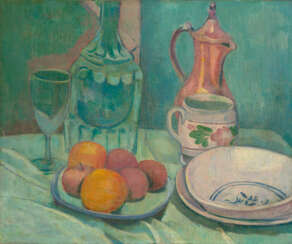

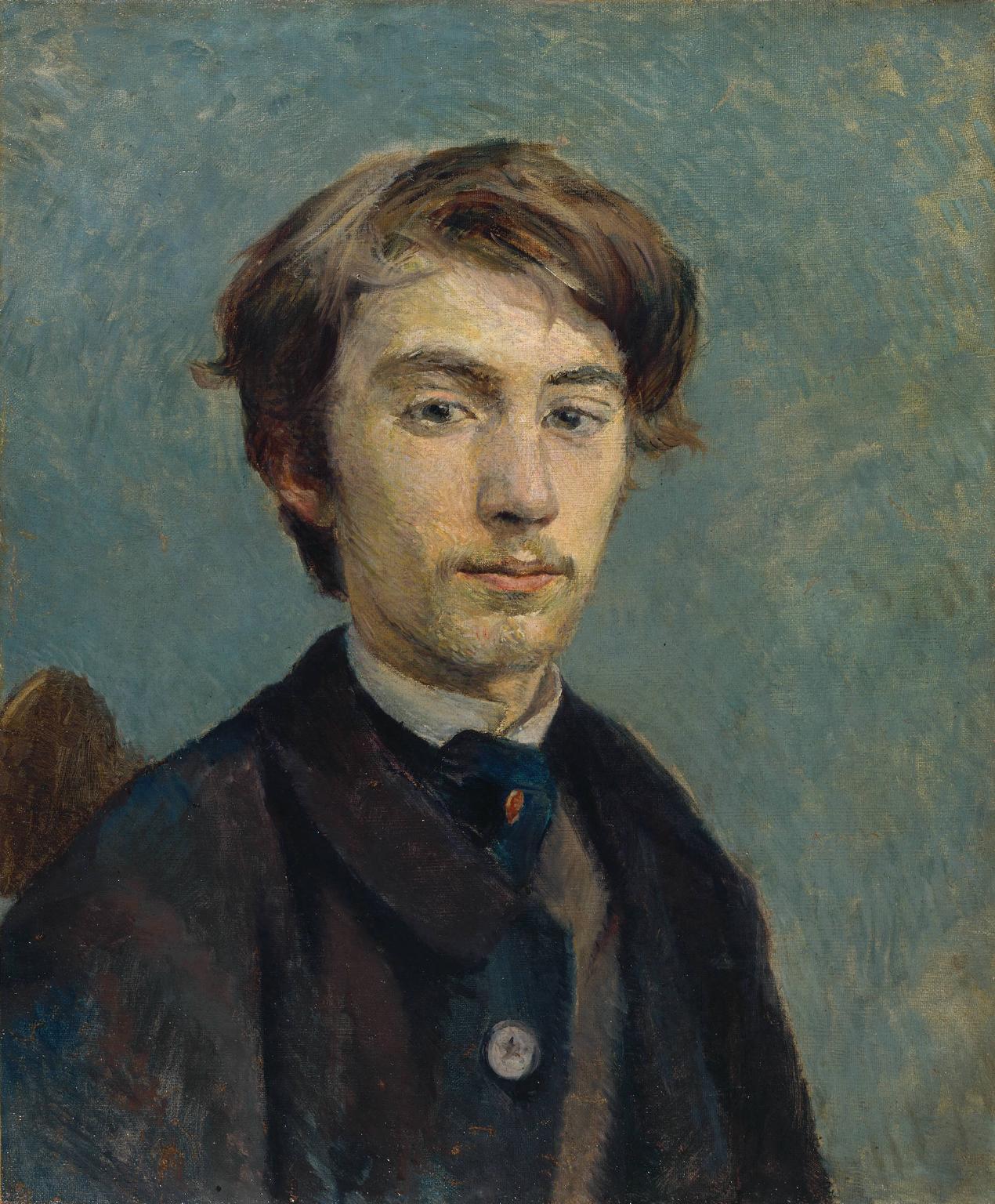
Émile Bernard, a French painter, was a significant figure in the Post-Impressionist movement. He is most famously associated with the development of Cloisonnism, a painting style characterized by bold outlines and flat, vivid color planes, and he played a role in Synthetism, a synthesis of forms and colors in art.
Bernard's artistic journey was influenced by his interactions with notable artists such as Paul Gauguin, Vincent van Gogh, and Louis Anquetin. His works, which often explored themes of symbolism and religious imagery, ranged from traditional paintings to engravings and illustrations. One of his notable works, "Madeleine au Bois d'Amour," is displayed at the Musée d'Orsay in Paris.
Despite his early success and influence, Bernard's artistic trajectory took a turn towards classicism later in life, distancing himself from the avant-garde styles he once embraced. His extensive travel experiences, particularly his time in Egypt, significantly impacted his art, leading to a broader range of stylistic elements in his later works.
To stay updated on the latest events and auctions related to Émile Bernard and his work, sign up for our newsletter. You'll receive timely alerts about new product sales and upcoming auction events related to Émile Bernard's art.













![VEGETIUS RENATUS, Flavius (d. 450) [and 6 others]](/assets/image/picture_5109163/1627a/0ef1241ebf6c787f20917e69d81501a61765321200jpg__fix_374_244.jpeg)
![VEGETIUS RENATUS, Flavius (d. 450) [and 6 others]](https://veryimportantlot.com/assets/image/picture_5109163/1627a/0ef1241ebf6c787f20917e69d81501a61765321200jpg__fix_374_244.jpeg)
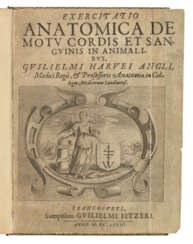



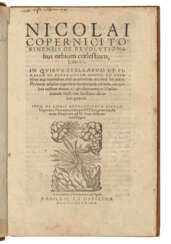

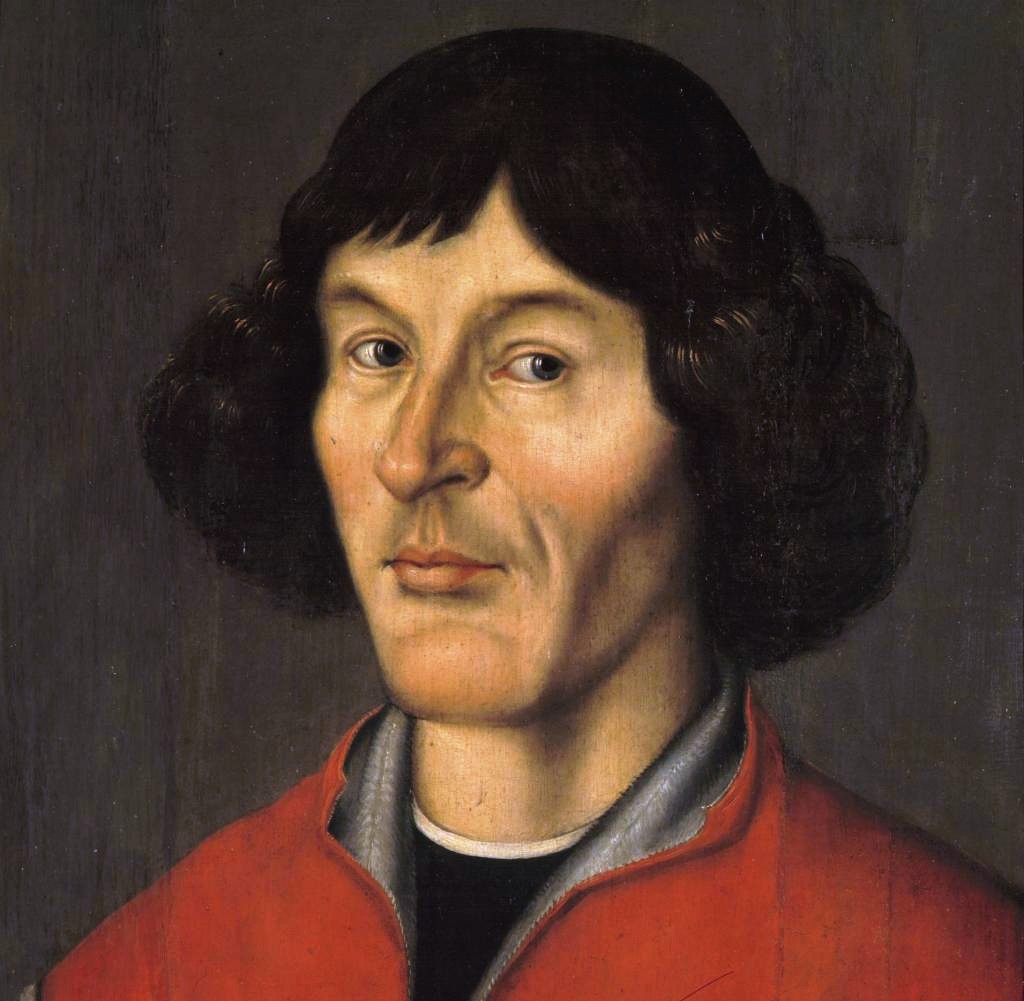
Nicolaus Copernicus (Polish: Mikołaj Kopernik) was a Polish and German scientist, astronomer, mathematician, mechanic, economist, and Renaissance canonist. He was the author of the heliocentric system of the world, which initiated the first scientific revolution.
Copernicus studied the humanities, including astronomy and astrology, at the University of Krakow and at the University of Bologna in Italy. Together with other astronomers, including Domenico Maria de Novara (1454-1504), he was engaged in observing the stars and planets, recording their movements and eclipses. At the time, medicine was closely related to astrology, as the stars were believed to influence the human body, and Copernicus also studied medicine at the University of Padua between 1501 and 1503.
Nicolaus Copernicus, based on his knowledge and observations, was the first to suggest that the Earth is a planet that not only revolves around the sun every year, but also rotates once a day on its axis. This was in the early 16th century when people believed the Earth to be the center of the universe. The scientist also suggested that the Earth's rotation explained the rising and setting of the Sun, the movement of the stars, and that the cycle of the seasons was caused by the Earth's rotation around itself. Finally, he correctly concluded that the Earth's motion in space causes the planets to move backwards across the night sky, the so-called retrograde direction.
Although Copernicus' model was not completely correct, it laid a solid foundation for future scientists, such as Galileo, who developed and improved mankind's understanding of the motion of celestial bodies. Copernicus completed the first manuscript of his book De Revolutionibus Orbium Coelestium (On the Rotation of the Celestial Spheres) in 1532. In it, the astronomer outlined his model of the solar system and the paths of the planets. However, he published the book only in 1543, just two months before his death, and dedicated it to Pope Paul III. Perhaps for this reason, and also because the subject matter was too difficult to understand, but the church did not finally ban the book until 1616.
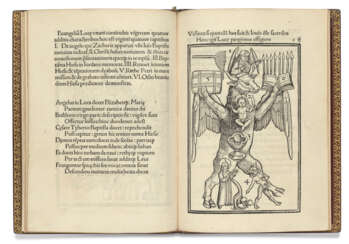

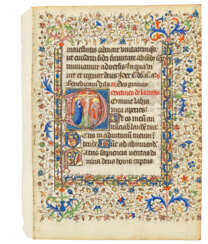

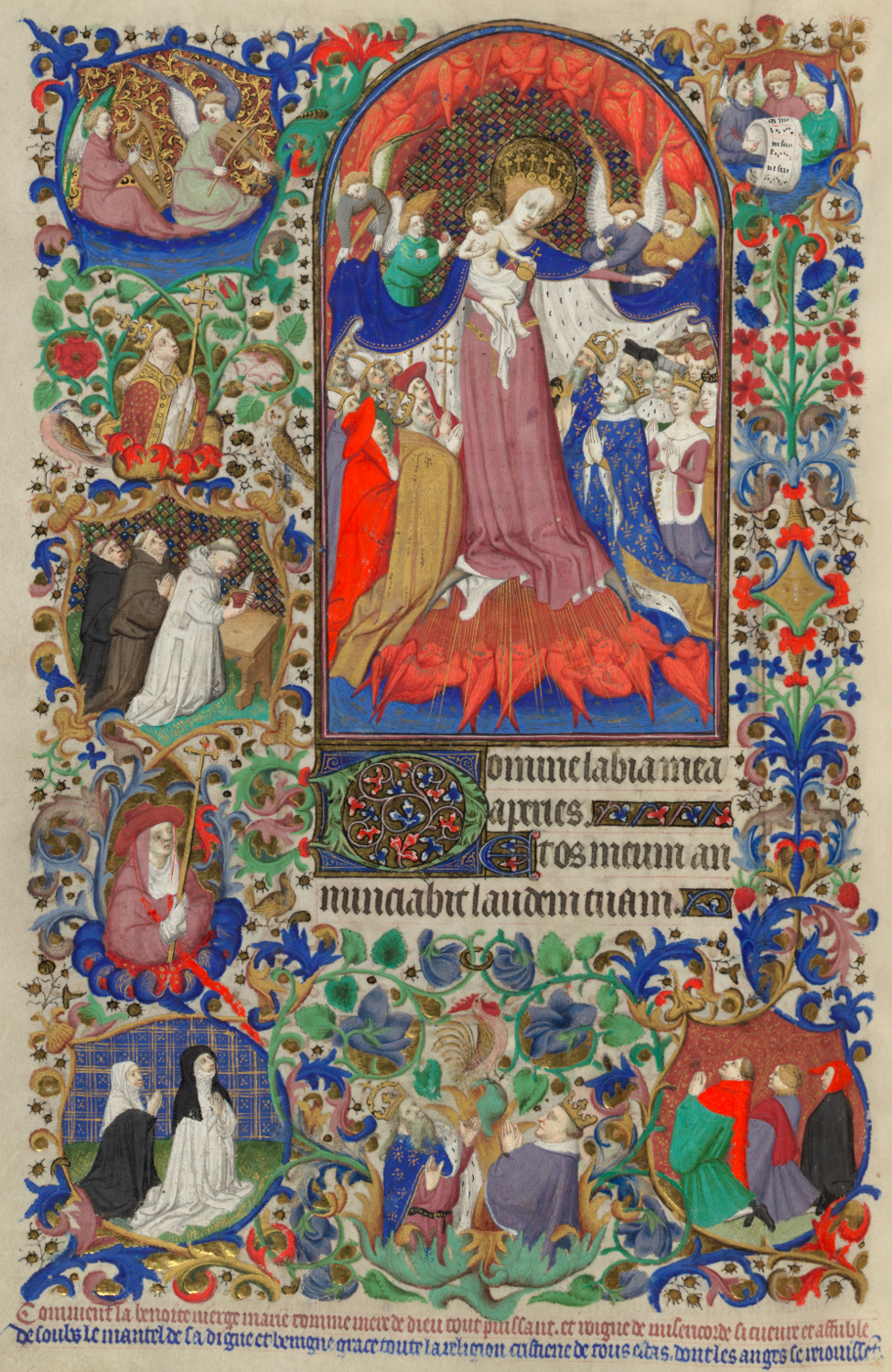
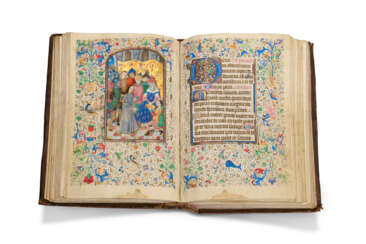
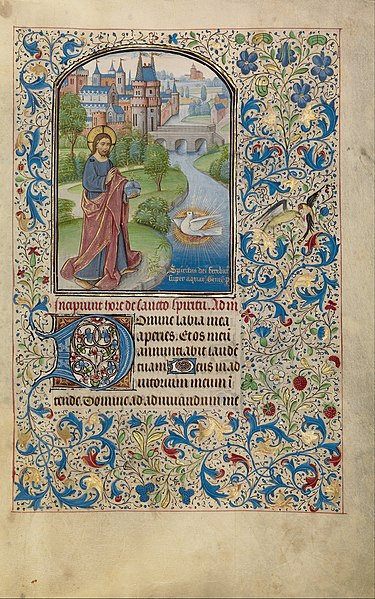
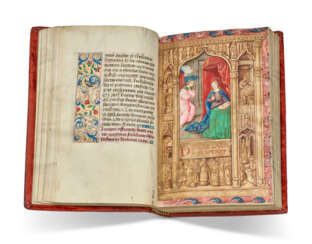
The Master of Bedford was a French miniaturist and manuscript illustrator.
This master of the chapbook worked in Paris from 1405-1435 and is considered one of the most important 15th-century illuminators. He ran an influential workshop in Paris. The artist received his name after his work on two books, which he decorated with illustrations for John Lancaster, Duke of Bedford. One of these, The Bedford Hours, is considered one of the most outstanding illuminated manuscripts extant from the medieval period, with numerous illustrations and extensive decoration, including more than 1,200 decorative medallions that appear in the margins of each page.
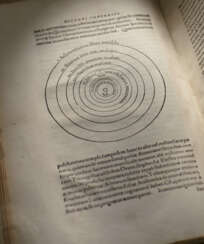

Nicolaus Copernicus (Polish: Mikołaj Kopernik) was a Polish and German scientist, astronomer, mathematician, mechanic, economist, and Renaissance canonist. He was the author of the heliocentric system of the world, which initiated the first scientific revolution.
Copernicus studied the humanities, including astronomy and astrology, at the University of Krakow and at the University of Bologna in Italy. Together with other astronomers, including Domenico Maria de Novara (1454-1504), he was engaged in observing the stars and planets, recording their movements and eclipses. At the time, medicine was closely related to astrology, as the stars were believed to influence the human body, and Copernicus also studied medicine at the University of Padua between 1501 and 1503.
Nicolaus Copernicus, based on his knowledge and observations, was the first to suggest that the Earth is a planet that not only revolves around the sun every year, but also rotates once a day on its axis. This was in the early 16th century when people believed the Earth to be the center of the universe. The scientist also suggested that the Earth's rotation explained the rising and setting of the Sun, the movement of the stars, and that the cycle of the seasons was caused by the Earth's rotation around itself. Finally, he correctly concluded that the Earth's motion in space causes the planets to move backwards across the night sky, the so-called retrograde direction.
Although Copernicus' model was not completely correct, it laid a solid foundation for future scientists, such as Galileo, who developed and improved mankind's understanding of the motion of celestial bodies. Copernicus completed the first manuscript of his book De Revolutionibus Orbium Coelestium (On the Rotation of the Celestial Spheres) in 1532. In it, the astronomer outlined his model of the solar system and the paths of the planets. However, he published the book only in 1543, just two months before his death, and dedicated it to Pope Paul III. Perhaps for this reason, and also because the subject matter was too difficult to understand, but the church did not finally ban the book until 1616.


Paul Gauguin, a French artist born in Paris in 1848, is renowned for his significant contributions to Post-Impressionism, Primitivism, and Synthetism. Gauguin's art is distinguished by his experimental use of color and style, which set him apart from the traditional Impressionist movement.
Gauguin's early life was marked by a period in Peru, which influenced his artistic perspective. Initially, he pursued a career in stockbroking but soon turned to art, driven by financial necessity and a growing passion. His artistic journey began under the mentorship of Impressionist artist Camille Pissarro and through exposure to the works of other avant-garde artists.
The hallmark of Gauguin's work is his exploration of non-Western cultures, particularly during his time in Tahiti and the Marquesas Islands. This period saw the creation of some of his most famous works, including "Where Do We Come From? What Are We? Where Are We Going?" His paintings from this era, characterized by vivid colors and Symbolist themes, reflect a fusion of cultural influences and his quest for a "primitive" expression of spiritual and emotional states.
Despite his innovative style, Gauguin struggled with financial difficulties and health issues throughout his life. His work received little recognition during his lifetime, but posthumously, he gained acclaim for influencing modern artists like Pablo Picasso and Henri Matisse.
Today, Gauguin's works are celebrated in galleries and museums worldwide for their unique blend of cultural influences and artistic innovation. His enduring legacy is a testament to his unique vision and the profound impact he had on the art world.
Collectors and experts in art and antiques, stay updated on new product sales and auction events related to Paul Gauguin. Sign up now for exclusive updates and immerse yourself in the world of this visionary artist.