interior &amp

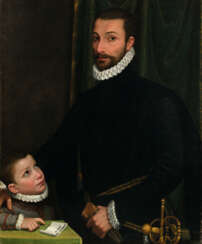

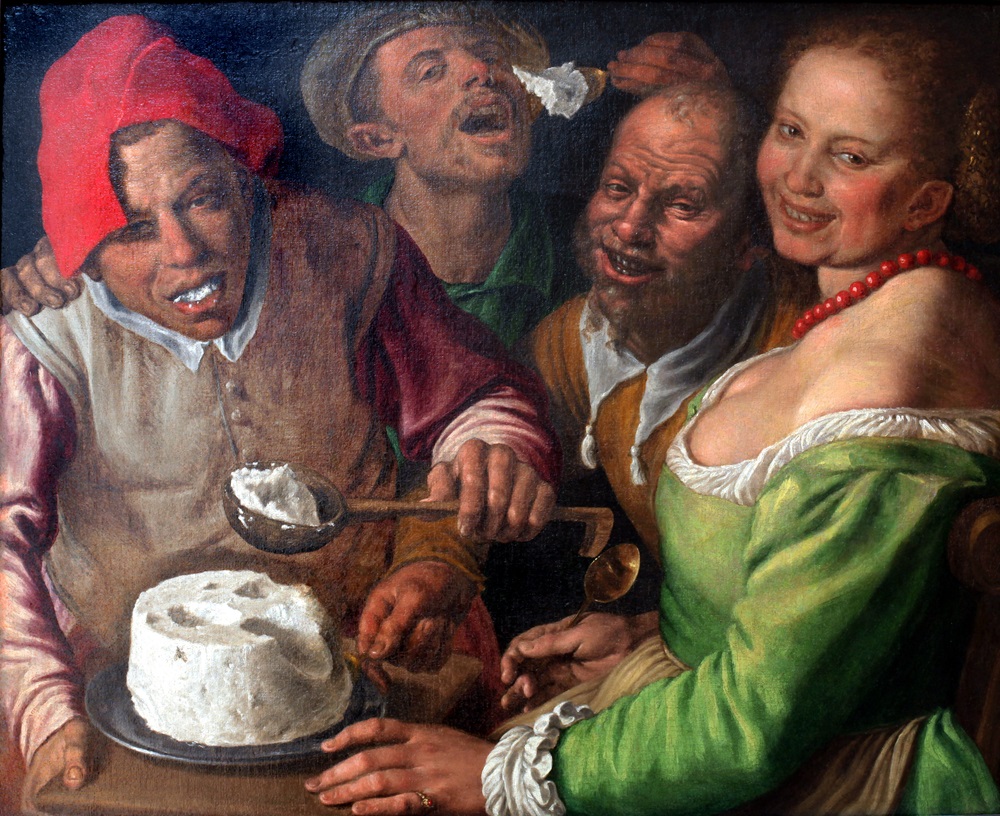
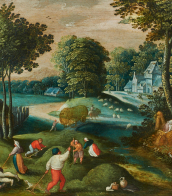
Vincenzo Campi was a notable painter of the 16th century, widely recognized for his unique style that combined traditional subjects with everyday life. Campi's journey in the world of art was influenced by his family background, as he trained under his brother Giulio and was part of a family of Italian painters known for their contributions to Mannerist painting.
Vincenzo Campi's paintings stood out for their vivid depictions of market scenes and kitchen tableaux, focusing on everyday objects and food with an extraordinary level of realism. This approach was quite innovative for his time. His works like "Pescivendoli" (The Fishmongers, 1579) and "The Ricotta Eaters" (1580) are emblematic of his style, combining elements of still life and genre painting. In "The Ricotta Eaters," for instance, Campi artistically weaves together themes of food and sensuality, presenting a scene that is both a hymn to life and pleasure and a subtle commentary on social classes and morality.
Vincenzo Campi's paintings were not just mere representations of daily life; they often carried deeper social and cultural meanings. For instance, in his depiction of the lower working classes in "Fishmongers," he illustrated contemporary beliefs regarding food's appropriateness based on social hierarchy. The paintings of commoners consuming foods like beans, dark bread, and cheese, as shown in "The Ricotta Eaters," reflected the societal norms of the time regarding class and diet.
Vincenzo Campi's work did not only portray the peasants in a crude or humorous light, but also carried a sophisticated blend of comedy and criticism, reflecting a deeper understanding of the human condition and social structures of his time.
Campi's style and themes influenced other artists in Cremona and contributed to the development of genre painting in northern Italy. His work, in some ways, served as a precursor to Caravaggio’s realism that emerged in the subsequent decade.
For collectors and connoisseurs of art and antiques, Vincenzo Campi's paintings offer a unique window into the societal and cultural aspects of 16th-century Italy, blending everyday life with deeper social commentaries. His work continues to be an important part of the conversation in the history of art.
To stay updated on the latest insights and collections of Vincenzo Campi's works, consider subscribing to our updates. This service will ensure you are informed about new sales, exhibitions, and auction events related to this influential Italian artist.


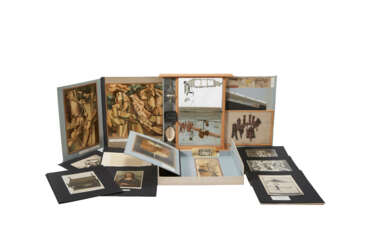

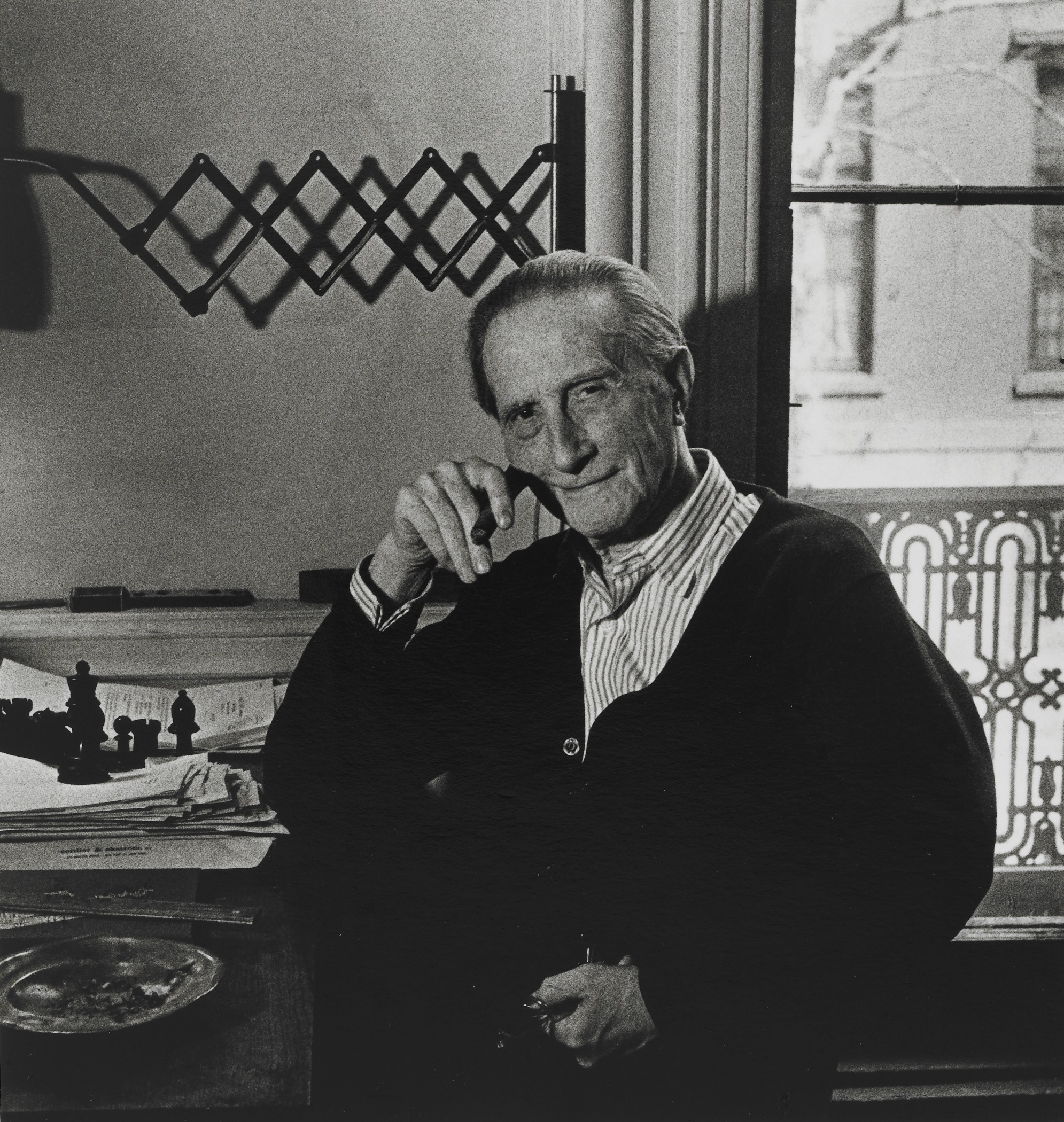
Henri-Robert-Marcel Duchamp, a pioneering French artist, is celebrated for his profound influence on 20th-century art and culture. Duchamp's work transcended traditional mediums, embracing painting, sculpture, and conceptual art, thereby redefining the very nature of artistic creation. His audacious approach to art, marked by intellectualism and wit, challenged conventional perceptions of beauty and utility, making him a central figure in the development of modern and postmodern art.
Duchamp's most notable contributions include his ready-mades—ordinary manufactured objects that he selected and presented as art. This innovative concept questioned the role of the artist and the creation process, exemplified by his famous piece, "Fountain," a porcelain urinal that radically altered the landscape of art by its mere presentation in 1917. His other significant works, like "Nude Descending a Staircase, No. 2," showcased his fascination with movement and mechanization, further cementing his legacy as a visionary.
Duchamp's influence extends beyond his creations, as he played a vital role in shaping the Dada movement and conceptual art. His ideas and artworks continue to inspire artists, collectors, and experts in the fields of art and antiques. Museums and galleries worldwide, including the Philadelphia Museum of Art and the Museum of Modern Art in New York, proudly house his works, attesting to his enduring relevance.
For those keen on exploring the intersections of art, culture, and history, Duchamp offers a rich tapestry of innovation and controversy. Collectors and art enthusiasts are invited to sign up for updates on new product sales and auction events related to Henri-Robert-Marcel Duchamp, ensuring they remain at the forefront of developments in this captivating domain.


Henri-Robert-Marcel Duchamp, a pioneering French artist, is celebrated for his profound influence on 20th-century art and culture. Duchamp's work transcended traditional mediums, embracing painting, sculpture, and conceptual art, thereby redefining the very nature of artistic creation. His audacious approach to art, marked by intellectualism and wit, challenged conventional perceptions of beauty and utility, making him a central figure in the development of modern and postmodern art.
Duchamp's most notable contributions include his ready-mades—ordinary manufactured objects that he selected and presented as art. This innovative concept questioned the role of the artist and the creation process, exemplified by his famous piece, "Fountain," a porcelain urinal that radically altered the landscape of art by its mere presentation in 1917. His other significant works, like "Nude Descending a Staircase, No. 2," showcased his fascination with movement and mechanization, further cementing his legacy as a visionary.
Duchamp's influence extends beyond his creations, as he played a vital role in shaping the Dada movement and conceptual art. His ideas and artworks continue to inspire artists, collectors, and experts in the fields of art and antiques. Museums and galleries worldwide, including the Philadelphia Museum of Art and the Museum of Modern Art in New York, proudly house his works, attesting to his enduring relevance.
For those keen on exploring the intersections of art, culture, and history, Duchamp offers a rich tapestry of innovation and controversy. Collectors and art enthusiasts are invited to sign up for updates on new product sales and auction events related to Henri-Robert-Marcel Duchamp, ensuring they remain at the forefront of developments in this captivating domain.
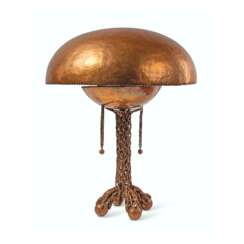

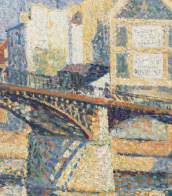
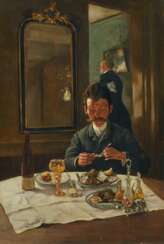

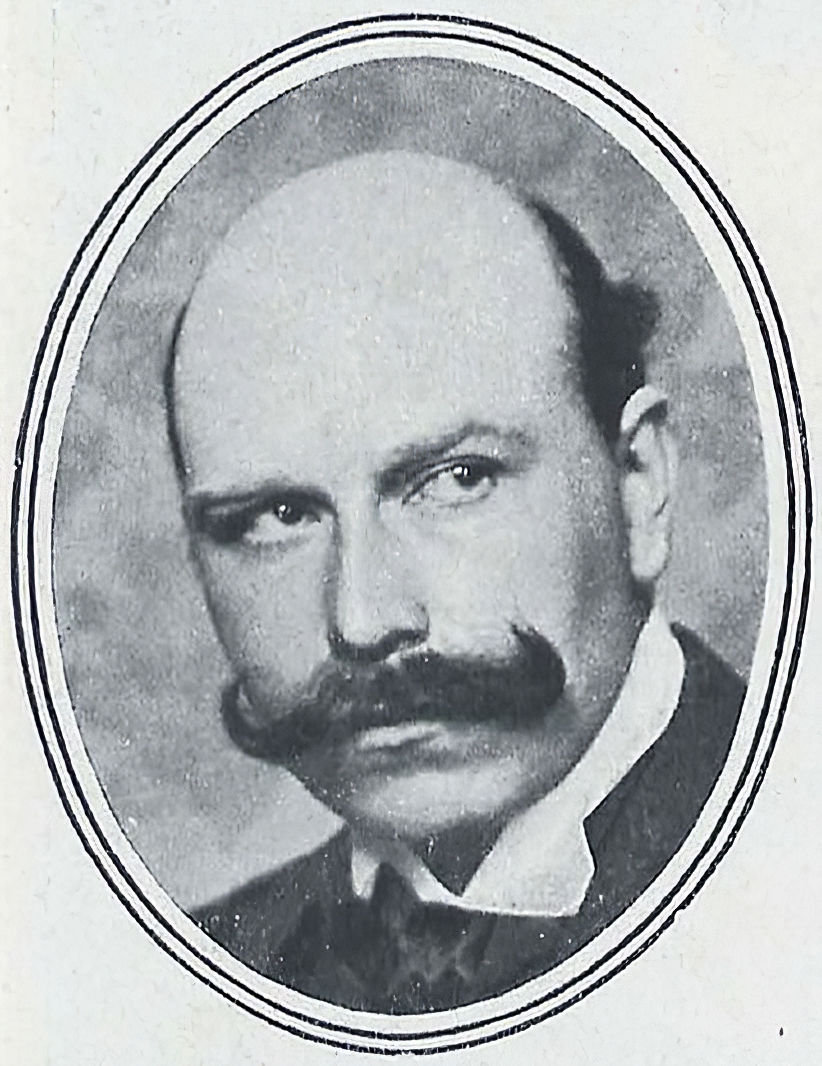
Arthur Kampf was a German painter. He was associated with the Düsseldorf school of painting.
Kampf's work is most strongly associated with the genre of traditional history painting, though throughout his lifetime he explored styles influenced by Impressionism and Art Nouveau. He was also celebrated for large scale portrait work and in particular children's portraiture. Kampf also worked extensively as an illustrator, contributing drawings to volumes by Shakespeare (1925), R. Herzog, History of Prussia (1913) and J.W. Goethe, Faust (1925). Kampf's artwork post World War II largely focused on religious themes.

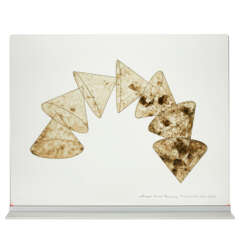

Henri-Robert-Marcel Duchamp, a pioneering French artist, is celebrated for his profound influence on 20th-century art and culture. Duchamp's work transcended traditional mediums, embracing painting, sculpture, and conceptual art, thereby redefining the very nature of artistic creation. His audacious approach to art, marked by intellectualism and wit, challenged conventional perceptions of beauty and utility, making him a central figure in the development of modern and postmodern art.
Duchamp's most notable contributions include his ready-mades—ordinary manufactured objects that he selected and presented as art. This innovative concept questioned the role of the artist and the creation process, exemplified by his famous piece, "Fountain," a porcelain urinal that radically altered the landscape of art by its mere presentation in 1917. His other significant works, like "Nude Descending a Staircase, No. 2," showcased his fascination with movement and mechanization, further cementing his legacy as a visionary.
Duchamp's influence extends beyond his creations, as he played a vital role in shaping the Dada movement and conceptual art. His ideas and artworks continue to inspire artists, collectors, and experts in the fields of art and antiques. Museums and galleries worldwide, including the Philadelphia Museum of Art and the Museum of Modern Art in New York, proudly house his works, attesting to his enduring relevance.
For those keen on exploring the intersections of art, culture, and history, Duchamp offers a rich tapestry of innovation and controversy. Collectors and art enthusiasts are invited to sign up for updates on new product sales and auction events related to Henri-Robert-Marcel Duchamp, ensuring they remain at the forefront of developments in this captivating domain.
.jfif)
Richard William Hamilton was a pivotal figure in the evolution of modern art, seamlessly blending traditional mediums with emerging cultural commentary. Born in London in 1922, Hamilton emerged as a leading voice in the pop art movement, a genre that sought to bridge the gap between high art and popular culture. His work, characterized by its innovative use of materials and its critical eye on consumer society, positioned him as a critical link between art's past and its rapidly evolving future.
Hamilton's influence is perhaps best encapsulated in his iconic collage, "Just what is it that makes today's homes so different, so appealing?" Created for the This Is Tomorrow exhibition in 1956, this piece is widely regarded as one of the first works of pop art, predating the more widely recognized contributions of American artists like Andy Warhol and Roy Lichtenstein. By integrating images from magazines, advertisements, and other mass media, Hamilton crafted a visually striking critique of contemporary consumerism and its pervasive impact on the domestic sphere.
Beyond his contributions to pop art, Hamilton's legacy is also preserved in his role as an educator and theorist. His writings and teachings have influenced generations of artists, encouraging them to explore the intersections of art, technology, and society. His works are held in high esteem and are featured in prestigious collections worldwide, including the Tate Gallery in London and the Museum of Modern Art in New York.
For collectors and experts in art and antiques, Hamilton's oeuvre offers a fascinating window into the mid-20th century's cultural shifts. His ability to capture the zeitgeist of his time, while also pushing the boundaries of what art could be, makes his work both historically significant and continually relevant.
To stay informed about new product sales and auction events related to Richard William Hamilton, we invite you to sign up for updates. This subscription ensures you remain at the forefront of the art and antiques world, with a focus on one of its most influential figures.