jüc






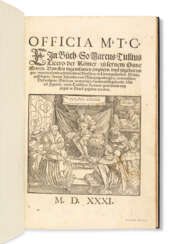

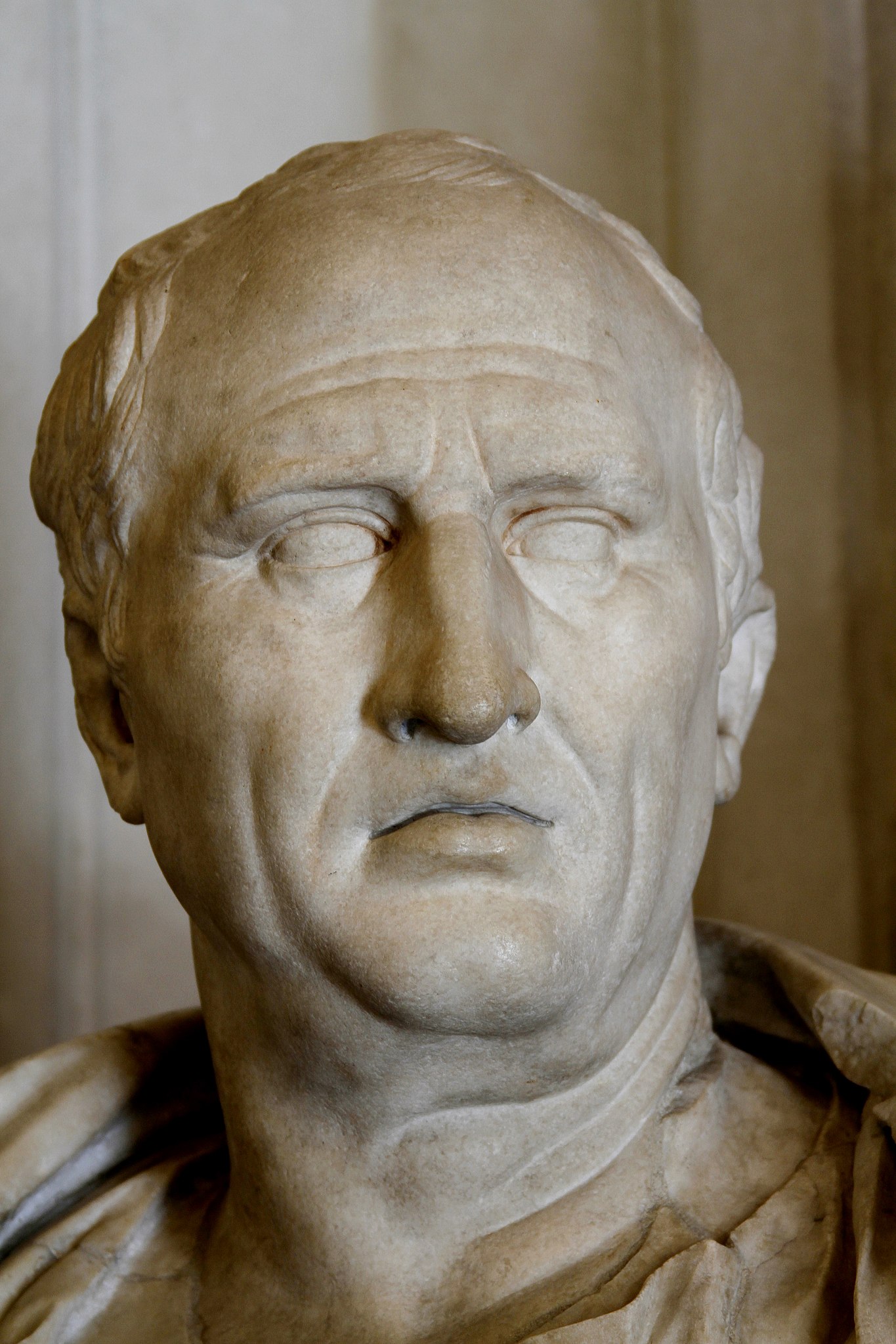
Marcus Tullius Cicero was a Roman statesman, lawyer, scholar, philosopher, and academic skeptic, who tried to uphold optimate principles during the political crises that led to the establishment of the Roman Empire. His extensive writings include treatises on rhetoric, philosophy and politics. He is considered one of Rome's greatest orators and prose stylists. He came from a wealthy municipal family of the Roman equestrian order, and served as consul in 63 BC.
His influence on the Latin language was immense. He wrote more than three-quarters of extant Latin literature that is known to have existed in his lifetime, and it has been said that subsequent prose was either a reaction against or a return to his style, not only in Latin but in European languages up to the 19th century. Cicero introduced into Latin the arguments of the chief schools of Hellenistic philosophy and created a Latin philosophical vocabulary with neologisms such as evidentia, humanitas, qualitas, quantitas, and essentia, distinguishing himself as a translator and philosopher.


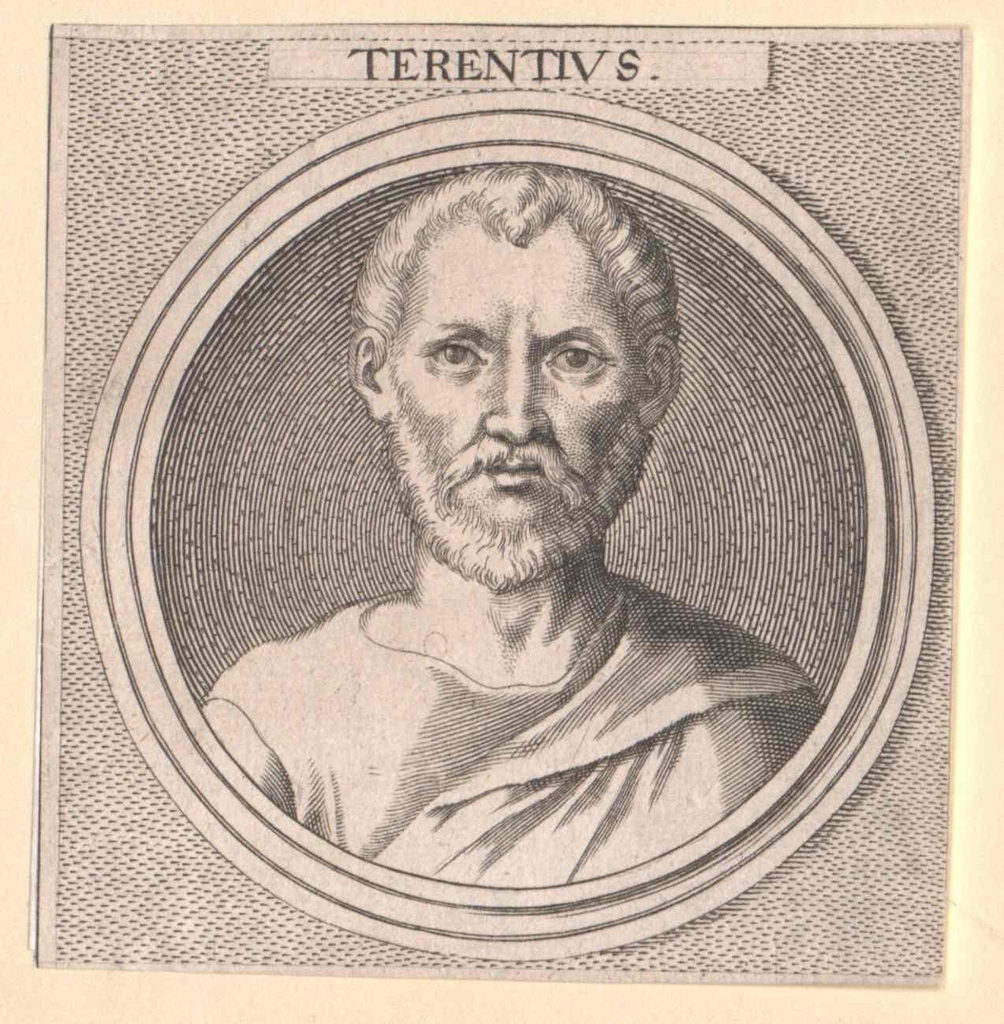
Publius Terentius Afer, better known in English as Terence, was a Roman African playwright during the Roman Republic. His comedies were performed for the first time around 166–160 BC. Terentius Lucanus, a Roman senator, brought Terence to Rome as a slave, educated him and later on, impressed by his abilities, freed him. It is thought that Terence abruptly died, around the age of 25, likely in Greece or on his way back to Rome, due to shipwreck or disease. He was supposedly on his way to explore and find inspiration for his comedies. His plays were heavily used to learn to speak and write in Latin during the Middle Ages and Renaissance Period, and in some instances were imitated by William Shakespeare.