jacob alt


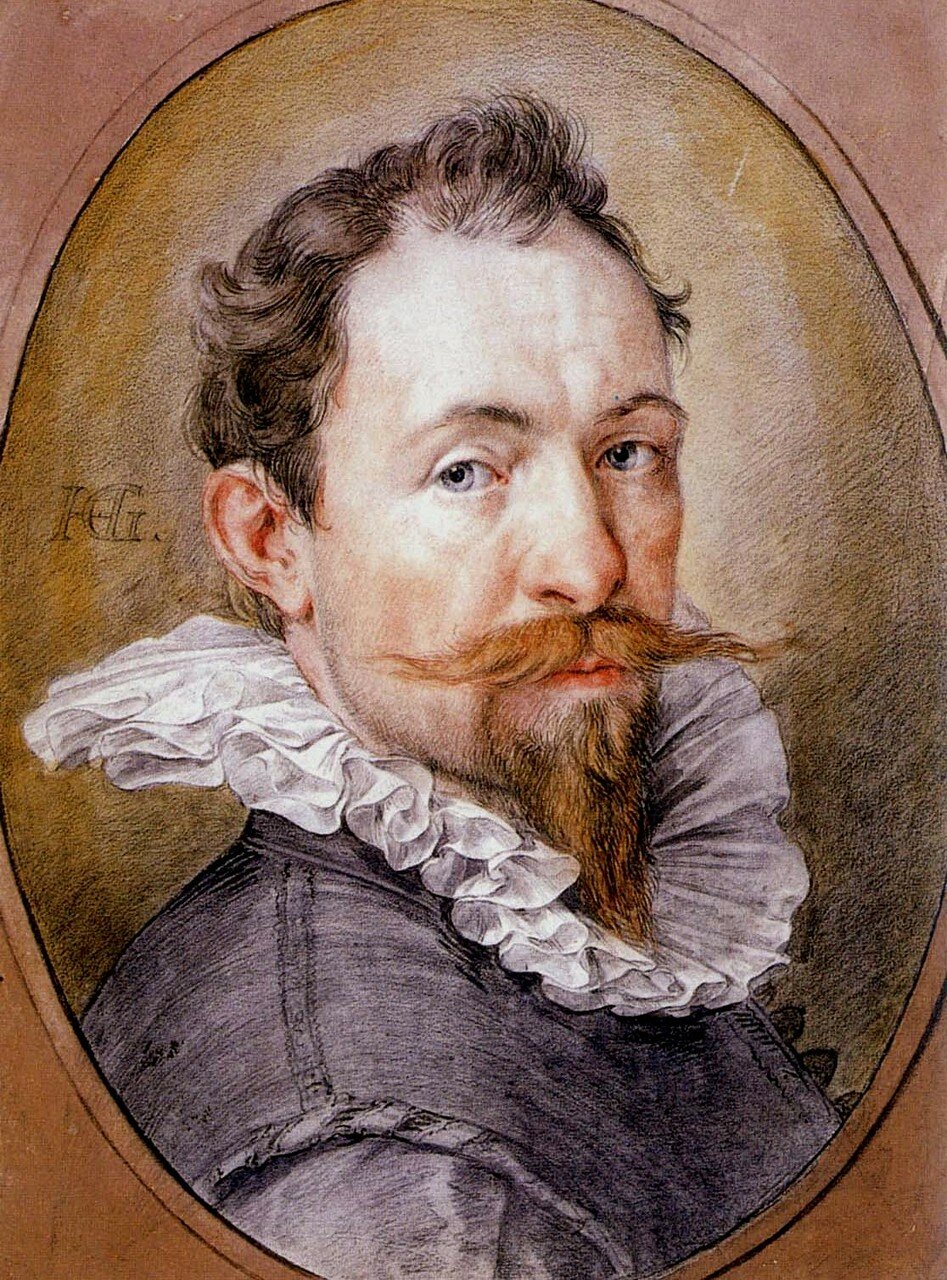
Hendrick Goltzius was a German-born Dutch printmaker, draftsman, and painter. He was the leading Dutch engraver of the early Baroque period, or Northern Mannerism, lauded for his sophisticated technique, technical mastership and "exuberance" of his compositions. According to A. Hyatt Mayor, Goltzius "was the last professional engraver who drew with the authority of a good painter and the last who invented many pictures for others to copy". In the middle of his life he also began to produce paintings.
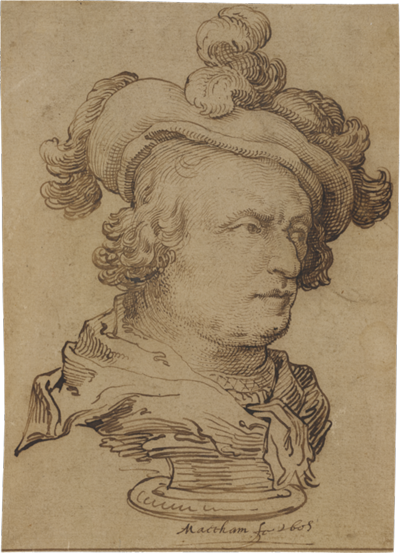


Hendrick Goltzius was a German-born Dutch printmaker, draftsman, and painter. He was the leading Dutch engraver of the early Baroque period, or Northern Mannerism, lauded for his sophisticated technique, technical mastership and "exuberance" of his compositions. According to A. Hyatt Mayor, Goltzius "was the last professional engraver who drew with the authority of a good painter and the last who invented many pictures for others to copy". In the middle of his life he also began to produce paintings.
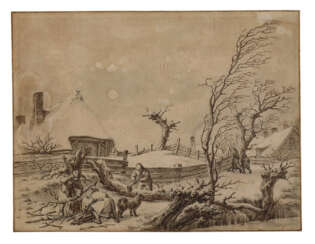

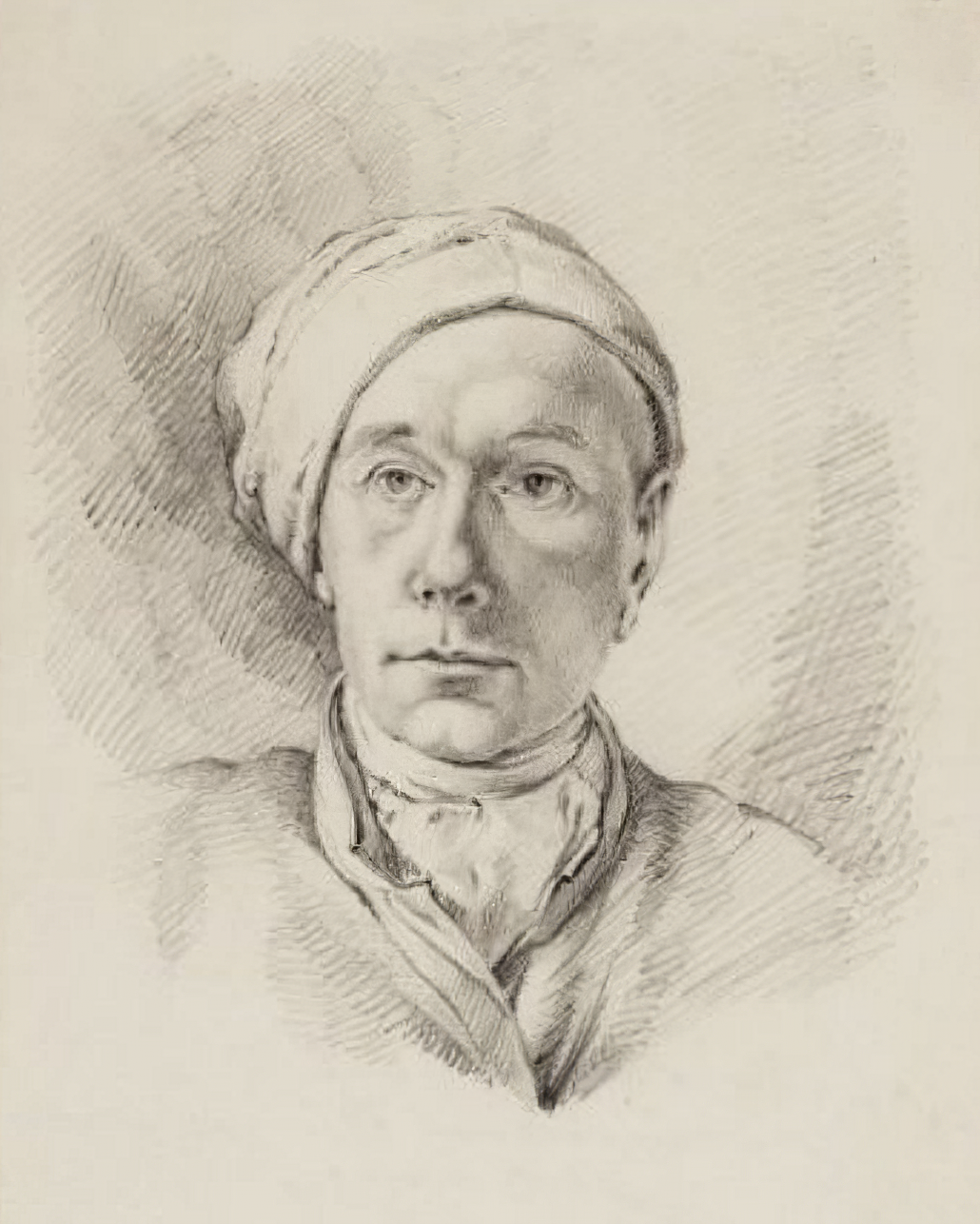
Jacob Cats was a Dutch painter, printmaker and graphic artist.
He was famous for his urban landscapes and landscapes with realistic portrayals of people and animals. His works were distinguished for their originality, poetic rendering of the features of nature and depth.
His works are represented in almost all major public collections in the Netherlands.


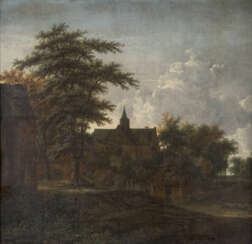
Jacob van Ruisdael, a preeminent Dutch painter, etcher, and draughtsman of the 17th century, is celebrated for his masterful landscape paintings, which significantly influenced the course of Western landscape art. Born around 1628/29 in Haarlem, Netherlands, into a family of artists, Ruisdael was an integral part of the Dutch Golden Age of painting.
Although the specifics of his training are unclear, it's believed that he was influenced by his father, uncle, and other local Haarlem landscapists like Cornelis Vroom and Allaert van Everdingen. Ruisdael's works are renowned for their dramatic depictions of Dutch landscapes, combining detailed natural observation with a monumental composition style. His paintings often feature striking forest scenes or sweeping panoramic views of cities like Haarlem.
Ruisdael's oeuvre spans a wide range, from serene forest scenes and turbulent seascapes to bustling cityscapes and desolate ruins. His handling of light and atmosphere in these settings is particularly noteworthy, adding a dramatic and emotional depth to the landscapes.
Some speculation surrounds Ruisdael's life, including the possibility of him practicing medicine in Amsterdam; however, this remains a topic of debate among historians. His travels seem to have been limited within the Netherlands and possibly to Germany, but he never visited Scandinavia, despite painting numerous Norwegian landscapes.
Today, Ruisdael's works are held in high esteem and are a part of major collections worldwide, including the National Gallery in London, the Rijksmuseum in Amsterdam, and the Hermitage Museum in St. Petersburg. Notable works include "The Jewish Cemetery," "View of Haarlem with Bleaching Grounds," and "Bentheim Castle," all showcasing his characteristic treatment of nature and light.
For art enthusiasts and collectors, Ruisdael's works offer a profound insight into the landscape painting of the Dutch Golden Age. His influence extends across various art movements and continues to be celebrated in the art world. Those interested in his work are encouraged to explore collections in renowned museums and keep informed about new sales and auction events related to Ruisdael's artworks.
For those with a keen interest in the works of Jacob van Ruisdael and the rich heritage of Dutch landscape painting, there is an exclusive opportunity to stay connected with the latest developments in this field. By subscribing to our updates, you will receive timely information on new product sales and auction events specifically related to the art of Jacob van Ruisdael. This service is particularly valuable for collectors and experts in art and antiques, offering insights into available pieces and upcoming opportunities to acquire works from this influential artist.


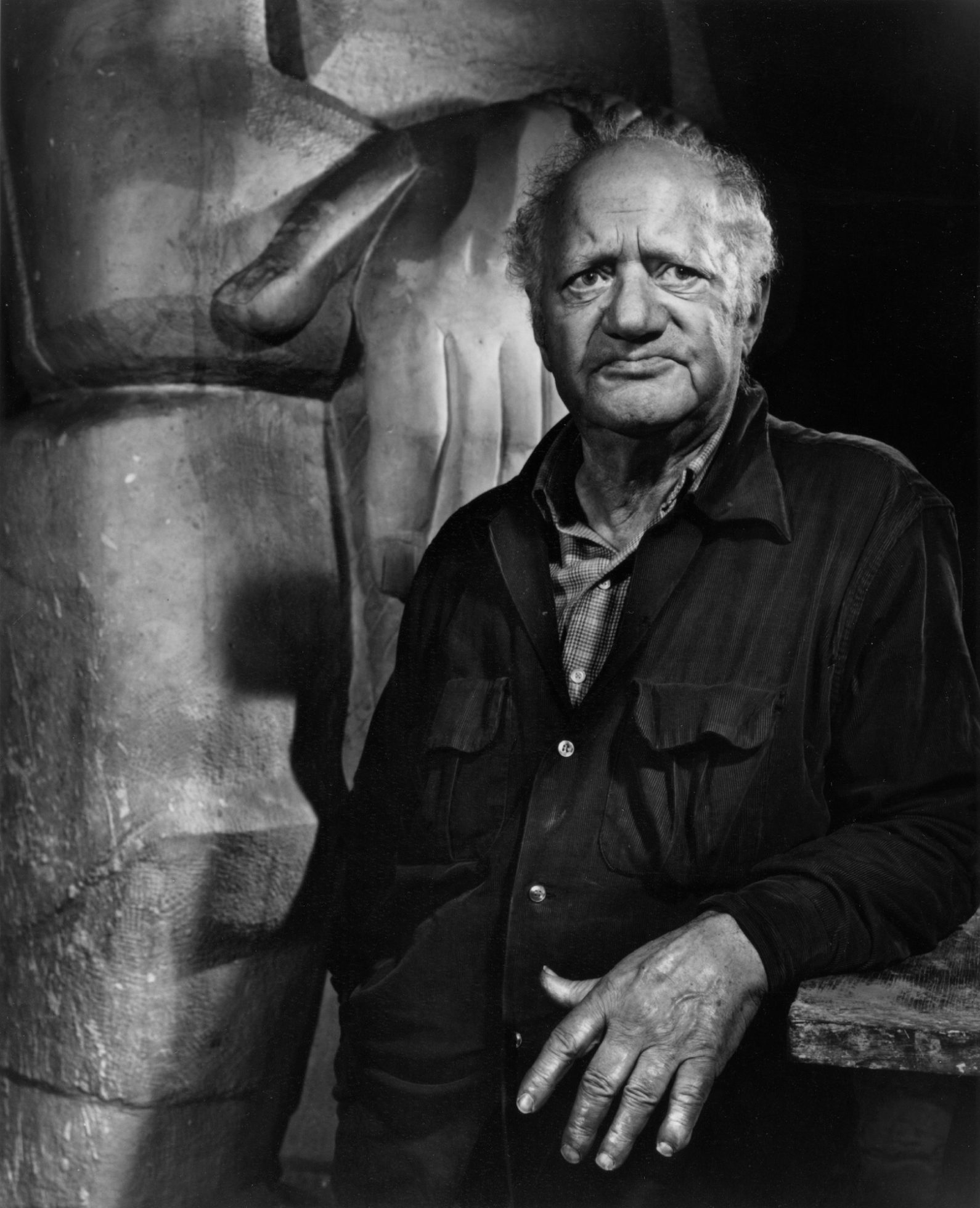
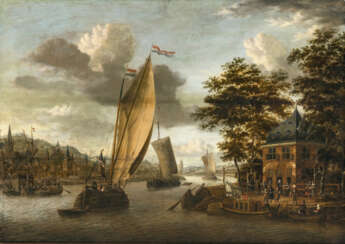

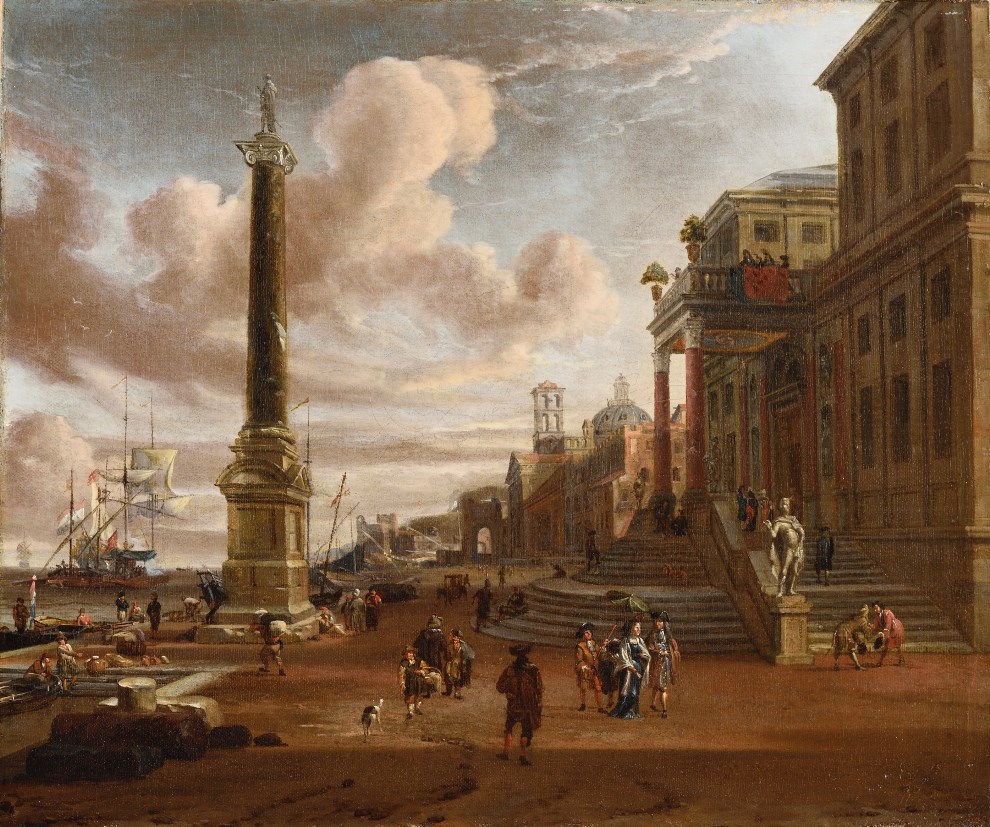
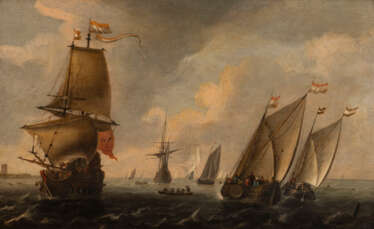
Jacobus Storck was a Dutch marine painter of the Dutch Golden Age, son of the marine painter Johannes Sturkenburg, and elder brother of the painter Abraham Storck.
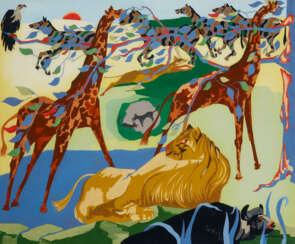

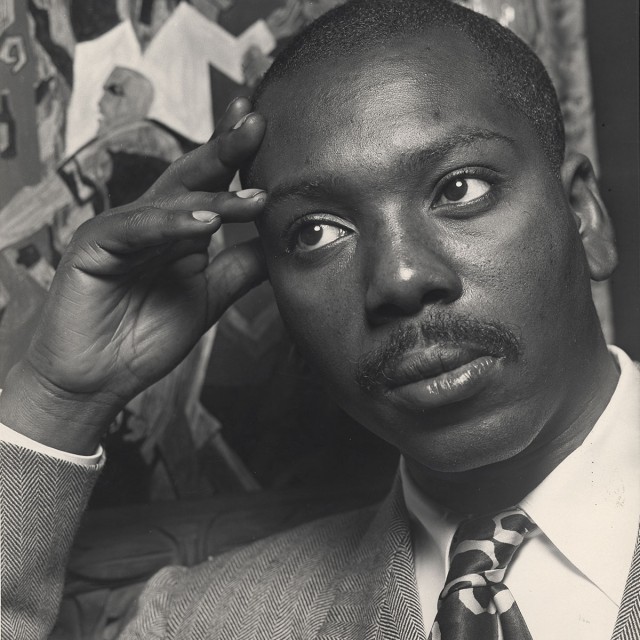
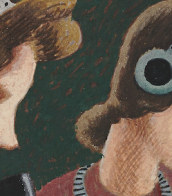
Jacob Armstead Lawrence was a pioneering American artist, renowned for his dynamic cubism and profound portrayals of African-American life and history. Born in 1917 in Atlantic City, he moved to Harlem at a young age, where he was deeply influenced by the Harlem Renaissance. This vibrant cultural period helped shape his unique artistic style, which combined abstract expression with narrative elements.
Lawrence gained national recognition at just 23 years old with his 60-panel series "The Migration of the Negro" (later known as "The Migration Series"), which depicted the mass movement of African Americans from the rural South to the urban North. This work was first displayed at Edith Halpert's Downtown Gallery in 1941, making him the first African American artist to be represented by a mainstream New York gallery.
His art often depicted both historical and contemporary themes, making significant contributions to the representation of African American history in modern art. His works are housed in prestigious institutions such as the Museum of Modern Art (MoMA) and the Phillips Collection. In addition to painting, Lawrence also dedicated much of his life to teaching, influencing generations of artists at institutions like the University of Washington.
If you're keen to explore more about Jacob Lawrence's contributions to art and culture, consider subscribing for updates on exhibitions, sales, and auction events related to his work. This subscription will keep you informed about new discoveries and opportunities to engage with Lawrence's enduring legacy.

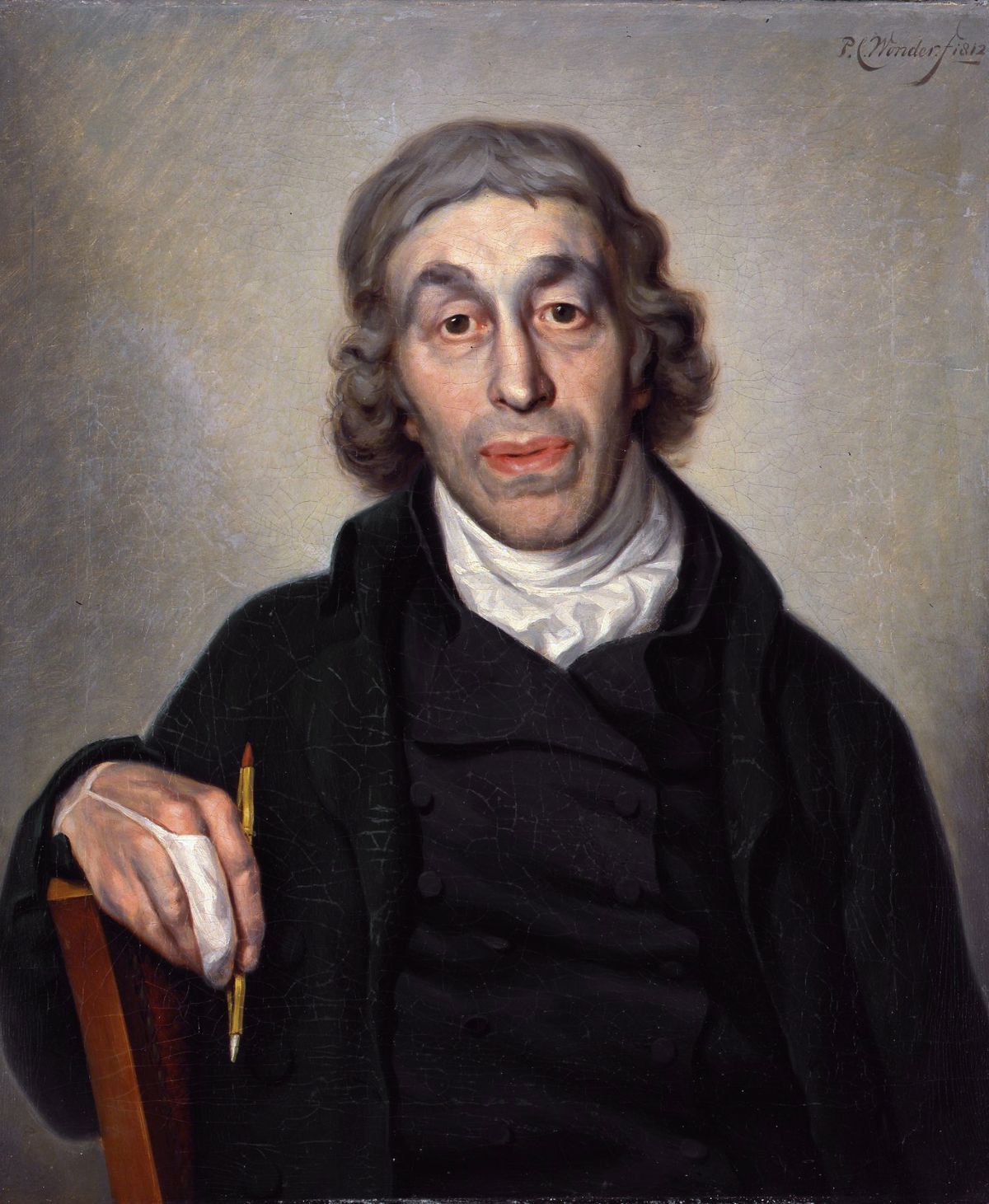
Jacob van Strij was a Dutch painter and printmaker, a member of the Guild of St. Luke in Dordrecht, his older brother Abraham van Strij. Jacob created wall decorations, decorative panels and was mainly interested in landscape painting, including mountain, sea and especially winter landscapes.


Jacob Gerritsz. Cuyp was a Dutch painter-painter and illustrator of the Golden Age, the elder brother of Benjamin Gerritsz. Cuyp. He was a member of the Dordrecht and Utrecht Guilds of St. Luke's. The prolific painter produced a large number of portraits, including many portraits of children. He also painted historical, biblical and genre scenes, still lifes and landscapes.

Jacob van Strij was a Dutch painter and printmaker, a member of the Guild of St. Luke in Dordrecht, his older brother Abraham van Strij. Jacob created wall decorations, decorative panels and was mainly interested in landscape painting, including mountain, sea and especially winter landscapes.


Jacob van Ruisdael, a preeminent Dutch painter, etcher, and draughtsman of the 17th century, is celebrated for his masterful landscape paintings, which significantly influenced the course of Western landscape art. Born around 1628/29 in Haarlem, Netherlands, into a family of artists, Ruisdael was an integral part of the Dutch Golden Age of painting.
Although the specifics of his training are unclear, it's believed that he was influenced by his father, uncle, and other local Haarlem landscapists like Cornelis Vroom and Allaert van Everdingen. Ruisdael's works are renowned for their dramatic depictions of Dutch landscapes, combining detailed natural observation with a monumental composition style. His paintings often feature striking forest scenes or sweeping panoramic views of cities like Haarlem.
Ruisdael's oeuvre spans a wide range, from serene forest scenes and turbulent seascapes to bustling cityscapes and desolate ruins. His handling of light and atmosphere in these settings is particularly noteworthy, adding a dramatic and emotional depth to the landscapes.
Some speculation surrounds Ruisdael's life, including the possibility of him practicing medicine in Amsterdam; however, this remains a topic of debate among historians. His travels seem to have been limited within the Netherlands and possibly to Germany, but he never visited Scandinavia, despite painting numerous Norwegian landscapes.
Today, Ruisdael's works are held in high esteem and are a part of major collections worldwide, including the National Gallery in London, the Rijksmuseum in Amsterdam, and the Hermitage Museum in St. Petersburg. Notable works include "The Jewish Cemetery," "View of Haarlem with Bleaching Grounds," and "Bentheim Castle," all showcasing his characteristic treatment of nature and light.
For art enthusiasts and collectors, Ruisdael's works offer a profound insight into the landscape painting of the Dutch Golden Age. His influence extends across various art movements and continues to be celebrated in the art world. Those interested in his work are encouraged to explore collections in renowned museums and keep informed about new sales and auction events related to Ruisdael's artworks.
For those with a keen interest in the works of Jacob van Ruisdael and the rich heritage of Dutch landscape painting, there is an exclusive opportunity to stay connected with the latest developments in this field. By subscribing to our updates, you will receive timely information on new product sales and auction events specifically related to the art of Jacob van Ruisdael. This service is particularly valuable for collectors and experts in art and antiques, offering insights into available pieces and upcoming opportunities to acquire works from this influential artist.
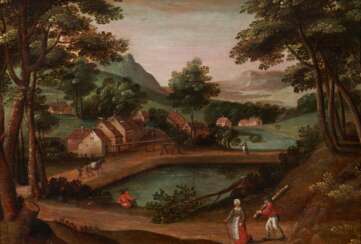

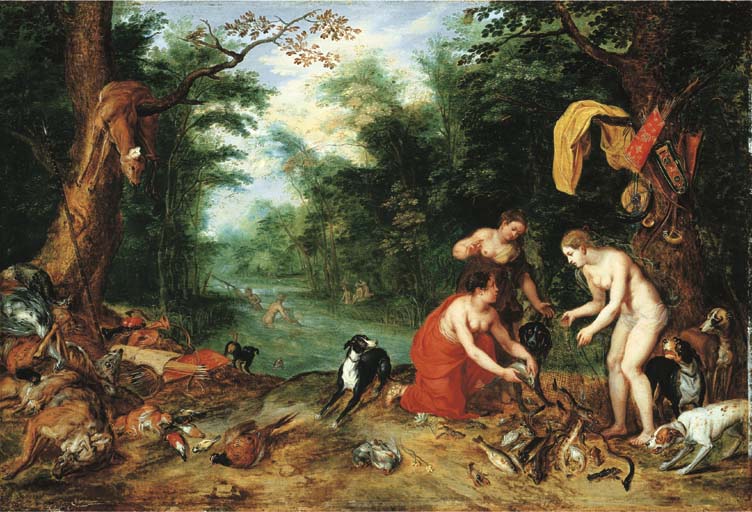
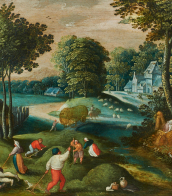
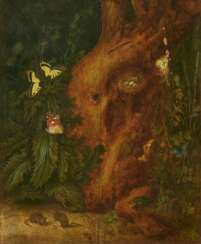
Jacob Grimmer was a Flemish painter who was active during the Late Renaissance. He specialised in landscapes and genre scenes, often depicting the everyday life of peasants.
His style was strongly influenced by Pieter Bruegel the Elder and the works of Leonardo da Vinci and Raphael.
Grimmer's paintings are characterized by detailed, realistic depictions of nature. His landscapes are characterized by wide expanses and intricate detail.
Jacob Grimmer was known for his ability to capture the nuances of human behaviour, so his genre works depict the lives of peasants with a touch of humour and whimsy.

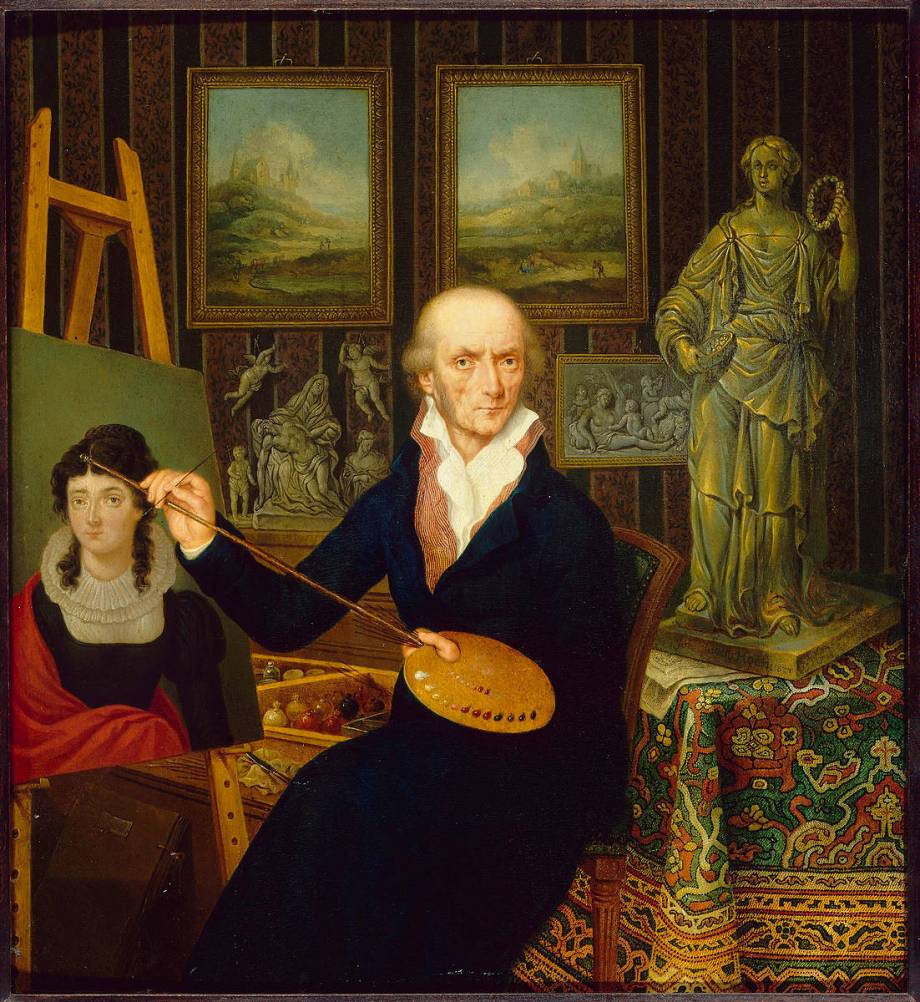
Johann Jacob Hoch was a German painter known for his landscape and genre paintings.
Johann Jacob Hoch belonged to a family of painters from Mainz and was sent by Elector Friedrich Carl to study in Vienna in 1778.
Hoch's work was influenced by the Romantic movement, which emphasised the value of nature, emotion and individual expression. He often depicted idyllic landscapes, rustic scenes and genre subjects, conveying the charm and tranquillity of rural life.
Hoch's landscapes demonstrate his ability to convey the effects of light and atmosphere, creating a sense of depth and mood in his compositions. His attention to detail, particularly in his rendering of foliage and natural elements, gave his works a realistic and captivating quality.
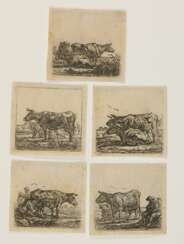

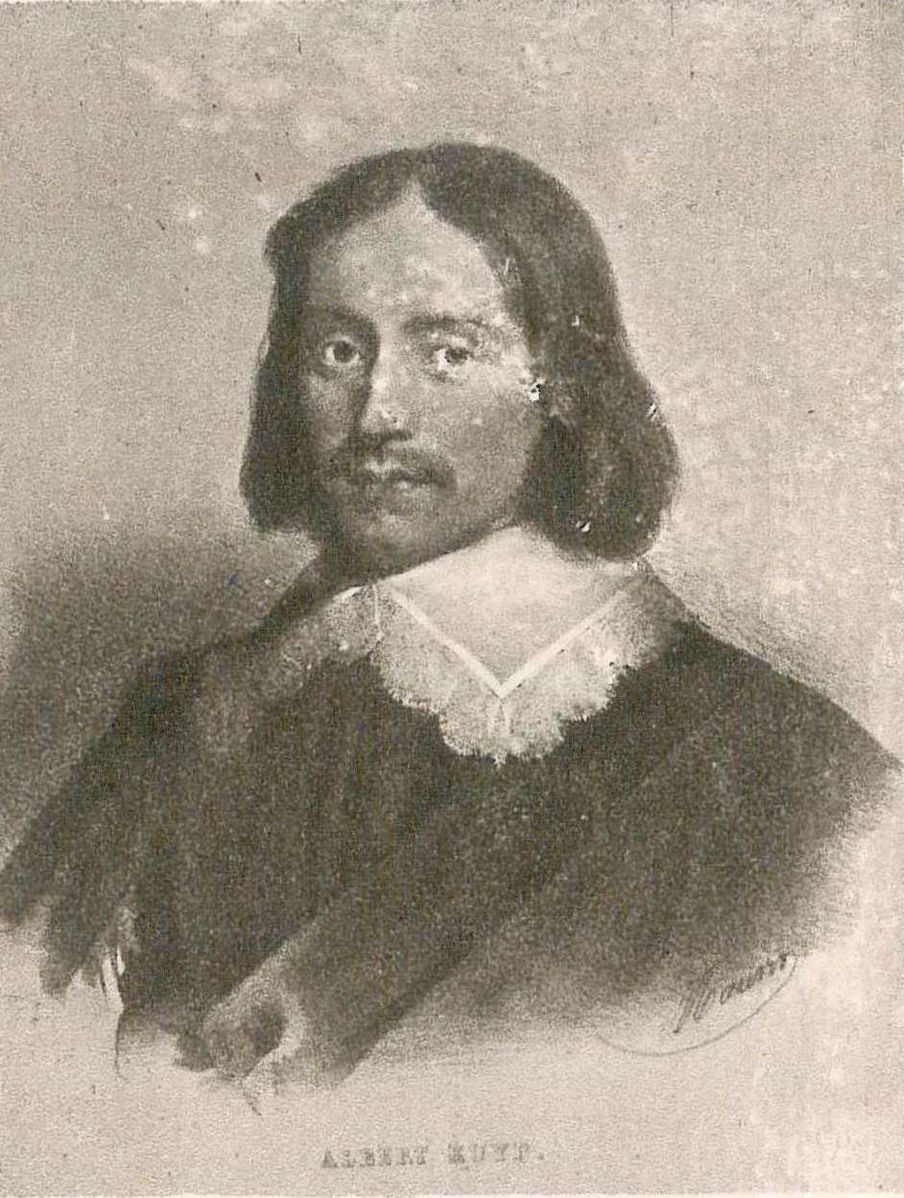
Aelbert Jacobsz. Cuyp was a Dutch Baroque painter, graphic artist and printmaker.
Aelbert is the successor of a dynasty of painters from Dordrecht. He was one of the leading Dutch landscape painters of the Dutch Golden Age. A pupil of his father, the painter Jacob Gerritsz. Cuyp (1594-1651), he is known primarily for his landscapes of the Dutch countryside in the light of early morning or late evening. But Aelbert Cuyp also painted canvases on biblical, mythological, and historical themes, still lifes, and portraits. The Italian style is evident in his works.
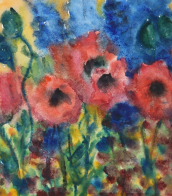
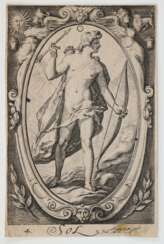

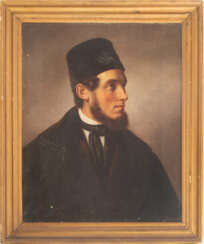

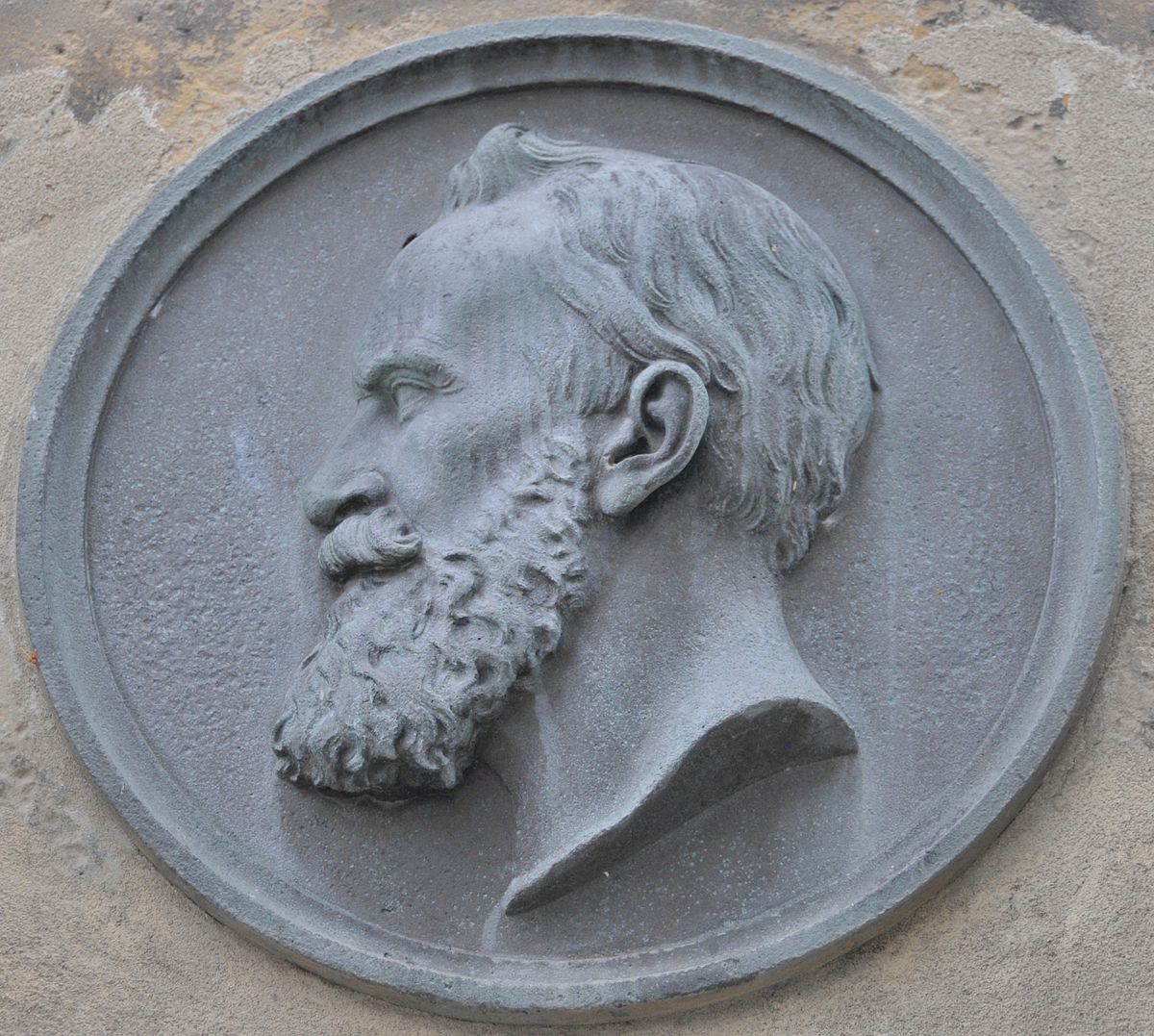
Paul Emil Jacobs was a German Orientalist painter and member of the Imperial Academy of Arts.
Jacobs was known for numerous paintings on Orientalist themes: harem beauties, picturesque Turks, and the slave market. He also painted scenes with religious and historical motifs.


Paul Emil Jacobs was a German Orientalist painter and member of the Imperial Academy of Arts.
Jacobs was known for numerous paintings on Orientalist themes: harem beauties, picturesque Turks, and the slave market. He also painted scenes with religious and historical motifs.
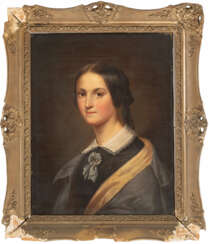

Paul Emil Jacobs was a German Orientalist painter and member of the Imperial Academy of Arts.
Jacobs was known for numerous paintings on Orientalist themes: harem beauties, picturesque Turks, and the slave market. He also painted scenes with religious and historical motifs.
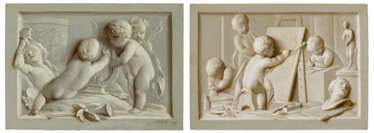

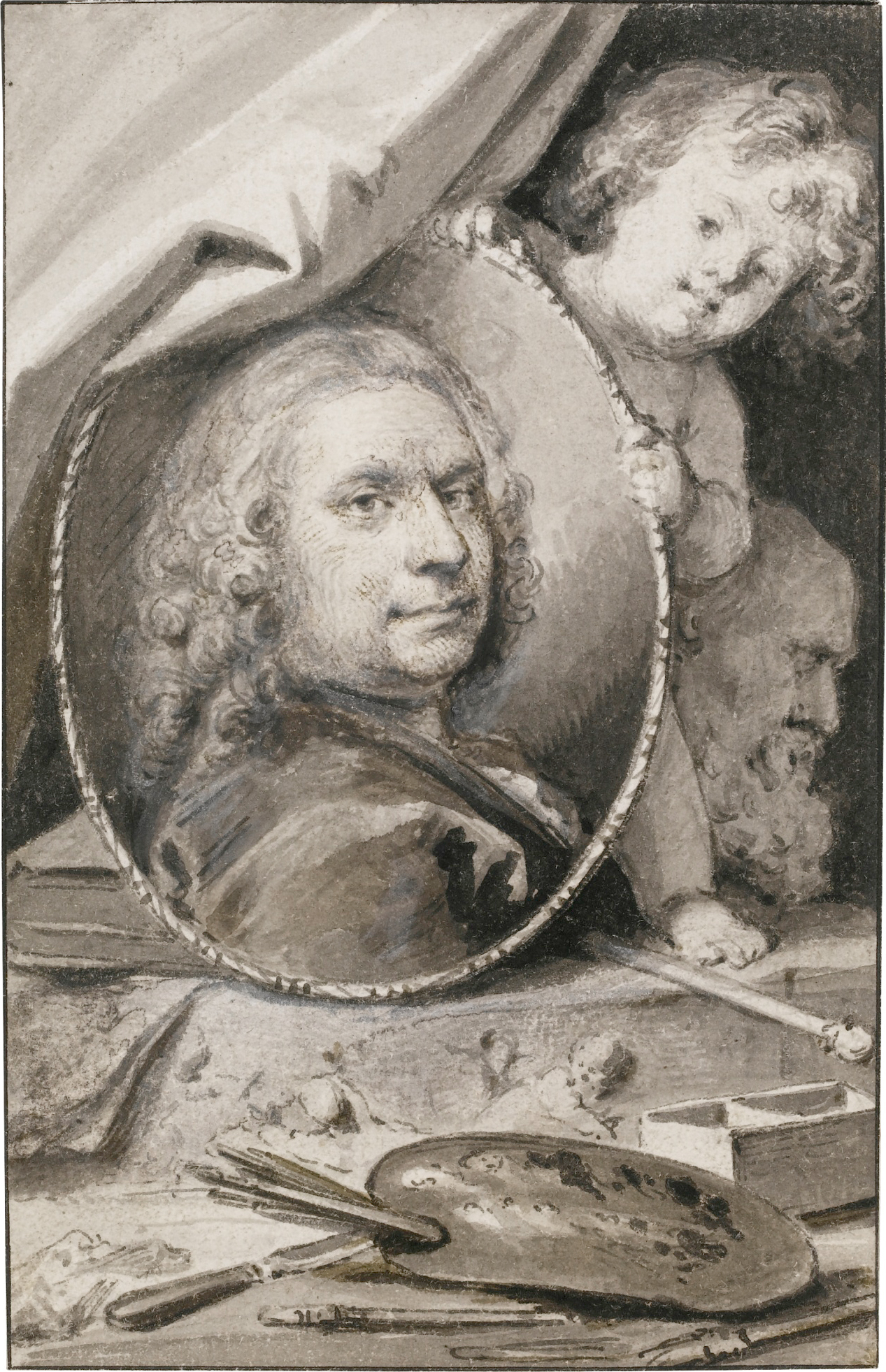
Jacob de Wit was a Dutch painter, decorator and collector, a member of the Guild of St. Luke in Antwerp.
De Wit studied at the Royal Academy in Antwerp, where he began to study the work of Peter Paul Rubens and became his follower. De Wit made copies of many of Rubens' works, notably his ceiling paintings in the Jesuit church in Antwerp.
Later, from the 1720s Jacob de Wit began working in Amsterdam, where he received regular commissions, both public and private. He created many ceiling and wall paintings in the Rococo style, in which he used grisaille - gray and white painting, creating the illusion of three-dimensionality, or bas-relief. Some of them can still be seen in their original places in the 21st century.
Jacob de Wit amassed a large art collection during his lifetime, including works by Rubens, Antoni van Dyck, as well as Dutch and Flemish contemporaries and old masters.
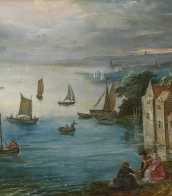


Aelbert Jacobsz. Cuyp was a Dutch Baroque painter, graphic artist and printmaker.
Aelbert is the successor of a dynasty of painters from Dordrecht. He was one of the leading Dutch landscape painters of the Dutch Golden Age. A pupil of his father, the painter Jacob Gerritsz. Cuyp (1594-1651), he is known primarily for his landscapes of the Dutch countryside in the light of early morning or late evening. But Aelbert Cuyp also painted canvases on biblical, mythological, and historical themes, still lifes, and portraits. The Italian style is evident in his works.


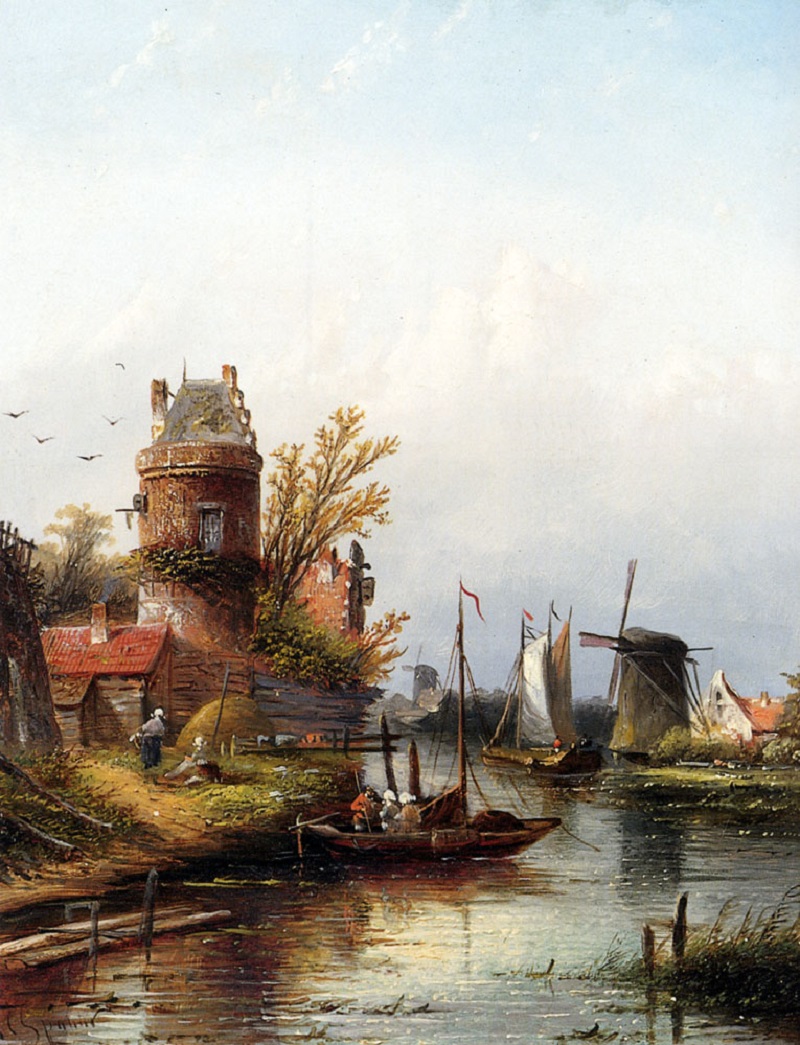
Jacob Jan Coenraad Spohler was a Dutch painter. He is known for his winter landscapes and cityscapes.
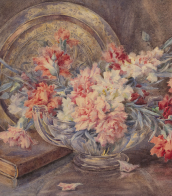


Jacob Jan Coenraad Spohler was a Dutch painter. He is known for his winter landscapes and cityscapes.

Jacob Gerritsz. Cuyp was a Dutch painter-painter and illustrator of the Golden Age, the elder brother of Benjamin Gerritsz. Cuyp. He was a member of the Dordrecht and Utrecht Guilds of St. Luke's. The prolific painter produced a large number of portraits, including many portraits of children. He also painted historical, biblical and genre scenes, still lifes and landscapes.


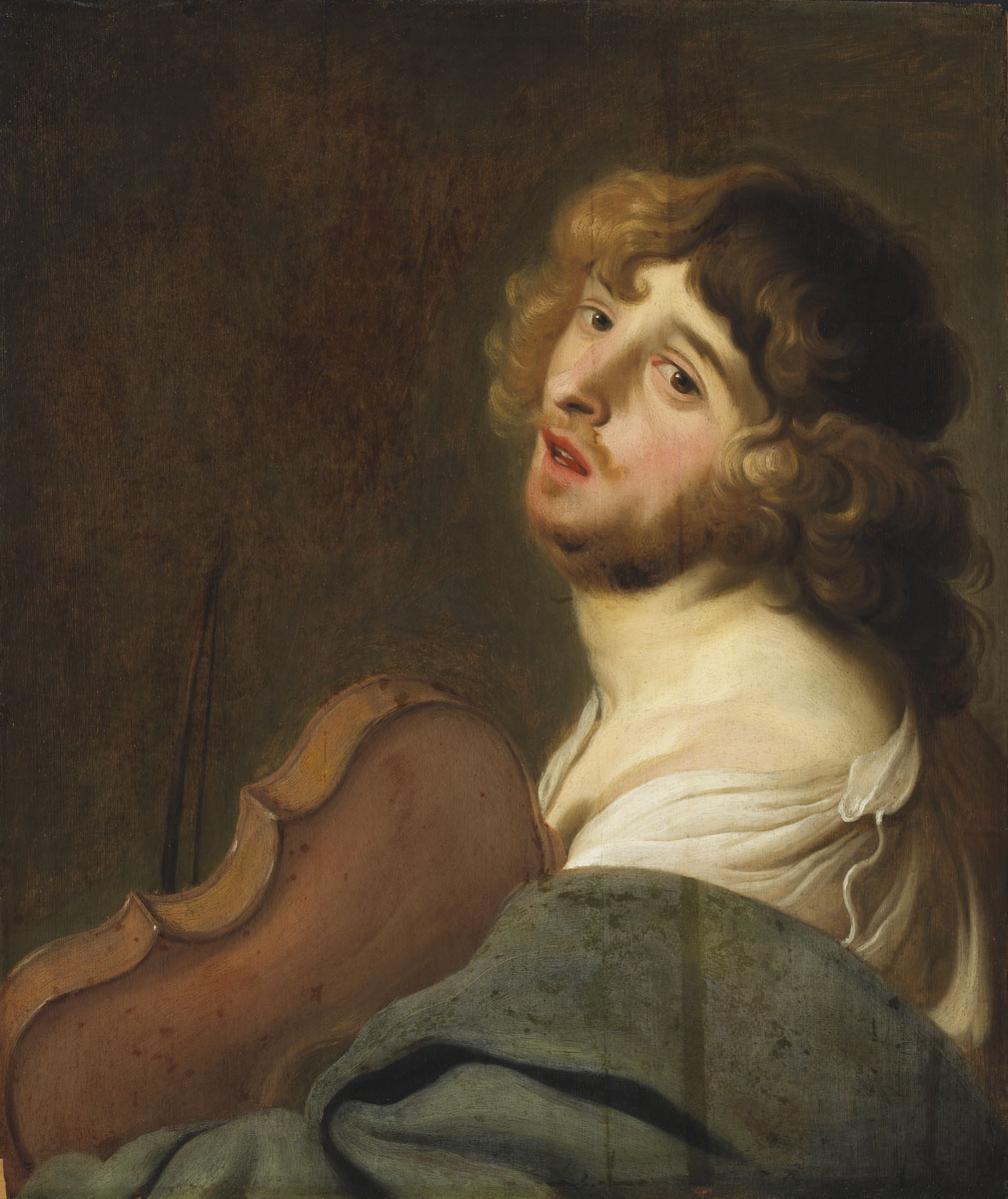
Jacob Adriaensz Backer was a prolific artist of the Dutch Golden Age, known for his dynamic portraits, religious subjects, and mythological scenes. Over a span of twenty years, Backer produced approximately 140 paintings, standing out for his quick execution and attention to detail. His ability to capture intricate details like cuffs, fur, and collars within a short period was renowned, exemplifying the Dutch wet-on-wet painting technique's success during his era.
Influenced by notable figures such as Wybrand de Geest, Peter Paul Rubens, and Abraham Bloemaert, Backer was also celebrated for his drawings of nudes, showcasing his versatile skill set. His works were a testament to the baroque movement, characterized by vivid expression and intricate detail. Notable among his works are portraits that convey the subject's essence with exceptional clarity and depth, earning him a distinguished place among his contemporaries in Amsterdam.
Despite his significant contributions to Dutch art, Backer led a life focused solely on his art, never marrying or purchasing a home, possibly sharing his living quarters with relatives. He was deeply embedded in the artistic milieu of Amsterdam, having been one of the most independent pupils of Rembrandt between 1632 and 1634, absorbing and reflecting the master's style in his works.
For collectors and experts in art and antiques, Jacob Adriaensz Backer's work offers an insight into the Dutch Golden Age's rich cultural and artistic landscape. His legacy continues to be celebrated in major museums and collections worldwide, including the Rijksmuseum in Amsterdam and the National Museum in Warsaw, where his influence on portrait and genre painting remains undisputed.
To stay updated on exhibitions, sales, and auctions related to Jacob Adriaensz Backer, subscribing to newsletters from reputable art galleries and auction houses is advisable. This ensures you receive timely information on opportunities to engage with the works of this masterful Dutch Golden Age painter.
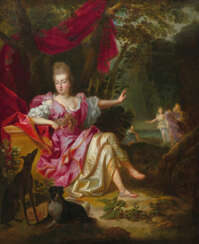

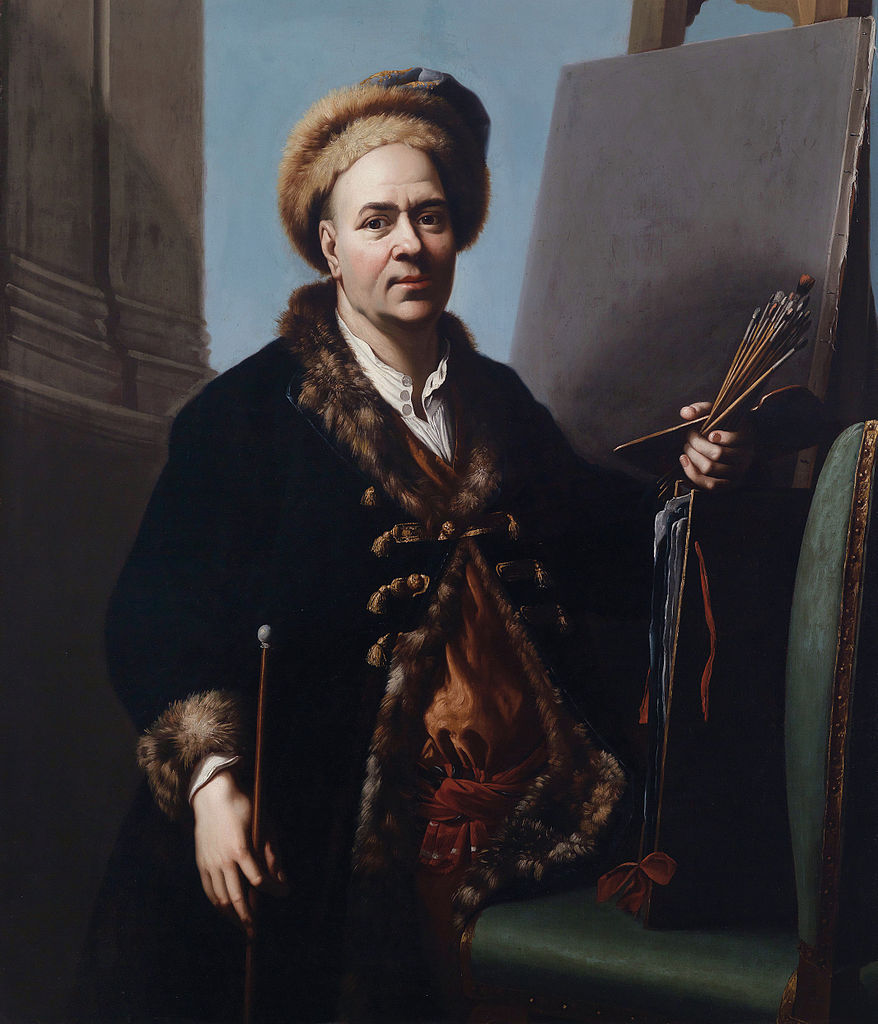
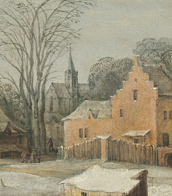


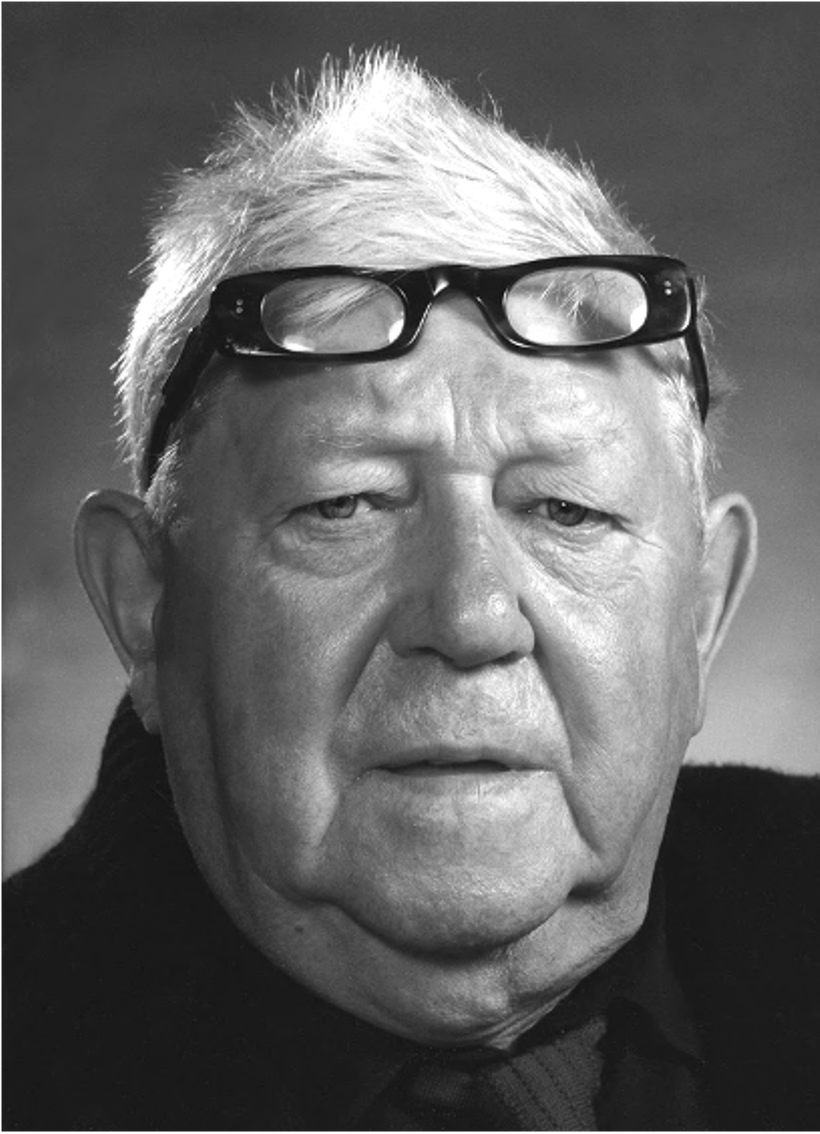
Robert Jacobsen, full name Robert Julius Tommy Jacobsen is a Danish painter and abstract sculptor. Jacobsen is a self-taught sculptor.
He became acquainted with modernist artists and created massive structures in granite and sandstone under the titles "Mythical Creatures", "Dolls". During his stay in France, his work included sculptures in cast iron.
Jacobsen was also a professor at the Munich Academy of Fine Arts and the Royal Danish Academy of Arts.
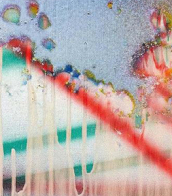
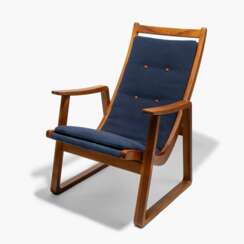

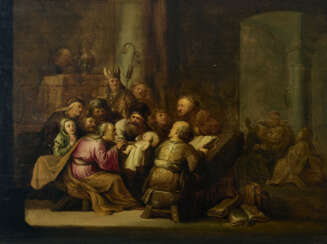

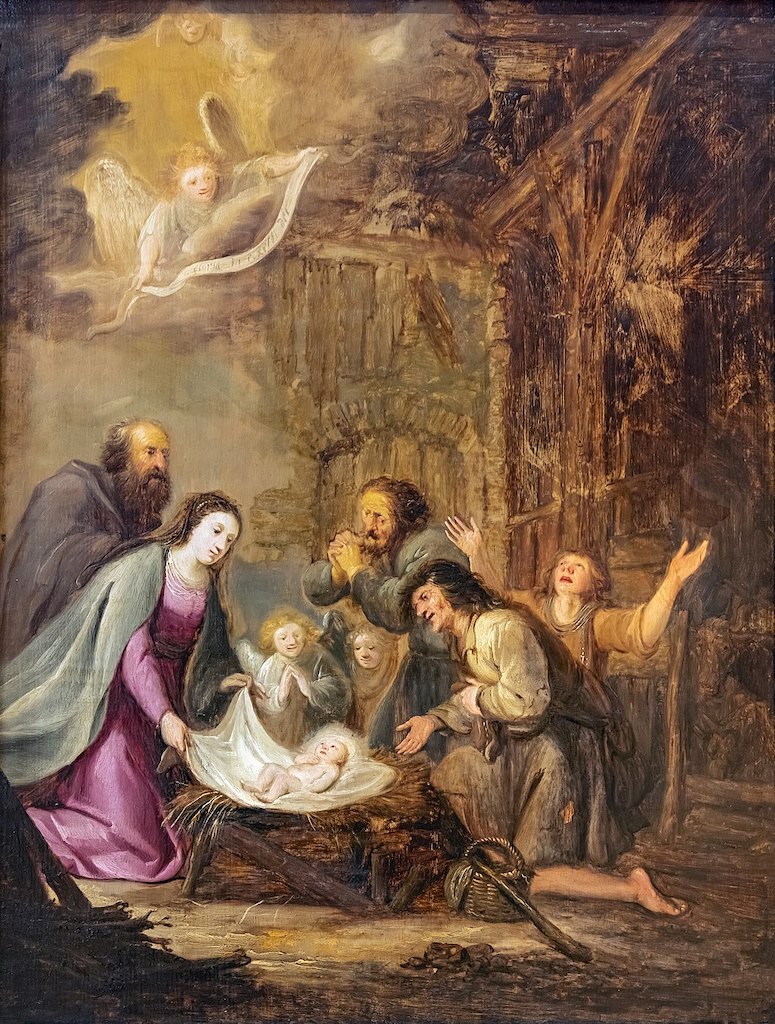
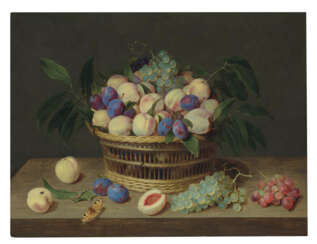

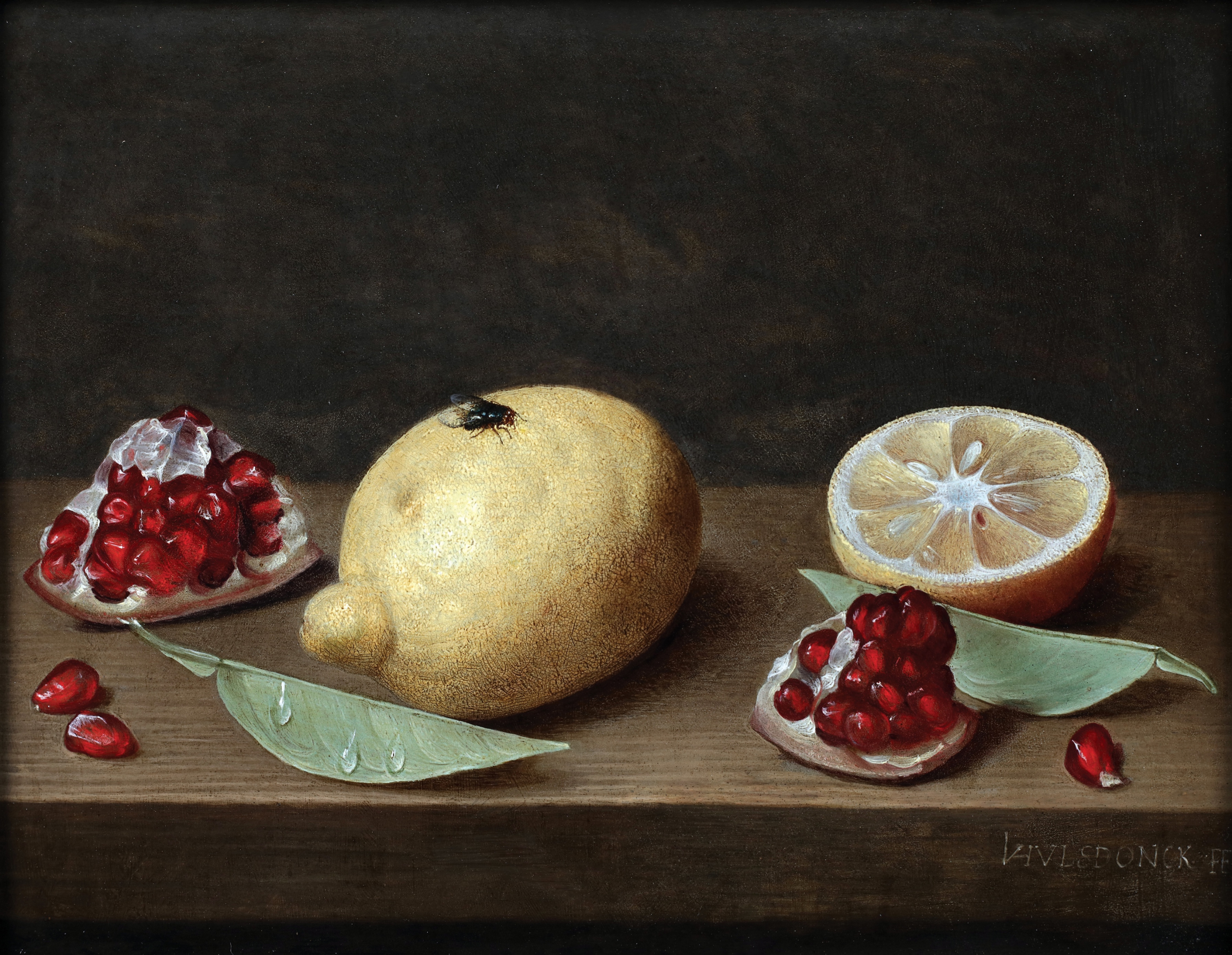
Jacob van Hulsdonck was a Flemish painter who played a role in the early development of the genre of still lifes of fruit, banquets and flowers.
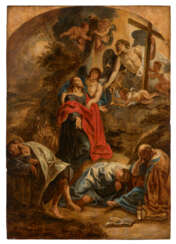

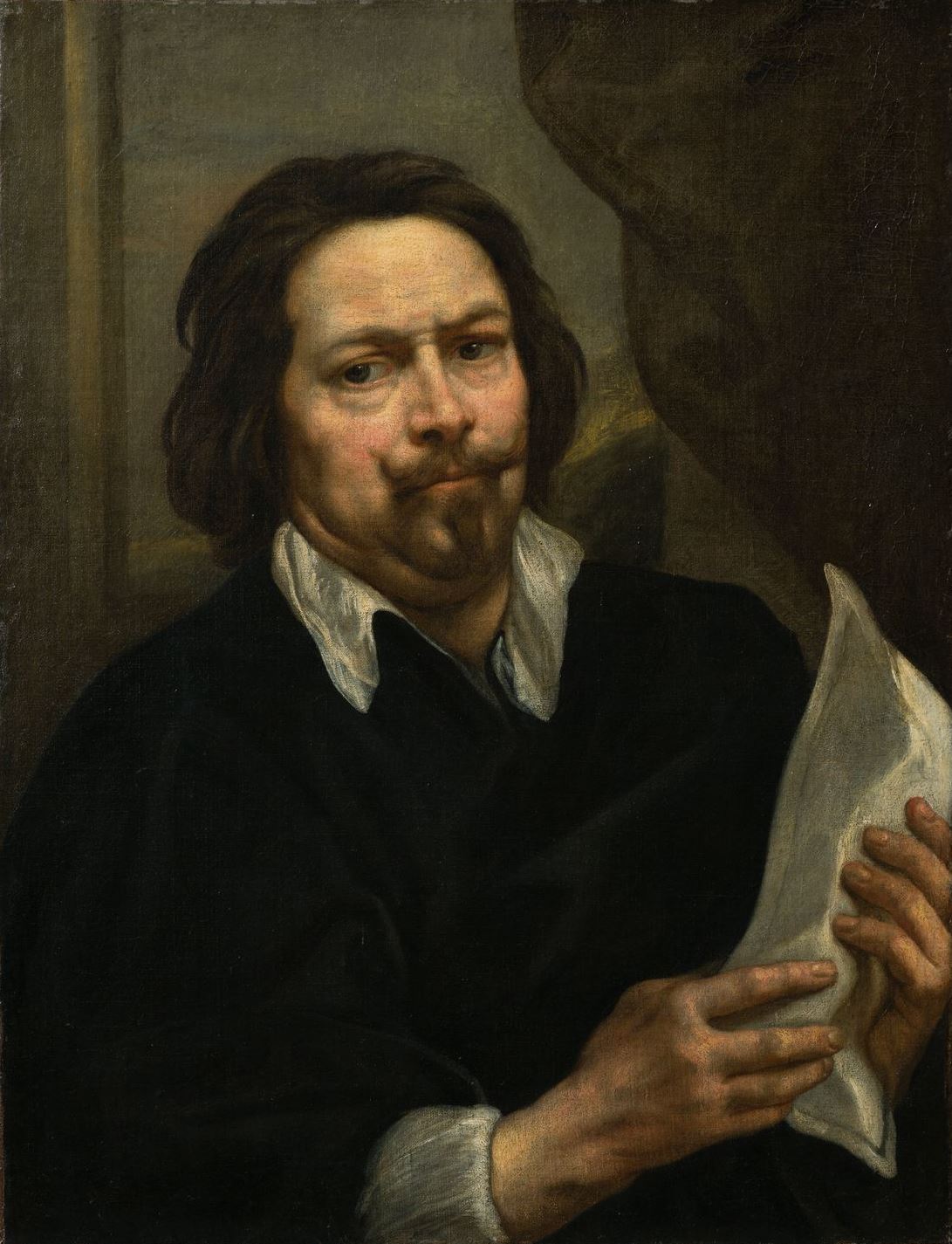
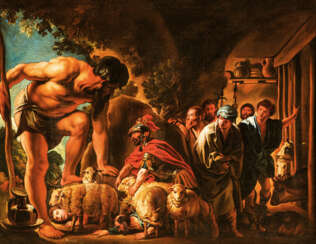
Jacob Jordaens was a Flemish painter, draughtsman and tapestry designer known for his history paintings, genre scenes and portraits. After Peter Paul Rubens and Anthony van Dyck, he was the leading Flemish Baroque painter of his day. Unlike those contemporaries he never travelled abroad to study Italian painting, and his career is marked by an indifference to their intellectual and courtly aspirations. In fact, except for a few short trips to locations elsewhere in the Low Countries, he remained in Antwerp his entire life. As well as being a successful painter, he was a prominent designer of tapestries.
Like Rubens, Jordaens painted altarpieces, mythological, and allegorical scenes, and after 1640 — the year Rubens died — he was the most important painter in Antwerp for large-scale commissions and the status of his patrons increased in general. However, he is best known today for his numerous large genre scenes based on proverbs in the manner of his contemporary Jan Brueghel the Elder, depicting The King Drinks and As the Old Sing, So Pipe the Young. Jordaens' main artistic influences, besides Rubens and the Brueghel family, were northern Italian painters such as Jacopo Bassano, Paolo Veronese, and Caravaggio.
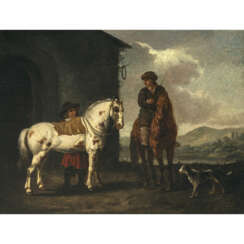

Aelbert Jacobsz. Cuyp was a Dutch Baroque painter, graphic artist and printmaker.
Aelbert is the successor of a dynasty of painters from Dordrecht. He was one of the leading Dutch landscape painters of the Dutch Golden Age. A pupil of his father, the painter Jacob Gerritsz. Cuyp (1594-1651), he is known primarily for his landscapes of the Dutch countryside in the light of early morning or late evening. But Aelbert Cuyp also painted canvases on biblical, mythological, and historical themes, still lifes, and portraits. The Italian style is evident in his works.
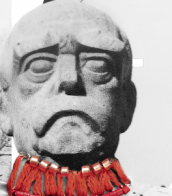
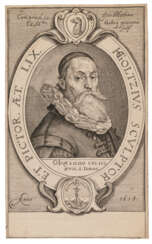

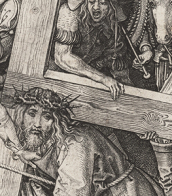
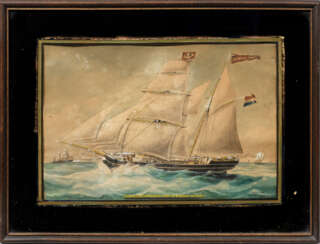

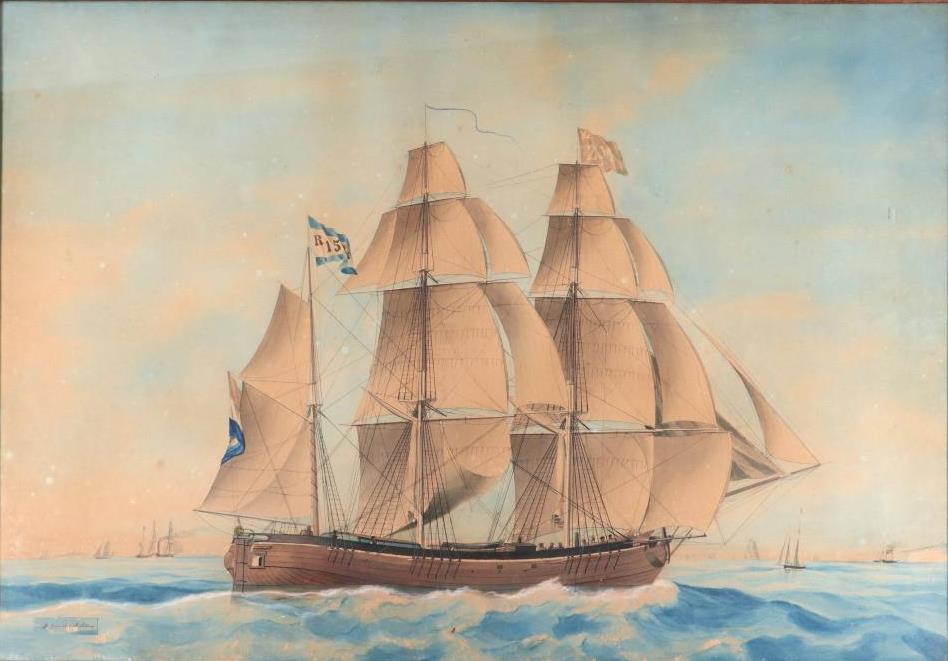
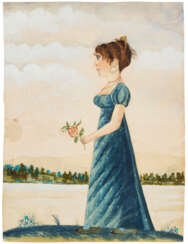

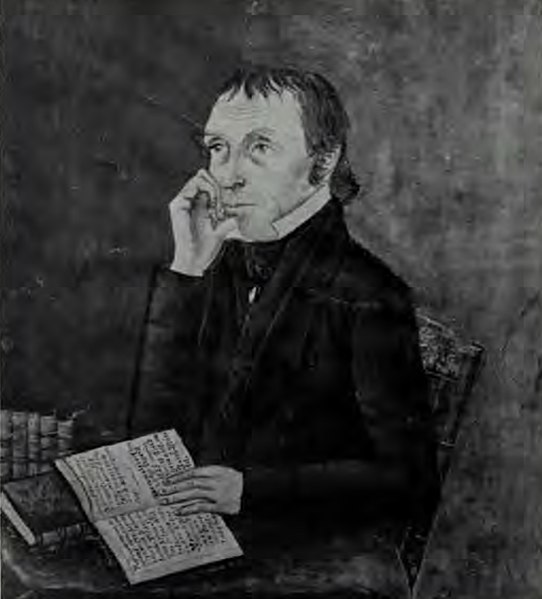
Jacob Mentel, birth name Johann Adam Bernhard Jacob Maentel, was a German-American folk artist.
Maentel is best known for his watercolour portraiture, which details the décor and clothing of early American immigrant communities.

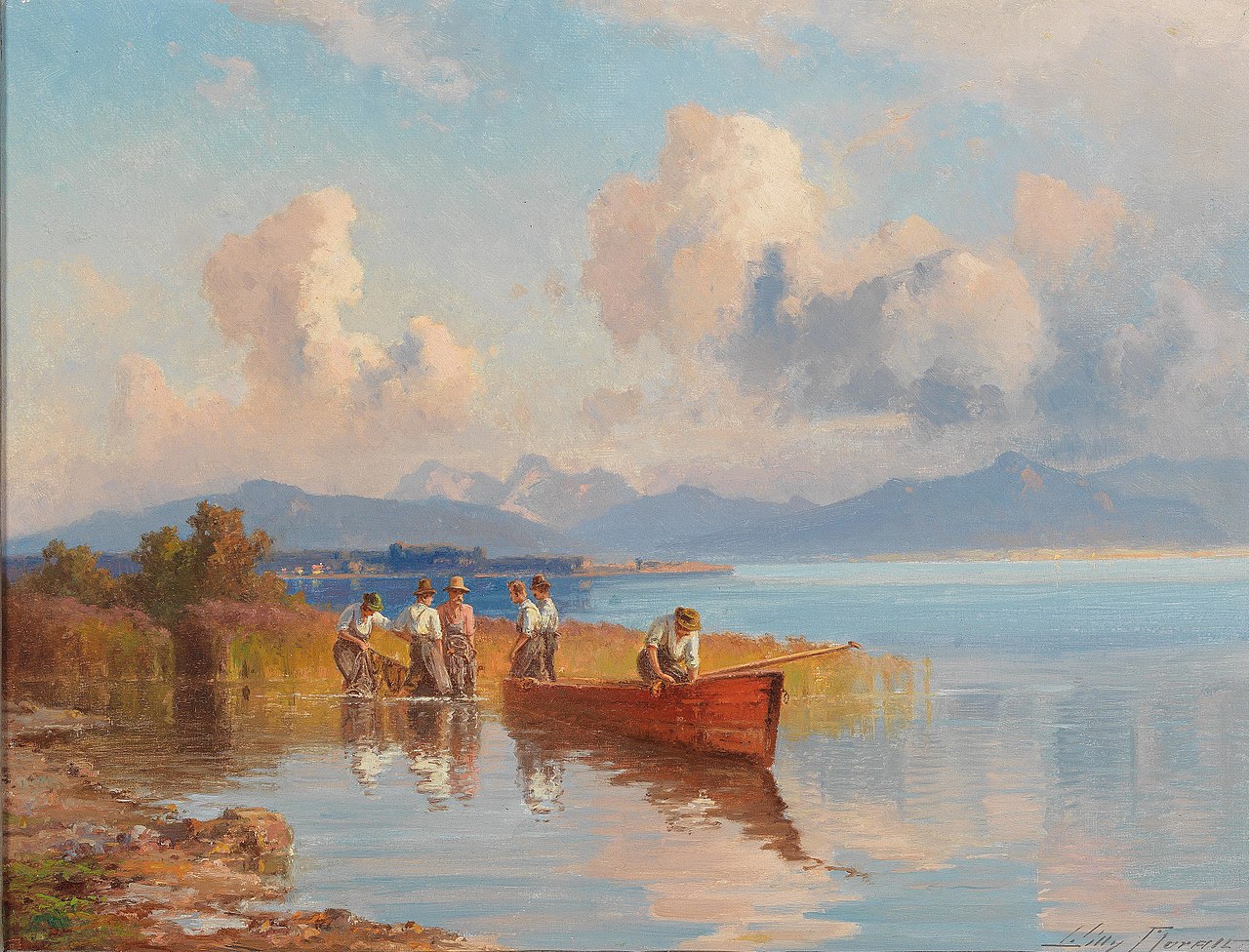
Willy Moralt was a German painter who specialised in landscapes.



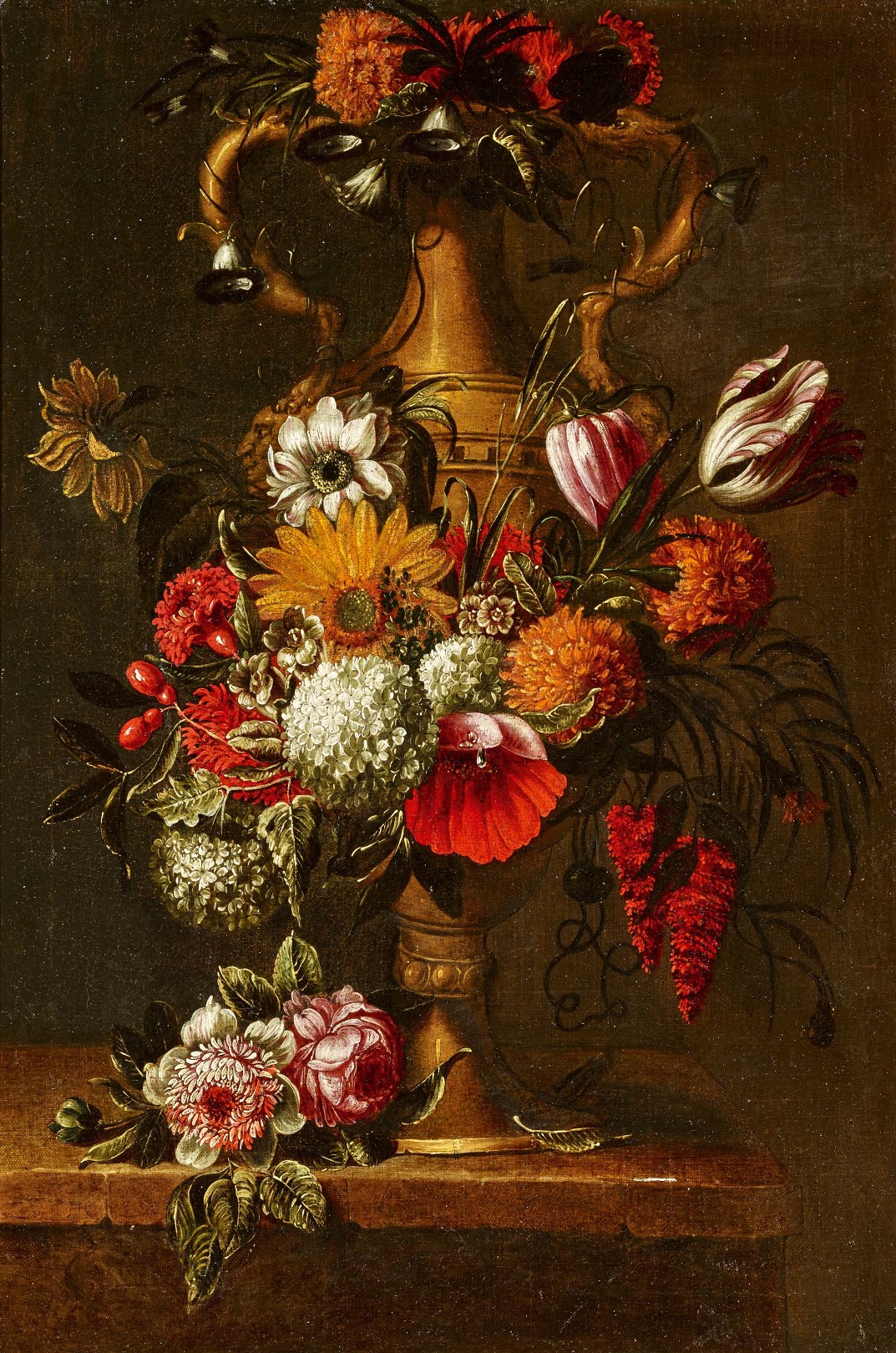


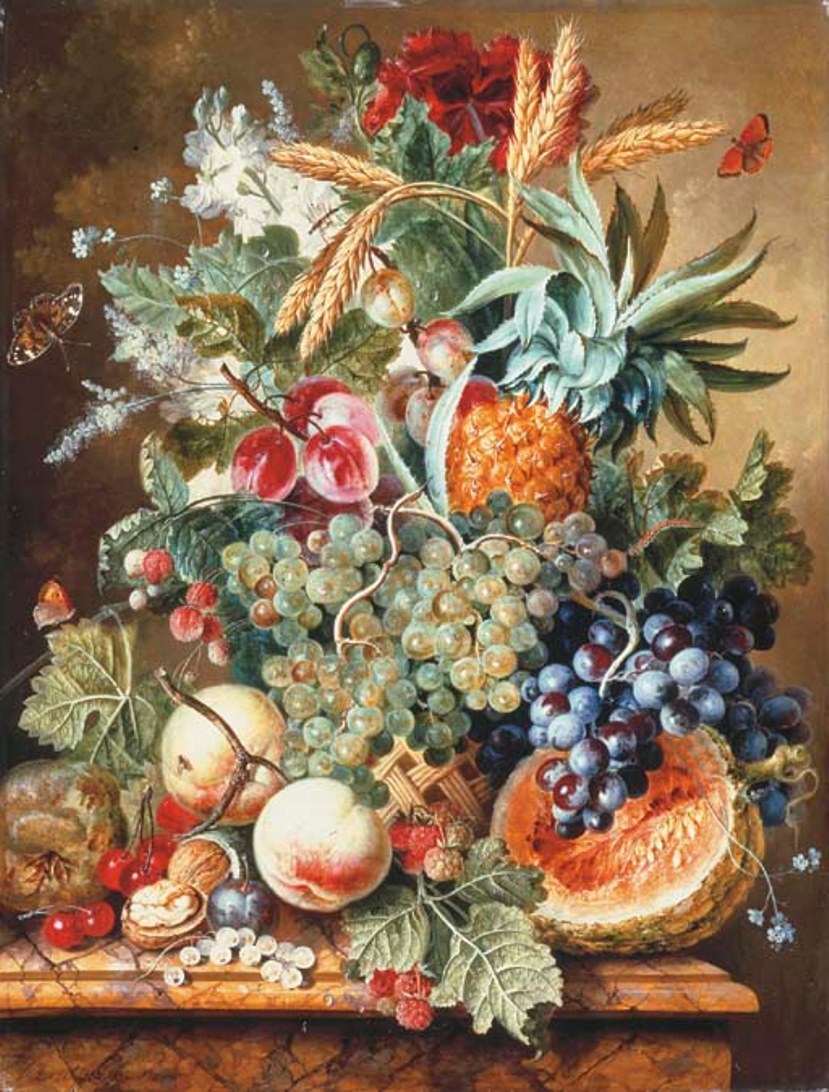
Jacobus Linthorst was a Dutch painter, a master of still life, and a member of the St. Luke's Guild in Amsterdam.
Linthorst painted mostly lush, overflowing with many ripe fruits and bright colors compositions. It is believed that his work was clearly inspired by the work of Jan van Huysum, Jan van Os and Paul Theodor van Brussel.

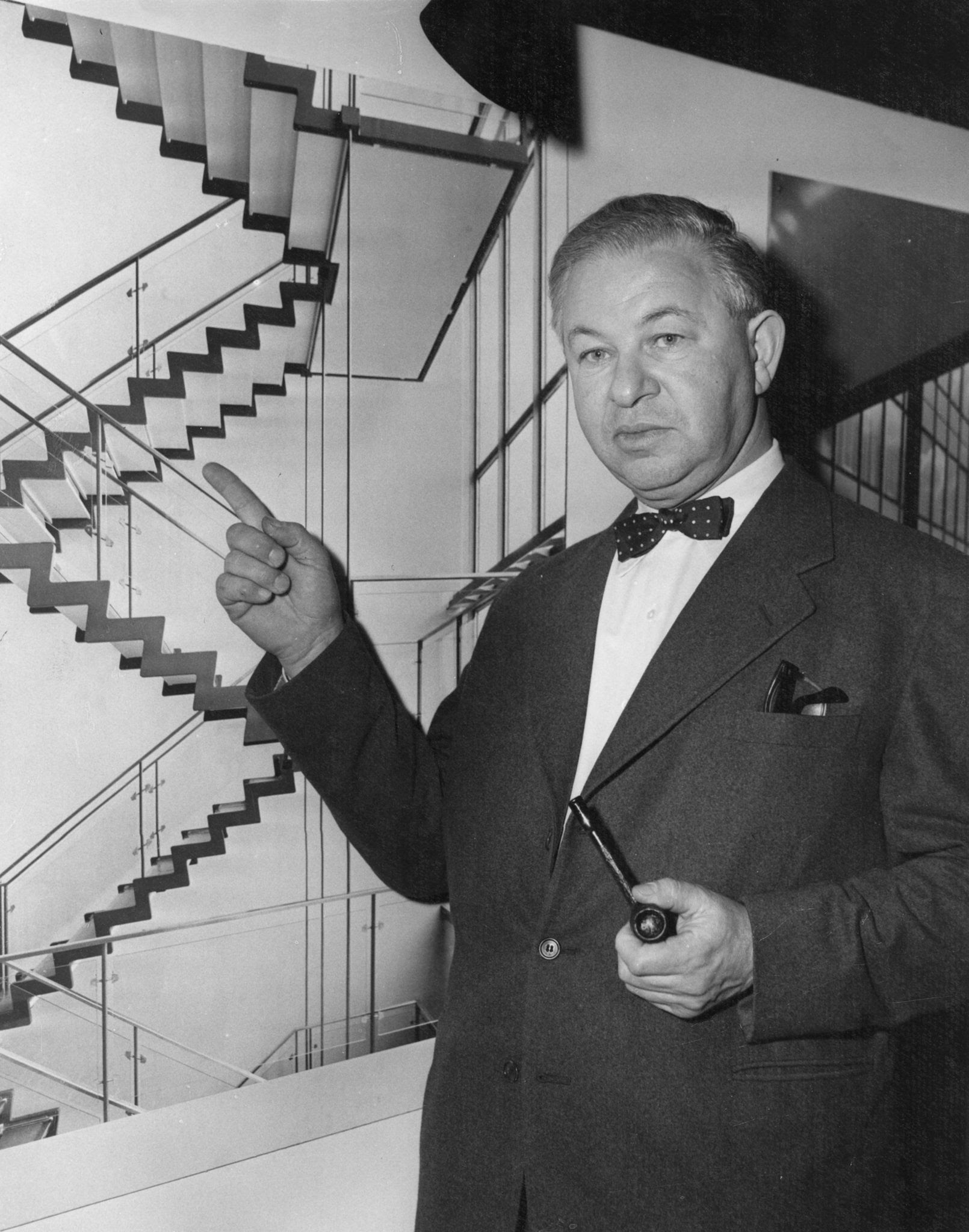
Arne Emil Jacobsen is a Danish architect and designer, the founder of the Danish Functionalism style.
He studied at the School of Architecture at the Royal Danish Academy of Fine Arts, and began working as an architect in the 1930s. Inspired by Art Nouveau, he designed several public buildings, including the Aarhus City Hall. In collaboration with Flemming Lassen, he first created a comprehensive overall interior design, including furniture, fixtures, plumbing and other details. After World War II, Arne Jacobsen made a name for himself both in Denmark and around the world.
For six decades, Arne Jacobsen was at the forefront of Danish architecture, creating visionary works of architecture that still look contemporary today. His projects often included both the building itself and the overall interior design as well as the design of the surrounding landscape. The combination of architecture and design is one of the constant characteristics of Arne Jacobsen's work. In projects such as the SAS Royal Hotel (1960) and St. Catherine's College in Oxford (1964), he not only created the architecture, but also designed every detail of the interiors, turning them into a true work of art.
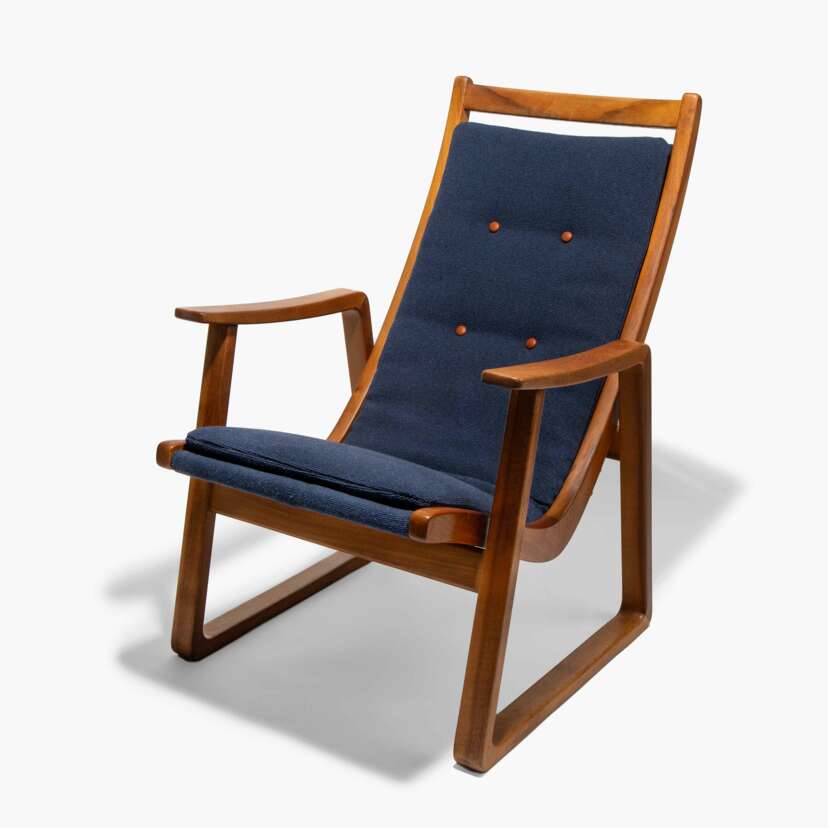
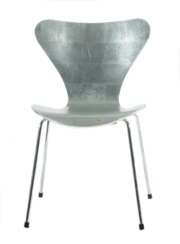
In addition to architectural structures, Arne Jacobsen created a number of highly original chairs and other furniture. From his studio came avant-garde and innovative furniture, lamps, patterns, clocks, cutlery and glassware that are still in demand today.


Jacobus Linthorst was a Dutch painter, a master of still life, and a member of the St. Luke's Guild in Amsterdam.
Linthorst painted mostly lush, overflowing with many ripe fruits and bright colors compositions. It is believed that his work was clearly inspired by the work of Jan van Huysum, Jan van Os and Paul Theodor van Brussel.

Arne Emil Jacobsen is a Danish architect and designer, the founder of the Danish Functionalism style.
He studied at the School of Architecture at the Royal Danish Academy of Fine Arts, and began working as an architect in the 1930s. Inspired by Art Nouveau, he designed several public buildings, including the Aarhus City Hall. In collaboration with Flemming Lassen, he first created a comprehensive overall interior design, including furniture, fixtures, plumbing and other details. After World War II, Arne Jacobsen made a name for himself both in Denmark and around the world.
For six decades, Arne Jacobsen was at the forefront of Danish architecture, creating visionary works of architecture that still look contemporary today. His projects often included both the building itself and the overall interior design as well as the design of the surrounding landscape. The combination of architecture and design is one of the constant characteristics of Arne Jacobsen's work. In projects such as the SAS Royal Hotel (1960) and St. Catherine's College in Oxford (1964), he not only created the architecture, but also designed every detail of the interiors, turning them into a true work of art.
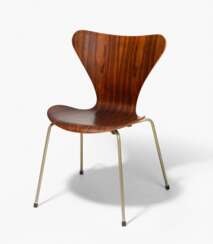
In addition to architectural structures, Arne Jacobsen created a number of highly original chairs and other furniture. From his studio came avant-garde and innovative furniture, lamps, patterns, clocks, cutlery and glassware that are still in demand today.
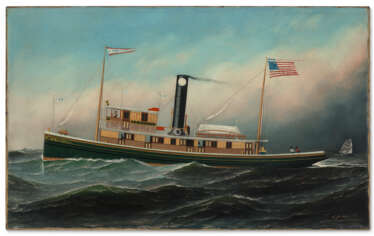

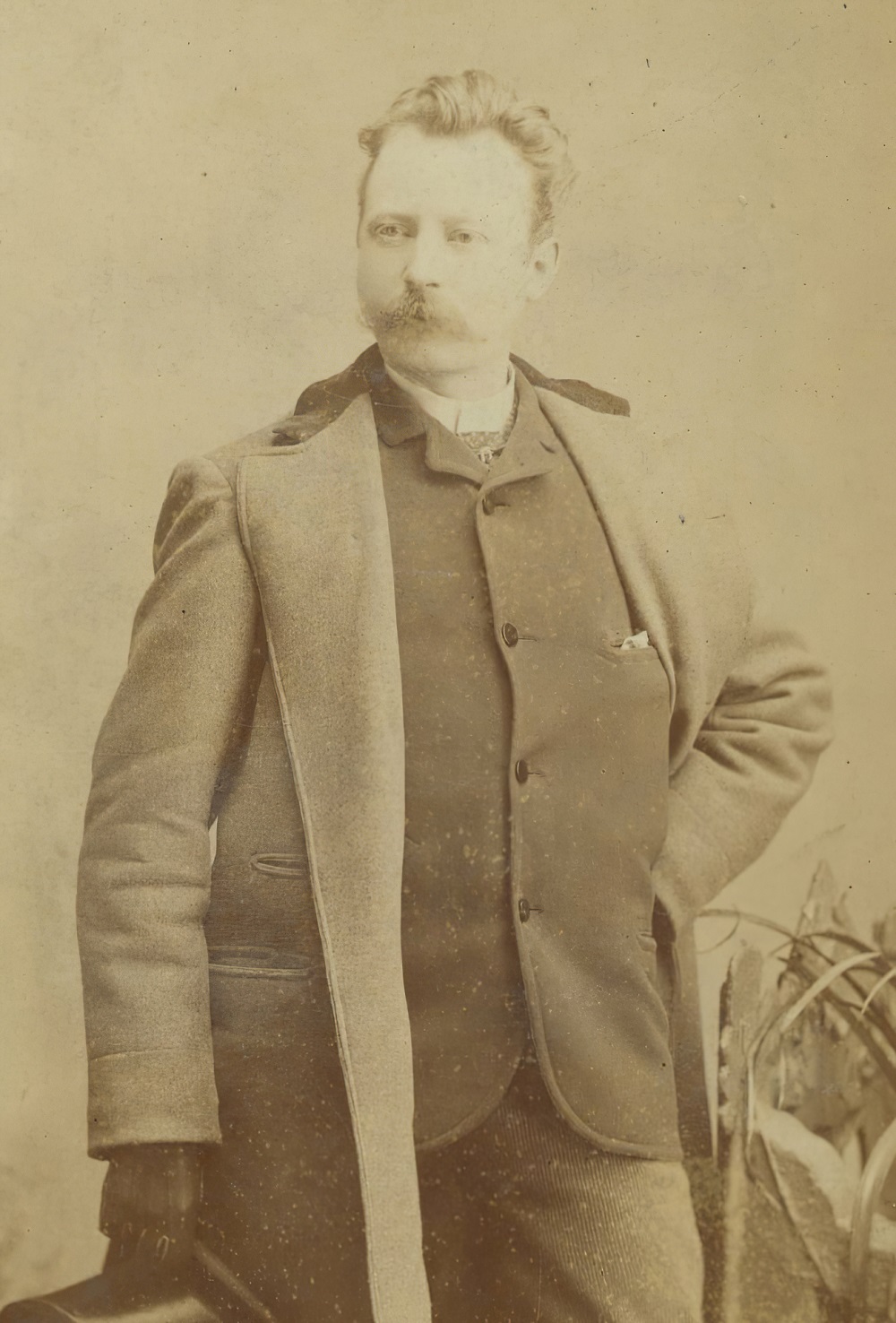
Antonio Nicolo Gasparo Jacobsen was a Danish-born American maritime artist known as the "Audubon of Steam Vessels".
The public rooms of The Griswold Inn in Essex, Connecticut, the oldest continuously run tavern in the United States, features the largest privately held collection of Jacobsen's paintings.