jean-jacques-françois





![[DI DIO, François, sous la dir. de]](/assets/image/picture_2426533/cc470/b7a7bdc6c2cd6c15d69a15b28f8d3a40jpg__fix_374_244.jpeg)
![[DI DIO, François, sous la dir. de]](https://veryimportantlot.com/assets/image/picture_2426533/cc470/b7a7bdc6c2cd6c15d69a15b28f8d3a40jpg__fix_374_244.jpeg)


![[CAMBACÉRÈS, Jean-Jacques-Régis de (1753-1824)]](/assets/image/picture_4604869/831eb/0a3887b9effe2f6fae228bb272ebbf821747864800jpg__fix_374_244.jpeg)
![[CAMBACÉRÈS, Jean-Jacques-Régis de (1753-1824)]](https://veryimportantlot.com/assets/image/picture_4604869/831eb/0a3887b9effe2f6fae228bb272ebbf821747864800jpg__fix_374_244.jpeg)


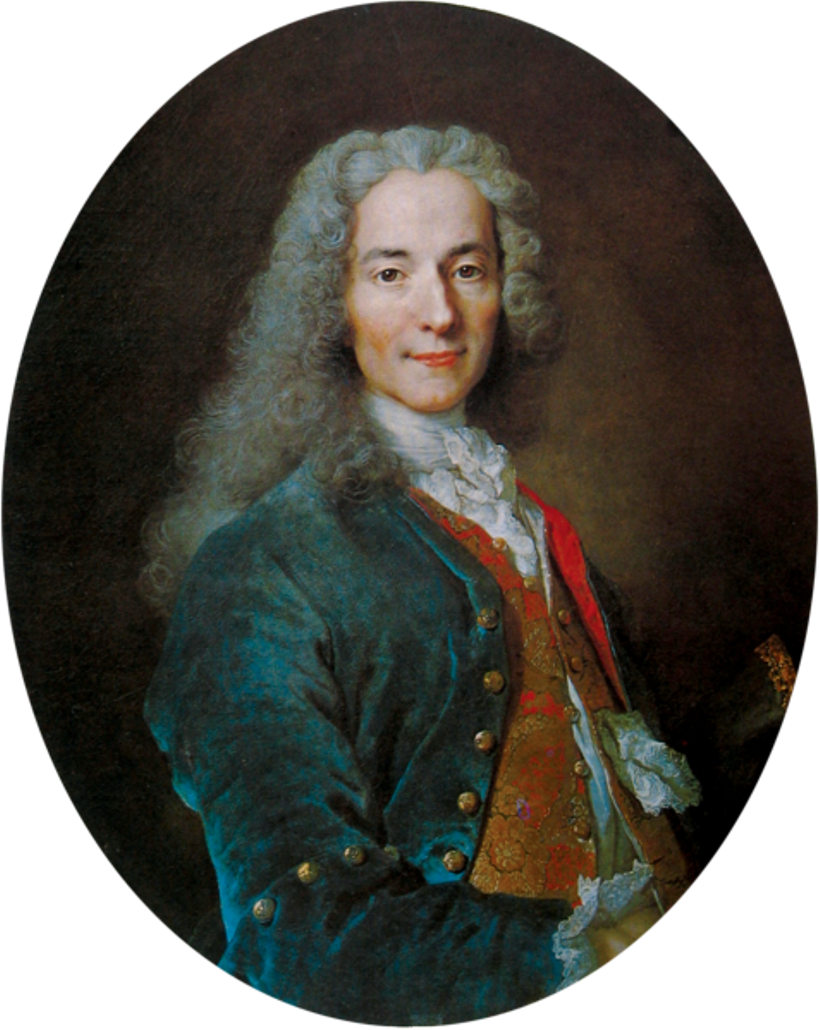
Voltaire, born François Marie Arouet, was a French philosopher-enlightener of the French Enlightenment, poet and writer, satirist, tragedian, historian and essayist.
Voltaire's long life fell on the last years of classicism and the eve of the revolutionary era, and in this transitional period his works and activities had a significant impact on the direction of European civilization. Through his critical freethinking and wit, Voltaire won the minds of many 18th century European rulers. To this day, he continues to enjoy worldwide fame as a courageous fighter against tyranny, bigotry, and cruelty.
Voltaire was an advocate of freedom of speech, freedom of religion and separation of church and state. He was a versatile and prolific writer in all literary forms, including plays, poems, novels, essays, histories, and scholarly expositions. In total, he wrote more than 20,000 letters and 2,000 books and pamphlets. Voltaire's most famous works are the tragic play Zaire, the historical study The Age of Louis XIV, and the satirical novella Candide.


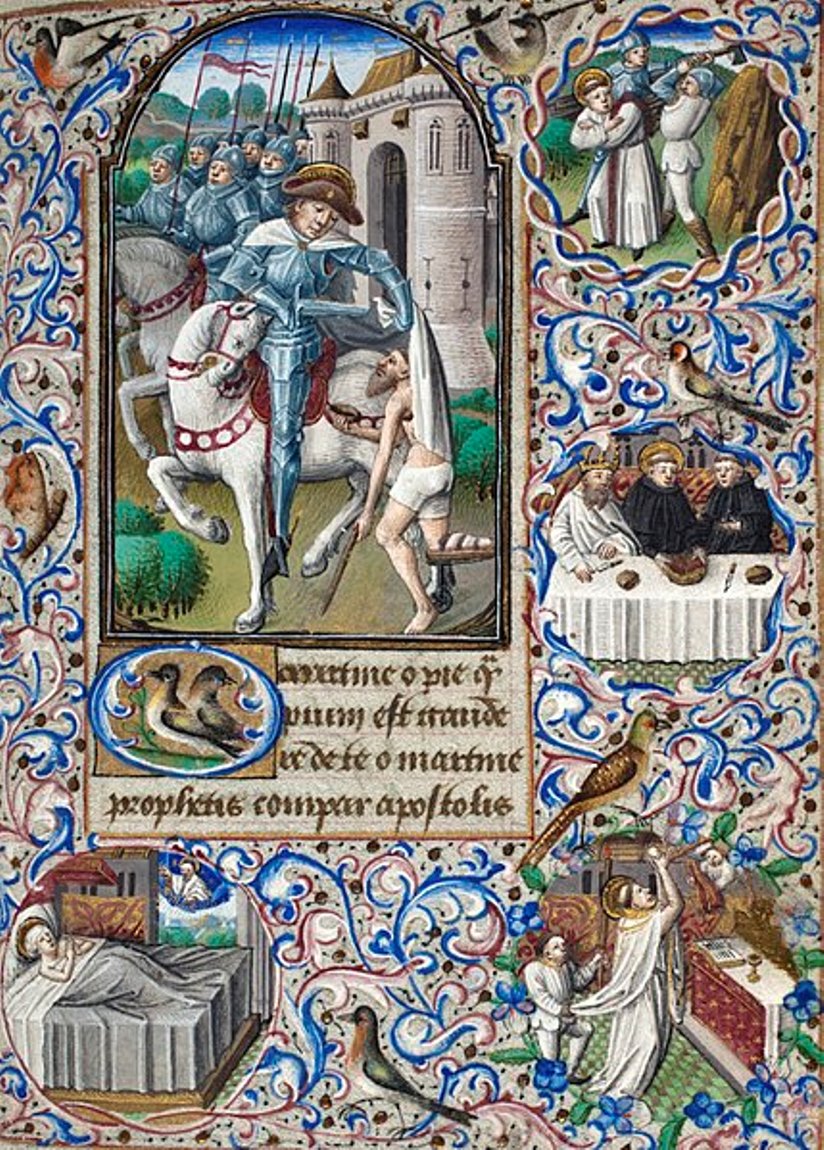


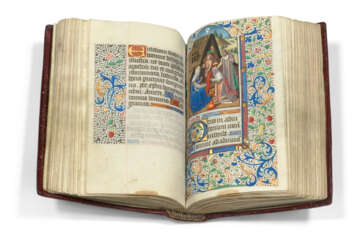

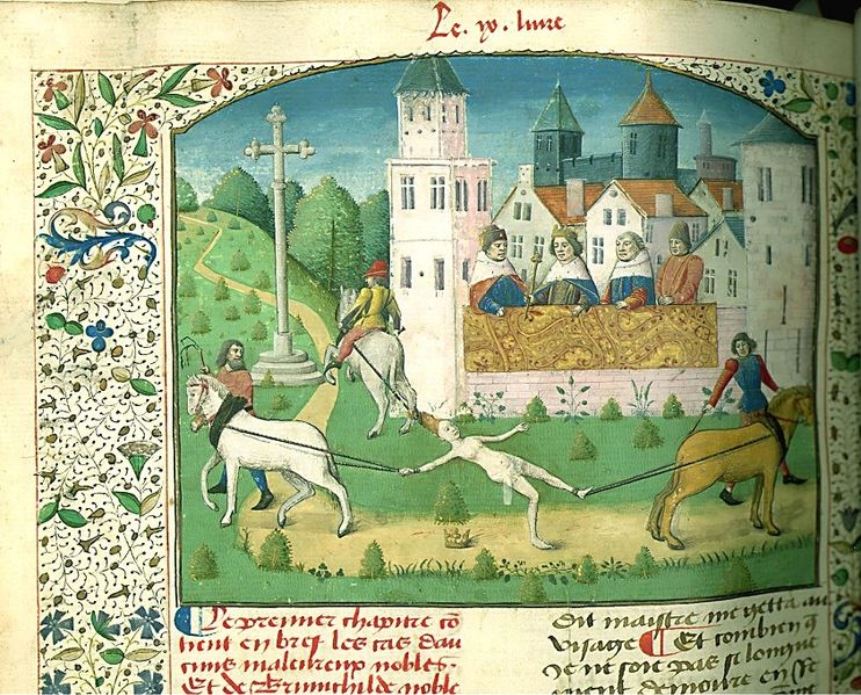
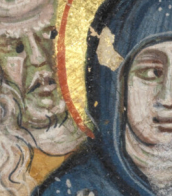
Maître François was a French illustrator who worked in Paris in the 1460s-1480s.
The identity of Maître François as an artist is first mentioned in a letter written by Robert Gauguin in 1473. Most of the prestigious commissions from the court and leading ecclesiastical figures of the time were carried out in François' studio. In Paris in the second half of the fifteenth century, one can trace the predominant style of illumination by the works of Master Jean Rolin, Maître François, and Master Jacques de Besançon. Bibliophiles close to the royal court encouraged the work of miniaturists through private commissions. In particular, Jacques d'Armagnac owned six manuscripts of Maitre Francois and his entourage.
Boccaccio's De casibus virorum illustrium was very popular in the 15th century, where the author retells the fates and downfalls of famous personalities from the Bible, antiquity and medieval history, ending with Boccaccio's own contemporaries in 14th-century Florence. For a long time this book was even more famous and successful than Boccaccio's Decameron. The text was translated into French in 1409 for Jean, Duke de Berry, by his secretary Laurent Premieffe. And the illustrations for the book were later created in the workshop of the then respected Maître François.



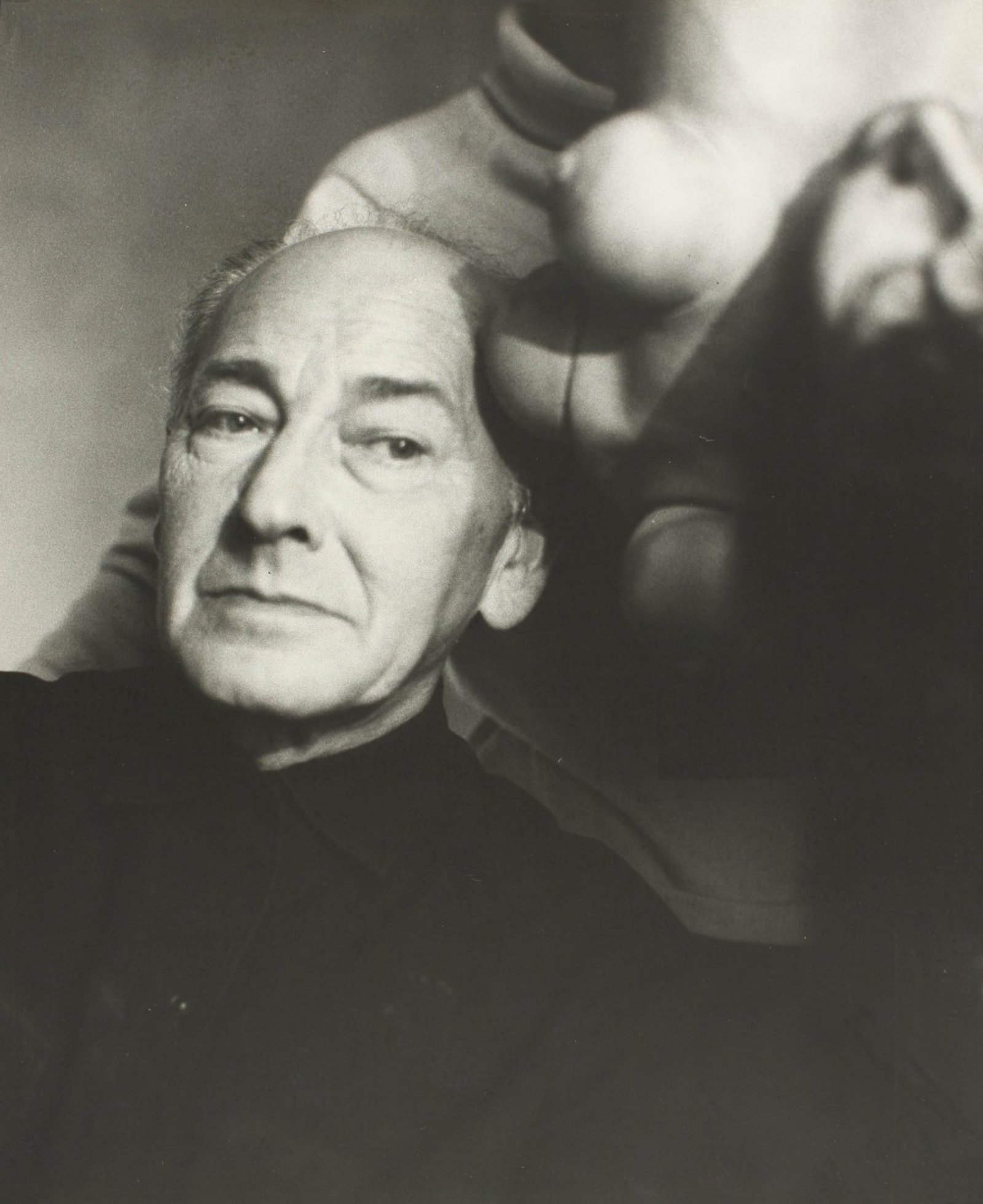
Hans Bellmer was a German graphic artist, sculptor, photographic artist, illustrator, and writer who spent most of his life in France.
In the 1930s Bellmer began working on the eroticized image of the deformed doll, contrasting it with the aesthetics of the "classical" body in Hitler's Germany. His graphic and literary explorations focus on the dismemberment and liberation of bodies. Bellmer's surrealist works are violent and provocative: they include puppet sculptures composed of the bodies of nude models, photographs, and prints.
In 1934, 18 photographs of dolls were published in the Parisian surrealist magazine Minotaur, and the Nazi regime declared Bellmer's art degenerate. In 1938, Bellmer emigrated to France.
After the end of the war, the artist continued his work, adding poetry to painting. He also authored illustrations for many works, particularly on erotic themes.
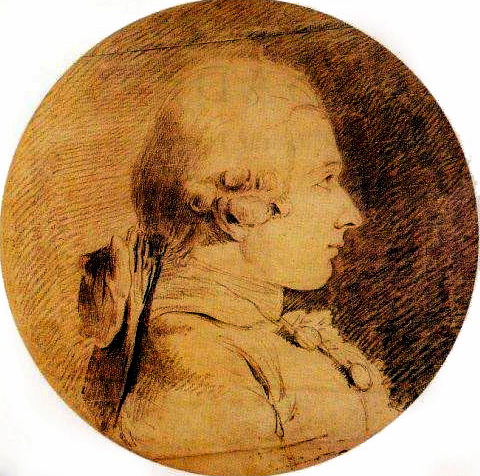
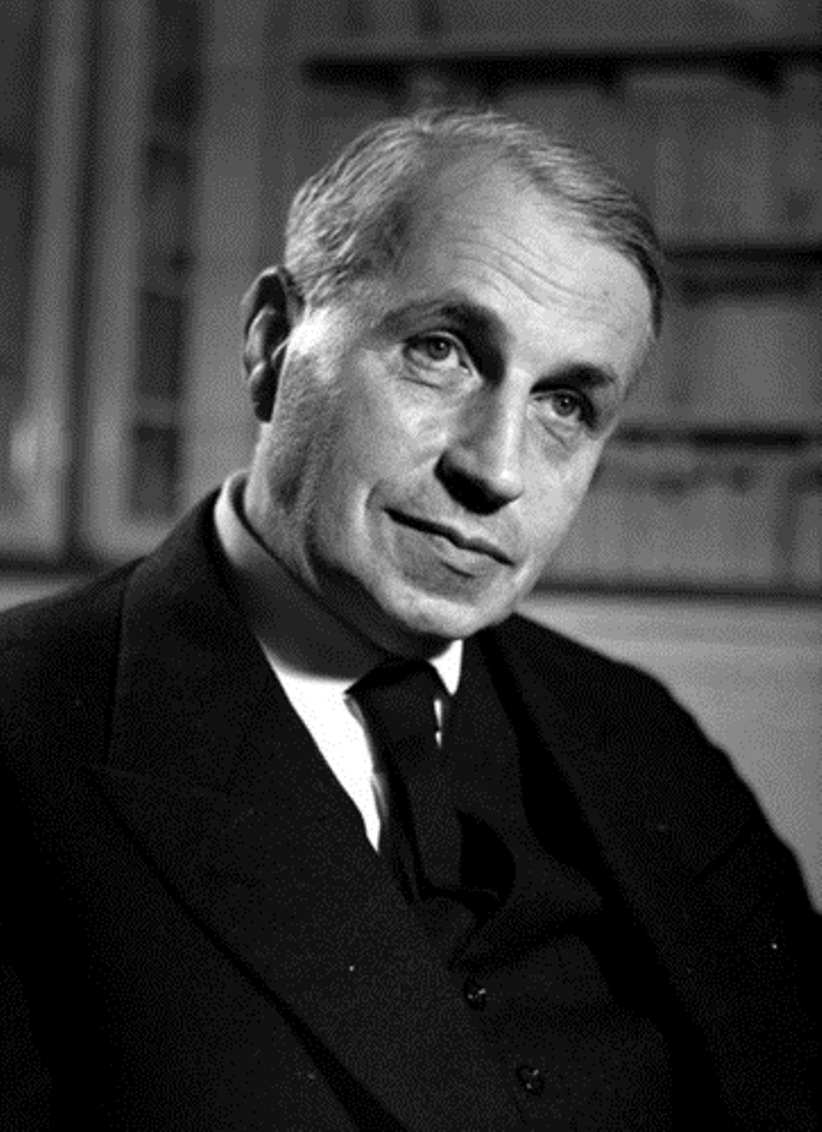



Jacques Lipchitz was a Cubist sculptor. Lipchitz retained highly figurative and legible components in his work leading up to 1915-16, after which naturalist and descriptive elements were muted, dominated by a synthetic style of Crystal Cubism. In 1920 Lipchitz held his first solo exhibition, at Léonce Rosenberg's Galerie L'Effort Moderne in Paris. Fleeing the Nazis he moved to the US and settled in New York City and eventually Hastings-on-Hudson.


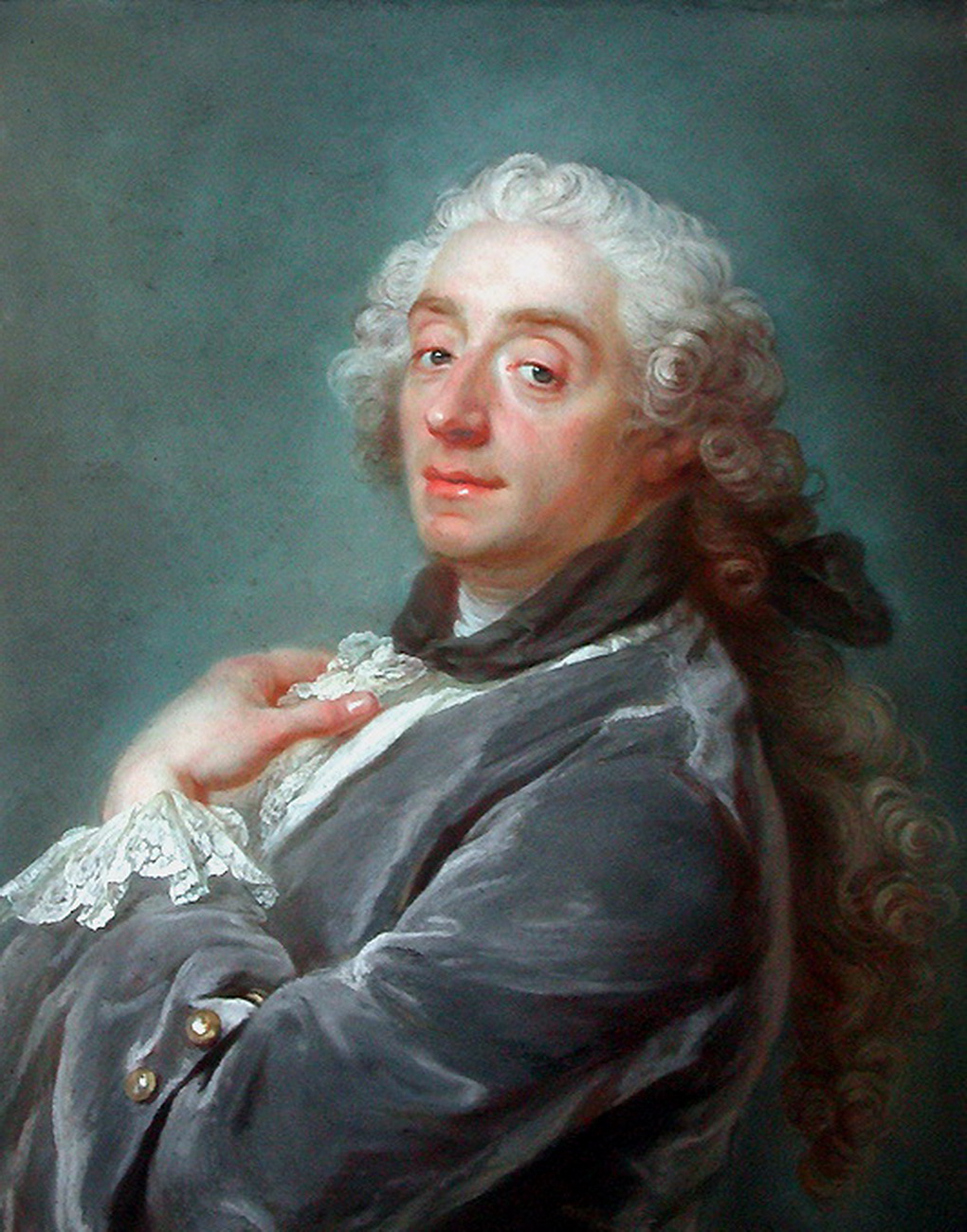
François Boucher, a French artist, is celebrated for his significant contributions to the Rococo style of painting. His works are renowned for their idyllic and voluptuous themes, which include classical subjects, decorative allegories, and pastoral scenes. Boucher's talent in creating intricate and charming paintings made him a favorite in the French court, especially with Madame de Pompadour.
François Boucher's skills were not confined to painting alone; he was also an adept draftsman and tapestry designer. His designs for the Beauvais tapestry workshops were highly successful, influencing decorative arts across Europe. Moreover, Boucher's influence extended to porcelain, with his designs being replicated on tableware and decorative pieces at the Vincennes and Sèvres factories.
Despite the later criticism of his style as overly frivolous and disconnected from the emerging Neoclassical trends, François Boucher's works continue to be admired for their aesthetic beauty and historical significance. His ability to blend various elements into a cohesive and appealing visual narrative demonstrates his mastery and enduring legacy in the art world.
For art collectors and enthusiasts, François Boucher's oeuvre offers a fascinating glimpse into 18th-century French art and culture, reflecting the opulence and delicate tastes of the Rococo period. His paintings and designs continue to be celebrated and studied for their artistic merit and historical context.
To stay updated on the latest exhibitions, sales, and events related to François Boucher's works, consider subscribing to updates from reliable art and antique sources. This way, you'll remain informed about opportunities to engage with the art of one of Rococo's most distinguished masters.
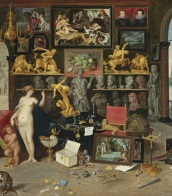


Maître François was a French illustrator who worked in Paris in the 1460s-1480s.
The identity of Maître François as an artist is first mentioned in a letter written by Robert Gauguin in 1473. Most of the prestigious commissions from the court and leading ecclesiastical figures of the time were carried out in François' studio. In Paris in the second half of the fifteenth century, one can trace the predominant style of illumination by the works of Master Jean Rolin, Maître François, and Master Jacques de Besançon. Bibliophiles close to the royal court encouraged the work of miniaturists through private commissions. In particular, Jacques d'Armagnac owned six manuscripts of Maitre Francois and his entourage.
Boccaccio's De casibus virorum illustrium was very popular in the 15th century, where the author retells the fates and downfalls of famous personalities from the Bible, antiquity and medieval history, ending with Boccaccio's own contemporaries in 14th-century Florence. For a long time this book was even more famous and successful than Boccaccio's Decameron. The text was translated into French in 1409 for Jean, Duke de Berry, by his secretary Laurent Premieffe. And the illustrations for the book were later created in the workshop of the then respected Maître François.


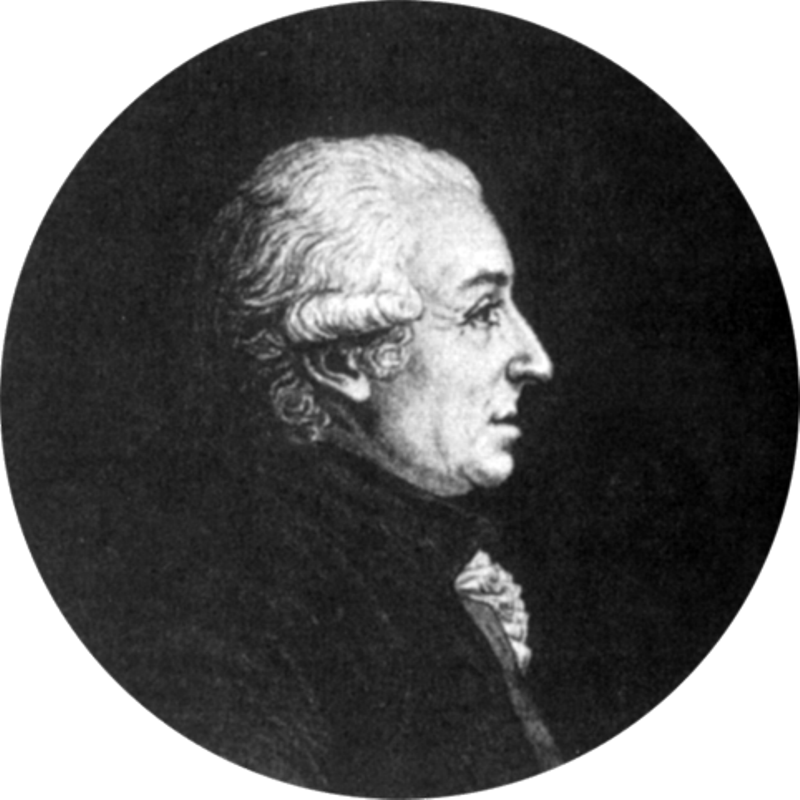
Mathurin Jacques Brisson was a French zoologist, ornithologist, naturalist and physicist, a member of the Academy of Sciences.
He is known for his published works in natural history: Le Règne animal ("The Kingdom of Animals", 1756) and Ornithologie ("Ornithology", 1760), in which he described 1,500 species of birds grouped into 115 genera, twenty-six orders, and two classes. Brisson was one of the first to come close to the concept of "type" in zoology, although he does not use the term, but his classification was used for about 100 years. He translated a number of important books on zoology for his time into French.
Brisson's works in physics are related to the measurement of specific gravity of various bodies, the study of gases and refraction of light, mirrors, magnetism, atmospheric electricity, and barometers.
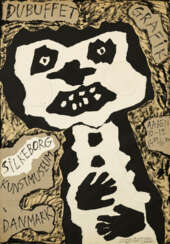

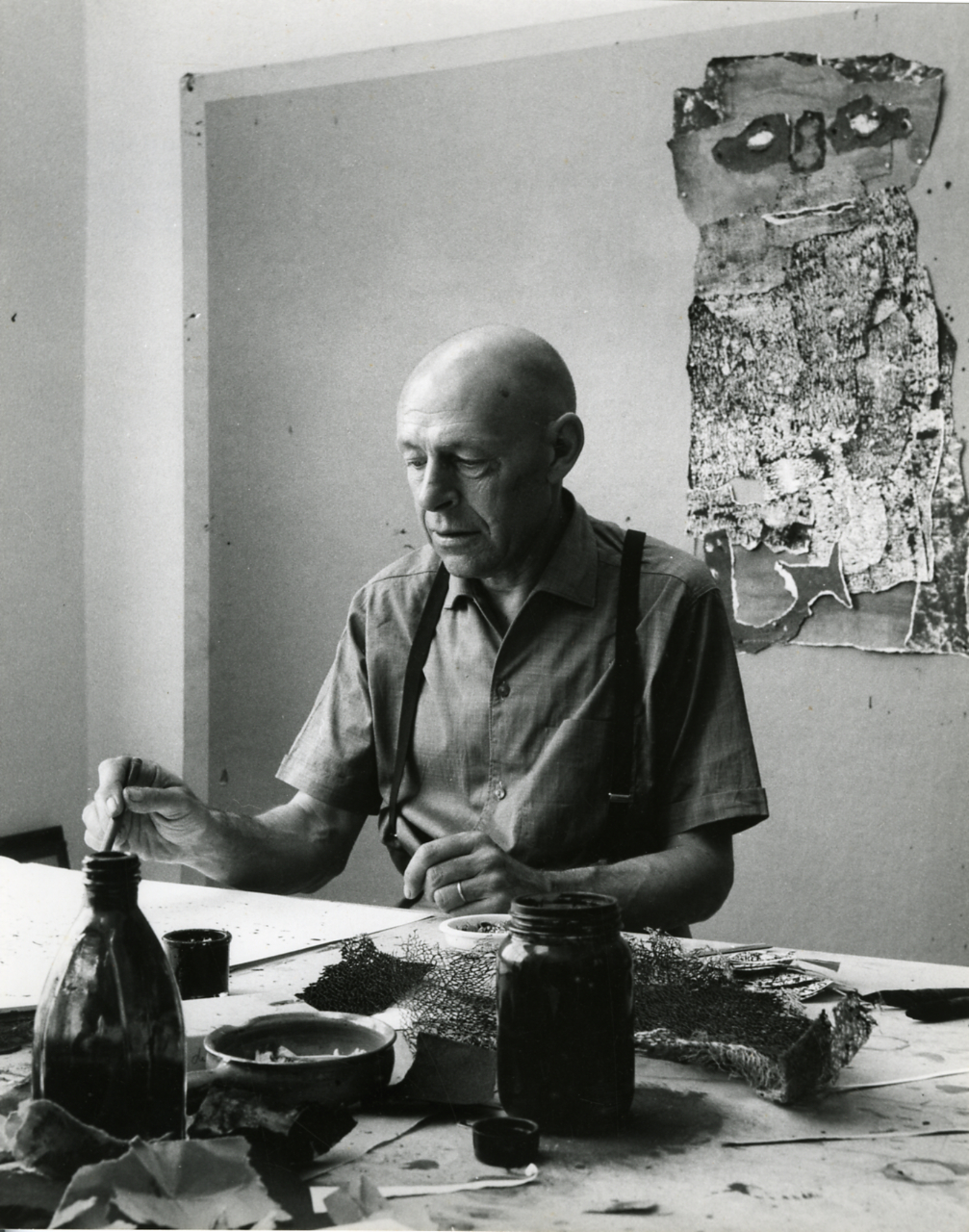
Jean Philippe Arthur Dubuffet, a pioneering French painter and sculptor, revolutionized the post-war art scene with his radical Matterism movement. He defied the conventional aesthetics of his time, championing "low art" and propelling a more genuine, humanistic image-making approach.
Dubuffet, born in Le Havre, France, in 1901, was a prominent figure at the Ecole de Paris and an advocate for Art Brut, or "raw art", which sought to capture art's purest form. His works were characterized by a rough, unrefined aesthetic, which eschewed academic norms in favor of spontaneity and authenticity.
Art enthusiasts and experts can view Dubuffet's innovative works at institutions like the Museum of Modern Art, where his legacy as a groundbreaking artist continues to be celebrated. His Matterism philosophy has left an indelible mark on the art world, inspiring generations of artists to embrace the beauty in the unconventional.
For those interested in the avant-garde and the legacy of Jean Philippe Arthur Dubuffet, sign up for our exclusive updates. This service is designed for connoisseurs and professionals in the art and antique sector, promising alerts on new insights and events strictly related to Dubuffet's profound influence.
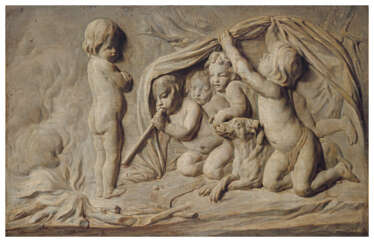

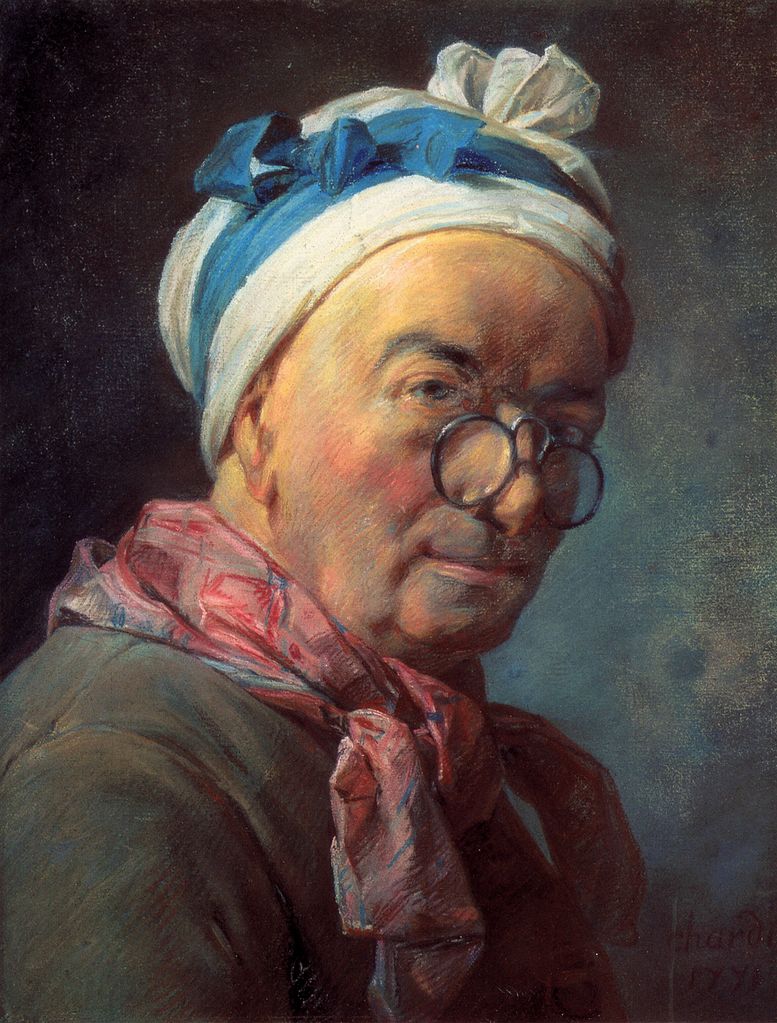
Jean Siméon Chardin was an 18th-century French painter. He is considered a master of still life, and is also noted for his genre paintings which depict kitchen maids, children, and domestic activities. Carefully balanced composition, soft diffusion of light, and granular impasto characterize his work.
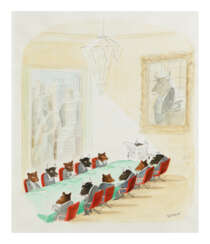

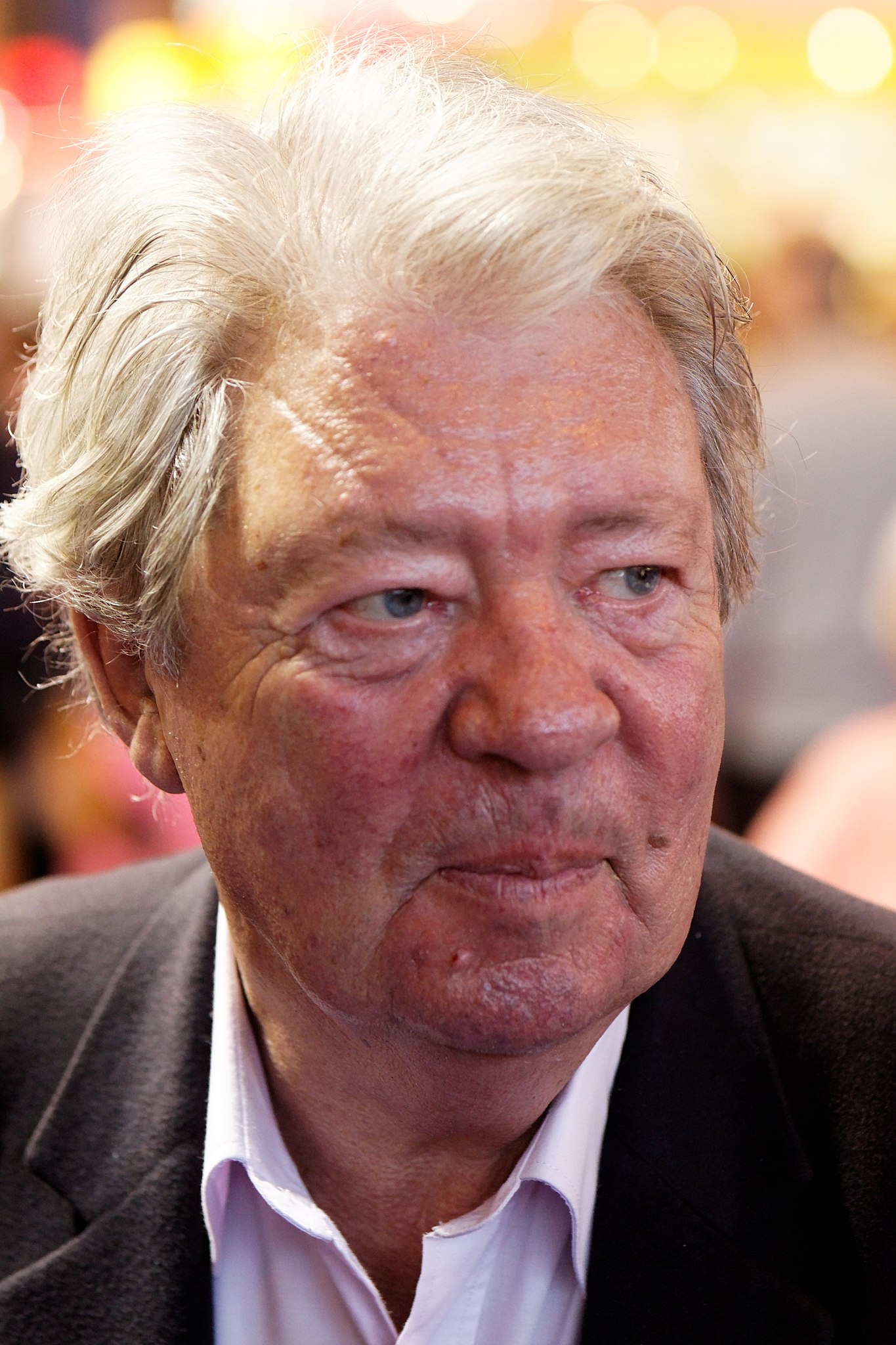
Jean-Jacques Sempé was a French cartoonist. He is known for the series of children's books he created with René Goscinny, Le Petit Nicolas, and also for his poster-like illustrations, usually drawn from a distant or high viewpoint depicting detailed countrysides or cities. For decades, he created covers for The New Yorker.
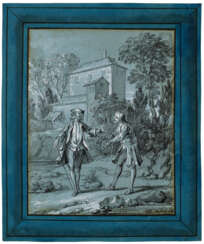

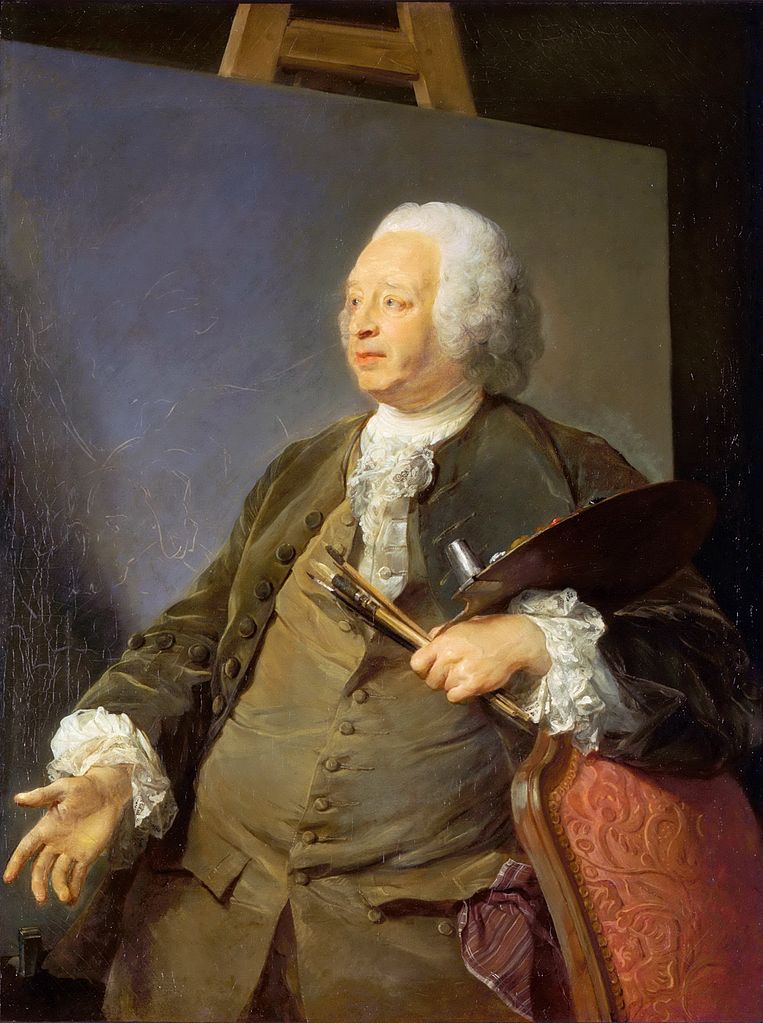
Jean-Baptiste Oudry was a French Rococo painter, engraver, and tapestry designer. He is particularly well known for his naturalistic pictures of animals and his hunt pieces depicting game. His son, Jacques-Charles Oudry, was also a painter.
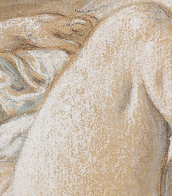


Jean-Baptiste Oudry was a French Rococo painter, engraver, and tapestry designer. He is particularly well known for his naturalistic pictures of animals and his hunt pieces depicting game. His son, Jacques-Charles Oudry, was also a painter.
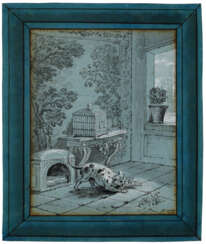

Jean-Baptiste Oudry was a French Rococo painter, engraver, and tapestry designer. He is particularly well known for his naturalistic pictures of animals and his hunt pieces depicting game. His son, Jacques-Charles Oudry, was also a painter.