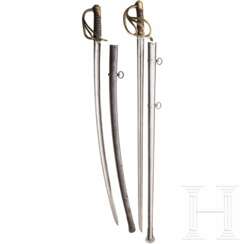
k k säbel
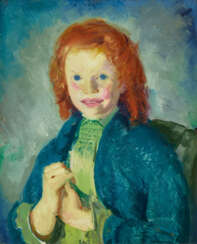

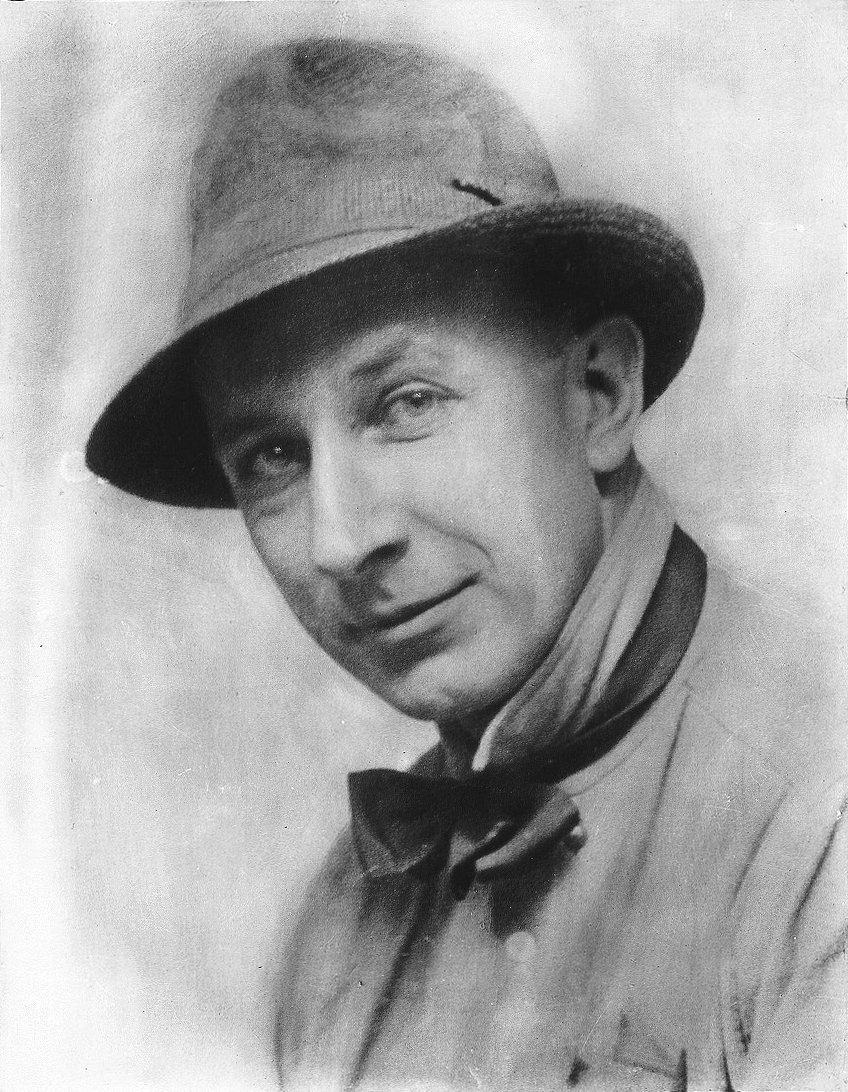
George Wesley Bellows was an American realist painter, renowned for his vivid portrayals of urban life in New York City. Born on August 12, 1882, in Columbus, Ohio, Bellows moved to New York in 1904, where he became a central figure in the Ashcan School of painting. This group was known for its realistic and often gritty depictions of everyday city life. Bellows captured dynamic scenes ranging from boxing matches to bustling street views, applying vigorous brushwork that conveyed movement and emotion.
One of Bellows' most celebrated series was his boxing paintings like "Stag at Sharkey’s," which encapsulate the raw, dynamic energy of illegal prizefights in early 20th-century New York. Beyond the ring, his works such as "New York" and "Pennsylvania Excavation" reflected the rapid transformations of urban landscapes. His adaptation of lithography also marked a significant contribution to American art, offering a new medium for expressive possibilities.
Bellows' art is preserved in major institutions such as the Metropolitan Museum of Art and the Museum of Modern Art in New York. His ability to depict the vibrancy and complexity of urban life makes his work a valuable part of American art history.
For updates on exhibitions and available works of George Wesley Bellows, consider subscribing to our newsletter. This subscription will keep you informed about new sales and auction events specifically related to Bellows' art.

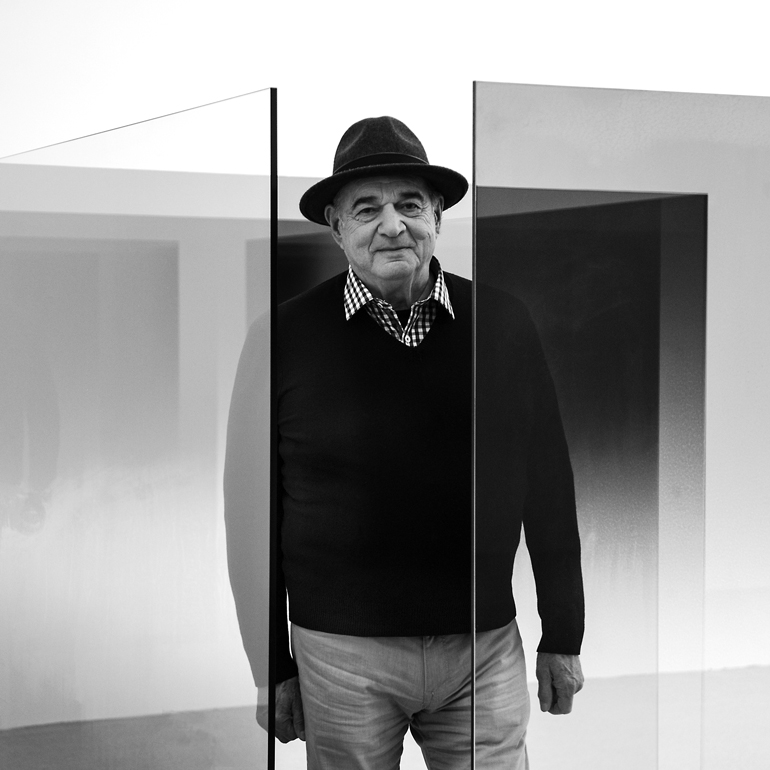
Larry Bell is an American contemporary artist and sculptor. He is best known for his glass boxes and large-scaled illusionistic sculptures. He is a grant recipient from, among others, the National Endowment for the Arts and the Guggenheim Foundation, and his artworks are found in the collections of many major cultural institutions.
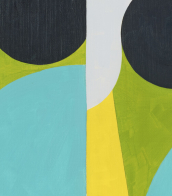





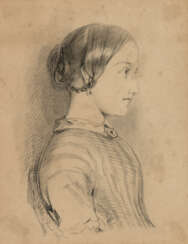

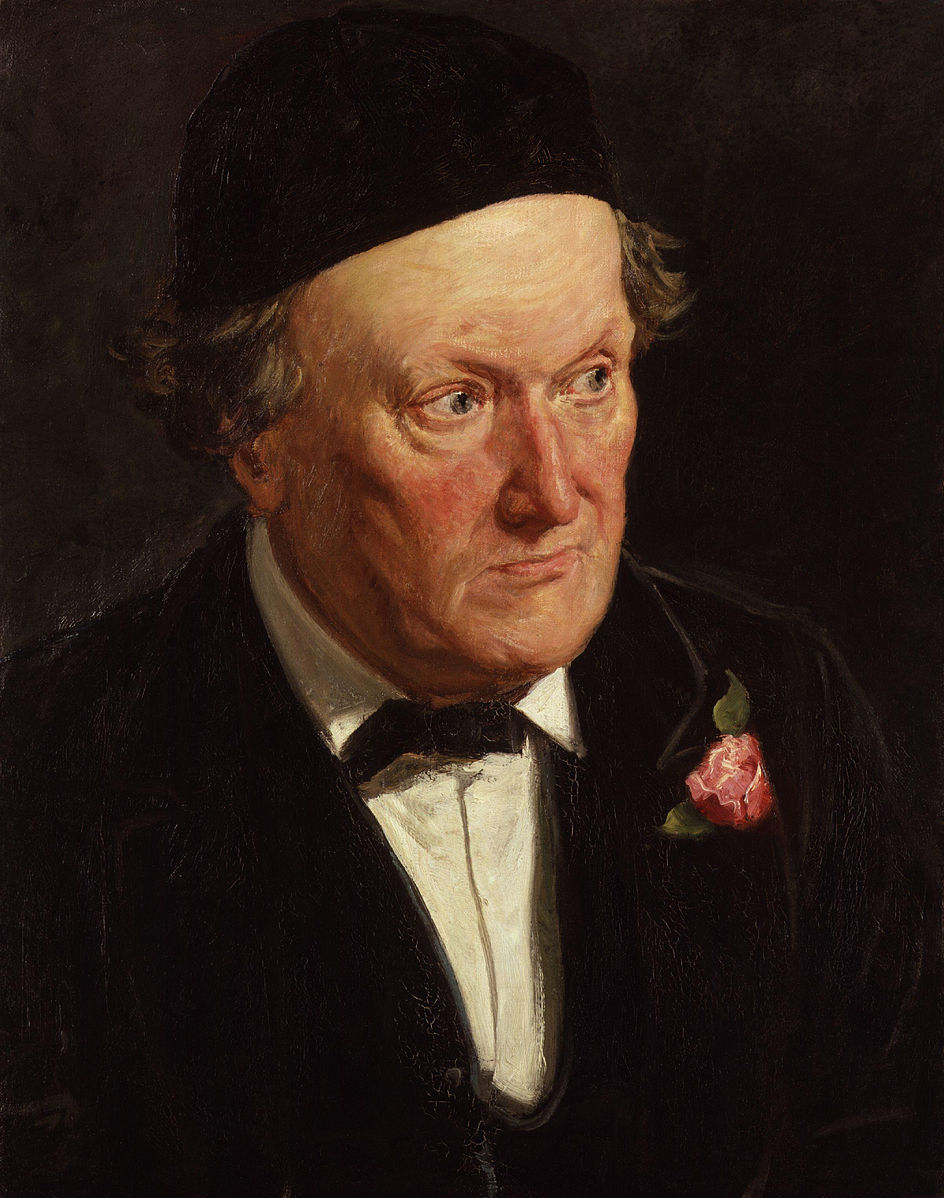
William Bell Scott was a Scottish artist in oils and watercolour and occasionally printmaking. He was also a poet and art teacher, and his posthumously published reminiscences give a chatty and often vivid picture of life in the circle of the Pre-Raphaelites; he was especially close to Dante Gabriel Rossetti. After growing up in Edinburgh, he moved to London, and from 1843 to 1864 was principal of the government School of Art in Newcastle upon Tyne, where he added industrial subjects to his repertoire of landscapes and history painting. He was one of the first British artists to extensively depict the processes of the Industrial Revolution.
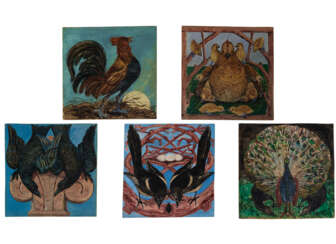

William Bell Scott was a Scottish artist in oils and watercolour and occasionally printmaking. He was also a poet and art teacher, and his posthumously published reminiscences give a chatty and often vivid picture of life in the circle of the Pre-Raphaelites; he was especially close to Dante Gabriel Rossetti. After growing up in Edinburgh, he moved to London, and from 1843 to 1864 was principal of the government School of Art in Newcastle upon Tyne, where he added industrial subjects to his repertoire of landscapes and history painting. He was one of the first British artists to extensively depict the processes of the Industrial Revolution.
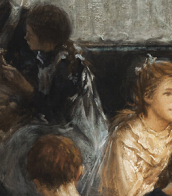
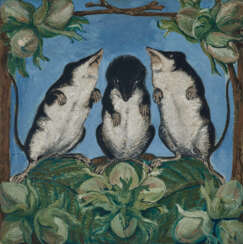

William Bell Scott was a Scottish artist in oils and watercolour and occasionally printmaking. He was also a poet and art teacher, and his posthumously published reminiscences give a chatty and often vivid picture of life in the circle of the Pre-Raphaelites; he was especially close to Dante Gabriel Rossetti. After growing up in Edinburgh, he moved to London, and from 1843 to 1864 was principal of the government School of Art in Newcastle upon Tyne, where he added industrial subjects to his repertoire of landscapes and history painting. He was one of the first British artists to extensively depict the processes of the Industrial Revolution.





.jpg)
Béla Kádár was a Hungarian painter influenced by Der Blaue Reiter, Cubism, Futurism, Neo-Primitivism, Constructivism, and Metaphysical painting.


Béla Kádár was a Hungarian painter influenced by Der Blaue Reiter, Cubism, Futurism, Neo-Primitivism, Constructivism, and Metaphysical painting.
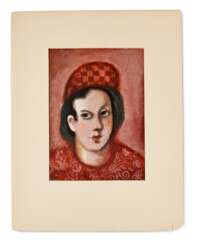

Béla Kádár was a Hungarian painter influenced by Der Blaue Reiter, Cubism, Futurism, Neo-Primitivism, Constructivism, and Metaphysical painting.
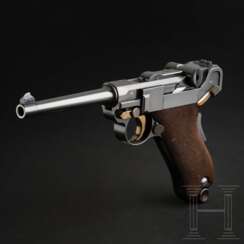

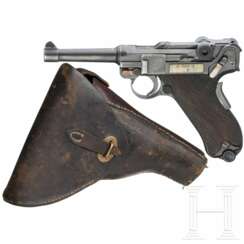

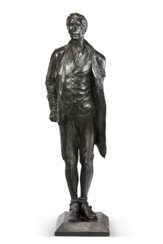



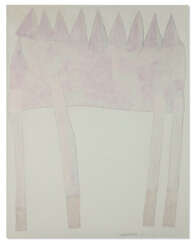




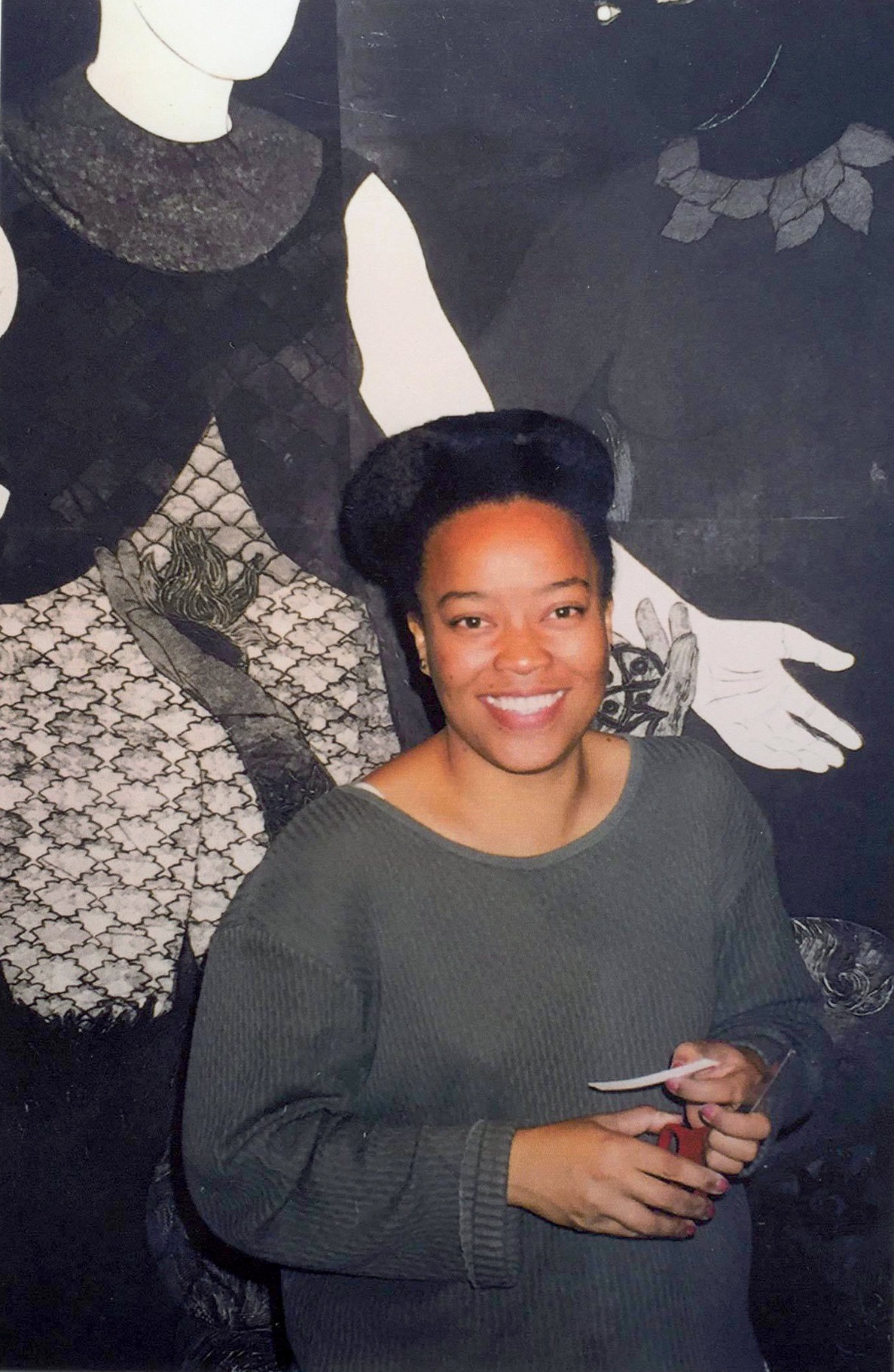
Belkis Ayón was a Cuban printmaker who specialized in the technique of collography. Ayón created large, highly-detailed allegorical collographs based on Abakuá, a secret, all-male Afro-Cuban society. Her work is often in black and white, consisting of ghost-white figures with oblong heads and empty, almond-shaped eyes, set against dark, patterned backgrounds.


Belkis Ayón was a Cuban printmaker who specialized in the technique of collography. Ayón created large, highly-detailed allegorical collographs based on Abakuá, a secret, all-male Afro-Cuban society. Her work is often in black and white, consisting of ghost-white figures with oblong heads and empty, almond-shaped eyes, set against dark, patterned backgrounds.




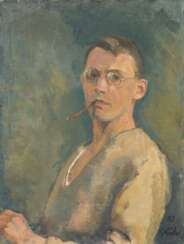

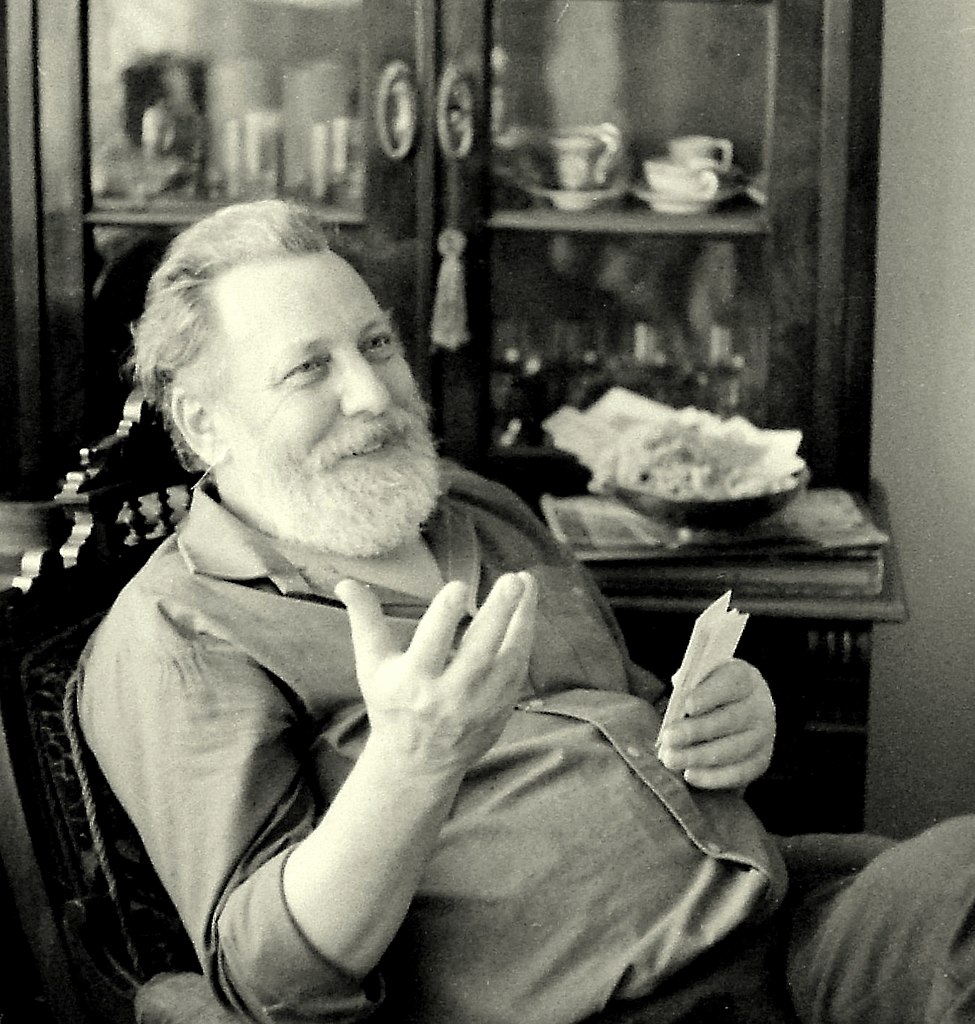
Kurt-Hermann Kühn is a German painter and graphic artist. He trained as a decorator and studied from 1946 to 1952 at the Academy of Graphic Arts and Printing in Leipzig and in Berlin at the Academy of Fine and Applied Arts.
Kurt-Hermann Kühn travelled to Syria and Egypt. These journeys are reflected in many of his paintings. In addition to his extensive painting and graphic work, he created many large-format murals, mainly frescoes. His portraits of women and erotic drawings have also attracted much critical attention.
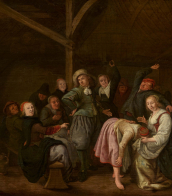
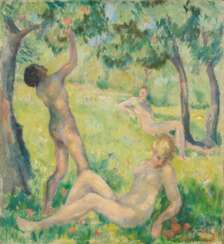

Kurt-Hermann Kühn is a German painter and graphic artist. He trained as a decorator and studied from 1946 to 1952 at the Academy of Graphic Arts and Printing in Leipzig and in Berlin at the Academy of Fine and Applied Arts.
Kurt-Hermann Kühn travelled to Syria and Egypt. These journeys are reflected in many of his paintings. In addition to his extensive painting and graphic work, he created many large-format murals, mainly frescoes. His portraits of women and erotic drawings have also attracted much critical attention.