klassischer realismus


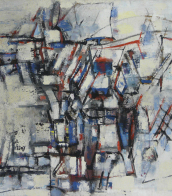



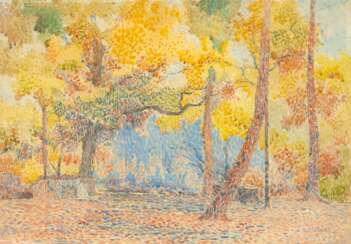

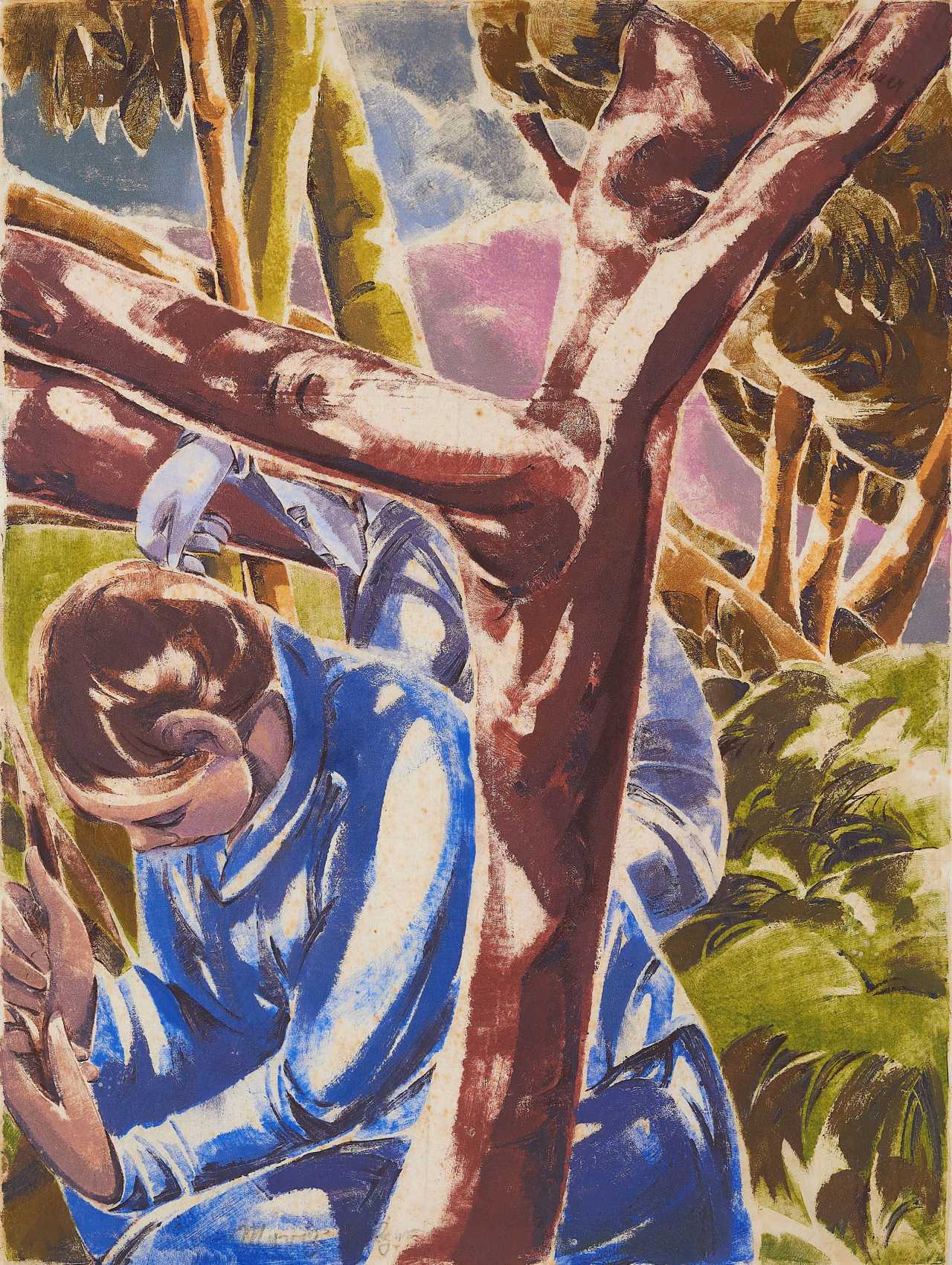
Moriz Melzer was a German Expressionist painter and graphic artist.
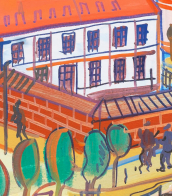
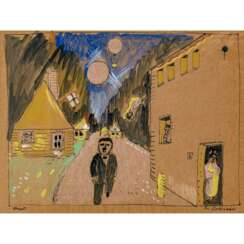

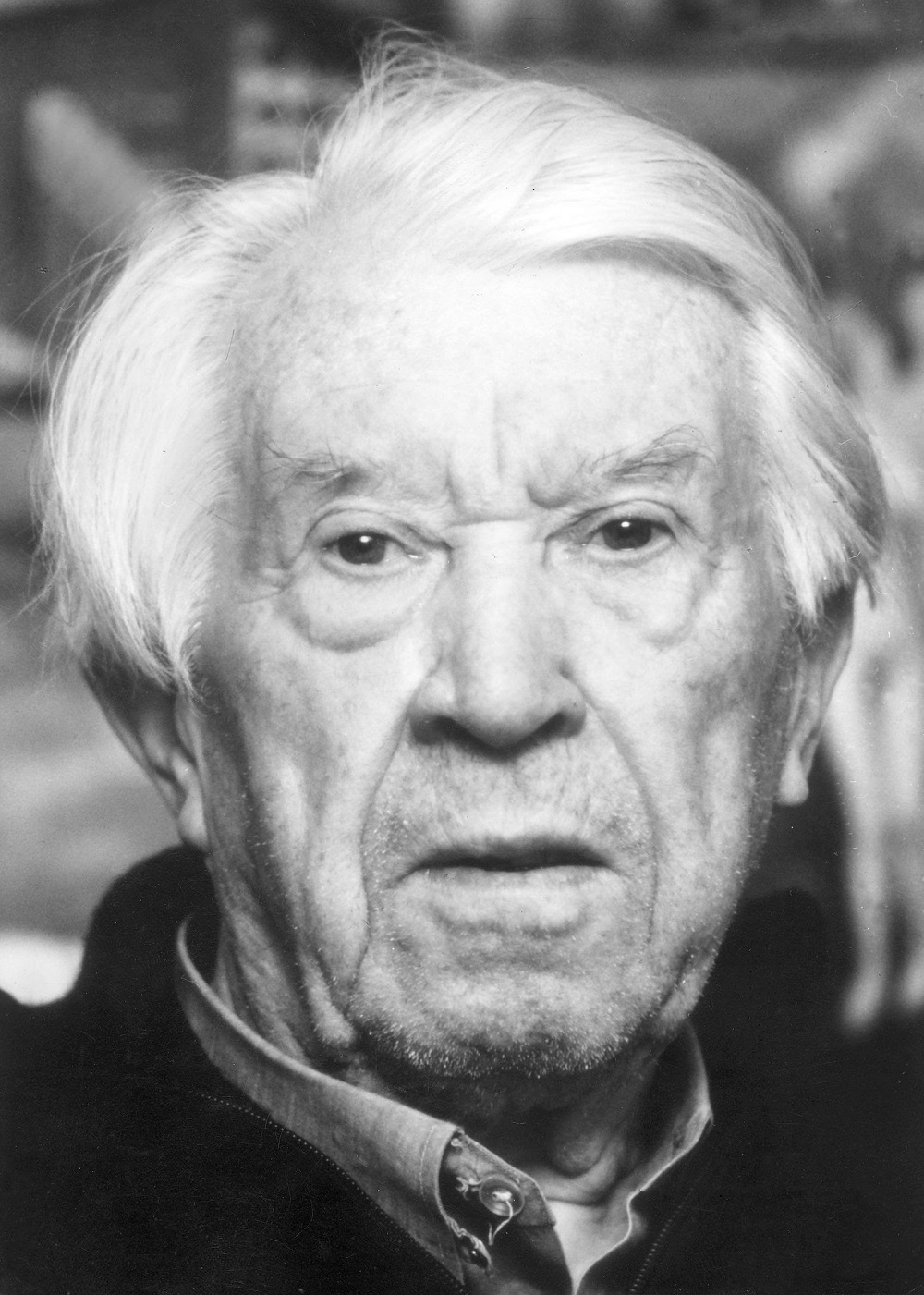
Franz Radziwill was a German artist of the twentieth century. He is known as a landscape painter, graphic artist and printmaker associated with the artistic movement of "new materiality".
Franz Radziwill created paintings that are characterized by careful elaboration and the use of glaze techniques borrowed from the Old Masters. He used elements of industrial buildings and modern technology, including ships and airplanes, in his landscapes. The results of his work can be categorized as magical realism.
In 1933 Radziwill became professor of painting at the Düsseldorf Academy of Art, but in 1935 the Nazis stripped him of this position, declaring his work degenerate art.
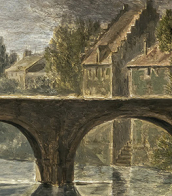


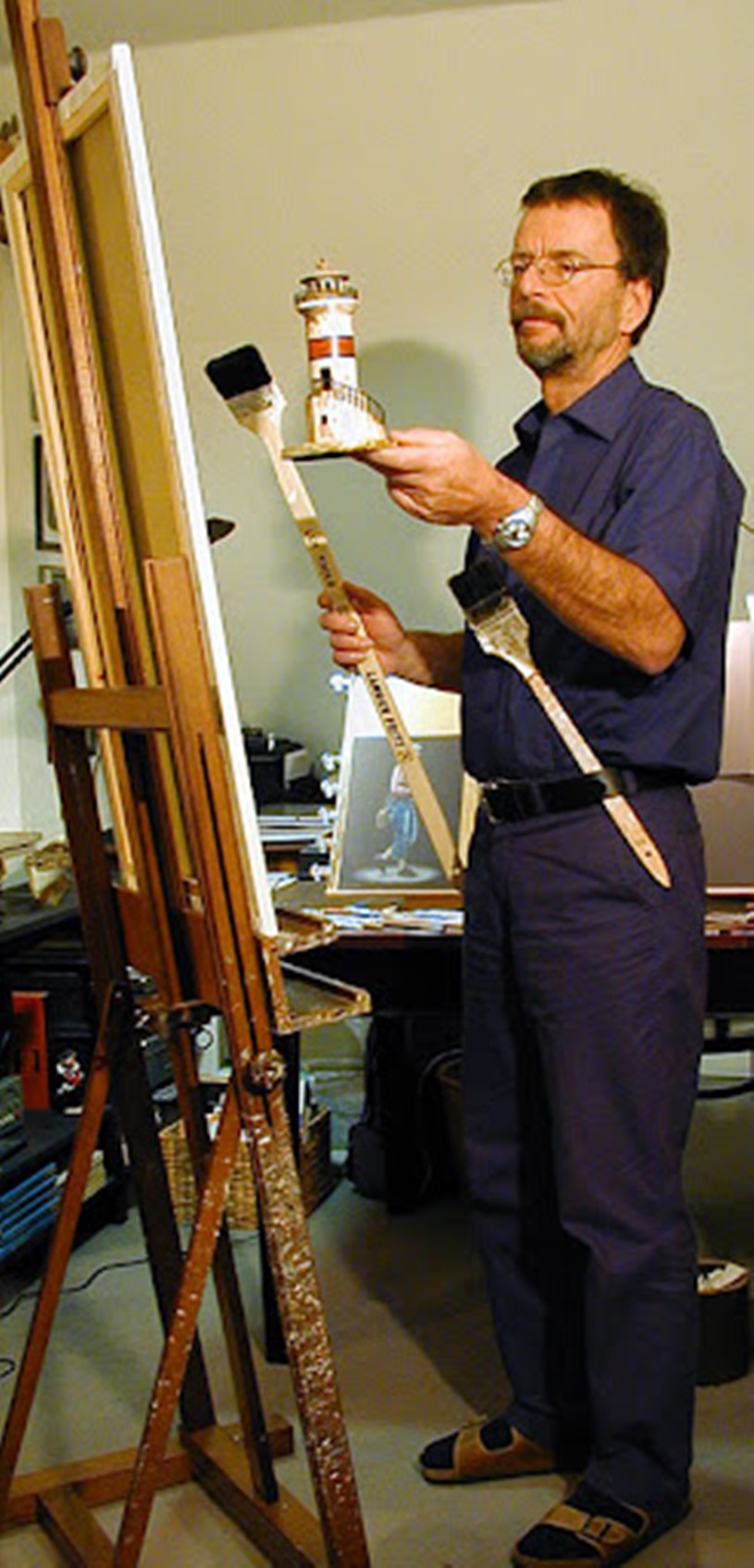
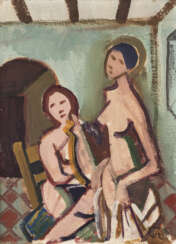

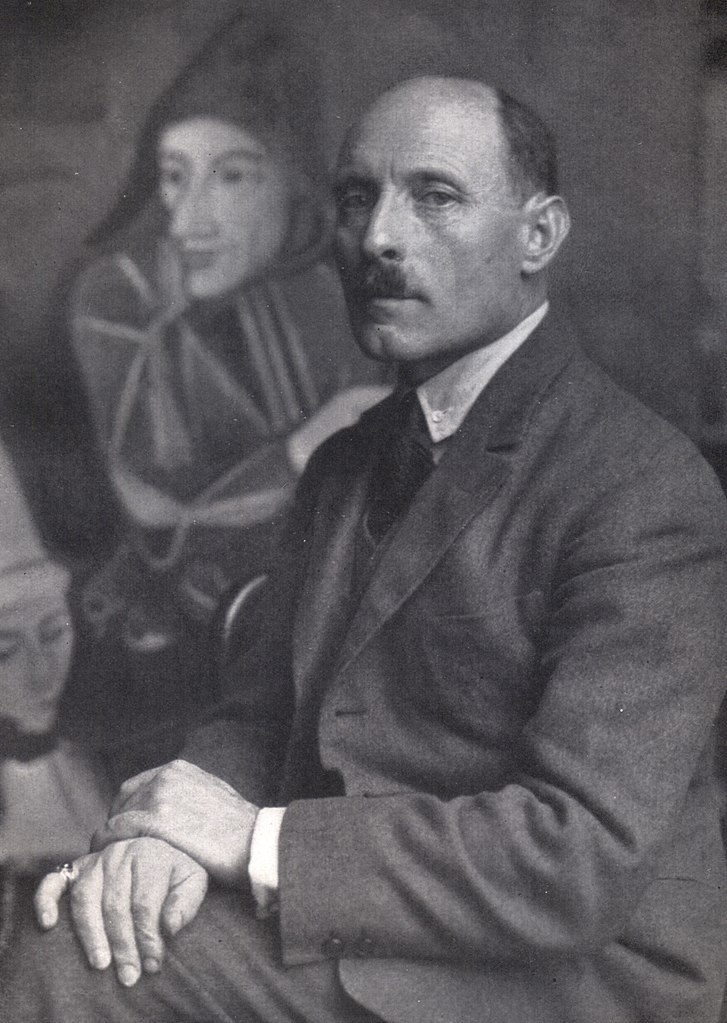
Karl Hofer was a German expressionist painter. He was director of the Berlin Academy of Fine Arts.
One of the most prominent painters of expressionism, he never was a member of one of the expressionist painting groups, like "Die Brücke", but was influenced by their painters. His work was among those considered degenerate art by the Nazis, but after World War II he regained recognition as one of the leading German painters.
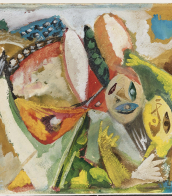


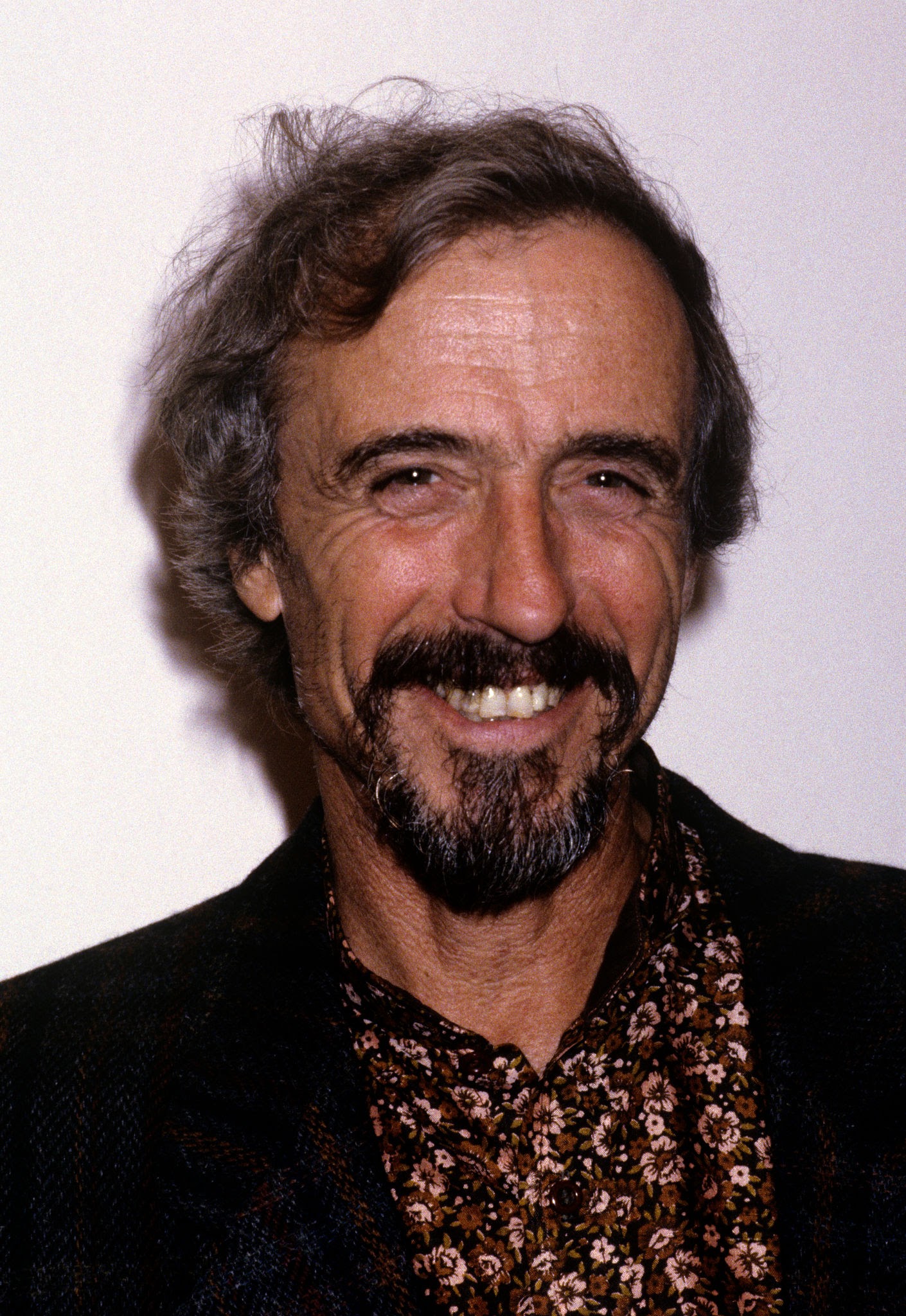
Arik Brauer was an Austrian painter, printmaker, poet, dancer, singer-songwriter, stage designer, architect, and academic teacher.
Brauer, from a family of Jewish emigrants, grew up in Vienna under the Nazi regime.




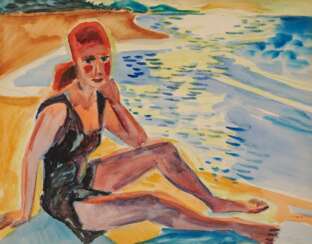

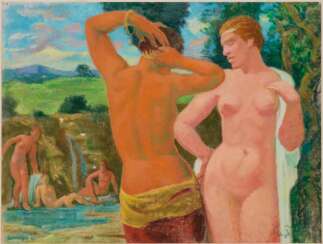

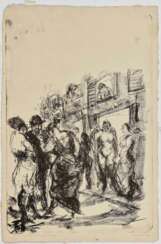


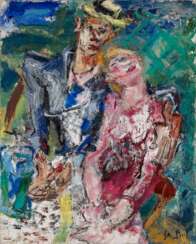

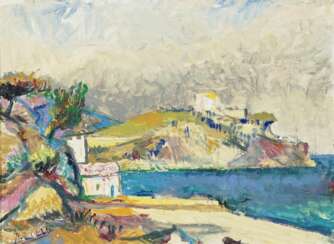

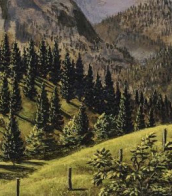
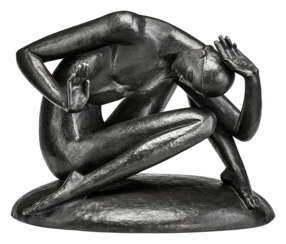



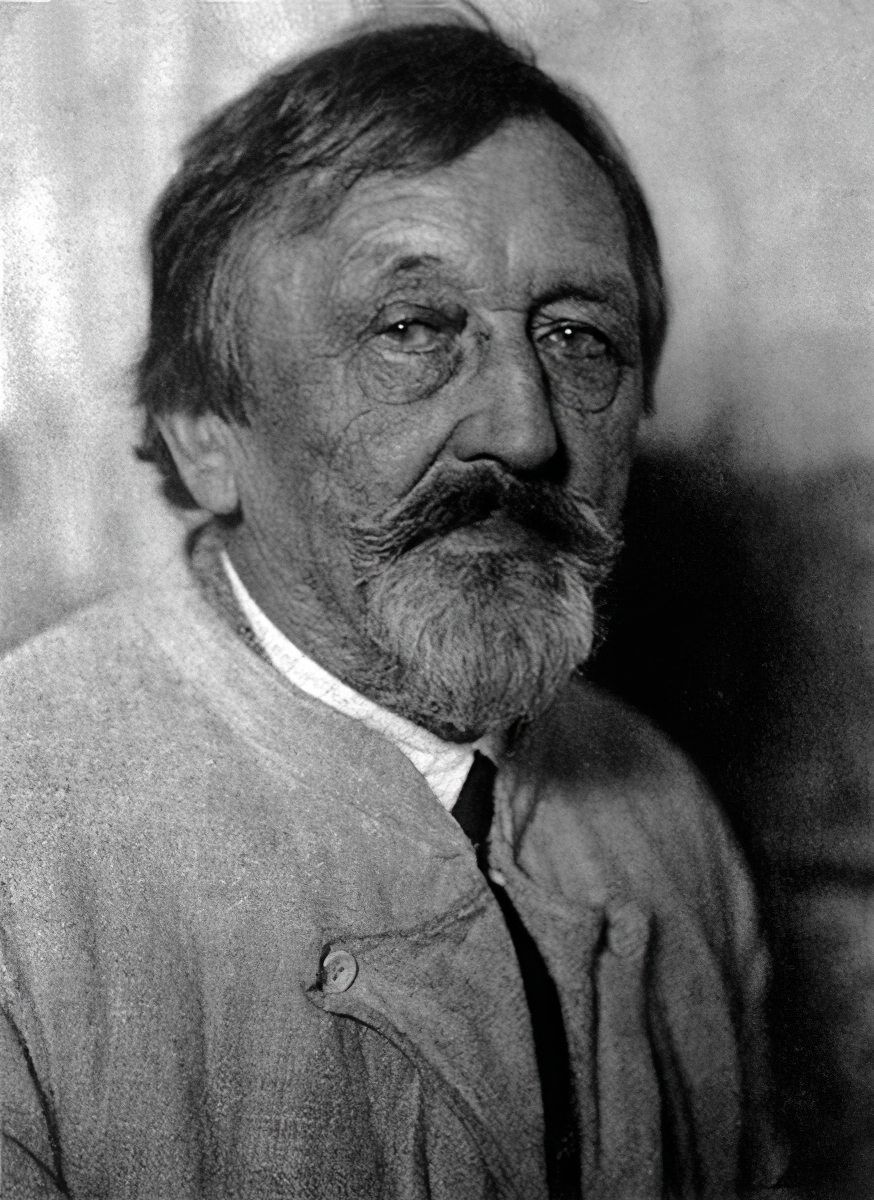
Christian Rohlfs was a German painter and printmaker, one of the important representatives of German expressionism.

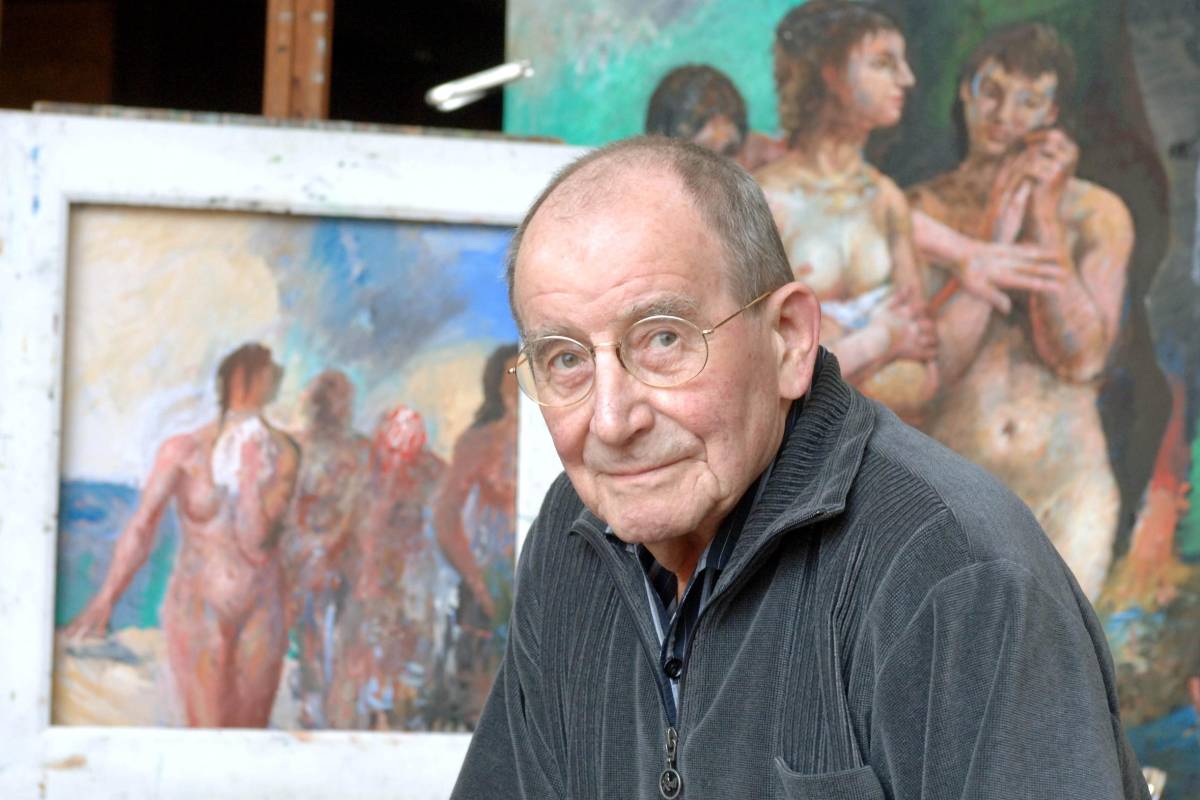
Willi Sitte was a German painter who was for a long time the president of the East German association of visual artists.
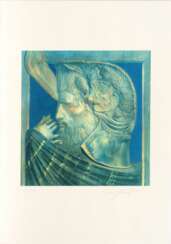

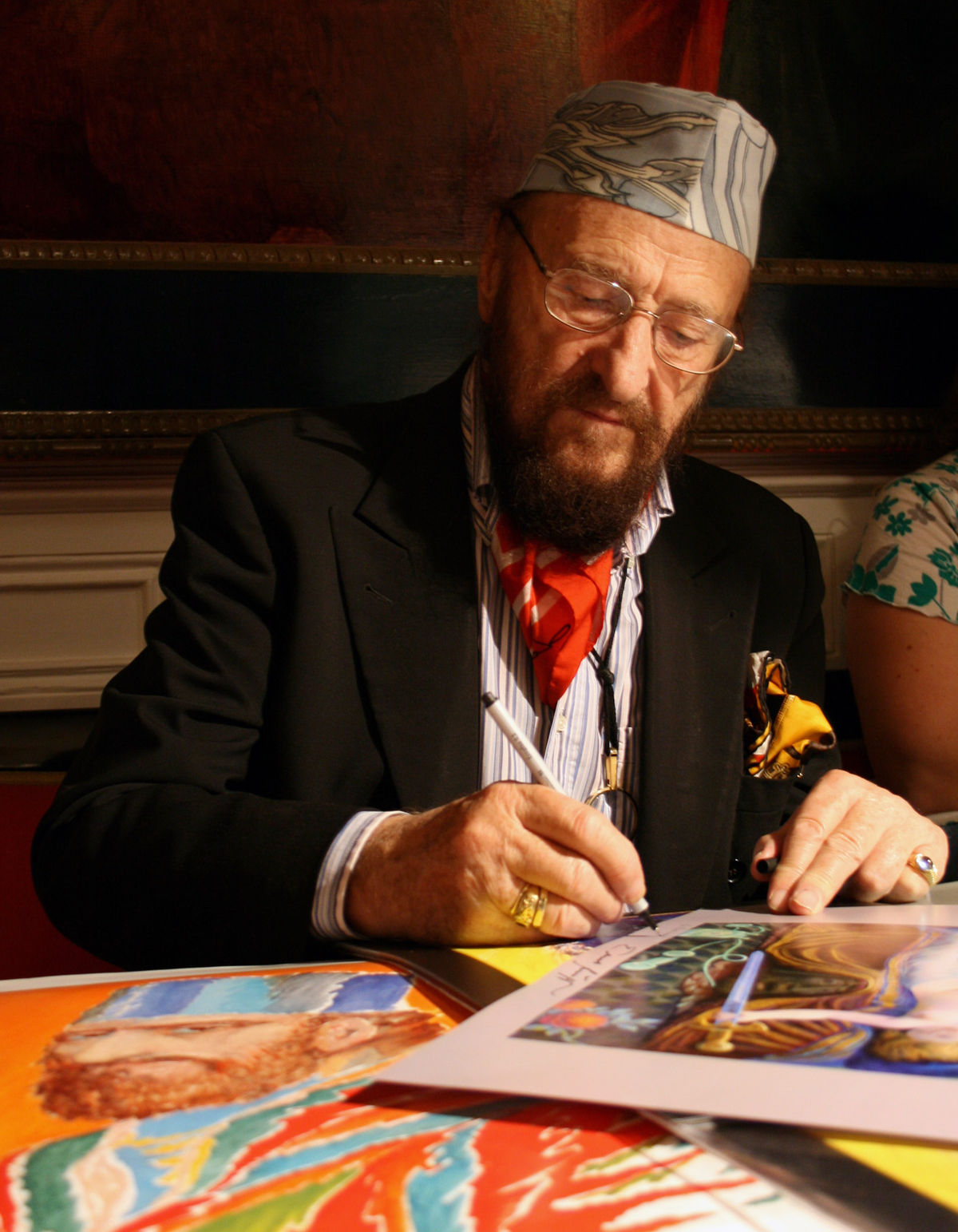
Ernst Fuchs was an Austrian painter, draftsman, printmaker, sculptor, architect, stage designer, composer, poet, and one of the founders of the Vienna School of Fantastic Realism. In 1972, he acquired the derelict Otto Wagner Villa in Hütteldorf, which he restored and transformed. The villa was inaugurated as the Ernst Fuchs Museum in 1988.
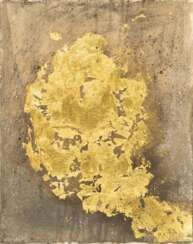

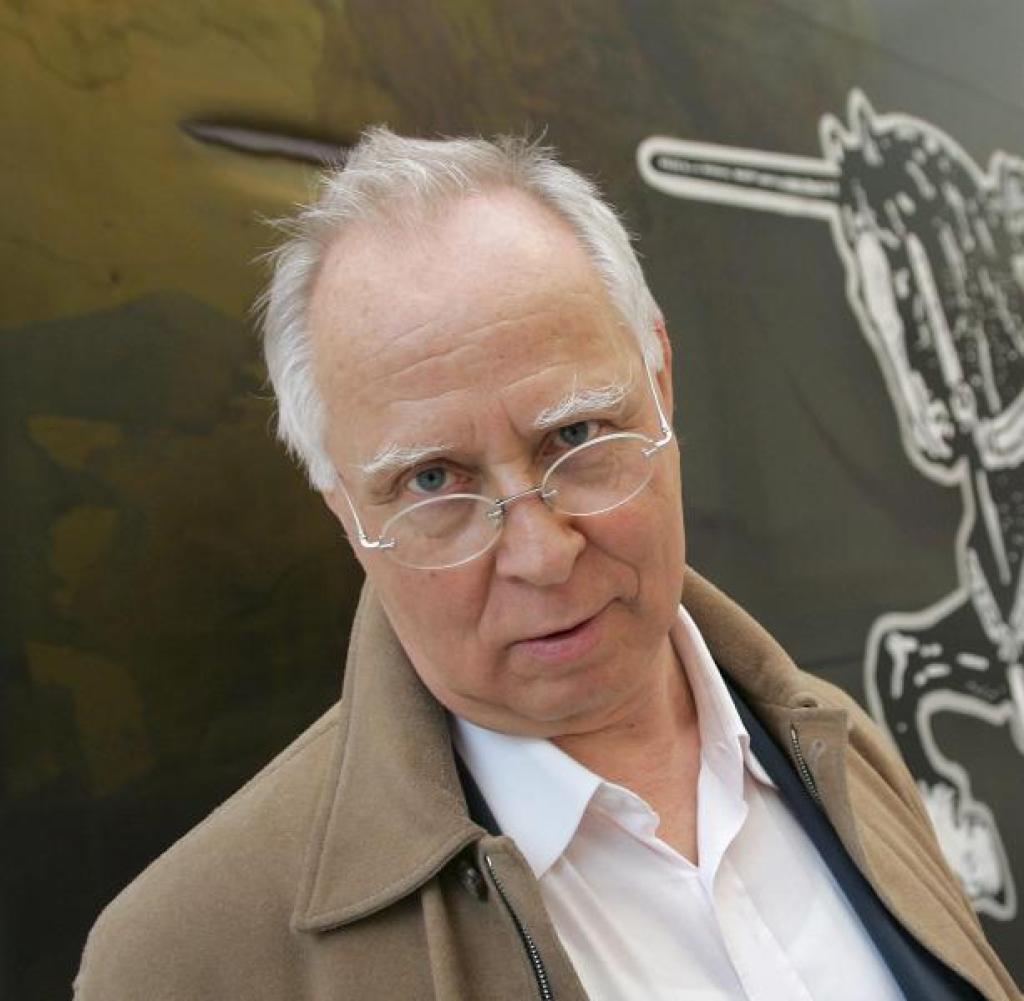
Sigmar Polke was a German painter and photographer.
Polke experimented with a wide range of styles, subject matters and materials. In the 1970s, he concentrated on photography, returning to paint in the 1980s, when he produced abstract works created by chance through chemical reactions between paint and other products. In the last 20 years of his life, he produced paintings focused on historical events and perceptions of them.
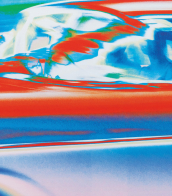
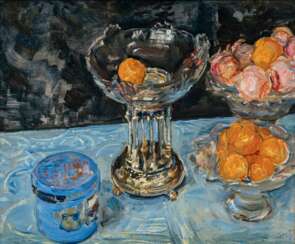

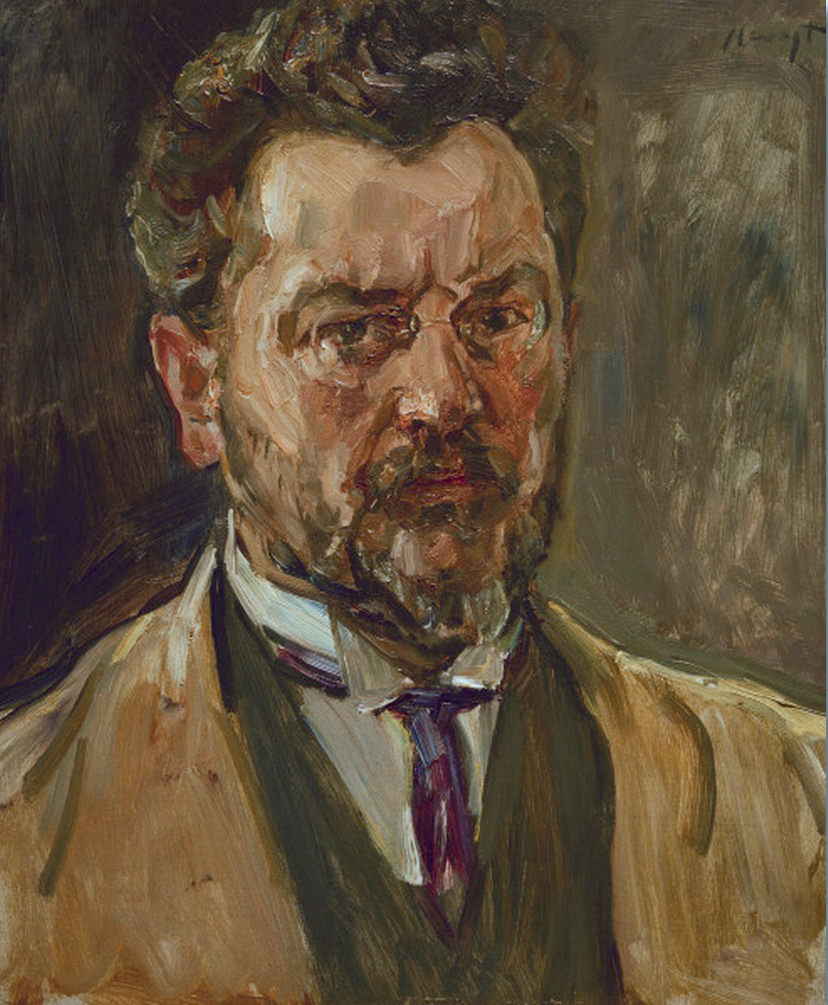
Max Slefogt was a German Impressionist painter and illustrator, best known for his landscapes. He was, together with Lovis Corinth and Max Liebermann, one of the foremost representatives in Germany of the plein air style.


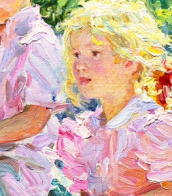


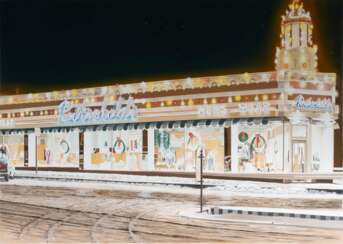

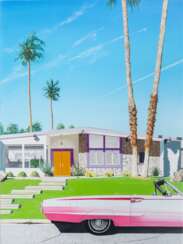



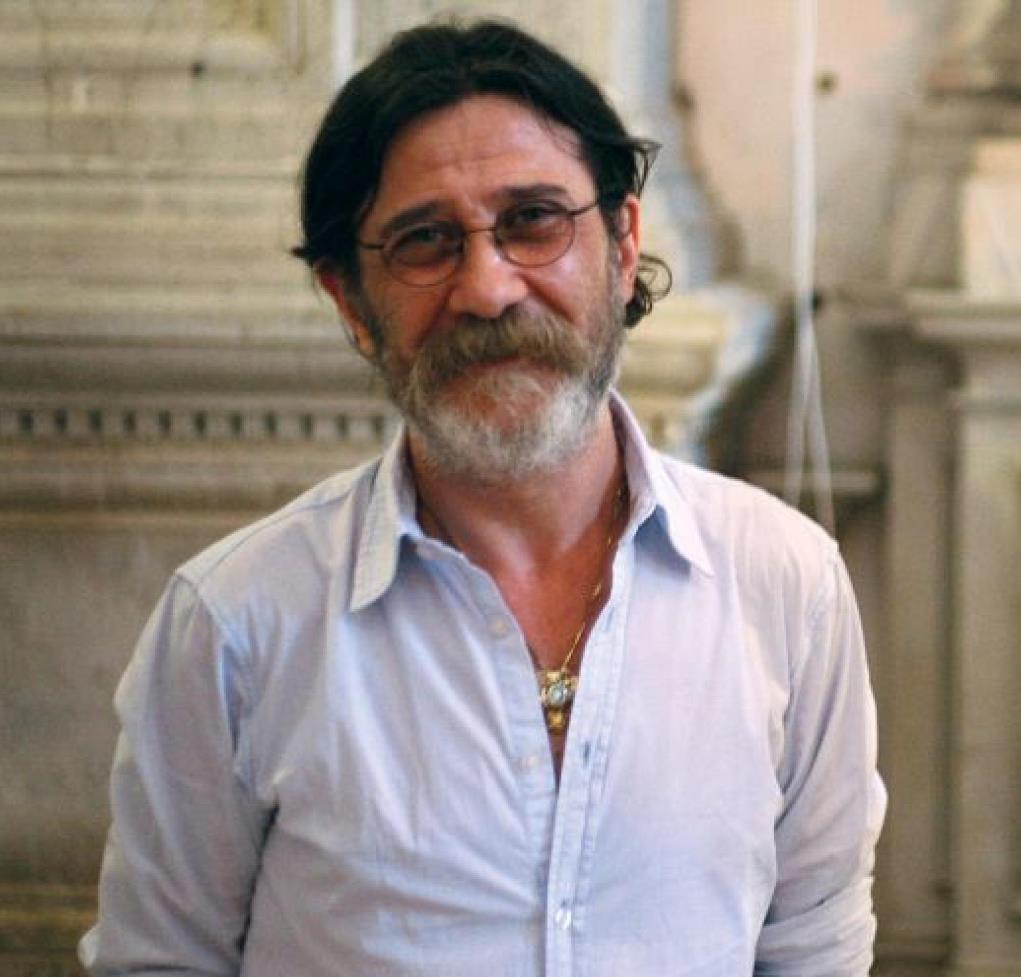
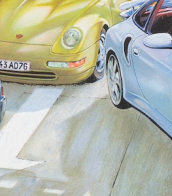
Luigi Rocca is an Italian hyperrealist painter.
Luigi was born into a family of artists and, influenced from a young age by his grandfather's photographic work, he eventually became one of the leading exponents of photorealism.
He made repeated exploratory trips to New York City, a city full of architecture, advertising and light, which inspired him to create magnificent photorealist motifs. Rocca combined his classical technique with modern realism, creating illusionistic and richly detailed paintings that are recognized by art lovers and collectors around the world. They appear so realistic that it's hard to see the difference between a photograph and a painting.


Luigi Rocca is an Italian hyperrealist painter.
Luigi was born into a family of artists and, influenced from a young age by his grandfather's photographic work, he eventually became one of the leading exponents of photorealism.
He made repeated exploratory trips to New York City, a city full of architecture, advertising and light, which inspired him to create magnificent photorealist motifs. Rocca combined his classical technique with modern realism, creating illusionistic and richly detailed paintings that are recognized by art lovers and collectors around the world. They appear so realistic that it's hard to see the difference between a photograph and a painting.


Luigi Rocca is an Italian hyperrealist painter.
Luigi was born into a family of artists and, influenced from a young age by his grandfather's photographic work, he eventually became one of the leading exponents of photorealism.
He made repeated exploratory trips to New York City, a city full of architecture, advertising and light, which inspired him to create magnificent photorealist motifs. Rocca combined his classical technique with modern realism, creating illusionistic and richly detailed paintings that are recognized by art lovers and collectors around the world. They appear so realistic that it's hard to see the difference between a photograph and a painting.