

lászlò m
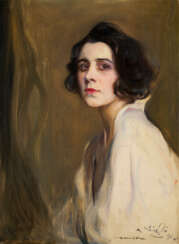

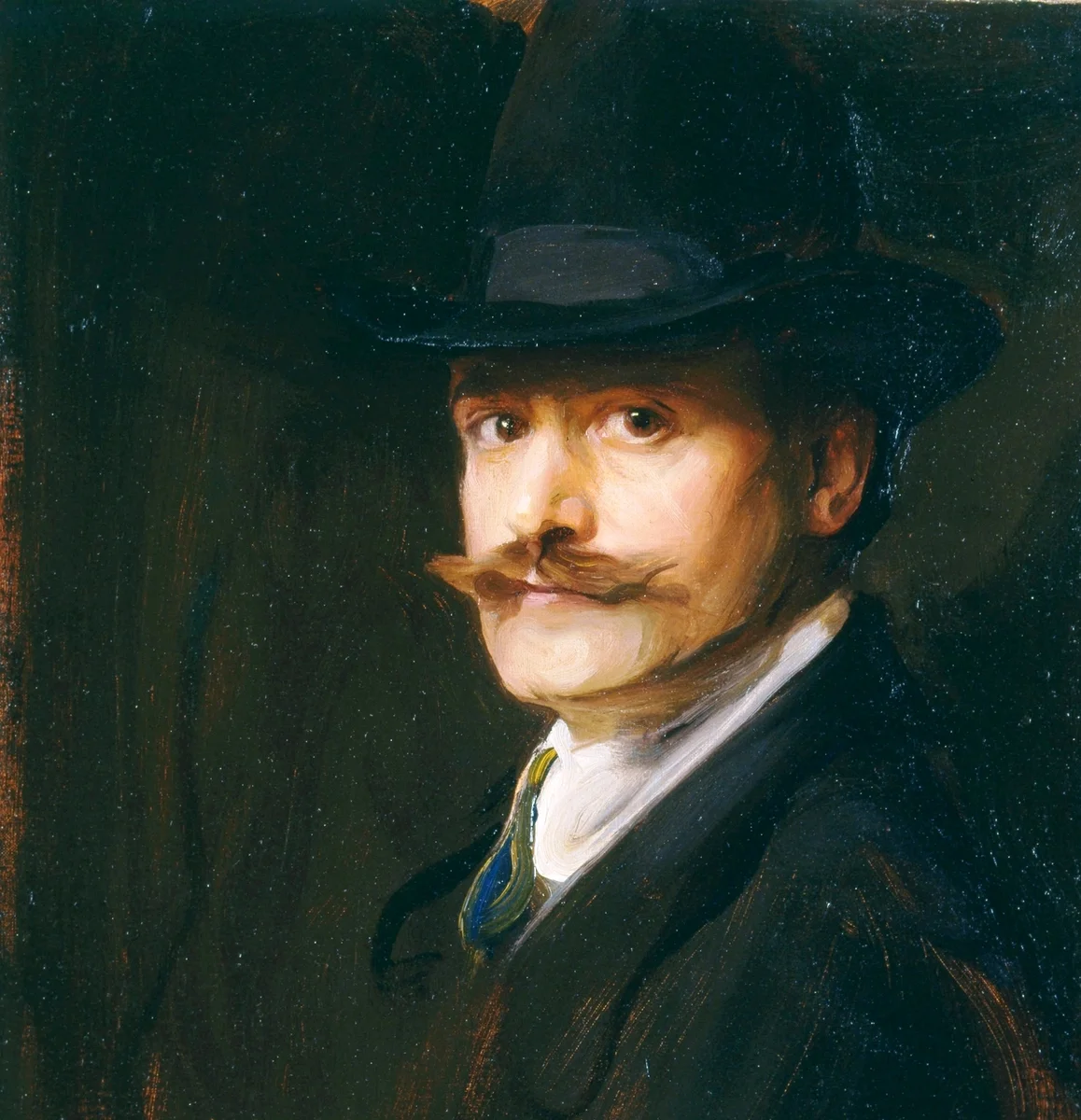
Philip Alexius de László, an Anglo-Hungarian artist renowned for his portraiture, captured the likenesses of many notable figures from European royalty to prominent societal personalities. Born in 1869 in Hungary and later becoming a British citizen in 1914, de Philip László's work is celebrated for its vibrant realism and intimate depiction of character, making him a favorite among high society across Europe and beyond.
Philip De László's artistry earned him numerous honors, including being ennobled in Hungary and receiving medals from British royalty. Despite his accolades and successful integration into British society, he faced internment during World War I, which was a significant period of adversity in his otherwise illustrious career. His legacy includes over 4,000 works, with portraits housed in prestigious institutions like the National Portrait Gallery in London.
His subjects spanned a wide array of influential figures including Emperor Franz Joseph of Austria, U.S. President Calvin Coolidge, and Queen Marie of Romania. These portraits are not merely artistic renditions but historical documents that offer a glimpse into an era defined by its cultural and political complexities. His works continue to be studied and admired for their technical excellence and historical significance, making them highly valuable to collectors and experts in art and antiques.
For those interested in staying updated on exhibitions, sales, or auctions related to Philip Alexius de László's works, subscribing for notifications can provide timely information and opportunities to acquire pieces by this distinguished artist. This ensures that enthusiasts and collectors don't miss out on important events tied to his enduring artistic legacy.




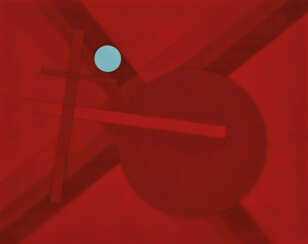

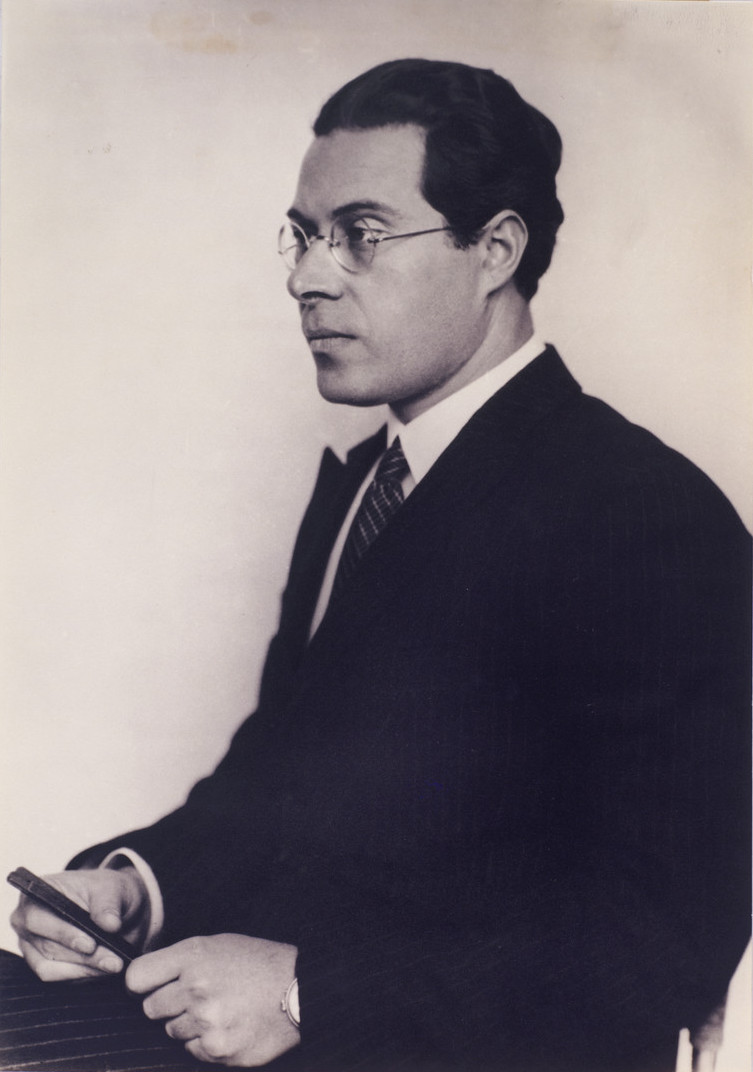
Laszlo Moholy-Nagy, a Hungarian-American artist, was a visionary in the integration of technology and art, profoundly influencing modern art education in the United States. His journey began in post-World War I Europe, where he immersed himself in the avant-garde art scene, eventually joining the Bauhaus school in Germany. There, Moholy-Nagy embraced various mediums, from photography and film to painting and sculpture, pioneering the movement known as the New Vision, which emphasized the unique perspectives that photography and film could offer compared to the human eye.
Laszlo Moholy-Nagy's innovative approach extended to photograms, a camera-less photographic technique that captures the shadows and silhouettes of objects placed on photosensitive paper. His exploration of light and shadow in this medium underscored his belief in the transformative power of art and technology. Beyond his technical achievements, Moholy-Nagy was a dedicated educator, shaping future generations of artists at the Bauhaus and later in Chicago, where he founded the New Bauhaus, which evolved into the Illinois Institute of Technology's Institute of Design.
His work is celebrated in various prestigious collections, including MoMA and the Smithsonian American Art Museum, where his contributions to modernism and design are acknowledged and revered. Moholy-Nagy's legacy is not only in his artistic output but also in his profound impact on art education and the philosophical discourse around art and technology.
For collectors and experts in art and antiques, Laszlo Moholy-Nagy's work offers a deep dive into the intersection of art, technology, and education. To stay informed about exhibitions and auctions related to Moholy-Nagy's works, consider subscribing to updates from art galleries and auction houses, ensuring you remain connected to the evolving appreciation and understanding of this pivotal figure's contributions.


Laszlo Moholy-Nagy, a Hungarian-American artist, was a visionary in the integration of technology and art, profoundly influencing modern art education in the United States. His journey began in post-World War I Europe, where he immersed himself in the avant-garde art scene, eventually joining the Bauhaus school in Germany. There, Moholy-Nagy embraced various mediums, from photography and film to painting and sculpture, pioneering the movement known as the New Vision, which emphasized the unique perspectives that photography and film could offer compared to the human eye.
Laszlo Moholy-Nagy's innovative approach extended to photograms, a camera-less photographic technique that captures the shadows and silhouettes of objects placed on photosensitive paper. His exploration of light and shadow in this medium underscored his belief in the transformative power of art and technology. Beyond his technical achievements, Moholy-Nagy was a dedicated educator, shaping future generations of artists at the Bauhaus and later in Chicago, where he founded the New Bauhaus, which evolved into the Illinois Institute of Technology's Institute of Design.
His work is celebrated in various prestigious collections, including MoMA and the Smithsonian American Art Museum, where his contributions to modernism and design are acknowledged and revered. Moholy-Nagy's legacy is not only in his artistic output but also in his profound impact on art education and the philosophical discourse around art and technology.
For collectors and experts in art and antiques, Laszlo Moholy-Nagy's work offers a deep dive into the intersection of art, technology, and education. To stay informed about exhibitions and auctions related to Moholy-Nagy's works, consider subscribing to updates from art galleries and auction houses, ensuring you remain connected to the evolving appreciation and understanding of this pivotal figure's contributions.
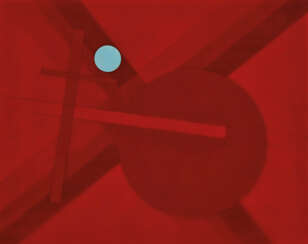

Laszlo Moholy-Nagy, a Hungarian-American artist, was a visionary in the integration of technology and art, profoundly influencing modern art education in the United States. His journey began in post-World War I Europe, where he immersed himself in the avant-garde art scene, eventually joining the Bauhaus school in Germany. There, Moholy-Nagy embraced various mediums, from photography and film to painting and sculpture, pioneering the movement known as the New Vision, which emphasized the unique perspectives that photography and film could offer compared to the human eye.
Laszlo Moholy-Nagy's innovative approach extended to photograms, a camera-less photographic technique that captures the shadows and silhouettes of objects placed on photosensitive paper. His exploration of light and shadow in this medium underscored his belief in the transformative power of art and technology. Beyond his technical achievements, Moholy-Nagy was a dedicated educator, shaping future generations of artists at the Bauhaus and later in Chicago, where he founded the New Bauhaus, which evolved into the Illinois Institute of Technology's Institute of Design.
His work is celebrated in various prestigious collections, including MoMA and the Smithsonian American Art Museum, where his contributions to modernism and design are acknowledged and revered. Moholy-Nagy's legacy is not only in his artistic output but also in his profound impact on art education and the philosophical discourse around art and technology.
For collectors and experts in art and antiques, Laszlo Moholy-Nagy's work offers a deep dive into the intersection of art, technology, and education. To stay informed about exhibitions and auctions related to Moholy-Nagy's works, consider subscribing to updates from art galleries and auction houses, ensuring you remain connected to the evolving appreciation and understanding of this pivotal figure's contributions.
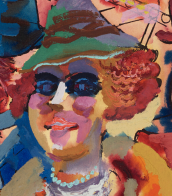


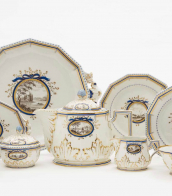


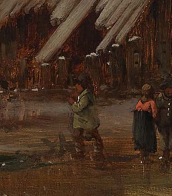


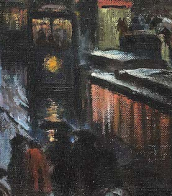


Laszlo Moholy-Nagy, a Hungarian-American artist, was a visionary in the integration of technology and art, profoundly influencing modern art education in the United States. His journey began in post-World War I Europe, where he immersed himself in the avant-garde art scene, eventually joining the Bauhaus school in Germany. There, Moholy-Nagy embraced various mediums, from photography and film to painting and sculpture, pioneering the movement known as the New Vision, which emphasized the unique perspectives that photography and film could offer compared to the human eye.
Laszlo Moholy-Nagy's innovative approach extended to photograms, a camera-less photographic technique that captures the shadows and silhouettes of objects placed on photosensitive paper. His exploration of light and shadow in this medium underscored his belief in the transformative power of art and technology. Beyond his technical achievements, Moholy-Nagy was a dedicated educator, shaping future generations of artists at the Bauhaus and later in Chicago, where he founded the New Bauhaus, which evolved into the Illinois Institute of Technology's Institute of Design.
His work is celebrated in various prestigious collections, including MoMA and the Smithsonian American Art Museum, where his contributions to modernism and design are acknowledged and revered. Moholy-Nagy's legacy is not only in his artistic output but also in his profound impact on art education and the philosophical discourse around art and technology.
For collectors and experts in art and antiques, Laszlo Moholy-Nagy's work offers a deep dive into the intersection of art, technology, and education. To stay informed about exhibitions and auctions related to Moholy-Nagy's works, consider subscribing to updates from art galleries and auction houses, ensuring you remain connected to the evolving appreciation and understanding of this pivotal figure's contributions.
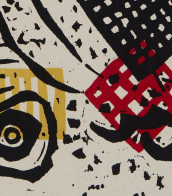
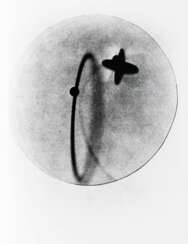

Laszlo Moholy-Nagy, a Hungarian-American artist, was a visionary in the integration of technology and art, profoundly influencing modern art education in the United States. His journey began in post-World War I Europe, where he immersed himself in the avant-garde art scene, eventually joining the Bauhaus school in Germany. There, Moholy-Nagy embraced various mediums, from photography and film to painting and sculpture, pioneering the movement known as the New Vision, which emphasized the unique perspectives that photography and film could offer compared to the human eye.
Laszlo Moholy-Nagy's innovative approach extended to photograms, a camera-less photographic technique that captures the shadows and silhouettes of objects placed on photosensitive paper. His exploration of light and shadow in this medium underscored his belief in the transformative power of art and technology. Beyond his technical achievements, Moholy-Nagy was a dedicated educator, shaping future generations of artists at the Bauhaus and later in Chicago, where he founded the New Bauhaus, which evolved into the Illinois Institute of Technology's Institute of Design.
His work is celebrated in various prestigious collections, including MoMA and the Smithsonian American Art Museum, where his contributions to modernism and design are acknowledged and revered. Moholy-Nagy's legacy is not only in his artistic output but also in his profound impact on art education and the philosophical discourse around art and technology.
For collectors and experts in art and antiques, Laszlo Moholy-Nagy's work offers a deep dive into the intersection of art, technology, and education. To stay informed about exhibitions and auctions related to Moholy-Nagy's works, consider subscribing to updates from art galleries and auction houses, ensuring you remain connected to the evolving appreciation and understanding of this pivotal figure's contributions.


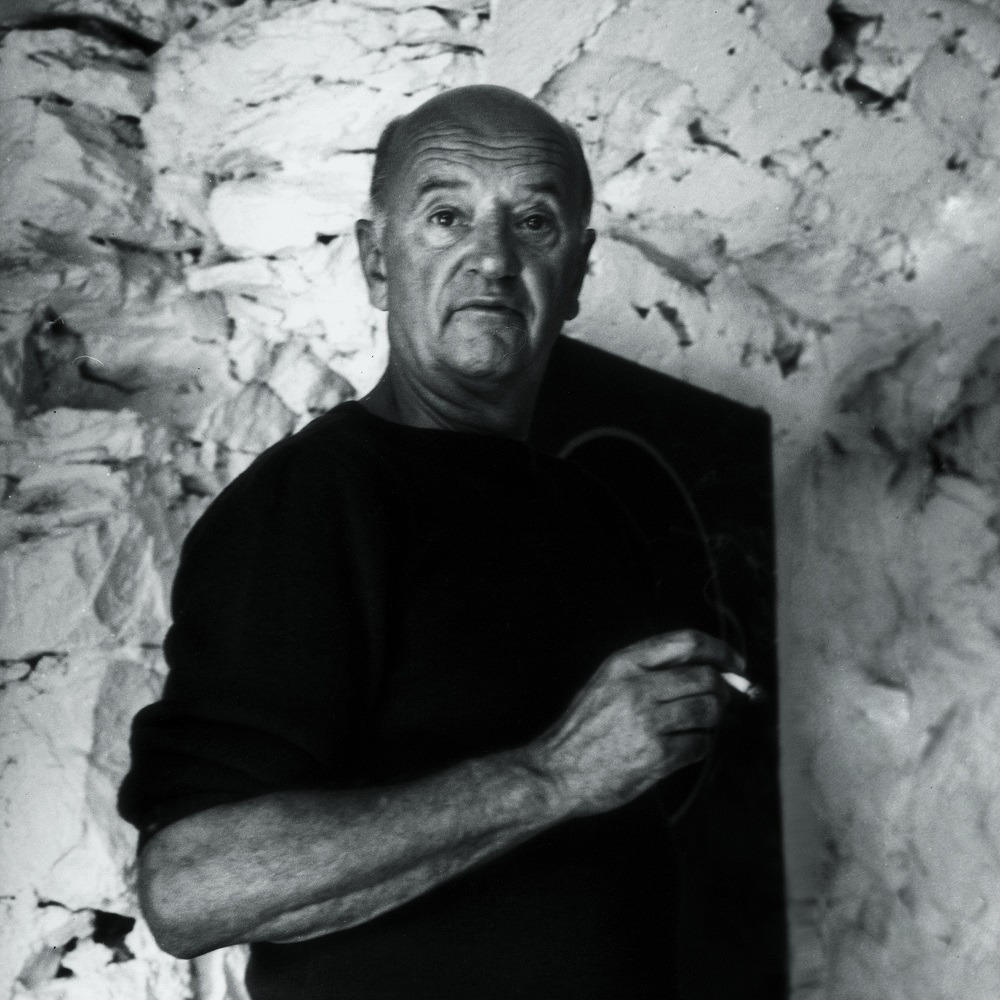
Jean Leppien (born Kurt Leppien) was a German-French painter.
From 1929, Leppien studied at the Bauhaus Dessau with Josef Albers, Wassily Kandinsky and Paul Klee. He lived in France since 1933, from where he was deported in 1944. After the war he stayed in France as Jean Leppien, where he exhibited at the Salon des Réalités Nouvelles. Leppien is one of the most important representatives of the Geometric abstraction in France. Stylistically, he is close to painters such as Alberto Magnelli, Jean Deyrolle, Michel Seuphor, Emile Gilioli and Aurélie Nemours.





![[BAUHAUS]](/assets/image/picture_3566661/e8dba/729a28957d0447a169e568f3271ec6451700607600jpg__fix_374_244.jpeg)
![[BAUHAUS]](https://veryimportantlot.com/assets/image/picture_3566661/e8dba/729a28957d0447a169e568f3271ec6451700607600jpg__fix_374_244.jpeg)
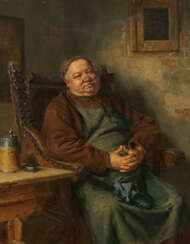

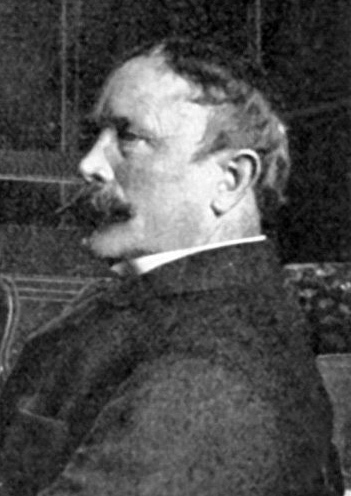
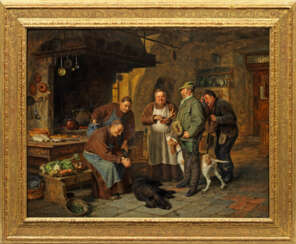
Eduard von Grützner was a German painter of the late 19th and early 20th centuries. He went down in the history of European art as a portrait painter and a brilliant master of genre.
Eduard von Grützner in most of his paintings depicted the life of monks, who usually appear to the audience in the images of merry rioters, leading a not ideal lifestyle. The public liked the original humorous style of the painter, and Grützner's work had many admirers.
Grützner was awarded the Royal Order of St. Michael and also received the title of honorary professor at the Munich Academy of Fine Arts. He also became a Knight of the Order of Civil Merit of the Bavarian Crown and received the title of nobleman, with the prefix "von" added to his last name.
Von Grützner is also known as a collector of art and antiques. For many years he collected masterpieces of the Gothic and Renaissance masters, and towards the end of his life he became interested in Far Eastern art.
![[BAUHAUS] GROPIUS, Walter (1883-1969)](/assets/image/picture_3601579/720a0/lsp2aazo0znzecmdzfdyg6hzwabke5vwx2qowedgl7x3js7axan3r66jykylfk1700207204jpg__fix_374_244.jpeg)
![[BAUHAUS] GROPIUS, Walter (1883-1969)](https://veryimportantlot.com/assets/image/picture_3601579/720a0/lsp2aazo0znzecmdzfdyg6hzwabke5vwx2qowedgl7x3js7axan3r66jykylfk1700207204jpg__fix_374_244.jpeg)












Eduard von Grützner was a German painter of the late 19th and early 20th centuries. He went down in the history of European art as a portrait painter and a brilliant master of genre.
Eduard von Grützner in most of his paintings depicted the life of monks, who usually appear to the audience in the images of merry rioters, leading a not ideal lifestyle. The public liked the original humorous style of the painter, and Grützner's work had many admirers.
Grützner was awarded the Royal Order of St. Michael and also received the title of honorary professor at the Munich Academy of Fine Arts. He also became a Knight of the Order of Civil Merit of the Bavarian Crown and received the title of nobleman, with the prefix "von" added to his last name.
Von Grützner is also known as a collector of art and antiques. For many years he collected masterpieces of the Gothic and Renaissance masters, and towards the end of his life he became interested in Far Eastern art.


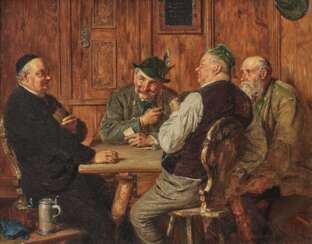

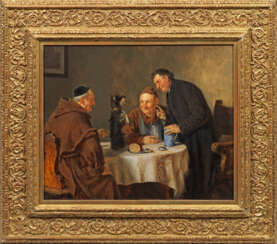

Eduard von Grützner was a German painter of the late 19th and early 20th centuries. He went down in the history of European art as a portrait painter and a brilliant master of genre.
Eduard von Grützner in most of his paintings depicted the life of monks, who usually appear to the audience in the images of merry rioters, leading a not ideal lifestyle. The public liked the original humorous style of the painter, and Grützner's work had many admirers.
Grützner was awarded the Royal Order of St. Michael and also received the title of honorary professor at the Munich Academy of Fine Arts. He also became a Knight of the Order of Civil Merit of the Bavarian Crown and received the title of nobleman, with the prefix "von" added to his last name.
Von Grützner is also known as a collector of art and antiques. For many years he collected masterpieces of the Gothic and Renaissance masters, and towards the end of his life he became interested in Far Eastern art.