léon de


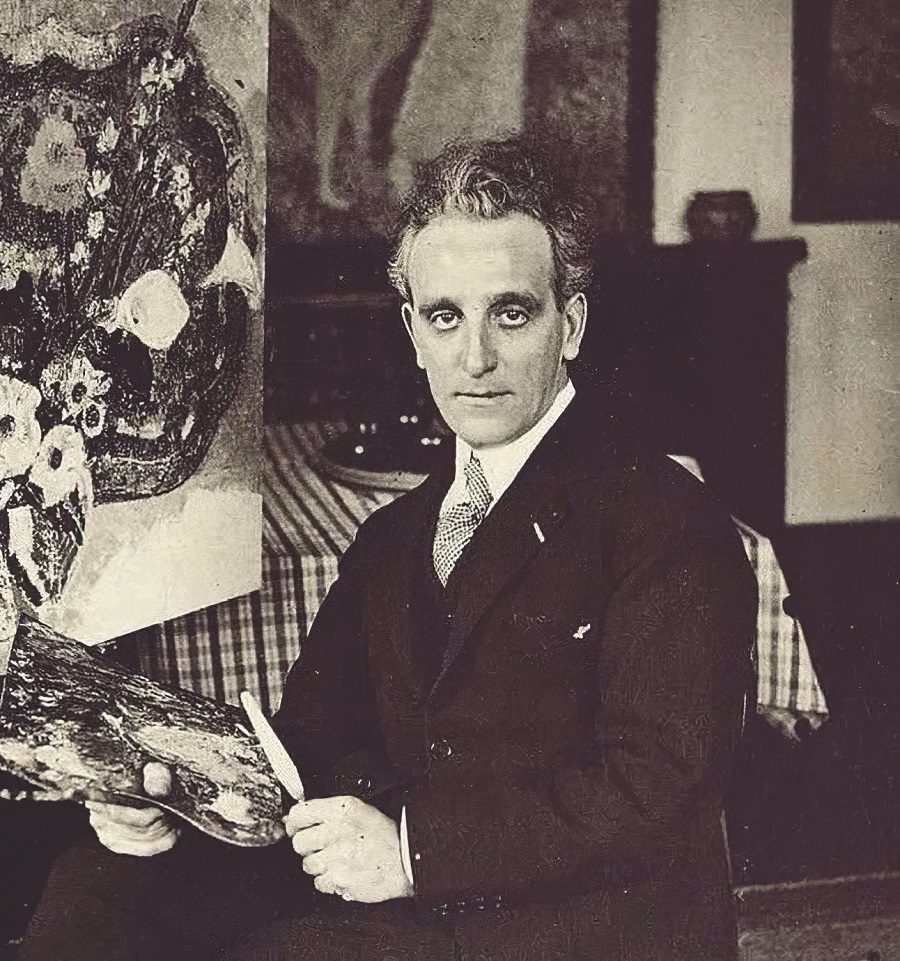
Leon de Smet was a Belgian painter who is known for his contributions to the development of Fauvism and Post-Impressionism. He was studied at the Academy of Fine Arts in Ghent before moving to Paris to further his artistic education.
De Smet's early work was heavily influenced by the Impressionist movement, but he soon became interested in the use of bold colors and expressive brushstrokes that were characteristic of the Fauvist style. His paintings often featured rural landscapes, still lifes, and portraits, and he was known for his ability to capture the fleeting effects of light and color in his scenes.
During World War I, de Smet returned to Belgium and began to focus more on still lifes and interiors. His style became more subdued and introspective, reflecting the difficult conditions of the war years. In the 1920s and 30s, he returned to the use of bright colors and bold brushstrokes, and his work continued to evolve throughout his career.
His work continues to be celebrated for its contribution to the development of modern art in Belgium and beyond, and his paintings are highly valued by collectors and art enthusiasts around the world.
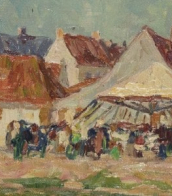


Leon de Smet was a Belgian painter who is known for his contributions to the development of Fauvism and Post-Impressionism. He was studied at the Academy of Fine Arts in Ghent before moving to Paris to further his artistic education.
De Smet's early work was heavily influenced by the Impressionist movement, but he soon became interested in the use of bold colors and expressive brushstrokes that were characteristic of the Fauvist style. His paintings often featured rural landscapes, still lifes, and portraits, and he was known for his ability to capture the fleeting effects of light and color in his scenes.
During World War I, de Smet returned to Belgium and began to focus more on still lifes and interiors. His style became more subdued and introspective, reflecting the difficult conditions of the war years. In the 1920s and 30s, he returned to the use of bright colors and bold brushstrokes, and his work continued to evolve throughout his career.
His work continues to be celebrated for its contribution to the development of modern art in Belgium and beyond, and his paintings are highly valued by collectors and art enthusiasts around the world.
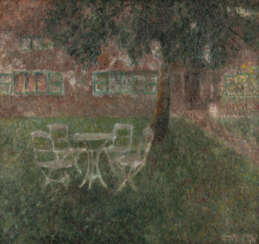

Leon de Smet was a Belgian painter who is known for his contributions to the development of Fauvism and Post-Impressionism. He was studied at the Academy of Fine Arts in Ghent before moving to Paris to further his artistic education.
De Smet's early work was heavily influenced by the Impressionist movement, but he soon became interested in the use of bold colors and expressive brushstrokes that were characteristic of the Fauvist style. His paintings often featured rural landscapes, still lifes, and portraits, and he was known for his ability to capture the fleeting effects of light and color in his scenes.
During World War I, de Smet returned to Belgium and began to focus more on still lifes and interiors. His style became more subdued and introspective, reflecting the difficult conditions of the war years. In the 1920s and 30s, he returned to the use of bright colors and bold brushstrokes, and his work continued to evolve throughout his career.
His work continues to be celebrated for its contribution to the development of modern art in Belgium and beyond, and his paintings are highly valued by collectors and art enthusiasts around the world.


Leon de Smet was a Belgian painter who is known for his contributions to the development of Fauvism and Post-Impressionism. He was studied at the Academy of Fine Arts in Ghent before moving to Paris to further his artistic education.
De Smet's early work was heavily influenced by the Impressionist movement, but he soon became interested in the use of bold colors and expressive brushstrokes that were characteristic of the Fauvist style. His paintings often featured rural landscapes, still lifes, and portraits, and he was known for his ability to capture the fleeting effects of light and color in his scenes.
During World War I, de Smet returned to Belgium and began to focus more on still lifes and interiors. His style became more subdued and introspective, reflecting the difficult conditions of the war years. In the 1920s and 30s, he returned to the use of bright colors and bold brushstrokes, and his work continued to evolve throughout his career.
His work continues to be celebrated for its contribution to the development of modern art in Belgium and beyond, and his paintings are highly valued by collectors and art enthusiasts around the world.
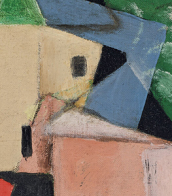
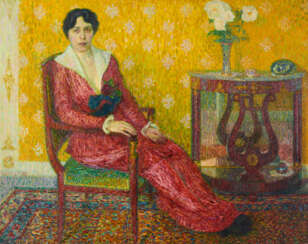

Leon de Smet was a Belgian painter who is known for his contributions to the development of Fauvism and Post-Impressionism. He was studied at the Academy of Fine Arts in Ghent before moving to Paris to further his artistic education.
De Smet's early work was heavily influenced by the Impressionist movement, but he soon became interested in the use of bold colors and expressive brushstrokes that were characteristic of the Fauvist style. His paintings often featured rural landscapes, still lifes, and portraits, and he was known for his ability to capture the fleeting effects of light and color in his scenes.
During World War I, de Smet returned to Belgium and began to focus more on still lifes and interiors. His style became more subdued and introspective, reflecting the difficult conditions of the war years. In the 1920s and 30s, he returned to the use of bright colors and bold brushstrokes, and his work continued to evolve throughout his career.
His work continues to be celebrated for its contribution to the development of modern art in Belgium and beyond, and his paintings are highly valued by collectors and art enthusiasts around the world.
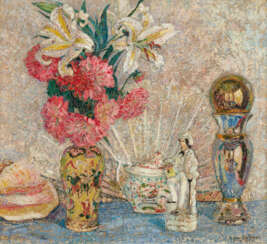

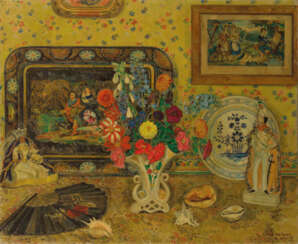

Leon de Smet was a Belgian painter who is known for his contributions to the development of Fauvism and Post-Impressionism. He was studied at the Academy of Fine Arts in Ghent before moving to Paris to further his artistic education.
De Smet's early work was heavily influenced by the Impressionist movement, but he soon became interested in the use of bold colors and expressive brushstrokes that were characteristic of the Fauvist style. His paintings often featured rural landscapes, still lifes, and portraits, and he was known for his ability to capture the fleeting effects of light and color in his scenes.
During World War I, de Smet returned to Belgium and began to focus more on still lifes and interiors. His style became more subdued and introspective, reflecting the difficult conditions of the war years. In the 1920s and 30s, he returned to the use of bright colors and bold brushstrokes, and his work continued to evolve throughout his career.
His work continues to be celebrated for its contribution to the development of modern art in Belgium and beyond, and his paintings are highly valued by collectors and art enthusiasts around the world.


Leon de Smet was a Belgian painter who is known for his contributions to the development of Fauvism and Post-Impressionism. He was studied at the Academy of Fine Arts in Ghent before moving to Paris to further his artistic education.
De Smet's early work was heavily influenced by the Impressionist movement, but he soon became interested in the use of bold colors and expressive brushstrokes that were characteristic of the Fauvist style. His paintings often featured rural landscapes, still lifes, and portraits, and he was known for his ability to capture the fleeting effects of light and color in his scenes.
During World War I, de Smet returned to Belgium and began to focus more on still lifes and interiors. His style became more subdued and introspective, reflecting the difficult conditions of the war years. In the 1920s and 30s, he returned to the use of bright colors and bold brushstrokes, and his work continued to evolve throughout his career.
His work continues to be celebrated for its contribution to the development of modern art in Belgium and beyond, and his paintings are highly valued by collectors and art enthusiasts around the world.
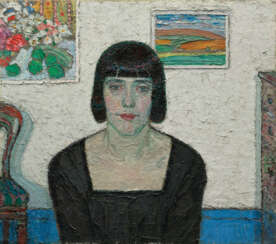

Leon de Smet was a Belgian painter who is known for his contributions to the development of Fauvism and Post-Impressionism. He was studied at the Academy of Fine Arts in Ghent before moving to Paris to further his artistic education.
De Smet's early work was heavily influenced by the Impressionist movement, but he soon became interested in the use of bold colors and expressive brushstrokes that were characteristic of the Fauvist style. His paintings often featured rural landscapes, still lifes, and portraits, and he was known for his ability to capture the fleeting effects of light and color in his scenes.
During World War I, de Smet returned to Belgium and began to focus more on still lifes and interiors. His style became more subdued and introspective, reflecting the difficult conditions of the war years. In the 1920s and 30s, he returned to the use of bright colors and bold brushstrokes, and his work continued to evolve throughout his career.
His work continues to be celebrated for its contribution to the development of modern art in Belgium and beyond, and his paintings are highly valued by collectors and art enthusiasts around the world.
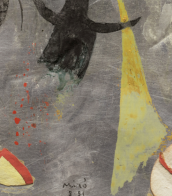
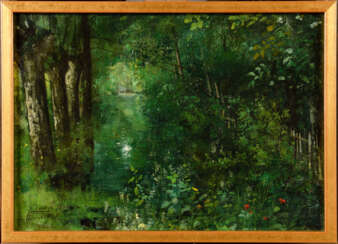

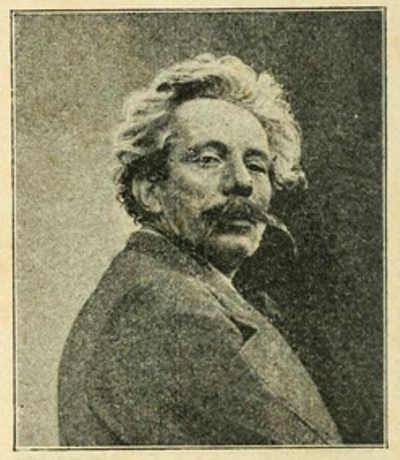


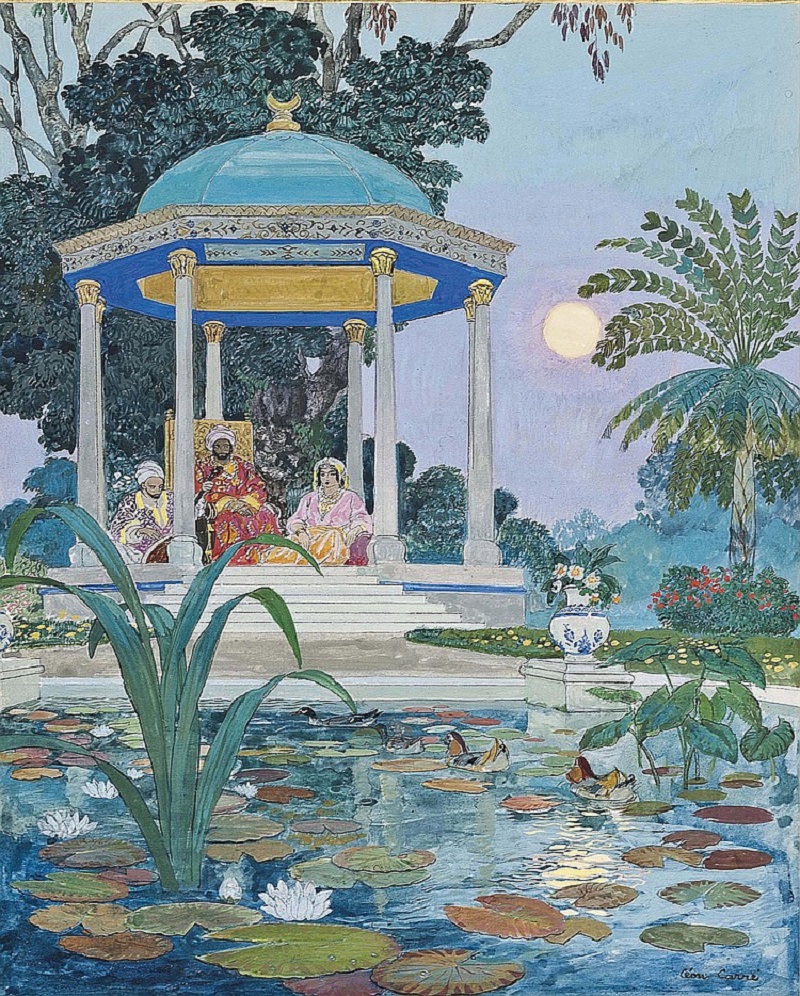
Léon Georges Jean-Baptiste Carré was a French Orientalist painter and illustrator known for his contribution to the Fauvist movement.
Carré's style was characterized by bright colours and bold strokes. He sought to express his emotions and convey the essence of the subject through intense and unnatural colours. Carré's paintings often depicted landscapes, still lifes and portraits.
Léon Carré also experimented with other artistic movements such as Cubism and Post-Impressionism. This allowed him to develop a unique artistic language which combined elements of different currents.


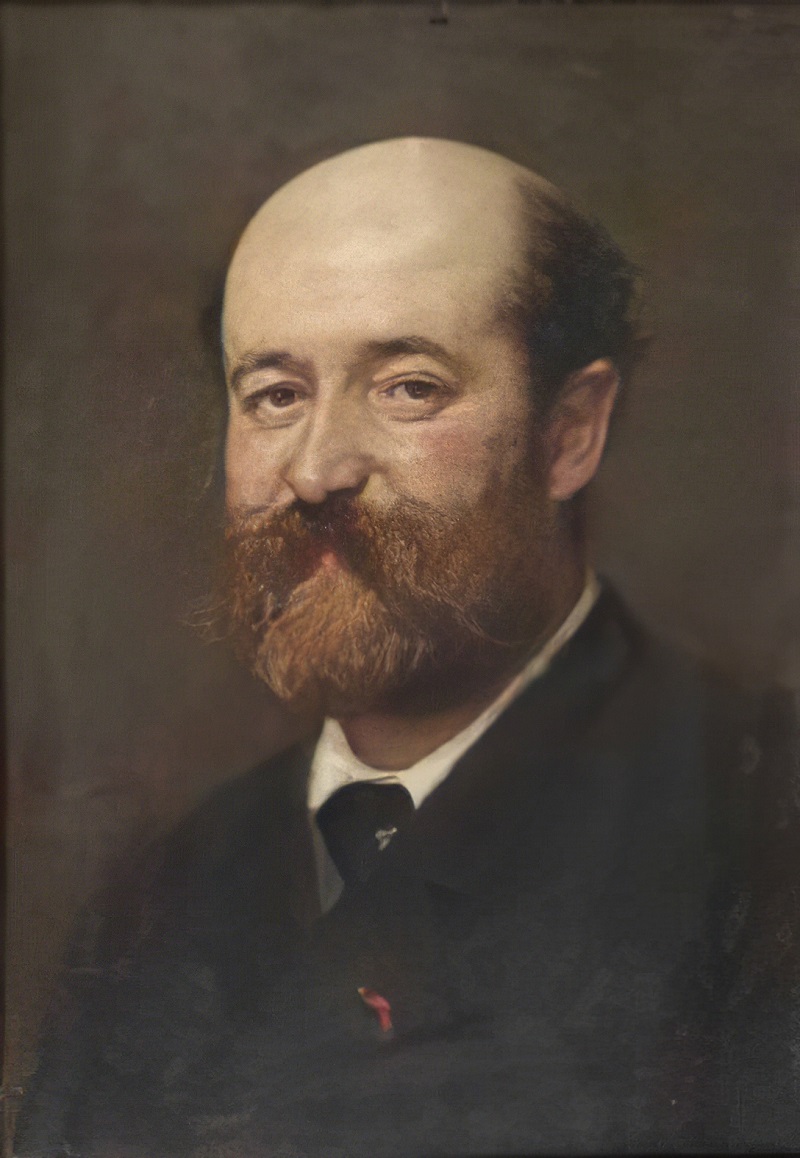
Léon Germain Pelouse was a self-taught French painter born in Pierrelaye (Val-d'Oise, France). At sixteen, he began working as a traveling salesman. He began painting when he was twenty, as he was serving in the French army as a conscript. His professional painting career began at twenty-seven, with the exhibition of his Les Environs de Précy (Near Précy) at the Salon de Paris of 1865. Despite severe criticism, he continued painting. He moved to Brittany, and there, inspired by nature around Pont-Aven and Rochefort-en-Terre, Pelouse painted landscapes which were exhibited at the Salon de Paris in the following years. He received his first medal in 1873 for Vallée de Cernay (Cernay Valley). He finally gained success and critical approval. The French government bought many of his works which are now in the holdings of museums including the Musée d'Orsay, the Musée Malraux, and the Musée des Beaux-Arts de Nantes.
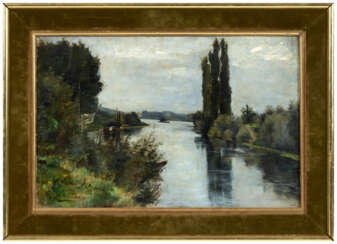

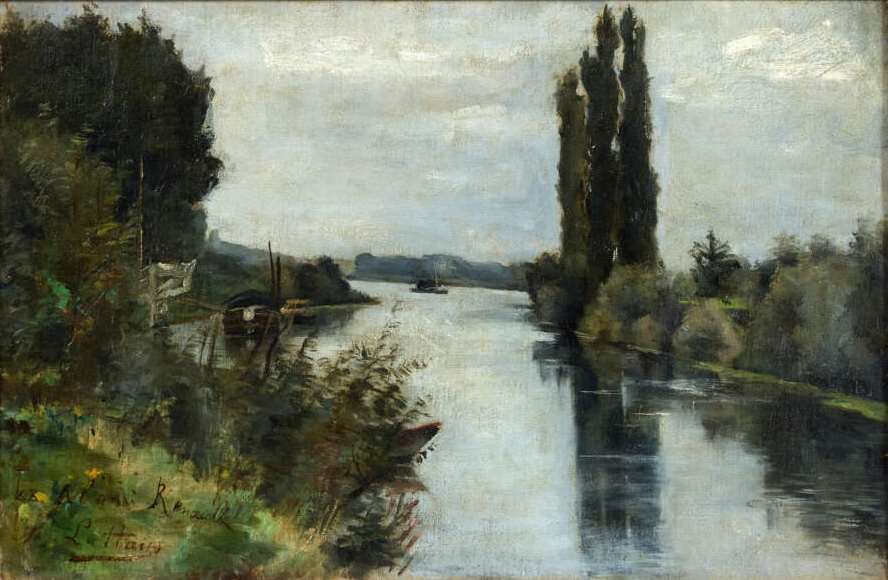
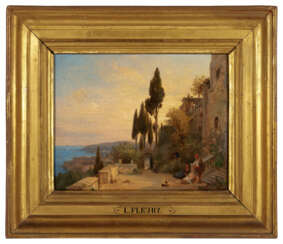



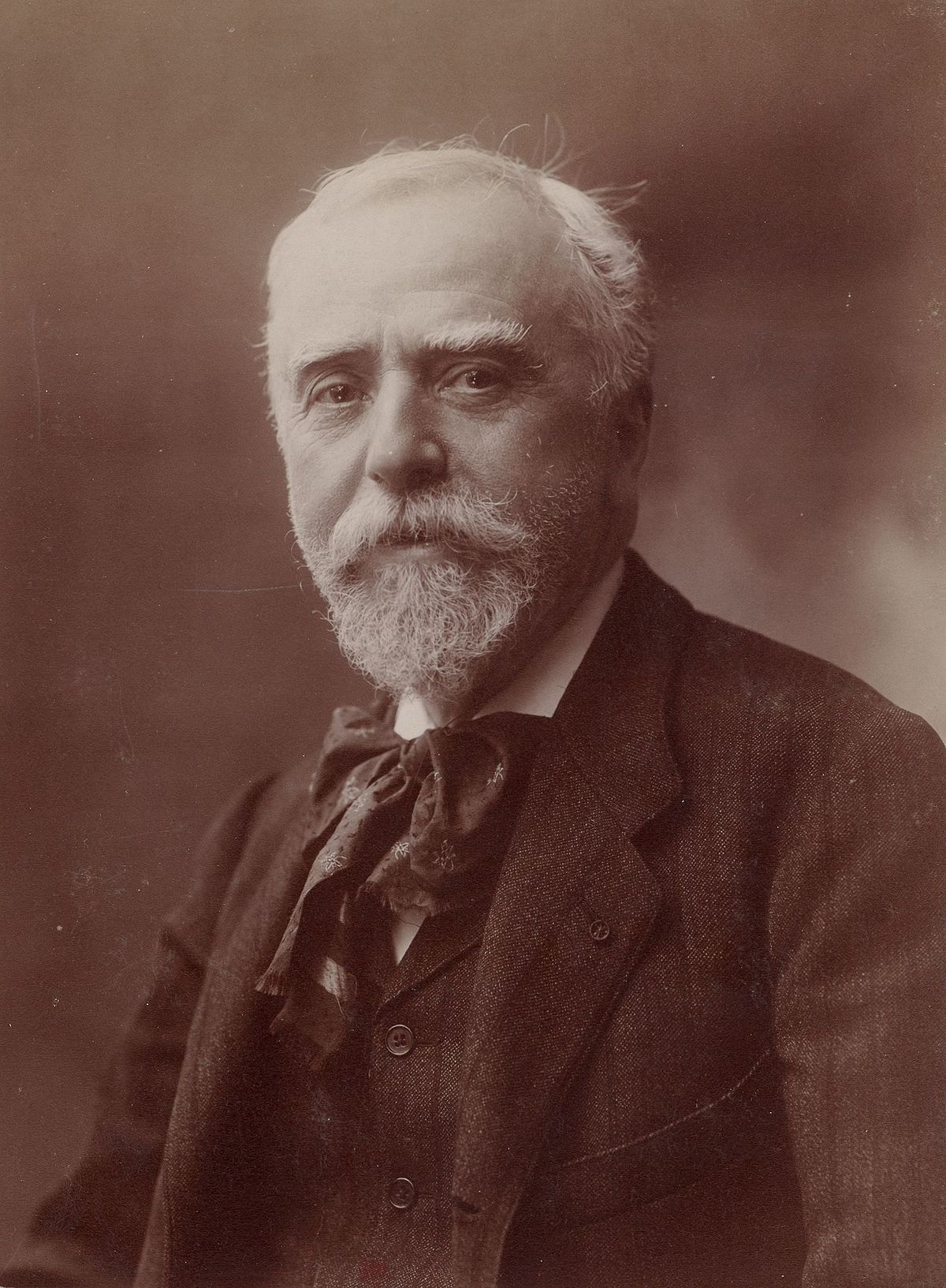
Léon Augustin Lhermitte was a French naturalist painter and etcher whose primary subject matter was rural scenes depicting peasants at work.


Léon Augustin Lhermitte was a French naturalist painter and etcher whose primary subject matter was rural scenes depicting peasants at work.


Léon Augustin Lhermitte was a French naturalist painter and etcher whose primary subject matter was rural scenes depicting peasants at work.
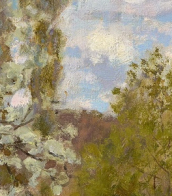
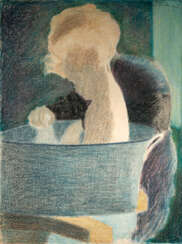

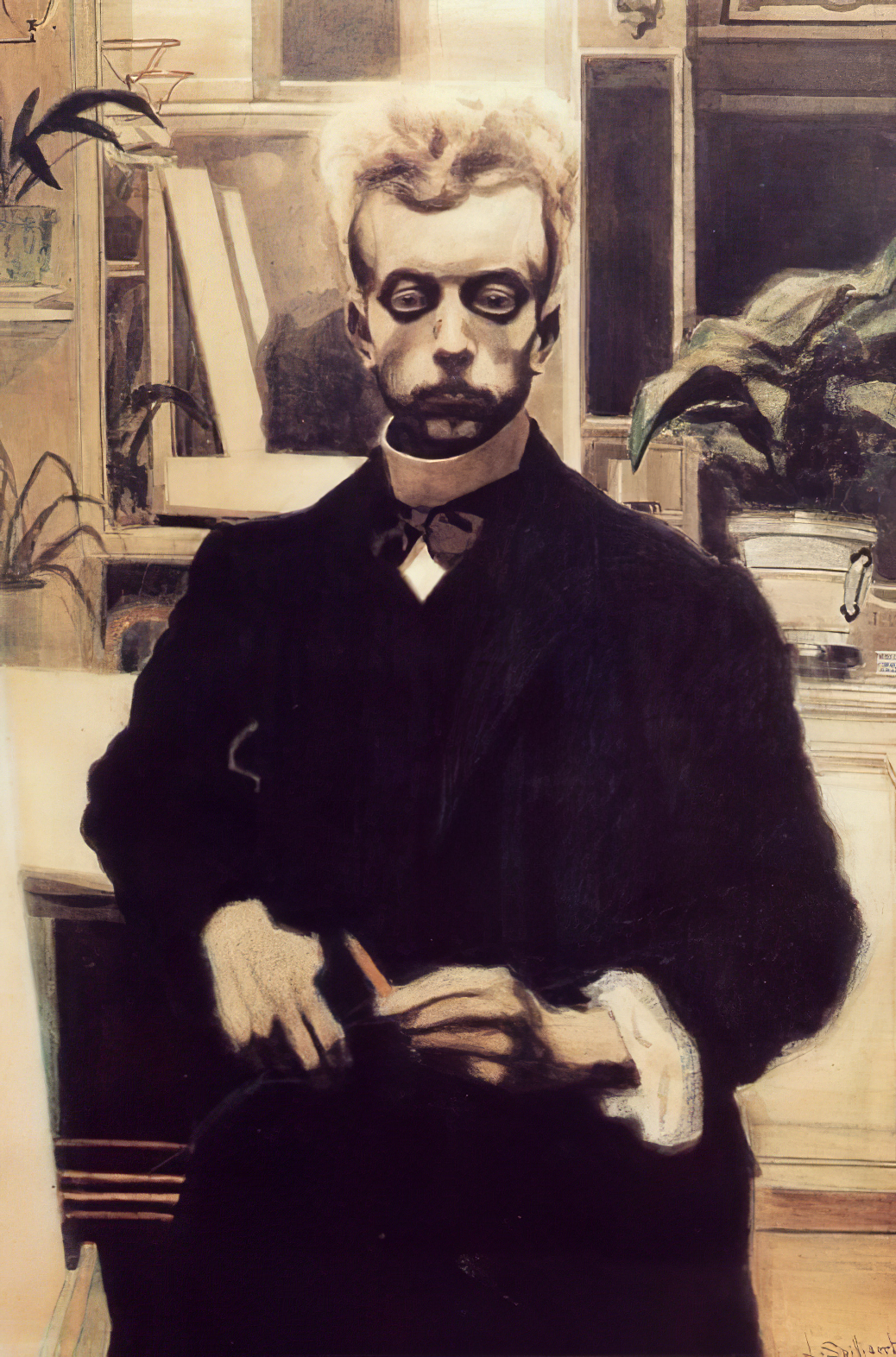
Léon Spilliaert was a Belgian artist. He is known for his unique style of symbolism, with many of his works featuring dream-like landscapes, eerie still lifes, and enigmatic figures.
Spilliaert grew up in a wealthy family, and he initially studied architecture before turning to art. He was largely self-taught, and his work was heavily influenced by the Belgian symbolist movement, as well as the works of artists such as James Ensor and Edvard Munch.
Spilliaert was particularly interested in exploring the mysteries of the human psyche, and many of his works reflect a sense of unease or uncertainty. He often used strong contrasts of light and shadow to create a sense of drama and tension in his works, and his use of color was often muted and subdued.
Despite his success as an artist, Spilliaert was a deeply private individual, and he rarely exhibited his work during his lifetime. He continued to work throughout his life, however, producing a large body of haunting and enigmatic works that continue to captivate audiences today.
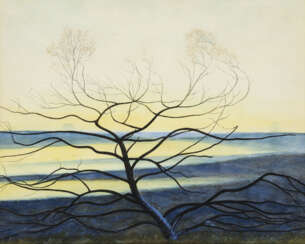

Léon Spilliaert was a Belgian artist. He is known for his unique style of symbolism, with many of his works featuring dream-like landscapes, eerie still lifes, and enigmatic figures.
Spilliaert grew up in a wealthy family, and he initially studied architecture before turning to art. He was largely self-taught, and his work was heavily influenced by the Belgian symbolist movement, as well as the works of artists such as James Ensor and Edvard Munch.
Spilliaert was particularly interested in exploring the mysteries of the human psyche, and many of his works reflect a sense of unease or uncertainty. He often used strong contrasts of light and shadow to create a sense of drama and tension in his works, and his use of color was often muted and subdued.
Despite his success as an artist, Spilliaert was a deeply private individual, and he rarely exhibited his work during his lifetime. He continued to work throughout his life, however, producing a large body of haunting and enigmatic works that continue to captivate audiences today.
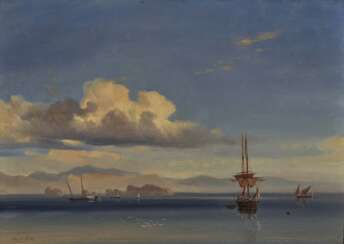

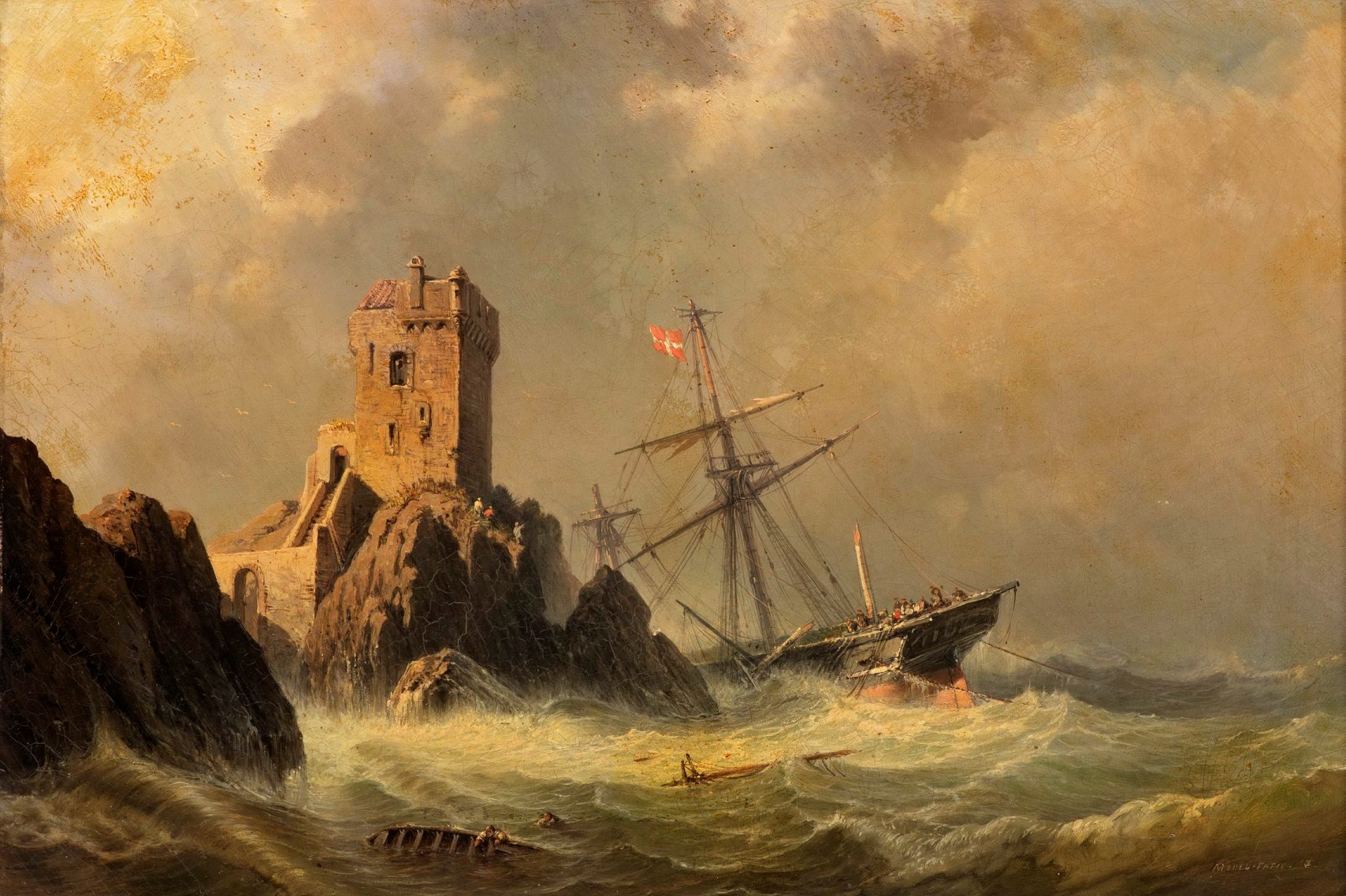
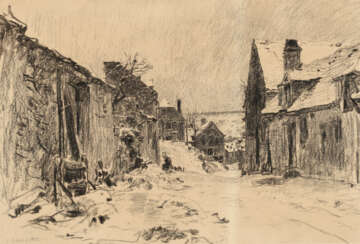

Léon Augustin Lhermitte was a French naturalist painter and etcher whose primary subject matter was rural scenes depicting peasants at work.
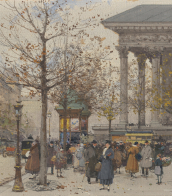


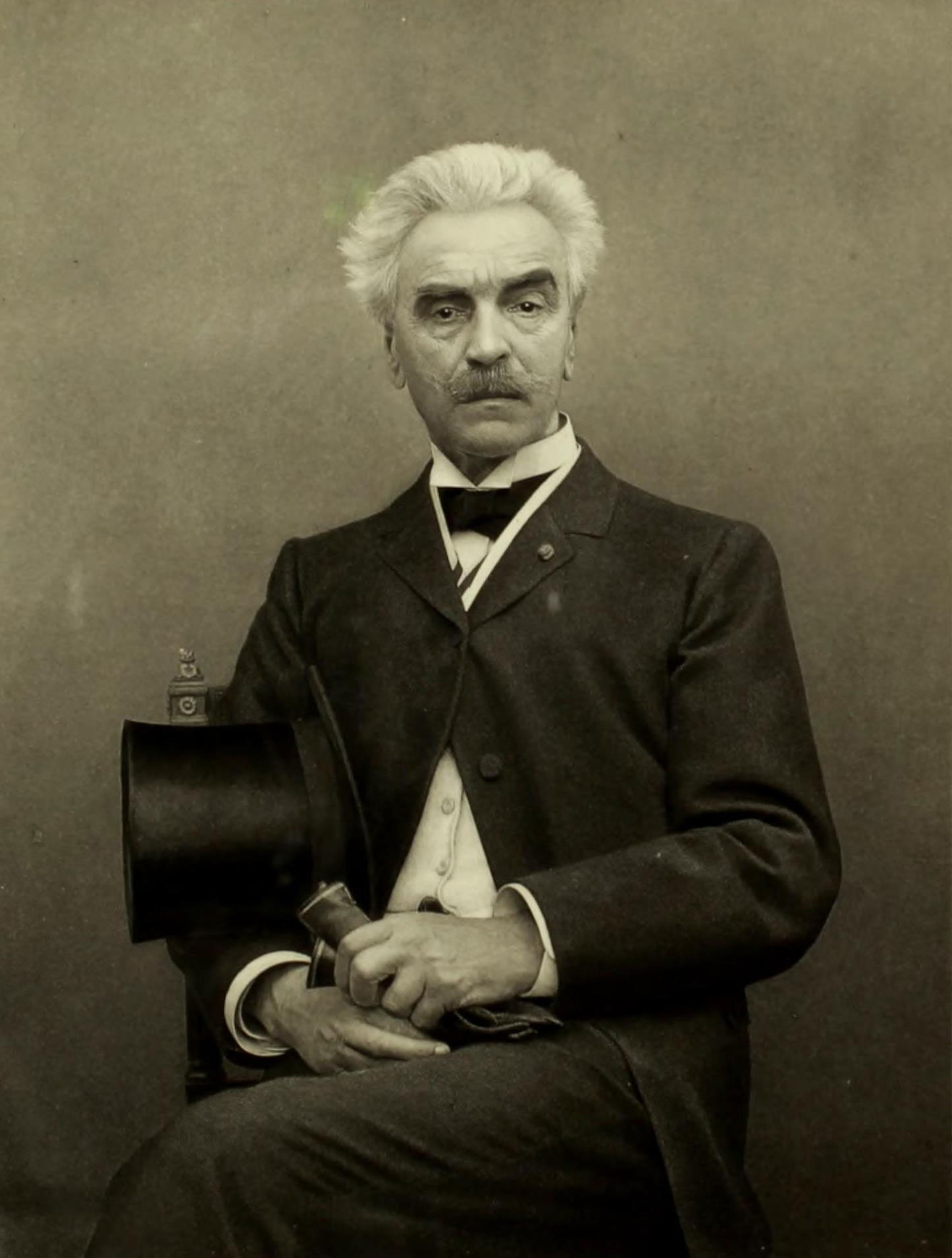
Jean-Léon Gérôme was a prominent 19th-century French painter, a representative of the academic school of painting. His paintings are notable for their impeccable composition and exquisite colour palette.
Jean-Léon Gérôme did not accept the work of the Impressionists, whom he considered to be the ignominy of French art. This has earned him a controversial reputation as a fierce supporter of academism and a persecutor of new movements.
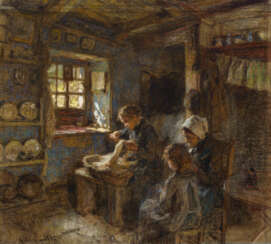

Léon Augustin Lhermitte was a French naturalist painter and etcher whose primary subject matter was rural scenes depicting peasants at work.
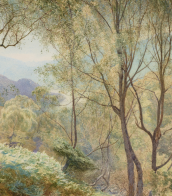
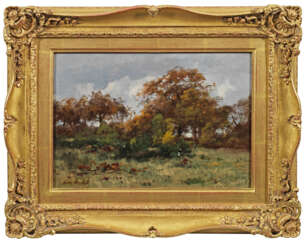

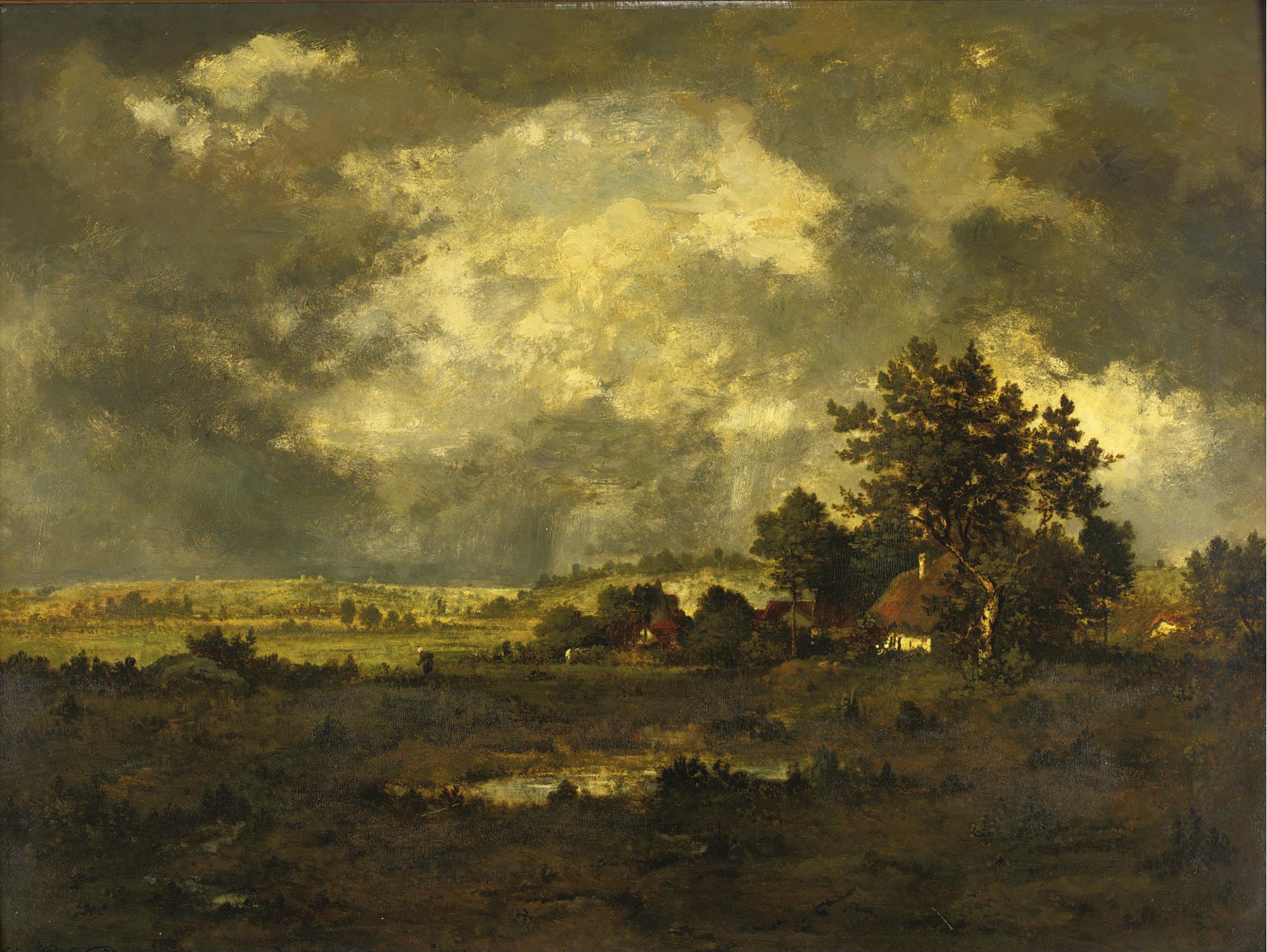
Léon Richet was a French landscape painter. He was born in Solesmes, Nord. He studied art in Valenciennes and became a high school teacher there in 1879. He became associated with the Barbizon school and did several paintings with Narcisse Virgilio Díaz.

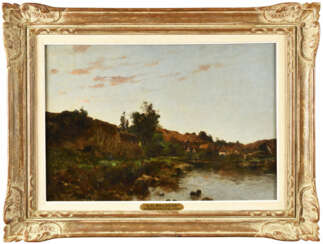

Léon Germain Pelouse was a self-taught French painter born in Pierrelaye (Val-d'Oise, France). At sixteen, he began working as a traveling salesman. He began painting when he was twenty, as he was serving in the French army as a conscript. His professional painting career began at twenty-seven, with the exhibition of his Les Environs de Précy (Near Précy) at the Salon de Paris of 1865. Despite severe criticism, he continued painting. He moved to Brittany, and there, inspired by nature around Pont-Aven and Rochefort-en-Terre, Pelouse painted landscapes which were exhibited at the Salon de Paris in the following years. He received his first medal in 1873 for Vallée de Cernay (Cernay Valley). He finally gained success and critical approval. The French government bought many of his works which are now in the holdings of museums including the Musée d'Orsay, the Musée Malraux, and the Musée des Beaux-Arts de Nantes.





Léon Georges Jean-Baptiste Carré was a French Orientalist painter and illustrator known for his contribution to the Fauvist movement.
Carré's style was characterized by bright colours and bold strokes. He sought to express his emotions and convey the essence of the subject through intense and unnatural colours. Carré's paintings often depicted landscapes, still lifes and portraits.
Léon Carré also experimented with other artistic movements such as Cubism and Post-Impressionism. This allowed him to develop a unique artistic language which combined elements of different currents.
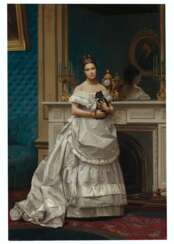

Jean-Léon Gérôme was a prominent 19th-century French painter, a representative of the academic school of painting. His paintings are notable for their impeccable composition and exquisite colour palette.
Jean-Léon Gérôme did not accept the work of the Impressionists, whom he considered to be the ignominy of French art. This has earned him a controversial reputation as a fierce supporter of academism and a persecutor of new movements.