

le roy &






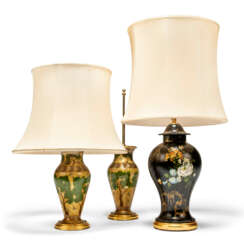





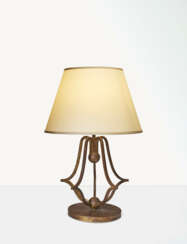

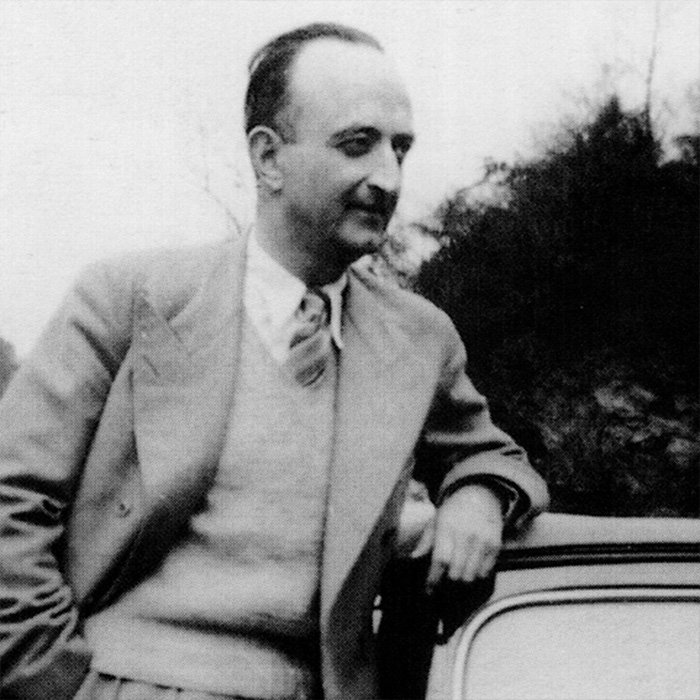
Jean Royère was a French designer.
A key figure of the avant-garde in the 1950s, Royère tackled all kinds of decoration work and opened branches in the Near East and Latin America. Among his patrons were King Farouk, King Hussein of Jordan, and the Shah of Iran, who were captivated by his freedom of creation and his elegance and entrusted him with the layout of their palaces. Royère pioneered an original style combining bright colors, organic forms and precious materials within a wide range of imaginative accomplishments. In 1980, he left France for the United States, where he lived until his death.


Jean Royère was a French designer.
A key figure of the avant-garde in the 1950s, Royère tackled all kinds of decoration work and opened branches in the Near East and Latin America. Among his patrons were King Farouk, King Hussein of Jordan, and the Shah of Iran, who were captivated by his freedom of creation and his elegance and entrusted him with the layout of their palaces. Royère pioneered an original style combining bright colors, organic forms and precious materials within a wide range of imaginative accomplishments. In 1980, he left France for the United States, where he lived until his death.
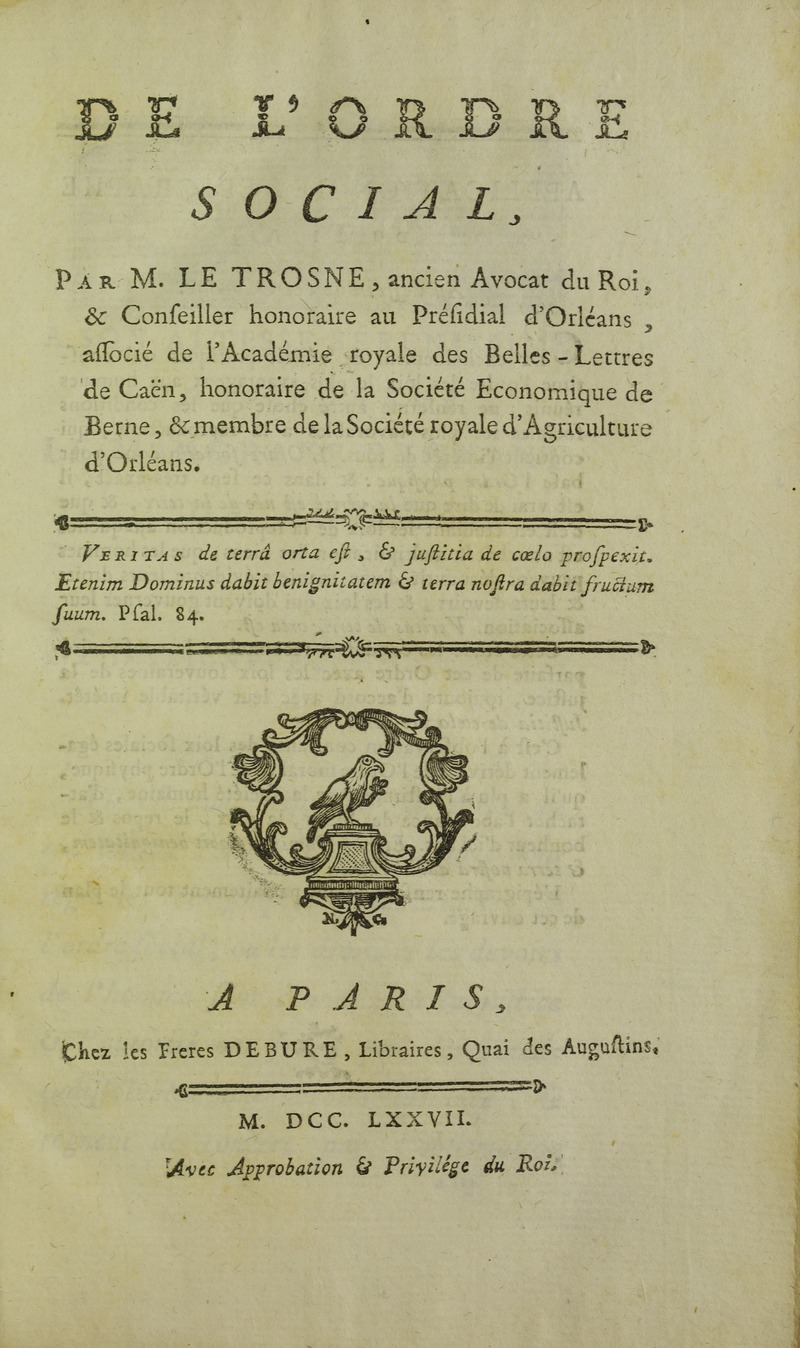
![[PHYSIOCRATES - LE TROSNE, Guillaume-François (1728-1780)]](/assets/image/picture_4259605/fda92/zyfhee33a6cobbrcjmnu-qjr6wmu-ikj94fi4gecx1ljy8-se46vglijclkxojfp1729410014jpg__fix_374_244.jpeg)
![[PHYSIOCRATES - LE TROSNE, Guillaume-François (1728-1780)]](https://veryimportantlot.com/assets/image/picture_4259605/fda92/zyfhee33a6cobbrcjmnu-qjr6wmu-ikj94fi4gecx1ljy8-se46vglijclkxojfp1729410014jpg__fix_374_244.jpeg)


Jean Royère was a French designer.
A key figure of the avant-garde in the 1950s, Royère tackled all kinds of decoration work and opened branches in the Near East and Latin America. Among his patrons were King Farouk, King Hussein of Jordan, and the Shah of Iran, who were captivated by his freedom of creation and his elegance and entrusted him with the layout of their palaces. Royère pioneered an original style combining bright colors, organic forms and precious materials within a wide range of imaginative accomplishments. In 1980, he left France for the United States, where he lived until his death.
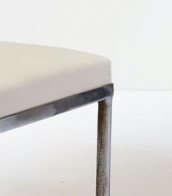


Jean Royère was a French designer.
A key figure of the avant-garde in the 1950s, Royère tackled all kinds of decoration work and opened branches in the Near East and Latin America. Among his patrons were King Farouk, King Hussein of Jordan, and the Shah of Iran, who were captivated by his freedom of creation and his elegance and entrusted him with the layout of their palaces. Royère pioneered an original style combining bright colors, organic forms and precious materials within a wide range of imaginative accomplishments. In 1980, he left France for the United States, where he lived until his death.
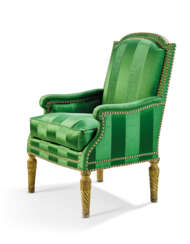

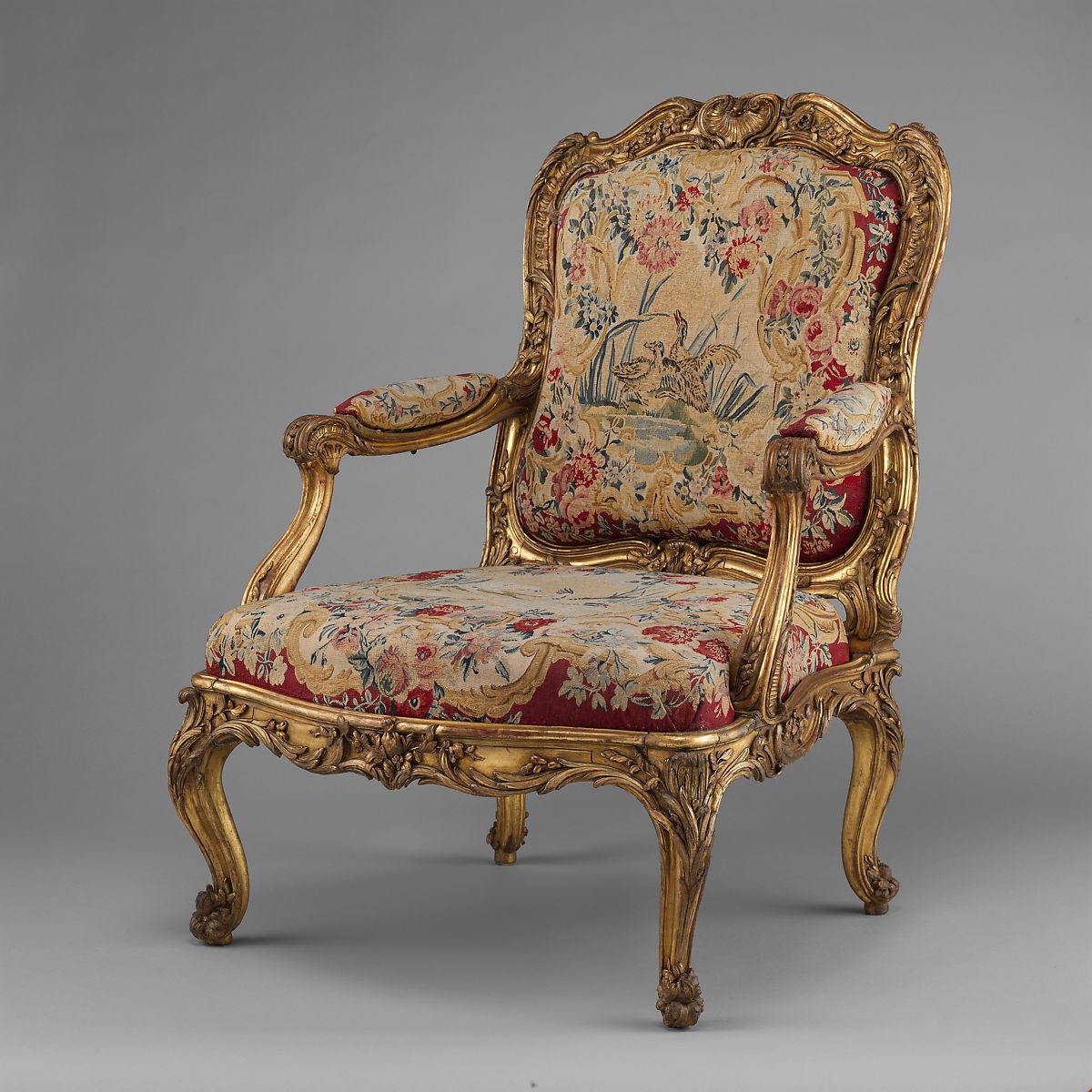
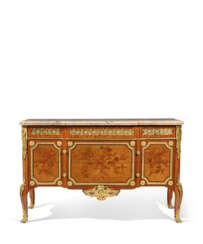
Nicolas-Quinibert Foliot was an 18th century French cabinetmaker. He was the supplier of furniture for the castles of Versailles, Fontainebleau and Compiègne.
All of his works are distinguished by luxury. The lines are balanced and elegant, the carvings are numerous and executed subtly and tastefully.
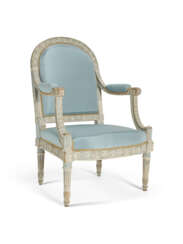

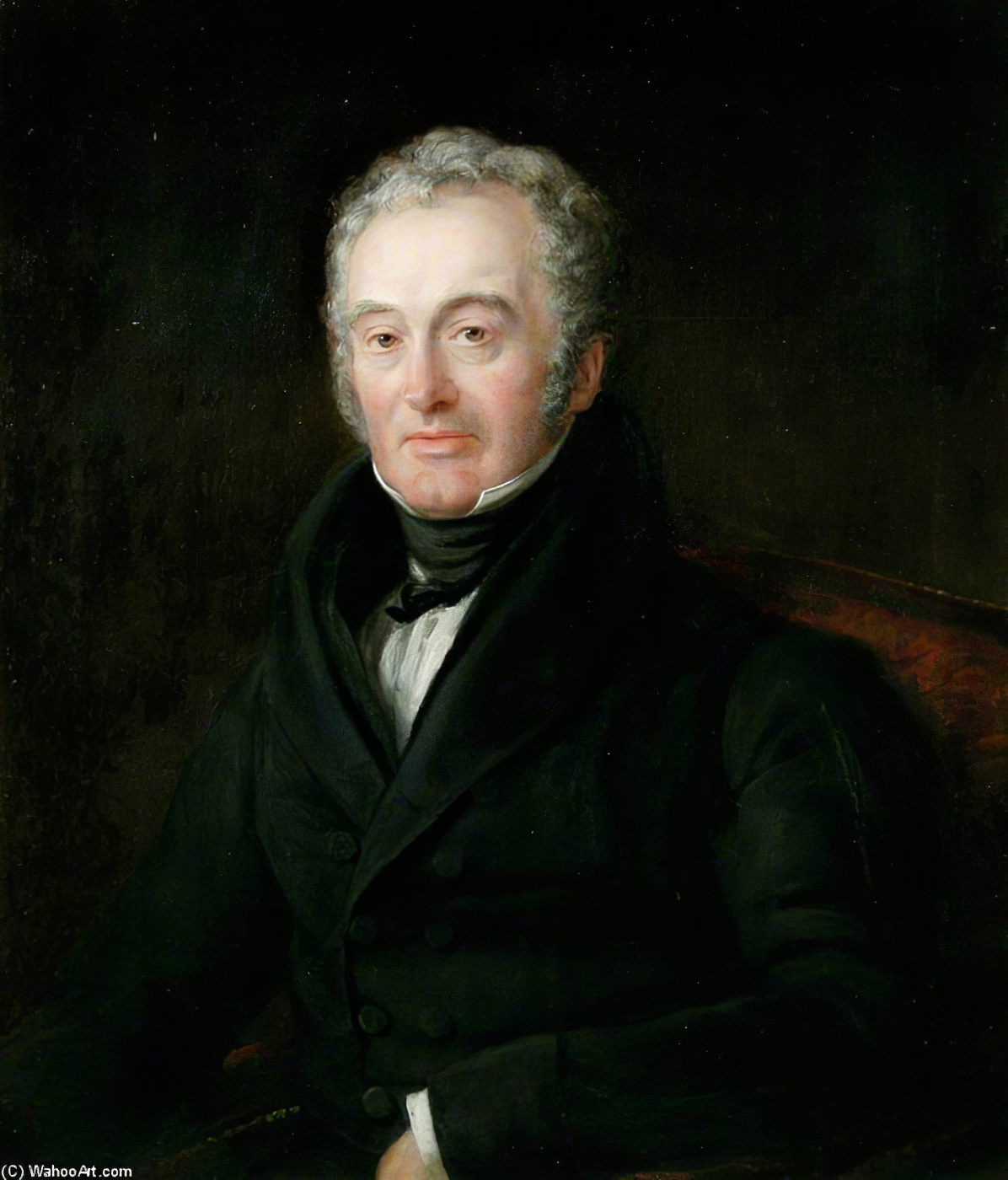



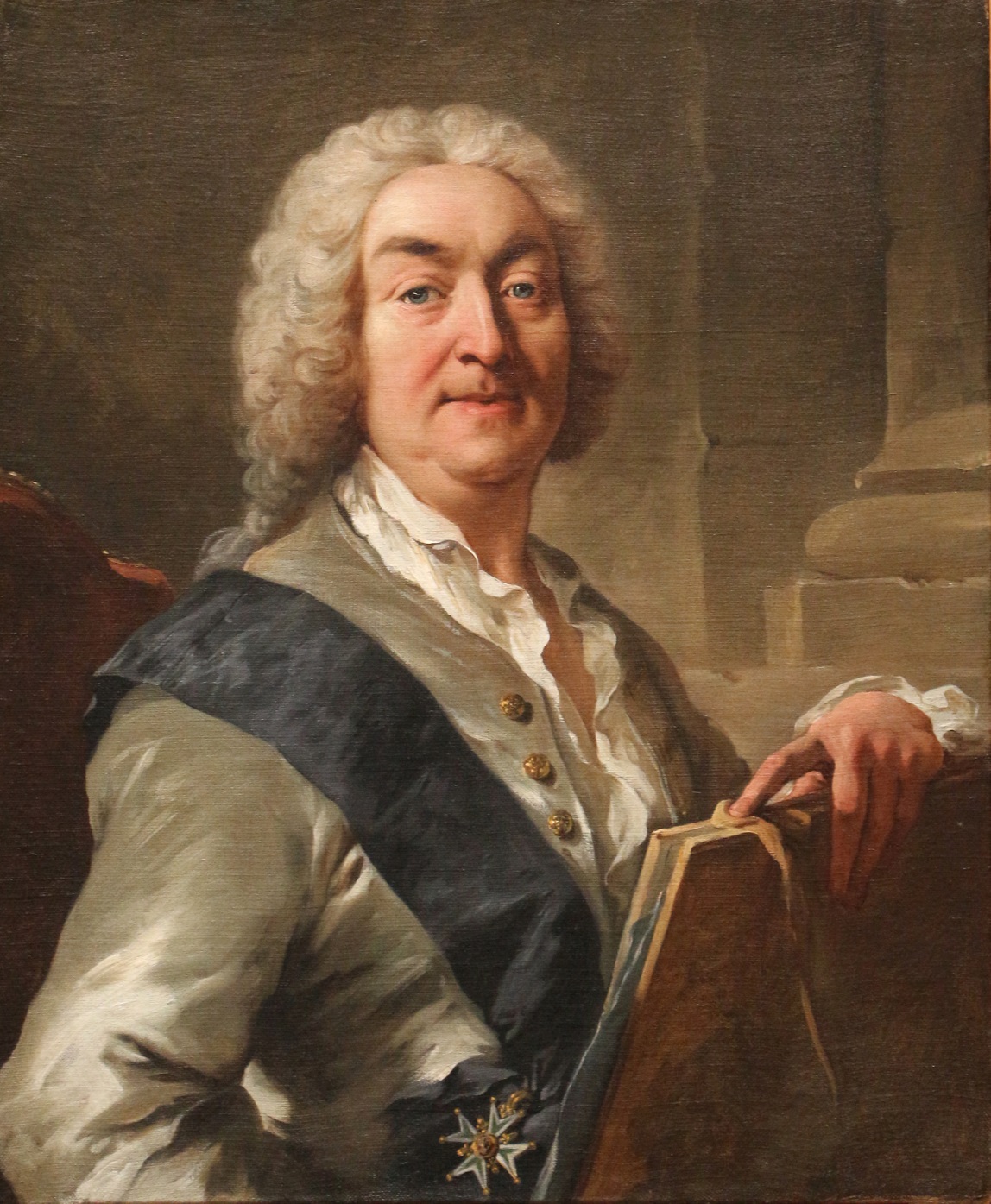
Jean-François de Troy was a French Rococo easel and fresco painter, draughtsman and tapestry designer. One of France's leading history painters in his time, he was equally successful with his decorative paintings, genre scenes and portraits. He was the inventor of the tableaux de modes ('paintings of fashions'), which attempted to provide a spirited portrayal of contemporary fashions, pastimes and manners.
He was the Director of the French Academy in Rome from 1738.
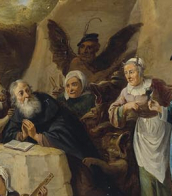
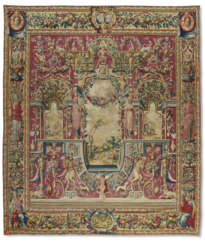



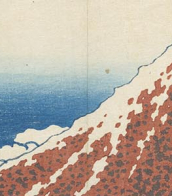


.jpg)
Jean Elysée Puiforcat was a French silversmith, sculptor and designer. Miller's Antiques Encyclopedia calls Puiforcat the «most important French Art Deco silversmith».
Jean Royère was a French designer.
A key figure of the avant-garde in the 1950s, Royère tackled all kinds of decoration work and opened branches in the Near East and Latin America. Among his patrons were King Farouk, King Hussein of Jordan, and the Shah of Iran, who were captivated by his freedom of creation and his elegance and entrusted him with the layout of their palaces. Royère pioneered an original style combining bright colors, organic forms and precious materials within a wide range of imaginative accomplishments. In 1980, he left France for the United States, where he lived until his death.
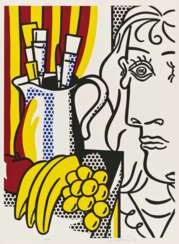

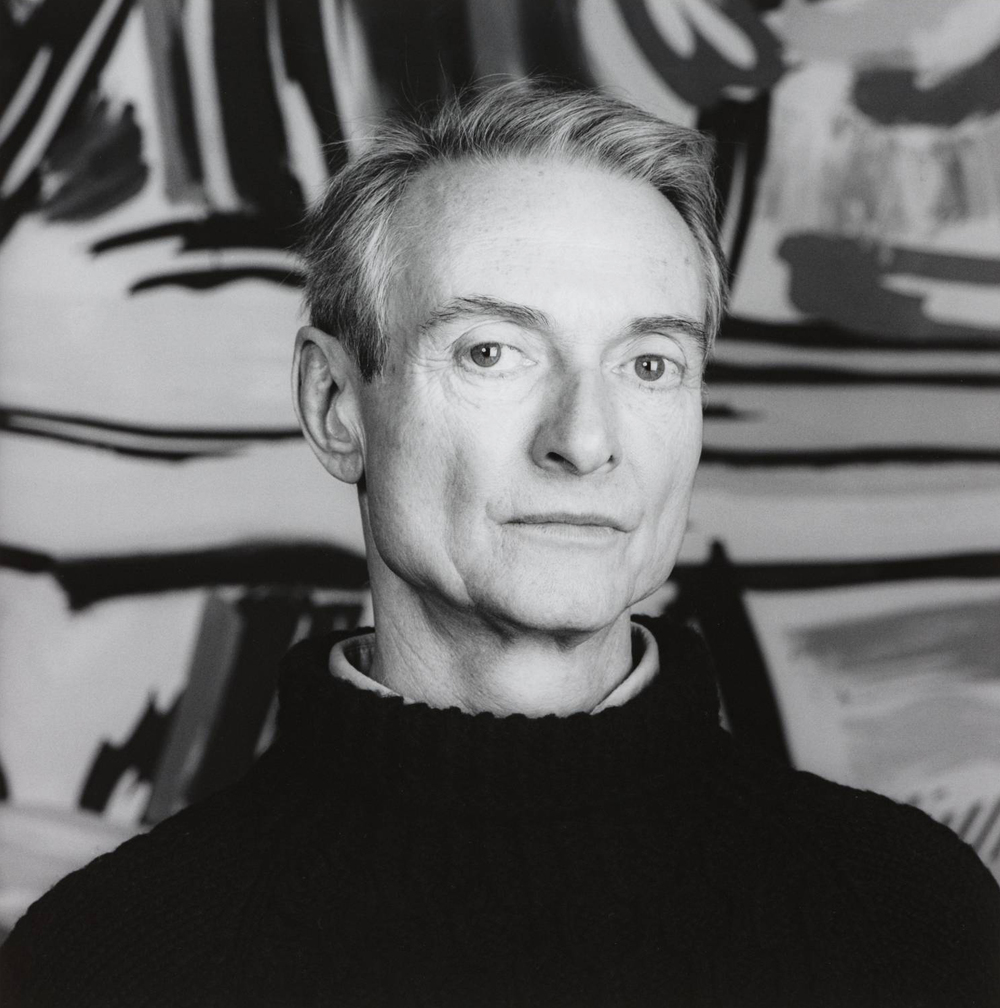
Roy Fox Lichtenstein, an American icon of the Pop Art movement, is celebrated for his comic strip-inspired art. Born in 1923 in New York City, Lichtenstein's journey into the art world was marked by various phases, evolving from Cubism and Abstract Expressionism to the distinctive Pop Art style he is renowned for.
Roy Lichtenstein's artistic career gained momentum in the 1960s, a period during which he embraced the comic strip as his primary source of inspiration. His pioneering use of Ben-Day dots, a technique borrowed from commercial printing, became his signature style, bringing a new visual language to fine art. His approach transformed mundane subjects from popular culture into compelling fine art, challenging traditional notions of artistry.
Among his most notable works, "Drowning Girl" (1963), displayed at the Museum of Modern Art in New York, exemplifies his iconic style with its bold lines, vivid colors, and Ben-Day dots. This piece, along with others like "Look Mickey" and "Whaam!", played a critical role in establishing Pop Art as a major art movement, contrasting starkly with the Abstract Expressionism prevalent at the time.
Roy Lichtenstein's art was not just limited to canvas; he explored multiple media, showcasing his versatility. His shift to Pop Art marked a significant turn in his career, bringing him fame and controversy alike. His works, often based on comic strips and advertisements, were both a parody and homage to the mass-produced, consumerist culture of his time.
For art collectors and experts, Lichtenstein's works offer a fascinating glimpse into a transformative era in art history. His approach to Pop Art remains influential, and his works are celebrated worldwide for their innovative and provocative style.
Interested in staying updated on sales and auction events featuring Roy Lichtenstein's works? Sign up for our updates. We provide straightforward, no-nonsense information on the latest in art sales and auctions related to Lichtenstein.


Jean Royère was a French designer.
A key figure of the avant-garde in the 1950s, Royère tackled all kinds of decoration work and opened branches in the Near East and Latin America. Among his patrons were King Farouk, King Hussein of Jordan, and the Shah of Iran, who were captivated by his freedom of creation and his elegance and entrusted him with the layout of their palaces. Royère pioneered an original style combining bright colors, organic forms and precious materials within a wide range of imaginative accomplishments. In 1980, he left France for the United States, where he lived until his death.



Jean Royère was a French designer.
A key figure of the avant-garde in the 1950s, Royère tackled all kinds of decoration work and opened branches in the Near East and Latin America. Among his patrons were King Farouk, King Hussein of Jordan, and the Shah of Iran, who were captivated by his freedom of creation and his elegance and entrusted him with the layout of their palaces. Royère pioneered an original style combining bright colors, organic forms and precious materials within a wide range of imaginative accomplishments. In 1980, he left France for the United States, where he lived until his death.


Jean Royère was a French designer.
A key figure of the avant-garde in the 1950s, Royère tackled all kinds of decoration work and opened branches in the Near East and Latin America. Among his patrons were King Farouk, King Hussein of Jordan, and the Shah of Iran, who were captivated by his freedom of creation and his elegance and entrusted him with the layout of their palaces. Royère pioneered an original style combining bright colors, organic forms and precious materials within a wide range of imaginative accomplishments. In 1980, he left France for the United States, where he lived until his death.


Jean Royère was a French designer.
A key figure of the avant-garde in the 1950s, Royère tackled all kinds of decoration work and opened branches in the Near East and Latin America. Among his patrons were King Farouk, King Hussein of Jordan, and the Shah of Iran, who were captivated by his freedom of creation and his elegance and entrusted him with the layout of their palaces. Royère pioneered an original style combining bright colors, organic forms and precious materials within a wide range of imaginative accomplishments. In 1980, he left France for the United States, where he lived until his death.
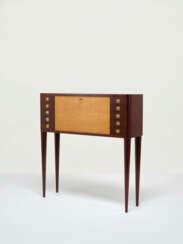

Jean Royère was a French designer.
A key figure of the avant-garde in the 1950s, Royère tackled all kinds of decoration work and opened branches in the Near East and Latin America. Among his patrons were King Farouk, King Hussein of Jordan, and the Shah of Iran, who were captivated by his freedom of creation and his elegance and entrusted him with the layout of their palaces. Royère pioneered an original style combining bright colors, organic forms and precious materials within a wide range of imaginative accomplishments. In 1980, he left France for the United States, where he lived until his death.


Jean Royère was a French designer.
A key figure of the avant-garde in the 1950s, Royère tackled all kinds of decoration work and opened branches in the Near East and Latin America. Among his patrons were King Farouk, King Hussein of Jordan, and the Shah of Iran, who were captivated by his freedom of creation and his elegance and entrusted him with the layout of their palaces. Royère pioneered an original style combining bright colors, organic forms and precious materials within a wide range of imaginative accomplishments. In 1980, he left France for the United States, where he lived until his death.


Jean Royère was a French designer.
A key figure of the avant-garde in the 1950s, Royère tackled all kinds of decoration work and opened branches in the Near East and Latin America. Among his patrons were King Farouk, King Hussein of Jordan, and the Shah of Iran, who were captivated by his freedom of creation and his elegance and entrusted him with the layout of their palaces. Royère pioneered an original style combining bright colors, organic forms and precious materials within a wide range of imaginative accomplishments. In 1980, he left France for the United States, where he lived until his death.
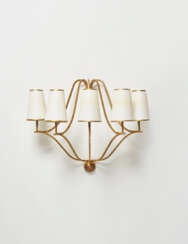

Jean Royère was a French designer.
A key figure of the avant-garde in the 1950s, Royère tackled all kinds of decoration work and opened branches in the Near East and Latin America. Among his patrons were King Farouk, King Hussein of Jordan, and the Shah of Iran, who were captivated by his freedom of creation and his elegance and entrusted him with the layout of their palaces. Royère pioneered an original style combining bright colors, organic forms and precious materials within a wide range of imaginative accomplishments. In 1980, he left France for the United States, where he lived until his death.