

les rênes

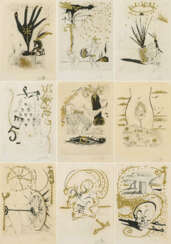

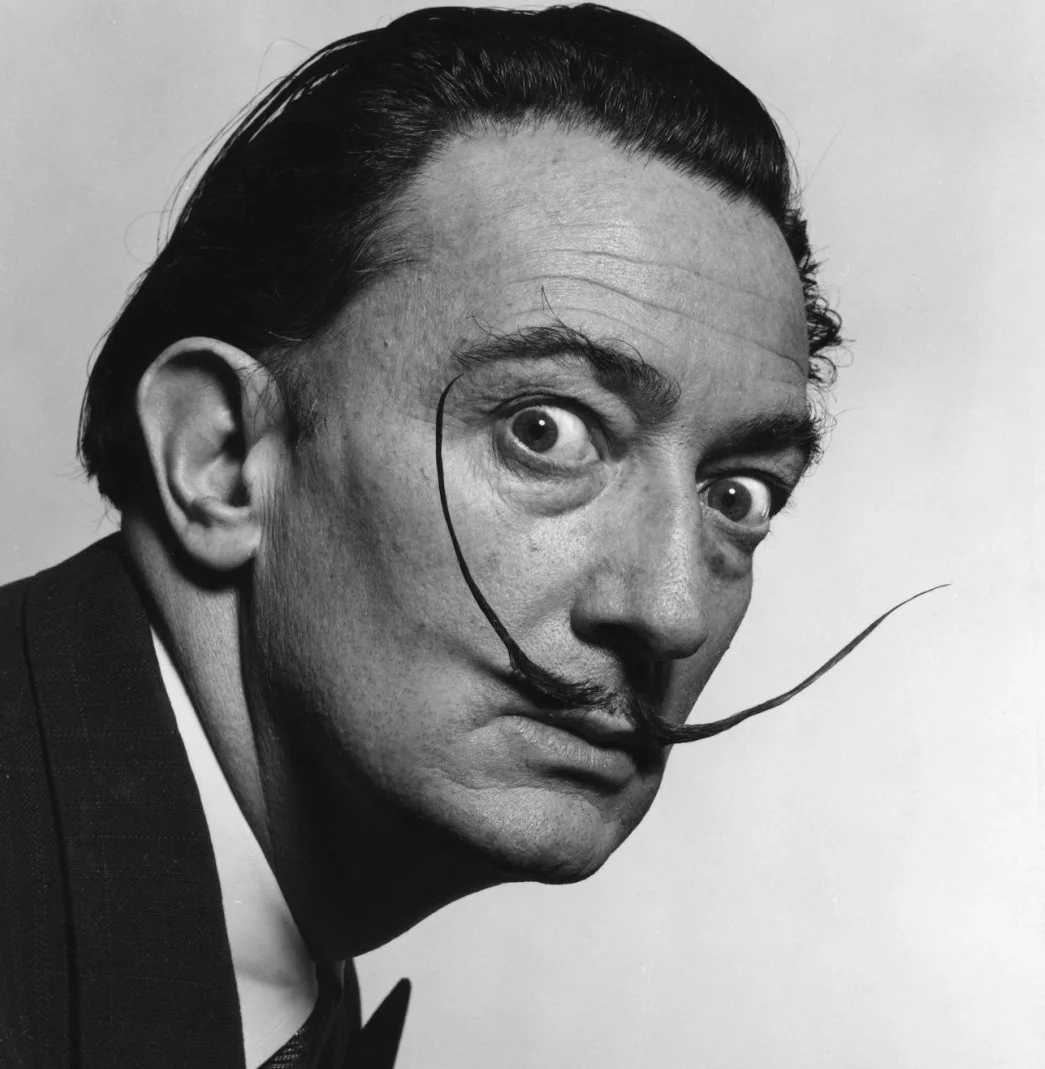
Salvador Dalí, a Spanish Surrealist painter and printmaker, is celebrated for his vivid and imaginative works that delve into subconscious imagery. Born on May 11, 1904, in Figueres, Catalonia, Spain, Dalí's early exposure to Impressionism and Renaissance masters significantly influenced his artistic development. His education in fine arts in Madrid further shaped his style, leading him to experiment with Cubism and avant-garde movements. In the late 1920s, Dalí embraced Surrealism, joining the Surrealist group in 1929 and rapidly becoming one of its most prominent figures.
Dalí's most famous work, "The Persistence of Memory," completed in 1931, epitomizes the Surrealist movement with its iconic melting clocks symbolizing the fluidity of time. His artistic repertoire was diverse, including painting, graphic arts, film, sculpture, design, and photography, often incorporating themes of dreams, the subconscious, sexuality, religion, and science. Despite his remarkable artistic contributions, Dalí's eccentric and flamboyant public persona often overshadowed his work. He faced criticism for his public support of the Francoist regime and the authenticity of some of his late works.
Dalí's legacy is preserved in major museums, notably the Dalí Theatre-Museum in Figueres and the Salvador Dalí Museum in St. Petersburg, Florida. These institutions showcase his extensive and varied body of work, illustrating his profound impact on Surrealism, pop art, and contemporary artists.
If you're captivated by the surreal world of Salvador Dalí and want to stay informed about new sales and auction events featuring his works, sign up for our updates. Our service is tailored specifically for art collectors and experts, providing timely information and insights into the vibrant market of Dalí's art. Remember, this subscription is focused solely on bringing you the latest in product sales and auction events related to Salvador Dalí. Don't miss out on the opportunity to enrich your collection with pieces from one of the most influential surrealists of all time. Sign up now and be the first to know about these exclusive events.










.jpg)
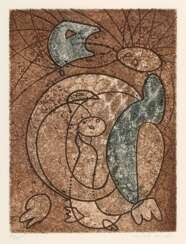
Max Ernst was a pivotal figure in the 20th-century art world, whose work transcended the boundaries of nationality and genre to leave an indelible mark on culture, art, sculpture, and painting. Born in Germany on April 2, 1891, and later becoming a naturalized American and French citizen, Ernst's career was a testament to his relentless innovation and creativity. Known primarily as an artist and painter, Ernst was a founding member of the Dada movement in Cologne before becoming a major proponent of Surrealism in Paris. His early encounters with the works of Pablo Picasso, Vincent van Gogh, and Paul Gauguin at the Sonderbund exhibition in 1912 deeply influenced his artistic direction, infusing it with elements of Cubism and Expressionism. Despite his lack of formal artistic training, Ernst's experimentation with techniques such as collage and frottage showcased his unique ability to blend the absurd with the sublime, making him a central figure in the artistic avant-garde of his time.
Ernst's work is notable for its exploration of the unconscious, using dreamlike imagery and symbolic figures to critique societal norms and delve into the chaos of the human psyche. His experiences in World War I profoundly impacted his worldview, leading to a deep skepticism of Western culture and an enduring search for meaning through art. This is evident in works such as "Europe After the Rain II," which reflects the devastation of war and "The Fireside Angel," inspired by the political turmoil of the Spanish Civil War, showcasing his ability to address contemporary issues through a surreal lens.
Ernst's contributions to art are preserved in major museums and galleries worldwide, including the Tate in the United Kingdom and the Museum of Modern Art in New York. His sculptures, paintings, and collages continue to be celebrated for their innovative techniques and imaginative scope, marking him as a revolutionary figure in modern art. Among his most significant works are "Ubu Imperator," "The Elephant Celebes," and "The Virgin Spanking the Christ Child before Three Witnesses," each reflecting his mastery over a diversity of mediums and themes.
For collectors and experts in art and antiques, Max Ernst remains a symbol of artistic freedom and exploration. His ability to navigate through various artistic movements while maintaining a distinct, innovative voice is a testament to his enduring legacy in the art world. To stay updated on new product sales and auction events related to Max Ernst, signing up for updates is a valuable opportunity for those deeply invested in the nuances of modern and surreal art.
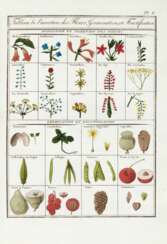















![[CROZE-MAGNAN, Simon-Célestin (1750-1818)]](/assets/image/picture_3601567/220be/d0wmc8hc5q4uzrvuueuwclde4blacwzs32pisfyfv6nkjfhlabnwjdfdqpjnf-1700207106jpg__fix_374_244.jpeg)
![[CROZE-MAGNAN, Simon-Célestin (1750-1818)]](https://veryimportantlot.com/assets/image/picture_3601567/220be/d0wmc8hc5q4uzrvuueuwclde4blacwzs32pisfyfv6nkjfhlabnwjdfdqpjnf-1700207106jpg__fix_374_244.jpeg)
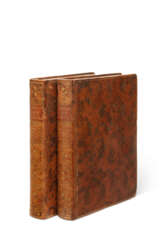

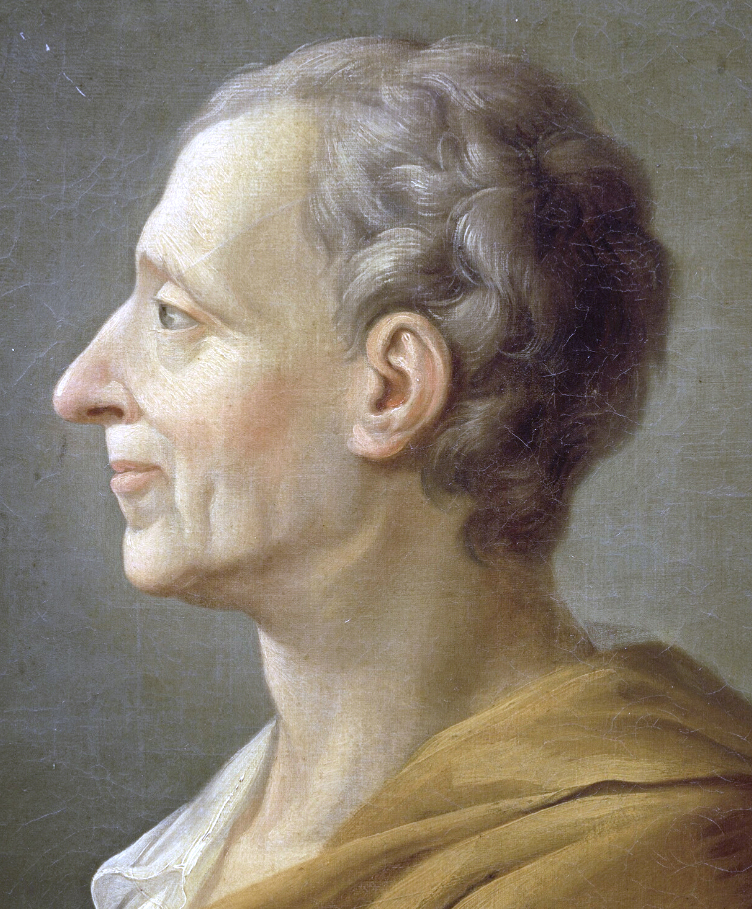
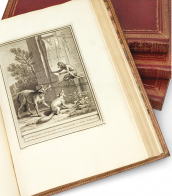
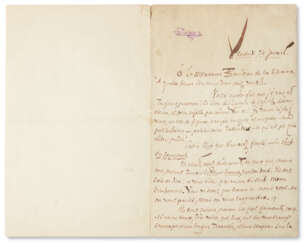

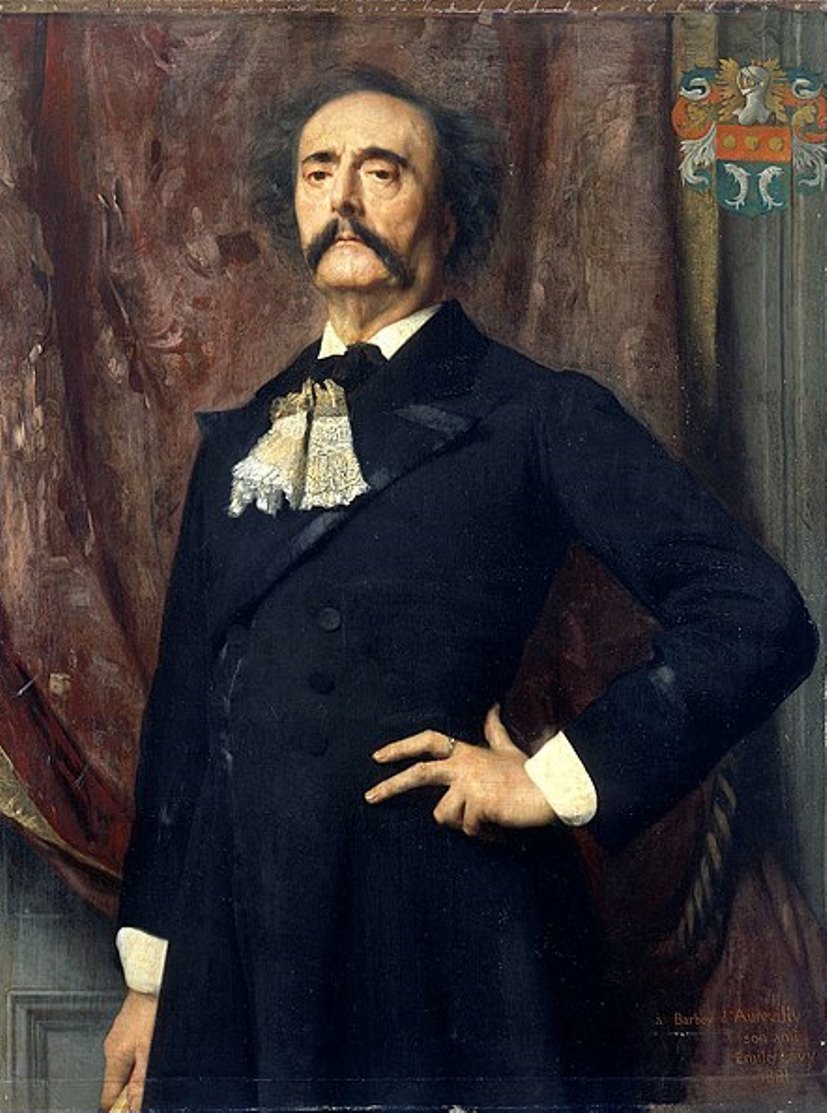
Jules Barbey d'Aurevilly, born Jules Amédée Barbey d'Aurevilly, was a French writer, critic and essayist.
After studying law at the University of Caen, d'Aurevilly gained popularity in 1852 as a literary critic for the Bonapartist newspaper Le Pays, which was influential among the decadents of the late 19th century.
In literature, d'Aurevillys specialized in tales of macabre mysteries that explored ulterior motives and hints of evil, but without the supernatural. He was a decisive influence on writers such as Auguste Villiers de l'Isle-Adam, Henry James, and Marcel Proust.




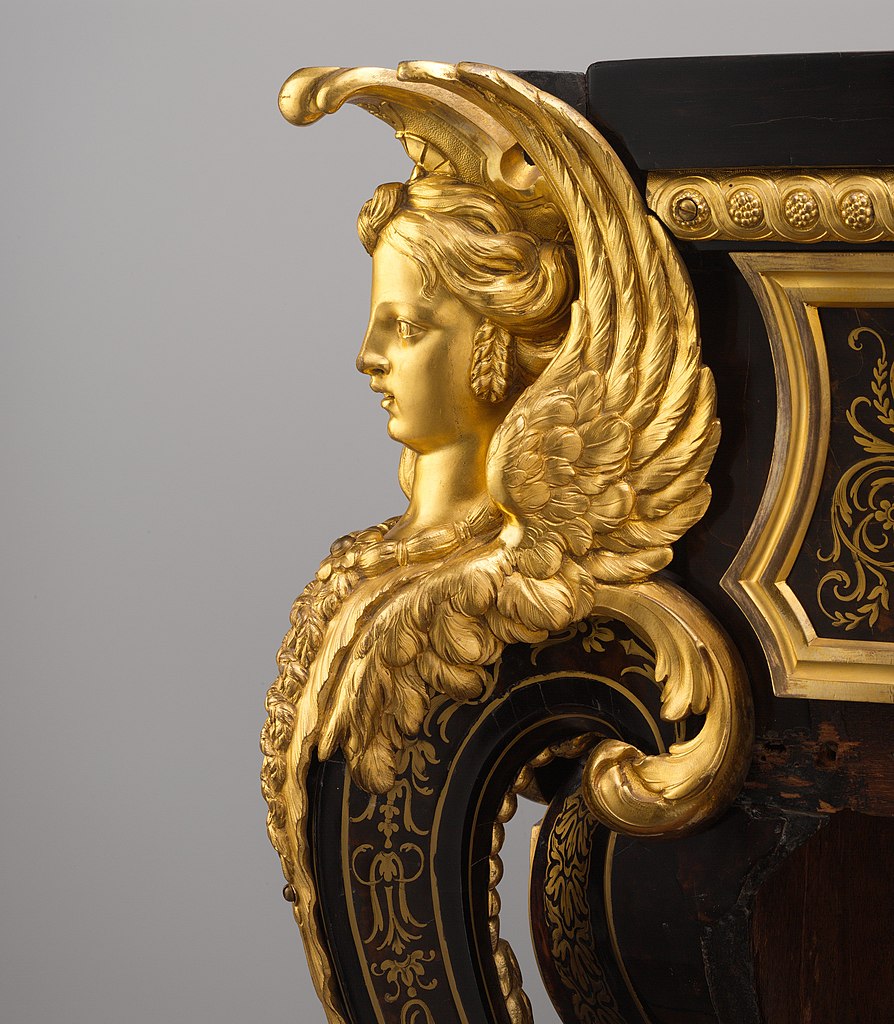
André-Charles Boulle, a French artist and cabinetmaker, was celebrated for his mastery in marquetry, a decorative technique involving inlaid veneers of wood, metal, and tortoiseshell. Born in Paris in 1642, Boulle's work defined luxury and sophistication in 17th and 18th-century French furniture, earning him the title of "Premier ébéniste du Roi" under Louis XIV. His contributions to art and culture extend beyond mere craftsmanship, embodying the opulence of the Louis XIV style and influencing European decorative arts profoundly.
Boulle's innovative techniques, particularly his unique use of marquetry, known as "Boulle work," involved intricate patterns of brass, pewter, and tortoiseshell, setting new standards for furniture design. This approach allowed him to create stunning visual effects, with his creations including clocks, cabinets, and tables that showcased both artistic flair and technical brilliance. His work, characterized by elaborate motifs and an exceptional blend of materials, is regarded as the epitome of Baroque artistry, blending sculpture, painting, and architecture into functional objects of beauty.
Several of Boulle's masterpieces are preserved in prestigious museums, such as the Louvre and the Palace of Versailles, where they continue to captivate visitors with their intricate details and historical significance. Notable works attributed to him, like the intricate coffers on stands and monumental cabinets housed in the J. Paul Getty Museum, reflect his role as a "painter in wood," celebrating French military victories and the grandeur of the Sun King's court. These pieces, never signed but attributed to him based on stylistic elements and historical records, highlight Boulle's innovative use of materials and his impact on the decorative arts.
For collectors and experts in art and antiques, André-Charles Boulle's work represents the zenith of French decorative arts. His legacy is not only in the beauty of his creations but also in the techniques he perfected, which continue to inspire contemporary designers and craftsmen. Those interested in the elegance and history of Boulle's work are encouraged to sign up for updates on new product sales and auction events related to this iconic artist. This subscription offers a unique opportunity to connect with the world of André-Charles Boulle, ensuring enthusiasts are informed of the latest discoveries and offerings that celebrate his enduring influence on culture, art, and design.



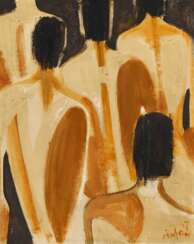

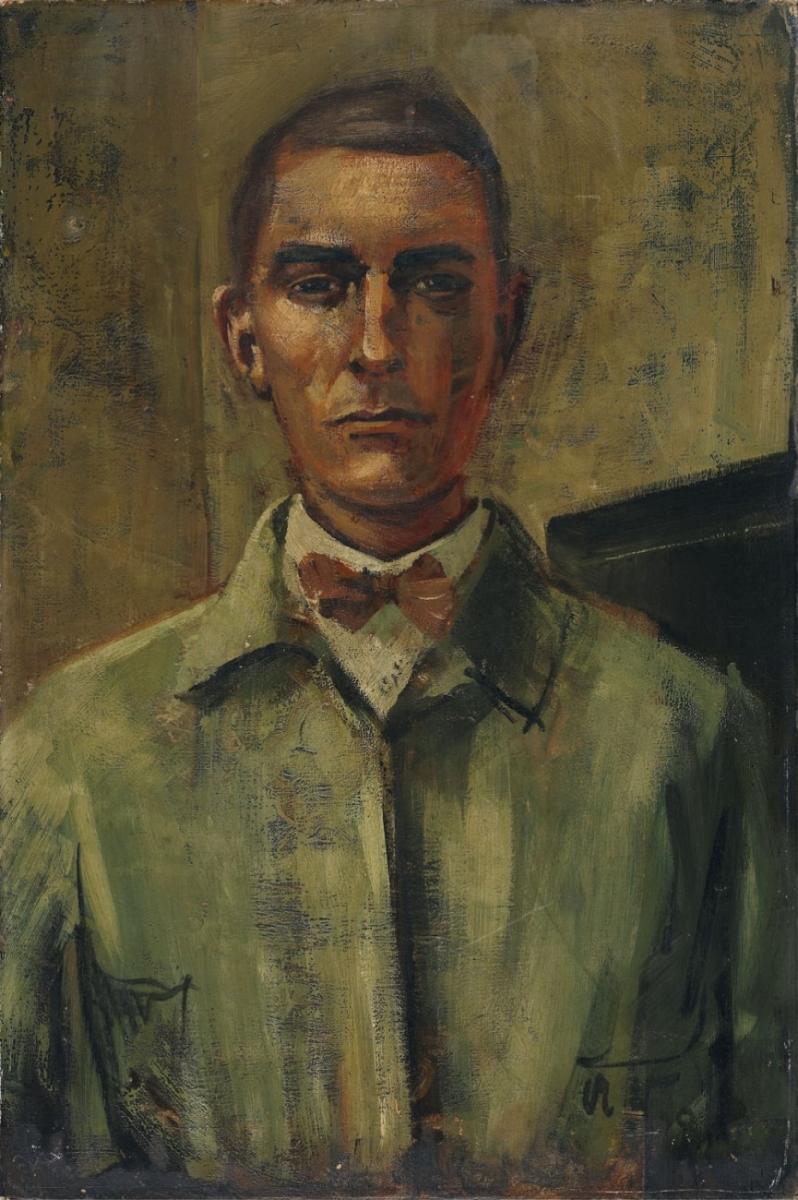
Anton Räderscheidt was a German painter who was a leading figure of the New Objectivity. Räderscheidt was born in Cologne. His father was a schoolmaster who also wrote poetry. From 1910 to 1914, Räderscheidt studied at the Academy of Düsseldorf. He was severely wounded in the First World War, during which he fought at Verdun. After the war he returned to Cologne, where in 1919 he cofounded the artists' group Stupid with other members of the local constructivist and Dada scene. The group was short-lived, as Räderscheidt was by 1920 abandoning constructivism for a magic realist style. In 1925 he participated in the Neue Sachlichkeit ("New Objectivity") exhibition at the Mannheim Kunsthalle.
