les rogers







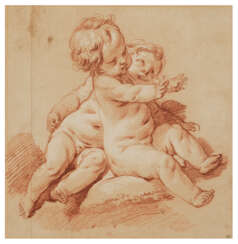

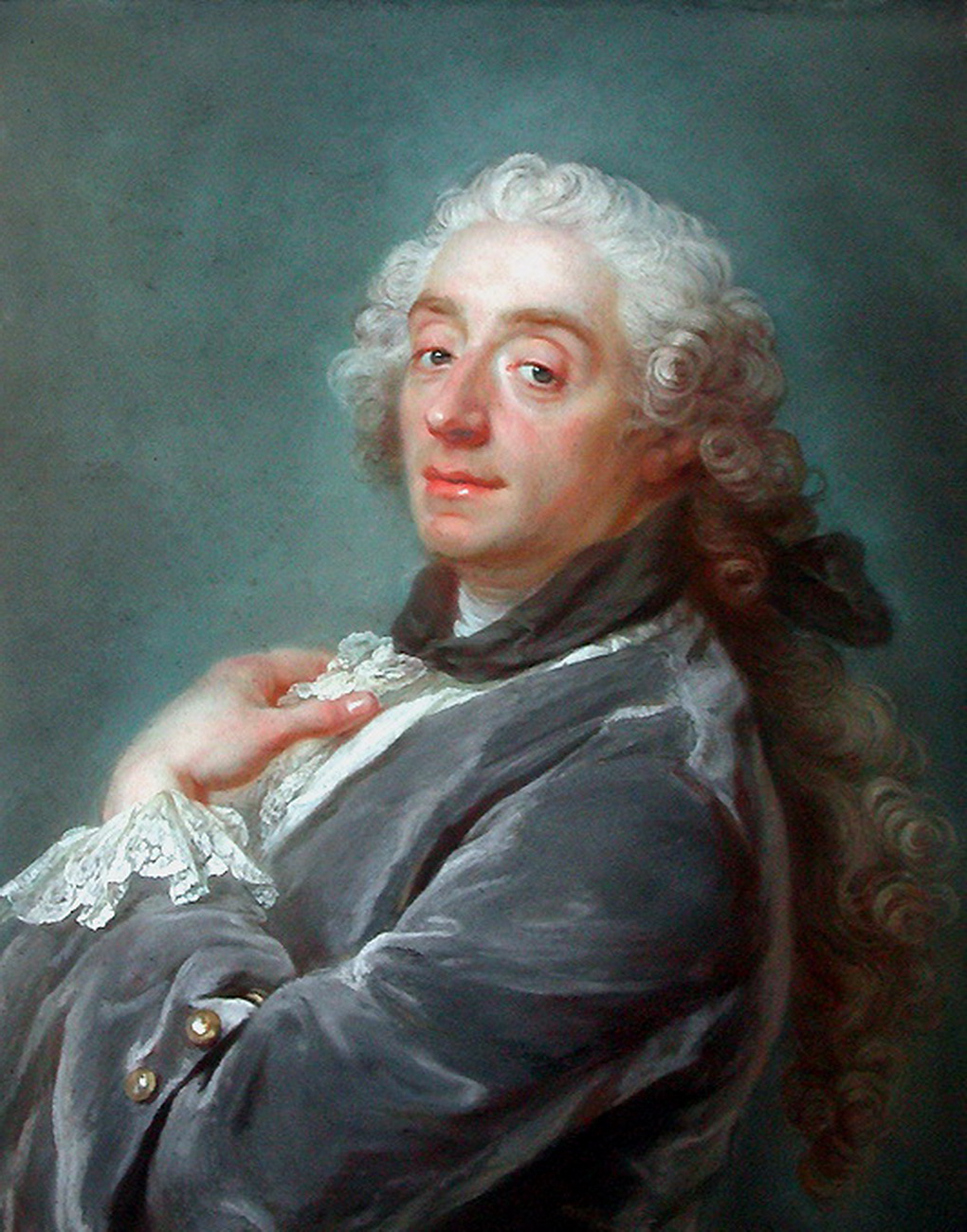
François Boucher, a French artist, is celebrated for his significant contributions to the Rococo style of painting. His works are renowned for their idyllic and voluptuous themes, which include classical subjects, decorative allegories, and pastoral scenes. Boucher's talent in creating intricate and charming paintings made him a favorite in the French court, especially with Madame de Pompadour.
François Boucher's skills were not confined to painting alone; he was also an adept draftsman and tapestry designer. His designs for the Beauvais tapestry workshops were highly successful, influencing decorative arts across Europe. Moreover, Boucher's influence extended to porcelain, with his designs being replicated on tableware and decorative pieces at the Vincennes and Sèvres factories.
Despite the later criticism of his style as overly frivolous and disconnected from the emerging Neoclassical trends, François Boucher's works continue to be admired for their aesthetic beauty and historical significance. His ability to blend various elements into a cohesive and appealing visual narrative demonstrates his mastery and enduring legacy in the art world.
For art collectors and enthusiasts, François Boucher's oeuvre offers a fascinating glimpse into 18th-century French art and culture, reflecting the opulence and delicate tastes of the Rococo period. His paintings and designs continue to be celebrated and studied for their artistic merit and historical context.
To stay updated on the latest exhibitions, sales, and events related to François Boucher's works, consider subscribing to updates from reliable art and antique sources. This way, you'll remain informed about opportunities to engage with the art of one of Rococo's most distinguished masters.







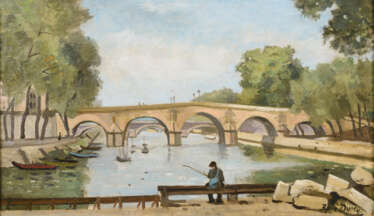




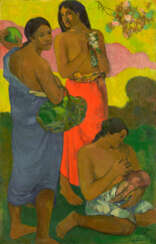


Paul Gauguin, a French artist born in Paris in 1848, is renowned for his significant contributions to Post-Impressionism, Primitivism, and Synthetism. Gauguin's art is distinguished by his experimental use of color and style, which set him apart from the traditional Impressionist movement.
Gauguin's early life was marked by a period in Peru, which influenced his artistic perspective. Initially, he pursued a career in stockbroking but soon turned to art, driven by financial necessity and a growing passion. His artistic journey began under the mentorship of Impressionist artist Camille Pissarro and through exposure to the works of other avant-garde artists.
The hallmark of Gauguin's work is his exploration of non-Western cultures, particularly during his time in Tahiti and the Marquesas Islands. This period saw the creation of some of his most famous works, including "Where Do We Come From? What Are We? Where Are We Going?" His paintings from this era, characterized by vivid colors and Symbolist themes, reflect a fusion of cultural influences and his quest for a "primitive" expression of spiritual and emotional states.
Despite his innovative style, Gauguin struggled with financial difficulties and health issues throughout his life. His work received little recognition during his lifetime, but posthumously, he gained acclaim for influencing modern artists like Pablo Picasso and Henri Matisse.
Today, Gauguin's works are celebrated in galleries and museums worldwide for their unique blend of cultural influences and artistic innovation. His enduring legacy is a testament to his unique vision and the profound impact he had on the art world.
Collectors and experts in art and antiques, stay updated on new product sales and auction events related to Paul Gauguin. Sign up now for exclusive updates and immerse yourself in the world of this visionary artist.

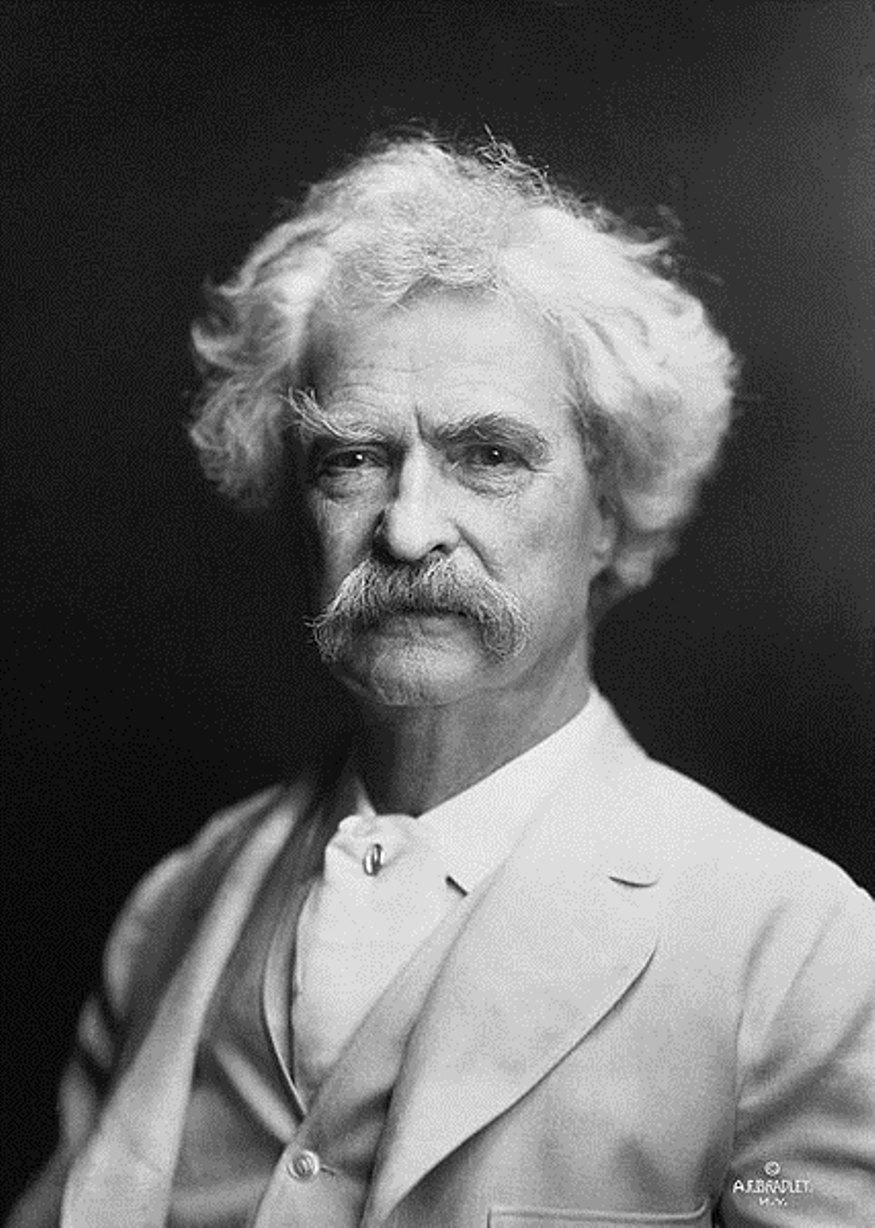
Mark Twain, real name Samuel Langhorne Clemens, was an American humanist writer, journalist, and social activist.
As a young man, Samuel worked in the printing press and in the gold mines, then went on a steamboat trip to Europe and the "Holy Land". His travel letters, full of vivid descriptions and ironic observations, were very well received by the public and were later revised into his first book, Innocents Abroad, published in 1869.
The pseudonym "Mark Twain" first appeared in 1863 under one of Samuel Clemens' short stories, and since then all his significant works have been signed by that name.
A talented storyteller, a peculiar humorist and moralist, Twain knew and loved his many diverse characters. His scandalizers and dreamers, caring aunts and ambitious politicians, grumpy widows and lying aristocrats, cunning but generous slaves, sentimental moralists, brave and naive children - all these types of American people Twain gave voice to thanks to his masterful command of colloquial language, slang and jargon. Twain wrote a lot and in a variety of genres: humor and satire, philosophical fiction and journalism and others, but he always stood on the position of humanist and democrat.
Mark Twain became world famous for his travel stories and adventure novels about his childhood, these are "The Adventures of Tom Sawyer" (1876) and "The Adventures of Huckleberry Finn" (1885). Twain is still one of America's, and indeed the world's, best and most beloved writers. His works have been and are still being published in many languages around the world.
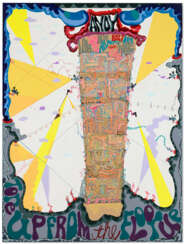

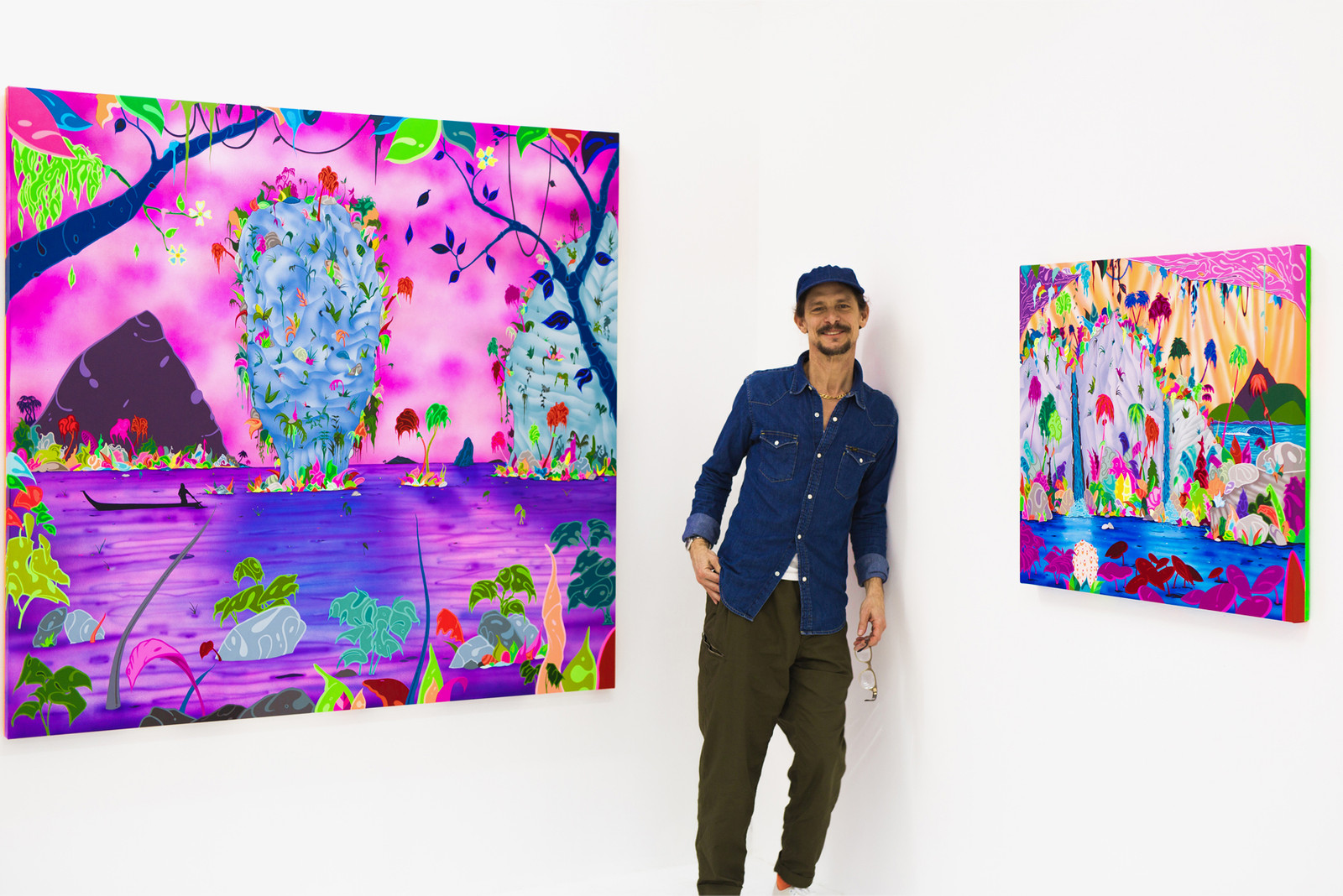
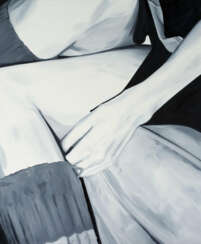
Erik Parker is a New York-based artist, is known for cartoonish compositions that riff on the traditional genres of portraiture and still-life. His paintings draw inspiration from American subculture — psychedelia, underground comic books, music genres as well as historic modern painters.

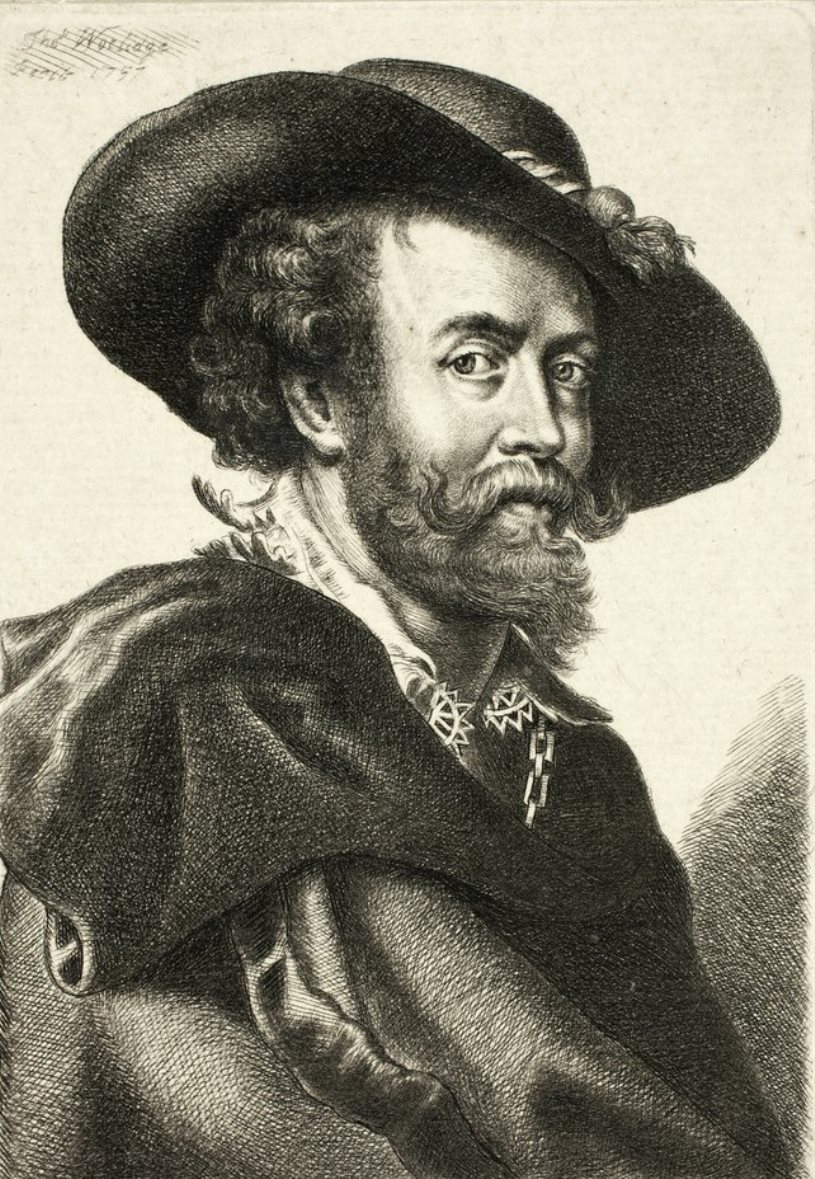



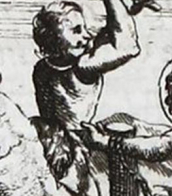




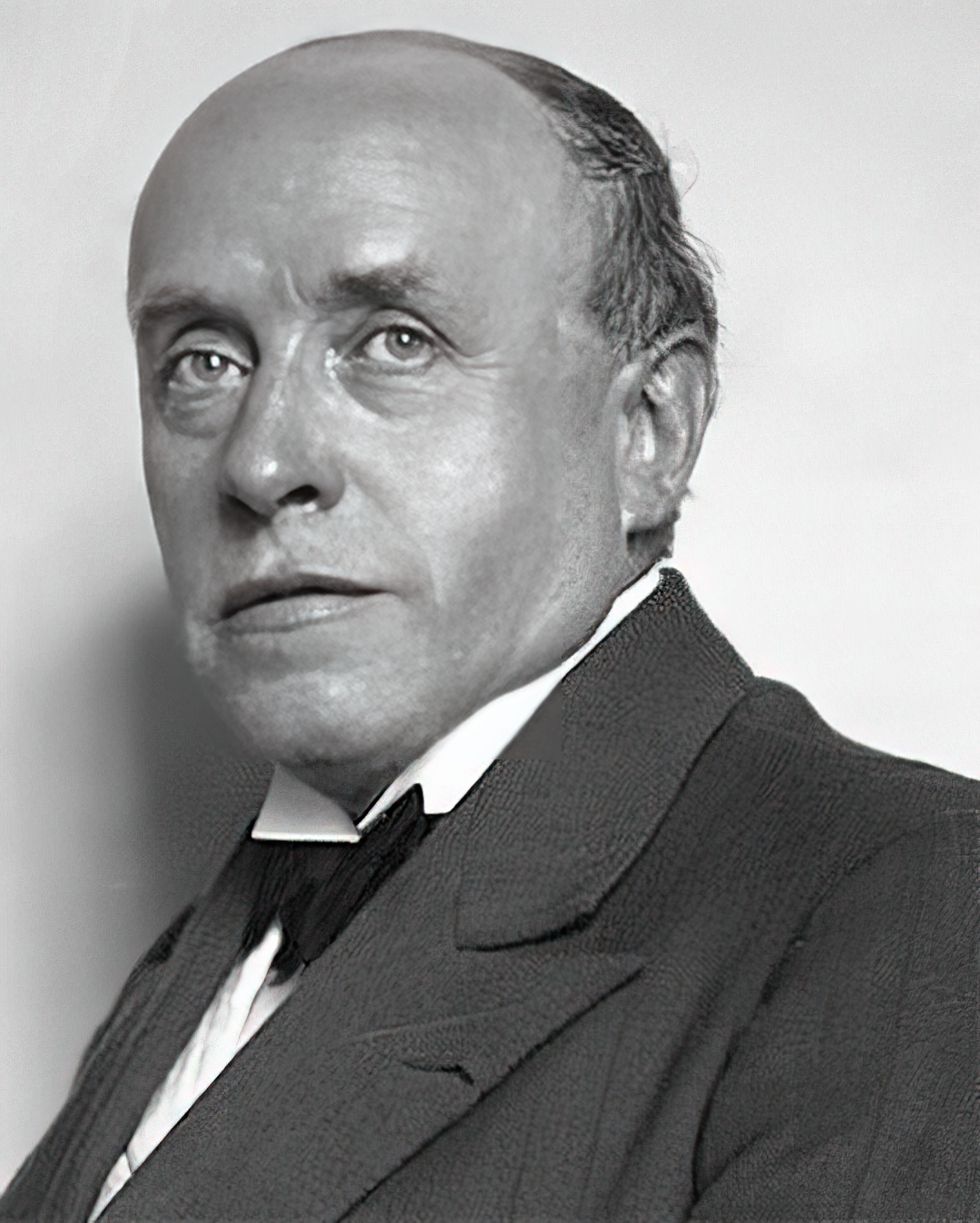
Georges Rouault was a French painter, printmaker and ceramicist whose profound works combined art and spirituality, making him a key figure in the contemporary art world. Born into a modest family in Paris during the turbulent times of the Paris Commune, Rouault's early exposure to art came through his grandfather's collection of lithographs by Honoré Daumier. His initial apprenticeship in a glazier's workshop had a profound influence on his artistic style, especially his work with stained glass, which later became a hallmark of his painting technique.
Rouault's career took a significant turn under the tutelage of Symbolist painter Gustave Moreau, who introduced him to avant-garde circles, leading Rouault into the Fauvist movement alongside Henri Matisse. However, Rouault's unique approach was characterized by a more instinctive and spontaneous style that was deeply influenced by Vincent van Gogh and which eventually led him to Expressionism. His works from this period, dealing with subjects such as courts, clowns, and prostitutes, served as a form of moral and social criticism, motivated by his deep Christian faith and concern for human nature. This period marked a significant evolution in Rouault's style; his paintings reflect a mixture of religious iconography and human suffering, demonstrating his mastery of conveying deeply emotional and spiritual stories.
One of Rouault's most notable contributions to art was his involvement in the scenography for Sergei Diaghilev's ballet The Prodigal Son and his famous series of paintings and prints such as Miserere. His later works are renowned for their explosive use of color and texture, highlighting his mastery of expressing the spiritual harmony and beauty of nature. The end of Rouault's career was marked by a gesture of humility and dedication to his craft: he destroyed a significant number of his unfinished works, feeling that he could not complete them to his satisfaction.
Rouault's legacy has been preserved through his impressive works in renowned museums and galleries around the world. His art continues to inspire and resonate with collectors, experts and lovers of art and antiques, serving as a testament to his enduring influence on the art world.
For those deeply interested in exploring the life and work of Georges Rouault, it is important to stay abreast of new discoveries, sales, and auction events related to his art. We encourage you to subscribe to updates so that you don't miss out on the opportunity to engage with the legacy of this remarkable artist. This subscription will be your gateway to the world of Georges Rouault, offering exclusive insights into his contribution to contemporary art.
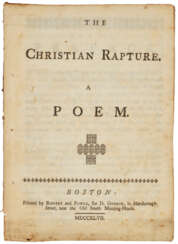

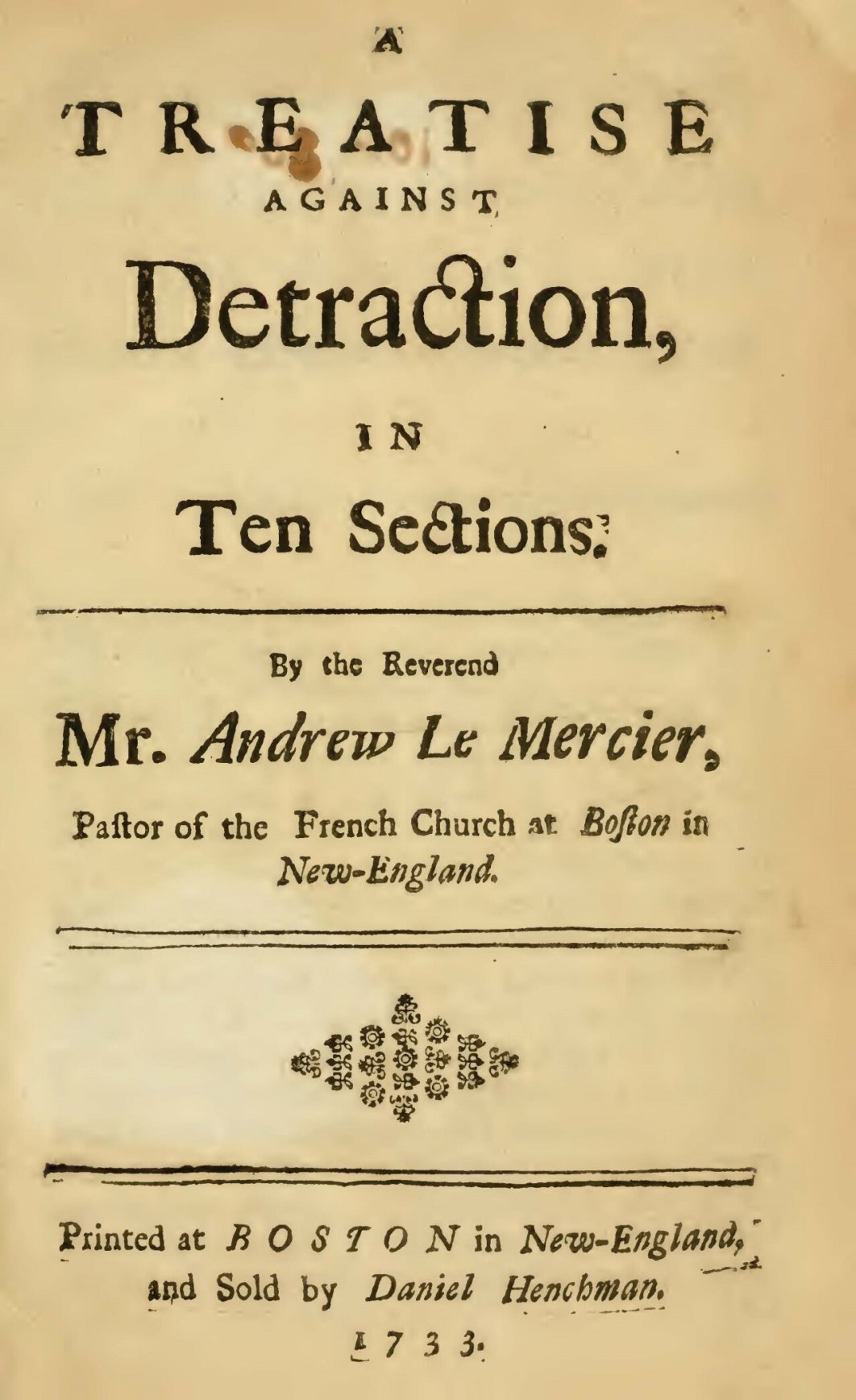
Andrew Le Mercier was a clergyman, pastor of the French Huguenot Church in Boston in the 18th century, and writer.
Le Mercier completed his ecclesiastical training at the Geneva Academy and in 1716 arrived in Boston (Massachusetts Bay, then an English colony) and began working as a pastor. He was active in establishing a settlement for shipwrecked men on the infamous Sable Island. The pastor also sent provisions there, which saved many lives.
Andrew Le Mercier wrote The Ecclesiastical History of Geneva in Five Books, with a Political and Geographical Description of that Republic (Boston, 1732) and A Treatise Against Diminution (1733).
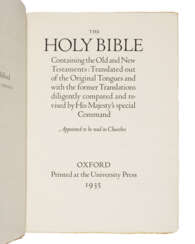

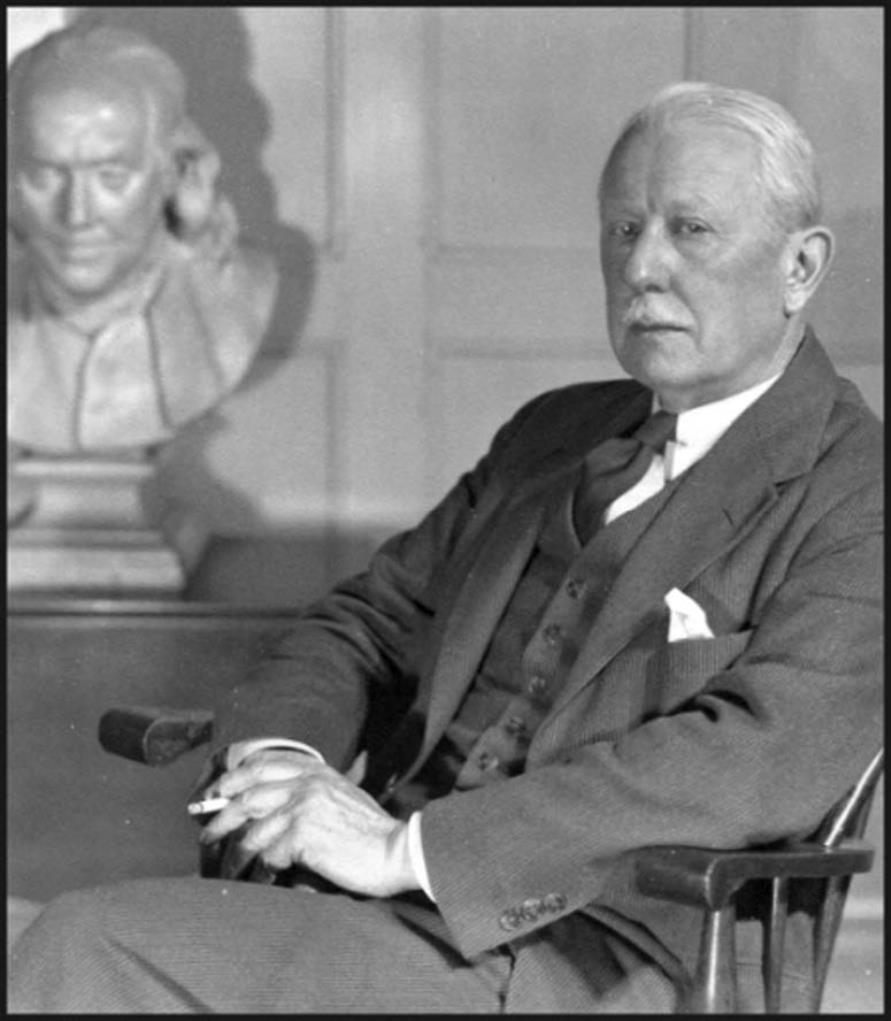
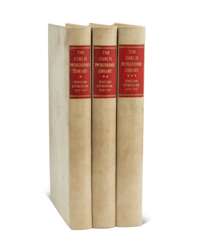
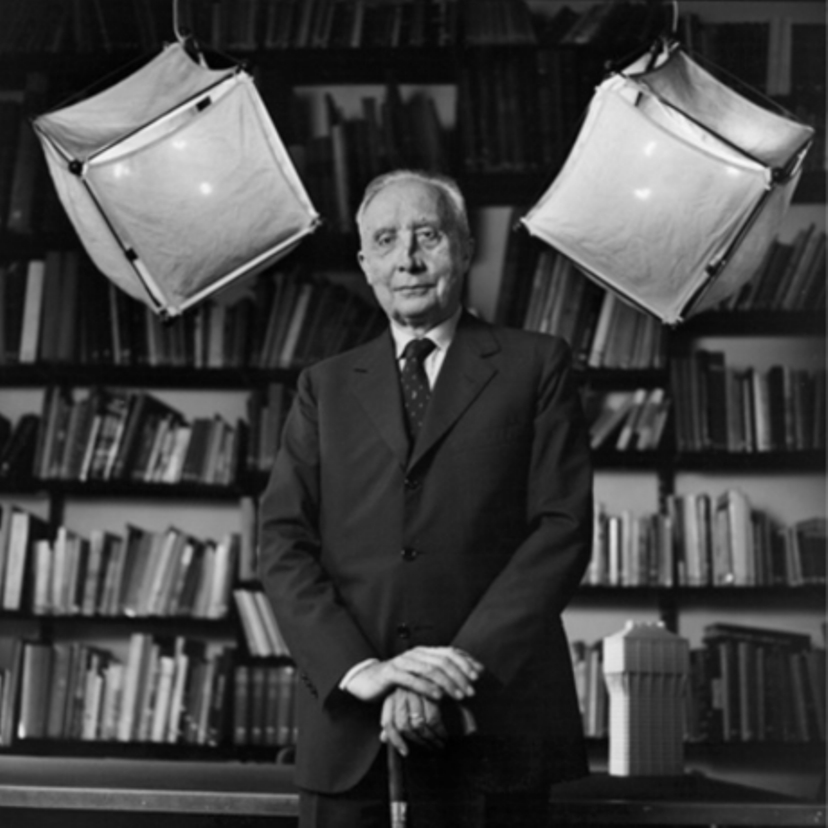
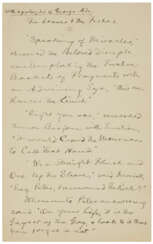
Bruce Rogers, born Albert Bruce Rogers, was an American typographer and book designer who had a major influence on the development of book design in the United States in the early 20th century.
Trained as an artist, Rogers began working as an illustrator for an Indianapolis newspaper. In 1895 he moved to Boston, where he met masters in book publishing, including George Mifflin of Houghton Mifflin, who offered him a job at the Riverside Press. When the publishing house opened a limited edition department in 1900, Rogers was appointed its manager and was responsible for the design and printing of unique books. Over the next 12 years, he developed several new typefaces and produced more than 100 Riverside Press editions, which are highly regarded.
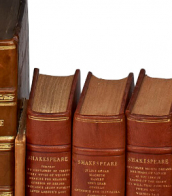
From 1916 he worked as an advisor to Cambridge University Press in England, where he supervised the preparation of the monumental Oxford Lectionary Bible, and then served as an advisor to Harvard University Press in the United States until 1934. Bruce Rogers also designed outstanding books for the William E. Rudge Printing Company in Mount Vernon, New York. His other bibliophile books and limited editions include The Odyssey, an edition of Shakespeare, the Boswell Papers, and the American Folio Lectern Bible. Bruce Rogers is considered one of the preeminent book designers of the twentieth century.




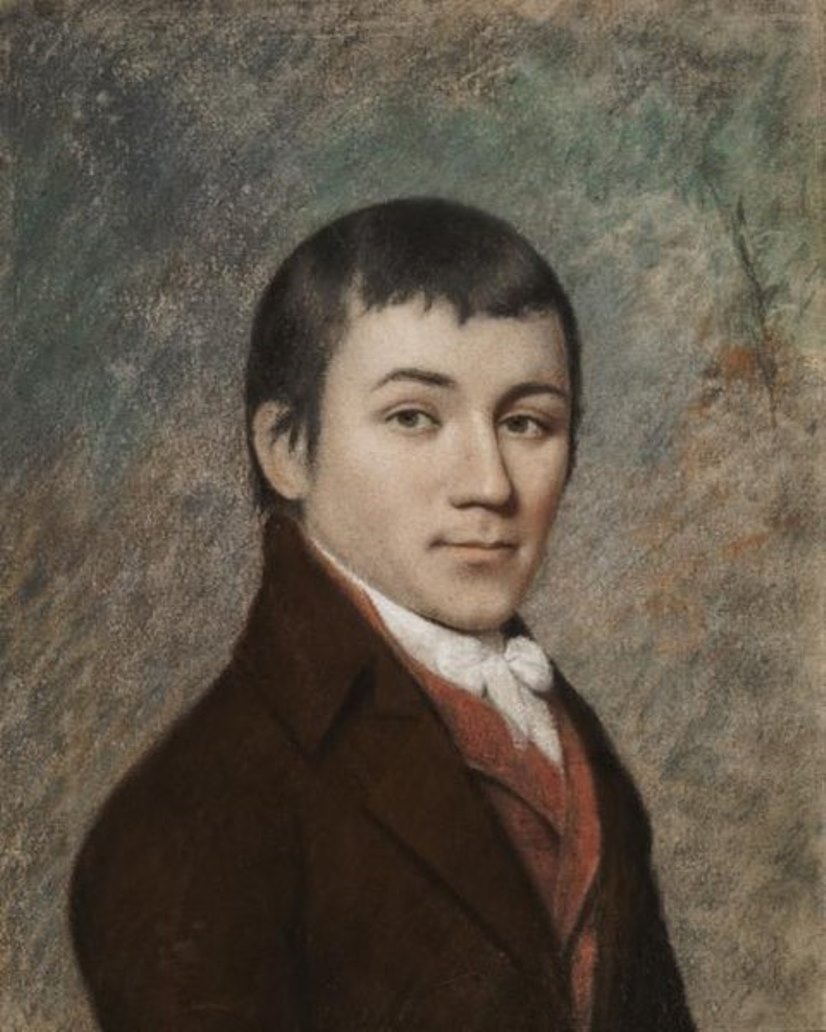
Charles Brockden Brown was an American writer, historian, and editor.
Brown took up literary endeavors early in life. In 1798, his first mystical and psychological novel, Wieland, was published. Brown also wrote the novels Ormond (1799), Edgar Huntley (1799), and Arthur Merwin (1799-1800).
Brown's works interweave fiction, history, fantasy, psychology, and liberal politics. Brown is considered the father of the American novel. His American-style Gothic novels pioneered and paved the way for two of the greatest early American writers, Edgar Allan Poe and Nathaniel Hawthorne.
Charles Brown also wrote a great deal of journalism on political, educational, and historical topics.

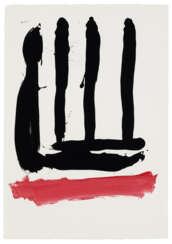

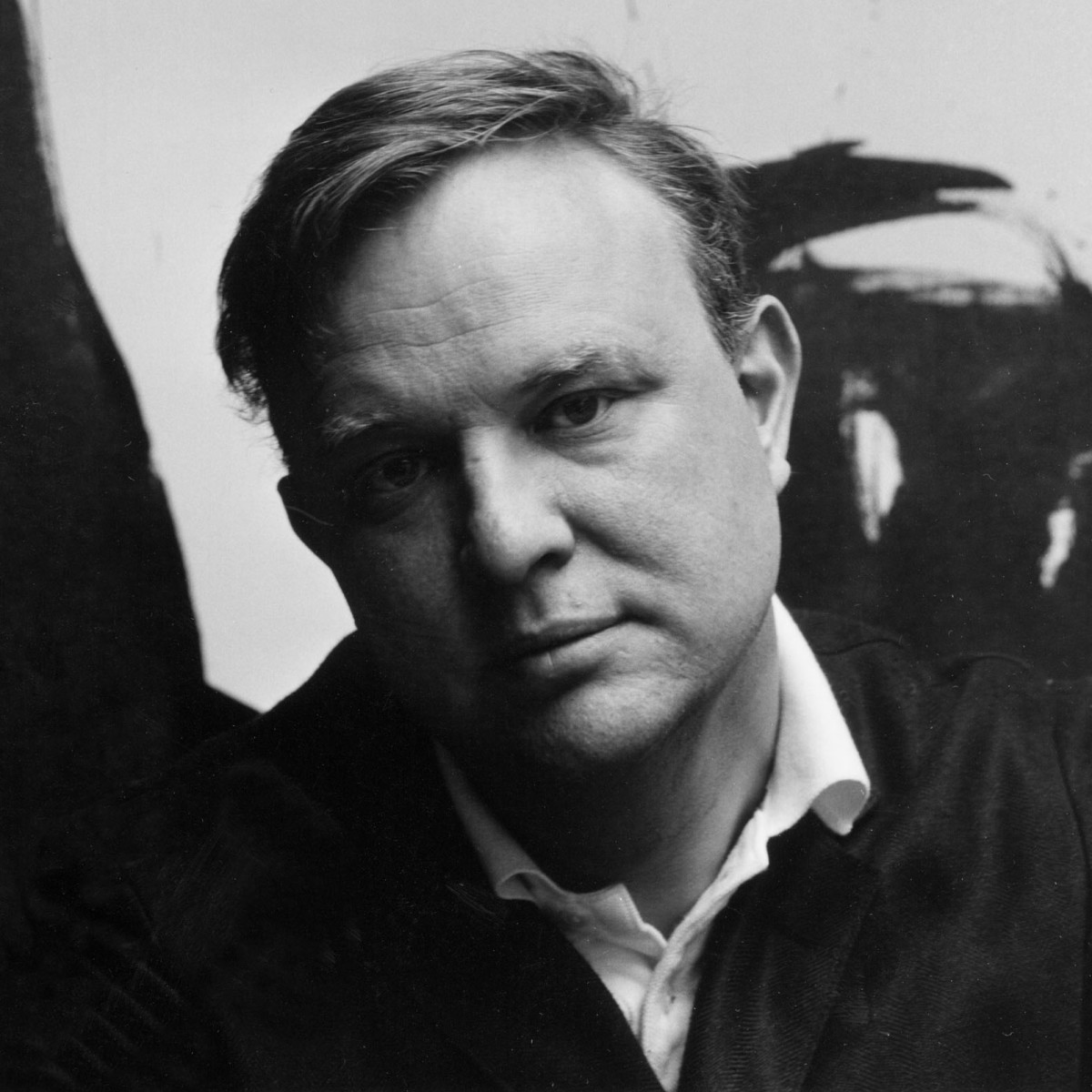
Robert Motherwell was an American artist and painter, renowned for his significant contributions to the Abstract Expressionism movement. Born in Aberdeen, Washington, in 1915, Motherwell's work is celebrated for its expressive use of form and color, which he utilized to convey deep emotional and philosophical themes. His approach to art was both intellectual and deeply personal, making him a pivotal figure in 20th-century art.
Motherwell's dedication to exploring the relationship between philosophy, literature, and visual art set him apart from his contemporaries. He was not just an artist but also an articulate spokesman for the Abstract Expressionist movement, emphasizing the importance of spontaneity and the expression of the subconscious. His series "Elegies to the Spanish Republic" is among his most famous works, exemplifying his skill in using black and white to evoke powerful emotions and reflections on human tragedy and resilience.
His art is held in high esteem worldwide, with pieces displayed in major museums and galleries, including the Museum of Modern Art (MoMA) in New York and the Tate Modern in London. Motherwell's ability to blend abstract elements with profound thematic content has made his work enduringly relevant to both collectors and scholars in the fields of art and antiques.
For those keen on delving deeper into the world of modern art and Abstract Expressionism, Robert Motherwell's oeuvre offers a rich vein of exploration. His works not only encapsulate the dynamism and innovation of mid-20th-century American art but also provide insight into the intellectual and emotional depths from which they sprang. To stay informed about new sales and auction events related to Robert Motherwell, sign up for our updates. This subscription is a gateway to the vibrant and evolving market of art collecting, ensuring you never miss an opportunity to engage with the legacy of this monumental artist.


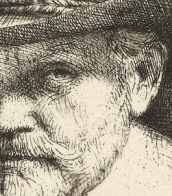
Rembrandt Harmenszoon van Rijn, a Dutch Baroque painter and printmaker, was born on July 15, 1606, in Leiden, Netherlands, and died on October 4, 1669, in Amsterdam. He is celebrated as one of the greatest storytellers in art history, acclaimed for his adept portrayal of human emotions and dramatic narratives. Rembrandt's extensive oeuvre includes portraits, self-portraits, landscapes, genre scenes, allegorical, historical, and biblical themes, as well as animal studies. His artistry shined during the Dutch Golden Age, a period marked by cultural and scientific achievements in the Netherlands.
Rembrandt's education in art began around the age of 10 when he left the Latin School in Leiden to train as an artist. He apprenticed with artists like Jacob van Swanenburg and Pieter Lastman, mastering various aspects of painting. He opened his own studio in Leiden around 1624 or 1625, sharing it with his colleague Jan Lievens. By 1631, he had moved to Amsterdam, where he achieved significant success and trained many important Dutch painters.
Among Rembrandt's notable works are "The Anatomy Lesson of Dr. Nicolaes Tulp" (1632), "The Night Watch" (1642), and "The Syndics of the Amsterdam Drapers’ Guild" (1662). He was also renowned for his self-portraits, creating around 80 over his lifetime, more than any other artist until the 20th century. These self-portraits were not just artistic endeavors but also experiments with facial expressions and lighting effects. Additionally, Rembrandt was a master etcher, transforming etching from a reproductive technique into an art form.
Rembrandt's painting style is characterized by its dramatic use of light and shadow, known as chiaroscuro. His ability to depict materials realistically was unparalleled; his portrayal of metals and fabrics was so lifelike that they appeared to glow and be tangible. He was also known for his impasto technique, applying paint thickly to the canvas, adding a three-dimensional quality to his works.
Despite his artistic prowess, Rembrandt faced financial difficulties and personal tragedies throughout his life. He declared bankruptcy in 1656, a downfall attributed partly to his extensive collection of art objects and curiosities. His masterpieces, however, continued to garner appreciation and influence generations of artists that followed.
For collectors and experts in art and antiques, Rembrandt's works represent a pinnacle of artistic achievement in the Dutch Golden Age. His mastery in portraying the human condition and his innovative techniques in painting and etching make his works highly prized and influential in the art world.
To stay updated on new product sales and auction events related to Rembrandt van Rijn, sign up for our updates. This subscription service is dedicated exclusively to news and events concerning works related to this unparalleled master of the Dutch Golden Age.