livres de prières




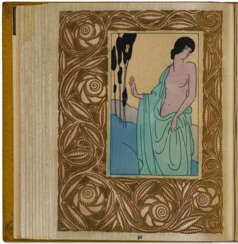

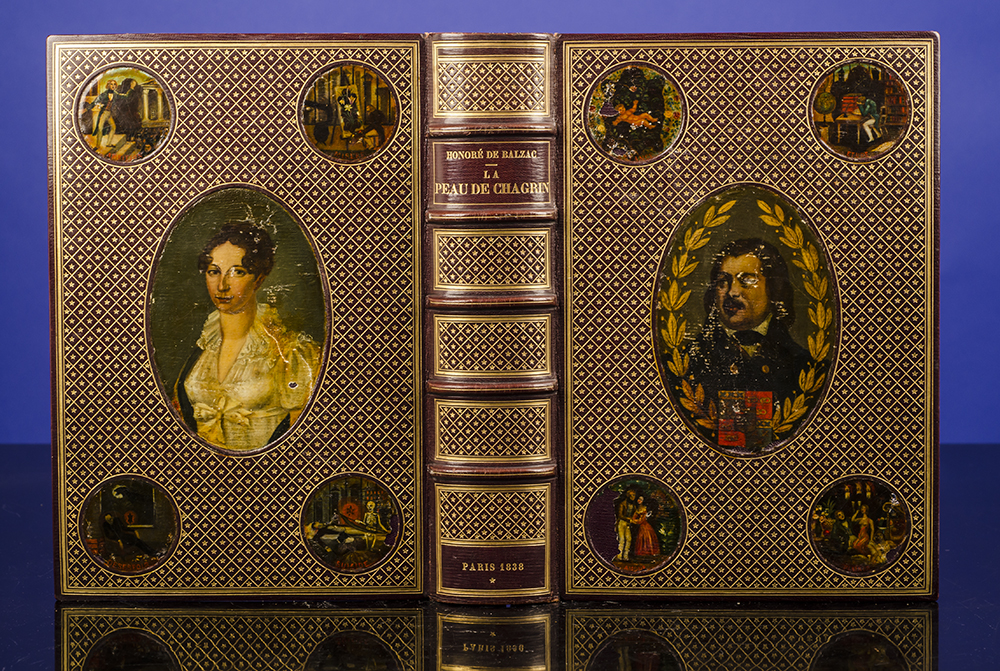
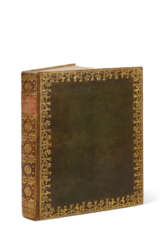
René Kieffer was a French bookbinder, publisher and bookseller.
A pupil of Henri Marius Michel, he worked for ten years as a gilder at the Chambolle-Douroux bookbinding factory. In 1903 René Kieffer opened his studio in Paris, and in the same year his work was first shown at the Salon de la Société des Artistes-Decorators.
Over time, his work shifted from classical forms to Art Nouveau motifs. René Kieffer was known for using bright colors in elaborate designs, creating luxurious bindings for unique publications. Between 1917 and 1923, he created Pierre Legrain's designs for Jacques Doucet's library. As a bookbinder and publisher, René Kieffer was vice-president of the book department of the 1925 Paris International Exhibition of Decorative Arts and Modern Industry. He also participated in the International Exhibition of Arts and Technology in Modern Life in Paris in 1937.
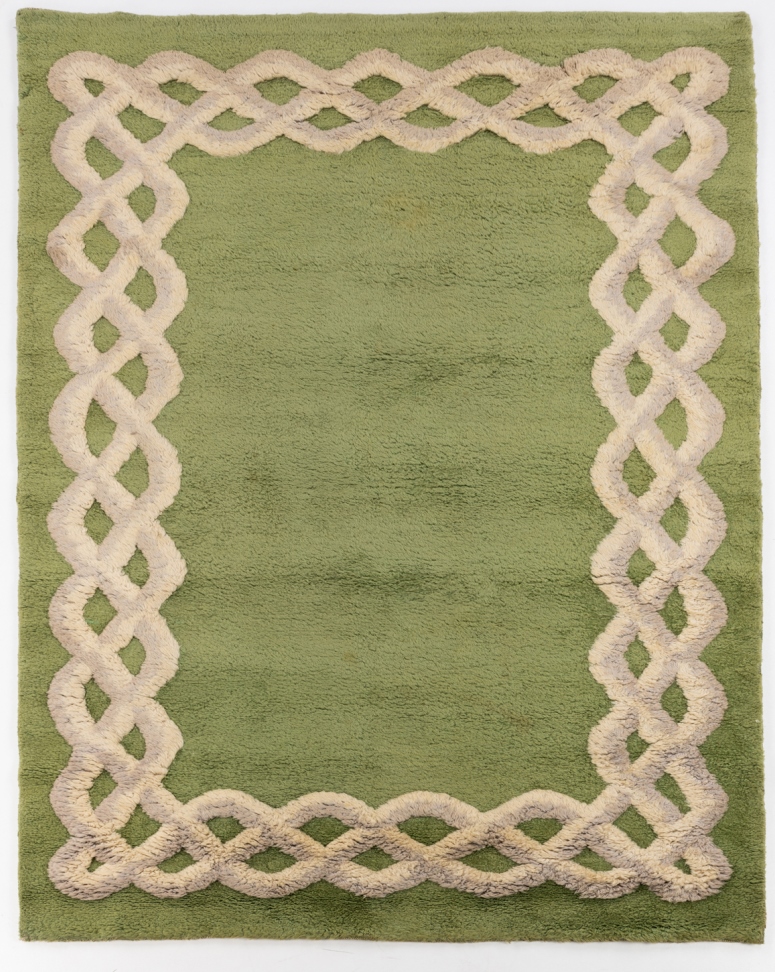
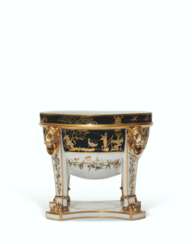
Dominique-André Dominique was a French artist, designer and decorator.
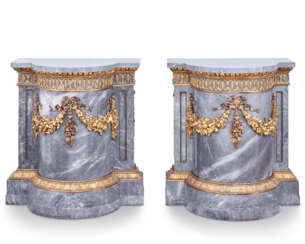
Together with the designer Marcel Genièvre (Marcel Genièvre, 1885-1967), Dominique-André Domin created in 1922 the firm Maison Dominique, which is known for its Cubist-inspired furniture: restrained but not without elegance. In addition to many achievements at exhibitions and pavilions, after World War II, the firm also received orders from the "National Furniture", including the Elysee Palace.


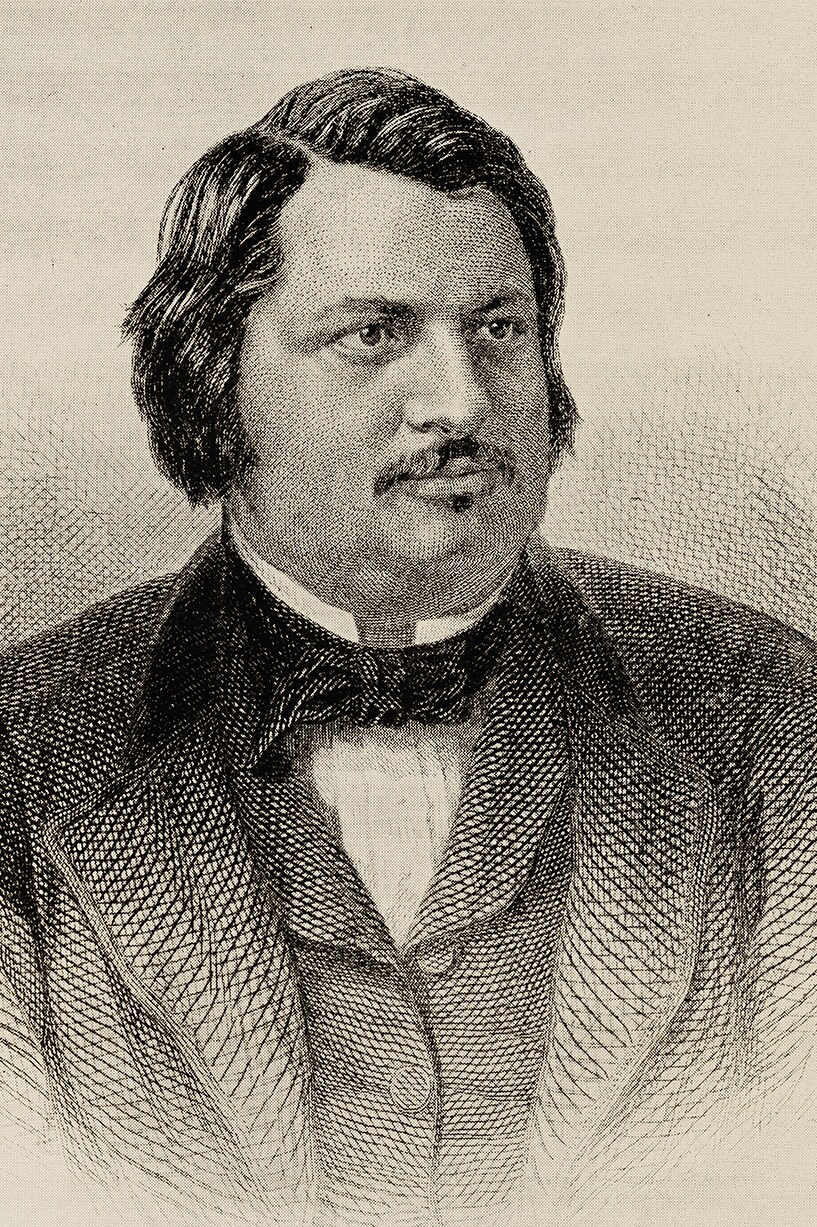


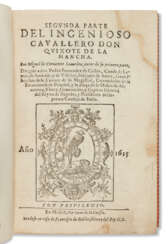

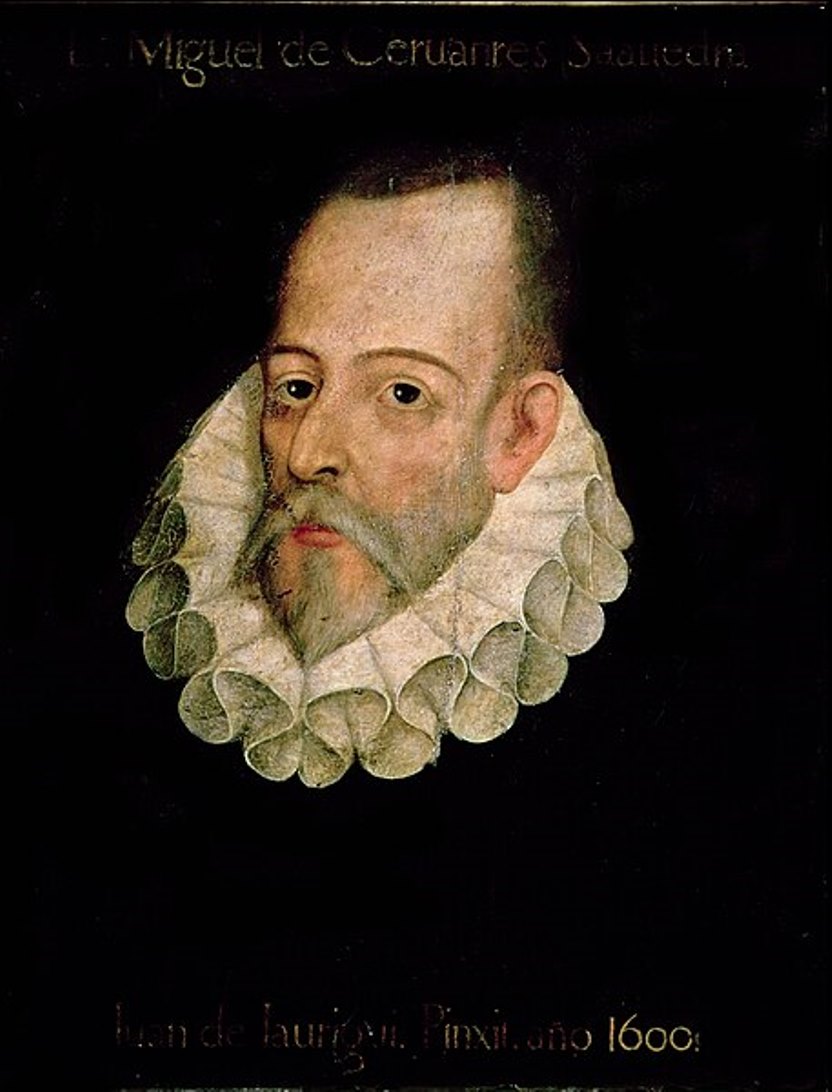
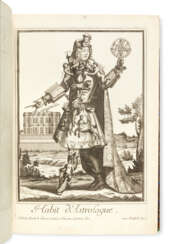

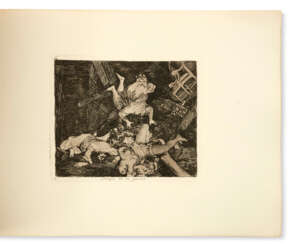

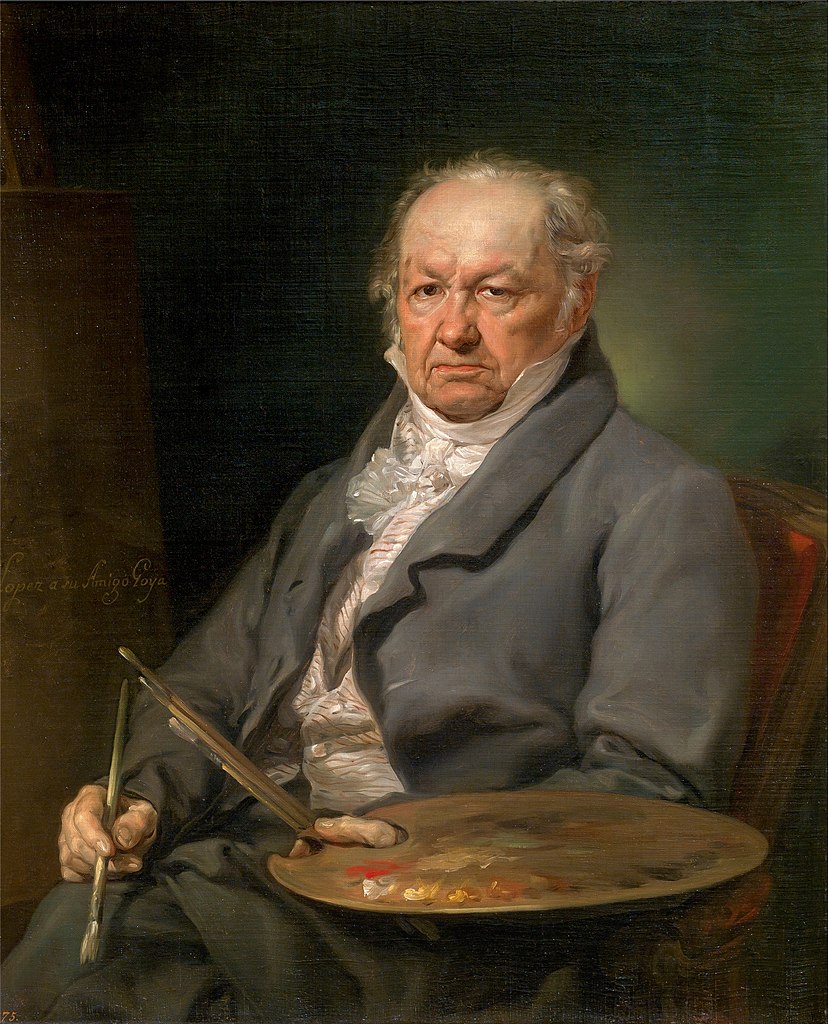
Francisco José de Goya y Lucientes was a Spanish romantic painter and printmaker, celebrated as the most pivotal Spanish artist of the late 18th and early 19th centuries. Born in Fuendetodos, Aragon, Spain, on March 30, 1746, Goya's work reflects a tumultuous period of history, intertwining the personal, political, and social upheavals of his time with a bold and innovative artistic vision. His early career was marked by portraits of the Spanish aristocracy and royalty, as well as Rococo style tapestry cartoons for the royal palace. However, following a severe illness in 1793 that left him deaf, his art took on a darker and more pessimistic tone.
Goya's oeuvre is vast, encompassing around 700 paintings, 280 prints, and several thousand drawings, through which he depicted a wide range of subjects from the whimsical to the macabre. Notable among his works are "The Naked Maja," "The Clothed Maja," "The Family of Charles IV," "The Third of May 1808: The Execution of the Defenders of Madrid," and "Saturn Eating His Children." His etchings, particularly the series "Los Caprichos" and "The Disasters of War," are celebrated for their intricate detail, emotional depth, and critical social commentary.
Goya's contribution to art goes beyond his mastery of painting and printmaking. He is often considered the bridge between the Old Masters and modern art, introducing themes and techniques that would influence countless artists in the centuries to follow. His ability to capture the essence of his era, the human condition, and the complexities of his own psyche, makes his work universally relatable and enduringly relevant.
His most famous paintings are housed in prestigious museums worldwide, including the Museo del Prado in Madrid, which holds an extensive collection of his works. The Prado's collection serves as a testament to Goya's significant impact on art and culture, offering insight into the artist's unique perspective on the world around him.
For collectors and experts in art and antiques, Francisco de Goya's legacy is a beacon of artistic innovation and historical significance. His works not only adorn the walls of museums but also continue to inspire and provoke thought among audiences across the globe.
For updates related to Francisco de Goya, including new product sales and auction events related to his works, sign up for our newsletter. Stay informed on the latest offerings and opportunities to add to your collection of this legendary artist's works.
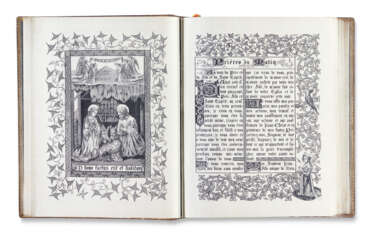

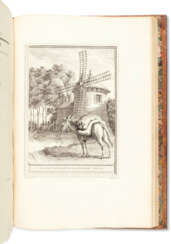

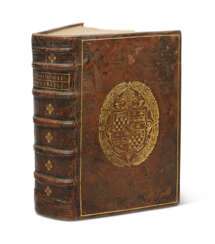

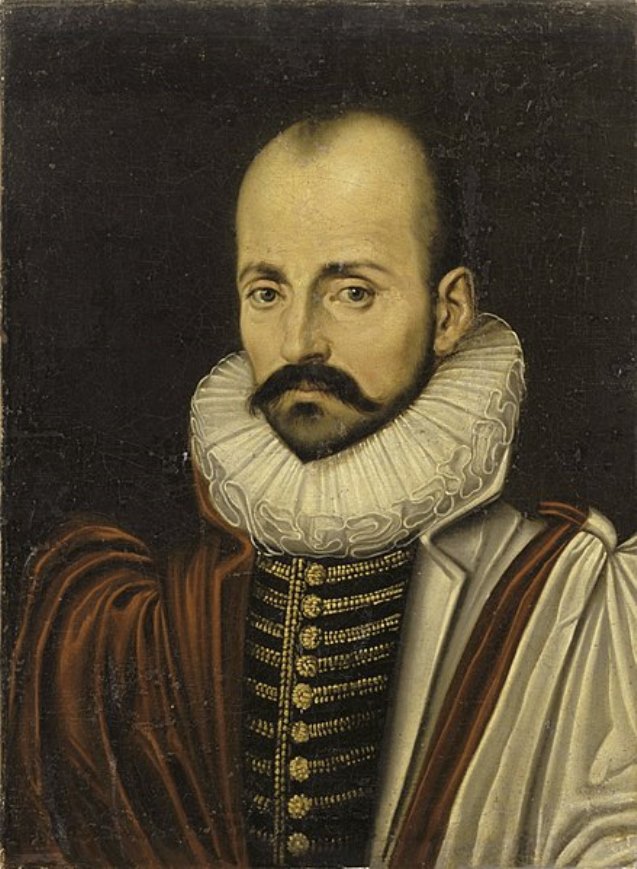






Francisco José de Goya y Lucientes was a Spanish romantic painter and printmaker, celebrated as the most pivotal Spanish artist of the late 18th and early 19th centuries. Born in Fuendetodos, Aragon, Spain, on March 30, 1746, Goya's work reflects a tumultuous period of history, intertwining the personal, political, and social upheavals of his time with a bold and innovative artistic vision. His early career was marked by portraits of the Spanish aristocracy and royalty, as well as Rococo style tapestry cartoons for the royal palace. However, following a severe illness in 1793 that left him deaf, his art took on a darker and more pessimistic tone.
Goya's oeuvre is vast, encompassing around 700 paintings, 280 prints, and several thousand drawings, through which he depicted a wide range of subjects from the whimsical to the macabre. Notable among his works are "The Naked Maja," "The Clothed Maja," "The Family of Charles IV," "The Third of May 1808: The Execution of the Defenders of Madrid," and "Saturn Eating His Children." His etchings, particularly the series "Los Caprichos" and "The Disasters of War," are celebrated for their intricate detail, emotional depth, and critical social commentary.
Goya's contribution to art goes beyond his mastery of painting and printmaking. He is often considered the bridge between the Old Masters and modern art, introducing themes and techniques that would influence countless artists in the centuries to follow. His ability to capture the essence of his era, the human condition, and the complexities of his own psyche, makes his work universally relatable and enduringly relevant.
His most famous paintings are housed in prestigious museums worldwide, including the Museo del Prado in Madrid, which holds an extensive collection of his works. The Prado's collection serves as a testament to Goya's significant impact on art and culture, offering insight into the artist's unique perspective on the world around him.
For collectors and experts in art and antiques, Francisco de Goya's legacy is a beacon of artistic innovation and historical significance. His works not only adorn the walls of museums but also continue to inspire and provoke thought among audiences across the globe.
For updates related to Francisco de Goya, including new product sales and auction events related to his works, sign up for our newsletter. Stay informed on the latest offerings and opportunities to add to your collection of this legendary artist's works.


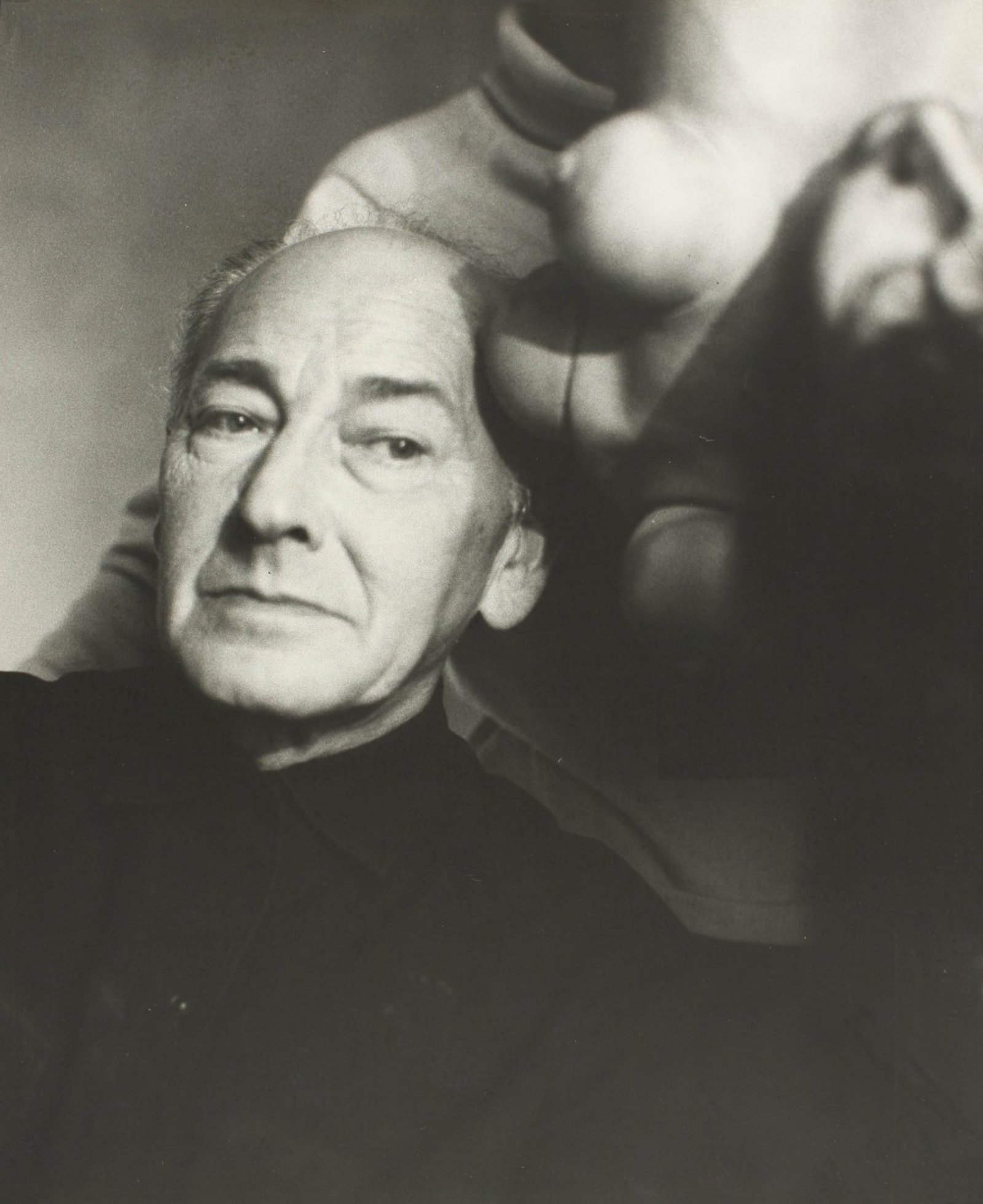
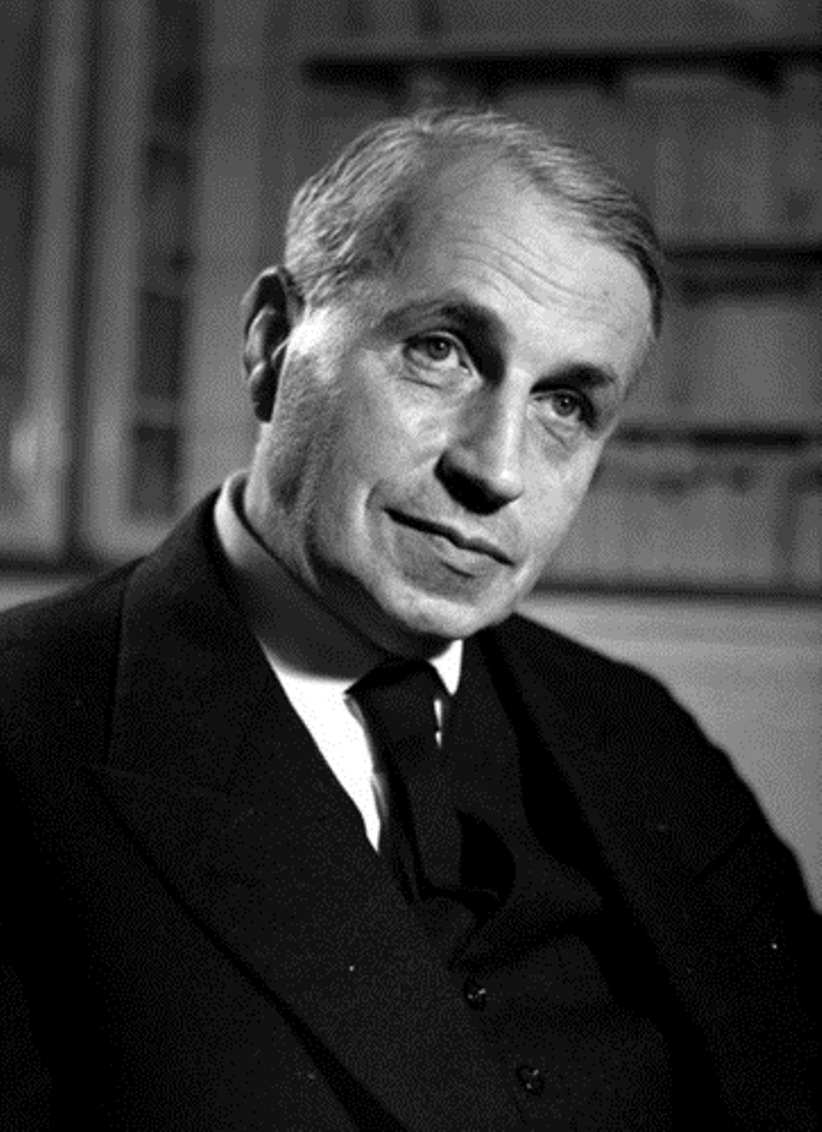
Hans Bellmer was a German graphic artist, sculptor, photographic artist, illustrator, and writer who spent most of his life in France.
In the 1930s Bellmer began working on the eroticized image of the deformed doll, contrasting it with the aesthetics of the "classical" body in Hitler's Germany. His graphic and literary explorations focus on the dismemberment and liberation of bodies. Bellmer's surrealist works are violent and provocative: they include puppet sculptures composed of the bodies of nude models, photographs, and prints.
In 1934, 18 photographs of dolls were published in the Parisian surrealist magazine Minotaur, and the Nazi regime declared Bellmer's art degenerate. In 1938, Bellmer emigrated to France.
After the end of the war, the artist continued his work, adding poetry to painting. He also authored illustrations for many works, particularly on erotic themes.
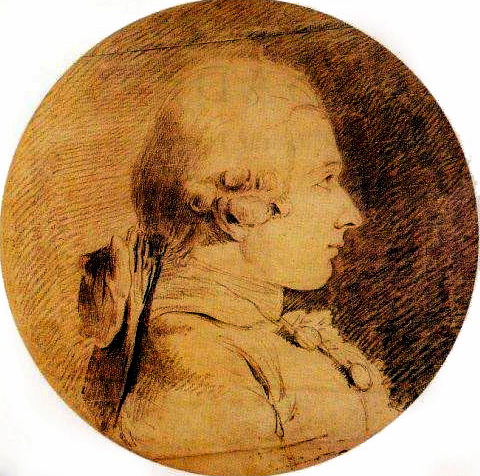




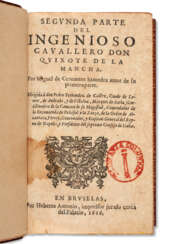

![[SADE, Donatien Alphonse François, marquis de (1740-1814)]](/assets/image/picture_3566994/47fa5/583c4cf9e8b49f38a40241ca14c22e6f1700607600jpg__fix_374_244.jpeg)
![[SADE, Donatien Alphonse François, marquis de (1740-1814)]](https://veryimportantlot.com/assets/image/picture_3566994/47fa5/583c4cf9e8b49f38a40241ca14c22e6f1700607600jpg__fix_374_244.jpeg)





![[LACLOS, Pierre CHODERLOS de (1741-1803)]](/assets/image/picture_4257800/7113e/63e78d46615ac0577b3cd7cca92f5f7f1729065600jpg__fix_374_244.jpeg)
![[LACLOS, Pierre CHODERLOS de (1741-1803)]](https://veryimportantlot.com/assets/image/picture_4257800/7113e/63e78d46615ac0577b3cd7cca92f5f7f1729065600jpg__fix_374_244.jpeg)
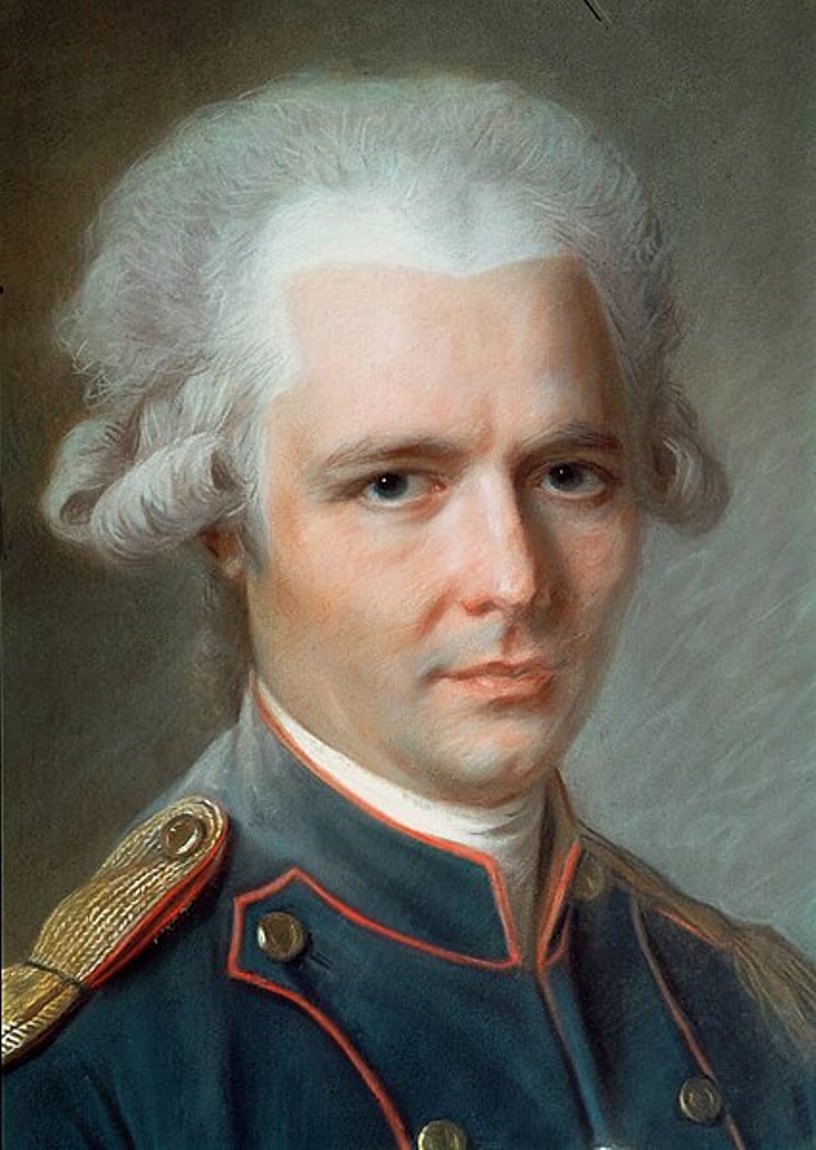
Pierre Choderlos de Laclos, full name Pierre Ambroise François Choderlos de Laclos, was a French politician, inventor, military leader, and writer.
De Laclos initially pursued a military career, but soon abandoned it, deciding that he would achieve greater fame by becoming a writer. He wrote poetry, erotic stories. His first novel "Dangerous Liaisons" (Les Liaisons dangereuses, 1782) immediately made a great impression and caused a mixed reaction in society. This is one of the masterpieces of novelistic literature of the XVIII century, which describes the love affairs of the aristocracy. On its motives, a large number of commentaries were later written, plays were staged and movies were filmed.
Later, Pierre Choderlot de Laclos worked for some time as secretary to the Duke of D'Orleans, writing several treatises on military and political topics. And in 1792 he again joined the army, where under Napoleon he rose to the rank of general, participated in the Rhine and Italian campaigns.

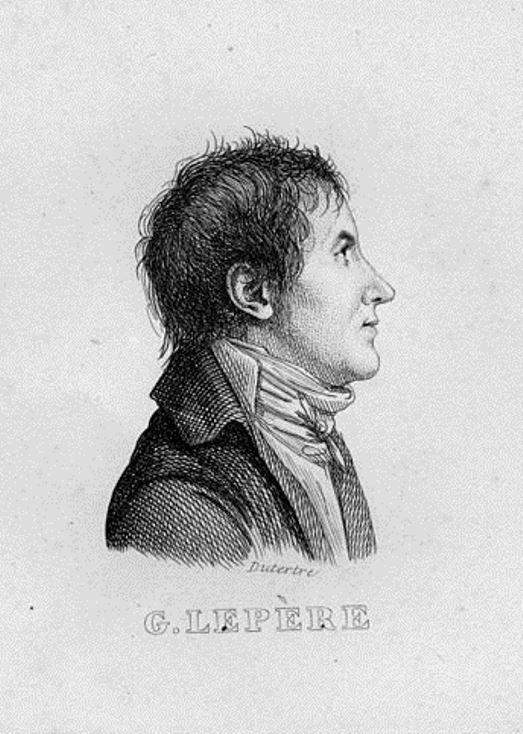
![EXPÉDITION D'ÉGYPTE [LE PÈRE, Jacques-Marie (1763-1841) et Gratien LE PÈRE (1769-1826)]](/assets/image/picture_4260212/a4ba1/sjjzgn9bhgtpyrvctoiua2rrkb9kfnhzrsxisikusj5ylgnuffmmrf39-g1nespn1729545597jpg__fix_374_244.jpeg)
![EXPÉDITION D'ÉGYPTE [LE PÈRE, Jacques-Marie (1763-1841) et Gratien LE PÈRE (1769-1826)]](https://veryimportantlot.com/assets/image/picture_4260212/a4ba1/sjjzgn9bhgtpyrvctoiua2rrkb9kfnhzrsxisikusj5ylgnuffmmrf39-g1nespn1729545597jpg__fix_374_244.jpeg)