log in cef




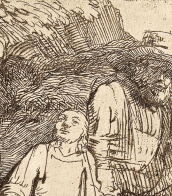


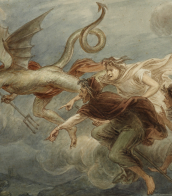

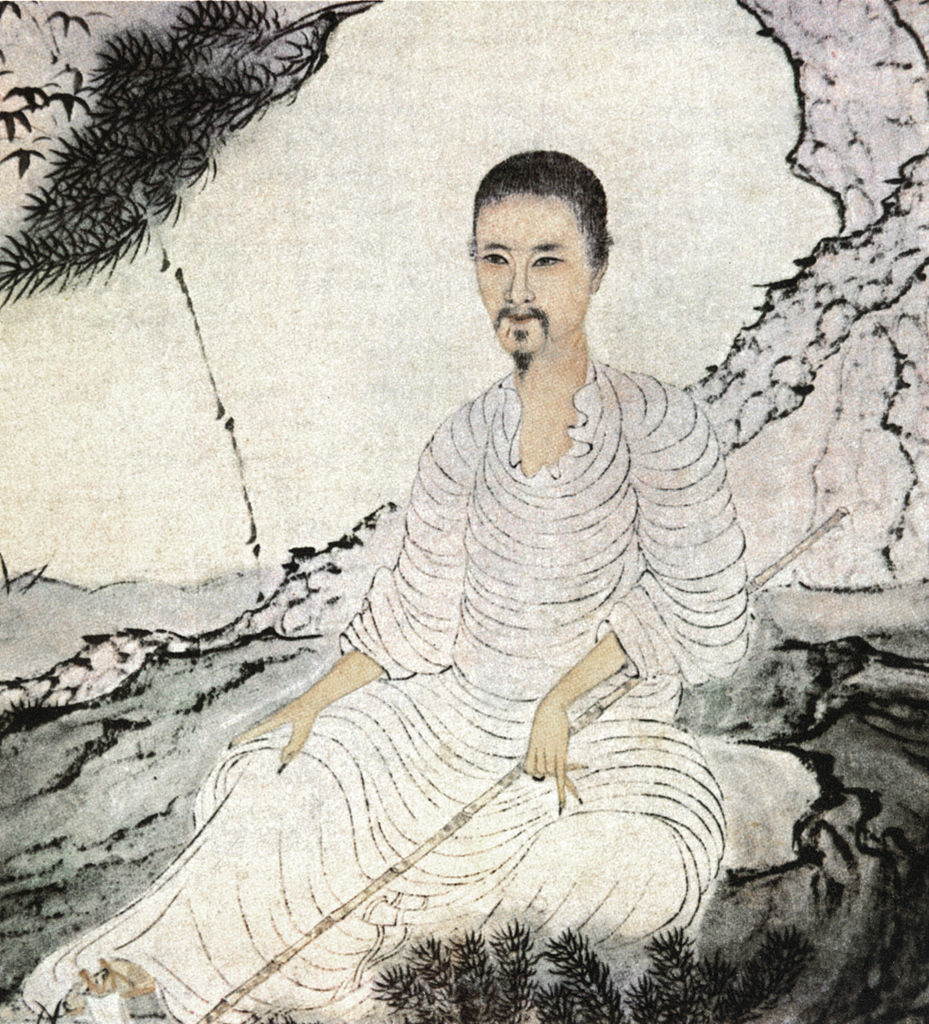
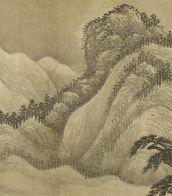
Shitao or Shi Tao (simplified Chinese: 石涛; traditional Chinese: 石濤; pinyin: Shí Tāo) was a Chinese Buddhist monk, calligrapher, and landscape painter during the early Qing dynasty.
Shitao is one of the most famous individualist painters of the early Qing years. The art he created was revolutionary in its transgressions of the rigidly codified techniques and styles that dictated what was considered beautiful. Imitation was valued over innovation, and although Shitao was clearly influenced by his predecessors (namely Ni Zan and Li Yong), his art breaks with theirs in several new and fascinating ways.
His formal innovations in depiction include drawing attention to the act of painting itself through his use of washes and bold, impressionistic brushstrokes, as well as an interest in subjective perspective and the use of negative or white space to suggest distance. Shi Tao's stylistic innovations are difficult to place in the context of the period.


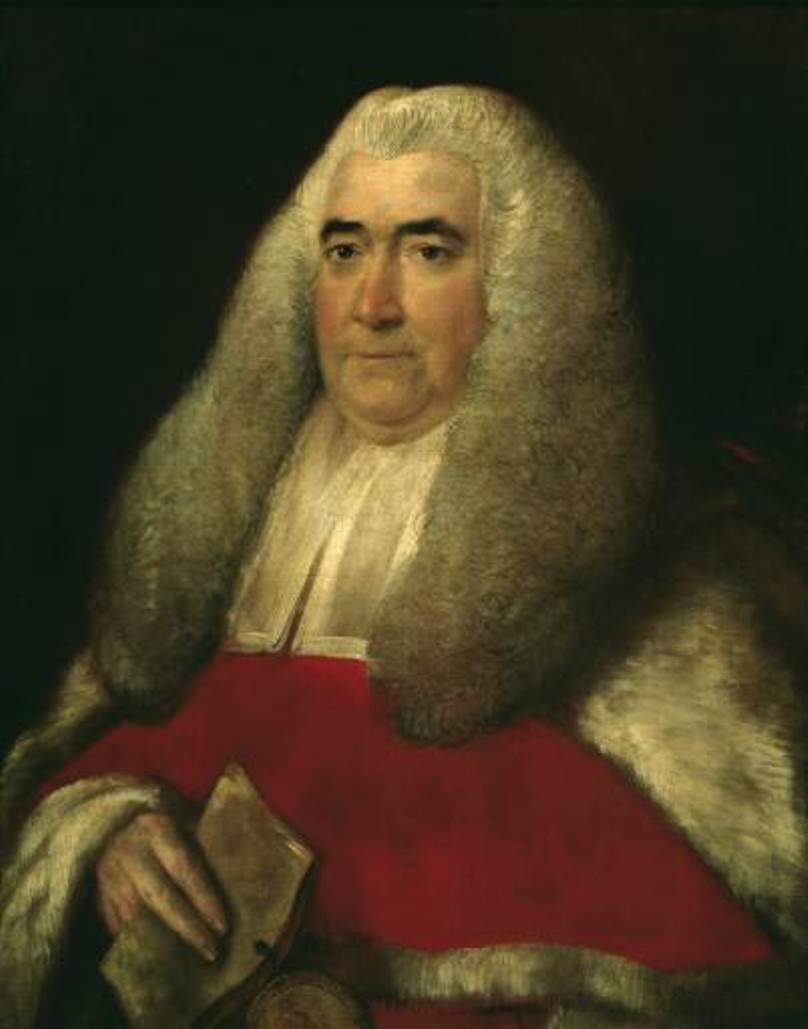


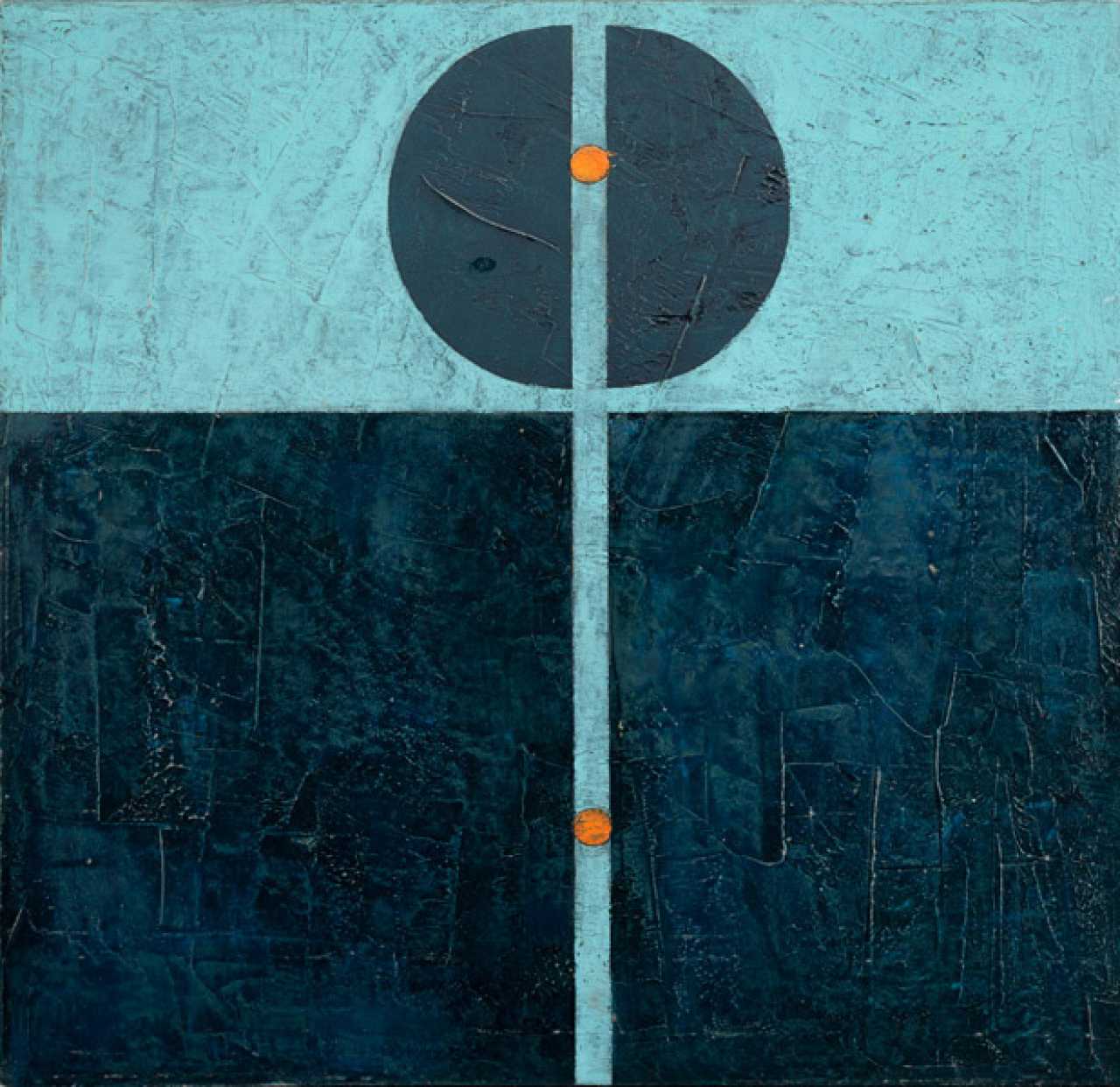
Robert Salomon Gessner is a Swiss abstractionist artist and graphic designer.





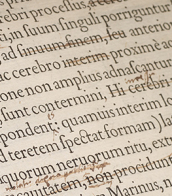
![[Boccaccio, Giovanni. Il Filocolo, deutsch:]](/assets/image/picture_4051308/9ef81/xhhsrcldqvf9mbkoxjbw4vp-pz6opxu2kkg2zw0vqjsa7utjpjewt5egkgws1zw1718713600jpg__fix_374_244.jpeg)
![[Boccaccio, Giovanni. Il Filocolo, deutsch:]](https://veryimportantlot.com/assets/image/picture_4051308/9ef81/xhhsrcldqvf9mbkoxjbw4vp-pz6opxu2kkg2zw0vqjsa7utjpjewt5egkgws1zw1718713600jpg__fix_374_244.jpeg)



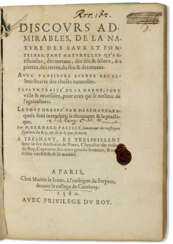

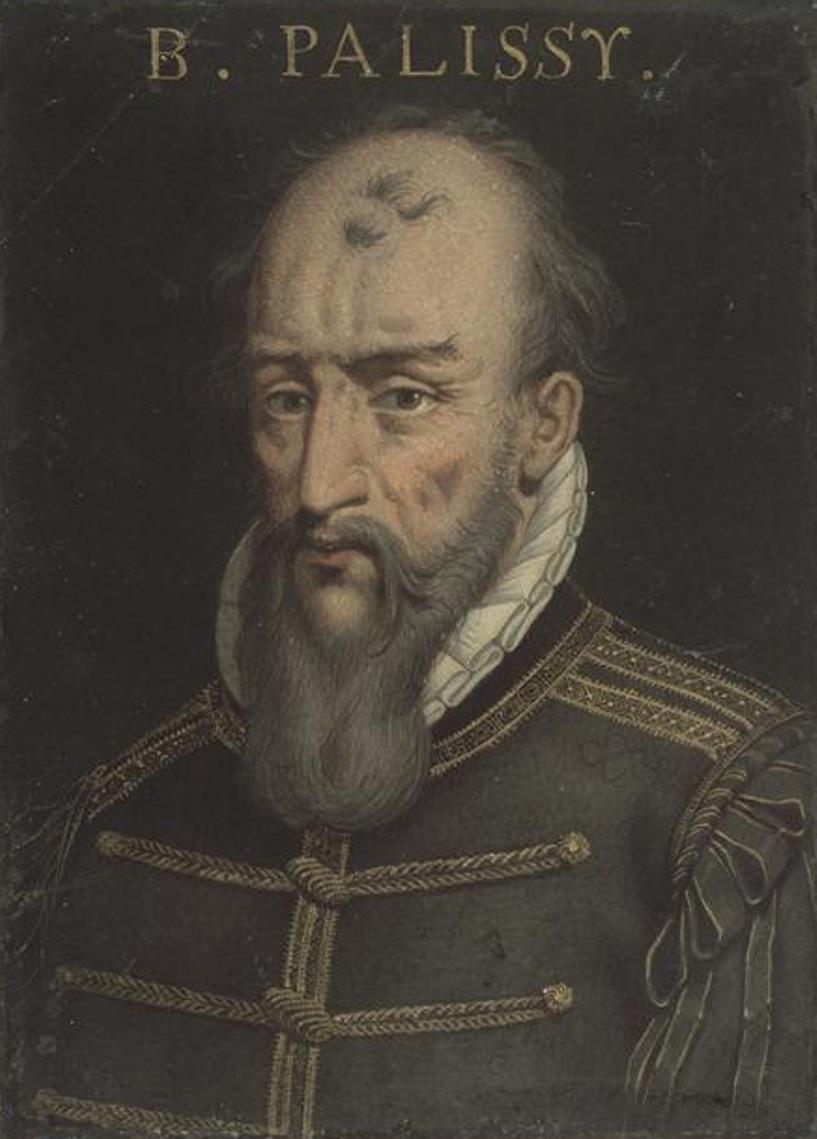
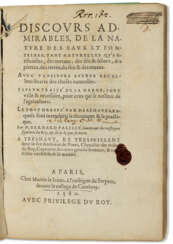
Bernard Palissy was a French natural scientist, painter, ceramicist and sculptor, geologist and writer of the French Renaissance.
Born into a family of artisans, Palissy apprenticed with his father as a glass artist and traveled throughout southwestern France comprehending pottery and studying geology. Today he is best known for his amazing lead-glazed pottery with images of various animals and people. After seeing a white glazed cup, probably of Chinese porcelain, in the 1540s, he set out to learn the secrets of its manufacture. His early research is described in De l'art de la terre. Although Palissy never succeeded in reproducing what he saw, his experiments gave him a thorough knowledge of the chemical compositions of minerals.
From 1575 in Paris, Palissy gave public lectures on natural history, which were published as Discours admirables (1580). In this treatise, Bernard Palissy touches on an incredibly wide range of subjects, from the techniques of ceramics, metallurgy and chemistry to hydrology, geology and fossils. He correctly identified fossils as the remains of ancient life. This work reveals him as a writer and scientist, a creator of modern agronomy and a pioneer of the experimental method, with scientific views generally more advanced than those of his contemporaries.



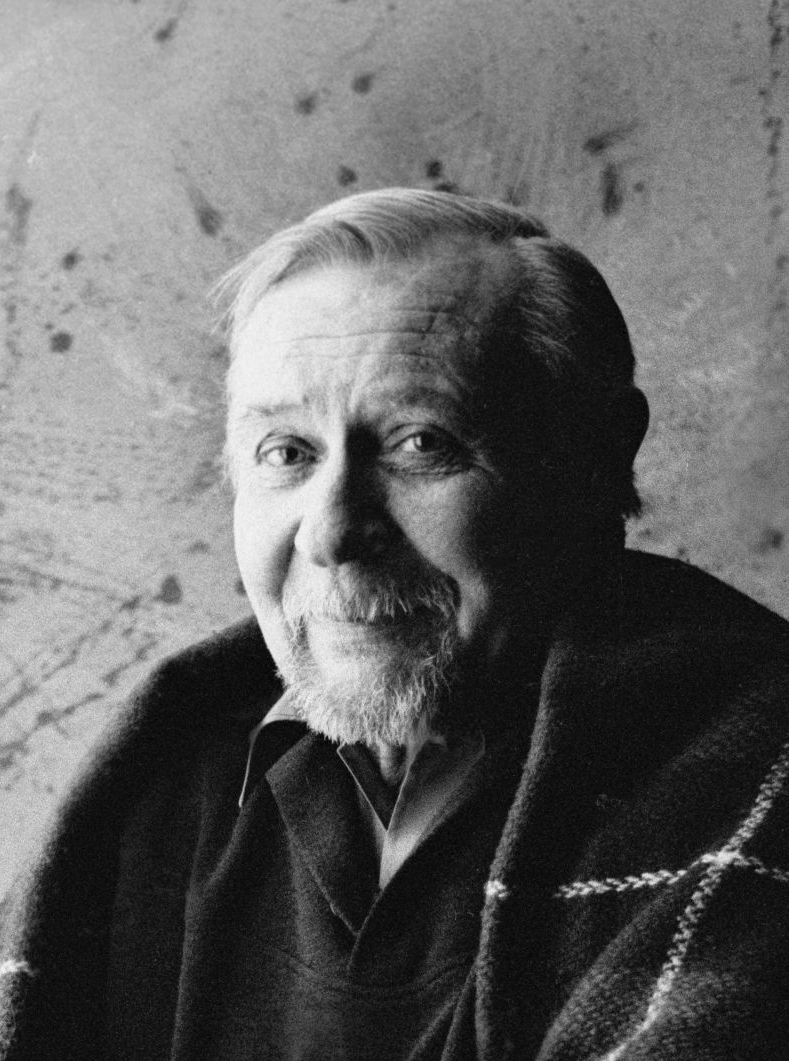
André-Aimé-René Masson was a French artist, celebrated for his profound influence on the world of modern art, particularly in painting and sculpture. Born in 1896, Masson's work is emblematic of the Surrealist movement, although his style evolved across different phases throughout his career. His ability to fuse dream-like imagery with abstract forms set him apart from his contemporaries, making him a pivotal figure in the development of Surrealism and beyond.
Masson's art is characterized by its dynamic forms and the integration of automatic drawing, where the unconscious mind is allowed to express itself without rational oversight. This technique not only foregrounded Surrealism's fascination with the subconscious but also highlighted Masson's unique ability to capture the complexity of human emotion and thought on canvas. His works, such as "The Metamorphosis of the Lovers" and "Battle of Fishes," are not just visual experiences but portals to the intricate layers of the psyche, showcasing his mastery over both form and content.
Notably, André-Aimé-René Masson's contributions extend beyond individual creativity; his works are housed in prestigious museums and galleries worldwide, including the Museum of Modern Art in New York and the Centre Georges Pompidou in Paris. These institutions recognize Masson's art not merely as aesthetic achievements but as cultural landmarks that continue to inspire and provoke. His legacy persists, offering rich insights into the intersections of art, psychology, and philosophy.
For collectors and experts in art and antiques, André-Aimé-René Masson's oeuvre represents a fascinating exploration of the Surrealist movement and its enduring impact on modern and contemporary art. His innovative approach to painting and sculpture invites ongoing discussion and appreciation among enthusiasts and scholars alike. We invite you to sign up for updates on new product sales and auction events related to André-Aimé-René Masson, ensuring you stay informed about opportunities to engage with the remarkable legacy of this pivotal artist. This subscription is your gateway to the forefront of art collection, focusing exclusively on Masson's influential body of work.
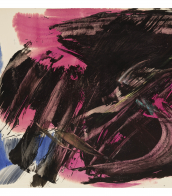
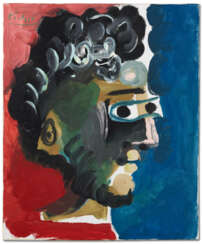

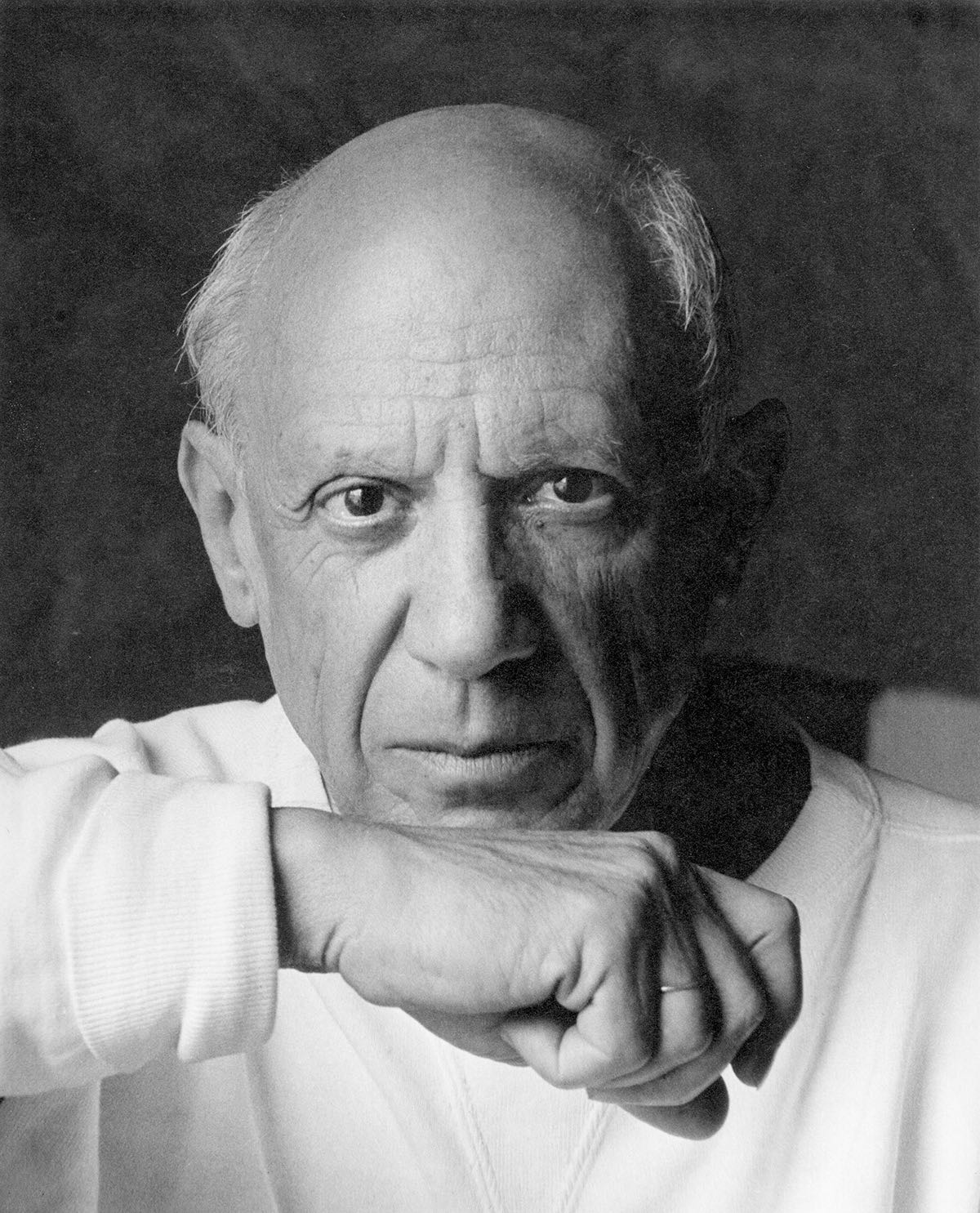
Pablo Ruiz Picasso, a Spanish artist renowned for his revolutionary contributions to the 20th-century art scene, is a figure that resonates profoundly with collectors and art experts. His unique blend of talents in painting, sculpture, printmaking, and ceramic art, infused with his time in France, positioned him as a pivotal character in modern art history.
Picasso's artistic journey was marked by distinct periods, each showcasing his evolving style and genius. His early years were characterized by the Blue Period (1901-1904), followed by the Rose Period (1904-1906), and then the African-influenced Period (1907-1909). Picasso's name is synonymous with Cubism, a movement he co-founded, which significantly altered artistic perspectives and methods. Works like "Les Demoiselles d'Avignon" (1907) and "Guernica" (1937) are emblematic of his cubist legacy, the latter being a poignant anti-war statement that remains influential.
His later years saw a return to more traditional styles, with neoclassical and surrealist influences becoming evident. Works from these phases reflect a deep engagement with mythological themes, as seen in "Faun with Stars" (1955), symbolizing his late-life romance with Jacqueline Roque, his second wife.
Picasso's prolific output and innovative spirit made him a legend in his own time, a status that only grew after his death. His works, housed in major museums and private collections worldwide, continue to captivate and inspire.
As a collector or expert in art and antiques, staying informed about Picasso's works, their auction events, and sales is essential. To stay updated on the latest developments and opportunities related to Pablo Picasso, sign up for our specialized updates. Rest assured, this subscription will focus solely on new product sales and auction events pertaining to Picasso's art, ensuring that you receive only the most relevant and valuable information.


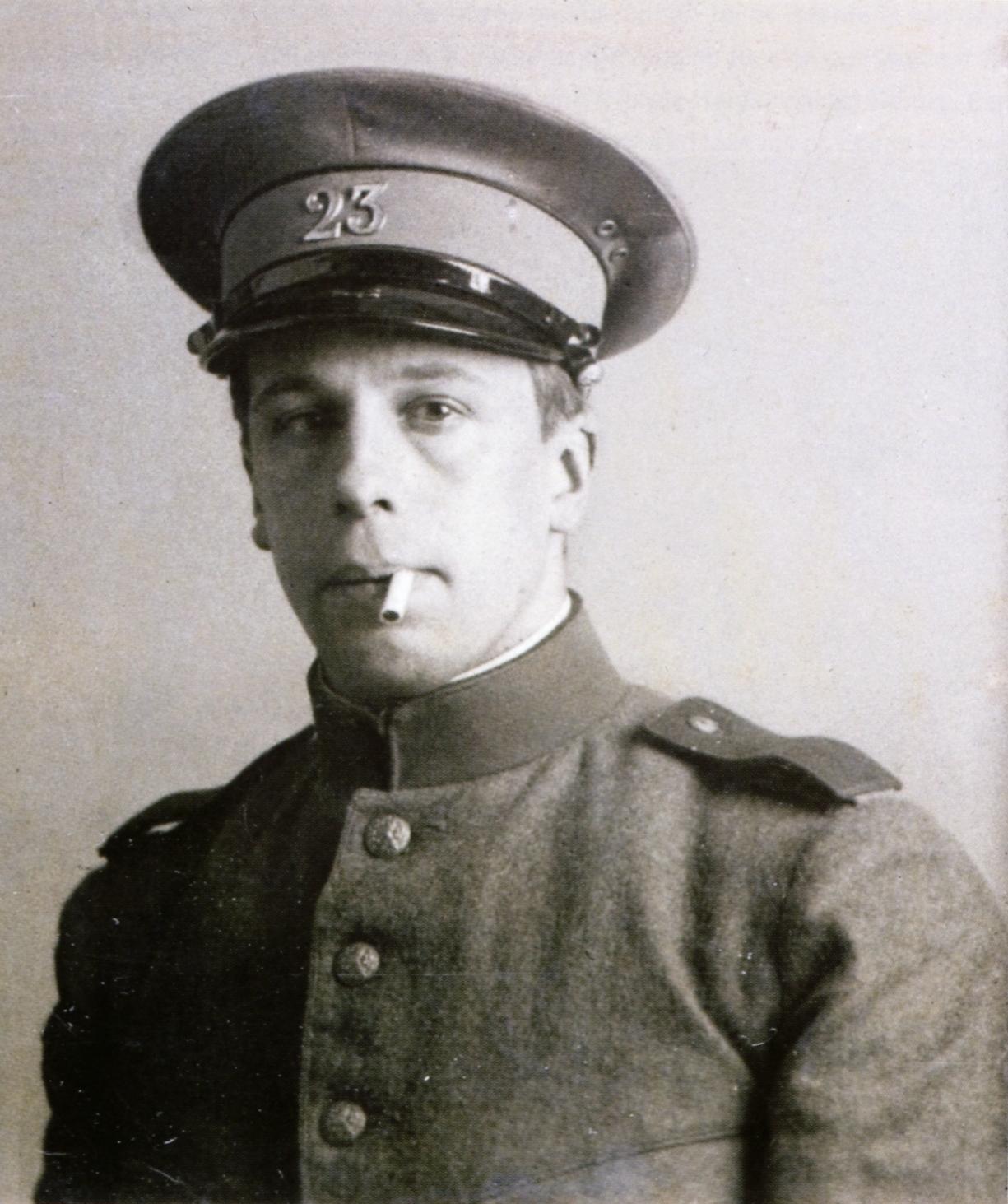
Theo van Doesburg, real name Christian Emil Marie Küpper, is a Dutch painter, architect and sculptor, art theorist, co-founder of the Style Group and of Neoplasticism.
Theo van Doesburg co-founded with Piet Mondrian the De Stijl abstract art movement. The basis of van Doesburg's views was the attempt to reduce all forms of objective harmony in a work of art to certain geometric elements. These new principles soon had a significant influence on the development of architecture, literature, graphics and music.

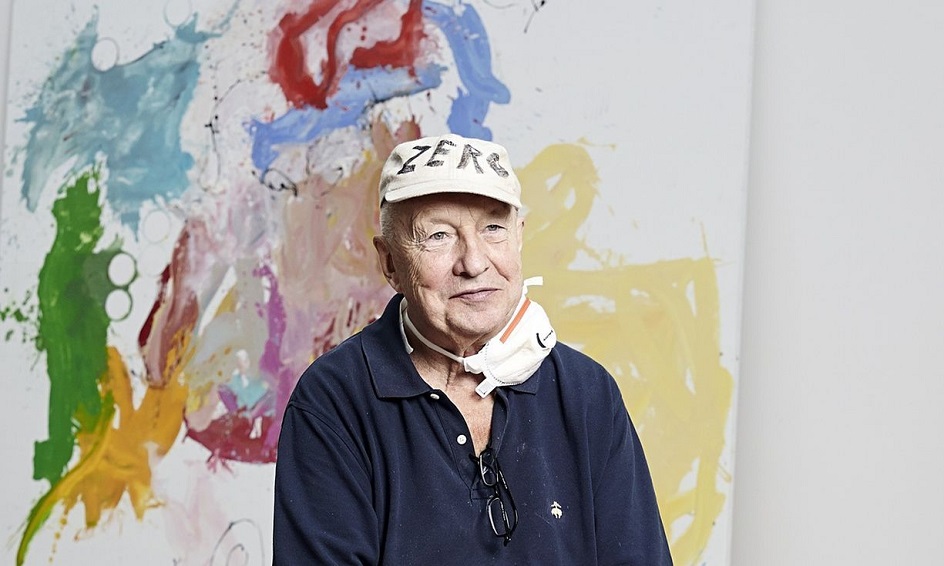
Georg Baselitz is a German painter, sculptor and graphic artist. In the 1960s he became well known for his figurative, expressive paintings. In 1969 he began painting his subjects upside down in an effort to overcome the representational, content-driven character of his earlier work and stress the artifice of painting. Drawing from myriad influences, including art of Soviet era illustration art, the Mannerist period and African sculptures, he developed his own, distinct artistic language.
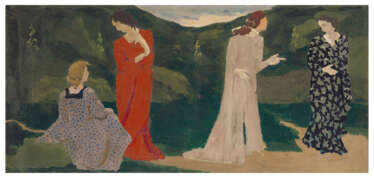

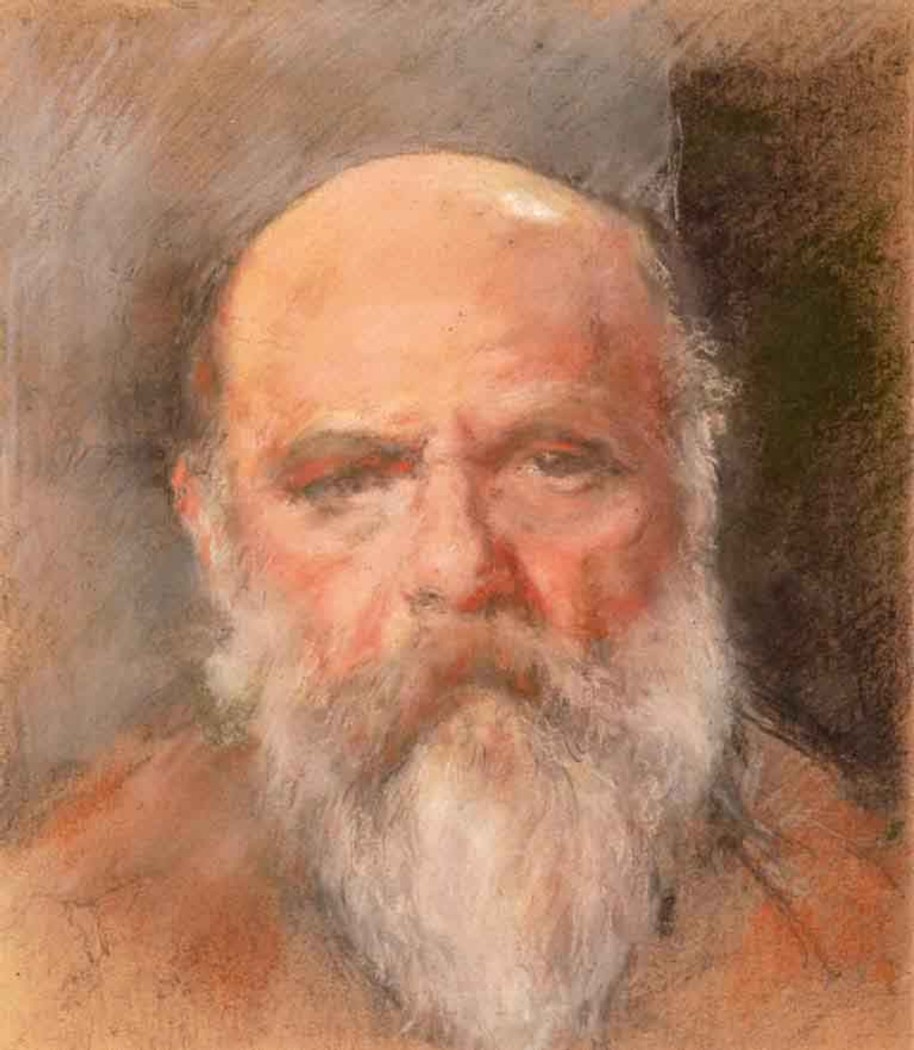
Ker-Xavier Roussel was a French painter, renowned for his distinctive post-impressionist style and his affiliation with the Nabis, an avant-garde artist group. Born in 1867, Roussel's artistic journey began in his teens and continued robustly into the 20th century, leaving a legacy celebrated for its mythological and bucolic themes.
Roussel's art is characterized by its vivid portrayal of mythological scenes and landscapes, often infused with a sense of eroticism and joy. His work frequently depicts Greek myths set against the backdrop of the Mediterranean, featuring figures like women, nymphs, centaurs, and fauns. These large, brightly colored paintings, such as "Rural Festival, Summer" and "The Seasons of Life," marked a departure from the smaller formats typical of the Nabis, showcasing his evolution towards a more expansive and expressive style.
A master of pastels, Roussel's work from the 1890s, such as "La Barrière," displayed at the Musée d'Orsay, reflects the Nabi style with its Japanese print influences, absence of perspective, and contrasting values. His later works, created between 1930 and 1944, often depicted violent mythological deaths, revealing a darker aspect of his artistic expression.
Roussel's contributions extended beyond canvas, as he created large paintings for public spaces and private clients, including a significant panel for the Palais des Nations in Geneva and the front curtain of the Théâtre des Champs-Élysées. His recognition peaked in the 1930s, with a multi-panel scheme for the Palais de Chaillot and winning the Carnegie Prize for art in 1926.
Despite a period of obscurity, Roussel's work regained attention through exhibitions like "Ker-Xavier Roussel, Private Garden, Dreamed Garden" at the Musée des Impressionnismes in Giverny, showcasing his significant contributions to art history.
For art collectors and experts, understanding Roussel's work offers insights into the evolution of post-impressionism and the Nabis' influence on modern art. His unique blend of mythological themes and vibrant landscapes represents an important chapter in art history. For those interested in exploring Roussel's work further or keeping updated on related art sales and auctions, signing up for updates is a valuable opportunity to deepen your engagement with this influential artist's legacy.
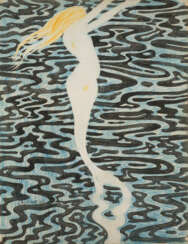

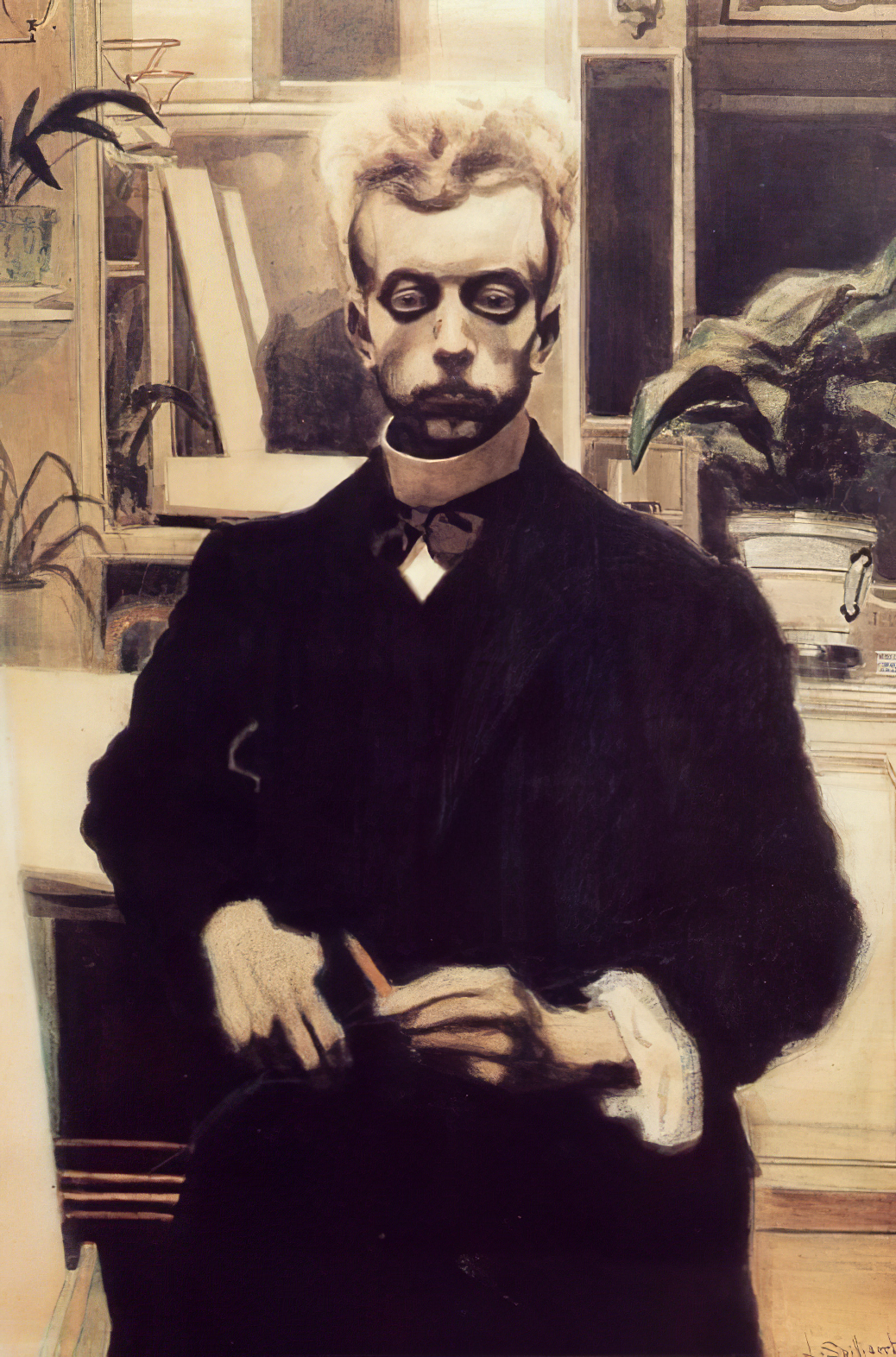
Léon Spilliaert was a Belgian artist. He is known for his unique style of symbolism, with many of his works featuring dream-like landscapes, eerie still lifes, and enigmatic figures.
Spilliaert grew up in a wealthy family, and he initially studied architecture before turning to art. He was largely self-taught, and his work was heavily influenced by the Belgian symbolist movement, as well as the works of artists such as James Ensor and Edvard Munch.
Spilliaert was particularly interested in exploring the mysteries of the human psyche, and many of his works reflect a sense of unease or uncertainty. He often used strong contrasts of light and shadow to create a sense of drama and tension in his works, and his use of color was often muted and subdued.
Despite his success as an artist, Spilliaert was a deeply private individual, and he rarely exhibited his work during his lifetime. He continued to work throughout his life, however, producing a large body of haunting and enigmatic works that continue to captivate audiences today.
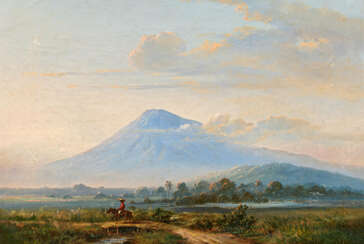

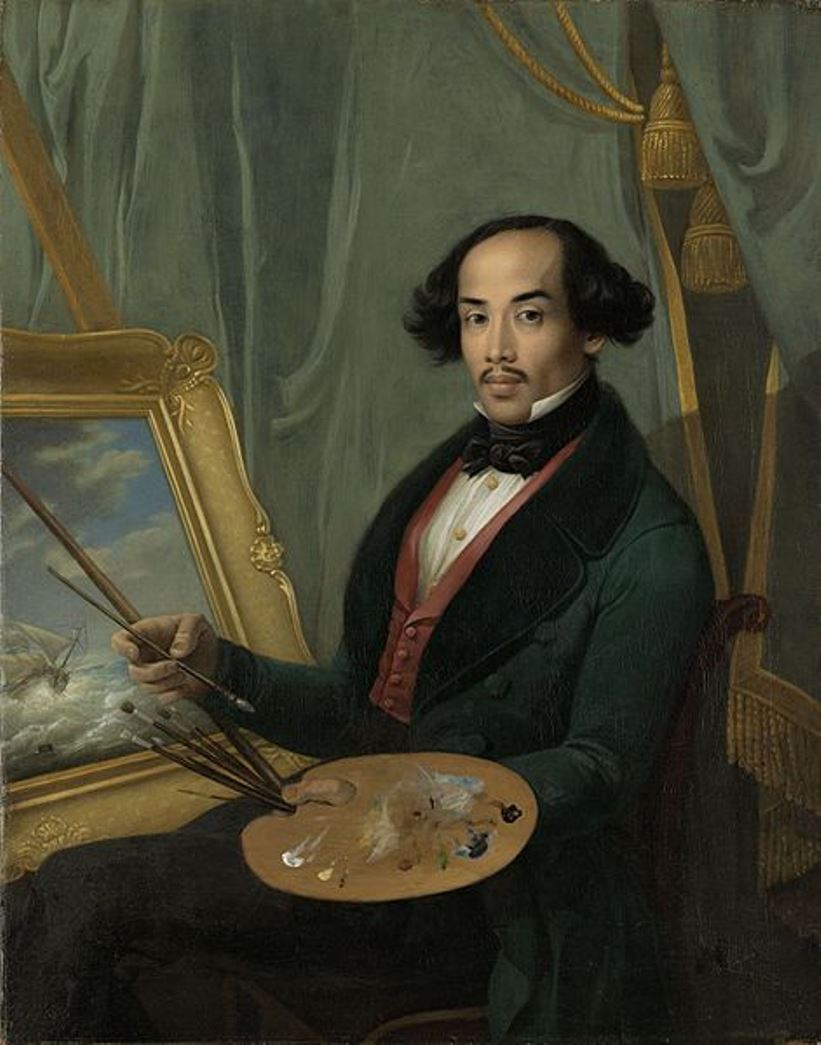
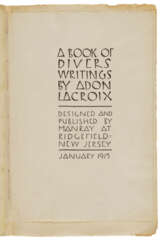

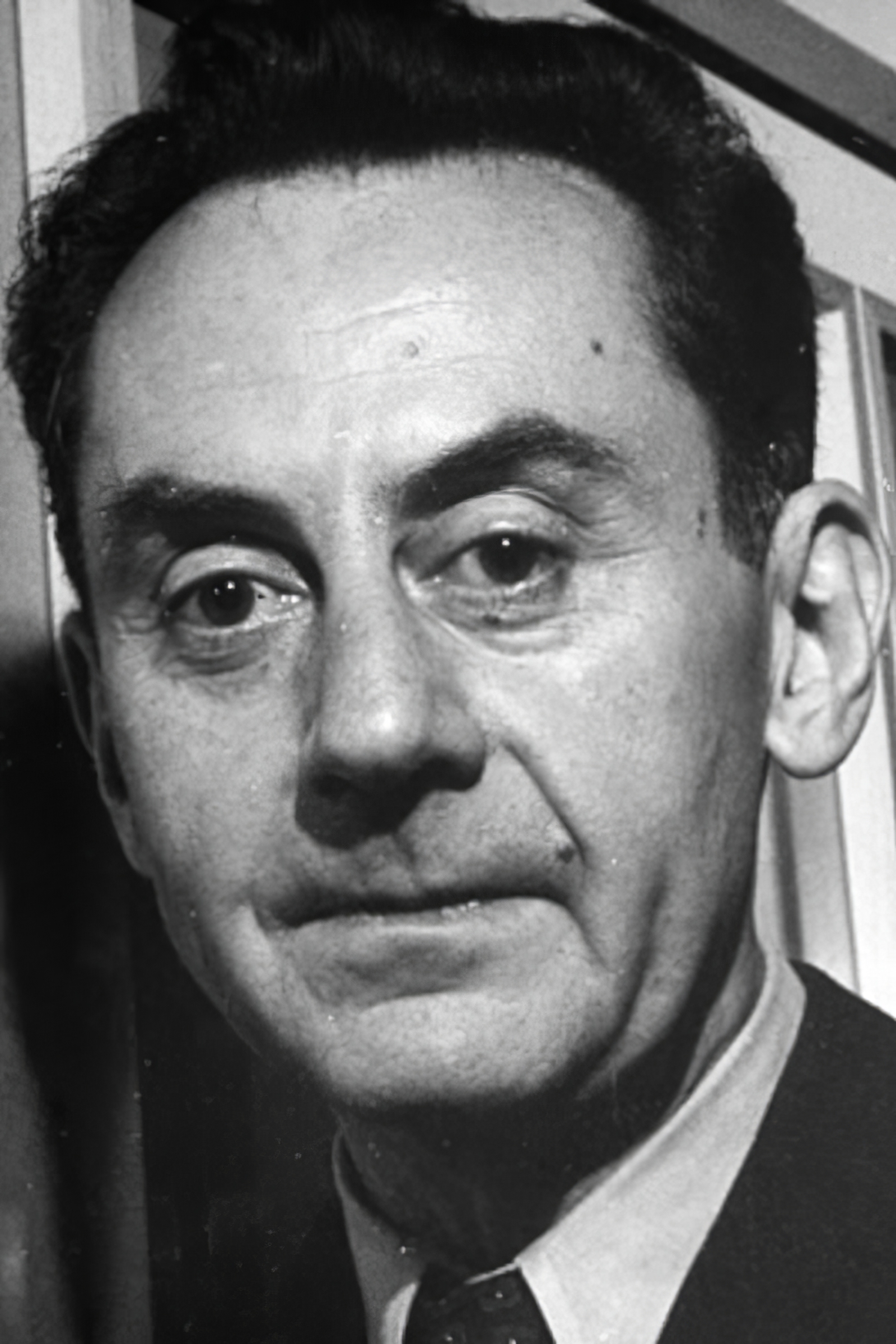
Man Ray, born Emmanuel Radnitzky, was an American visual artist who played a significant role in the Dada and Surrealist movements. His pioneering efforts in photography, alongside his work in painting and sculpture, have cemented his place as a major figure in modern art. Known for his innovative techniques and the ability to convey complex ideas through simple, striking visuals, Man Ray's contribution to the art world is profound.
Throughout his career, Man Ray was celebrated for his avant-garde approach and his ability to transcend traditional boundaries between different artistic mediums. His photography, characterized by experimental techniques such as solarization and rayographs (cameraless photographs), challenged conventional perceptions of photography as merely a means of representation. These artistic innovations made him a central figure in both Parisian and American art circles.
Man Ray's works are housed in some of the world's most prestigious museums and galleries, including the Museum of Modern Art in New York and the Centre Pompidou in Paris. His pieces, such as "Le Violon d'Ingres" and "Noire et Blanche," are iconic images that continue to influence artists today. His ability to blend the abstract with the realistic, and the humorous with the serious, has left a lasting legacy in the world of art.
For collectors and experts in art and antiques, the work of Man Ray offers a glimpse into the revolutionary changes that shaped the visual arts in the 20th century. His unique perspective and pioneering techniques continue to inspire and challenge those interested in the boundaries of creativity and expression.
If you're passionate about the avant-garde, or simply wish to explore the fascinating world of Man Ray further, sign up for our updates. You'll receive alerts on new product sales and auction events related to Man Ray, ensuring you never miss an opportunity to engage with the legacy of this extraordinary artist.


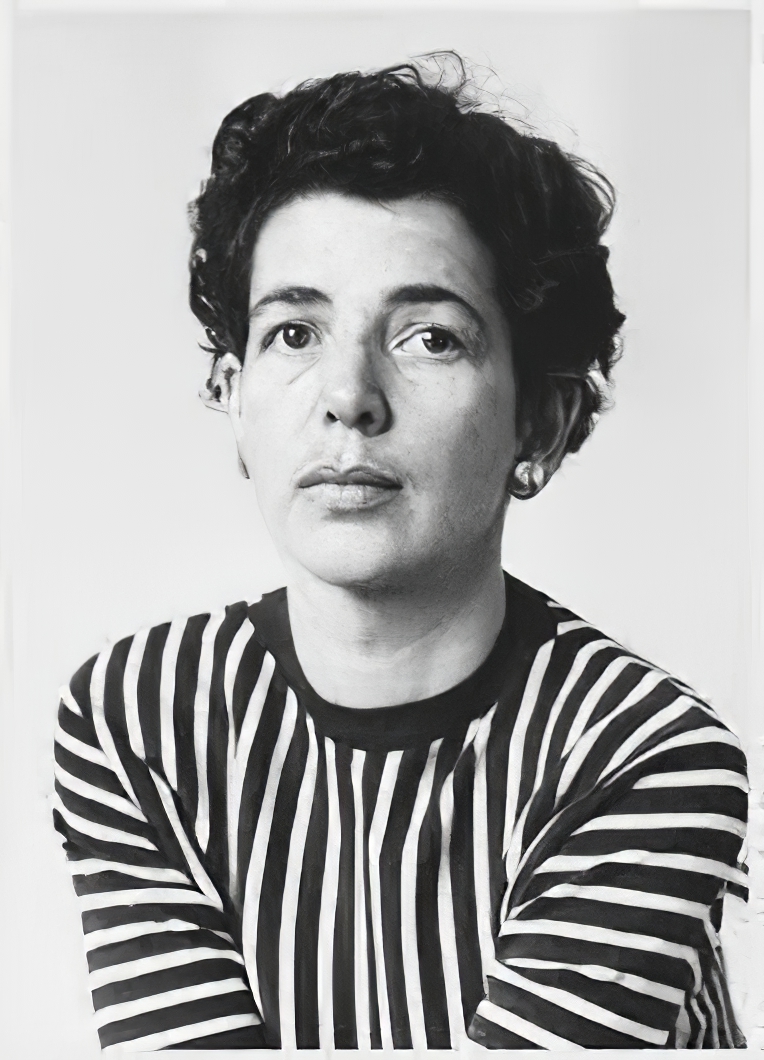
Brigitte Matschinsky-Denninghoff was a German artist who worked with her husband Martin. She is known for her monumental abstract sculptures.


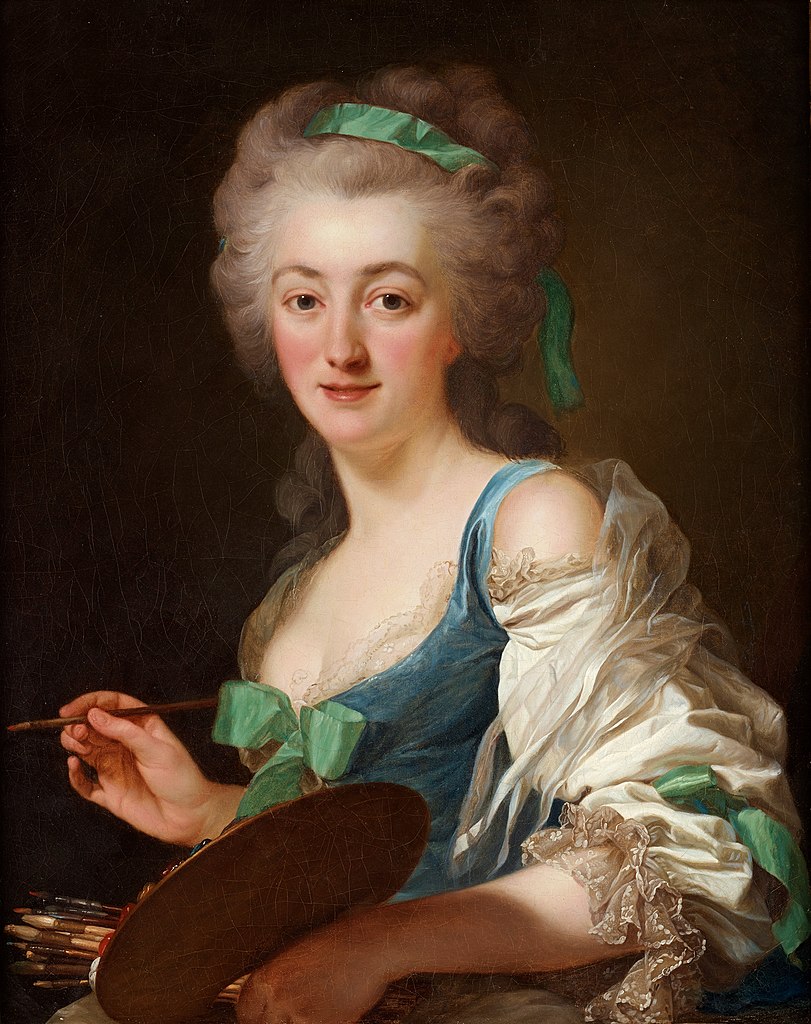
Anne Vallayer-Coster was a renowned French artist, celebrated for her exceptional still-life paintings that captivated 18th-century art enthusiasts, including the French Queen Marie Antoinette. Born into an artistic family in 1744, Vallayer-Coster's talent was evident early on, leading to her unanimous election into the prestigious Académie Royale at just 26 years old. Her works, characterized by their vibrant color, meticulous detail, and textural precision, often depicted bowls of fruit, game, shells, and flowers, showcasing the opulence of French aristocracy before the Revolution.
Vallayer-Coster's career was notable not only for her artistic achievements but also for her ability to navigate the male-dominated art world of her time. Despite the societal constraints on women artists, she gained the patronage of influential figures like Marie Antoinette and was one of the few women admitted to the Royal Academy of Painting and Sculpture. Her work received critical acclaim at the Salon, where she exhibited regularly from 1771 until 1817, and her still-lifes were praised for their sensuality, illusionistic perfection, and the rich, indulgent luxury they portrayed.
One of Vallayer-Coster's most ambitious works, Still Life with Flowers in an Alabaster Vase and Fruit (1783), exemplifies her unparalleled skill in capturing the soft textures of flowers and their harmonious arrangement. This masterpiece was hailed as such at the Salon of 1783 and is considered by Vallayer-Coster herself as her finest painting. Lost for nearly two centuries, it was recently rediscovered in an almost pristine state and is now part of the National Gallery of Art's collection, highlighting Vallayer-Coster's significant contributions to European art history.
Throughout her career, Vallayer-Coster produced more than 120 still lifes, always with a distinctive brilliance in color, earning her a place among the elite artists of her time. Despite facing challenges during the French Revolution due to her close association with the monarchy, she continued to exhibit her work and contribute to the art world until her death in 1818.
For collectors and experts in art and antiques, Anne Vallayer-Coster's legacy is a testament to her skill, resilience, and the impact of her work on the history of art. To stay updated on new product sales and auction events related to Anne Vallayer-Coster, sign up for updates that focus solely on this exceptional artist's contributions to the art world.
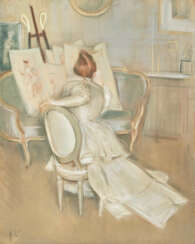


Paul César Helleu was a French oil painter, pastel artist, drypoint etcher, and designer, best known for his numerous portraits of beautiful society women of the Belle Époque. He also conceived the ceiling mural of night sky constellations for Grand Central Terminal in New York City. He was also the father of Jean Helleu and the grandfather of Jacques Helleu, both artistic directors for Parfums Chanel.