loupe d&








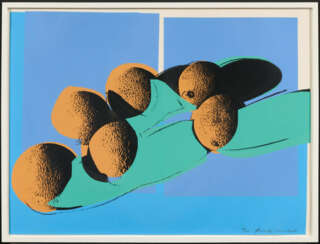

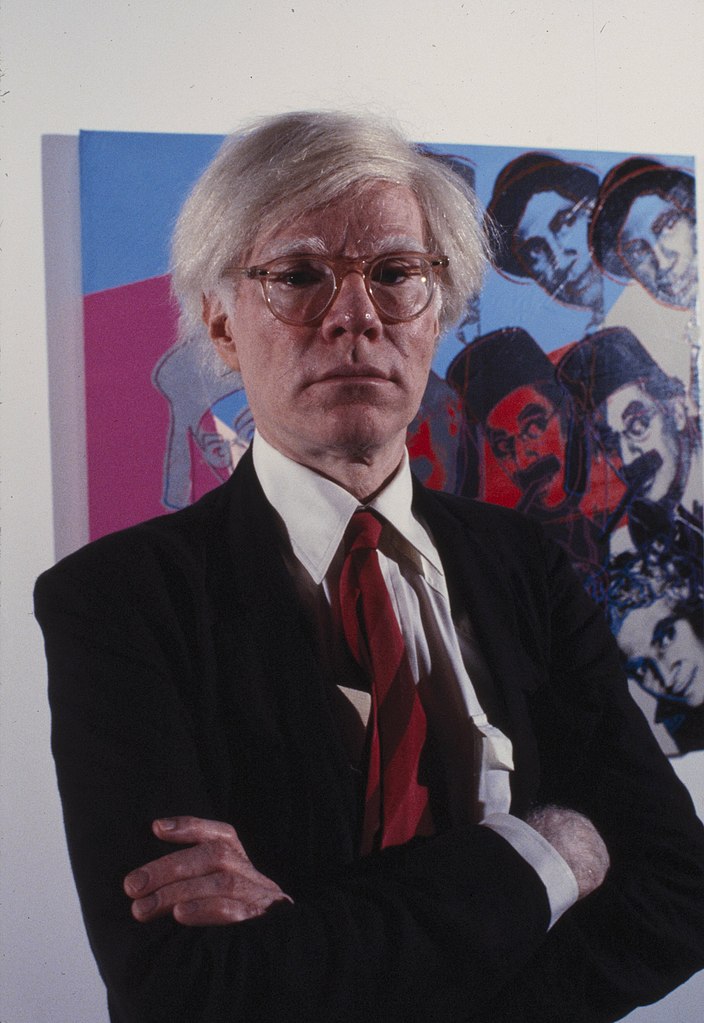
Andy Warhol, born as Andrew Warhola Jr., was an American visual artist, film director, and producer, who played a pivotal role in the development of the Pop Art movement. His art delved into the interplay between artistic expression, advertising, and celebrity culture, especially prevalent in the 1960s. Warhol was renowned for his diverse range of media, which included painting, silkscreening, photography, film, and sculpture.
Warhol's journey began in Pittsburgh, where he was born and raised, initially making a name for himself as a commercial illustrator. His New York studio, "The Factory," became a famous hub for intellectuals, celebrities, and various artistic minds. He was known for creating the notion of "Warhol superstars" and popularized the phrase "15 minutes of fame."
His contribution to the art world is significant, with notable works like "Campbell's Soup Cans" (1962) and "Marilyn Diptych" (1962), as well as his experimental films like "Empire" (1964) and "Chelsea Girls" (1966). These works not only define his career but also underscore the essence of the Pop Art movement.
Warhol's influence extended beyond his artwork. He managed and produced the experimental rock band The Velvet Underground, founded Interview magazine, and wrote several books, including "The Philosophy of Andy Warhol" and "Popism: The Warhol Sixties." Living openly as a gay man before the gay liberation movement, Warhol's personal life was as influential as his professional endeavors.
Tragically, Warhol's life was nearly cut short in 1968 when he was shot by radical feminist Valerie Solanas. He eventually passed away in 1987 due to cardiac arrhythmia following gallbladder surgery. His legacy continues, with The Andy Warhol Museum in Pittsburgh standing as the largest U.S. museum dedicated to a single artist.
Warhol's art remains highly collectible and valuable. His works, like the "Silver Car Crash (Double Disaster)" and "Shot Sage Blue Marilyn," have fetched staggering amounts at auctions, signifying his enduring impact on the art market.
For art collectors and experts, Andy Warhol's work represents a crucial intersection of pop culture and fine art, offering a unique perspective on consumerism and celebrity. His pieces are not just art; they are historical landmarks that capture a transformative era in both art and society.
To stay updated on new products, sales, and auction events related to Andy Warhol, sign up for our updates. This subscription will keep you informed about all things Warhol without overwhelming you with unnecessary information.


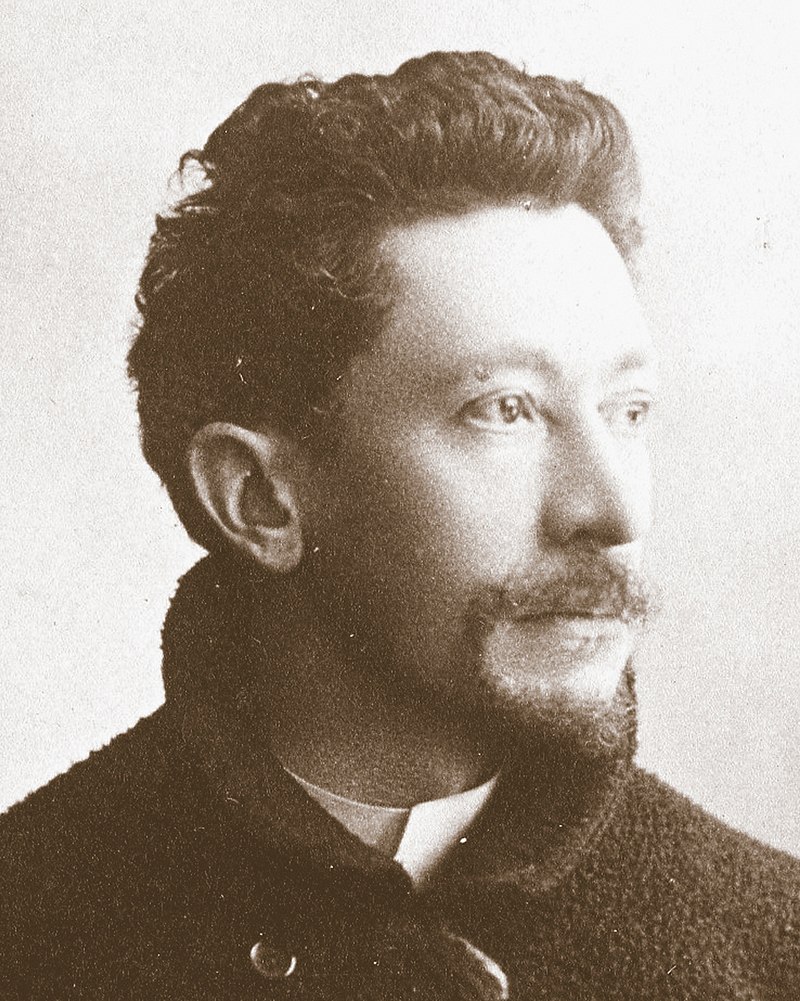
Emile Gallé was a French artist and designer who worked in glass, and is considered to be one of the major innovators in the French Art Nouveau movement. He was noted for his designs of Art Nouveau glass art and Art Nouveau furniture, and was a founder of the École de Nancy or Nancy School, a movement of design in the city of Nancy, France.


.jpg)
Jean Elysée Puiforcat was a French silversmith, sculptor and designer. Miller's Antiques Encyclopedia calls Puiforcat the «most important French Art Deco silversmith».
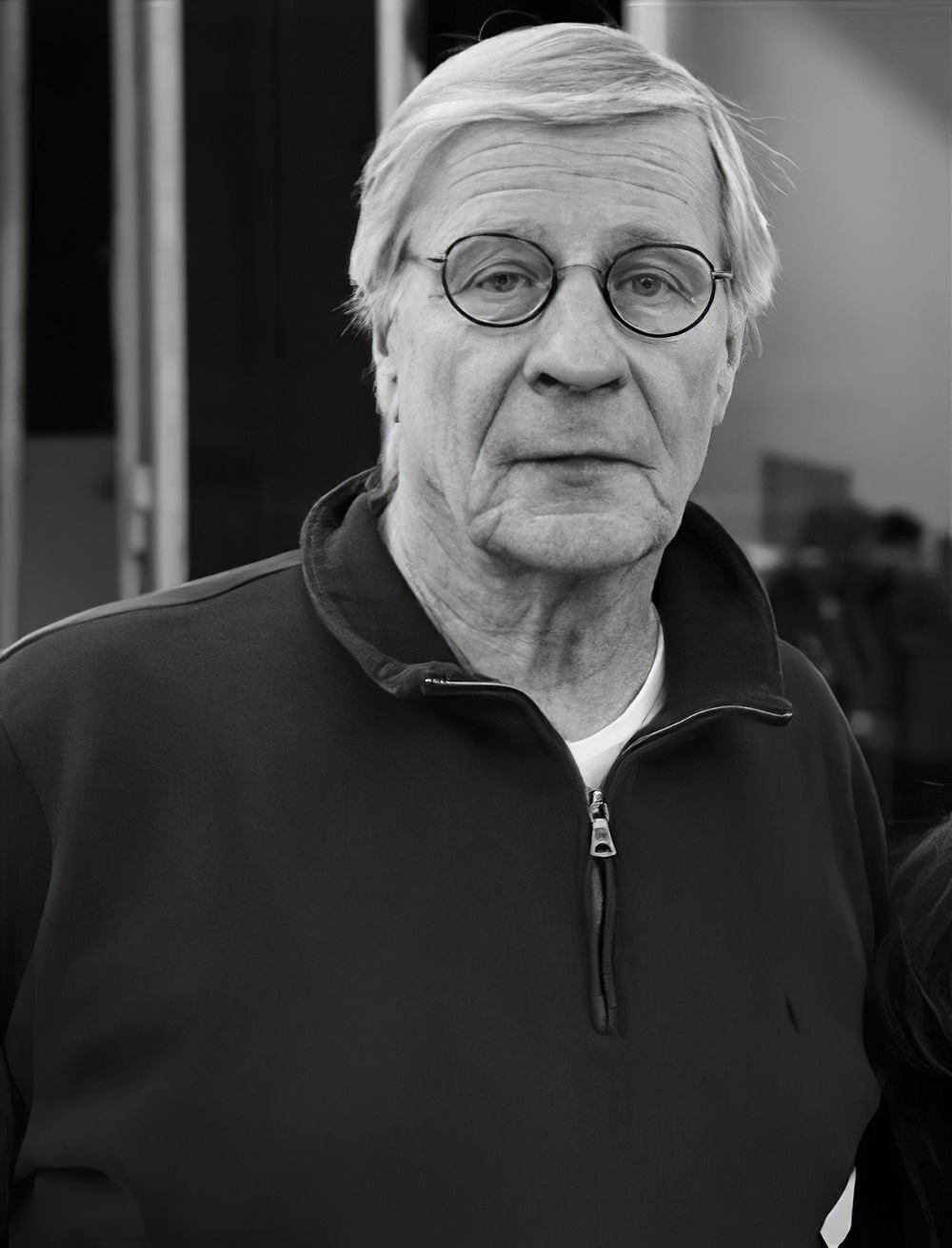
Louis Cane is a contemporary French painter, sculptor and furniture designer. Louis Cane attended the National School of Decorative Arts in Nice then the Superior School of Decorative arts in Paris in 1961. Cane was a part of the Supports/Surfaces Movement in France that lasted from 1969 to 1972 and co-founded and edited the Peinture, Cahiers Theoriques. In 1978, began sculpting again. They consisted of female figures in a traditional style. Cane focused on the concept of deconstruction of the canvas. By 1970, Cane transitioned into a series of cut-out paintings, the toiles découpées, which he worked with for several years. From 1972 to 1972, he produced a series called Sol/Mur as apart of the Supports/Surfaces movement. In 1978, Cane went from abstract painting to figuration. He reflected on the history of pictorial forms. He also started integrating sculpture into his practice. The statues were almost exclusively female occasionally appearing in form of burlesque or baroque expressionism.


Emile Gallé was a French artist and designer who worked in glass, and is considered to be one of the major innovators in the French Art Nouveau movement. He was noted for his designs of Art Nouveau glass art and Art Nouveau furniture, and was a founder of the École de Nancy or Nancy School, a movement of design in the city of Nancy, France.
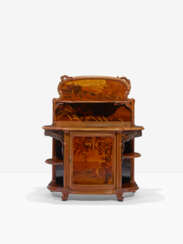

Emile Gallé was a French artist and designer who worked in glass, and is considered to be one of the major innovators in the French Art Nouveau movement. He was noted for his designs of Art Nouveau glass art and Art Nouveau furniture, and was a founder of the École de Nancy or Nancy School, a movement of design in the city of Nancy, France.


Emile Gallé was a French artist and designer who worked in glass, and is considered to be one of the major innovators in the French Art Nouveau movement. He was noted for his designs of Art Nouveau glass art and Art Nouveau furniture, and was a founder of the École de Nancy or Nancy School, a movement of design in the city of Nancy, France.


Emile Gallé was a French artist and designer who worked in glass, and is considered to be one of the major innovators in the French Art Nouveau movement. He was noted for his designs of Art Nouveau glass art and Art Nouveau furniture, and was a founder of the École de Nancy or Nancy School, a movement of design in the city of Nancy, France.
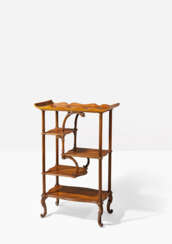

Emile Gallé was a French artist and designer who worked in glass, and is considered to be one of the major innovators in the French Art Nouveau movement. He was noted for his designs of Art Nouveau glass art and Art Nouveau furniture, and was a founder of the École de Nancy or Nancy School, a movement of design in the city of Nancy, France.
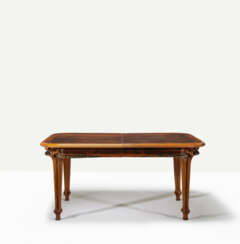

Emile Gallé was a French artist and designer who worked in glass, and is considered to be one of the major innovators in the French Art Nouveau movement. He was noted for his designs of Art Nouveau glass art and Art Nouveau furniture, and was a founder of the École de Nancy or Nancy School, a movement of design in the city of Nancy, France.


Emile Gallé was a French artist and designer who worked in glass, and is considered to be one of the major innovators in the French Art Nouveau movement. He was noted for his designs of Art Nouveau glass art and Art Nouveau furniture, and was a founder of the École de Nancy or Nancy School, a movement of design in the city of Nancy, France.
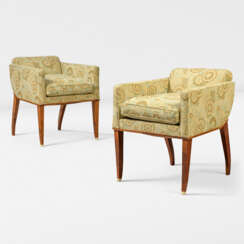

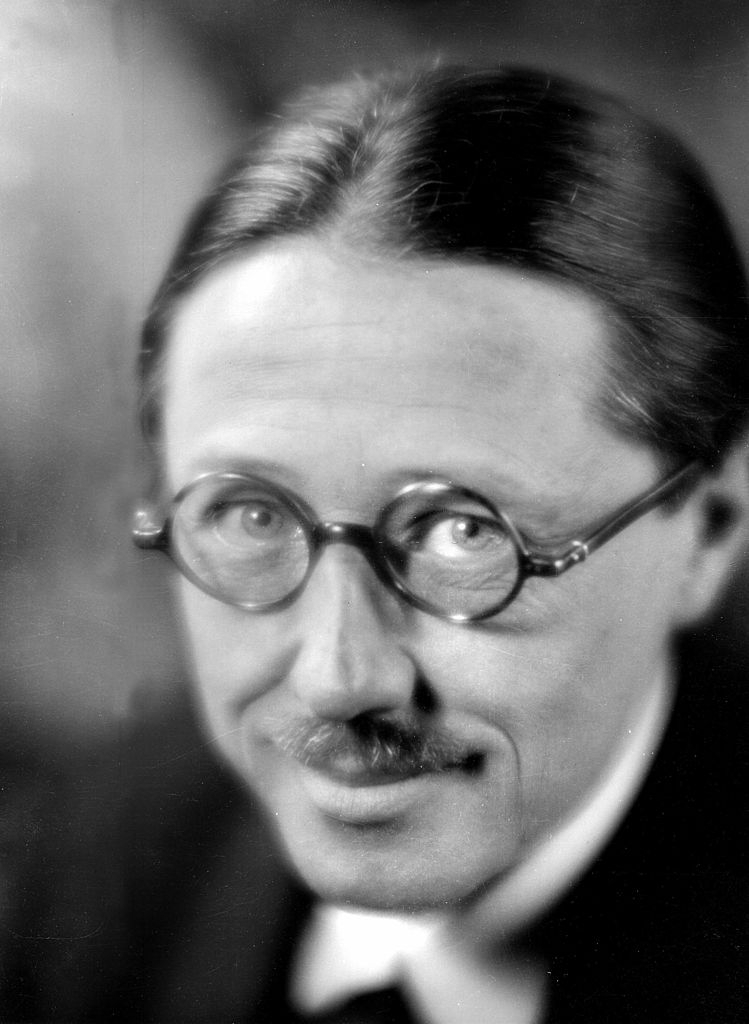
Émile-Jacques Ruhlmann, (sometimes called Jacques-Émile Ruhlmann), was a French furniture designer and interior decorator, who was one of the most important figures in the Art Deco movement. His furniture featured sleek designs, expensive and exotic materials and extremely fine craftsmanship, and became a symbol of the luxury and modernity of Art Deco. It also produced a reaction from other designers and architects, such as Le Corbusier, who called for simpler, functional furniture.
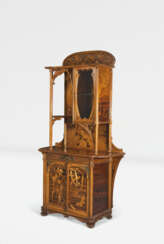

Emile Gallé was a French artist and designer who worked in glass, and is considered to be one of the major innovators in the French Art Nouveau movement. He was noted for his designs of Art Nouveau glass art and Art Nouveau furniture, and was a founder of the École de Nancy or Nancy School, a movement of design in the city of Nancy, France.


Jean Elysée Puiforcat was a French silversmith, sculptor and designer. Miller's Antiques Encyclopedia calls Puiforcat the «most important French Art Deco silversmith».
Louis Cane is a contemporary French painter, sculptor and furniture designer. Louis Cane attended the National School of Decorative Arts in Nice then the Superior School of Decorative arts in Paris in 1961. Cane was a part of the Supports/Surfaces Movement in France that lasted from 1969 to 1972 and co-founded and edited the Peinture, Cahiers Theoriques. In 1978, began sculpting again. They consisted of female figures in a traditional style. Cane focused on the concept of deconstruction of the canvas. By 1970, Cane transitioned into a series of cut-out paintings, the toiles découpées, which he worked with for several years. From 1972 to 1972, he produced a series called Sol/Mur as apart of the Supports/Surfaces movement. In 1978, Cane went from abstract painting to figuration. He reflected on the history of pictorial forms. He also started integrating sculpture into his practice. The statues were almost exclusively female occasionally appearing in form of burlesque or baroque expressionism.


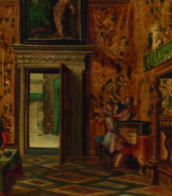
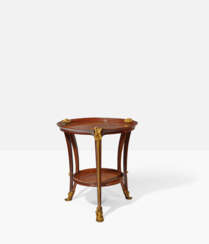

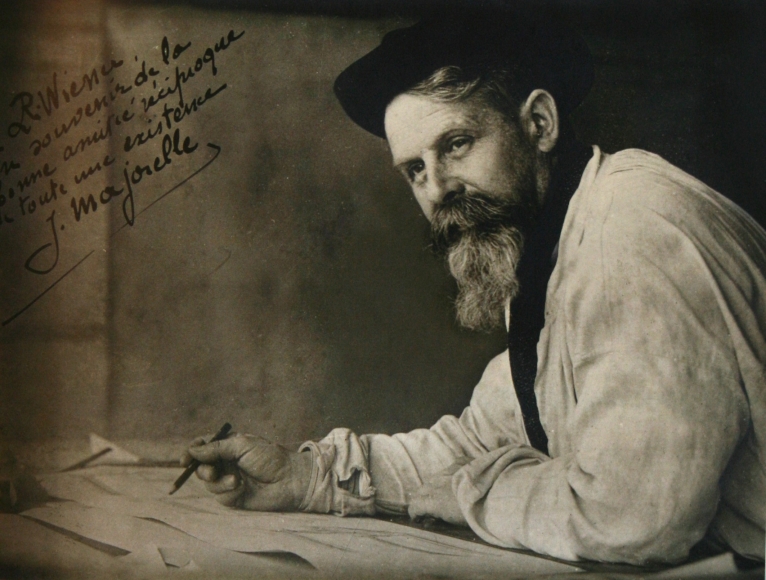
Louis Majorelle was a prominent French artist, cabinetmaker, furniture designer, and a leading figure of the Art Nouveau movement. Trained initially as a painter, Majorelle shifted focus to furniture design, taking over his family's business and emerging as a dynamic force within the École de Nancy.
Louis Majorelle was instrumental in the Art Nouveau style's development, known for his innovative and nature-inspired designs. He was one of the founding members of the École de Nancy, a collective that aimed to promote Lorraine's decorative arts. Louis Majorelle's work, particularly in furniture and interior design, showcased his skill in integrating natural forms with functional pieces. His use of materials such as mahogany and his incorporation of floral and organic motifs were distinctive of his work. Notably, Majorelle's Nénuphar bed, displaying water lily motifs, stands as a testament to his design philosophy and can be seen at the Musée d'Orsay in Paris.
The Villa Majorelle, his own residence in Nancy, serves as an embodiment of Art Nouveau architecture, featuring intricate ironwork and woodwork crafted by Louis Majorelle himself. This house not only served as his home but also as a beacon of Art Nouveau's architectural potential, showcasing the movement's aesthetic in a living environment.
For collectors and experts in art and antiques, Louis Majorelle's work represents the pinnacle of Art Nouveau's embrace of naturalistic designs and the seamless blend of art and craftsmanship. His contributions to the movement have left an indelible mark on the history of decorative arts.
To stay informed about new discoveries and interpretations related to Louis Majorelle and his era, signing up for updates is highly recommended. This subscription will ensure you're alerted to new product sales, auction events, and exhibitions related to this significant figure in art and design history.
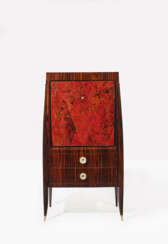

Émile-Jacques Ruhlmann, (sometimes called Jacques-Émile Ruhlmann), was a French furniture designer and interior decorator, who was one of the most important figures in the Art Deco movement. His furniture featured sleek designs, expensive and exotic materials and extremely fine craftsmanship, and became a symbol of the luxury and modernity of Art Deco. It also produced a reaction from other designers and architects, such as Le Corbusier, who called for simpler, functional furniture.
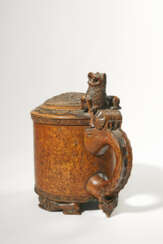

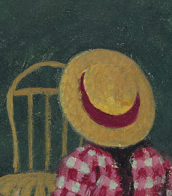
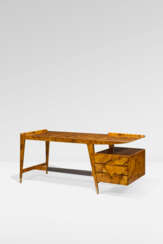

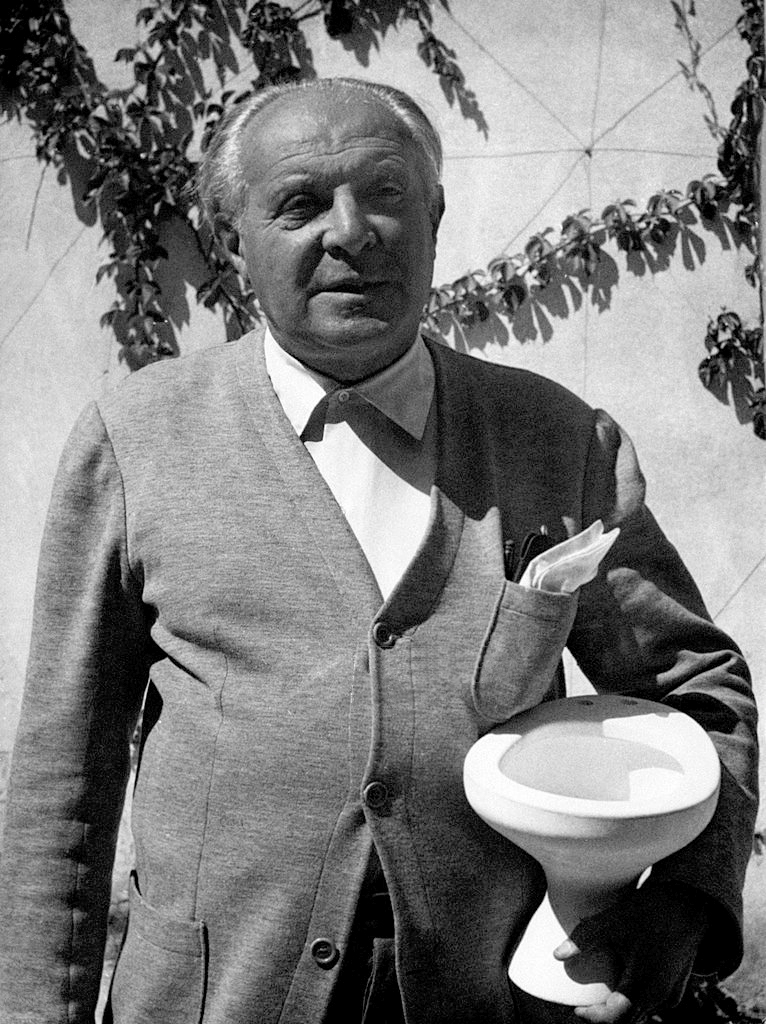
Giovanni (Gio) Ponti was an Italian architect, industrial designer, furniture designer, artist, teacher, writer and publisher.
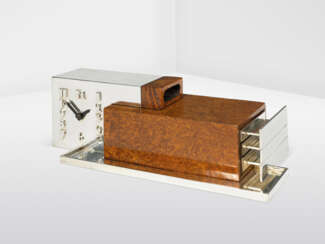

Jean Elysée Puiforcat was a French silversmith, sculptor and designer. Miller's Antiques Encyclopedia calls Puiforcat the «most important French Art Deco silversmith».


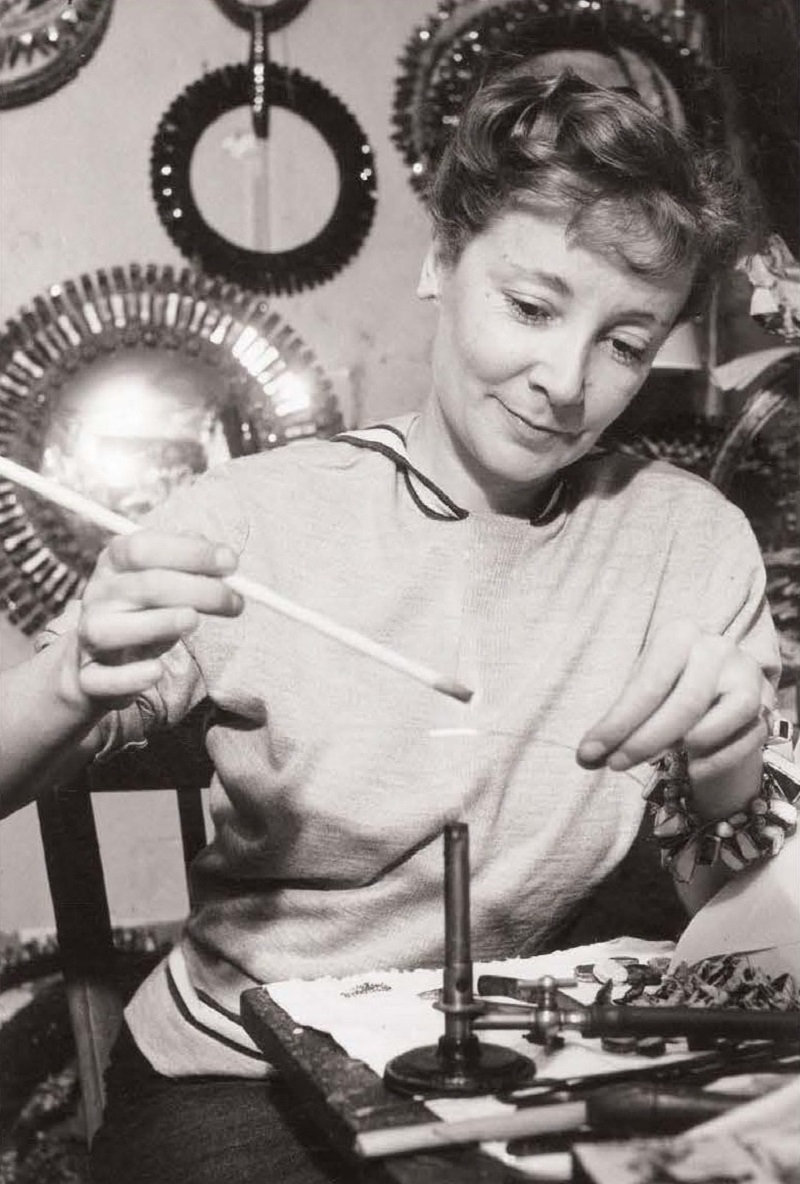
Line Vautrin is a French artist, jeweller and designer.
Her work ranges from jewellery to objects such as mirrors, trays and boxes. Devoted to experimentation, she opened A.D.A.M. (Association for the Development of Handmade Arts), a craft school where she taught metalwork and jewellery making and also sold the raw materials she used in her practice.
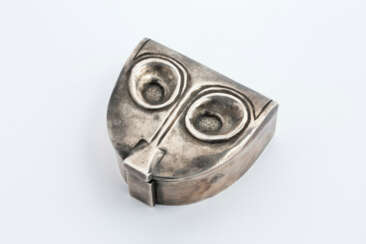

Line Vautrin is a French artist, jeweller and designer.
Her work ranges from jewellery to objects such as mirrors, trays and boxes. Devoted to experimentation, she opened A.D.A.M. (Association for the Development of Handmade Arts), a craft school where she taught metalwork and jewellery making and also sold the raw materials she used in her practice.


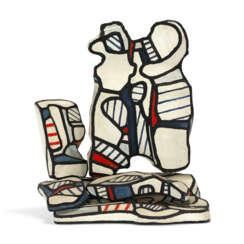

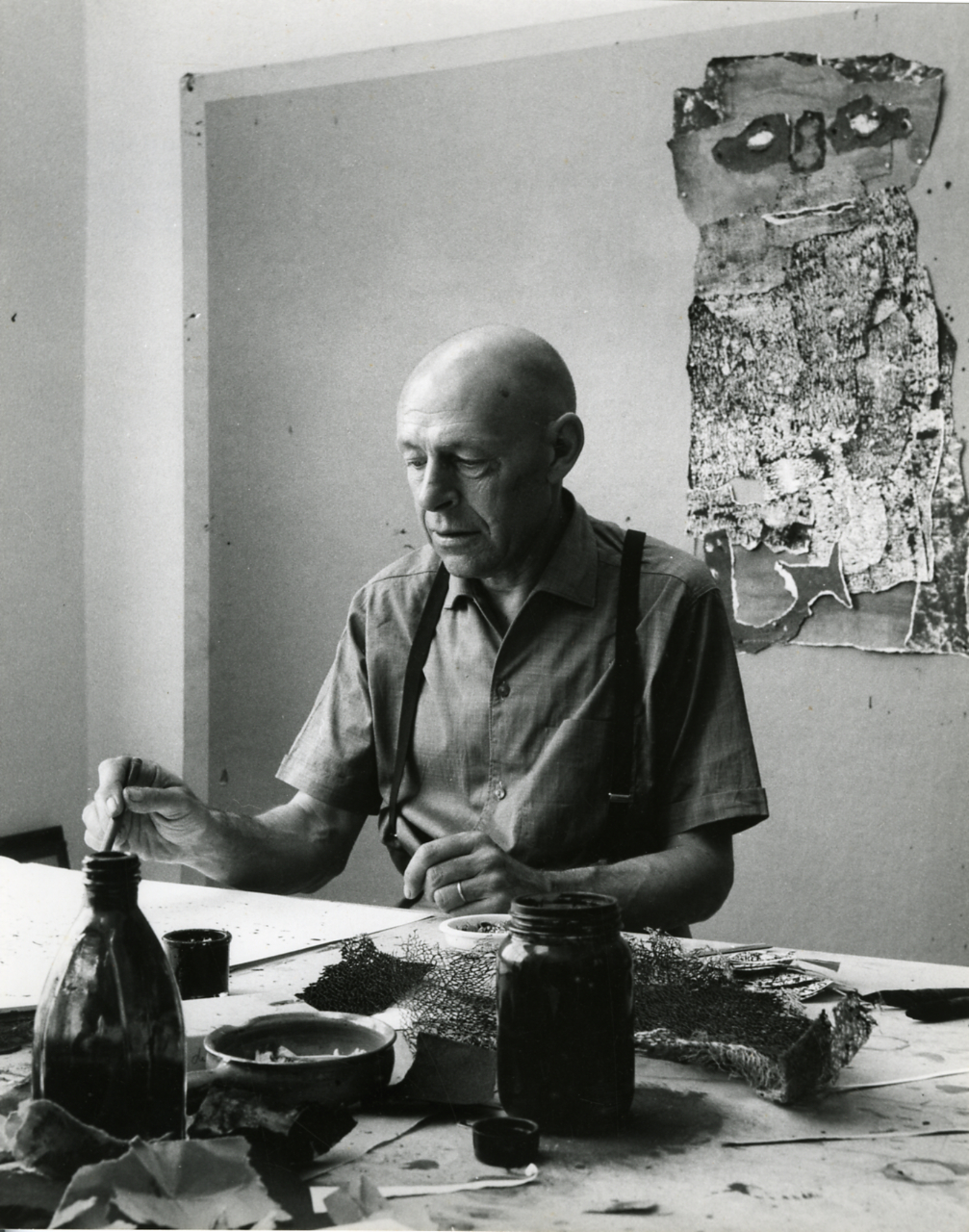
Jean Philippe Arthur Dubuffet, a pioneering French painter and sculptor, revolutionized the post-war art scene with his radical Matterism movement. He defied the conventional aesthetics of his time, championing "low art" and propelling a more genuine, humanistic image-making approach.
Dubuffet, born in Le Havre, France, in 1901, was a prominent figure at the Ecole de Paris and an advocate for Art Brut, or "raw art", which sought to capture art's purest form. His works were characterized by a rough, unrefined aesthetic, which eschewed academic norms in favor of spontaneity and authenticity.
Art enthusiasts and experts can view Dubuffet's innovative works at institutions like the Museum of Modern Art, where his legacy as a groundbreaking artist continues to be celebrated. His Matterism philosophy has left an indelible mark on the art world, inspiring generations of artists to embrace the beauty in the unconventional.
For those interested in the avant-garde and the legacy of Jean Philippe Arthur Dubuffet, sign up for our exclusive updates. This service is designed for connoisseurs and professionals in the art and antique sector, promising alerts on new insights and events strictly related to Dubuffet's profound influence.