lucas
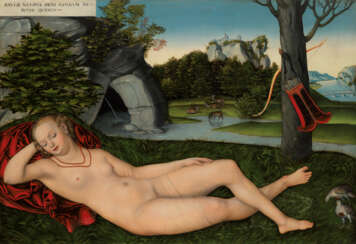

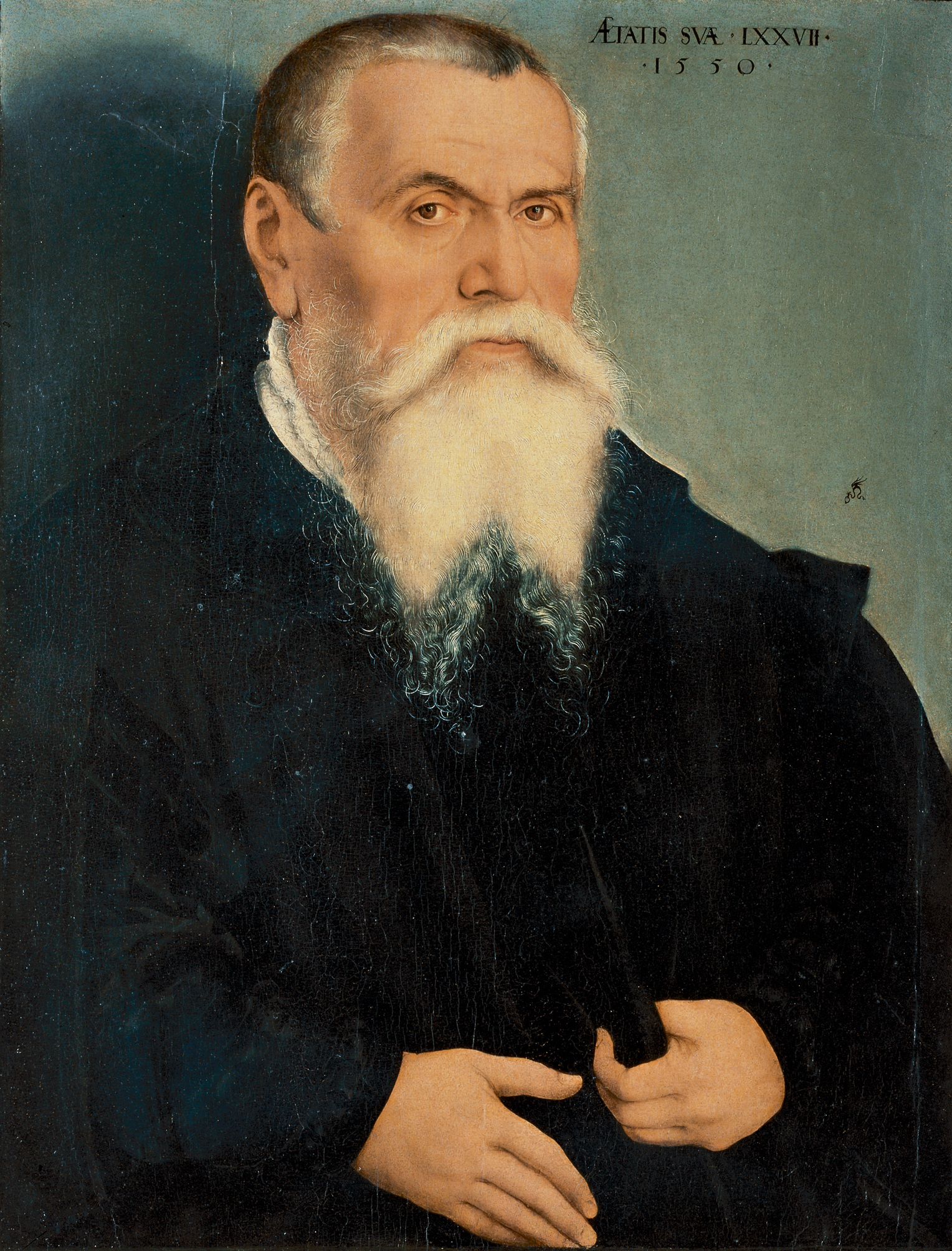
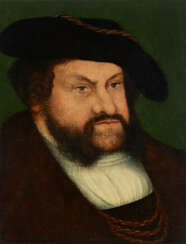
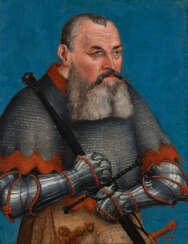
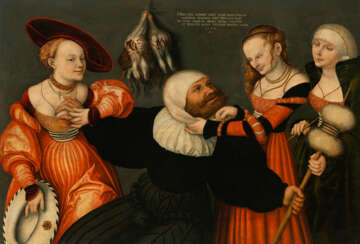
Lucas Cranach the Elder was a pivotal figure in German Renaissance art. As a leading painter of Saxony, his influence spanned across the 16th century, making significant contributions through his paintings, woodcuts, and engravings. His artistic journey began under the tutelage of his father, Hans Maler, and saw him becoming court painter to the Elector of Saxony, where he produced a vast array of works including altarpieces, court portraits, and notably, portraits of Protestant Reformers.
Cranach's artistry was not confined to any single genre. He was renowned for his portraits of the aristocracy, deeply symbolic religious paintings, and engaging mythological scenes. His ability to capture the essence of the Protestant Reformation, notably through his portraits of Martin Luther, showcases his close connection to the movement and his role as a key figure in conveying its ideals through art.
A significant part of Cranach's legacy is his workshop in Wittenberg, which was a hub of artistic production. This workshop produced numerous works that bore his distinctive winged serpent signature, a mark of quality and innovation in the art of the period. Cranach's workshop was known for its efficient operation, enabling the production of a large volume of works that catered to the high demand of his time.
For collectors and experts in art and antiques, Lucas Cranach the Elder's work represents an intriguing intersection of art, culture, and history. His contributions to Renaissance art and his unique portrayal of religious and mythological themes continue to captivate audiences, making his work highly sought after in the world of art collection.
To explore more about Lucas Cranach the Elder's fascinating contributions to art and to stay updated on new discoveries or auction events related to his works, consider signing up for specialized updates. This subscription is designed for enthusiasts keen on delving deeper into the rich tapestry of Renaissance art and history, ensuring they remain well-informed of relevant sales and scholarly insights.
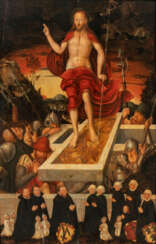

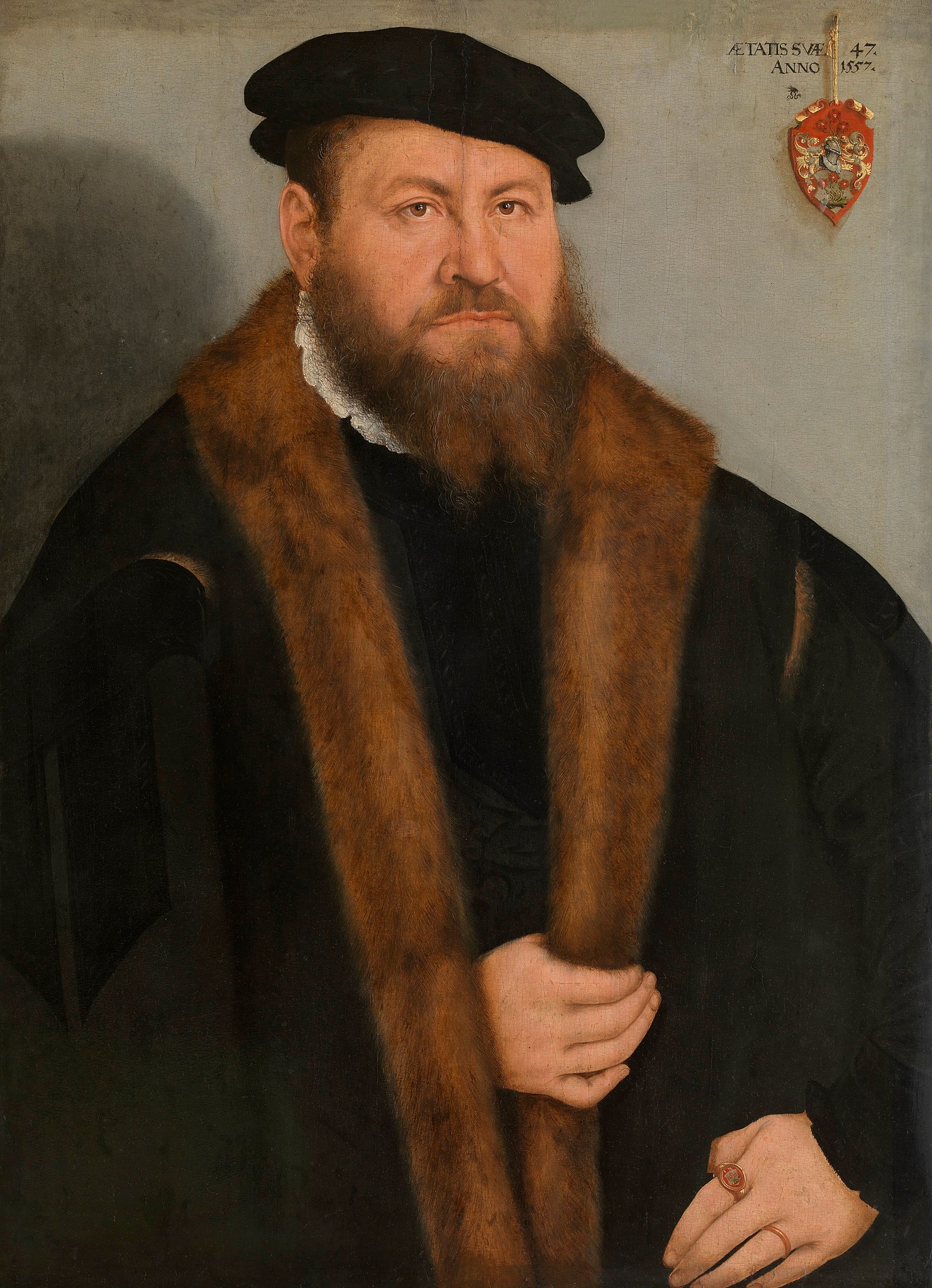
Lucas Cranach the Younger was a German painter of the mid-16th century. He is known as a Renaissance painter and portraitist, one of the sons of the painter and graphic artist Lucas Cranach the Elder.
Cranach the Younger painted portraits and paintings of the mythological genre. Despite his lack of courtly status, he worked for the social elite, including princes and nobles. After the artist's death, his works were distributed to various churches, schools, castles and homes. As a member of the new generation, he favored rich and flamboyant images. Cranach the Younger is believed to have created a new artistic program for the Protestants.
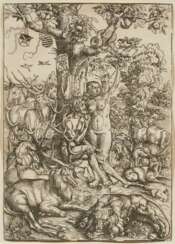

Lucas Cranach the Elder was a pivotal figure in German Renaissance art. As a leading painter of Saxony, his influence spanned across the 16th century, making significant contributions through his paintings, woodcuts, and engravings. His artistic journey began under the tutelage of his father, Hans Maler, and saw him becoming court painter to the Elector of Saxony, where he produced a vast array of works including altarpieces, court portraits, and notably, portraits of Protestant Reformers.
Cranach's artistry was not confined to any single genre. He was renowned for his portraits of the aristocracy, deeply symbolic religious paintings, and engaging mythological scenes. His ability to capture the essence of the Protestant Reformation, notably through his portraits of Martin Luther, showcases his close connection to the movement and his role as a key figure in conveying its ideals through art.
A significant part of Cranach's legacy is his workshop in Wittenberg, which was a hub of artistic production. This workshop produced numerous works that bore his distinctive winged serpent signature, a mark of quality and innovation in the art of the period. Cranach's workshop was known for its efficient operation, enabling the production of a large volume of works that catered to the high demand of his time.
For collectors and experts in art and antiques, Lucas Cranach the Elder's work represents an intriguing intersection of art, culture, and history. His contributions to Renaissance art and his unique portrayal of religious and mythological themes continue to captivate audiences, making his work highly sought after in the world of art collection.
To explore more about Lucas Cranach the Elder's fascinating contributions to art and to stay updated on new discoveries or auction events related to his works, consider signing up for specialized updates. This subscription is designed for enthusiasts keen on delving deeper into the rich tapestry of Renaissance art and history, ensuring they remain well-informed of relevant sales and scholarly insights.
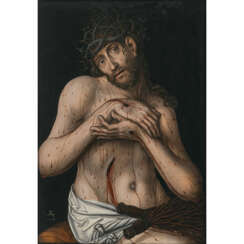

Lucas Cranach the Elder was a pivotal figure in German Renaissance art. As a leading painter of Saxony, his influence spanned across the 16th century, making significant contributions through his paintings, woodcuts, and engravings. His artistic journey began under the tutelage of his father, Hans Maler, and saw him becoming court painter to the Elector of Saxony, where he produced a vast array of works including altarpieces, court portraits, and notably, portraits of Protestant Reformers.
Cranach's artistry was not confined to any single genre. He was renowned for his portraits of the aristocracy, deeply symbolic religious paintings, and engaging mythological scenes. His ability to capture the essence of the Protestant Reformation, notably through his portraits of Martin Luther, showcases his close connection to the movement and his role as a key figure in conveying its ideals through art.
A significant part of Cranach's legacy is his workshop in Wittenberg, which was a hub of artistic production. This workshop produced numerous works that bore his distinctive winged serpent signature, a mark of quality and innovation in the art of the period. Cranach's workshop was known for its efficient operation, enabling the production of a large volume of works that catered to the high demand of his time.
For collectors and experts in art and antiques, Lucas Cranach the Elder's work represents an intriguing intersection of art, culture, and history. His contributions to Renaissance art and his unique portrayal of religious and mythological themes continue to captivate audiences, making his work highly sought after in the world of art collection.
To explore more about Lucas Cranach the Elder's fascinating contributions to art and to stay updated on new discoveries or auction events related to his works, consider signing up for specialized updates. This subscription is designed for enthusiasts keen on delving deeper into the rich tapestry of Renaissance art and history, ensuring they remain well-informed of relevant sales and scholarly insights.
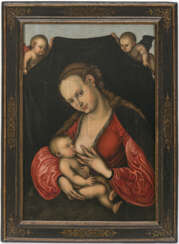

Lucas Cranach the Elder was a pivotal figure in German Renaissance art. As a leading painter of Saxony, his influence spanned across the 16th century, making significant contributions through his paintings, woodcuts, and engravings. His artistic journey began under the tutelage of his father, Hans Maler, and saw him becoming court painter to the Elector of Saxony, where he produced a vast array of works including altarpieces, court portraits, and notably, portraits of Protestant Reformers.
Cranach's artistry was not confined to any single genre. He was renowned for his portraits of the aristocracy, deeply symbolic religious paintings, and engaging mythological scenes. His ability to capture the essence of the Protestant Reformation, notably through his portraits of Martin Luther, showcases his close connection to the movement and his role as a key figure in conveying its ideals through art.
A significant part of Cranach's legacy is his workshop in Wittenberg, which was a hub of artistic production. This workshop produced numerous works that bore his distinctive winged serpent signature, a mark of quality and innovation in the art of the period. Cranach's workshop was known for its efficient operation, enabling the production of a large volume of works that catered to the high demand of his time.
For collectors and experts in art and antiques, Lucas Cranach the Elder's work represents an intriguing intersection of art, culture, and history. His contributions to Renaissance art and his unique portrayal of religious and mythological themes continue to captivate audiences, making his work highly sought after in the world of art collection.
To explore more about Lucas Cranach the Elder's fascinating contributions to art and to stay updated on new discoveries or auction events related to his works, consider signing up for specialized updates. This subscription is designed for enthusiasts keen on delving deeper into the rich tapestry of Renaissance art and history, ensuring they remain well-informed of relevant sales and scholarly insights.
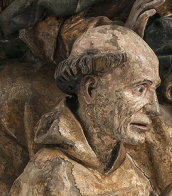
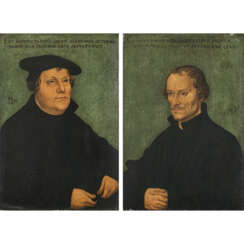

Lucas Cranach the Elder was a pivotal figure in German Renaissance art. As a leading painter of Saxony, his influence spanned across the 16th century, making significant contributions through his paintings, woodcuts, and engravings. His artistic journey began under the tutelage of his father, Hans Maler, and saw him becoming court painter to the Elector of Saxony, where he produced a vast array of works including altarpieces, court portraits, and notably, portraits of Protestant Reformers.
Cranach's artistry was not confined to any single genre. He was renowned for his portraits of the aristocracy, deeply symbolic religious paintings, and engaging mythological scenes. His ability to capture the essence of the Protestant Reformation, notably through his portraits of Martin Luther, showcases his close connection to the movement and his role as a key figure in conveying its ideals through art.
A significant part of Cranach's legacy is his workshop in Wittenberg, which was a hub of artistic production. This workshop produced numerous works that bore his distinctive winged serpent signature, a mark of quality and innovation in the art of the period. Cranach's workshop was known for its efficient operation, enabling the production of a large volume of works that catered to the high demand of his time.
For collectors and experts in art and antiques, Lucas Cranach the Elder's work represents an intriguing intersection of art, culture, and history. His contributions to Renaissance art and his unique portrayal of religious and mythological themes continue to captivate audiences, making his work highly sought after in the world of art collection.
To explore more about Lucas Cranach the Elder's fascinating contributions to art and to stay updated on new discoveries or auction events related to his works, consider signing up for specialized updates. This subscription is designed for enthusiasts keen on delving deeper into the rich tapestry of Renaissance art and history, ensuring they remain well-informed of relevant sales and scholarly insights.

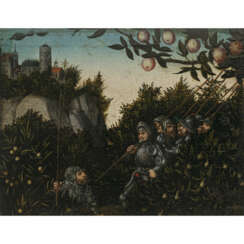

Lucas Cranach the Elder was a pivotal figure in German Renaissance art. As a leading painter of Saxony, his influence spanned across the 16th century, making significant contributions through his paintings, woodcuts, and engravings. His artistic journey began under the tutelage of his father, Hans Maler, and saw him becoming court painter to the Elector of Saxony, where he produced a vast array of works including altarpieces, court portraits, and notably, portraits of Protestant Reformers.
Cranach's artistry was not confined to any single genre. He was renowned for his portraits of the aristocracy, deeply symbolic religious paintings, and engaging mythological scenes. His ability to capture the essence of the Protestant Reformation, notably through his portraits of Martin Luther, showcases his close connection to the movement and his role as a key figure in conveying its ideals through art.
A significant part of Cranach's legacy is his workshop in Wittenberg, which was a hub of artistic production. This workshop produced numerous works that bore his distinctive winged serpent signature, a mark of quality and innovation in the art of the period. Cranach's workshop was known for its efficient operation, enabling the production of a large volume of works that catered to the high demand of his time.
For collectors and experts in art and antiques, Lucas Cranach the Elder's work represents an intriguing intersection of art, culture, and history. His contributions to Renaissance art and his unique portrayal of religious and mythological themes continue to captivate audiences, making his work highly sought after in the world of art collection.
To explore more about Lucas Cranach the Elder's fascinating contributions to art and to stay updated on new discoveries or auction events related to his works, consider signing up for specialized updates. This subscription is designed for enthusiasts keen on delving deeper into the rich tapestry of Renaissance art and history, ensuring they remain well-informed of relevant sales and scholarly insights.
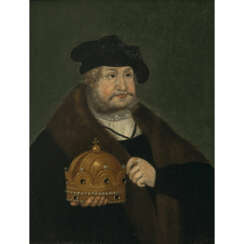

Lucas Cranach the Elder was a pivotal figure in German Renaissance art. As a leading painter of Saxony, his influence spanned across the 16th century, making significant contributions through his paintings, woodcuts, and engravings. His artistic journey began under the tutelage of his father, Hans Maler, and saw him becoming court painter to the Elector of Saxony, where he produced a vast array of works including altarpieces, court portraits, and notably, portraits of Protestant Reformers.
Cranach's artistry was not confined to any single genre. He was renowned for his portraits of the aristocracy, deeply symbolic religious paintings, and engaging mythological scenes. His ability to capture the essence of the Protestant Reformation, notably through his portraits of Martin Luther, showcases his close connection to the movement and his role as a key figure in conveying its ideals through art.
A significant part of Cranach's legacy is his workshop in Wittenberg, which was a hub of artistic production. This workshop produced numerous works that bore his distinctive winged serpent signature, a mark of quality and innovation in the art of the period. Cranach's workshop was known for its efficient operation, enabling the production of a large volume of works that catered to the high demand of his time.
For collectors and experts in art and antiques, Lucas Cranach the Elder's work represents an intriguing intersection of art, culture, and history. His contributions to Renaissance art and his unique portrayal of religious and mythological themes continue to captivate audiences, making his work highly sought after in the world of art collection.
To explore more about Lucas Cranach the Elder's fascinating contributions to art and to stay updated on new discoveries or auction events related to his works, consider signing up for specialized updates. This subscription is designed for enthusiasts keen on delving deeper into the rich tapestry of Renaissance art and history, ensuring they remain well-informed of relevant sales and scholarly insights.
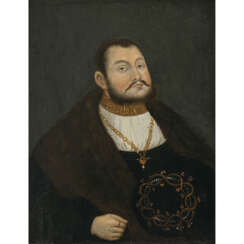

Lucas Cranach the Elder was a pivotal figure in German Renaissance art. As a leading painter of Saxony, his influence spanned across the 16th century, making significant contributions through his paintings, woodcuts, and engravings. His artistic journey began under the tutelage of his father, Hans Maler, and saw him becoming court painter to the Elector of Saxony, where he produced a vast array of works including altarpieces, court portraits, and notably, portraits of Protestant Reformers.
Cranach's artistry was not confined to any single genre. He was renowned for his portraits of the aristocracy, deeply symbolic religious paintings, and engaging mythological scenes. His ability to capture the essence of the Protestant Reformation, notably through his portraits of Martin Luther, showcases his close connection to the movement and his role as a key figure in conveying its ideals through art.
A significant part of Cranach's legacy is his workshop in Wittenberg, which was a hub of artistic production. This workshop produced numerous works that bore his distinctive winged serpent signature, a mark of quality and innovation in the art of the period. Cranach's workshop was known for its efficient operation, enabling the production of a large volume of works that catered to the high demand of his time.
For collectors and experts in art and antiques, Lucas Cranach the Elder's work represents an intriguing intersection of art, culture, and history. His contributions to Renaissance art and his unique portrayal of religious and mythological themes continue to captivate audiences, making his work highly sought after in the world of art collection.
To explore more about Lucas Cranach the Elder's fascinating contributions to art and to stay updated on new discoveries or auction events related to his works, consider signing up for specialized updates. This subscription is designed for enthusiasts keen on delving deeper into the rich tapestry of Renaissance art and history, ensuring they remain well-informed of relevant sales and scholarly insights.
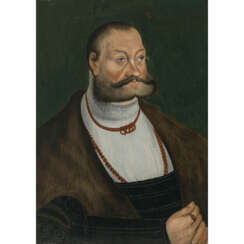

Lucas Cranach the Elder was a pivotal figure in German Renaissance art. As a leading painter of Saxony, his influence spanned across the 16th century, making significant contributions through his paintings, woodcuts, and engravings. His artistic journey began under the tutelage of his father, Hans Maler, and saw him becoming court painter to the Elector of Saxony, where he produced a vast array of works including altarpieces, court portraits, and notably, portraits of Protestant Reformers.
Cranach's artistry was not confined to any single genre. He was renowned for his portraits of the aristocracy, deeply symbolic religious paintings, and engaging mythological scenes. His ability to capture the essence of the Protestant Reformation, notably through his portraits of Martin Luther, showcases his close connection to the movement and his role as a key figure in conveying its ideals through art.
A significant part of Cranach's legacy is his workshop in Wittenberg, which was a hub of artistic production. This workshop produced numerous works that bore his distinctive winged serpent signature, a mark of quality and innovation in the art of the period. Cranach's workshop was known for its efficient operation, enabling the production of a large volume of works that catered to the high demand of his time.
For collectors and experts in art and antiques, Lucas Cranach the Elder's work represents an intriguing intersection of art, culture, and history. His contributions to Renaissance art and his unique portrayal of religious and mythological themes continue to captivate audiences, making his work highly sought after in the world of art collection.
To explore more about Lucas Cranach the Elder's fascinating contributions to art and to stay updated on new discoveries or auction events related to his works, consider signing up for specialized updates. This subscription is designed for enthusiasts keen on delving deeper into the rich tapestry of Renaissance art and history, ensuring they remain well-informed of relevant sales and scholarly insights.
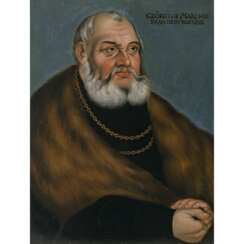

Lucas Cranach the Elder was a pivotal figure in German Renaissance art. As a leading painter of Saxony, his influence spanned across the 16th century, making significant contributions through his paintings, woodcuts, and engravings. His artistic journey began under the tutelage of his father, Hans Maler, and saw him becoming court painter to the Elector of Saxony, where he produced a vast array of works including altarpieces, court portraits, and notably, portraits of Protestant Reformers.
Cranach's artistry was not confined to any single genre. He was renowned for his portraits of the aristocracy, deeply symbolic religious paintings, and engaging mythological scenes. His ability to capture the essence of the Protestant Reformation, notably through his portraits of Martin Luther, showcases his close connection to the movement and his role as a key figure in conveying its ideals through art.
A significant part of Cranach's legacy is his workshop in Wittenberg, which was a hub of artistic production. This workshop produced numerous works that bore his distinctive winged serpent signature, a mark of quality and innovation in the art of the period. Cranach's workshop was known for its efficient operation, enabling the production of a large volume of works that catered to the high demand of his time.
For collectors and experts in art and antiques, Lucas Cranach the Elder's work represents an intriguing intersection of art, culture, and history. His contributions to Renaissance art and his unique portrayal of religious and mythological themes continue to captivate audiences, making his work highly sought after in the world of art collection.
To explore more about Lucas Cranach the Elder's fascinating contributions to art and to stay updated on new discoveries or auction events related to his works, consider signing up for specialized updates. This subscription is designed for enthusiasts keen on delving deeper into the rich tapestry of Renaissance art and history, ensuring they remain well-informed of relevant sales and scholarly insights.
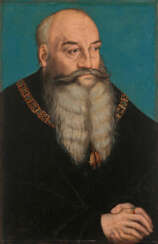

Lucas Cranach the Elder was a pivotal figure in German Renaissance art. As a leading painter of Saxony, his influence spanned across the 16th century, making significant contributions through his paintings, woodcuts, and engravings. His artistic journey began under the tutelage of his father, Hans Maler, and saw him becoming court painter to the Elector of Saxony, where he produced a vast array of works including altarpieces, court portraits, and notably, portraits of Protestant Reformers.
Cranach's artistry was not confined to any single genre. He was renowned for his portraits of the aristocracy, deeply symbolic religious paintings, and engaging mythological scenes. His ability to capture the essence of the Protestant Reformation, notably through his portraits of Martin Luther, showcases his close connection to the movement and his role as a key figure in conveying its ideals through art.
A significant part of Cranach's legacy is his workshop in Wittenberg, which was a hub of artistic production. This workshop produced numerous works that bore his distinctive winged serpent signature, a mark of quality and innovation in the art of the period. Cranach's workshop was known for its efficient operation, enabling the production of a large volume of works that catered to the high demand of his time.
For collectors and experts in art and antiques, Lucas Cranach the Elder's work represents an intriguing intersection of art, culture, and history. His contributions to Renaissance art and his unique portrayal of religious and mythological themes continue to captivate audiences, making his work highly sought after in the world of art collection.
To explore more about Lucas Cranach the Elder's fascinating contributions to art and to stay updated on new discoveries or auction events related to his works, consider signing up for specialized updates. This subscription is designed for enthusiasts keen on delving deeper into the rich tapestry of Renaissance art and history, ensuring they remain well-informed of relevant sales and scholarly insights.

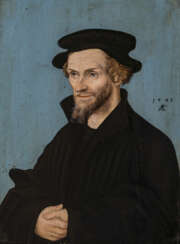

Lucas Cranach the Elder was a pivotal figure in German Renaissance art. As a leading painter of Saxony, his influence spanned across the 16th century, making significant contributions through his paintings, woodcuts, and engravings. His artistic journey began under the tutelage of his father, Hans Maler, and saw him becoming court painter to the Elector of Saxony, where he produced a vast array of works including altarpieces, court portraits, and notably, portraits of Protestant Reformers.
Cranach's artistry was not confined to any single genre. He was renowned for his portraits of the aristocracy, deeply symbolic religious paintings, and engaging mythological scenes. His ability to capture the essence of the Protestant Reformation, notably through his portraits of Martin Luther, showcases his close connection to the movement and his role as a key figure in conveying its ideals through art.
A significant part of Cranach's legacy is his workshop in Wittenberg, which was a hub of artistic production. This workshop produced numerous works that bore his distinctive winged serpent signature, a mark of quality and innovation in the art of the period. Cranach's workshop was known for its efficient operation, enabling the production of a large volume of works that catered to the high demand of his time.
For collectors and experts in art and antiques, Lucas Cranach the Elder's work represents an intriguing intersection of art, culture, and history. His contributions to Renaissance art and his unique portrayal of religious and mythological themes continue to captivate audiences, making his work highly sought after in the world of art collection.
To explore more about Lucas Cranach the Elder's fascinating contributions to art and to stay updated on new discoveries or auction events related to his works, consider signing up for specialized updates. This subscription is designed for enthusiasts keen on delving deeper into the rich tapestry of Renaissance art and history, ensuring they remain well-informed of relevant sales and scholarly insights.

Lucas Cranach the Elder was a pivotal figure in German Renaissance art. As a leading painter of Saxony, his influence spanned across the 16th century, making significant contributions through his paintings, woodcuts, and engravings. His artistic journey began under the tutelage of his father, Hans Maler, and saw him becoming court painter to the Elector of Saxony, where he produced a vast array of works including altarpieces, court portraits, and notably, portraits of Protestant Reformers.
Cranach's artistry was not confined to any single genre. He was renowned for his portraits of the aristocracy, deeply symbolic religious paintings, and engaging mythological scenes. His ability to capture the essence of the Protestant Reformation, notably through his portraits of Martin Luther, showcases his close connection to the movement and his role as a key figure in conveying its ideals through art.
A significant part of Cranach's legacy is his workshop in Wittenberg, which was a hub of artistic production. This workshop produced numerous works that bore his distinctive winged serpent signature, a mark of quality and innovation in the art of the period. Cranach's workshop was known for its efficient operation, enabling the production of a large volume of works that catered to the high demand of his time.
For collectors and experts in art and antiques, Lucas Cranach the Elder's work represents an intriguing intersection of art, culture, and history. His contributions to Renaissance art and his unique portrayal of religious and mythological themes continue to captivate audiences, making his work highly sought after in the world of art collection.
To explore more about Lucas Cranach the Elder's fascinating contributions to art and to stay updated on new discoveries or auction events related to his works, consider signing up for specialized updates. This subscription is designed for enthusiasts keen on delving deeper into the rich tapestry of Renaissance art and history, ensuring they remain well-informed of relevant sales and scholarly insights.

Lucas Cranach the Elder was a pivotal figure in German Renaissance art. As a leading painter of Saxony, his influence spanned across the 16th century, making significant contributions through his paintings, woodcuts, and engravings. His artistic journey began under the tutelage of his father, Hans Maler, and saw him becoming court painter to the Elector of Saxony, where he produced a vast array of works including altarpieces, court portraits, and notably, portraits of Protestant Reformers.
Cranach's artistry was not confined to any single genre. He was renowned for his portraits of the aristocracy, deeply symbolic religious paintings, and engaging mythological scenes. His ability to capture the essence of the Protestant Reformation, notably through his portraits of Martin Luther, showcases his close connection to the movement and his role as a key figure in conveying its ideals through art.
A significant part of Cranach's legacy is his workshop in Wittenberg, which was a hub of artistic production. This workshop produced numerous works that bore his distinctive winged serpent signature, a mark of quality and innovation in the art of the period. Cranach's workshop was known for its efficient operation, enabling the production of a large volume of works that catered to the high demand of his time.
For collectors and experts in art and antiques, Lucas Cranach the Elder's work represents an intriguing intersection of art, culture, and history. His contributions to Renaissance art and his unique portrayal of religious and mythological themes continue to captivate audiences, making his work highly sought after in the world of art collection.
To explore more about Lucas Cranach the Elder's fascinating contributions to art and to stay updated on new discoveries or auction events related to his works, consider signing up for specialized updates. This subscription is designed for enthusiasts keen on delving deeper into the rich tapestry of Renaissance art and history, ensuring they remain well-informed of relevant sales and scholarly insights.
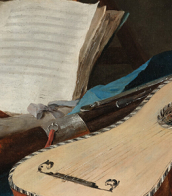
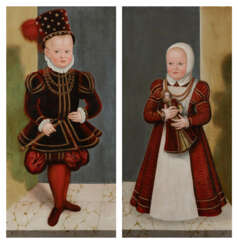

Lucas Cranach the Elder was a pivotal figure in German Renaissance art. As a leading painter of Saxony, his influence spanned across the 16th century, making significant contributions through his paintings, woodcuts, and engravings. His artistic journey began under the tutelage of his father, Hans Maler, and saw him becoming court painter to the Elector of Saxony, where he produced a vast array of works including altarpieces, court portraits, and notably, portraits of Protestant Reformers.
Cranach's artistry was not confined to any single genre. He was renowned for his portraits of the aristocracy, deeply symbolic religious paintings, and engaging mythological scenes. His ability to capture the essence of the Protestant Reformation, notably through his portraits of Martin Luther, showcases his close connection to the movement and his role as a key figure in conveying its ideals through art.
A significant part of Cranach's legacy is his workshop in Wittenberg, which was a hub of artistic production. This workshop produced numerous works that bore his distinctive winged serpent signature, a mark of quality and innovation in the art of the period. Cranach's workshop was known for its efficient operation, enabling the production of a large volume of works that catered to the high demand of his time.
For collectors and experts in art and antiques, Lucas Cranach the Elder's work represents an intriguing intersection of art, culture, and history. His contributions to Renaissance art and his unique portrayal of religious and mythological themes continue to captivate audiences, making his work highly sought after in the world of art collection.
To explore more about Lucas Cranach the Elder's fascinating contributions to art and to stay updated on new discoveries or auction events related to his works, consider signing up for specialized updates. This subscription is designed for enthusiasts keen on delving deeper into the rich tapestry of Renaissance art and history, ensuring they remain well-informed of relevant sales and scholarly insights.
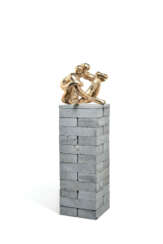

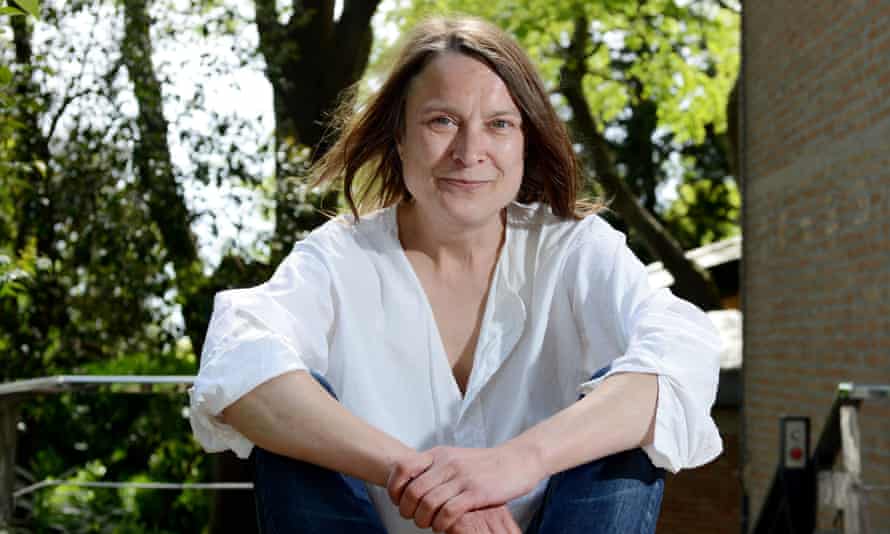
Sarah Lucas is an English artist. She is part of the generation of Young British Artists who emerged during the 1990s. Her works frequently employ visual puns and bawdy humour by incorporating photography, collage and found objects.
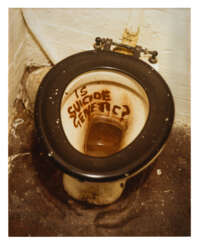

Sarah Lucas is an English artist. She is part of the generation of Young British Artists who emerged during the 1990s. Her works frequently employ visual puns and bawdy humour by incorporating photography, collage and found objects.

Lucas Cranach the Elder was a pivotal figure in German Renaissance art. As a leading painter of Saxony, his influence spanned across the 16th century, making significant contributions through his paintings, woodcuts, and engravings. His artistic journey began under the tutelage of his father, Hans Maler, and saw him becoming court painter to the Elector of Saxony, where he produced a vast array of works including altarpieces, court portraits, and notably, portraits of Protestant Reformers.
Cranach's artistry was not confined to any single genre. He was renowned for his portraits of the aristocracy, deeply symbolic religious paintings, and engaging mythological scenes. His ability to capture the essence of the Protestant Reformation, notably through his portraits of Martin Luther, showcases his close connection to the movement and his role as a key figure in conveying its ideals through art.
A significant part of Cranach's legacy is his workshop in Wittenberg, which was a hub of artistic production. This workshop produced numerous works that bore his distinctive winged serpent signature, a mark of quality and innovation in the art of the period. Cranach's workshop was known for its efficient operation, enabling the production of a large volume of works that catered to the high demand of his time.
For collectors and experts in art and antiques, Lucas Cranach the Elder's work represents an intriguing intersection of art, culture, and history. His contributions to Renaissance art and his unique portrayal of religious and mythological themes continue to captivate audiences, making his work highly sought after in the world of art collection.
To explore more about Lucas Cranach the Elder's fascinating contributions to art and to stay updated on new discoveries or auction events related to his works, consider signing up for specialized updates. This subscription is designed for enthusiasts keen on delving deeper into the rich tapestry of Renaissance art and history, ensuring they remain well-informed of relevant sales and scholarly insights.




Lucas Cranach the Elder was a pivotal figure in German Renaissance art. As a leading painter of Saxony, his influence spanned across the 16th century, making significant contributions through his paintings, woodcuts, and engravings. His artistic journey began under the tutelage of his father, Hans Maler, and saw him becoming court painter to the Elector of Saxony, where he produced a vast array of works including altarpieces, court portraits, and notably, portraits of Protestant Reformers.
Cranach's artistry was not confined to any single genre. He was renowned for his portraits of the aristocracy, deeply symbolic religious paintings, and engaging mythological scenes. His ability to capture the essence of the Protestant Reformation, notably through his portraits of Martin Luther, showcases his close connection to the movement and his role as a key figure in conveying its ideals through art.
A significant part of Cranach's legacy is his workshop in Wittenberg, which was a hub of artistic production. This workshop produced numerous works that bore his distinctive winged serpent signature, a mark of quality and innovation in the art of the period. Cranach's workshop was known for its efficient operation, enabling the production of a large volume of works that catered to the high demand of his time.
For collectors and experts in art and antiques, Lucas Cranach the Elder's work represents an intriguing intersection of art, culture, and history. His contributions to Renaissance art and his unique portrayal of religious and mythological themes continue to captivate audiences, making his work highly sought after in the world of art collection.
To explore more about Lucas Cranach the Elder's fascinating contributions to art and to stay updated on new discoveries or auction events related to his works, consider signing up for specialized updates. This subscription is designed for enthusiasts keen on delving deeper into the rich tapestry of Renaissance art and history, ensuring they remain well-informed of relevant sales and scholarly insights.


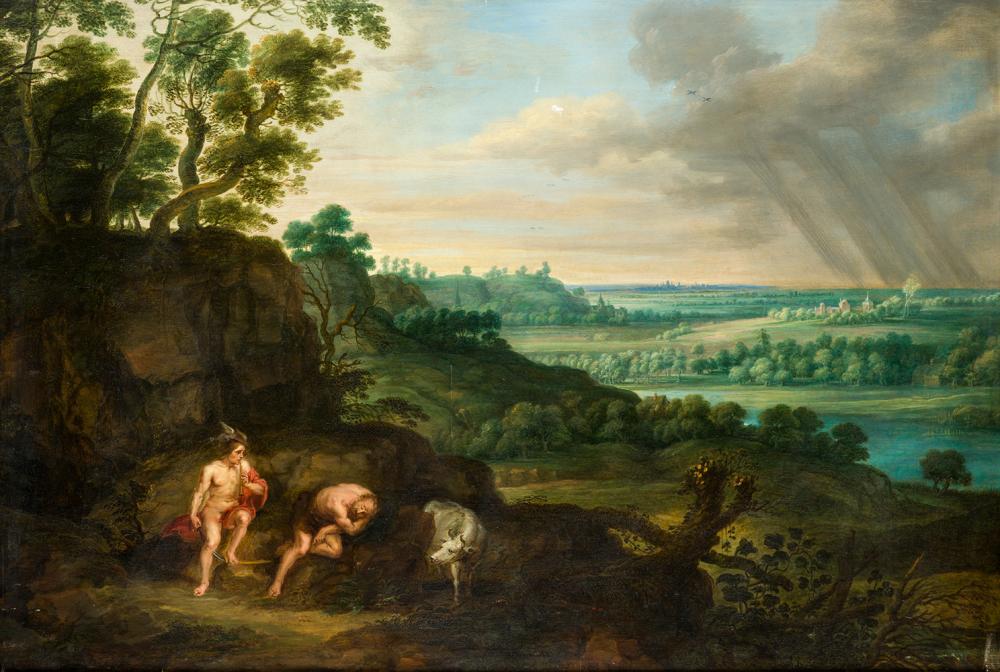
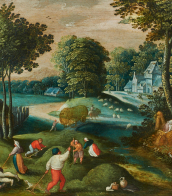
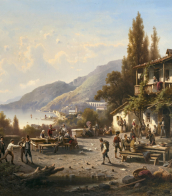
Lucas van Uden was a leading Flemish landscape painter, draughtsman and engraver, who lived and worked in Antwerp. He was a leading landscape painter who collaborated with various local figure painters. His most original works are his drawings.
Van Uden's paintings typically feature idyllic landscapes, often with a religious or mythological theme. His style was characterized by a delicate touch and an emphasis on light and atmospheric effects. He was particularly skilled at creating the illusion of depth and distance in his landscapes.
Lucas van Uden was never part of Peter Paul Rubens' studio, his works are partly indebted to that leading Antwerp master. His technique with its attention to detail, particularly in his smaller works, and his search for decorative elements in the larger paintings place him in the same tradition as Jan Brueghel the Elder and Joos de Momper.


Lucas Cranach the Elder was a pivotal figure in German Renaissance art. As a leading painter of Saxony, his influence spanned across the 16th century, making significant contributions through his paintings, woodcuts, and engravings. His artistic journey began under the tutelage of his father, Hans Maler, and saw him becoming court painter to the Elector of Saxony, where he produced a vast array of works including altarpieces, court portraits, and notably, portraits of Protestant Reformers.
Cranach's artistry was not confined to any single genre. He was renowned for his portraits of the aristocracy, deeply symbolic religious paintings, and engaging mythological scenes. His ability to capture the essence of the Protestant Reformation, notably through his portraits of Martin Luther, showcases his close connection to the movement and his role as a key figure in conveying its ideals through art.
A significant part of Cranach's legacy is his workshop in Wittenberg, which was a hub of artistic production. This workshop produced numerous works that bore his distinctive winged serpent signature, a mark of quality and innovation in the art of the period. Cranach's workshop was known for its efficient operation, enabling the production of a large volume of works that catered to the high demand of his time.
For collectors and experts in art and antiques, Lucas Cranach the Elder's work represents an intriguing intersection of art, culture, and history. His contributions to Renaissance art and his unique portrayal of religious and mythological themes continue to captivate audiences, making his work highly sought after in the world of art collection.
To explore more about Lucas Cranach the Elder's fascinating contributions to art and to stay updated on new discoveries or auction events related to his works, consider signing up for specialized updates. This subscription is designed for enthusiasts keen on delving deeper into the rich tapestry of Renaissance art and history, ensuring they remain well-informed of relevant sales and scholarly insights.


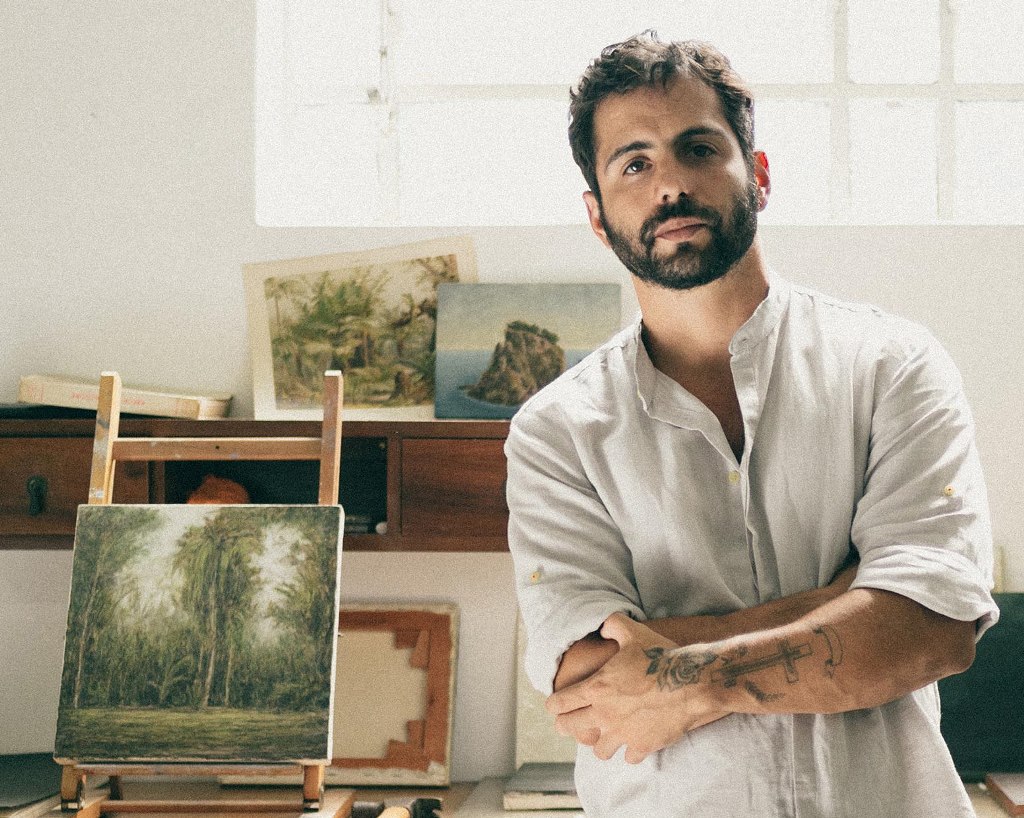

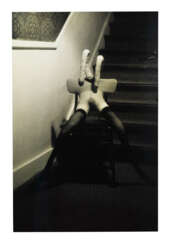

Sarah Lucas is an English artist. She is part of the generation of Young British Artists who emerged during the 1990s. Her works frequently employ visual puns and bawdy humour by incorporating photography, collage and found objects.
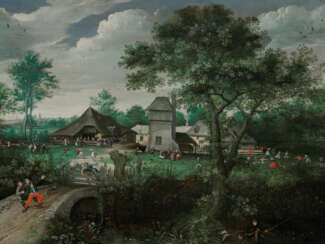

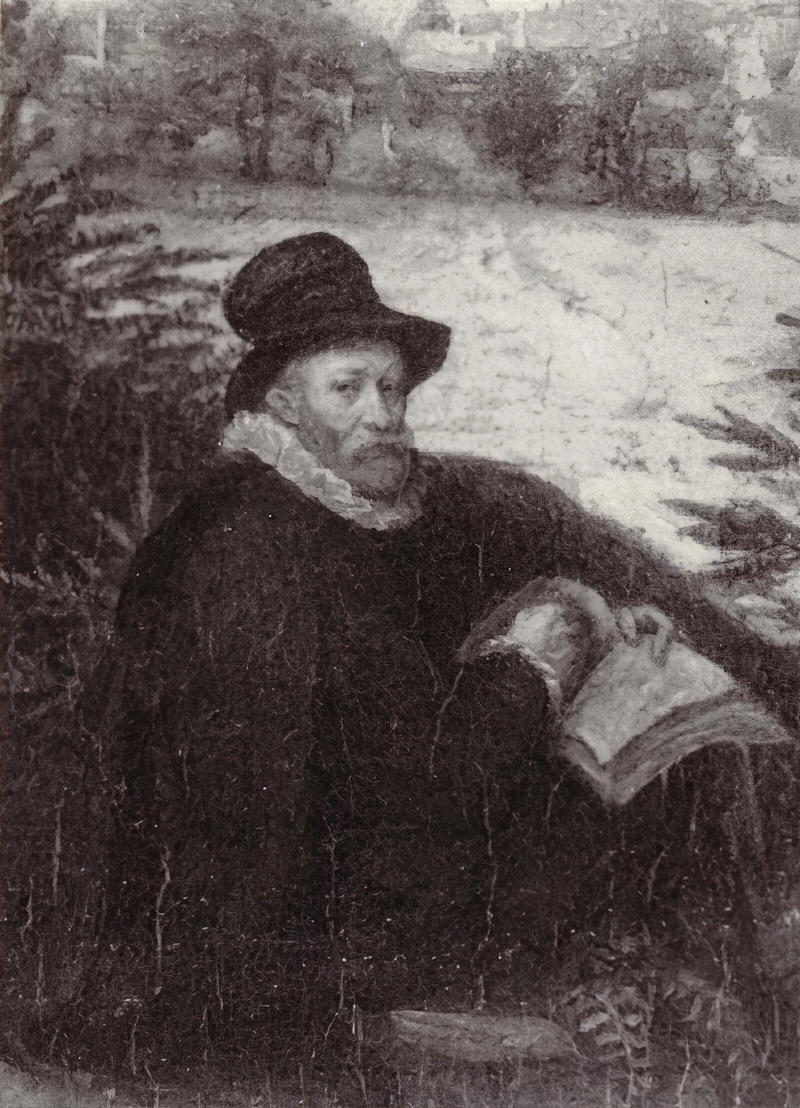
Lucas van Valckenborch was a Flemish painter, mainly known for his landscapes. He also made contributions to portrait painting, and allegorical and market scenes. Court painter to Archduke Matthias, the governor of the Spanish Netherlands in Brussels, he later migrated to Austria and then Germany where he joined members of his extended family of artists who had moved there for religious reasons.