

manuskripte &
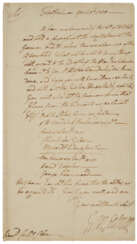


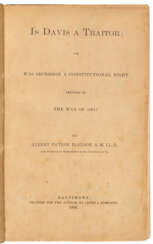

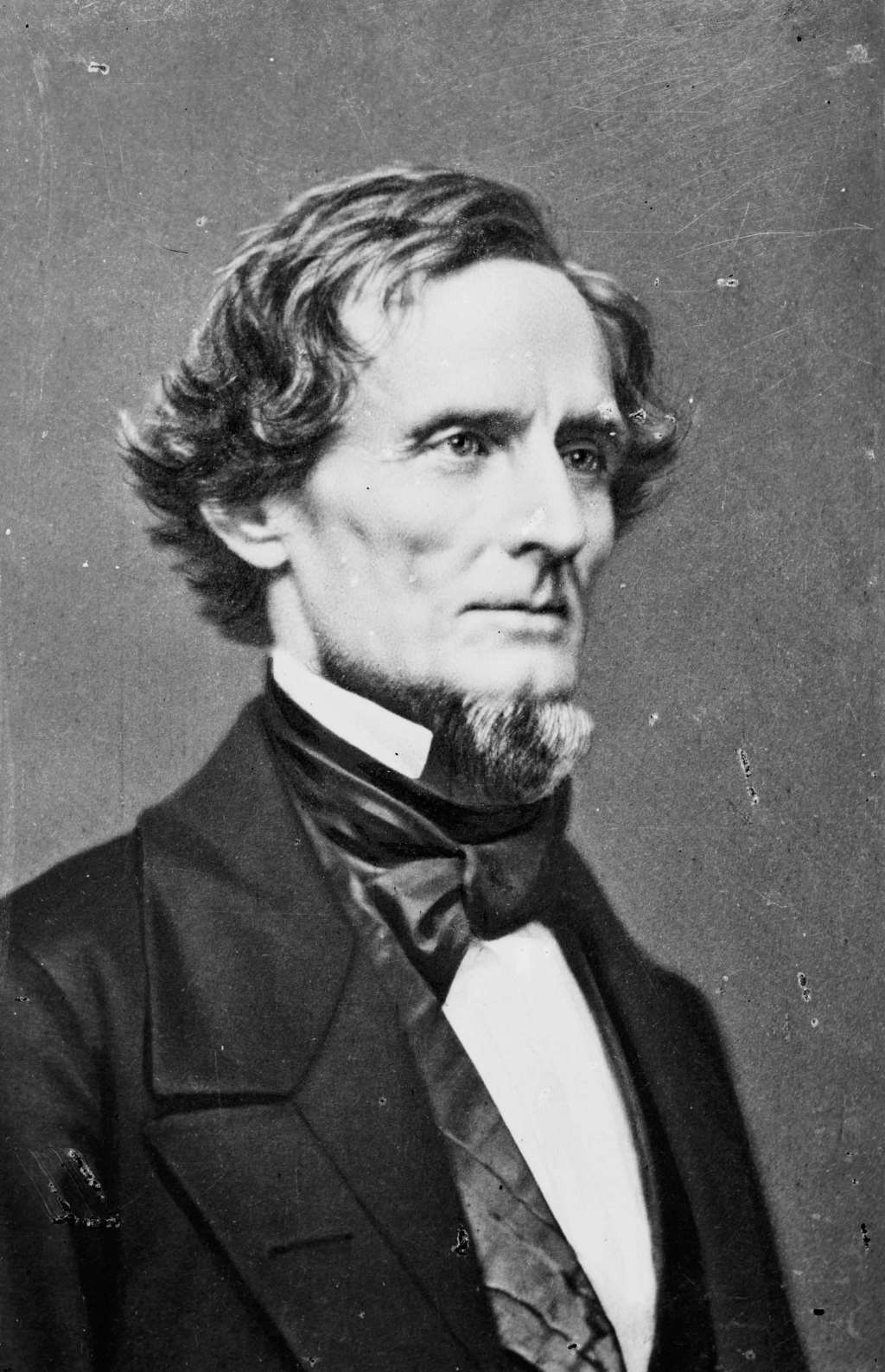
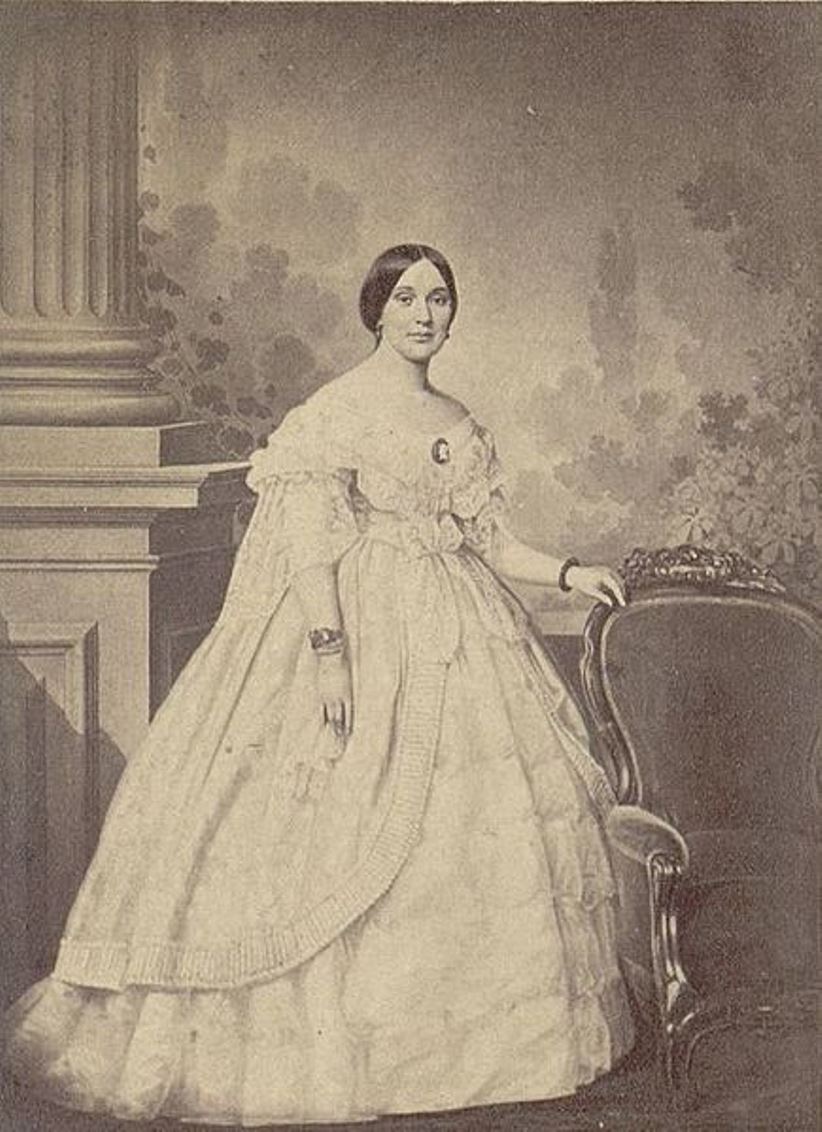
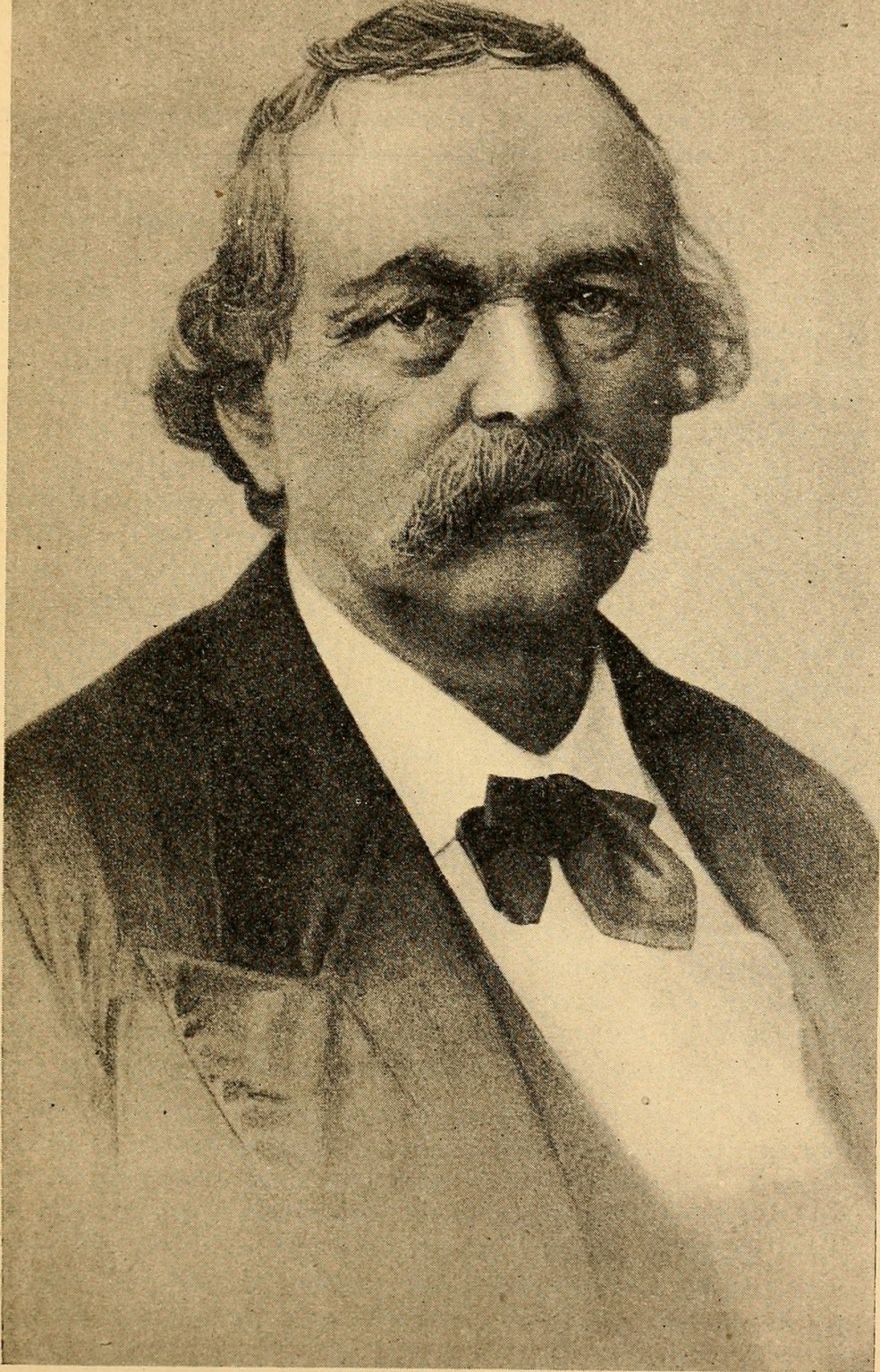


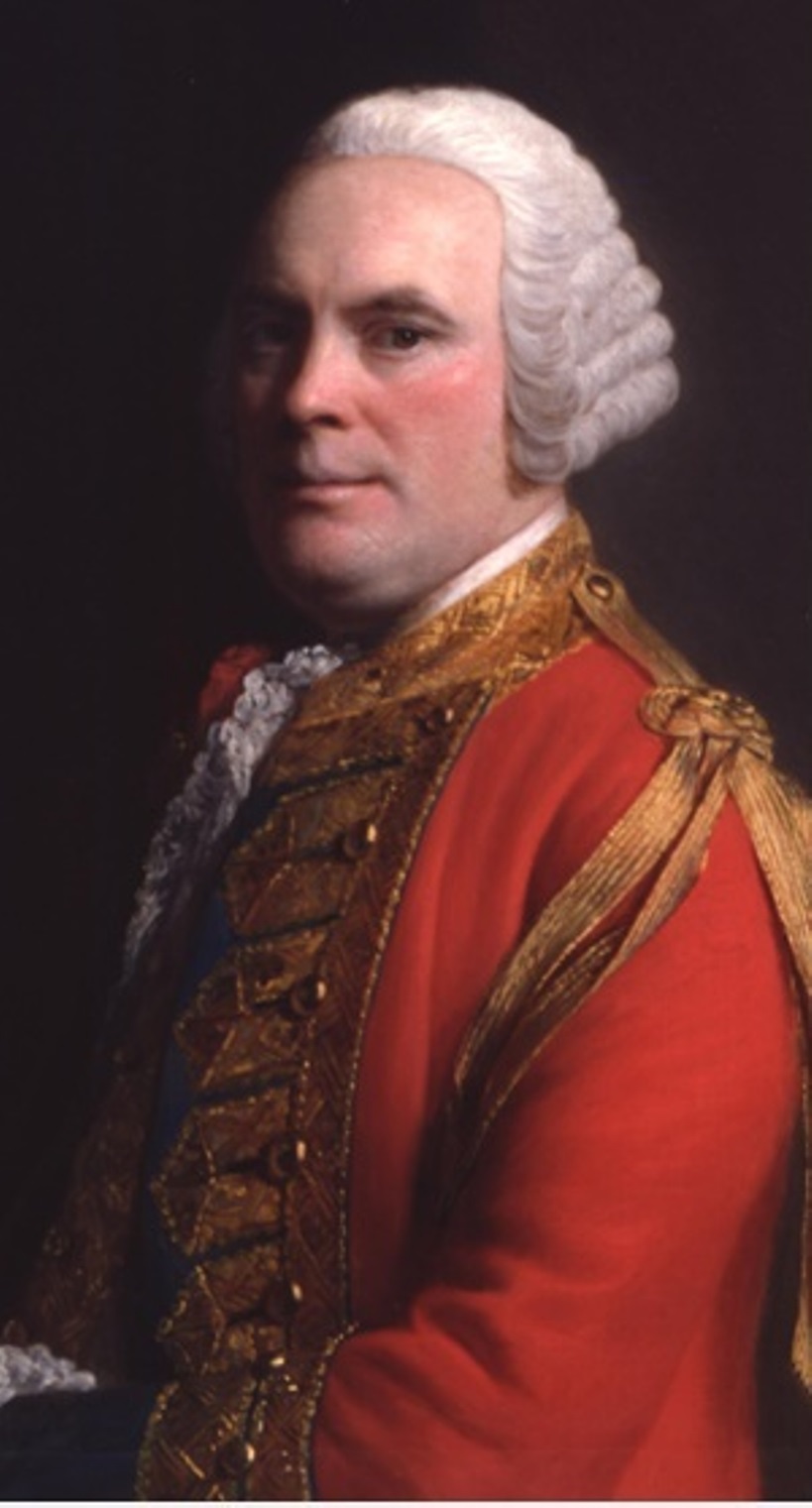



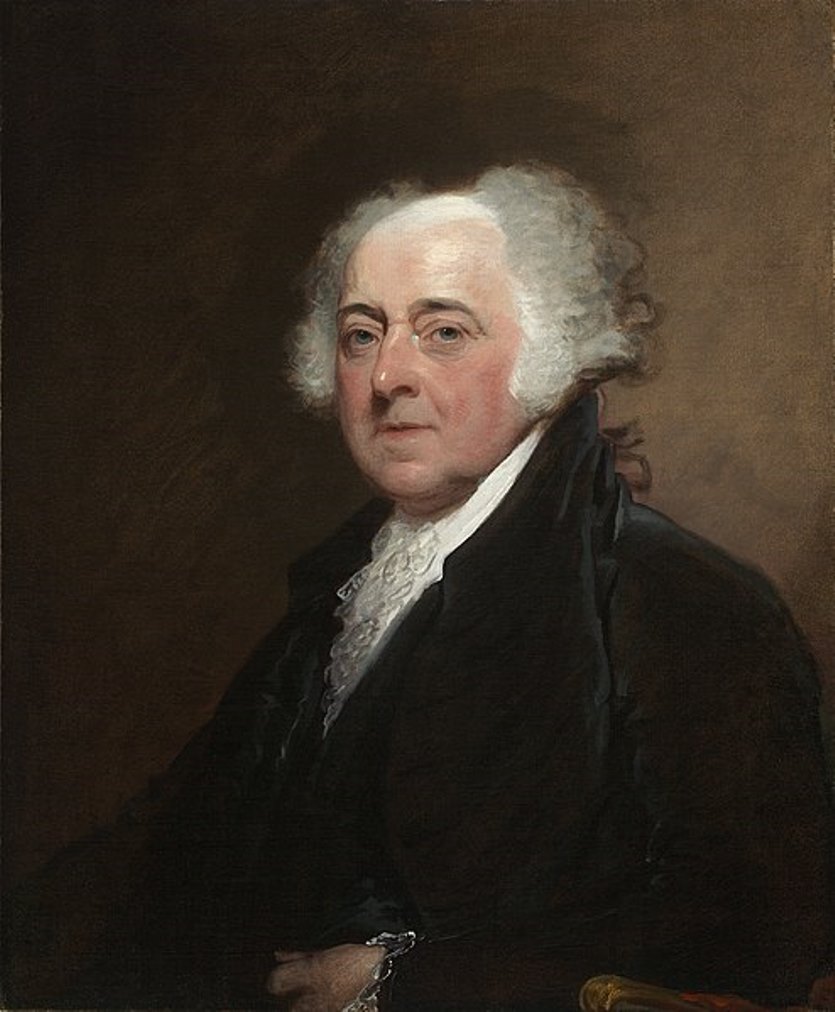
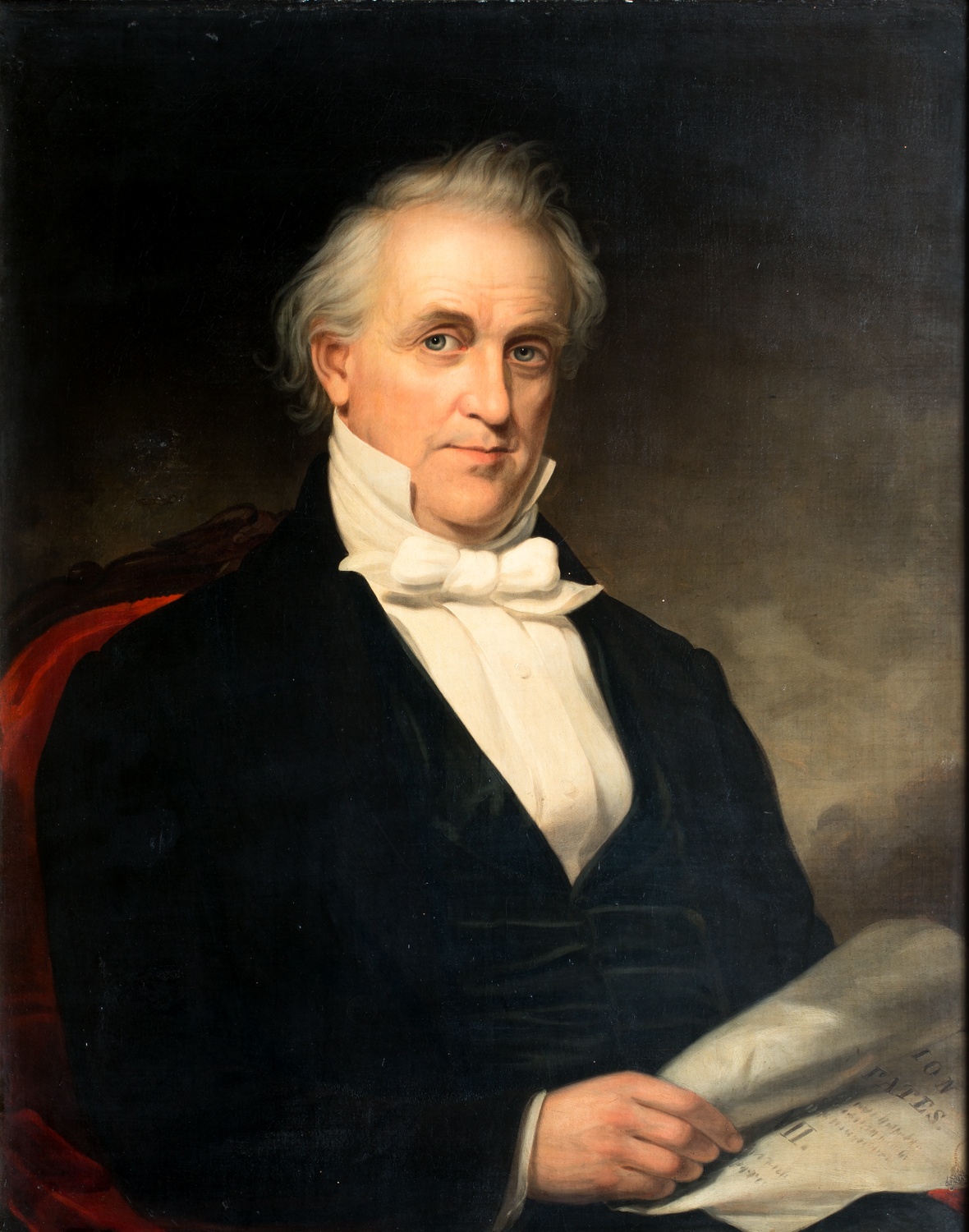
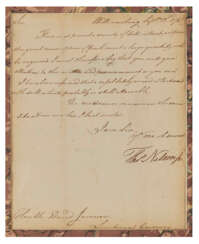
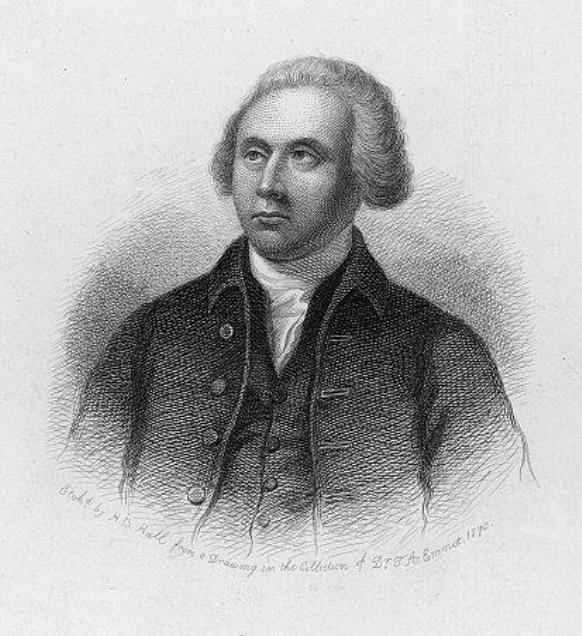
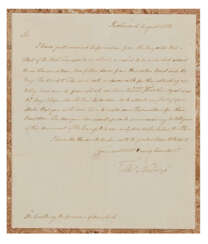
John Adams was an American statesman and politician and the second President of the United States (1797-1801).
The Adamses were among the first Puritan settlers in New England, and John's father was a farmer and shoemaker. John Adams graduated from Harvard College, taught grammar school in Worcester, Massachusetts, and then practiced law in Boston. In 1764, Adams married Abigail Smith, a minister's daughter, who became his confidante and lifelong political partner.
In 1765, Adams wrote "A Dissertation on Canon Law and Feudal Law," where he justified his opposition to British interference in the colonies. In the summer of 1774, Adams was elected to the Massachusetts delegation to the First Continental Congress, in which he became a major figure. He wrote Thoughts on Government as a basic guide to drafting new state constitutions. In July 1776, John Adams drafted the Plan of Treaties, which became the basis for the treaty with France and set the strategic priorities that would shape American foreign policy over the next century.
He was elected to the post of head of the War Council, in 1780 he became the author of the Massachusetts Constitution, which became a model for other states, in 1783 he signed the Treaty of Paris. From 1785 to 1788 John Adams served as the first American ambassador to Great Britain and proved himself worthy in this difficult situation, being the official embodiment of American independence from the British Empire. He studied European history extensively and the result was his three-volume book entitled A Defense of the Constitution of the Government of the United States of America (1787).
In 1789 Adams became the country's first vice president (Washington was the first president of the United States), and in 1797 he was elected the second president of the United States. However, his reign was not the best in the history of the new country. Deteriorating relations with France led to an undeclared naval war between the former allies. In 1798, Adams signed the controversial Alien and Sedition Acts, which restricted free speech rights. They met widespread opposition across the country. Adams resisted opposition demands for all-out war with France, but lost the 1800 election to Thomas Jefferson.
John Adams retired from politics and settled in his hometown of Quincy. He became the founder of an entire dynasty of politicians and died on July 4, 1826 (the 50th anniversary of the Declaration of Independence), living to see his eldest son John Quincy elected as the sixth president.




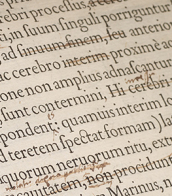
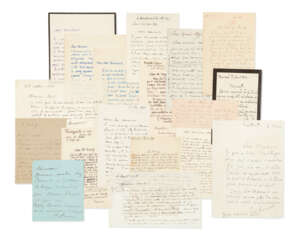

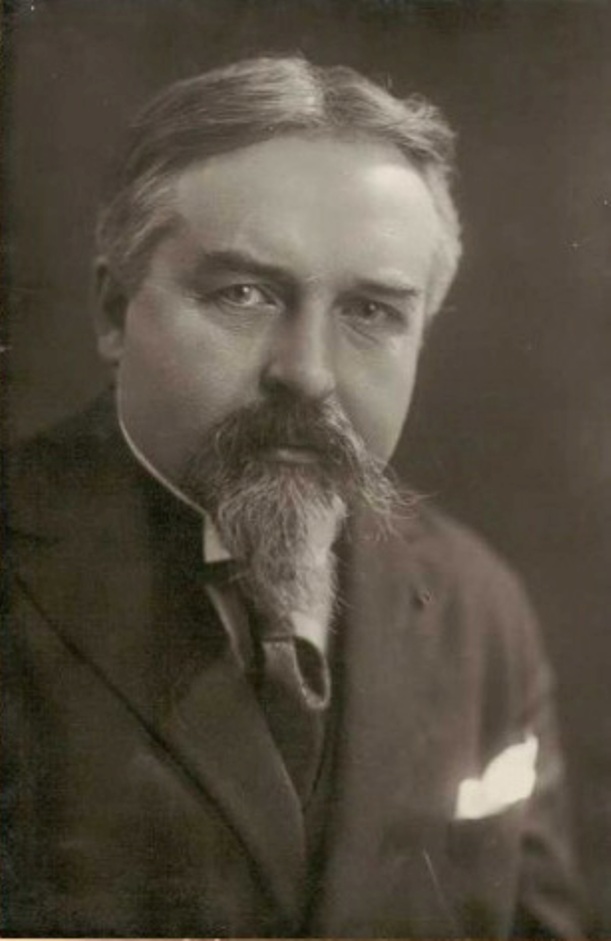
Maurice Denis, a French painter and writer, was an influential figure in the transition from impressionism to modern art. Born on November 25, 1870, in Granville, France, Denis's artistic journey began at the Académie Julian in Paris. Here, he met future collaborators like Paul Sérusier and Pierre Bonnard, with whom he later formed the Nabis group, a collective deriving its name from the Hebrew word "Nabi," meaning "Prophet".
Denis's style evolved from neoimpressionism, influenced by artists like Seurat, to a more decorative and colorful approach under the influence of Gauguin. This shift is evident in works like "Taches du soleil sur la terrace" (1890). He famously stated, "Art is no longer a visual sensation... it is a creation of our spirit," highlighting his belief in art as an idealistic expression, transcending mere imitation of nature.
Denis was also impacted by Japanese art, which influenced his compositions and styles, contributing to his unique and recognizable approach. His philosophy on art, encapsulated in his 1890 essay published in "Art et Critique," emphasized the importance of color and form in creating emotional depth, a notion that laid the groundwork for modernism. He argued that a painting's essence lies in its colors and composition, rather than its subject matter.
Throughout his career, Denis's work evolved towards a more classical approach. His involvement with the Ateliers d'Art Sacré, founded in 1919, demonstrated his interest in religious art and decoration. His notable works include "The Legend of Saint Hubert" (1897) and "The History of Music" for the Théâtre des Champs Elysées (1912-1913).
Tragically, Maurice Denis's life ended on November 13, 1943, when he was struck by a truck during the German occupation of Paris. However, his legacy endures through his contributions to modern art and symbolism, his influence on fellow artists, and his works displayed in various museums and galleries.
For collectors and art experts, Denis's work offers a unique glimpse into the evolution of modern art. His blend of symbolism, color, and form marks a significant shift in art history. To stay updated on new sales and auction events related to Maurice Denis's work, sign up for our newsletter. This subscription will keep you informed about the latest developments in the world of this remarkable artist.
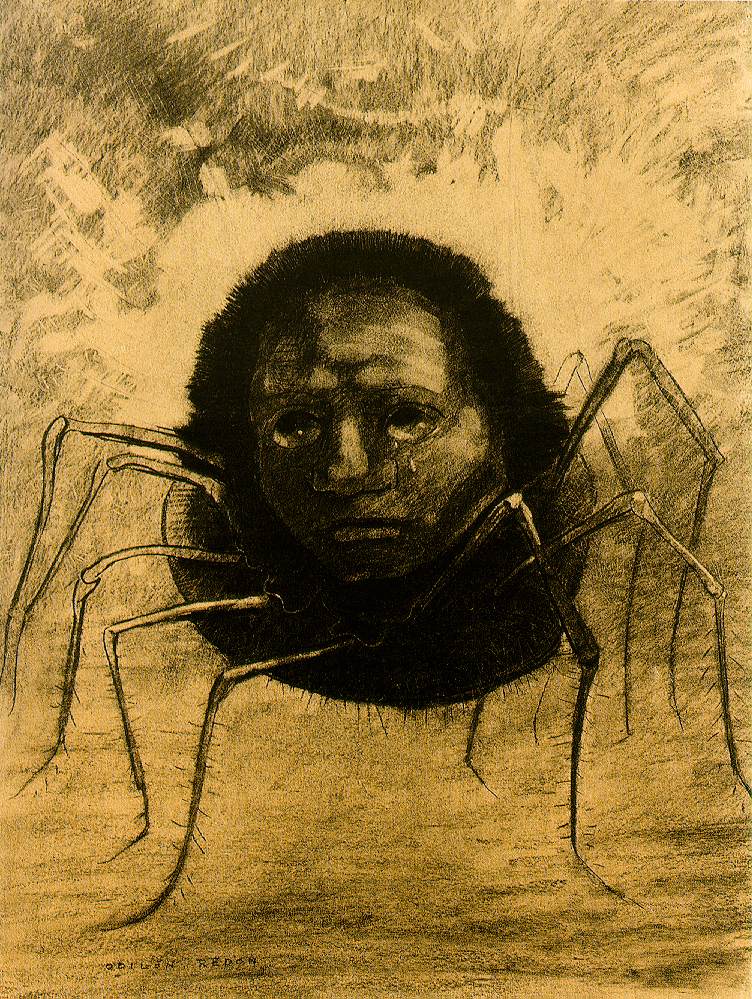
Odilon Redon was a prominent French artist, renowned for his unique contributions to the Symbolist movement. His artistic journey began with a focus on charcoal and lithography, creating works known as "noirs" that reflected a deep, dream-like quality. Redon's art evolved to incorporate vibrant colors and themes, often inspired by Buddhist and Hindu cultures. Notably, his paintings such as "The Death of Buddha" and "The Buddha," alongside others, displayed his fascination with Eastern philosophies and their integration into his art.
Redon's works are celebrated for their evocative, almost mystical qualities, blending elements of the natural world with fantastical, often surreal imagery. His attention to detail in portraying flowers, plants, and imaginary creatures reflected his interest in natural sciences and botany. This interplay between the real and the imagined is a hallmark of his work, making him a pivotal figure in the Symbolist movement.
His influence is evident in various collections and museums. For instance, the Musée d'Orsay in Paris houses some of his most significant works, including his decorative panels for the Château de Domecy-sur-le-Vault. These panels marked a transition in his style from ornamental to more abstract painting. Additionally, the Getty Museum in California and the Los Angeles County Museum of Art hold significant collections of Redon's works.
For art collectors and enthusiasts, Odilon Redon's work represents a blend of imagination, deep emotional resonance, and a unique interpretation of Symbolist ideas. His ability to capture the unseen and give it form on canvas or paper makes his work a valuable addition to any collection.
If you're interested in staying updated on sales and auction events featuring Odilon Redon's art, signing up for updates can be a great way to stay informed. This subscription is specifically tailored for new product sales and auction events related to Odilon Redon, offering a focused and business-like approach to your art collection interests.
.jfif)
Camille Pissarro, a Danish-French artist, was a linchpin of the Impressionist and Neo-Impressionist movements. Born in 1830 on the island of St. Thomas, Pissarro's Jewish-Portuguese heritage and upbringing in the Danish West Indies infused his work with a unique perspective. He is celebrated for his depictions of rural and urban French life, particularly his landscapes that eschew artifice, highlighting the simple beauty of the natural world and the dignity of common people.
Pissarro's influence on the art world was profound. Not only was he a central figure in the Impressionist movement, helping to organize the collective's exhibitions, but he also mentored future Post-Impressionist masters like Cézanne, Gauguin, and van Gogh. His colleagues revered him for his wisdom, balance, and warmhearted nature. Pissarro's dedication to the Impressionist ethos was unparalleled; he was the only artist to exhibit in all eight Paris Impressionist exhibitions from 1874 to 1886.
Among his notable works, Pissarro's 'Hay Harvest at Eragny' (1887) exemplifies his shift towards Neo-Impressionism. This piece, housed at the Van Gogh Museum in Amsterdam, showcases his exploration of tonal values and pointillism. Another poignant work, 'Jeanne Holding a Fan', captures the fragile beauty of his young daughter during her illness, and is a testament to his ability to convey deep personal emotion through art. This work is displayed at The Ashmolean Museum in Oxford.
For art collectors and enthusiasts, Pissarro's works remain a testament to the transformative power of Impressionism and its impact on modern art. His paintings, characterized by their revolutionary depictions of everyday life and nature, continue to be celebrated in major museums around the world.
To stay informed about upcoming sales and auction events featuring works by Camille Pissarro, sign up for our updates. This subscription is an opportunity for collectors and art experts to connect with the enduring legacy of one of Impressionism's pivotal figures.










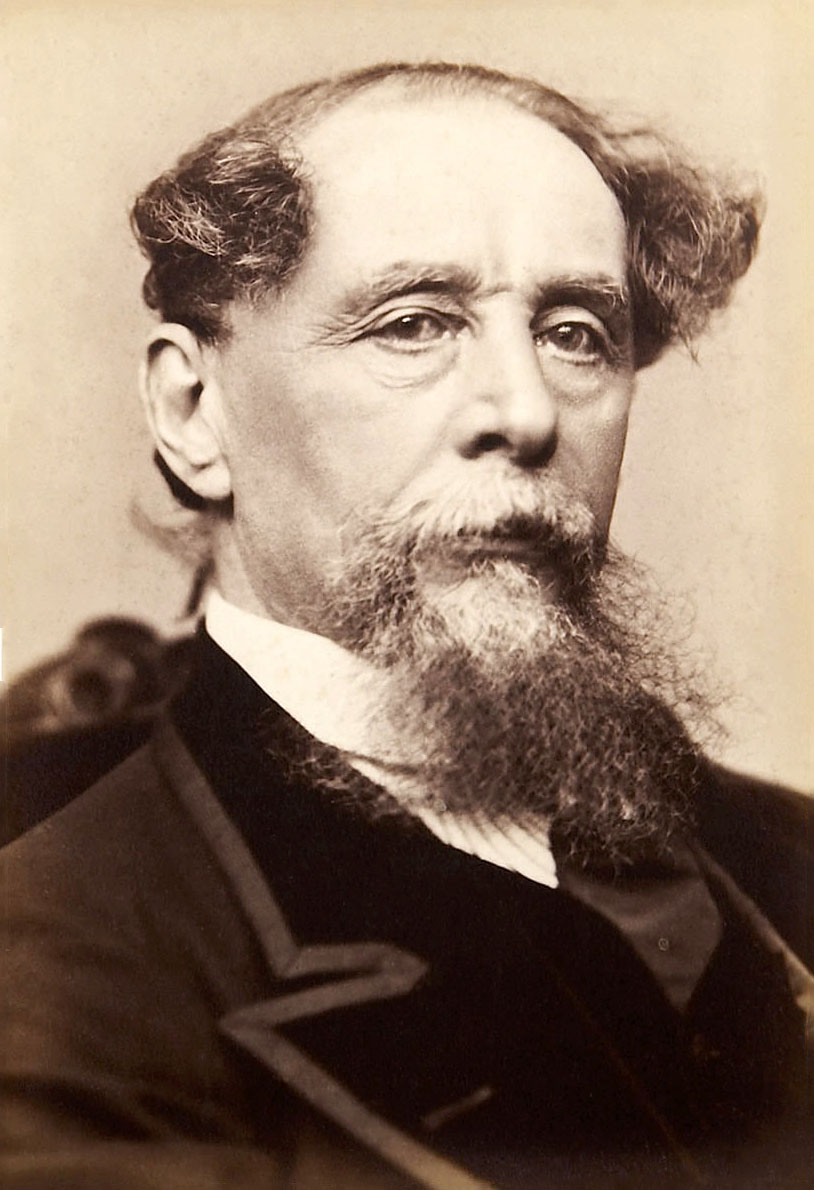
Charles Dickens, full name Charles John Huffam Dickens, is the most famous British writer of the Victorian era, a classic of world literature.
From childhood the future writer learned all the hardships of life in poverty: his father in prison for debts, hard work in a factory. Then service stenographer in court and reporter developed in him a strong attachment to journalism and contempt for both the law and parliament.
Dickens had many talents: in addition to literary work, he was an actor, published periodicals, arranged numerous literary readings, where he reveled in the admiration and love of the public. Fecund and versatile, Charles Dickens wrote many brilliant and often comic works. His novels cover a wide range of social, moral, emotional and other aspects. As a subtle psychologist, he is also very interested in the most ordinary people, but also the eccentric, the flawed, and even the insane.
Dickens was immensely popular around the world during his lifetime. His intellect, worldview, and deep reflections on society and its faults enriched his novels and made him one of the great figures of nineteenth-century literature, an influential spokesman for the conscience of his time.
Dickens' best-known and most popular novels are The Pickwick Club Posthumous Notes, Oliver Twist, Nicholas Nickleby, David Copperfield, Cold House, A Tale of Two Cities, Our Mutual Friend, Great Expectations, and The Mystery of Edwin Drood.
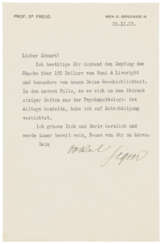

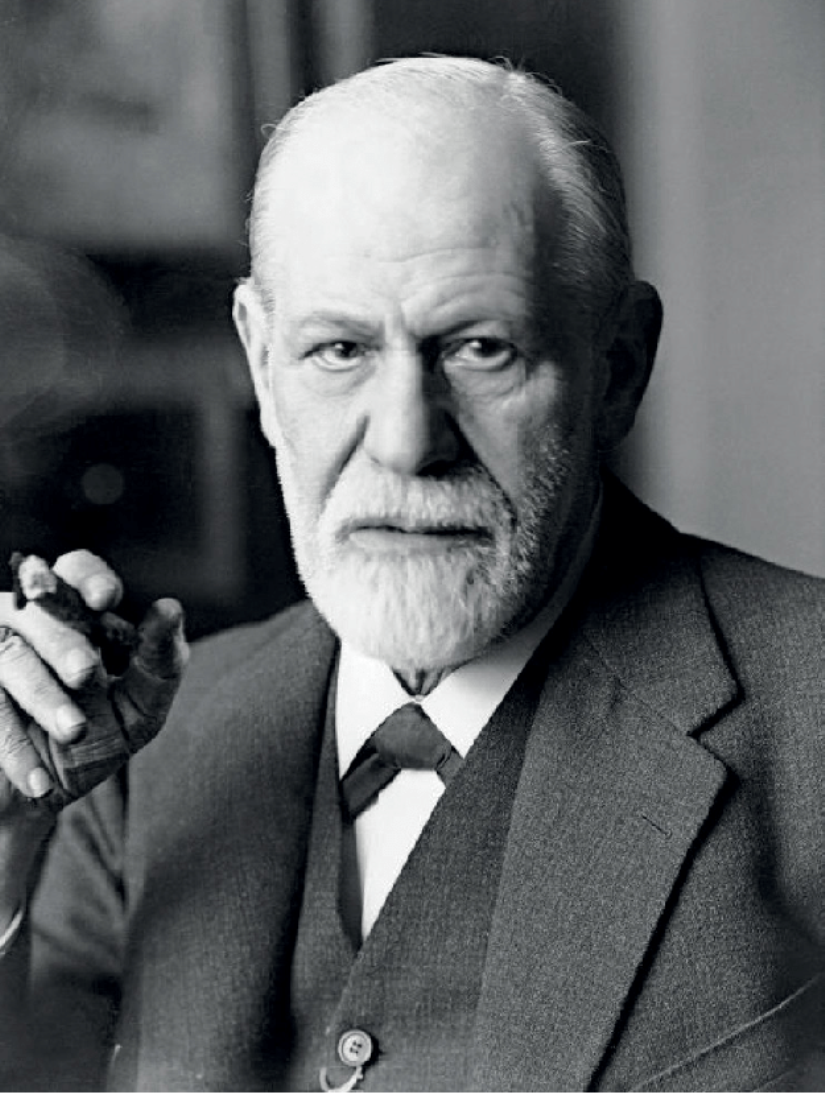
igmund Freud, born Sigismund Schlomo Freud, was an Austrian psychologist, psychiatrist and neurologist, the founder of psychoanalysis.
He graduated from the medical faculty of the University of Vienna, was engaged in self-education and numerous, cutting-edge for his time studies of the human psyche. The resulting psychoanalysis he created was both a theory of the human psyche, a therapy to alleviate its ills, and a tool for interpreting culture and society. Freud's psychoanalysis had a significant impact on psychology, medicine, sociology, anthropology, literature and art in the twentieth century.
Despite the sometimes harsh criticism of virtually all of his ideas and teachings, which continues almost a century after his death, Freud remains one of the most influential intellectual figures of our time.

Charles Dickens, full name Charles John Huffam Dickens, is the most famous British writer of the Victorian era, a classic of world literature.
From childhood the future writer learned all the hardships of life in poverty: his father in prison for debts, hard work in a factory. Then service stenographer in court and reporter developed in him a strong attachment to journalism and contempt for both the law and parliament.
Dickens had many talents: in addition to literary work, he was an actor, published periodicals, arranged numerous literary readings, where he reveled in the admiration and love of the public. Fecund and versatile, Charles Dickens wrote many brilliant and often comic works. His novels cover a wide range of social, moral, emotional and other aspects. As a subtle psychologist, he is also very interested in the most ordinary people, but also the eccentric, the flawed, and even the insane.
Dickens was immensely popular around the world during his lifetime. His intellect, worldview, and deep reflections on society and its faults enriched his novels and made him one of the great figures of nineteenth-century literature, an influential spokesman for the conscience of his time.
Dickens' best-known and most popular novels are The Pickwick Club Posthumous Notes, Oliver Twist, Nicholas Nickleby, David Copperfield, Cold House, A Tale of Two Cities, Our Mutual Friend, Great Expectations, and The Mystery of Edwin Drood.

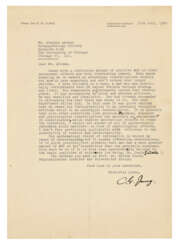

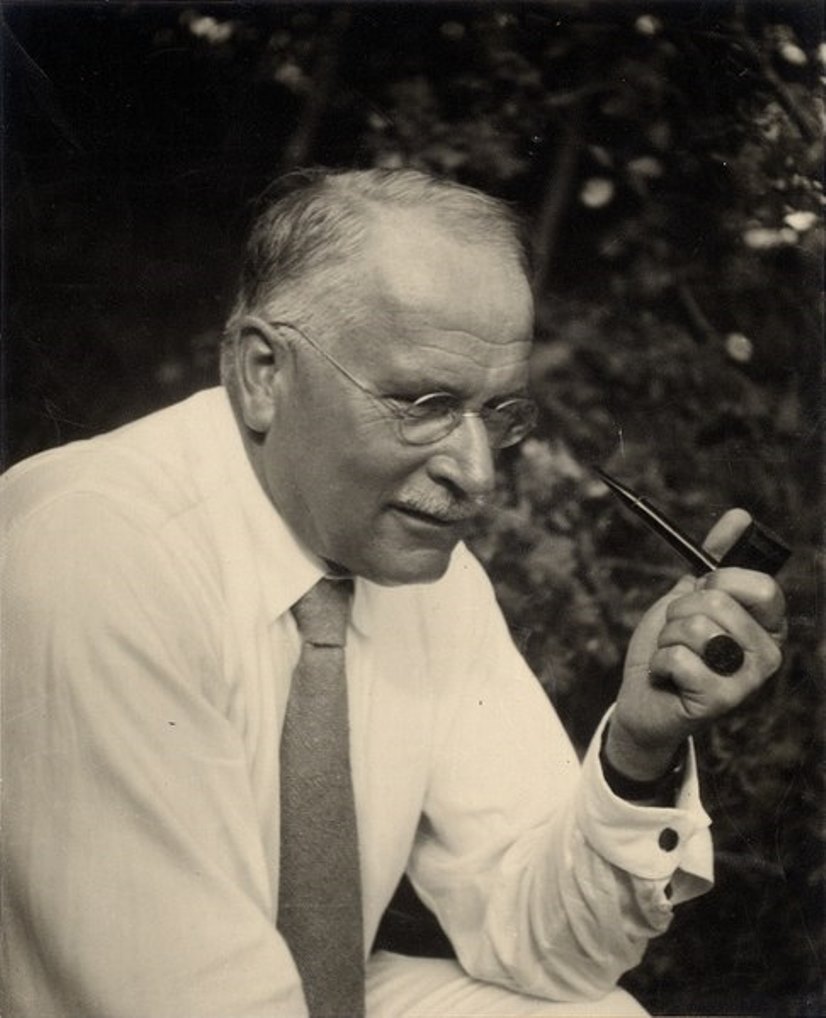
Carl Gustav Jung was a Swiss psychologist and psychiatrist, professor, and the founder of analytical psychology.
He studied at the University of Zurich and conducted many studies in scientific psychology and psychiatry. From 1907 to 1912, Jung was a close associate of Sigmund Freud, but later they had serious disagreements and parted ways.
Carl Jung proposed and developed the concepts of extraverted and introverted personality, archetypes and the collective unconscious. He introduced the term "collective unconscious" as a part of the mind containing memories and impulses of which the individual is unaware, common to humanity as a whole and deriving from inherited brain structure. It differs from the personal unconscious, which arises from the experience of the individual. According to Jung, the collective unconscious contains archetypes, or universal primordial images and ideas.
Historical research helped Jung pioneer psychotherapy for middle-aged and elderly people, especially those who felt their lives had lost meaning. He helped them appreciate the place of their lives in the sequence of history. Jung devoted many years of his life to developing his ideas, especially those concerning the relationship between psychology and religion. His work had a significant impact on psychiatry and the study of religion, literature, and related fields.

![[MAGRITTE, René (1898-1967)]](/assets/image/picture_4258112/b0d12/c42714d5f738dc1854c773639e4d54a81729065600jpg__fix_374_244.jpeg)
![[MAGRITTE, René (1898-1967)]](https://veryimportantlot.com/assets/image/picture_4258112/b0d12/c42714d5f738dc1854c773639e4d54a81729065600jpg__fix_374_244.jpeg)
.jpg)
René Magritte, a Belgian artist, was renowned for his significant contributions to the Surrealist movement. His art, known for merging ordinary objects with bizarre, dream-like contexts, captivated the art world. Born on November 21, 1898, in Lessines, Belgium, Magritte's early artistic pursuits were impressionistic, transitioning through Cubism and Futurism influenced by artists like Jean Metzinger. However, his encounter with Giorgio de Chirico's work in 1922 steered him towards Surrealism.
Magritte's career was marked by various phases, each showcasing his evolving style and thematic focus. His initial foray into Surrealism began in 1926 with "The Lost Jockey" and was further solidified during his time in Paris, where he mingled with other prominent Surrealists like André Breton. Despite facing initial criticism and financial challenges, Magritte's unique blend of familiar imagery in unfamiliar contexts, like in "The Empire of Light" and "Time Transfixed," earned him acclaim.
Magritte's distinct visual language, characterized by recurring motifs like bowler hats and apples, and his exploration of reality and illusion, remain influential. His works are displayed in major galleries worldwide, continuing to inspire and intrigue art collectors and enthusiasts.
For collectors and experts in art and antiques, staying informed about Magritte's works and related auction events is crucial. Signing up for updates ensures you're alerted to new sales and events focusing on René Magritte's art, offering unique opportunities to acquire or learn more about his remarkable creations. This subscription will exclusively cover new product sales and auction events related to Magritte, keeping you updated on the most relevant information in the art world.
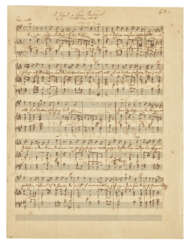

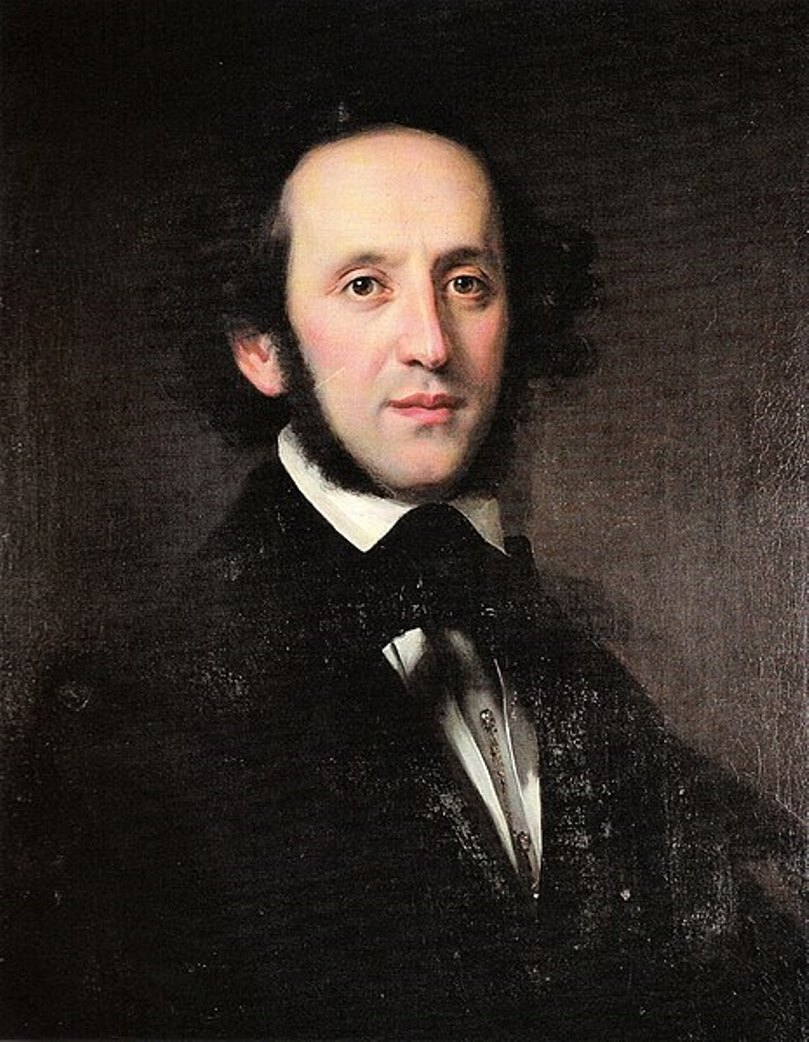
Felix Mendelssohn (full name Jakob Ludwig Felix Mendelssohn Bartholdy) was a German composer, pianist, conductor, teacher, and one of the greatest representatives of Romanticism in music.
Felix was born into a Jewish musical family that later converted to Christianity. He received a versatile education and already as a child wrote many musical compositions, including 5 operas, 11 symphonies for string orchestra, concertos, sonatas and fugues. Mendelssohn's first public performance took place in Berlin in 1818, when he was nine years old. In 1821 Mendelssohn was introduced to J.W. von Goethe, for whom he performed works by J.S. Bach and Mozart and to whom he dedicated his Piano Quartet No. 3 in B minor. A friendship developed between the famous wise poet and the 12-year-old musician.
A few years later, the talented musician began conducting in various orchestras in Europe, and became acquainted with Carl Weber. In England, where Mendelssohn visited very often, by the middle of the 19th century his music had become very popular, even with Queen Victoria he was the most favorite composer. He dedicated his Symphony No. 3 in A minor major (Scottish Symphony) to the Queen.
Among Mendelssohn's most famous works are A Midsummer Night's Dream (1826), the Italian Symphony (1833), a violin concerto (1844), two piano concertos (1831, 1837), the oratorio Elijah (1846) and several chamber pieces. The tradition of playing the "Wedding March" from A Midsummer Night's Dream in wedding processions dates back to its performance at the wedding of a royal princess in 1858, already after Mendelssohn's death.
In 1843, Mendelssohn founded a conservatory in Leipzig, where he taught composition with Schumann. Mendelssohn was one of the first great Romantic composers of the nineteenth century.
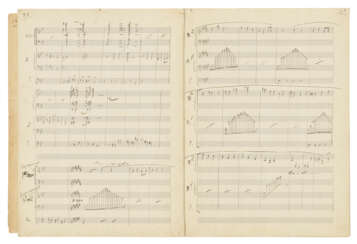

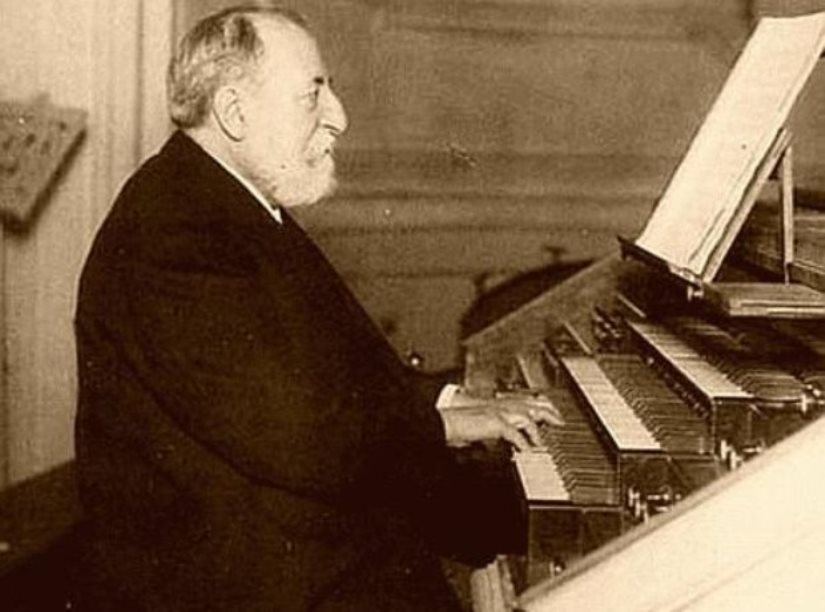


Felix Mendelssohn (full name Jakob Ludwig Felix Mendelssohn Bartholdy) was a German composer, pianist, conductor, teacher, and one of the greatest representatives of Romanticism in music.
Felix was born into a Jewish musical family that later converted to Christianity. He received a versatile education and already as a child wrote many musical compositions, including 5 operas, 11 symphonies for string orchestra, concertos, sonatas and fugues. Mendelssohn's first public performance took place in Berlin in 1818, when he was nine years old. In 1821 Mendelssohn was introduced to J.W. von Goethe, for whom he performed works by J.S. Bach and Mozart and to whom he dedicated his Piano Quartet No. 3 in B minor. A friendship developed between the famous wise poet and the 12-year-old musician.
A few years later, the talented musician began conducting in various orchestras in Europe, and became acquainted with Carl Weber. In England, where Mendelssohn visited very often, by the middle of the 19th century his music had become very popular, even with Queen Victoria he was the most favorite composer. He dedicated his Symphony No. 3 in A minor major (Scottish Symphony) to the Queen.
Among Mendelssohn's most famous works are A Midsummer Night's Dream (1826), the Italian Symphony (1833), a violin concerto (1844), two piano concertos (1831, 1837), the oratorio Elijah (1846) and several chamber pieces. The tradition of playing the "Wedding March" from A Midsummer Night's Dream in wedding processions dates back to its performance at the wedding of a royal princess in 1858, already after Mendelssohn's death.
In 1843, Mendelssohn founded a conservatory in Leipzig, where he taught composition with Schumann. Mendelssohn was one of the first great Romantic composers of the nineteenth century.
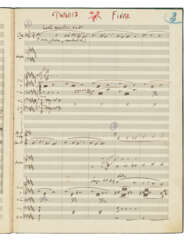

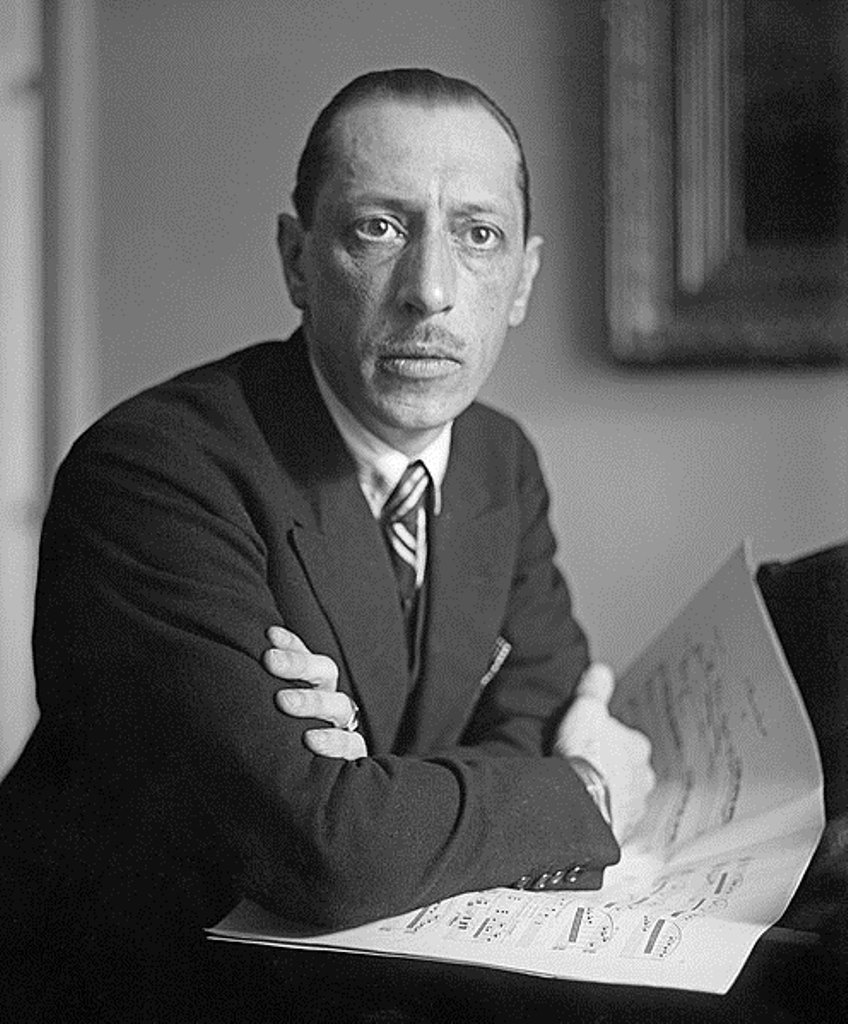
Igor Fedorovich Stravinskii (russian: Игорь Фёдорович Стравинский) was a Russian composer, a citizen of France and the United States. One of the greatest representatives of the world musical culture of the 20th century.
The future composer was born into a creative musical family. Igor Stravinskii's father was an opera singer, soloist of the Mariinsky Theater Fedor Stravinskii, and his mother was a pianist Anna Kholodovskaya. Igor studied music at home, the Stravinskiis were often visited by their friends: composers Caesar Cui and Nikolai Rimsky-Korsakov, critic Vladimir Stasov and writer Fyodor Dostoevsky. For five years from 1902 Igor Stravinsky studied with the composer Nikolai Rimsky-Korsakov. At the same time he became close to the impresario Sergei Diaghilev and the artists of the "World of Art" association.
Stravinskii 's first works were created under the influence of Rimsky-Korsakov and the French Impressionists, and his music bears a vivid imprint of the Russian cultural tradition. Igor Stravinskii's first ballet, The Firebird, was performed in June 1910 at the Paris Grand Opera House, and he later wrote music for Diaghilev's ballets Petrushka (1911) and Sacred Spring (1913). It was after the premiere of his ballets at Sergei Diaghilev's Russian Seasons in Paris that Stravinskii gained worldwide fame. The sets for his ballets were created by the artists Alexander Benois and Nikolai Roerich, the choreography was prepared by the famous dancers Vaclav Nijinsky and George Balanchine, and the costumes were designed by Coco Chanel herself.
In 1920 Stravinskii moved to France and in 1934 he took French citizenship. In Paris, the composer composed many works that became world-famous. In 1939 Igor Stravinskii moved to the United States and in 1945 he took American citizenship. During this period, he began to turn more to biblical themes and music of the pre-Brahmsian period.
From 1924 Stravinskii also performed as a pianist and conductor of his own works. In 1962, at the invitation of the USSR Ministry of Culture, Igor Stravinsky gave several concerts in Moscow and Leningrad (now St. Petersburg).
Critics believe that in recent years Stravinskii was moving further and further away from the Russian style, but the composer himself believed otherwise. On the basis of Russian folk songs, in 1965 he created a canon for orchestra, "Not a Pine Tree at the Gate Rocked". A year before his death, in 1966, the composer wrote the requiem "Funeral Chants", which he considered to be one of the major works of his life.