mappin &




























.jpg)
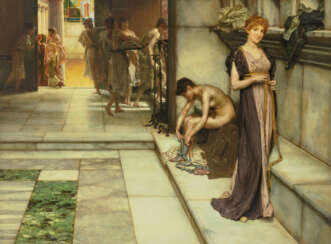
Lawrence Alma-Tadema was a Dutch-British artist renowned for his detailed and romanticized portrayals of ancient civilizations, particularly Rome and Egypt. His meticulous attention to historical accuracy and the lavish representation of marble and luxurious settings distinguished his work. Notably, his fascination with ancient cultures was sparked by his honeymoon visit to Italy and Pompeii, influencing his artistic focus for decades.
Lawrence Alma-Tadema's early work, such as "The Education of the Children of Clovis," showcased his interest in historical subjects and established his reputation. This painting, alongside others like "The Sad Father," demonstrates his commitment to historical detail and narrative depth.
After moving to England due to the Franco-Prussian War and personal reasons, Lawrence Alma-Tadema's career flourished. His works, characterized by their bright palette and refined details, resonated with Victorian audiences, earning him considerable fame and financial success. He was knighted in 1899 and continued to be a pivotal figure in Victorian art, influencing peers and future generations alike.
Lawrence Alma-Tadema's legacy experienced a decline posthumously but saw a resurgence in the 1970s. Today, he is celebrated for his contributions to the Neoclassical and Victorian art movements, with his works featured in prominent collections worldwide, including the Getty Museum and the Tate Gallery.
If you are fascinated by Lawrence Alma-Tadema's artwork and wish to stay updated on sales and auction events related to his works, consider signing up for updates. This will ensure you remain informed about new opportunities to explore and possibly acquire pieces of his illustrious legacy.






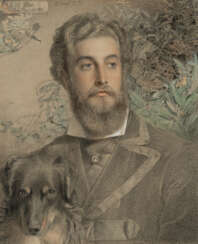

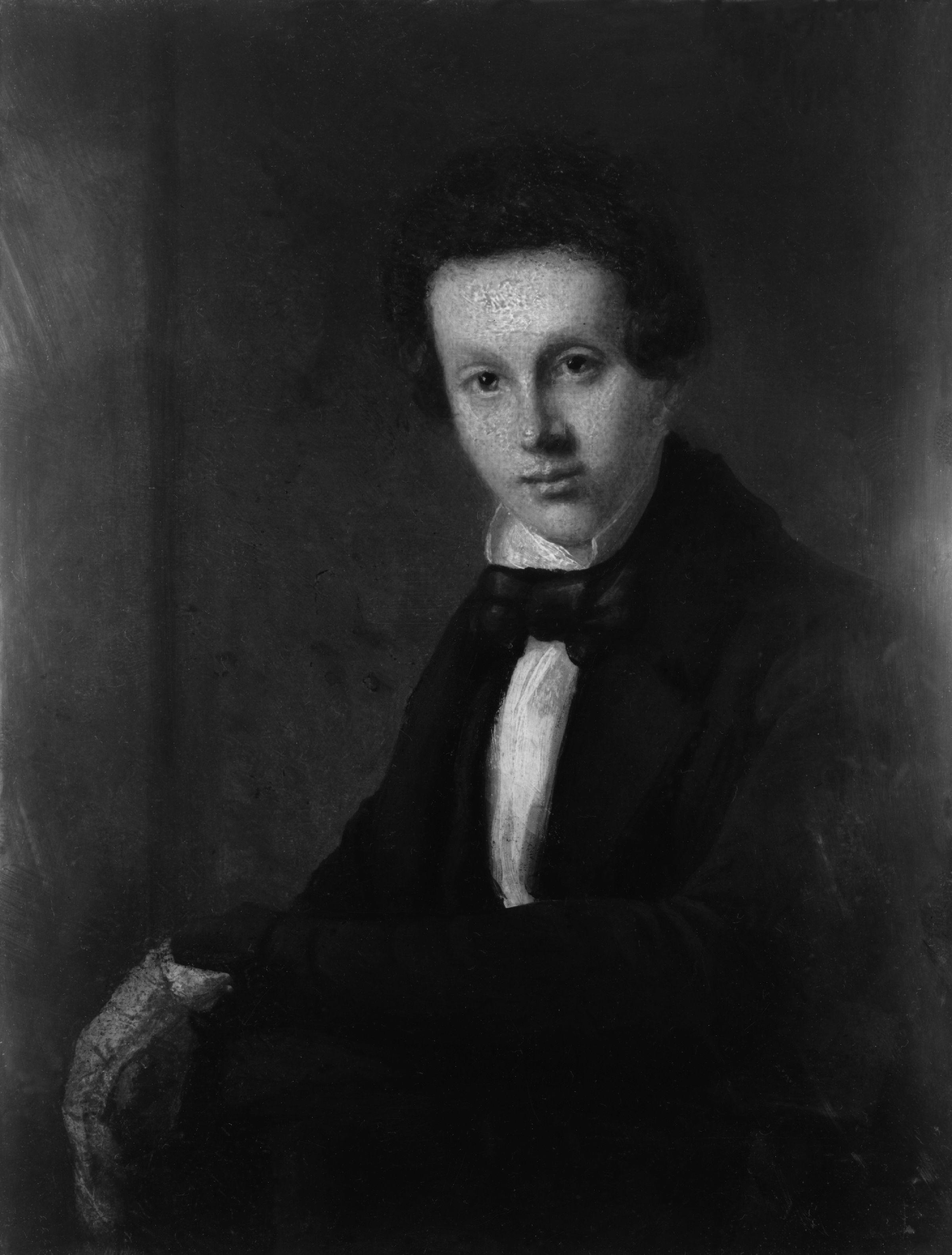
Anthony Frederick Augustus Sandys was a British painter, illustrator, and draughtsman, associated with the Pre-Raphaelites. He was also associated with the Norwich School of painters.


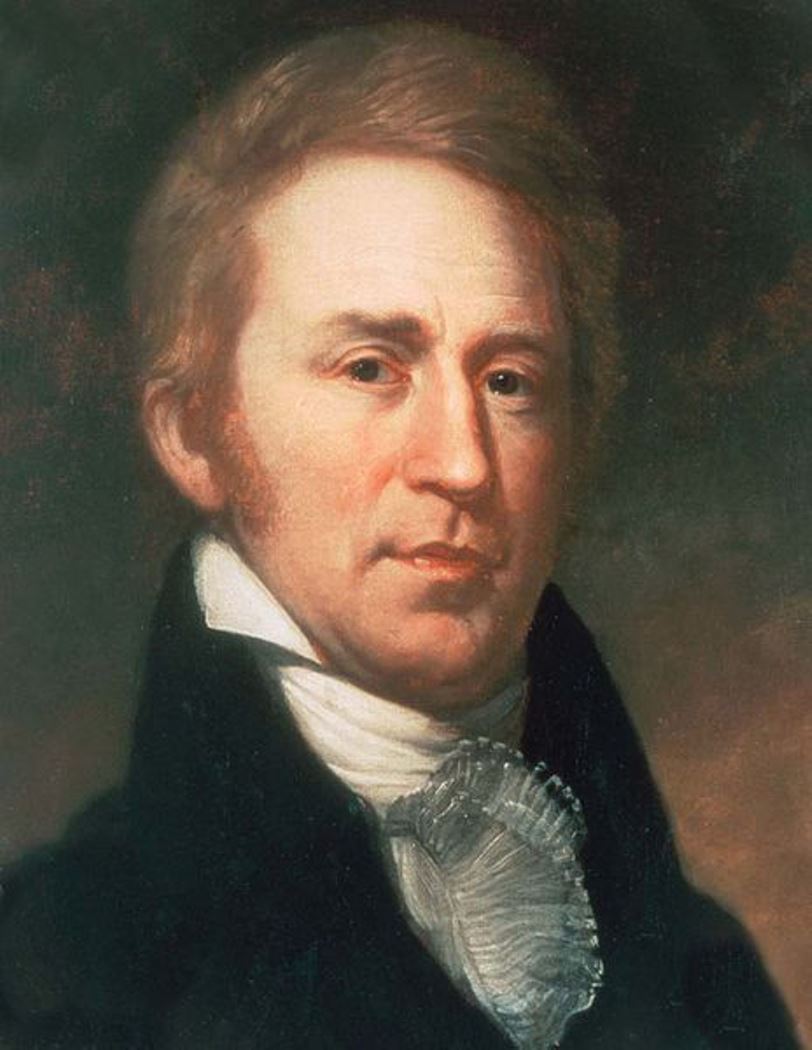
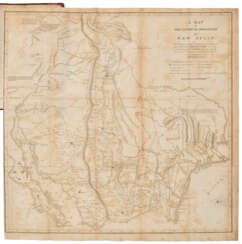
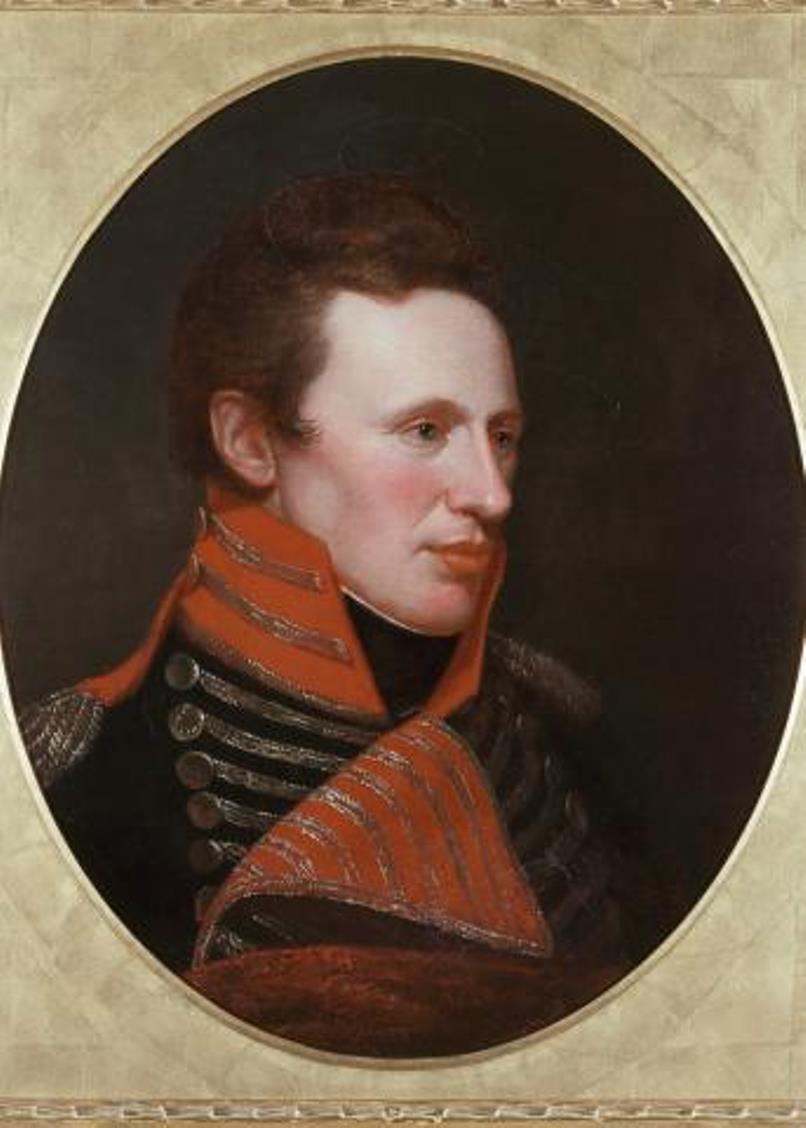
William Clark, an American frontiersman, is best known for co-leading the epic Lewis and Clark Expedition alongside Meriwether Lewis from 1804 to 1806. This journey was a monumental exploration of the American West, extending to the Pacific Northwest, which laid the foundation for westward expansion and significantly contributed to the nation's knowledge of the vast territory.
Before his fame as an explorer, William Clark had a substantial military career, beginning with his service in the militia and the U.S. Army during the Northwest Indian War. His experiences in the military, including participation in the Battle of Fallen Timbers, honed his leadership and survival skills, which were crucial for the success of the Lewis and Clark Expedition.
Following the expedition, William Clark continued to serve in significant roles, including as the governor of Missouri Territory and as a superintendent of Indian Affairs. His later years were dedicated to managing relations with various Native American tribes, navigating the complexities of the expanding American frontier.
For collectors and experts in art, history, and antiques, William Clark's life and contributions offer a fascinating lens through which to explore the early 19th-century American narrative. His maps, journals, and other related artifacts provide a unique perspective on this formative period in U.S. history.
To stay informed about new discoveries, exhibitions, and auction events related to William Clark, consider subscribing for updates. This subscription will provide you with valuable insights into the lasting impact of Clark's legacy on American culture and history.
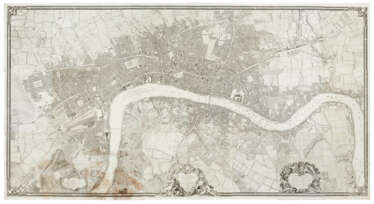
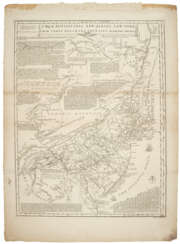
![[FOSTER, George (fl. 1735-1740)] – Robert SAYER (1735-1794).](/assets/image/picture_4084812/eead4/rh5-akqejyjmaug43ncvjup-kaf74qit0wesbihrffucjgdpjhfhqhahybonknkw1719908507jpg__fix_374_244.jpeg)
![[FOSTER, George (fl. 1735-1740)] – Robert SAYER (1735-1794).](https://veryimportantlot.com/assets/image/picture_4084812/eead4/rh5-akqejyjmaug43ncvjup-kaf74qit0wesbihrffucjgdpjhfhqhahybonknkw1719908507jpg__fix_374_244.jpeg)
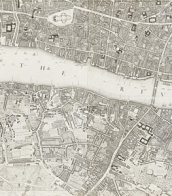
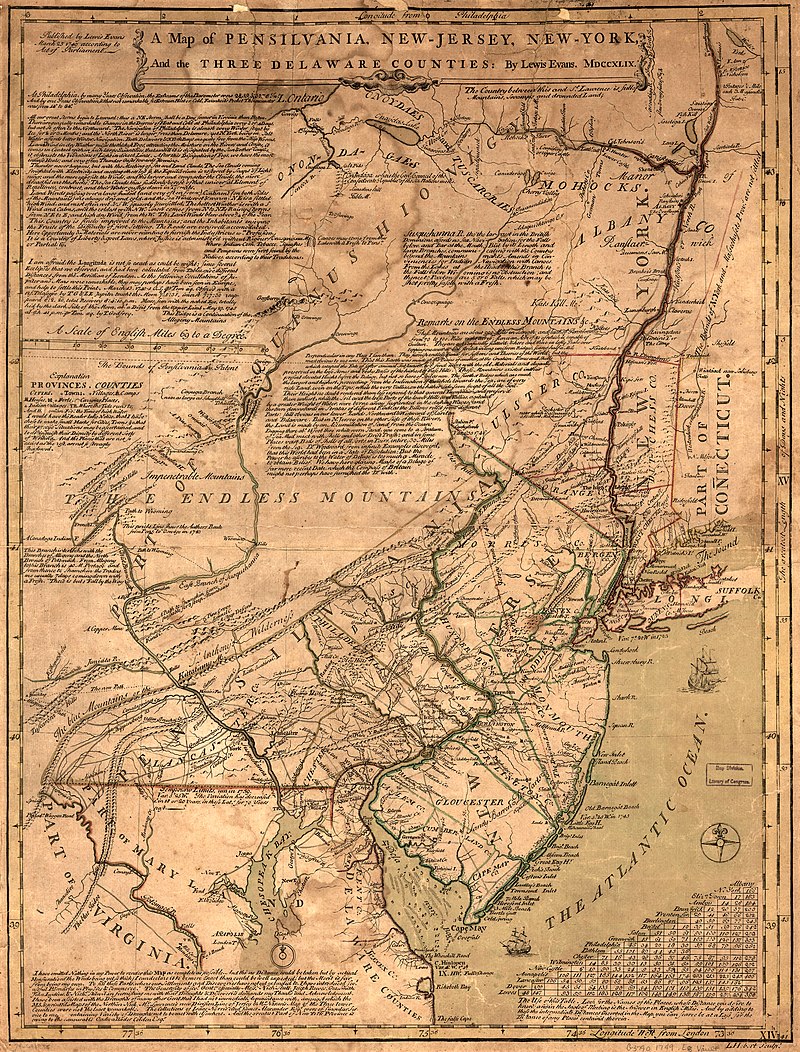
![[FOSTER, George (fl. 1735-1740)] – Robert SAYER (1735-1794).](/assets/image/picture_4361590/74b5a/13dca103bbf8f022f3e8439e6036e3811733871600jpg__fix_374_244.jpeg)
![[FOSTER, George (fl. 1735-1740)] – Robert SAYER (1735-1794).](https://veryimportantlot.com/assets/image/picture_4361590/74b5a/13dca103bbf8f022f3e8439e6036e3811733871600jpg__fix_374_244.jpeg)









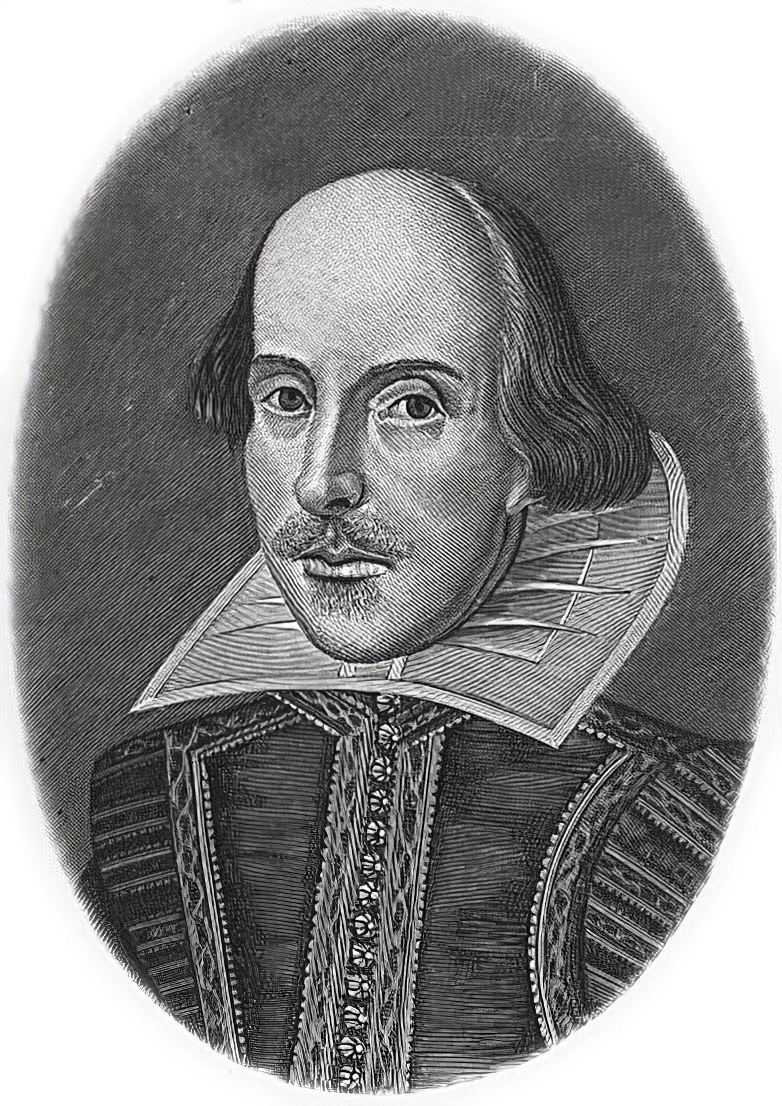
William Shakespeare was a British poet and playwright and writer.
William's father, John Shakespeare, was a merchant and official in Stratford. There are reports that he was a sailor for a time before joining a theater company in London. Beginning in the 1590s, Shakespeare began writing plays, and in 1593 he published a poem, Venus and Adonis, which became popular. He dedicated it to the Duke of Southampton, who was a philanthropist and patron of talent, and soon his business was booming.
From 1592 to 1600 Shakespeare wrote his dramas and romantic comedies "Richard III", "The Taming of the Shrew", "Romeo and Juliet", "A Midsummer Night's Dream" and "The Merchant of Venice", as well as the comedies "Much Ado About Nothing", "Twelfth Night" and the tragedy "Julius Caesar". The playwright's business was so successful that he even bought a large house in Stratford. In 1599, Shakespeare became one of the owners, playwright and actor of the new theater "Globe". In 1603 King James took Shakespeare's troupe under his direct patronage. In the mature period, the great playwright turned to tragedies, there were "Hamlet", "Othello", "King Lear", "Macbeth" and others.
Although in the 19th century researchers had some doubts about the authorship of many of these works, William Shakespeare is considered the greatest English playwright, one of the best playwrights in the world. His plays have been translated into all major languages and to this day form the basis of the world theatrical repertoire, most of them have been screened many times. According to the Guinness Book of Records, Shakespeare remains the world's best-selling playwright, and his plays and poems have sold more than 4 billion copies in the nearly 400 years since his death.