matériaux de co









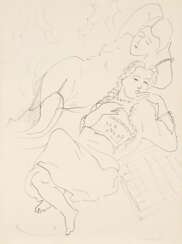

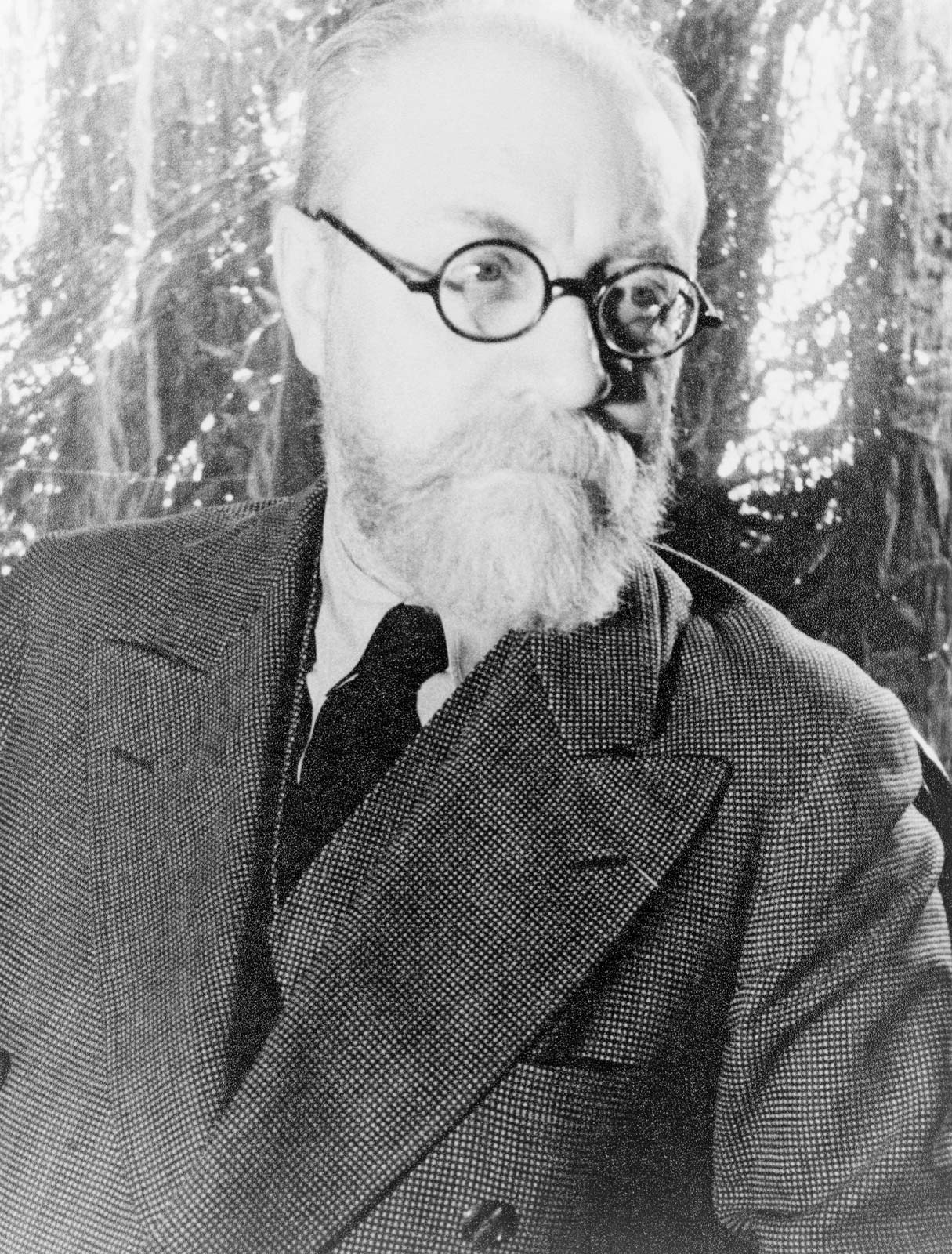
Henri Matisse, a renowned French visual artist, was celebrated for his vibrant use of color and fluid, original draughtsmanship. Born on December 31, 1869, in Le Cateau-Cambrésis, France, Matisse initially pursued a career in law before turning to art. He first began painting in 1889, a change inspired by convalescence art supplies his mother provided. This marked the beginning of a journey that would see him become a leading figure in modern art.
Matisse's career is notable for its stylistic evolution yet consistent aim to capture the "essential character of things." His early works, characterized by intense colorism, earned him recognition as one of the Fauves, or "wild beasts." The period from 1908 to 1913 was marked by significant developments, with works like "Reclining Odalisque" and "The Red Studio" showcasing his mastery in balance and serenity. In the 1920s, his style evolved to more relaxed forms, with a focus on light, color, and decorative patterns in paintings like his odalisque series.
Matisse's exploration of various mediums, including sculpture and paper collage, reflects his innovative spirit. His later years were dominated by cut paper collages, as health challenges limited his ability to paint. These works, alongside his bold drawings and sculptures, cemented his status as a pioneer in visual art.
For collectors and art experts, Matisse's work remains a testament to creative evolution and expressive use of color and form. His masterpieces can be found in prominent museums and galleries worldwide, continuing to inspire and fascinate art enthusiasts.
To stay updated on new product sales and auction events related to Henri Matisse's art, sign up for our updates. This subscription will keep you informed about opportunities to appreciate and acquire works connected to this iconic artist.
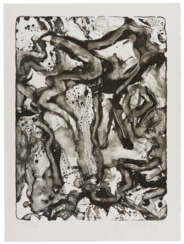

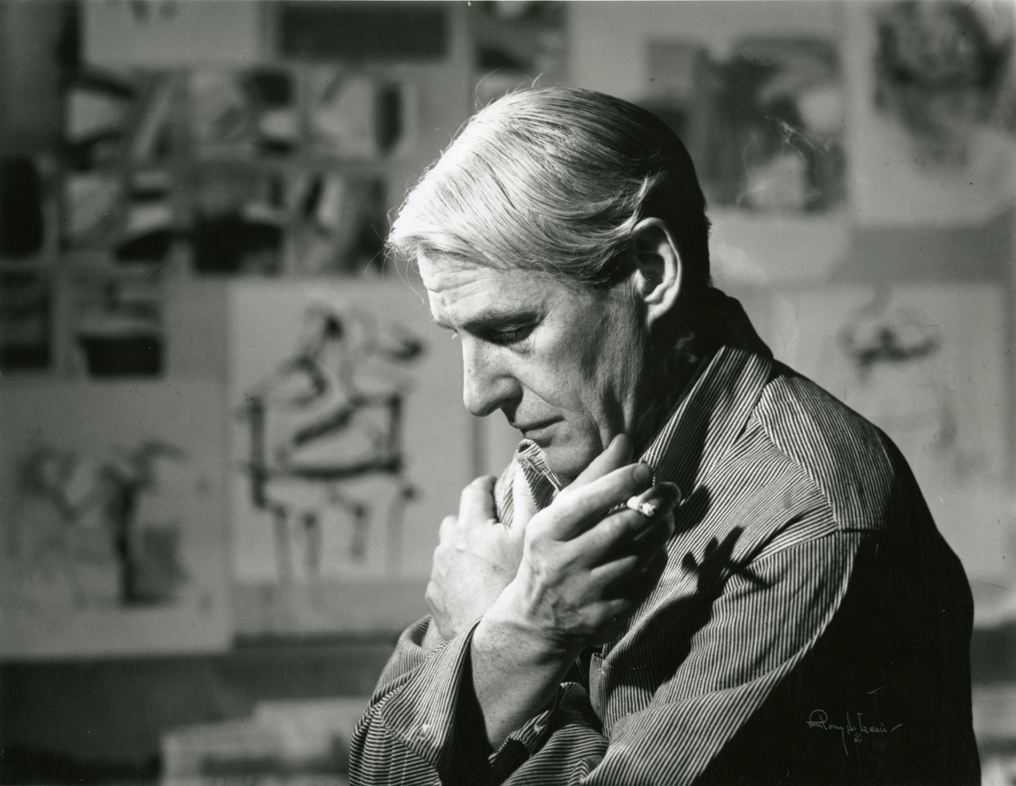
Willem de Kooning was a Dutch-American abstract expressionist painter. Born in Rotterdam, Netherlands, he moved to the United States in 1926, becoming a U.S. citizen in 1962. He was a leading figure in the Abstract Expressionism movement, known for his dramatic and often energetic style. He gained prominence between 1948 and 1953, creating some of his most iconic works, including the Woman series.
De Kooning's paintings combined abstraction with elements of Cubism, Surrealism, and Expressionism. His style evolved over time, with works that ranged from figurative to more abstract pieces. Among his most notable works are "Woman I" (1950-52) and "Excavation" (1950), which reflect his unique approach to painting, characterized by vigorous brushstrokes, bold colors, and complex textures.
Despite his success, de Kooning faced challenges, including personal struggles with alcoholism and deteriorating health due to Alzheimer's disease in his later years. His artwork has had a lasting impact on modern art, and his pieces can be found in major museums and galleries worldwide, such as the Museum of Modern Art (MoMA) and the Smithsonian American Art Museum.
Stay updated on new releases and auction events featuring works by Willem de Kooning by signing up for our exclusive email notifications. Get insider information and never miss a chance to add to your art collection.


Willem de Kooning was a Dutch-American abstract expressionist painter. Born in Rotterdam, Netherlands, he moved to the United States in 1926, becoming a U.S. citizen in 1962. He was a leading figure in the Abstract Expressionism movement, known for his dramatic and often energetic style. He gained prominence between 1948 and 1953, creating some of his most iconic works, including the Woman series.
De Kooning's paintings combined abstraction with elements of Cubism, Surrealism, and Expressionism. His style evolved over time, with works that ranged from figurative to more abstract pieces. Among his most notable works are "Woman I" (1950-52) and "Excavation" (1950), which reflect his unique approach to painting, characterized by vigorous brushstrokes, bold colors, and complex textures.
Despite his success, de Kooning faced challenges, including personal struggles with alcoholism and deteriorating health due to Alzheimer's disease in his later years. His artwork has had a lasting impact on modern art, and his pieces can be found in major museums and galleries worldwide, such as the Museum of Modern Art (MoMA) and the Smithsonian American Art Museum.
Stay updated on new releases and auction events featuring works by Willem de Kooning by signing up for our exclusive email notifications. Get insider information and never miss a chance to add to your art collection.


Willem de Kooning was a Dutch-American abstract expressionist painter. Born in Rotterdam, Netherlands, he moved to the United States in 1926, becoming a U.S. citizen in 1962. He was a leading figure in the Abstract Expressionism movement, known for his dramatic and often energetic style. He gained prominence between 1948 and 1953, creating some of his most iconic works, including the Woman series.
De Kooning's paintings combined abstraction with elements of Cubism, Surrealism, and Expressionism. His style evolved over time, with works that ranged from figurative to more abstract pieces. Among his most notable works are "Woman I" (1950-52) and "Excavation" (1950), which reflect his unique approach to painting, characterized by vigorous brushstrokes, bold colors, and complex textures.
Despite his success, de Kooning faced challenges, including personal struggles with alcoholism and deteriorating health due to Alzheimer's disease in his later years. His artwork has had a lasting impact on modern art, and his pieces can be found in major museums and galleries worldwide, such as the Museum of Modern Art (MoMA) and the Smithsonian American Art Museum.
Stay updated on new releases and auction events featuring works by Willem de Kooning by signing up for our exclusive email notifications. Get insider information and never miss a chance to add to your art collection.





Willem de Kooning was a Dutch-American abstract expressionist painter. Born in Rotterdam, Netherlands, he moved to the United States in 1926, becoming a U.S. citizen in 1962. He was a leading figure in the Abstract Expressionism movement, known for his dramatic and often energetic style. He gained prominence between 1948 and 1953, creating some of his most iconic works, including the Woman series.
De Kooning's paintings combined abstraction with elements of Cubism, Surrealism, and Expressionism. His style evolved over time, with works that ranged from figurative to more abstract pieces. Among his most notable works are "Woman I" (1950-52) and "Excavation" (1950), which reflect his unique approach to painting, characterized by vigorous brushstrokes, bold colors, and complex textures.
Despite his success, de Kooning faced challenges, including personal struggles with alcoholism and deteriorating health due to Alzheimer's disease in his later years. His artwork has had a lasting impact on modern art, and his pieces can be found in major museums and galleries worldwide, such as the Museum of Modern Art (MoMA) and the Smithsonian American Art Museum.
Stay updated on new releases and auction events featuring works by Willem de Kooning by signing up for our exclusive email notifications. Get insider information and never miss a chance to add to your art collection.


Willem de Kooning was a Dutch-American abstract expressionist painter. Born in Rotterdam, Netherlands, he moved to the United States in 1926, becoming a U.S. citizen in 1962. He was a leading figure in the Abstract Expressionism movement, known for his dramatic and often energetic style. He gained prominence between 1948 and 1953, creating some of his most iconic works, including the Woman series.
De Kooning's paintings combined abstraction with elements of Cubism, Surrealism, and Expressionism. His style evolved over time, with works that ranged from figurative to more abstract pieces. Among his most notable works are "Woman I" (1950-52) and "Excavation" (1950), which reflect his unique approach to painting, characterized by vigorous brushstrokes, bold colors, and complex textures.
Despite his success, de Kooning faced challenges, including personal struggles with alcoholism and deteriorating health due to Alzheimer's disease in his later years. His artwork has had a lasting impact on modern art, and his pieces can be found in major museums and galleries worldwide, such as the Museum of Modern Art (MoMA) and the Smithsonian American Art Museum.
Stay updated on new releases and auction events featuring works by Willem de Kooning by signing up for our exclusive email notifications. Get insider information and never miss a chance to add to your art collection.


Willem de Kooning was a Dutch-American abstract expressionist painter. Born in Rotterdam, Netherlands, he moved to the United States in 1926, becoming a U.S. citizen in 1962. He was a leading figure in the Abstract Expressionism movement, known for his dramatic and often energetic style. He gained prominence between 1948 and 1953, creating some of his most iconic works, including the Woman series.
De Kooning's paintings combined abstraction with elements of Cubism, Surrealism, and Expressionism. His style evolved over time, with works that ranged from figurative to more abstract pieces. Among his most notable works are "Woman I" (1950-52) and "Excavation" (1950), which reflect his unique approach to painting, characterized by vigorous brushstrokes, bold colors, and complex textures.
Despite his success, de Kooning faced challenges, including personal struggles with alcoholism and deteriorating health due to Alzheimer's disease in his later years. His artwork has had a lasting impact on modern art, and his pieces can be found in major museums and galleries worldwide, such as the Museum of Modern Art (MoMA) and the Smithsonian American Art Museum.
Stay updated on new releases and auction events featuring works by Willem de Kooning by signing up for our exclusive email notifications. Get insider information and never miss a chance to add to your art collection.
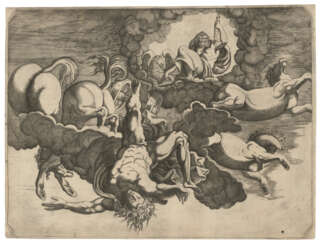

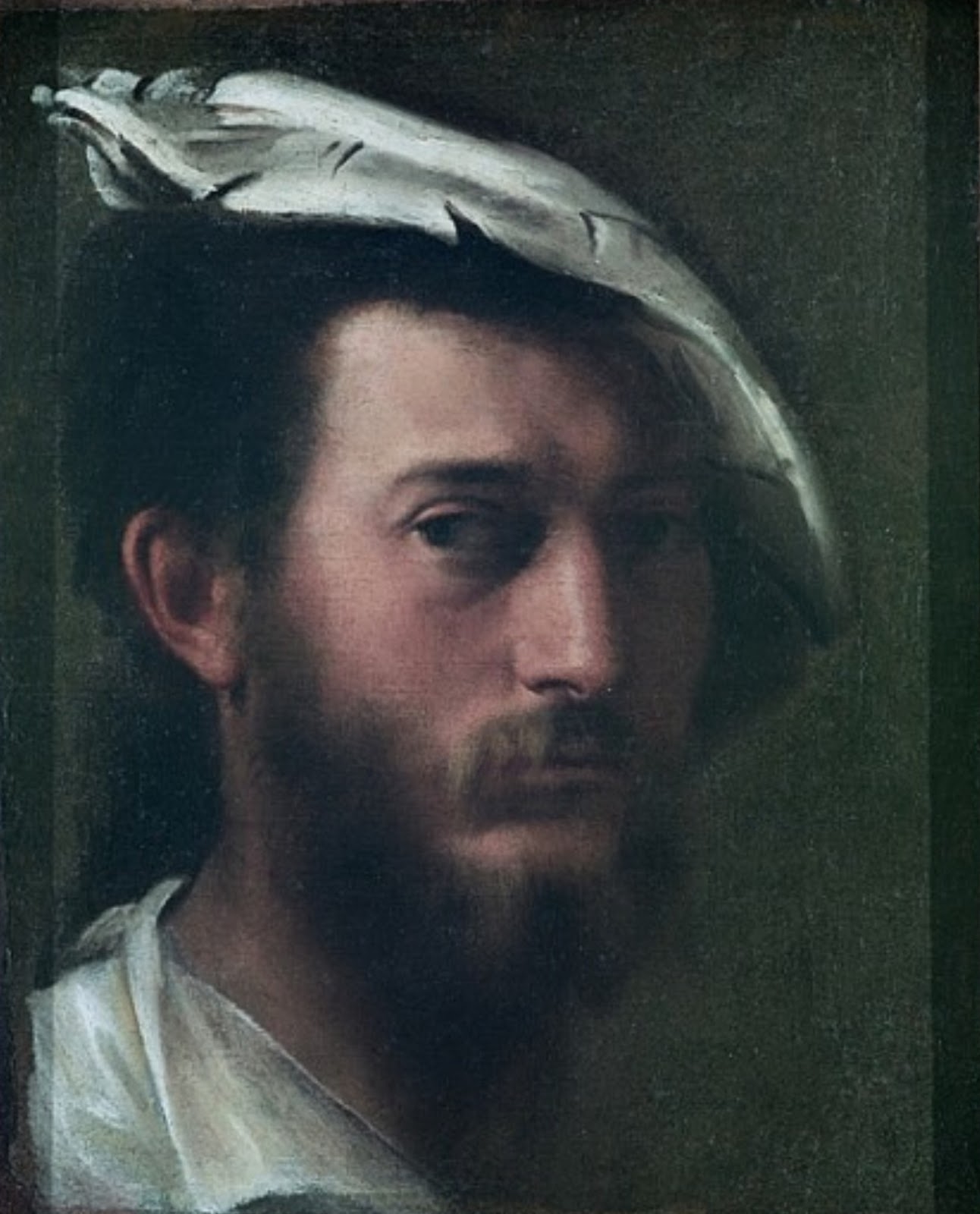
Francesco Primaticcio was an Italian Mannerist painter, architect and sculptor who spent most of his career in France.
Primaticcio's crowded Mannerist compositions and his long-legged canon of beauty influenced French art for the rest of the century.
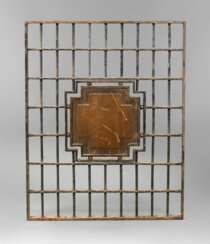

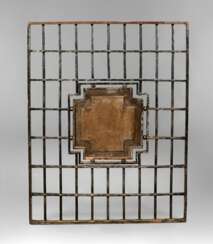

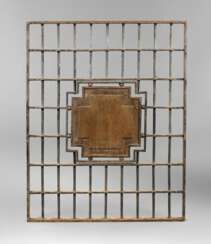

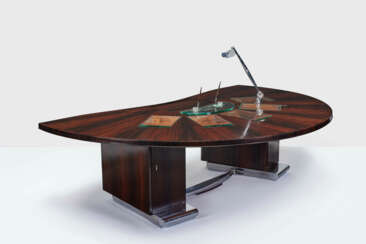

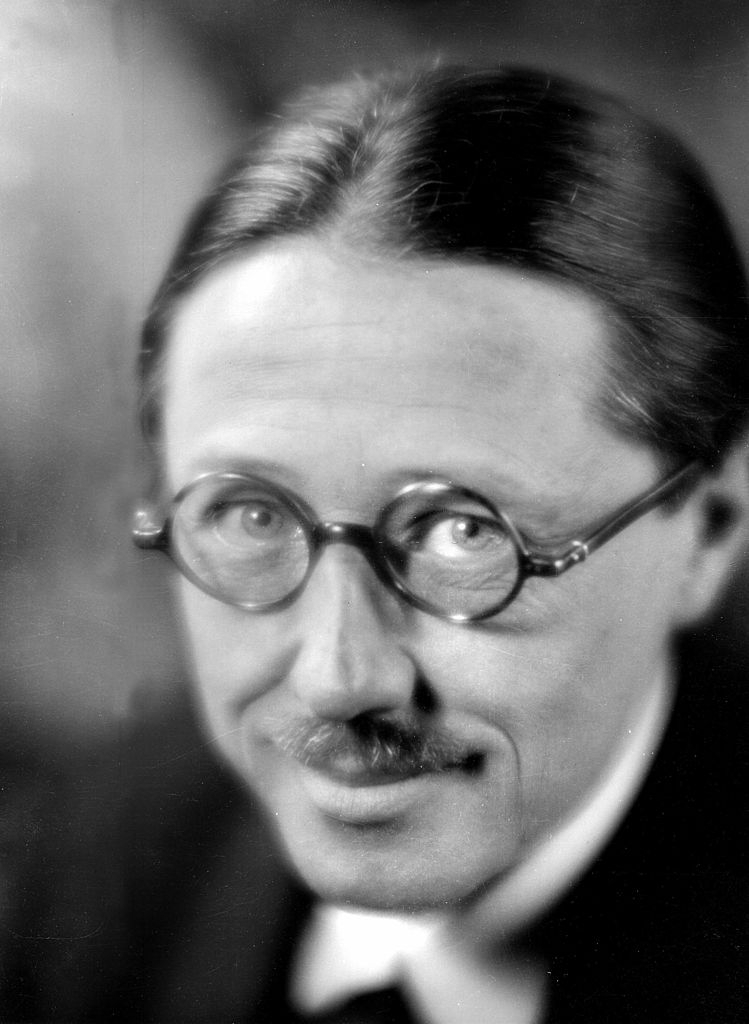
Émile-Jacques Ruhlmann, (sometimes called Jacques-Émile Ruhlmann), was a French furniture designer and interior decorator, who was one of the most important figures in the Art Deco movement. His furniture featured sleek designs, expensive and exotic materials and extremely fine craftsmanship, and became a symbol of the luxury and modernity of Art Deco. It also produced a reaction from other designers and architects, such as Le Corbusier, who called for simpler, functional furniture.
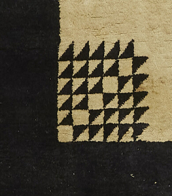


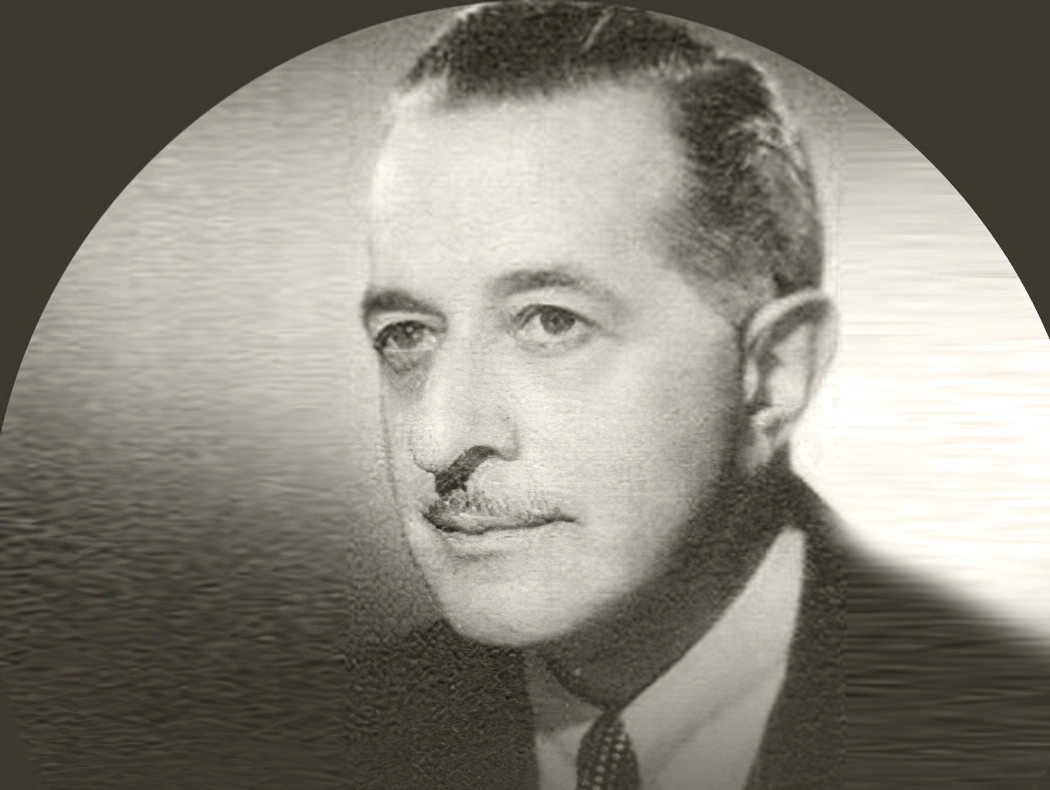
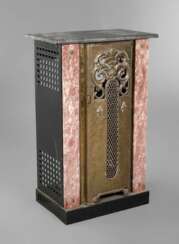
Marcel Coard is one of the great decorators and designers of the 1930s.














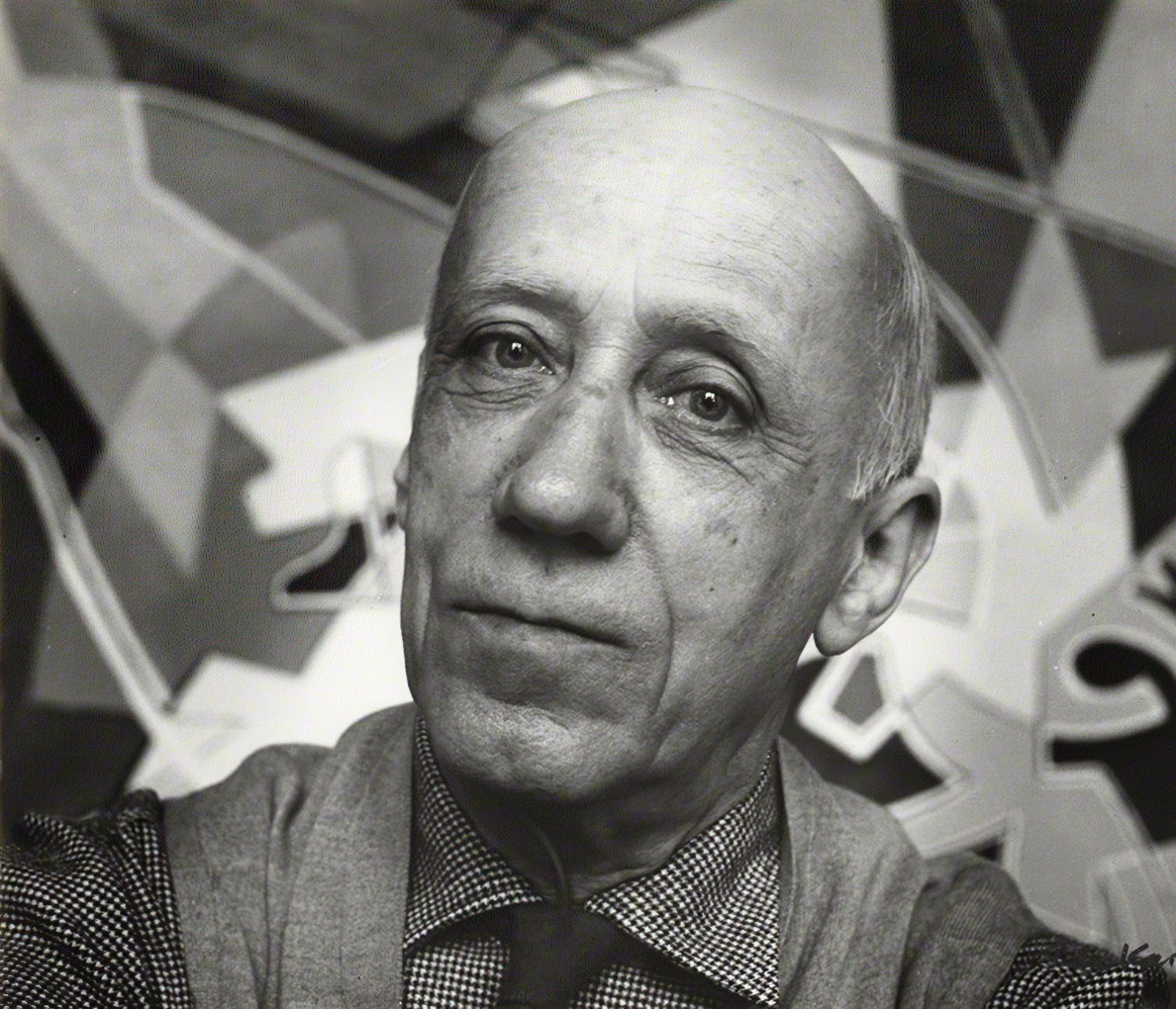
Gino Severini was an Italian painter and a prominent figure in the Futurist movement, known for his dynamic interpretation of movement and light in his artworks. Born in Cortona, Italy, in 1883, Severini moved to Paris in 1906, where he became deeply involved in the avant-garde scene, mingling with leading artists and embracing the vibrant cultural milieu of the city. His work often depicted lively urban scenes, dancers, and the energetic pace of modern life, distinguishing him within the Futurist movement for his unique focus on human figures and lively settings rather than the mechanical world.
Gino Severini's style evolved significantly over the years, moving from Futurism to incorporating elements of Cubism and later adopting a more classical approach in his art. After World War I, he aligned with the "return to order" movement, focusing on classical harmony and balance, which is evident in works like "The Two Pulchinellas." His later years saw him exploring various media, including mosaics and frescoes, contributing significantly to modern mosaic art and earning him the title "Father of Modern Mosaic."
Gino Severini's works are showcased in prestigious galleries worldwide, including the Museum of Modern Art (MoMA) in New York, where his influence on 20th-century art is celebrated. His contributions to art theory, his exploration across different art forms, and his ability to capture the essence of his time make Severini a fascinating subject for art collectors and experts alike.
For those interested in the evolution of modern art and the interplay between different artistic movements, Severini's work offers a compelling study of creativity and innovation. If you are intrigued by Gino Severini's contributions to the art world and wish to stay informed about upcoming sales and auction events related to his works, consider signing up for updates to deepen your knowledge and appreciation of this pivotal artist.


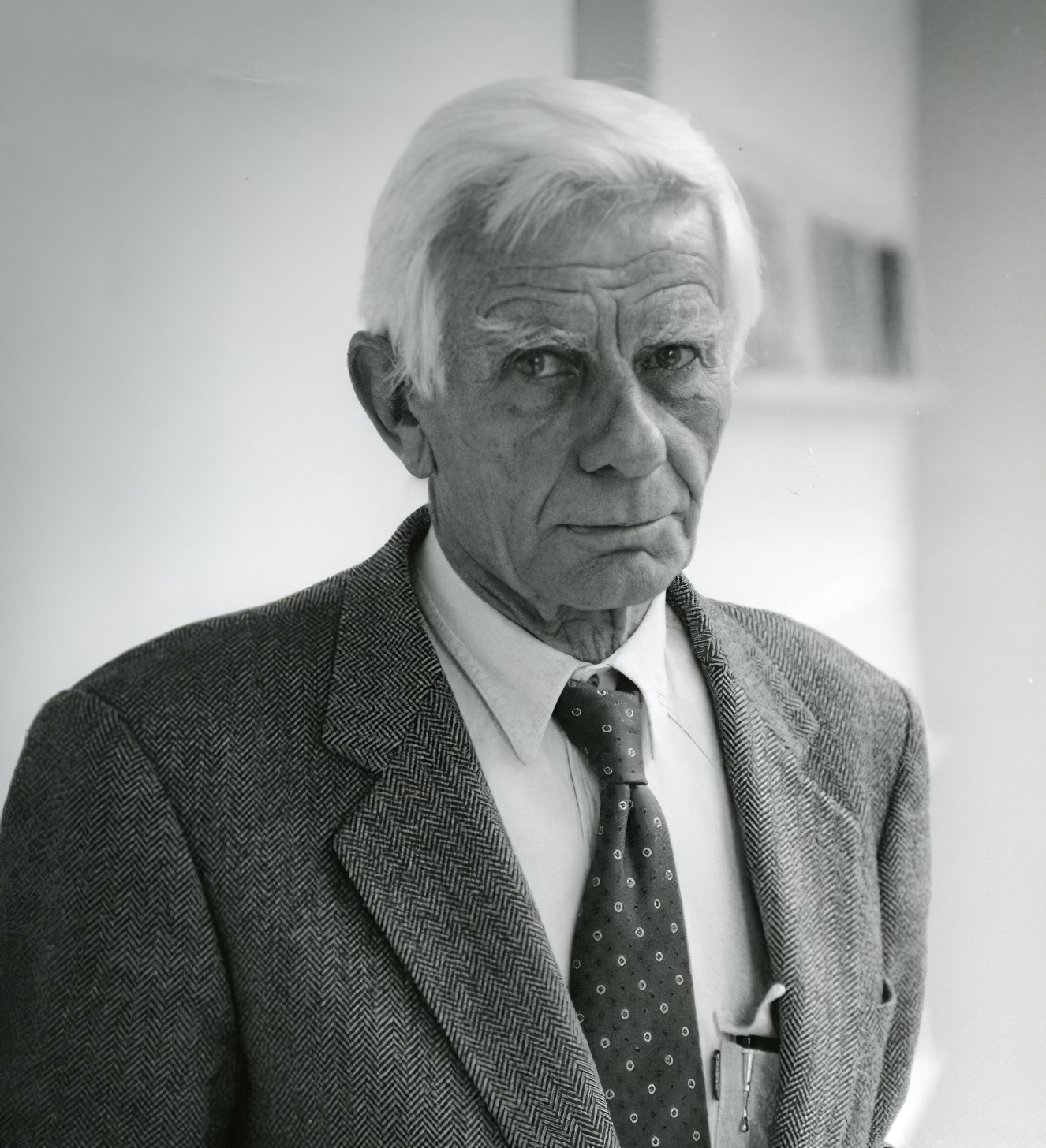
Enrico Castellani was an Italian artist. He was active in Italy from the early 1960s, and associated with Piero Manzoni and Vincenzo Agnetti. Castellani is known for his "paintings of light". He studied at the Ecole Nationale Superieure in Belgium, then settled in Milan. Castellani collaborated with artists such as Getulio Alviani, Piero Manzoni, and others. In 2010 he received the Praemium Imperiale for painting.