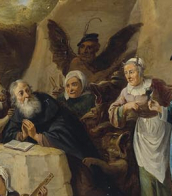
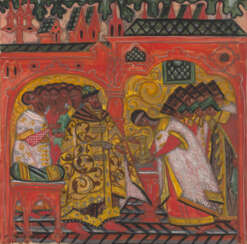
monastery scene


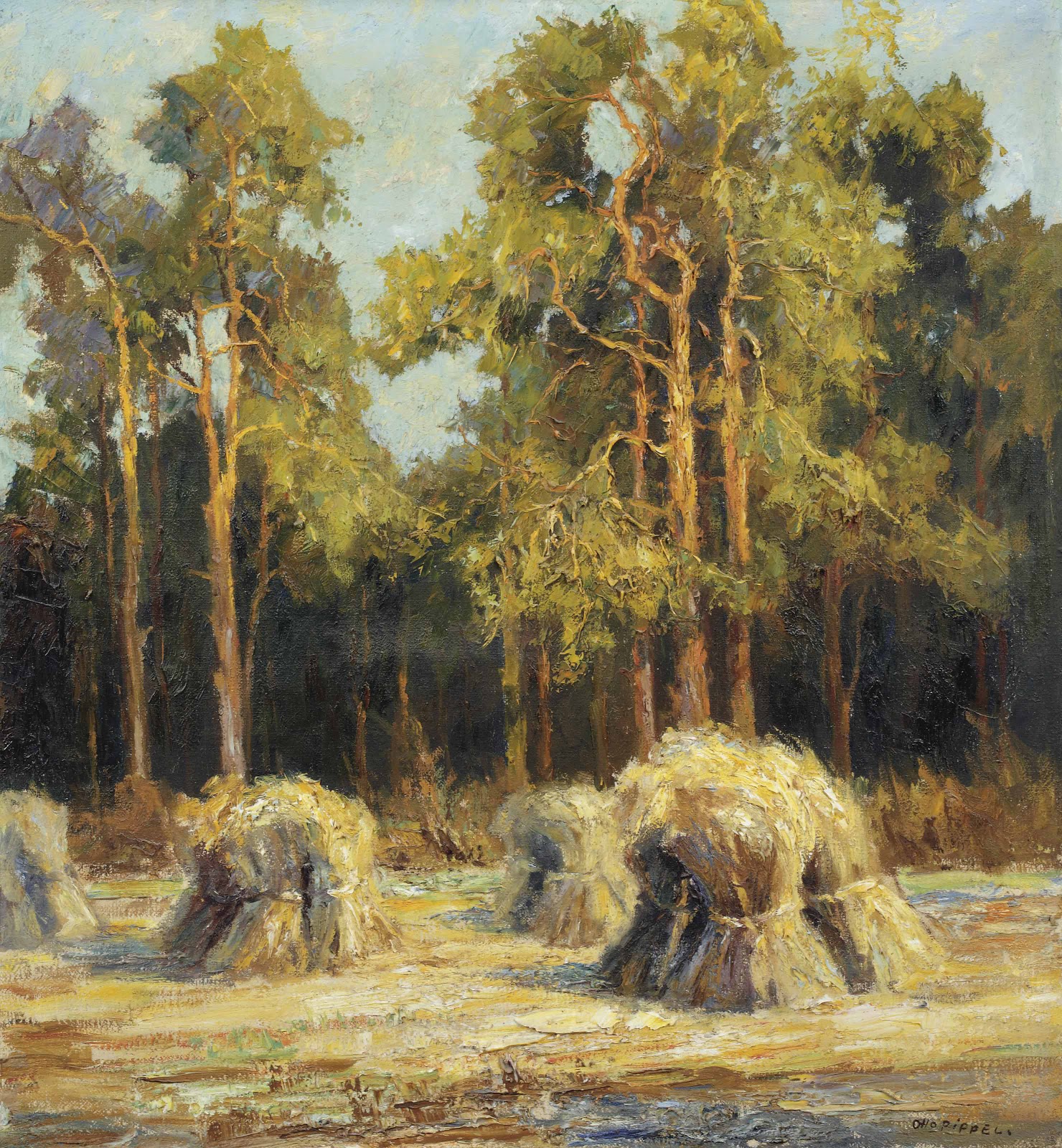
Otto Eduard Pippel was a German painter.
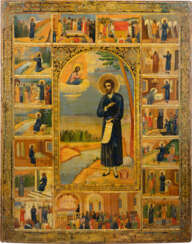



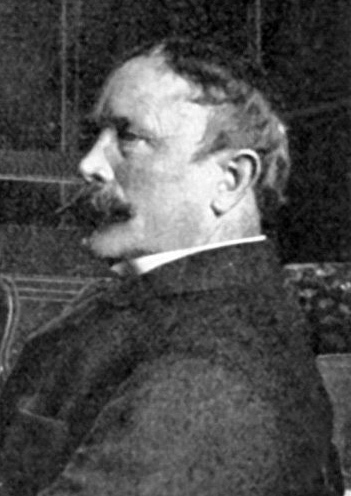
Eduard von Grützner was a German painter of the late 19th and early 20th centuries. He went down in the history of European art as a portrait painter and a brilliant master of genre.
Eduard von Grützner in most of his paintings depicted the life of monks, who usually appear to the audience in the images of merry rioters, leading a not ideal lifestyle. The public liked the original humorous style of the painter, and Grützner's work had many admirers.
Grützner was awarded the Royal Order of St. Michael and also received the title of honorary professor at the Munich Academy of Fine Arts. He also became a Knight of the Order of Civil Merit of the Bavarian Crown and received the title of nobleman, with the prefix "von" added to his last name.
Von Grützner is also known as a collector of art and antiques. For many years he collected masterpieces of the Gothic and Renaissance masters, and towards the end of his life he became interested in Far Eastern art.


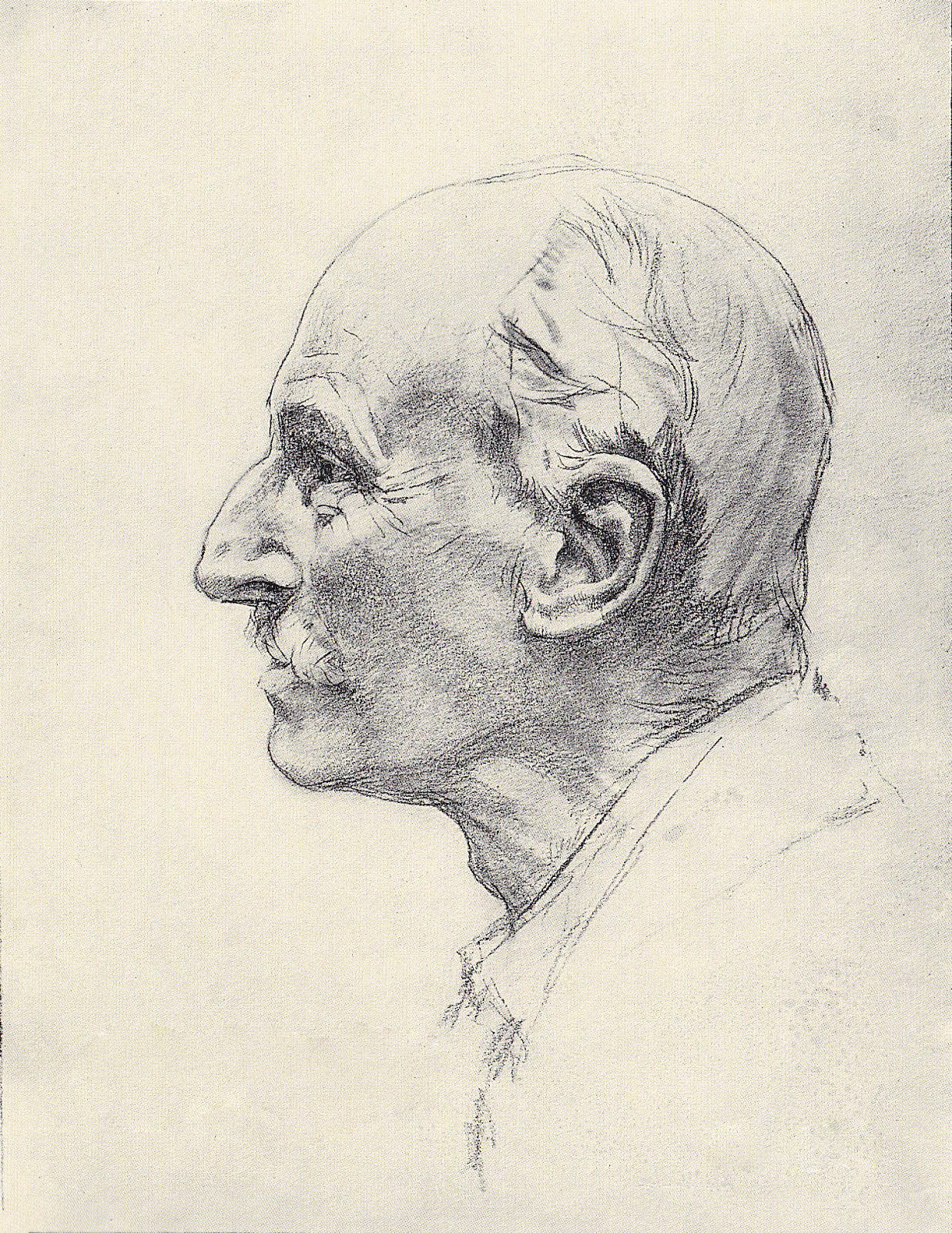
Edward Theodore Compton was an English-born, German artist, illustrator and mountain climber. He is well known for his paintings and drawings of alpine scenery, and as a mountaineer made 300 major ascents including no fewer than 27 first ascents.


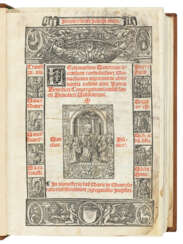











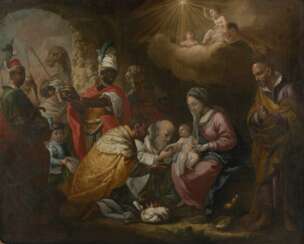

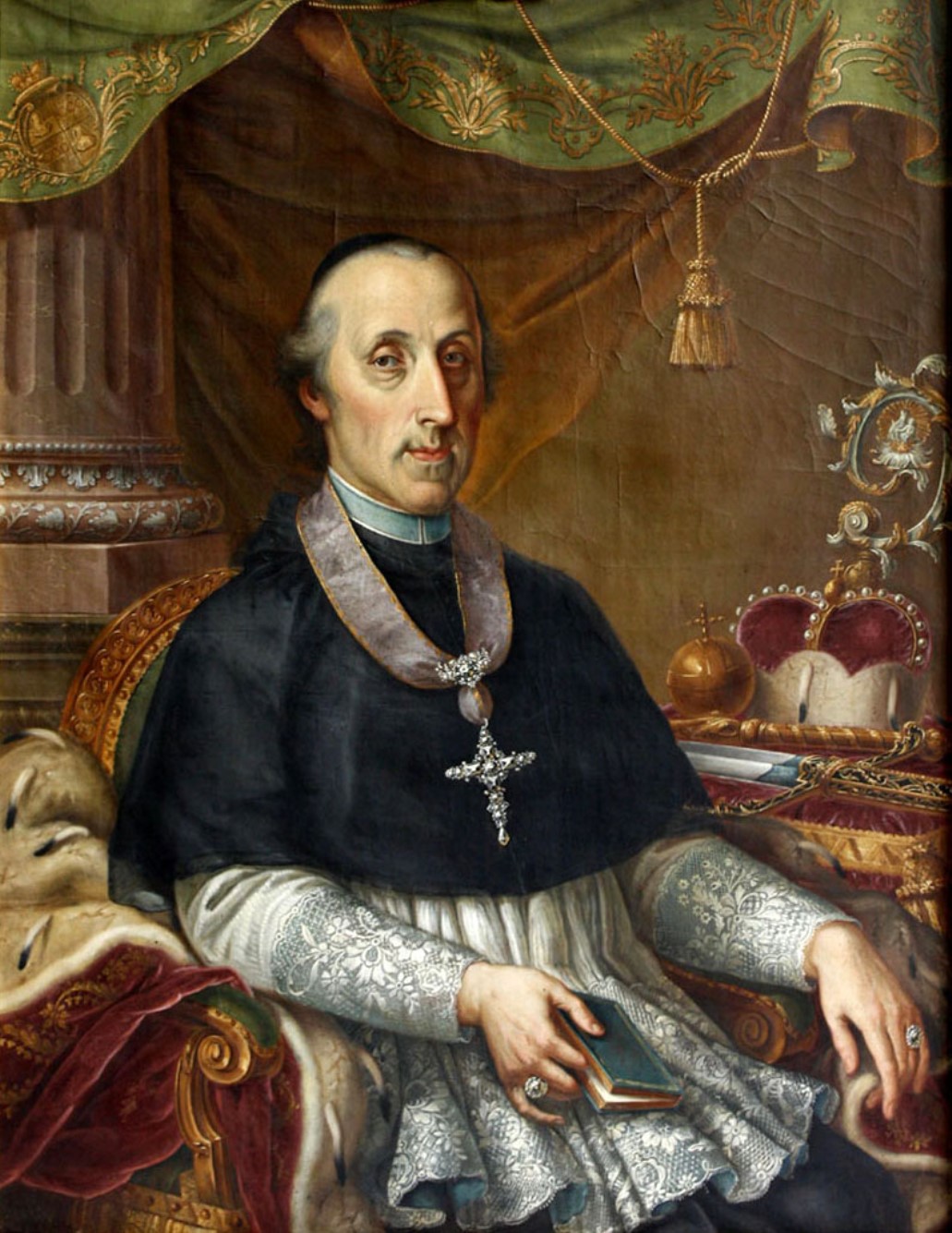
Johann Michael Koneberg was a German painter, court painter to the Prince Abbot of Kempten, who created portraits and various altarpieces for the monastery. Koneberg's main work is considered to be a cycle of frescoes of 20 motifs from the life of Mary.



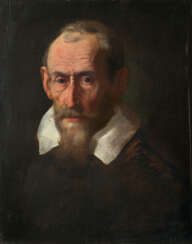

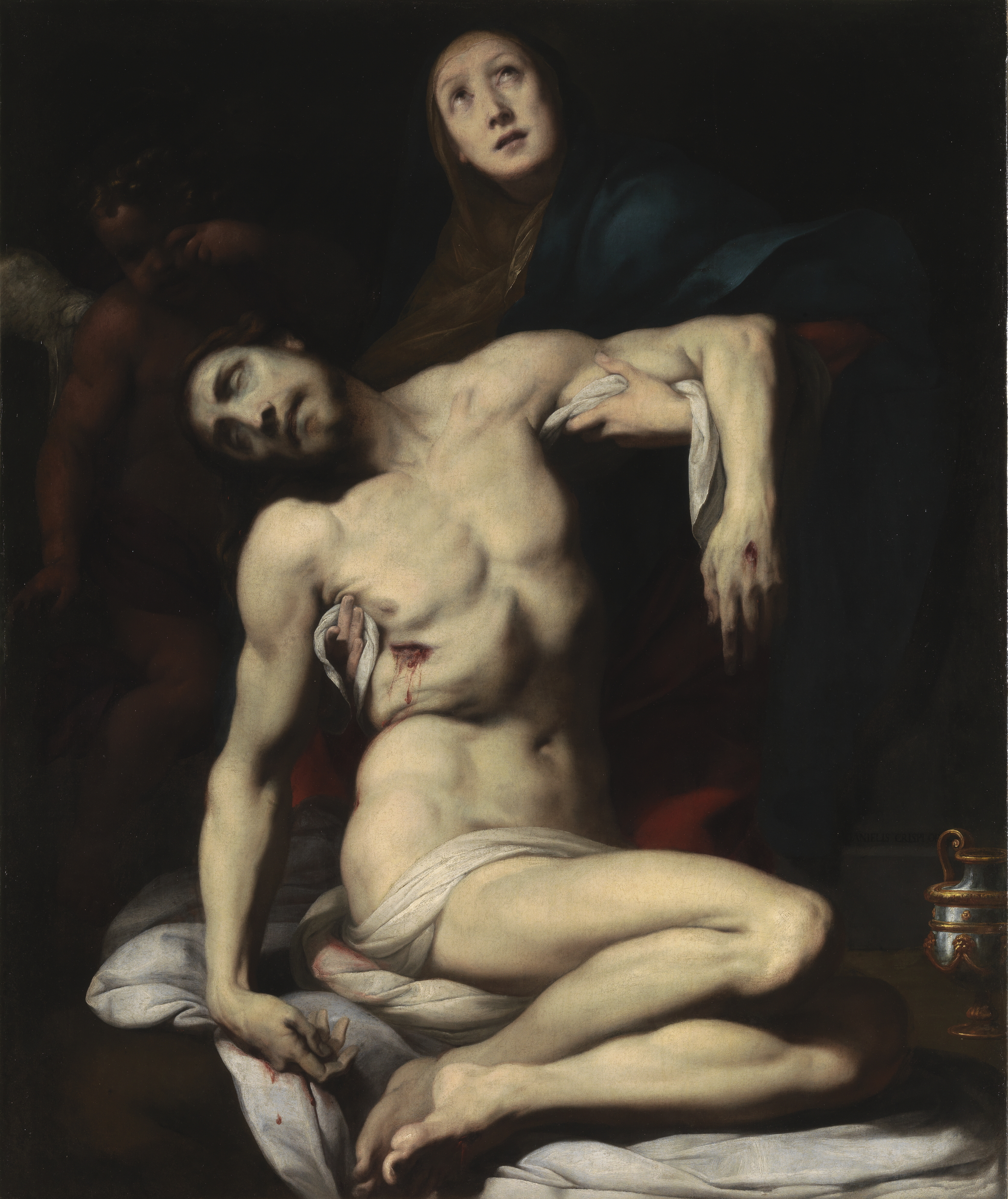
Daniele Crespi was an Italian painter and draughtsman. He is regarded as one of the most original artists working in Milan in the 1620s. He broke away from the exaggerated manner of Lombard Mannerism in favour of an early Baroque style, distinguished by clarity of form and content. A prolific history painter, he was also known for his portraits.