

monotype


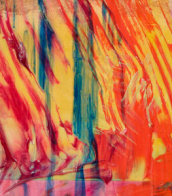
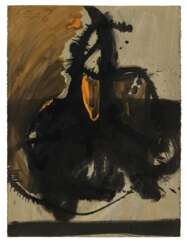

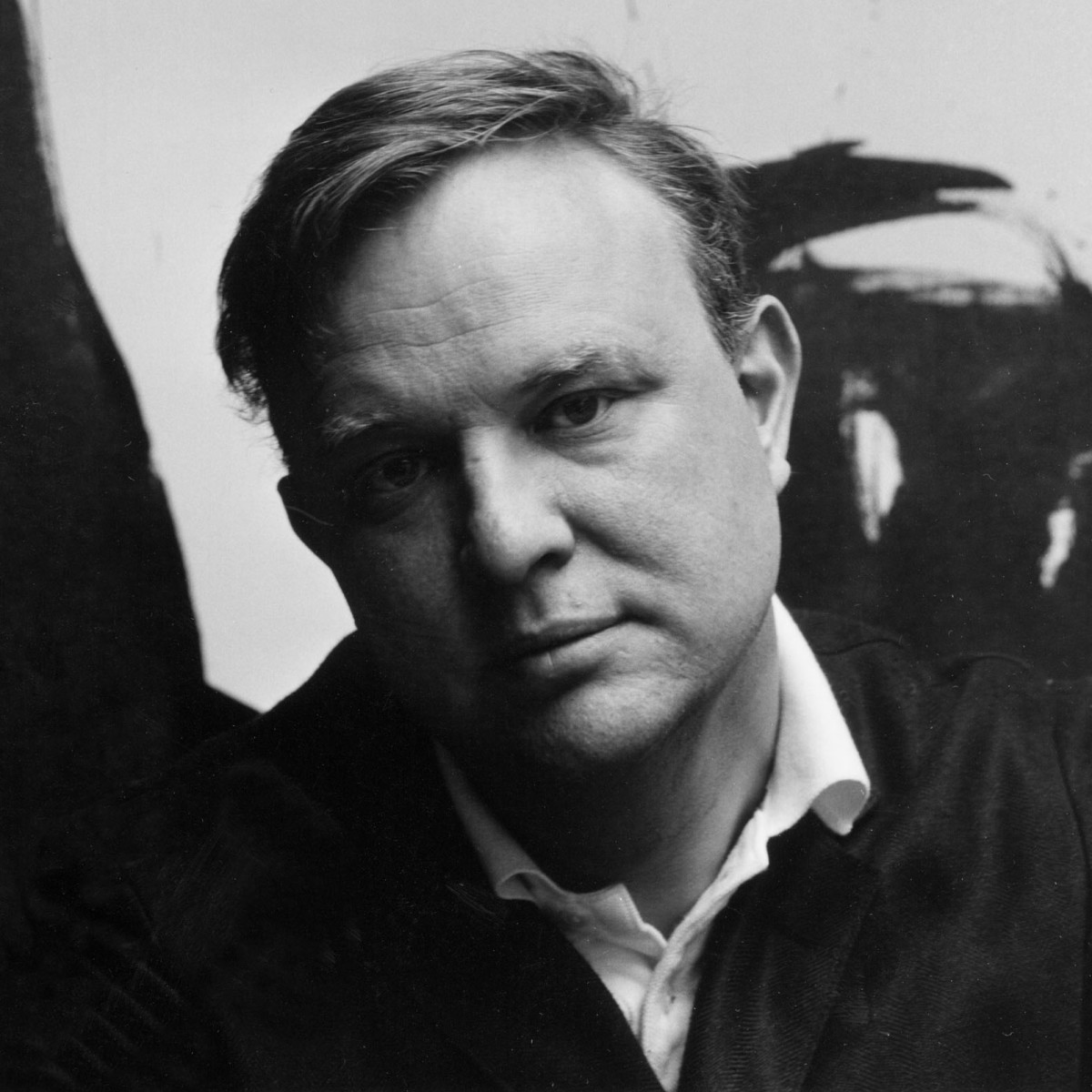
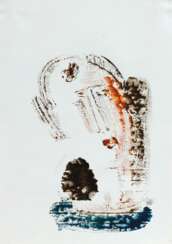
Robert Motherwell was an American artist and painter, renowned for his significant contributions to the Abstract Expressionism movement. Born in Aberdeen, Washington, in 1915, Motherwell's work is celebrated for its expressive use of form and color, which he utilized to convey deep emotional and philosophical themes. His approach to art was both intellectual and deeply personal, making him a pivotal figure in 20th-century art.
Motherwell's dedication to exploring the relationship between philosophy, literature, and visual art set him apart from his contemporaries. He was not just an artist but also an articulate spokesman for the Abstract Expressionist movement, emphasizing the importance of spontaneity and the expression of the subconscious. His series "Elegies to the Spanish Republic" is among his most famous works, exemplifying his skill in using black and white to evoke powerful emotions and reflections on human tragedy and resilience.
His art is held in high esteem worldwide, with pieces displayed in major museums and galleries, including the Museum of Modern Art (MoMA) in New York and the Tate Modern in London. Motherwell's ability to blend abstract elements with profound thematic content has made his work enduringly relevant to both collectors and scholars in the fields of art and antiques.
For those keen on delving deeper into the world of modern art and Abstract Expressionism, Robert Motherwell's oeuvre offers a rich vein of exploration. His works not only encapsulate the dynamism and innovation of mid-20th-century American art but also provide insight into the intellectual and emotional depths from which they sprang. To stay informed about new sales and auction events related to Robert Motherwell, sign up for our updates. This subscription is a gateway to the vibrant and evolving market of art collecting, ensuring you never miss an opportunity to engage with the legacy of this monumental artist.
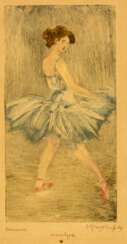

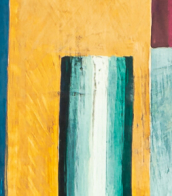


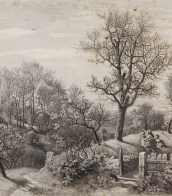



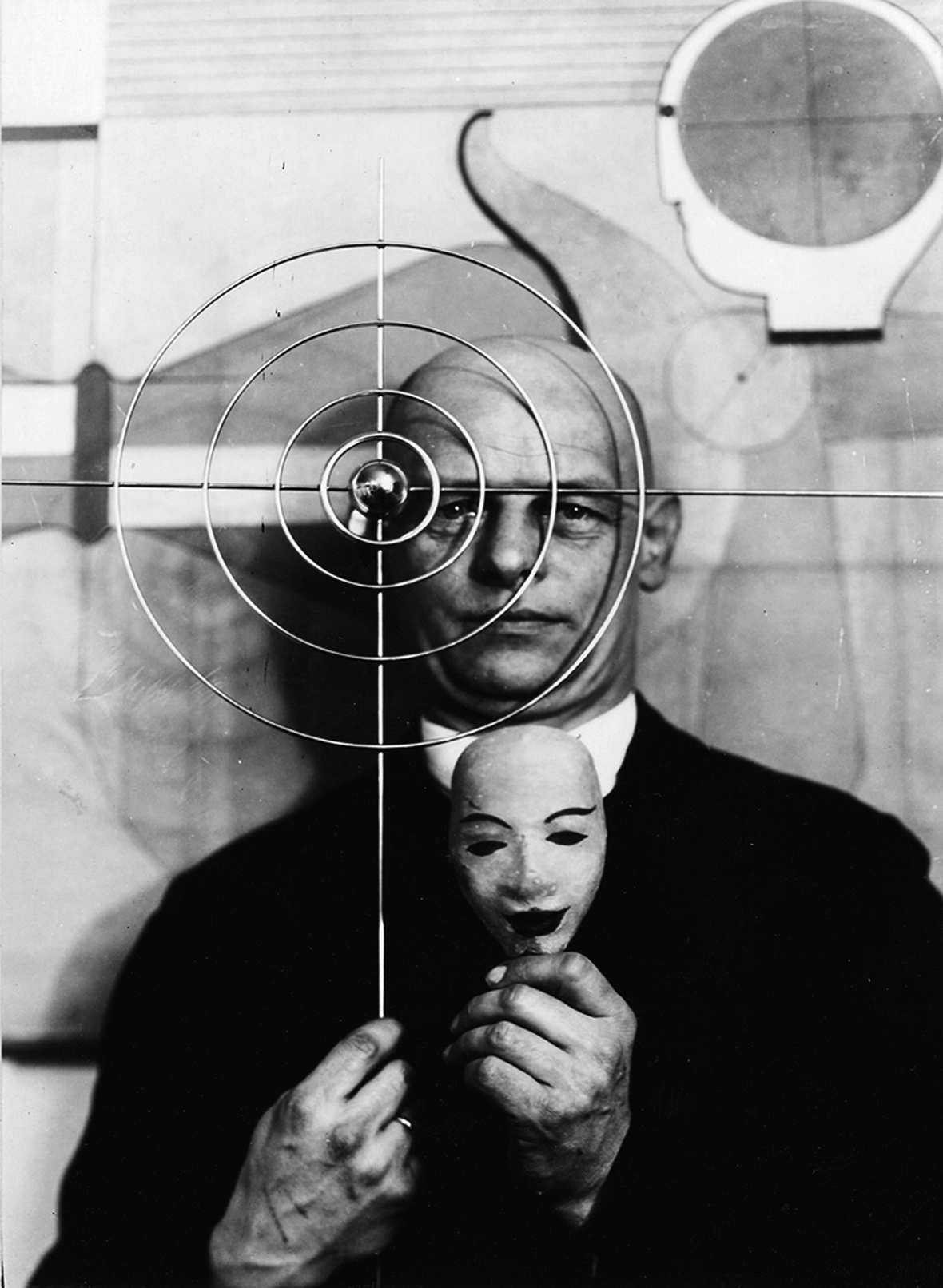
Oskar Schlemmer was a German artist, painter, sculptor, choreographer and designer, and was associated with the Bauhaus movement.
Schlemmer studied at the Kunstgewerbeschule in Stuttgart before becoming a student at the Bauhaus in Weimar in 1920. He taught at the Bauhaus from 1923 to 1929, and was the director of the theater workshop from 1924 to 1929. During this time, he developed a unique style that combined elements of sculpture, painting, and dance.
Schlemmer's work often explored the relationship between the human body and space, and he created a number of abstract figures and costumes for dance performances. He also created a series of sculptures and paintings that explored the idea of the "human condition" and the role of technology in society.
Schlemmer's work was considered controversial by the Nazis, who saw it as "degenerate art." He was forced to leave the Bauhaus in 1929, and his work was removed from public collections in Germany. Despite this, his work continued to be exhibited in Europe and the United States, and he is now considered one of the most important artists of the 20th century.
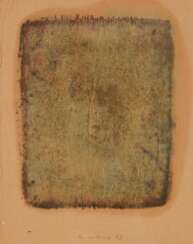

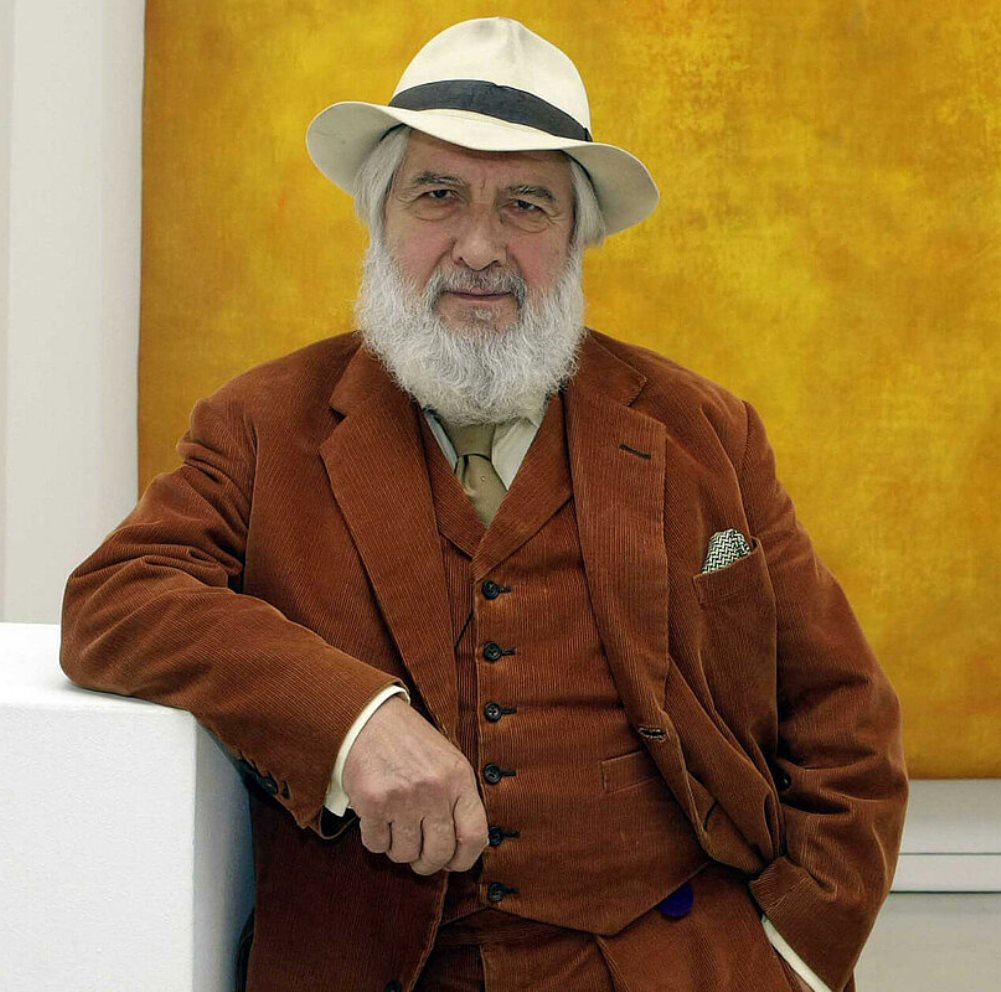
Gotthard Graubner was a German abstract painter associated with the post-war Zero and Informel movements. Graubner's work is known for its focus on color and its relationship to space and perception.
Graubner studied at the Kunstakademie Düsseldorf under the painter Georg Meistermann. In the 1950s, he became associated with the Zero group, a movement of artists who sought to create a new art form that was free of traditional artistic conventions and focused on the use of unconventional materials.
In the 1960s, Graubner began creating his signature "color-space bodies," large canvases that were mounted away from the wall and filled with thick layers of pigment. These works were designed to be experienced as three-dimensional objects that were both paintings and sculptures, and they often created a sense of depth and spatial ambiguity.
Graubner's work was exhibited widely in Europe and the United States, and he was the recipient of numerous awards and honors throughout his career. He also taught at several art schools, including the Kunstakademie Düsseldorf and the Städelschule in Frankfurt.
Graubner's innovative approach to painting and his exploration of the relationship between color, space, and perception continue to be an important influence on contemporary art.




Gotthard Graubner was a German abstract painter associated with the post-war Zero and Informel movements. Graubner's work is known for its focus on color and its relationship to space and perception.
Graubner studied at the Kunstakademie Düsseldorf under the painter Georg Meistermann. In the 1950s, he became associated with the Zero group, a movement of artists who sought to create a new art form that was free of traditional artistic conventions and focused on the use of unconventional materials.
In the 1960s, Graubner began creating his signature "color-space bodies," large canvases that were mounted away from the wall and filled with thick layers of pigment. These works were designed to be experienced as three-dimensional objects that were both paintings and sculptures, and they often created a sense of depth and spatial ambiguity.
Graubner's work was exhibited widely in Europe and the United States, and he was the recipient of numerous awards and honors throughout his career. He also taught at several art schools, including the Kunstakademie Düsseldorf and the Städelschule in Frankfurt.
Graubner's innovative approach to painting and his exploration of the relationship between color, space, and perception continue to be an important influence on contemporary art.
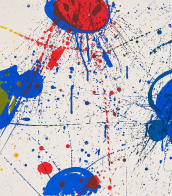
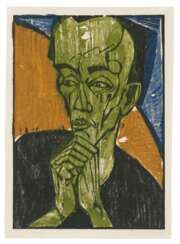

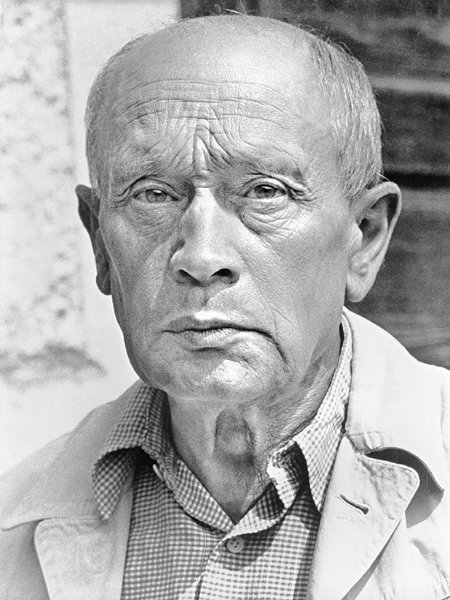
Erich Heckel was a German painter and printmaker, and a founding member of the group Die Brücke ("The Bridge") which existed 1905–1913. His work was part of the art competitions at the 1928 Summer Olympics and the 1932 Summer Olympics.
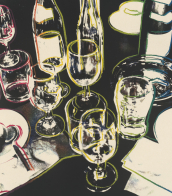






Mario Schifano was an Italian painter and collagist of the Postmodern tradition. He also achieved some renown as a film-maker and rock musician.
He is considered to be one of the most significant and pre-eminent artists of Italian postmodernism.
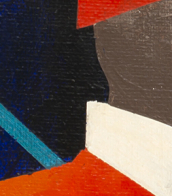


Mario Schifano was an Italian painter and collagist of the Postmodern tradition. He also achieved some renown as a film-maker and rock musician.
He is considered to be one of the most significant and pre-eminent artists of Italian postmodernism.


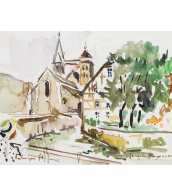


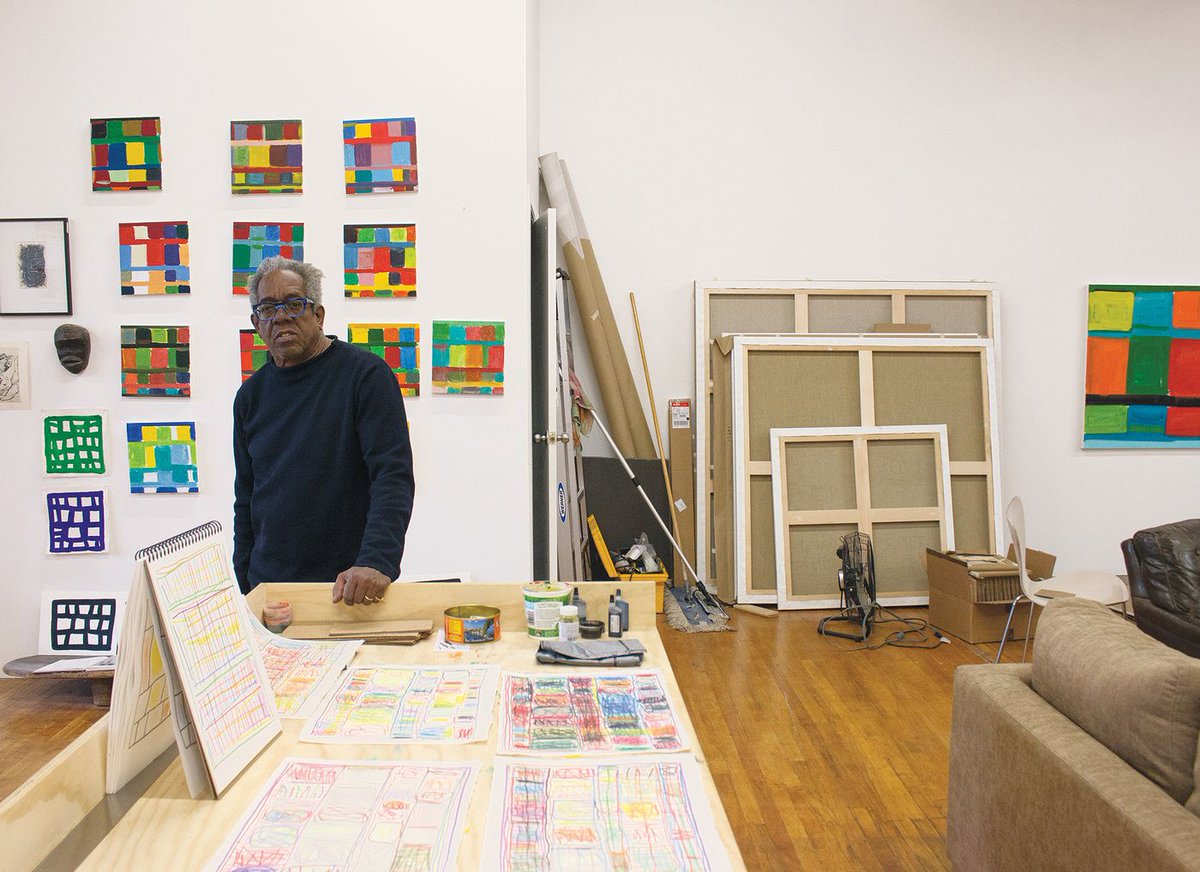
Stanley Whitney is a contemporary American artist. He is Professor Emeritus of Painting and Drawing in the Tyler School of Art and Architecture at Temple University in Philadelphia. His work is included in many public state collections.
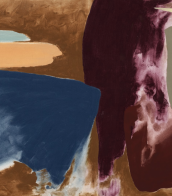


Stanley Whitney is a contemporary American artist. He is Professor Emeritus of Painting and Drawing in the Tyler School of Art and Architecture at Temple University in Philadelphia. His work is included in many public state collections.
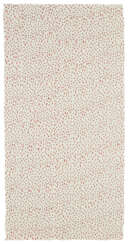

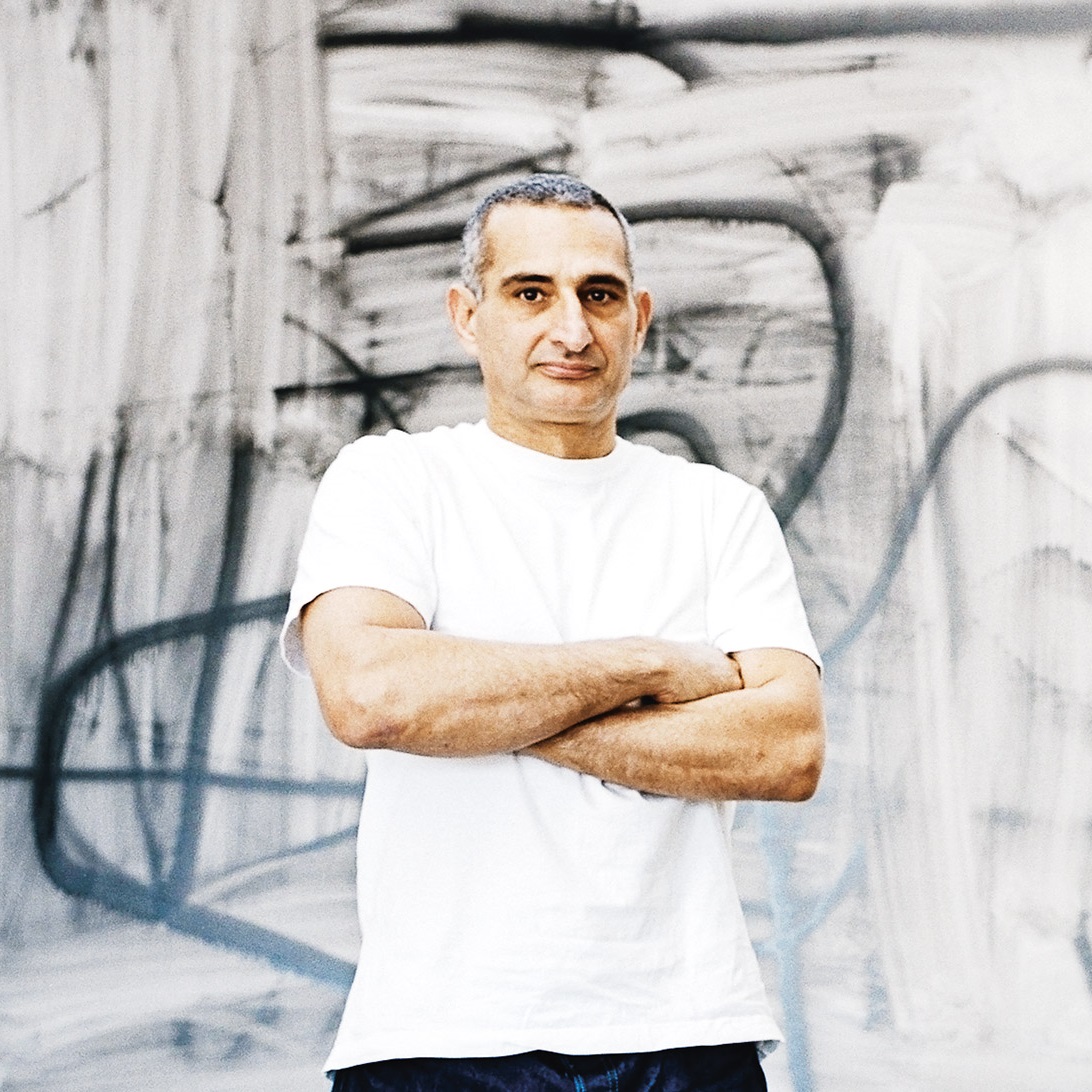
Christopher Wool is an American artist. Since the 1980s, Wool's art has incorporated issues surrounding post-conceptual ideas. He lives and works in New York City and Marfa, Texas, together with his wife and fellow painter Charline von Heyl.
Wool is best known for his paintings of large, black, stenciled letters on white canvases. Wool began to create word paintings in the late 1980s, reportedly after having seen graffiti on a brand new white truck. Using a system of alliteration, with the words often broken up by a grid system, or with the vowels removed (as in 'TRBL' or 'DRNK'), Wool's word paintings often demand reading aloud to make sense.
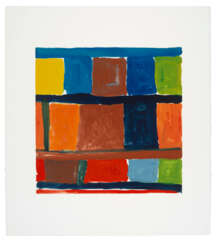

Stanley Whitney is a contemporary American artist. He is Professor Emeritus of Painting and Drawing in the Tyler School of Art and Architecture at Temple University in Philadelphia. His work is included in many public state collections.
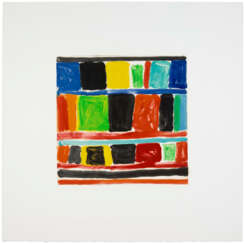

Stanley Whitney is a contemporary American artist. He is Professor Emeritus of Painting and Drawing in the Tyler School of Art and Architecture at Temple University in Philadelphia. His work is included in many public state collections.
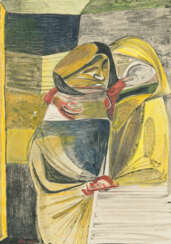

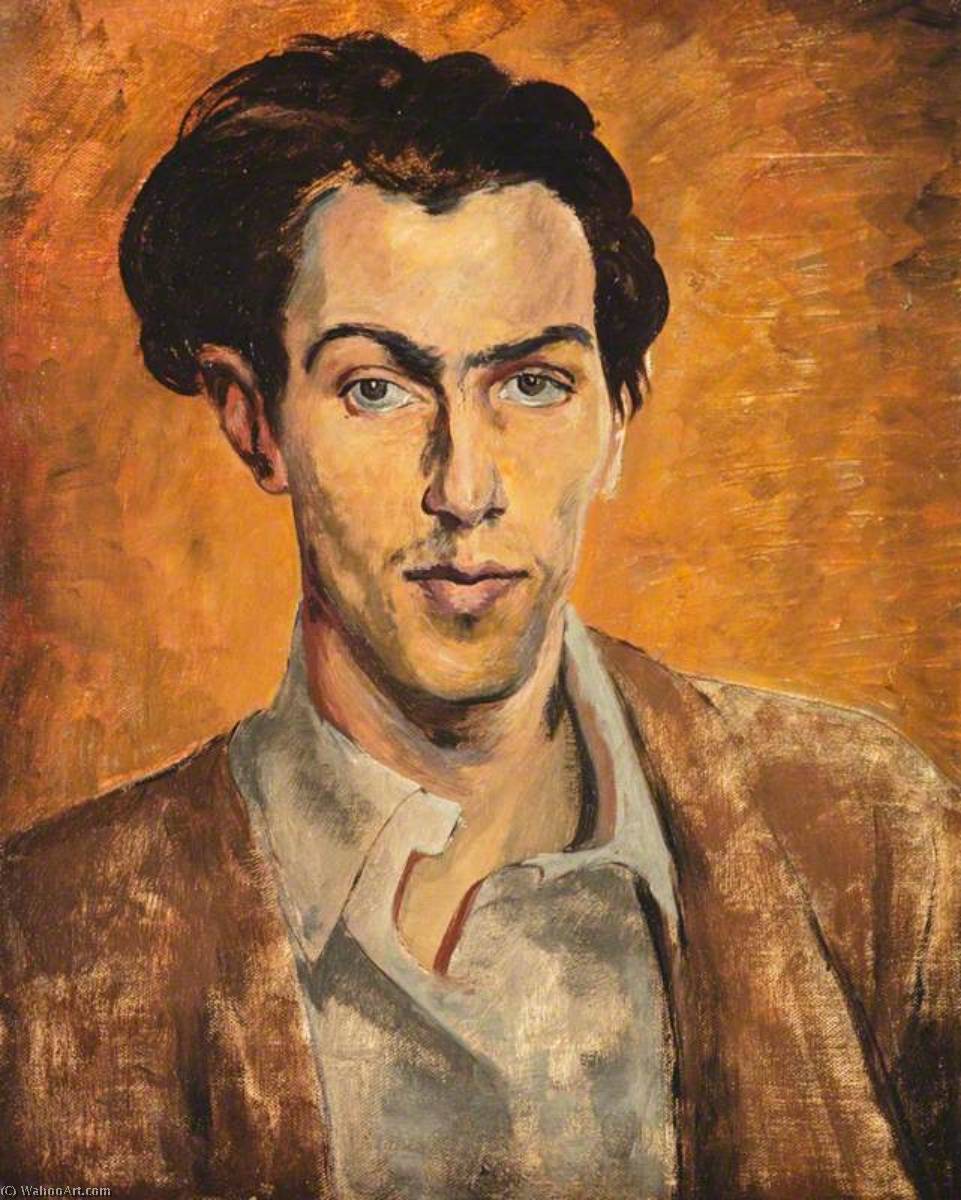
Robert Colquhoun was a Scottish painter, printmaker and theatre set designer.
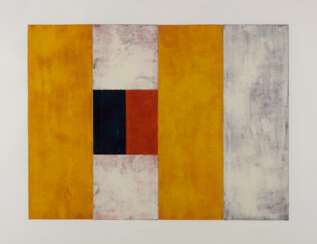

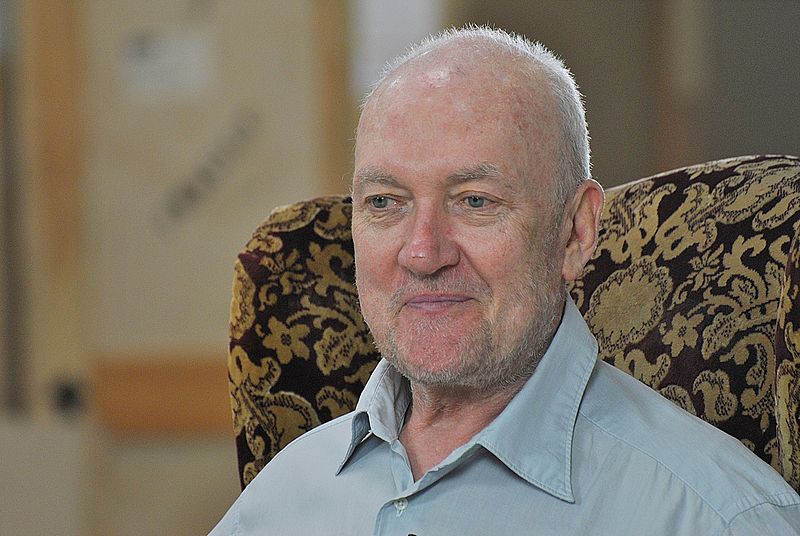
Sean Scully is an Irish-born American-based artist working as a painter, printmaker, sculptor and photographer. His work is held in museum collections worldwide and he has twice been named a Turner Prize nominee. Moving from London to New York in 1975, Scully helped lead the transition from Minimalism to Emotional abstraction in painting, abandoning the reduced vocabulary of Minimalism in favor of a return to metaphor and spirituality in art.
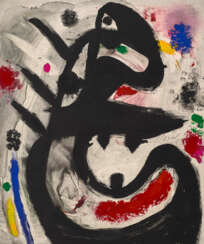

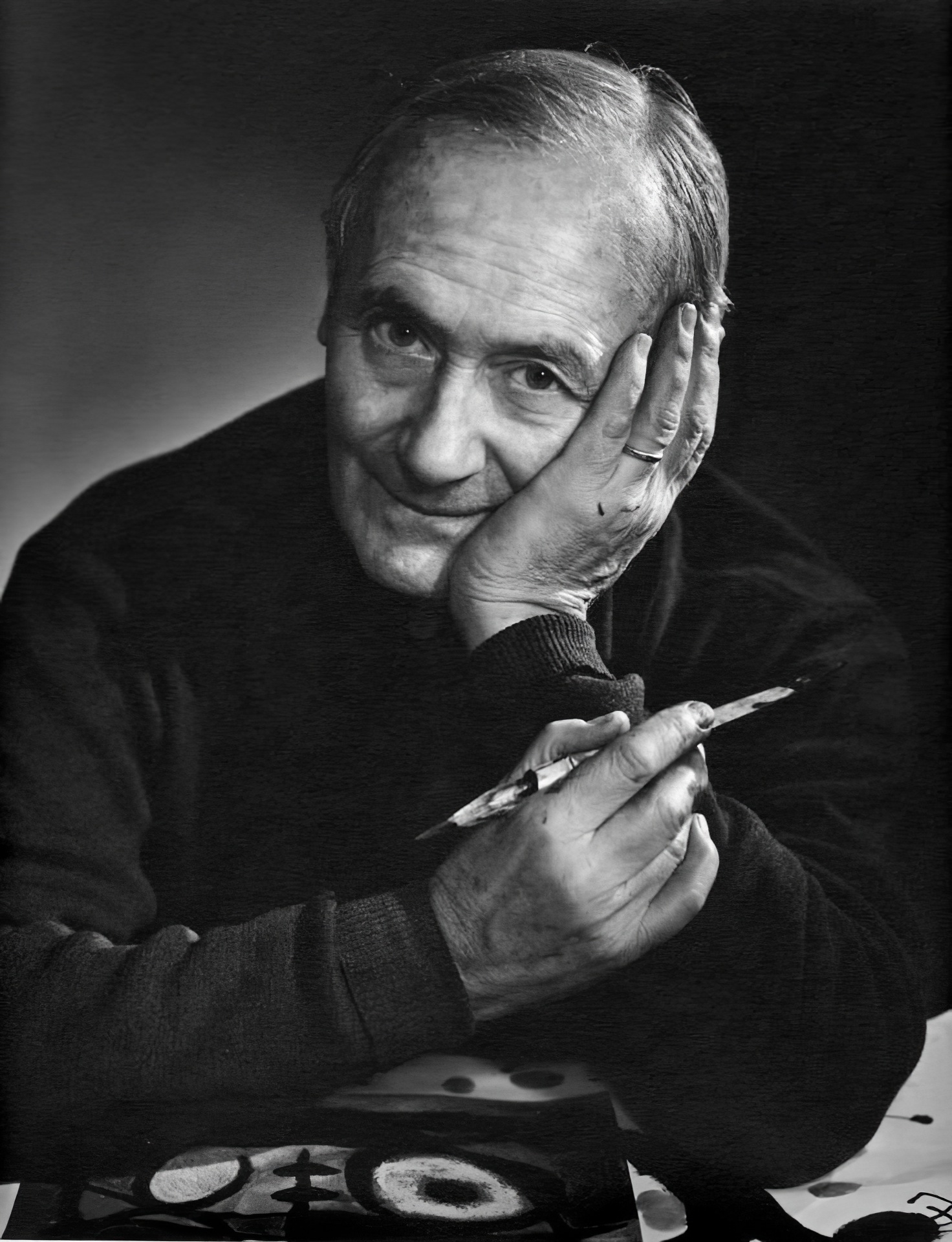
Joan Miró, a celebrated Spanish artist, was a master in painting, sculpture, and ceramics, renowned for his unique style that blurred the lines between Surrealism, Fauvism, and Expressionism. Born in Barcelona to a family of a goldsmith and a watchmaker, Miró grew up immersed in the rich cultural heritage of the Barri Gòtic neighborhood. His artistic journey began with drawing classes at the age of seven and continued at the prestigious La Llotja art academy. Despite an initial venture into the business world, Miró's passion for art prevailed, leading him to abandon his clerical career after a nervous breakdown.
Miró's work is noted for its exploration of the subconscious, often depicting a childlike perspective. This approach was both a critique of traditional painting methods and a means of expressing Catalan pride. His art, challenging to categorize, often featured symbolic elements and nationalistic qualities. One of his notable early works, "The Farm," reflects a transition to a more individual style, blending elements of his Catalan roots with broader artistic influences. This piece, later purchased by Ernest Hemingway, encapsulated the essence of Spain in its imagery.
In Paris, Miró joined the Surrealist movement in 1924, where his work began to reflect the influence of automatism, emphasizing spontaneous, automatic, or subconscious creation. He experimented with various mediums, including painting-poetry and collage, and even ventured into set and costume design for Sergei Diaghilev's Ballets Russes.
During World War II, Miró remained in Spain, and his work from this period, including the 22 Constellations series, reflected an interest in the night, music, and stars. His forms became increasingly abstracted, and he experimented with various techniques, often incorporating primary colors and evocative titles.
Miró's career spanned several decades, during which he continually evolved his style and explored new mediums. His contributions to art were recognized with numerous awards and retrospectives, including a major career retrospective at MoMA in 1941 and the Spanish Gold Medal for Fine Arts in 1980. Among his last major works was a tapestry for the World Trade Center in New York City, created in 1974.
For art collectors and enthusiasts, Joan Miró remains a figure of immense interest, not only for his distinct style and contributions to Surrealism but also for his ability to blend poetic imagery with political commentary. To stay updated on new product sales and auction events related to Joan Miró, sign up for our updates and immerse yourself in the world of this extraordinary artist.

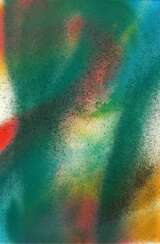

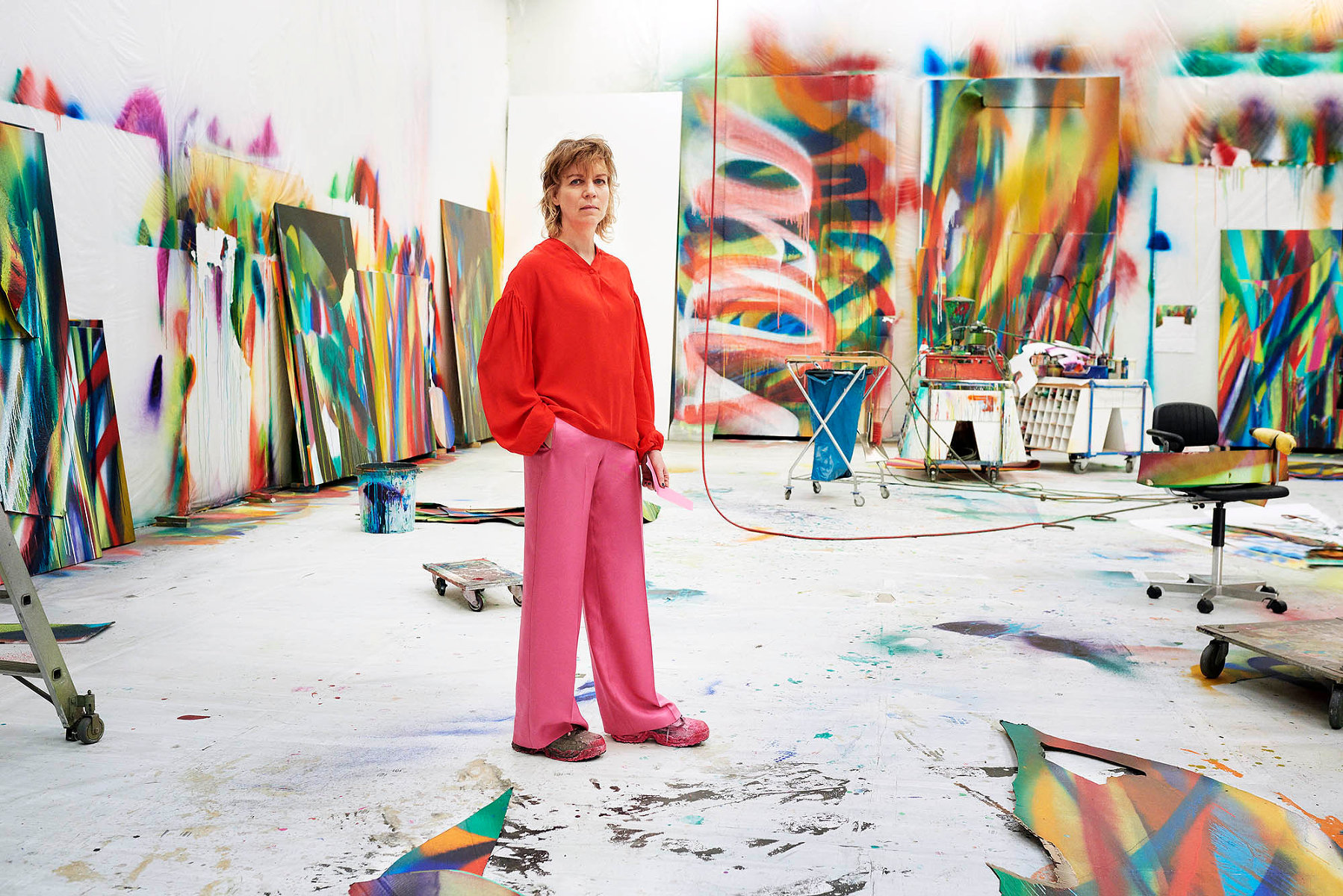
Katharina Grosse is a German artist. As an artist, Grosse's work employs a use of architecture, sculpture and painting. She is known for her large-scale, site-related installations to create immersive visual experiences. She has been using an industrial paint-sprayer to apply prismatic swaths of color to a variety of surfaces since the late 1990s, and often uses bright, unmixed sprayed-on acrylic paints to create both large-scale sculptural elements and smaller wall works.
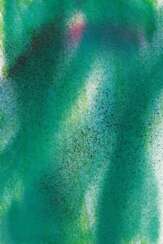

Katharina Grosse is a German artist. As an artist, Grosse's work employs a use of architecture, sculpture and painting. She is known for her large-scale, site-related installations to create immersive visual experiences. She has been using an industrial paint-sprayer to apply prismatic swaths of color to a variety of surfaces since the late 1990s, and often uses bright, unmixed sprayed-on acrylic paints to create both large-scale sculptural elements and smaller wall works.