nature of light
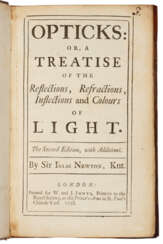

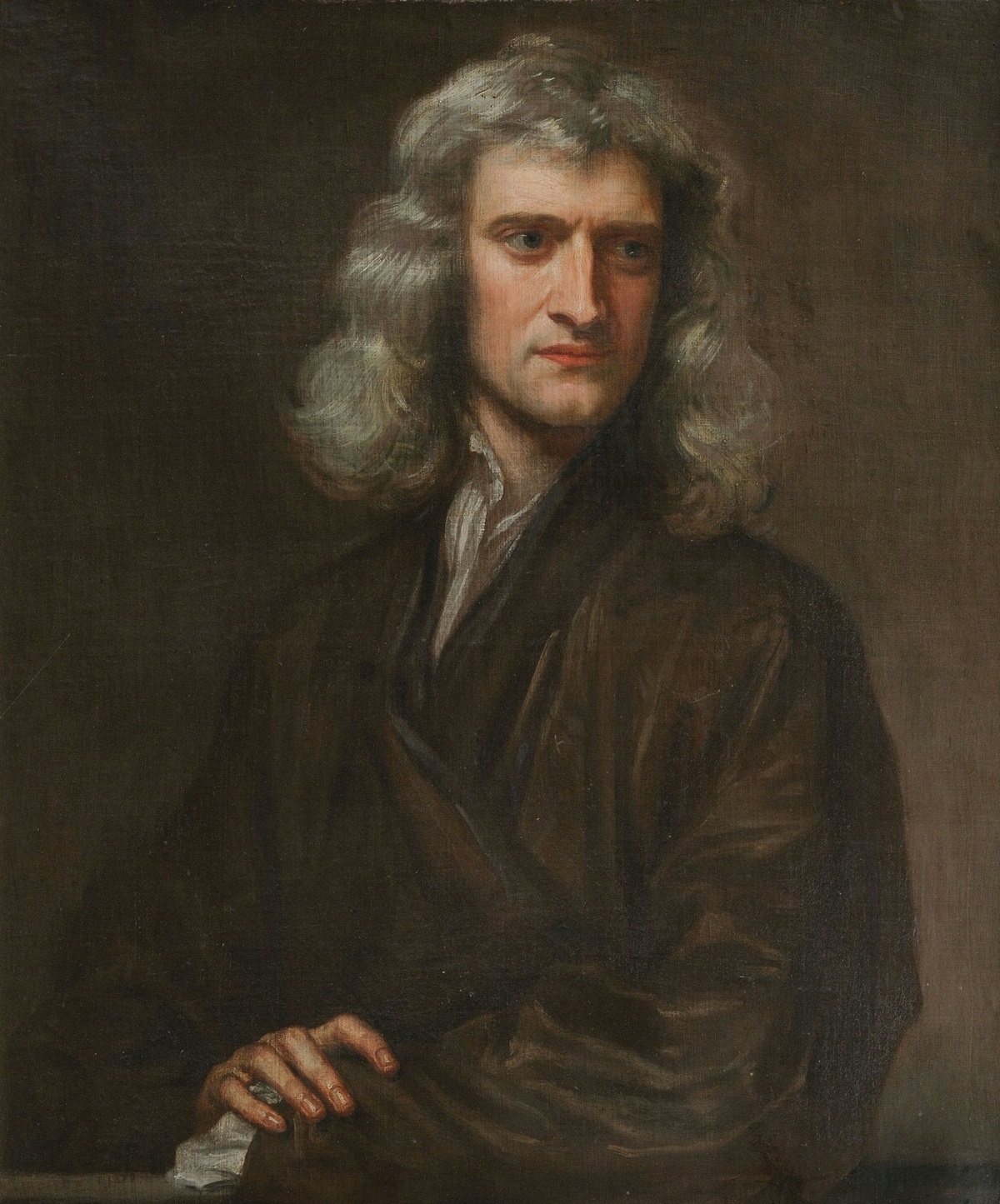
Isaac Newton was an English mathematician, physicist, astronomer, alchemist, theologian, and author (described in his time as a "natural philosopher"), widely recognised as one of the greatest mathematicians and physicists and among the most influential scientists of all time. He was a key figure in the philosophical revolution known as the Enlightenment. His book Philosophiæ Naturalis Principia Mathematica (Mathematical Principles of Natural Philosophy), first published in 1687, established classical mechanics. Newton also made seminal contributions to optics, and shares credit with German mathematician Gottfried Wilhelm Leibniz for developing infinitesimal calculus.
In the Principia, Newton formulated the laws of motion and universal gravitation that formed the dominant scientific viewpoint until it was superseded by the theory of relativity. Newton used his mathematical description of gravity to derive Kepler's laws of planetary motion, account for tides, the trajectories of comets, the precession of the equinoxes and other phenomena, eradicating doubt about the Solar System's heliocentricity. He demonstrated that the motion of objects on Earth and celestial bodies could be accounted for by the same principles. Newton's inference that the Earth is an oblate spheroid was later confirmed by the geodetic measurements of Maupertuis, La Condamine, and others, convincing most European scientists of the superiority of Newtonian mechanics over earlier systems.
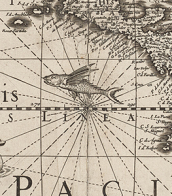
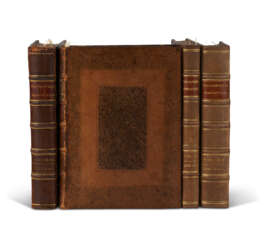

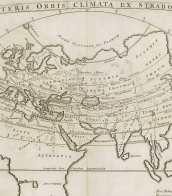
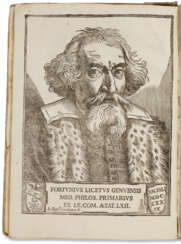

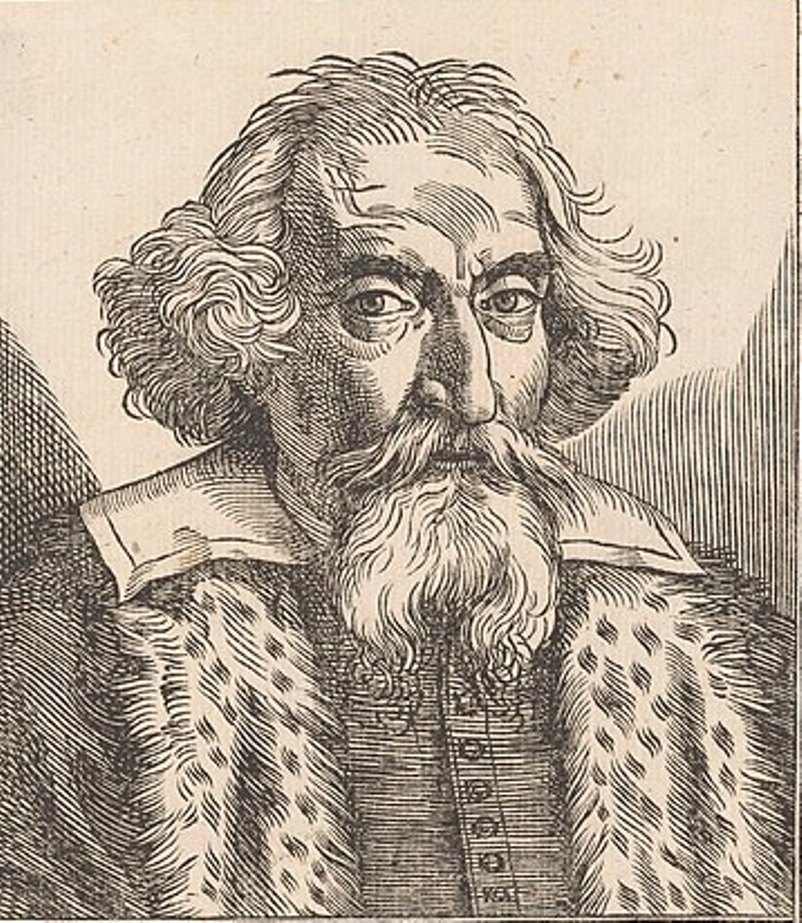
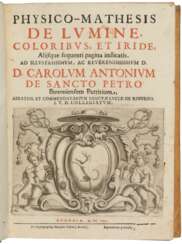
Fortunio Liceti (Latin: Fortunius Licetus) was an Italian physician, natural philosopher, writer and educator.
Liceti studied philosophy and medicine at the University of Bologna and earned doctorates in these disciplines. He taught logic and philosophy at the University of Pisa, and became professor of philosophy at the University of Padua and the University of Bologna. At the University of Padua, Liceti became friends with Galileo Galilei.
Liceti's inquisitive mind was interested in a wide range of subjects: from genetics and reproduction to gems and animals. In general, Fortunio Liceti was a very industrious and prolific scientist: he published a book each year, writing more than seventy works on a wide range of subjects, including the human soul, reproduction, and birth defects.
In 1616, Liceti wrote and published the first edition of De monstruorum causis, natura et differentiis (On the Causes, Nature, and Differences of Monsters), a chronologically ordered catalog of monsters from antiquity to the seventeenth century. Among these monsters were infants with congenital malformations. Liceti was one of the first scholars to attempt to systematically categorize birth defects according to their causes, including numerous causes not related to the supernatural. This topic interested the scientist greatly and he returned to it several times during his life, supplementing it with illustrations, among other things. From 1640 to 1650. Liceti also wrote and published seven different volumes in which he answered questions from famous people on a wide variety of medical topics.


.jpg)
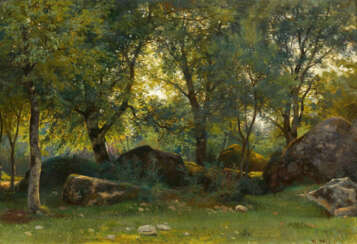
Ivan Ivanovich Shishkin (russian: Ива́н Ива́нович Ши́шкин), a Russian Artist, stood out in the 19th century for his mastery in landscape painting, immortalizing Russia's vast forests and nature through his precise and detailed work. His specialization in painting, coupled with a deep appreciation for his homeland's natural beauty, positioned him as a pivotal figure in Russian culture and art.
Shishkin's technique, characterized by its attention to detail and use of light, brought the Russian wilderness to life on canvas. His works, such as "Morning in a Pine Forest" and "The Rye Field," are celebrated for their realism and ability to evoke the spirit of Russia's landscapes. These paintings, held in prestigious museums like the Tretyakov Gallery in Moscow, serve not only as artistic achievements but also as cultural artifacts that offer insight into the Russian soul.
For art collectors and experts, Shishkin's oeuvre represents an intersection of artistic mastery and cultural heritage. His contributions to the world of painting continue to inspire and captivate audiences, making his works highly sought after in the realms of art collection and preservation.
We invite enthusiasts and connoisseurs to sign up for updates on new product sales and auction events related to Ivan Ivanovich Shishkin. This subscription is your gateway to owning a piece of Russian art history and staying informed about opportunities to acquire works by this illustrious painter.




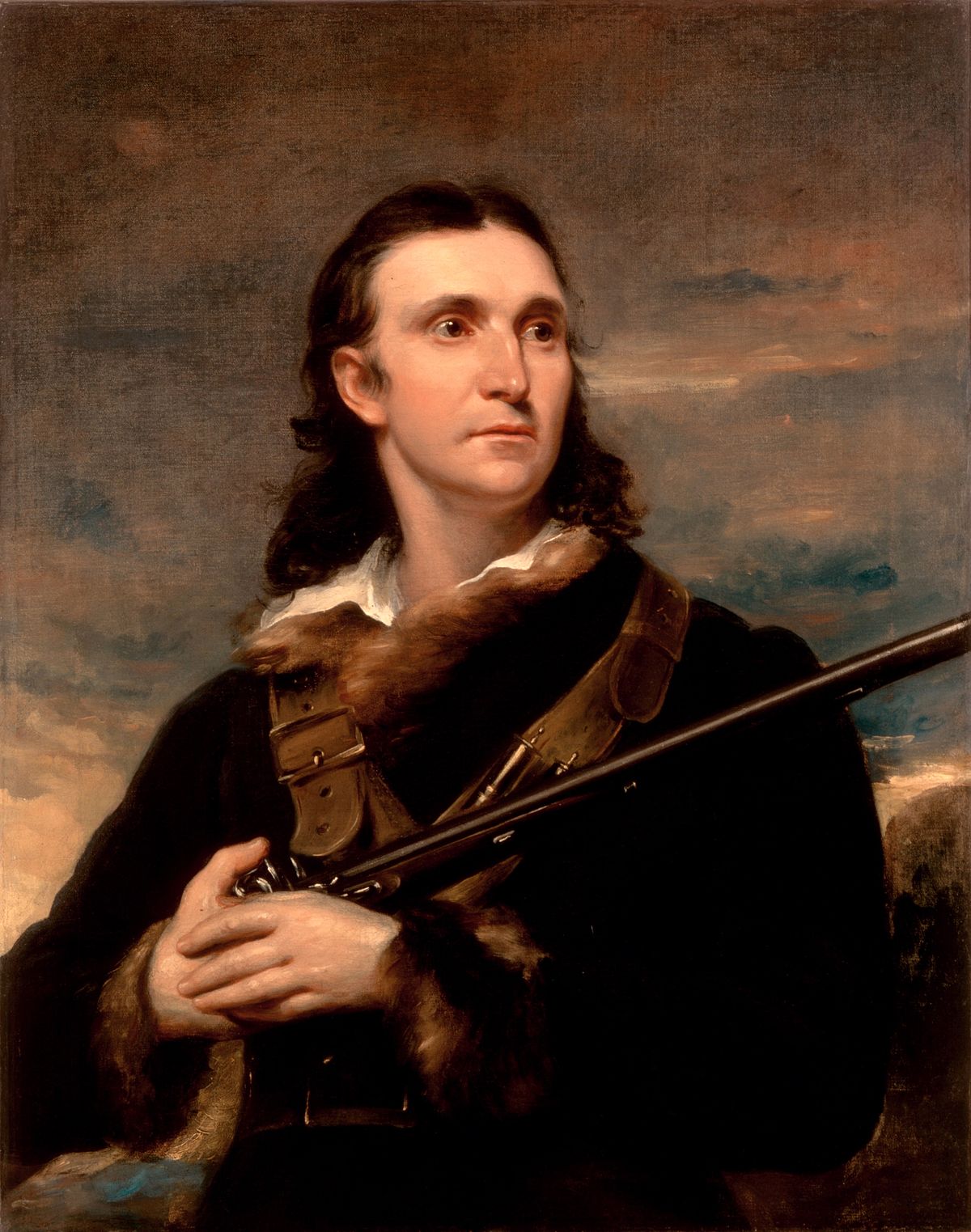
John James Audubon was a French-American ornithologist and painter, renowned for his groundbreaking illustrations of American birds. Born in 1785 in Les Cayes, Saint-Domingue (now Haiti), Audubon is remembered for his keen observation skills and innovative artistic techniques.
Audubon's most famous work, "The Birds of America," transformed the field of ornithology by presenting birds in lifelike poses and detailed backgrounds. Published between 1827 and 1838, it contained 435 hand-colored engravings, showcasing over 489 bird species. His unique approach to illustrating birds in their natural habitats was a departure from traditional methods, which often portrayed birds in rigid poses.
Audubon used a wire armature to position freshly-killed specimens, allowing him to depict birds with a sense of movement and vitality. This innovative technique was truly revolutionary and set him apart from his contemporaries. Additionally, Audubon's artistic skill and attention to detail made his illustrations highly sought after, with surviving copies of "The Birds of America" considered valuable collectibles today.
For art collectors and enthusiasts, Audubon's work continues to be a source of inspiration and admiration. His legacy endures through his contributions to ornithology and the art world, with museums and galleries showcasing his work. If you're interested in learning more about John James Audubon and his famous illustrations, consider subscribing to our newsletter for updates on new product sales and auction events related to his work.





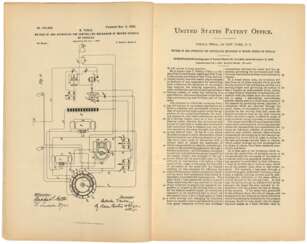



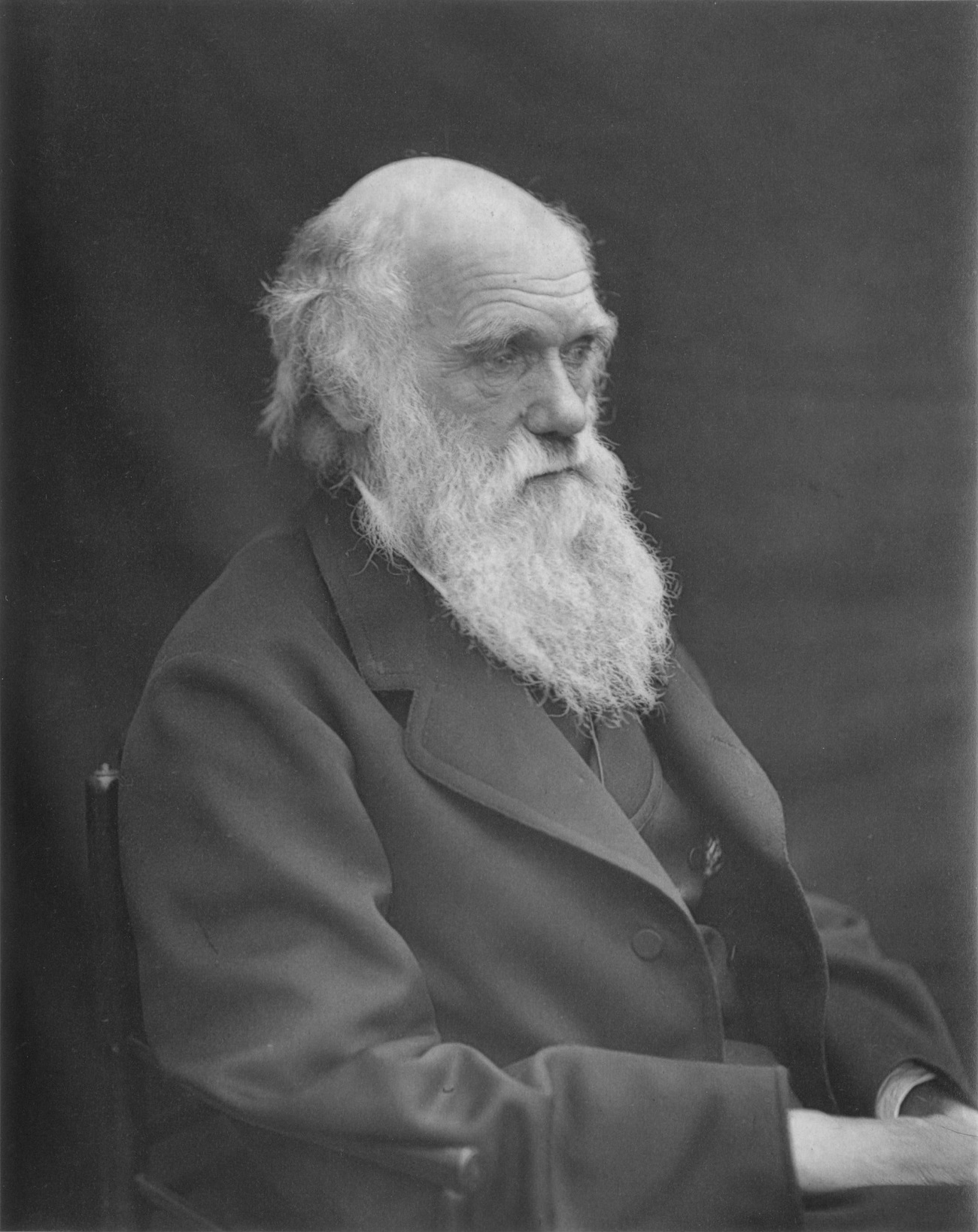
Charles Robert Darwin was an English naturalist, geologist, and biologist, widely known for contributing to the understanding of evolutionary biology. His proposition that all species of life have descended from a common ancestor is now generally accepted and considered a fundamental concept in science. In a joint publication with Alfred Russel Wallace, he introduced his scientific theory that this branching pattern of evolution resulted from a process that he called natural selection, in which the struggle for existence has a similar effect to the artificial selection involved in selective breeding. Darwin has been described as one of the most influential figures in human history, and he was honoured by burial in Westminster Abbey.


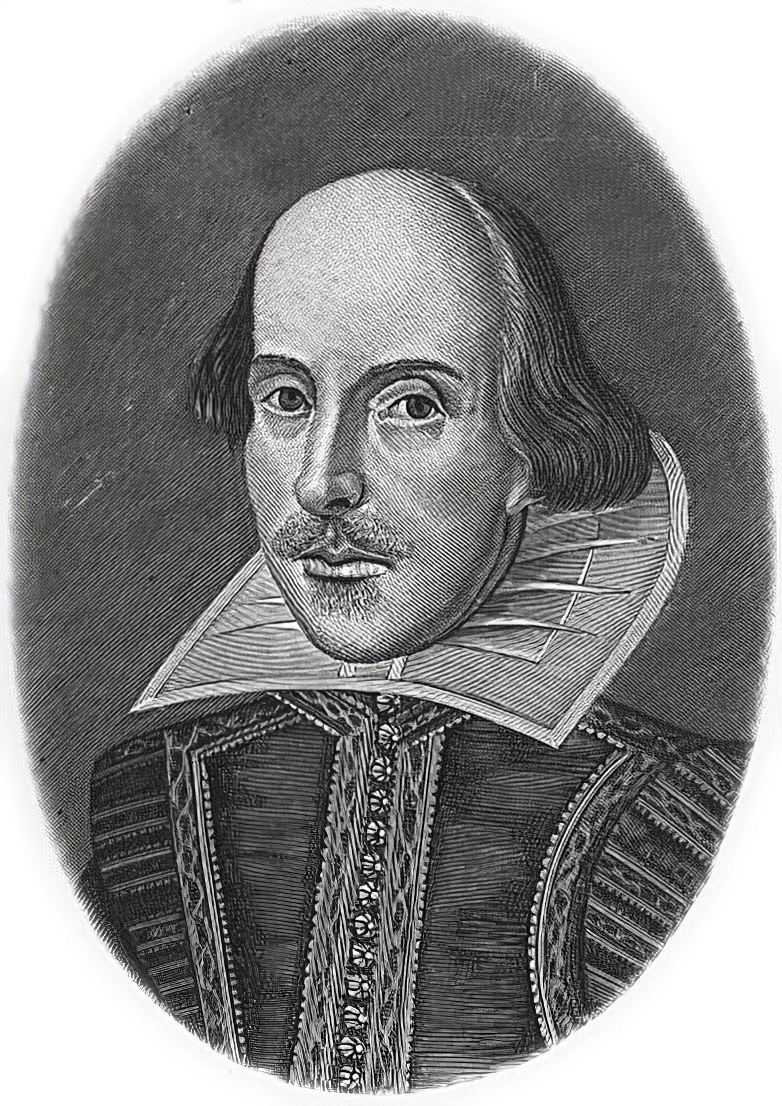
William Shakespeare was a British poet and playwright and writer.
William's father, John Shakespeare, was a merchant and official in Stratford. There are reports that he was a sailor for a time before joining a theater company in London. Beginning in the 1590s, Shakespeare began writing plays, and in 1593 he published a poem, Venus and Adonis, which became popular. He dedicated it to the Duke of Southampton, who was a philanthropist and patron of talent, and soon his business was booming.
From 1592 to 1600 Shakespeare wrote his dramas and romantic comedies "Richard III", "The Taming of the Shrew", "Romeo and Juliet", "A Midsummer Night's Dream" and "The Merchant of Venice", as well as the comedies "Much Ado About Nothing", "Twelfth Night" and the tragedy "Julius Caesar". The playwright's business was so successful that he even bought a large house in Stratford. In 1599, Shakespeare became one of the owners, playwright and actor of the new theater "Globe". In 1603 King James took Shakespeare's troupe under his direct patronage. In the mature period, the great playwright turned to tragedies, there were "Hamlet", "Othello", "King Lear", "Macbeth" and others.
Although in the 19th century researchers had some doubts about the authorship of many of these works, William Shakespeare is considered the greatest English playwright, one of the best playwrights in the world. His plays have been translated into all major languages and to this day form the basis of the world theatrical repertoire, most of them have been screened many times. According to the Guinness Book of Records, Shakespeare remains the world's best-selling playwright, and his plays and poems have sold more than 4 billion copies in the nearly 400 years since his death.



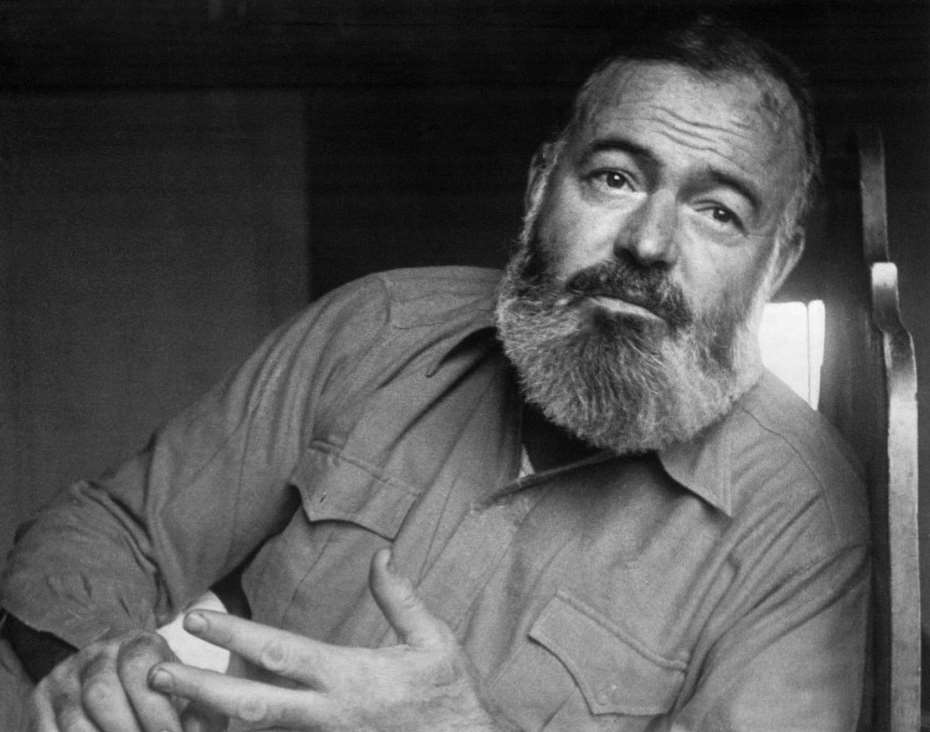
![Hemingway, Ernest | The autograph manuscript of "The Short Happy Life of Francis Macomber." [Key West, finished April 1936]](/assets/image/picture_3619447/035a2/2eill1akyqfcrlrsrvjwfkpintr7xealvraxhohtnvgrtfpvl0nnlawjz1ctute11700827246jpg__fix_374_244.jpeg)
![Hemingway, Ernest | The autograph manuscript of "The Short Happy Life of Francis Macomber." [Key West, finished April 1936]](https://veryimportantlot.com/assets/image/picture_3619447/035a2/2eill1akyqfcrlrsrvjwfkpintr7xealvraxhohtnvgrtfpvl0nnlawjz1ctute11700827246jpg__fix_374_244.jpeg)
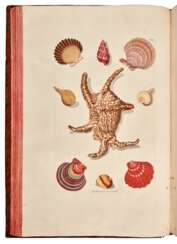

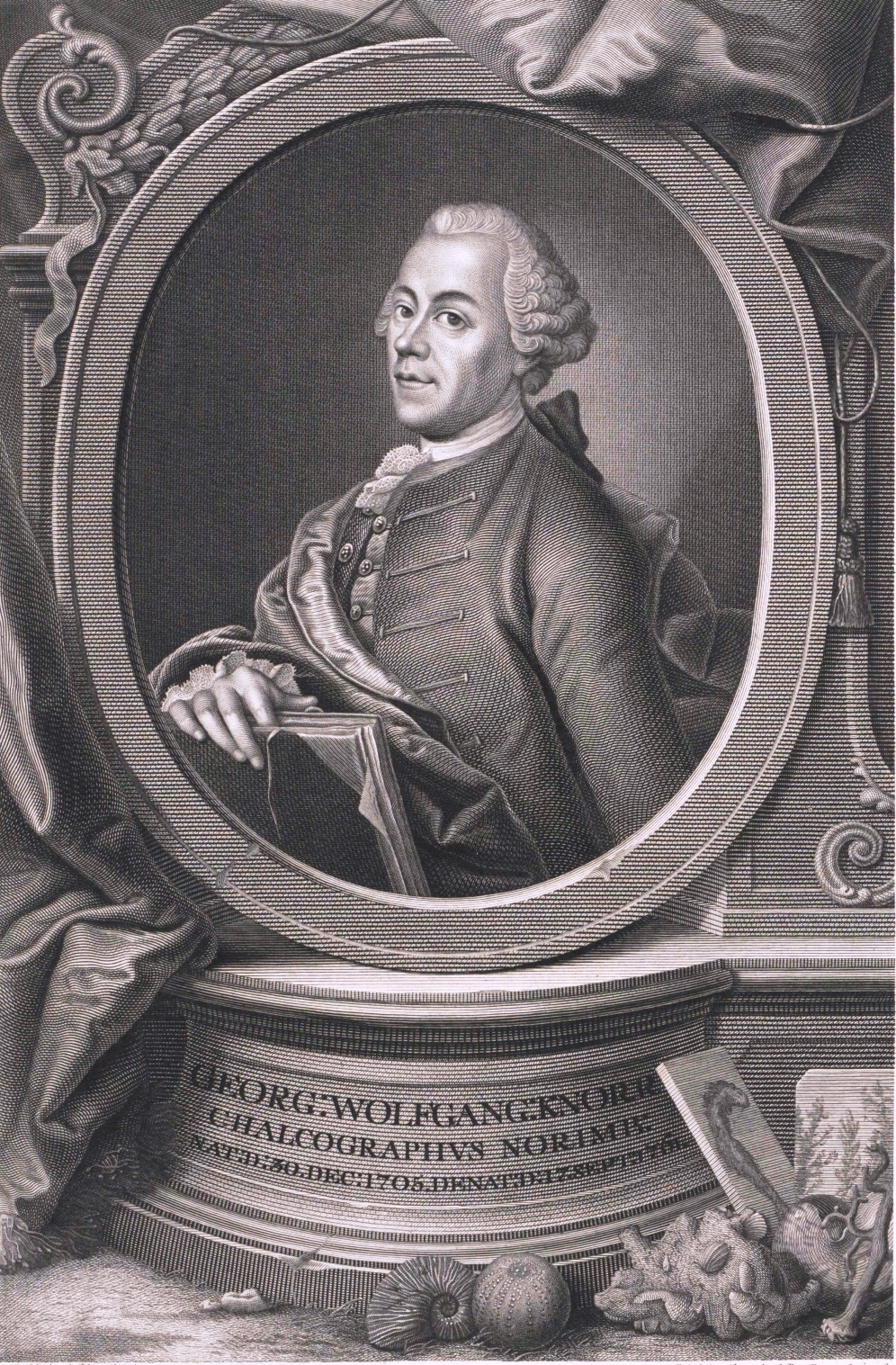
Georg Wolfgang Knorr was a German engraver, naturalist, and one of the first paleontologists of the 18th century.
Knorr was first apprenticed to his father as a lathe operator, and at the age of eighteen became a copper engraver for Leongard Blank, working with Martin Tiroff on the illustrations for Jacob Scheuchzer's Physica Sacra (1731). This work and his acquaintance with J.A. Beurer, a mineralogist and correspondent of the Royal Society, awakened Knorr's interest in natural history.
In the 1750s Knorr began publishing his own sumptuous folios. One of the most beautiful books of the eighteenth century is devoted to sea shells.

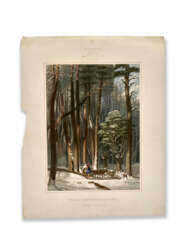

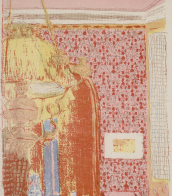
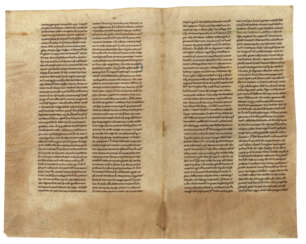

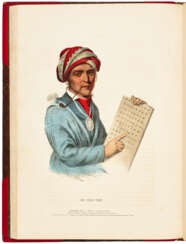

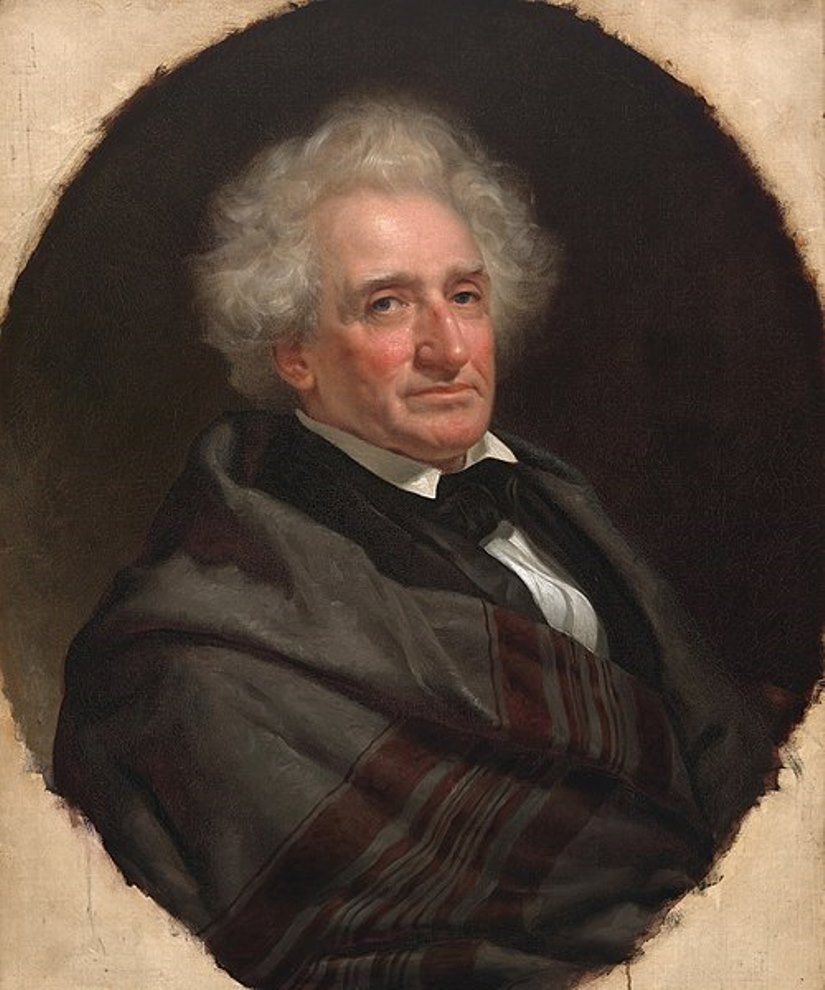
Thomas Loraine McKenney was an American statesman and author.
After the abolition of the U.S. Indian trading program in 1822, then Secretary of War John C. Calhoun established a position in the War Department called Superintendent of Indian Affairs (later to become part of the Bureau of Indian Affairs). McKenney was the first appointed to this position and held it until 1830. Over the years, he worked tirelessly to promote Indian-American relations, advocating for the interests of Indians and striving to preserve the memory of their vanishing culture. Despite his interest in Native American history, McKenney sought to have them assimilated to Euro-American culture through Christian education.
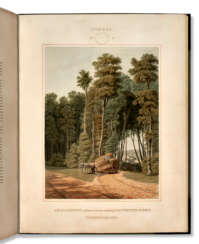
McKenney commissioned leading artists, including Charles Byrd King, to paint portraits of Indian chiefs from more than twenty tribes who visited Washington on official business over a ten-year period. These portraits formed the basis of the government's National Portrait Gallery, first housed in the War Department and later transferred to the Smithsonian Institution. This gallery was featured in part in the three-volume History of the Indian Tribes of North America (1836-1844), with biographical sketches by McKenney, co-authored with Illinois lawyer and writer James Hall.
In 1865, a fire at the Smithsonian Institution destroyed all but a few of the portraits, which are now in the White House. Thus this three-volume book represents the only reliable source on the appearance of many of the most prominent leaders of Indian tribes.
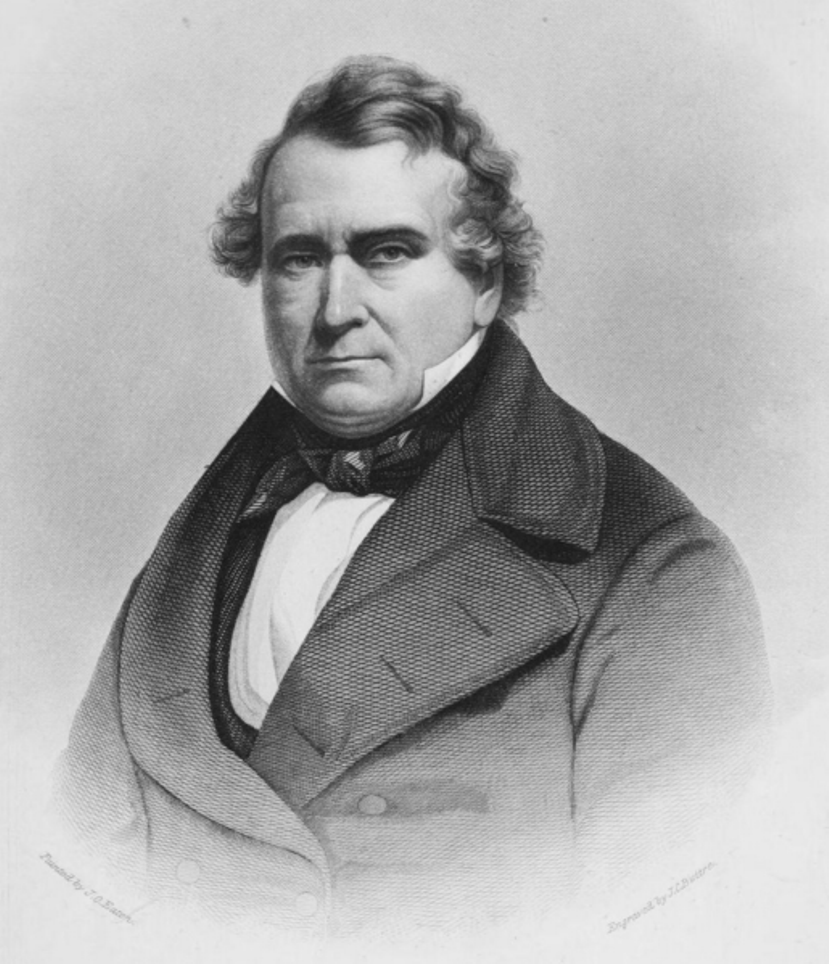
James Hall was an American lawyer, judge, treasurer, and editor.
Hall studied law, fought in the War of 1812, served as a lawyer and circuit judge, newspaper and magazine editor, Illinois state treasurer, and banker in Cincinnati, Ohio. In addition, he was also a historical and fiction writer. In 1828, Hall compiled the first western literary yearbook, Western Souvenir, and edited the Illinois Monthly Magazine. James Hall wrote a travel book, Letters from the West (1828), a novel, The Head of the Harp (1833), and several volumes of short stories.
Hall also contributed to the three-volume History of the Indian Tribes of North America (1836-1844). This book includes portraits of the chiefs of more than twenty Indian tribes, which were painted by noted artists of the day, with biographical sketches by Superintendent of Indian Affairs Thomas L. McKenney.



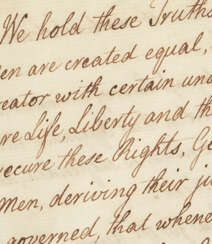

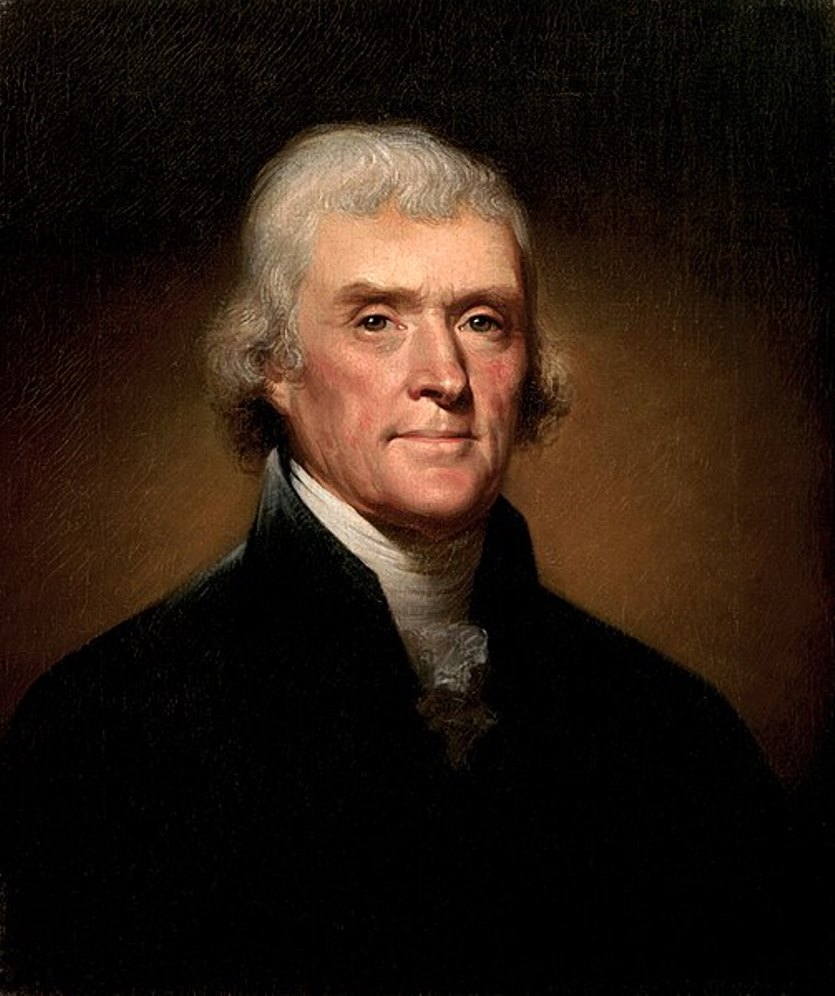
Thomas Jefferson was an American politician and statesman, the third President of the United States (March 4, 1801 - March 4, 1809).
Jefferson was the son of a planter and received a law degree. In 1774, he wrote A Summary of the Rights of British America, which attracted public attention, and he soon gained a reputation as one of the first advocates of American independence from the authority of the British Parliament. In the spring of 1775, the Virginia legislature appointed him a delegate to the Second Conference of the Continental Congress. A year later he was appointed to a committee of five, which also included Adams and Benjamin Franklin, to draft a formal statement of reasons to justify a break with Great Britain. Jefferson thus became one of the authors of the Declaration of Independence. Jefferson succeeded Benjamin Franklin as minister to France in 1785, was secretary of state (1790-1793) under Washington, and vice president (1797-1801) under John Adams.
A Democratic-Republican, Jefferson, who believed that the national government should play a limited role in the lives of citizens, was elected president in 1800. One of the most significant accomplishments of Jefferson's first administration was the purchase of the Louisiana Territory from France for $15 million dollars in 1803 (from the Gulf of Mexico to present-day Canada), effectively doubling the size of the United States. During his second term, Jefferson was focused on trying to keep America out of the Napoleonic Wars in Europe. After his second term as president, he was succeeded by James Madison in 1808.
Upon leaving office, Jefferson retired to his plantation in Virginia, pursued his favorite pastimes, and helped found the University of Virginia. In addition to politics, he is known as a writer, farmer, horticulturist, inventor, book collector, art historian, architect, and scientist. He died at the age of 83 on July 4, 1826, the 50th anniversary of the Declaration of Independence.




![[Pedro IV of Aragon (1319-1387)]](/assets/image/picture_3927881/4831f/947e4e5d2212170f44c0f15c745e65e81718056800jpg__fix_374_244.jpeg)
![[Pedro IV of Aragon (1319-1387)]](https://veryimportantlot.com/assets/image/picture_3927881/4831f/947e4e5d2212170f44c0f15c745e65e81718056800jpg__fix_374_244.jpeg)