nevada city



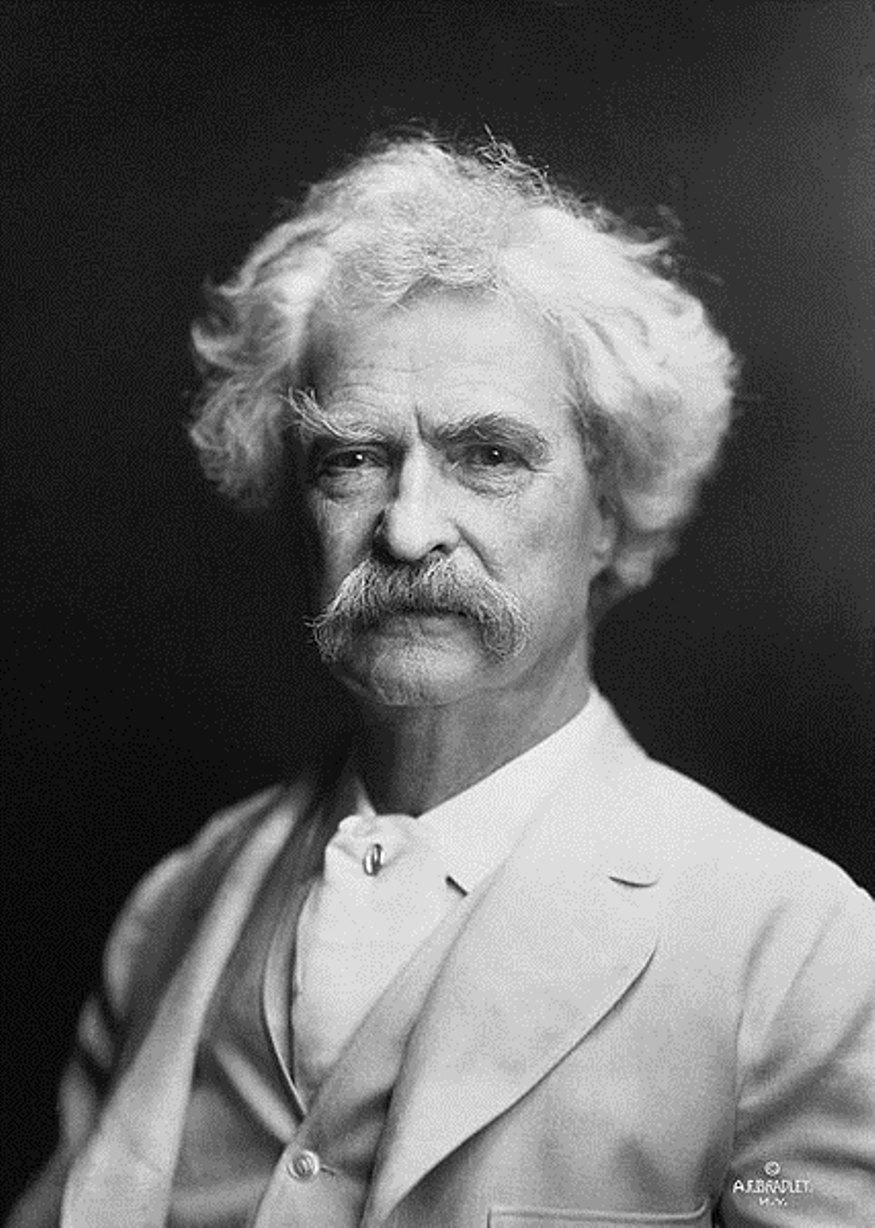
Mark Twain, real name Samuel Langhorne Clemens, was an American humanist writer, journalist, and social activist.
As a young man, Samuel worked in the printing press and in the gold mines, then went on a steamboat trip to Europe and the "Holy Land". His travel letters, full of vivid descriptions and ironic observations, were very well received by the public and were later revised into his first book, Innocents Abroad, published in 1869.
The pseudonym "Mark Twain" first appeared in 1863 under one of Samuel Clemens' short stories, and since then all his significant works have been signed by that name.
A talented storyteller, a peculiar humorist and moralist, Twain knew and loved his many diverse characters. His scandalizers and dreamers, caring aunts and ambitious politicians, grumpy widows and lying aristocrats, cunning but generous slaves, sentimental moralists, brave and naive children - all these types of American people Twain gave voice to thanks to his masterful command of colloquial language, slang and jargon. Twain wrote a lot and in a variety of genres: humor and satire, philosophical fiction and journalism and others, but he always stood on the position of humanist and democrat.
Mark Twain became world famous for his travel stories and adventure novels about his childhood, these are "The Adventures of Tom Sawyer" (1876) and "The Adventures of Huckleberry Finn" (1885). Twain is still one of America's, and indeed the world's, best and most beloved writers. His works have been and are still being published in many languages around the world.


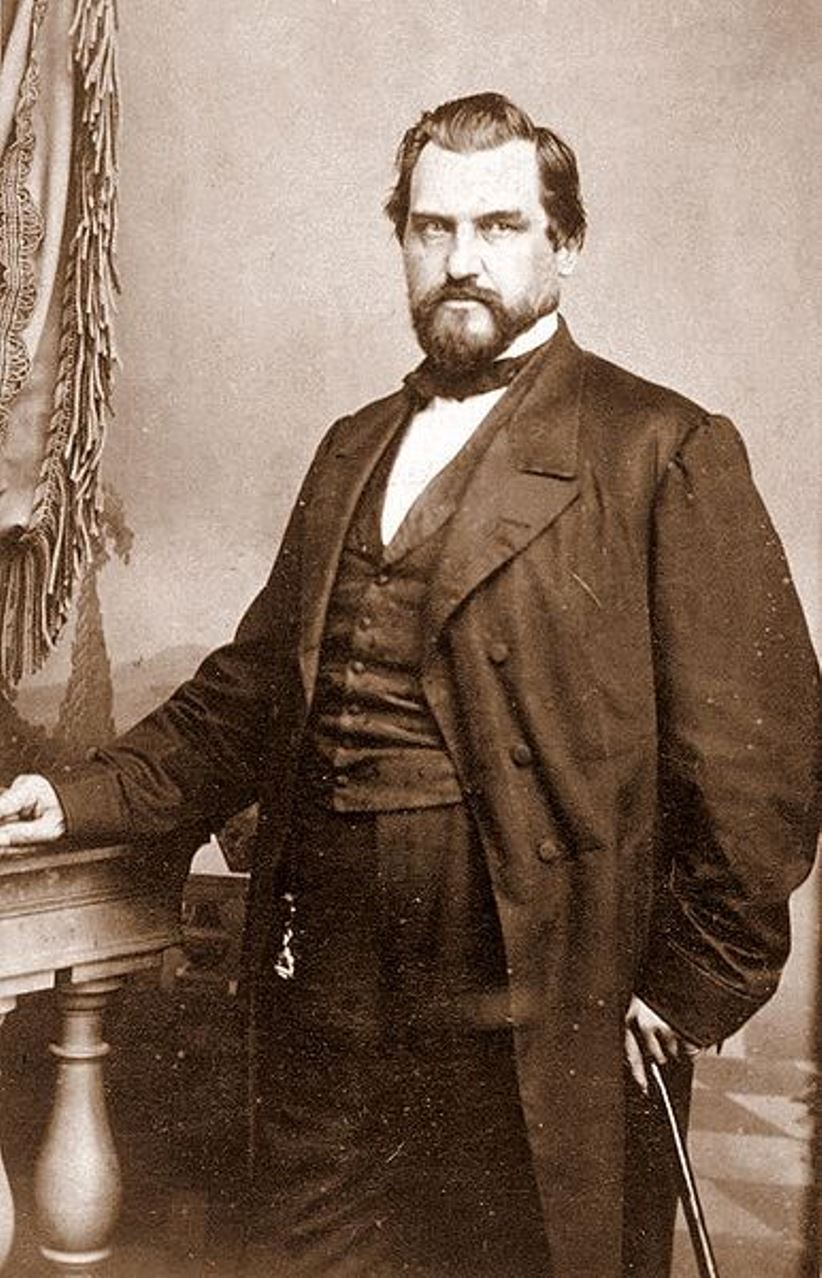
Amasa Leland Stanford was an American politician, industrialist and entrepreneur, and founder of Stanford University.
Born into a wealthy family, Stanford earned a law degree and practiced law in Wisconsin, and soon built a lucrative business selling mining equipment in northern California. And of course he became involved in politics, first as a justice of the peace and in 1861 was elected governor of California, but he didn't move away from business either.
As a member of the "Big Four" of the Central Pacific Railroad (CPRR), he was involved in planning the eastern section of the transcontinental railroad and helped secure major public investments and land grants for the railroad project. In 1863, Stanford became president of the Central Pacific Railroad and held that position for the rest of his life. He was also president of the Southern Pacific Railroad (which was acquired by the CPRR) and owned many of the construction companies that built the railroad. At the same time, he served in the U.S. Senate from 1885.
In 1891, he and his wife Jane Stanford founded Leland Stanford Junior University in memory of their only child, Leland Stanford, Jr. who died in his teens of typhoid fever during a trip to Italy.