nine people



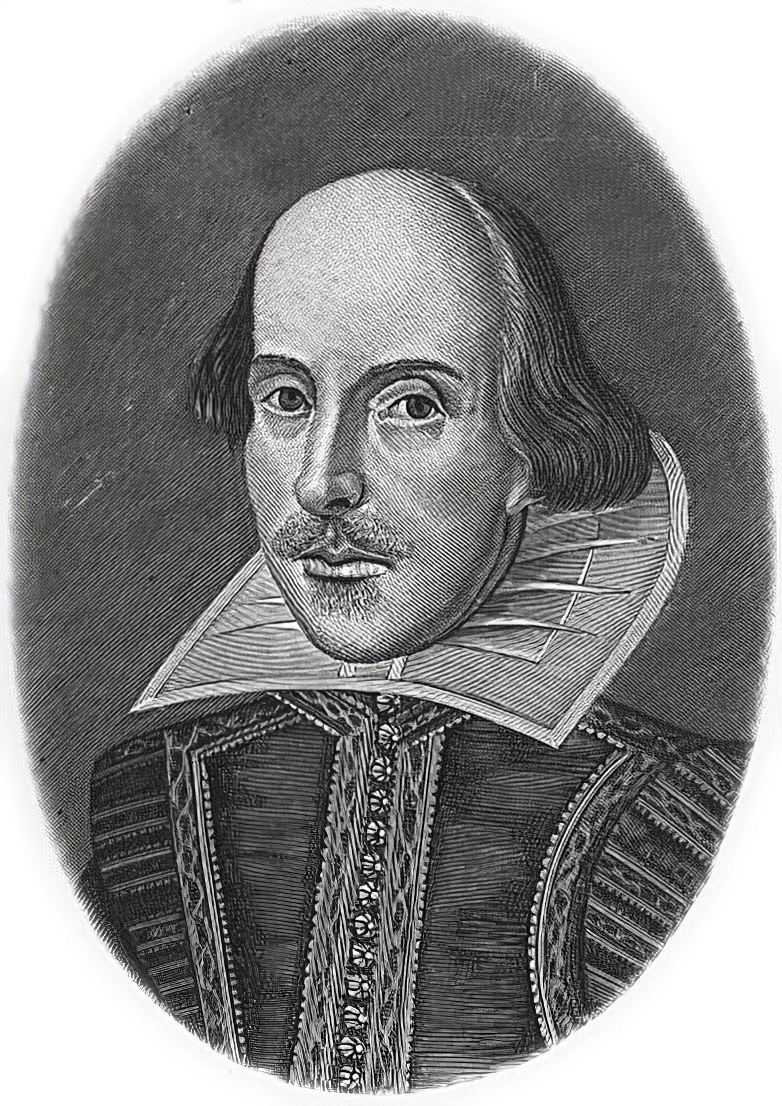
William Shakespeare was a British poet and playwright and writer.
William's father, John Shakespeare, was a merchant and official in Stratford. There are reports that he was a sailor for a time before joining a theater company in London. Beginning in the 1590s, Shakespeare began writing plays, and in 1593 he published a poem, Venus and Adonis, which became popular. He dedicated it to the Duke of Southampton, who was a philanthropist and patron of talent, and soon his business was booming.
From 1592 to 1600 Shakespeare wrote his dramas and romantic comedies "Richard III", "The Taming of the Shrew", "Romeo and Juliet", "A Midsummer Night's Dream" and "The Merchant of Venice", as well as the comedies "Much Ado About Nothing", "Twelfth Night" and the tragedy "Julius Caesar". The playwright's business was so successful that he even bought a large house in Stratford. In 1599, Shakespeare became one of the owners, playwright and actor of the new theater "Globe". In 1603 King James took Shakespeare's troupe under his direct patronage. In the mature period, the great playwright turned to tragedies, there were "Hamlet", "Othello", "King Lear", "Macbeth" and others.
Although in the 19th century researchers had some doubts about the authorship of many of these works, William Shakespeare is considered the greatest English playwright, one of the best playwrights in the world. His plays have been translated into all major languages and to this day form the basis of the world theatrical repertoire, most of them have been screened many times. According to the Guinness Book of Records, Shakespeare remains the world's best-selling playwright, and his plays and poems have sold more than 4 billion copies in the nearly 400 years since his death.
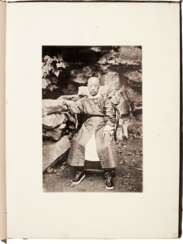

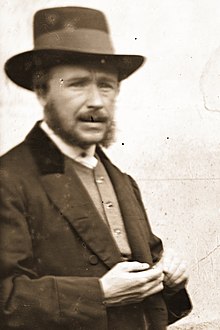

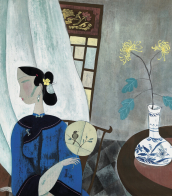


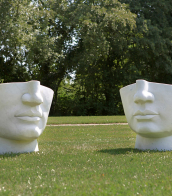
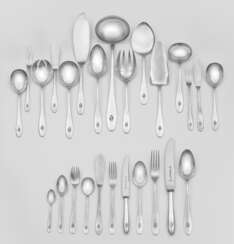

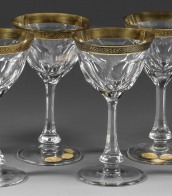






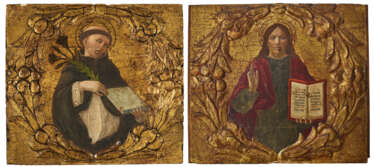


Benvenuto di Giovanni di Meo del Guasta, an Italian painter hailing from Siena, was recognized for his compelling panel paintings, frescoes, and manuscripts produced over a span of 43 years, during the Renaissance period. Born around 1436, his work life was largely based in Siena, where he was first documented as a young artist in 1453. His teacher was likely Vecchietta, with whom he collaborated on fresco decoration in Siena's baptistry. Di Giovanni married Jacopa di Tommaso da Cetona in 1466, which marked the beginning of a productive period that saw the creation of notable works such as the Annunciation and Saints (1466) and the Nativity (1470).
Benvenuto di Giovanni's style was characterized by its noble, classical forms and bright, intensely lit, glassy consistency, influenced by his interaction with North Italian miniaturists like Liberale da Verona and Girolamo da Cremona. His works, such as the triptych from Montepertuso (1475), the Borghesi altarpiece, and the triptych in the National Gallery, London (1479), stand as masterpieces of his sharply defined and surreal world. In the later years of his career, di Giovanni was commissioned for floor designs in the Siena cathedral and miniatures for its choir books, showing a style that occasionally simplified due to collaboration with his son, Girolamo di Benvenuto, but remained distinctively his.
Significant works by Benvenuto di Giovanni include "The Adoration of the Magi" and "The Crucifixion," both showcasing his mastery in perspective and religious narrative. For collectors and experts in art and antiques interested in the evocative and historically rich works of the Renaissance, Benvenuto di Giovanni's oeuvre offers a captivating exploration of 15th-century Sienese artistry.
To stay updated on sales and auction events featuring works by Benvenuto di Giovanni, sign up for updates. This subscription ensures that enthusiasts and collectors are always informed about new opportunities to engage with the exquisite works of this renowned Renaissance artist.
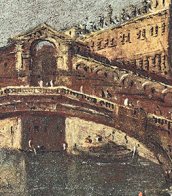


Benvenuto di Giovanni di Meo del Guasta, an Italian painter hailing from Siena, was recognized for his compelling panel paintings, frescoes, and manuscripts produced over a span of 43 years, during the Renaissance period. Born around 1436, his work life was largely based in Siena, where he was first documented as a young artist in 1453. His teacher was likely Vecchietta, with whom he collaborated on fresco decoration in Siena's baptistry. Di Giovanni married Jacopa di Tommaso da Cetona in 1466, which marked the beginning of a productive period that saw the creation of notable works such as the Annunciation and Saints (1466) and the Nativity (1470).
Benvenuto di Giovanni's style was characterized by its noble, classical forms and bright, intensely lit, glassy consistency, influenced by his interaction with North Italian miniaturists like Liberale da Verona and Girolamo da Cremona. His works, such as the triptych from Montepertuso (1475), the Borghesi altarpiece, and the triptych in the National Gallery, London (1479), stand as masterpieces of his sharply defined and surreal world. In the later years of his career, di Giovanni was commissioned for floor designs in the Siena cathedral and miniatures for its choir books, showing a style that occasionally simplified due to collaboration with his son, Girolamo di Benvenuto, but remained distinctively his.
Significant works by Benvenuto di Giovanni include "The Adoration of the Magi" and "The Crucifixion," both showcasing his mastery in perspective and religious narrative. For collectors and experts in art and antiques interested in the evocative and historically rich works of the Renaissance, Benvenuto di Giovanni's oeuvre offers a captivating exploration of 15th-century Sienese artistry.
To stay updated on sales and auction events featuring works by Benvenuto di Giovanni, sign up for updates. This subscription ensures that enthusiasts and collectors are always informed about new opportunities to engage with the exquisite works of this renowned Renaissance artist.
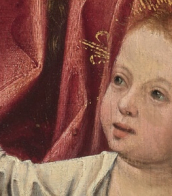
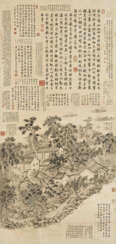


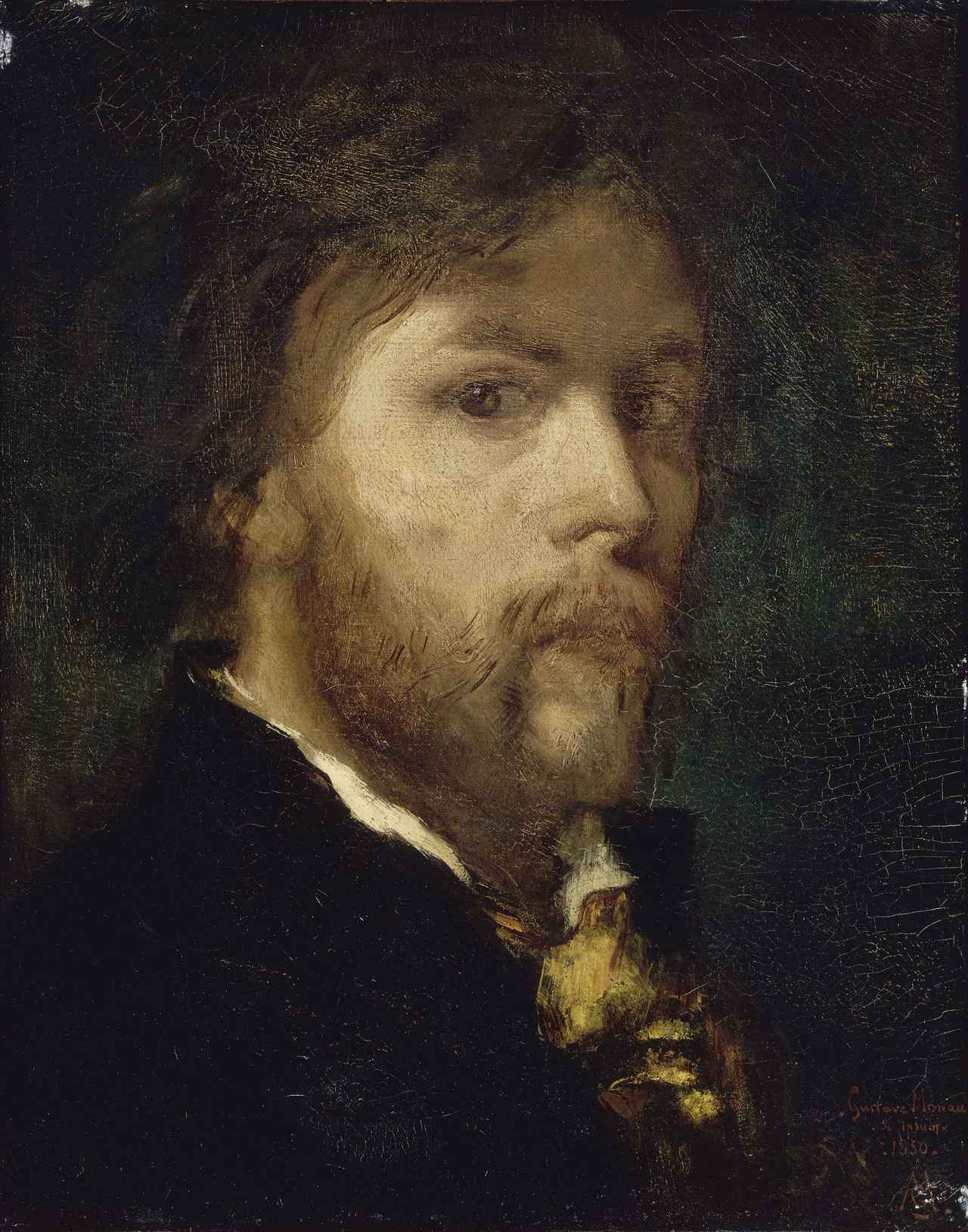
Gustave Moreau was a French artist and an important figure in the Symbolist movement. Jean Cassou called him "the Symbolist painter par excellence". He was an influential forerunner of symbolism in the visual arts in the 1860s, and at the height of the symbolist movement in the 1890s, he was among the most significant painters.






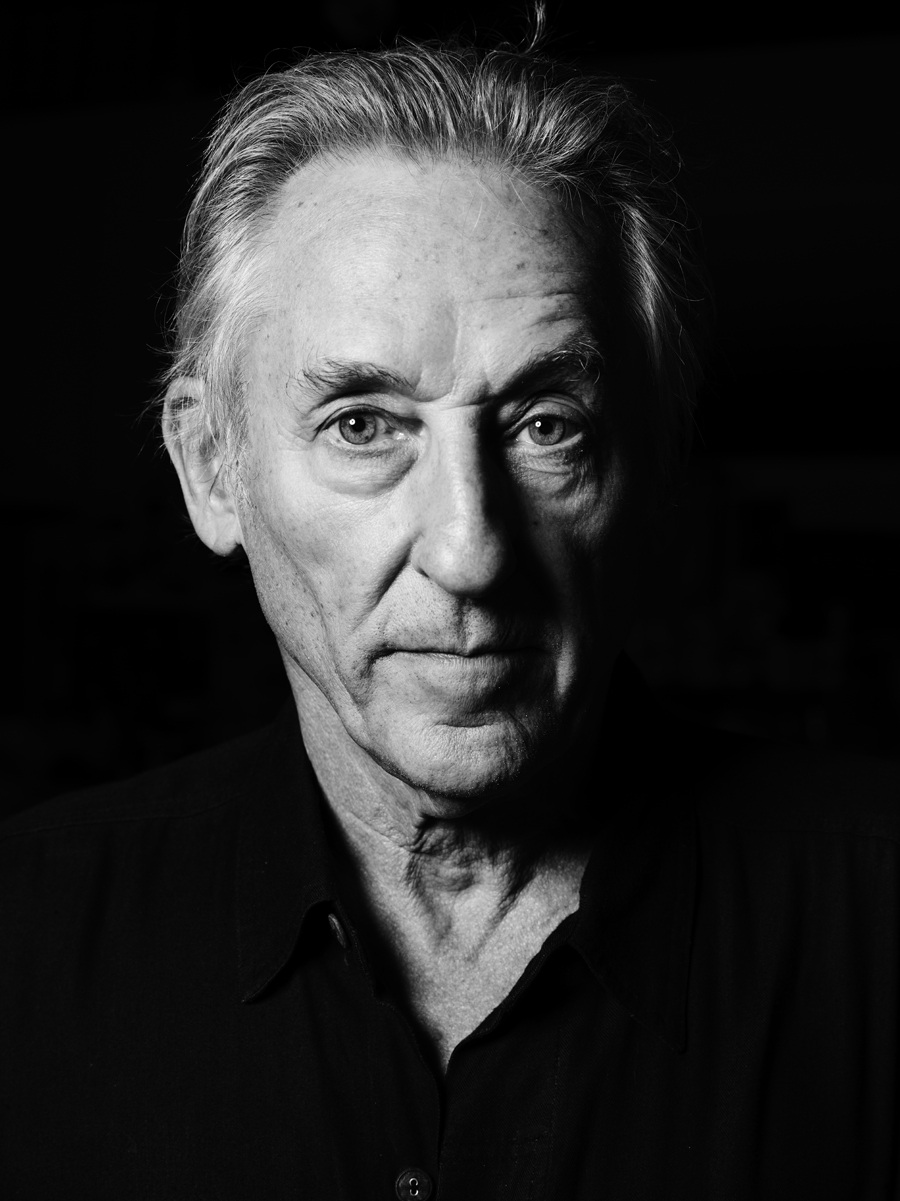
Edward Ruscha, an American artist born in 1937, is a prominent figure associated with West Coast Pop art, celebrated for his innovative approach to blending visual and verbal language within his works. Ruscha's journey in the art world began after moving to Los Angeles in 1956, where his fascination with the urban landscape and commercial culture flourished. He attended Chouinard Art Institute, now known as CalArts, which laid the foundation for his artistic exploration.
Edward Ruscha's art is deeply influenced by the Hollywood film industry, with works like "Large Trademark with Eight Spotlights" echoing the commercial graphics and cinematic influence of his time. His "Word paintings" series, starting in the 1960s, showcases his unique approach to typography and language, setting monosyllabic words against solid backgrounds, a style that continued to evolve throughout his career.
During the 1970s, Edward Ruscha expanded his narrative, incorporating phrases into his works, further exploring the relationship between text and image. His work in the 1980s and beyond includes landscapes juxtaposed with text, creating intriguing visual narratives that challenge viewers to find connections between the words and the images.
Edward Ruscha's contributions to the art world are significant, with his works held in major collections and institutions. His career spans various mediums, including painting, printmaking, photography, and artist's books, showcasing his versatility and enduring influence on contemporary art.
For enthusiasts and collectors of modern art, Edward Ruscha's works offer a unique blend of visual artistry and linguistic play. His innovative approach to combining text and image has cemented his status as a pivotal figure in contemporary art. To stay updated on the latest exhibitions, sales, and insights related to Edward Ruscha's art, consider subscribing to updates from renowned art galleries and auction houses. This subscription will ensure you're informed about new opportunities to engage with and appreciate the distinct and influential art of Edward Ruscha.












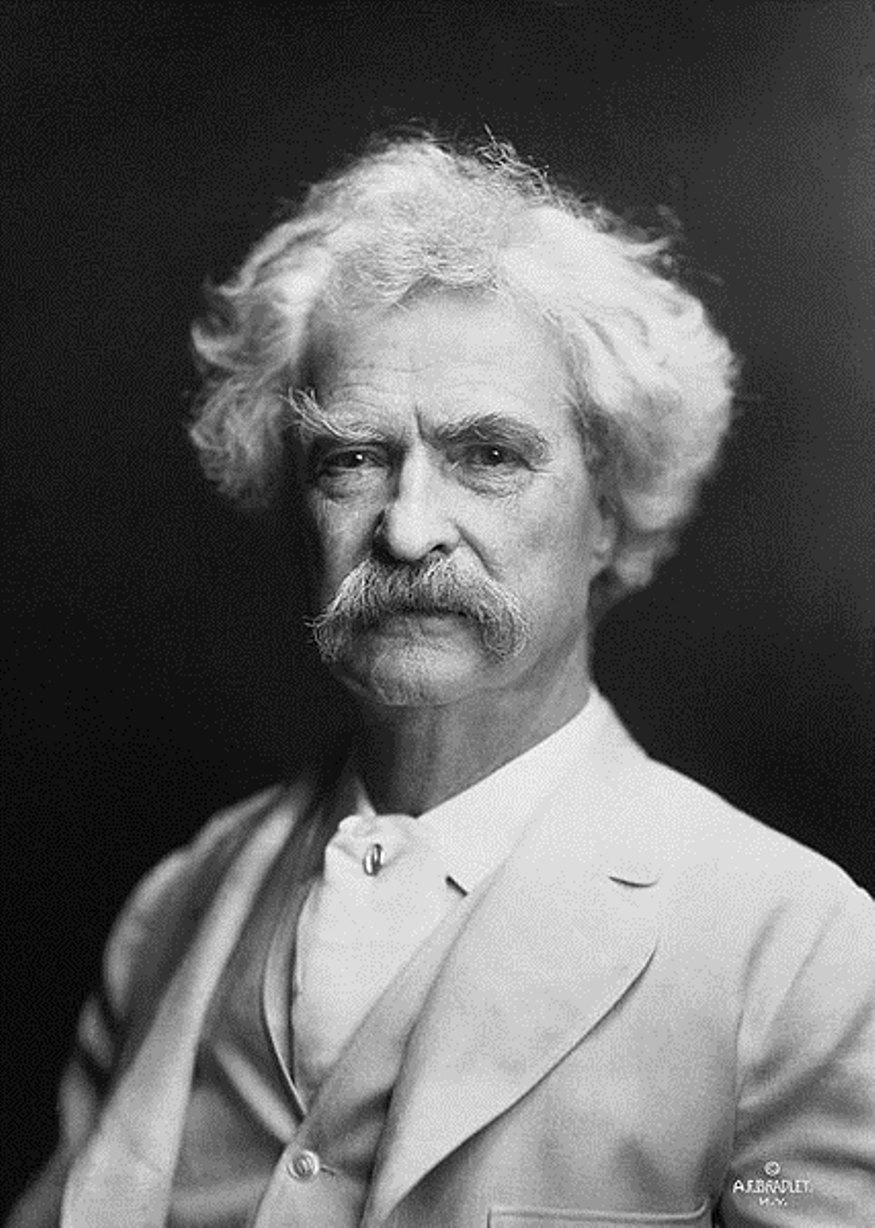
Mark Twain, real name Samuel Langhorne Clemens, was an American humanist writer, journalist, and social activist.
As a young man, Samuel worked in the printing press and in the gold mines, then went on a steamboat trip to Europe and the "Holy Land". His travel letters, full of vivid descriptions and ironic observations, were very well received by the public and were later revised into his first book, Innocents Abroad, published in 1869.
The pseudonym "Mark Twain" first appeared in 1863 under one of Samuel Clemens' short stories, and since then all his significant works have been signed by that name.
A talented storyteller, a peculiar humorist and moralist, Twain knew and loved his many diverse characters. His scandalizers and dreamers, caring aunts and ambitious politicians, grumpy widows and lying aristocrats, cunning but generous slaves, sentimental moralists, brave and naive children - all these types of American people Twain gave voice to thanks to his masterful command of colloquial language, slang and jargon. Twain wrote a lot and in a variety of genres: humor and satire, philosophical fiction and journalism and others, but he always stood on the position of humanist and democrat.
Mark Twain became world famous for his travel stories and adventure novels about his childhood, these are "The Adventures of Tom Sawyer" (1876) and "The Adventures of Huckleberry Finn" (1885). Twain is still one of America's, and indeed the world's, best and most beloved writers. His works have been and are still being published in many languages around the world.