obs ws







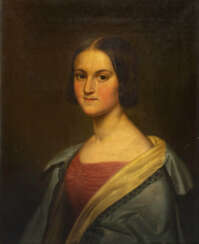

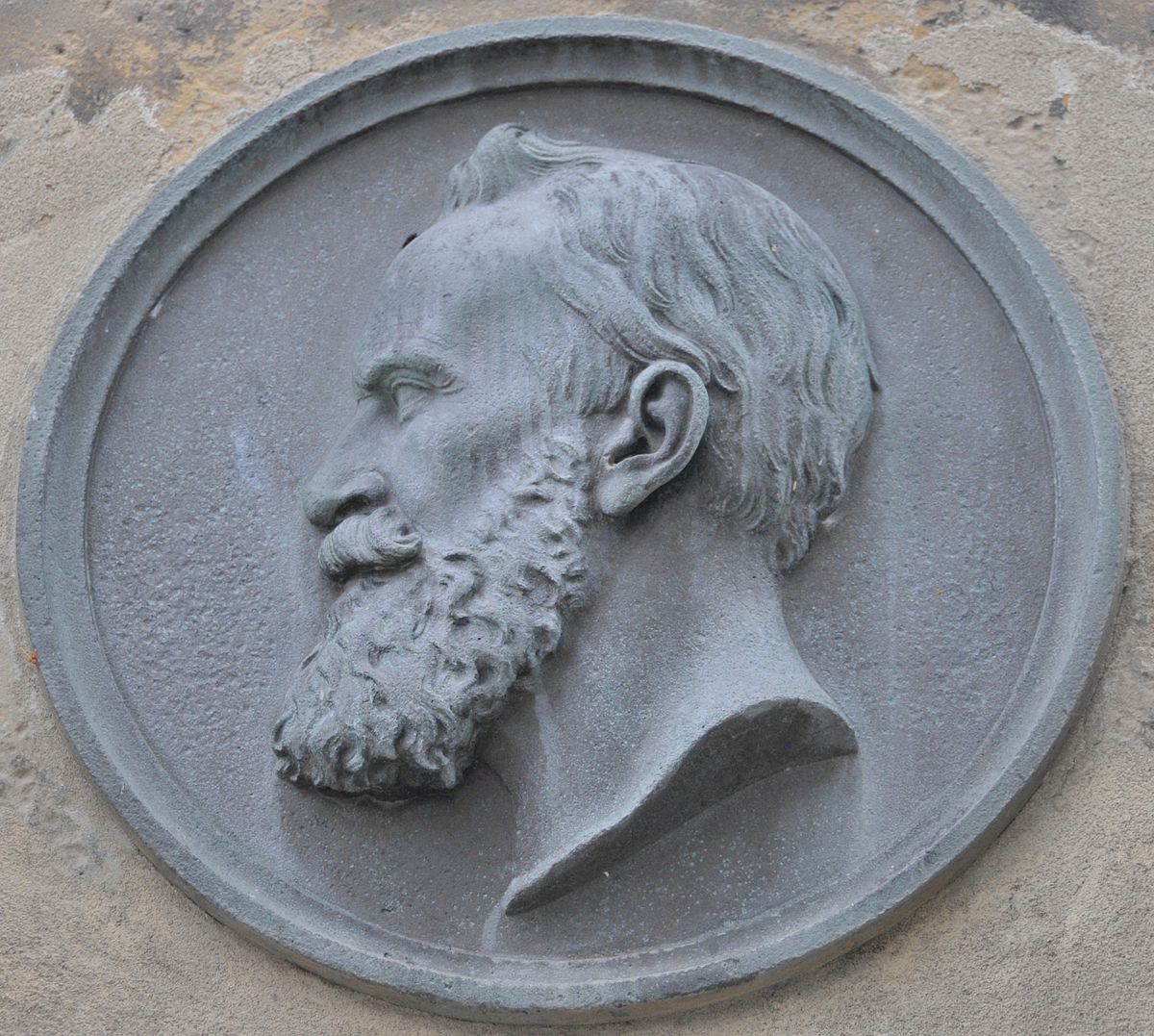
Paul Emil Jacobs was a German Orientalist painter and member of the Imperial Academy of Arts.
Jacobs was known for numerous paintings on Orientalist themes: harem beauties, picturesque Turks, and the slave market. He also painted scenes with religious and historical motifs.
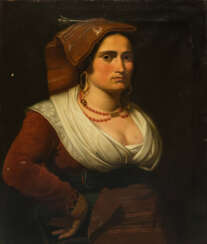

Paul Emil Jacobs was a German Orientalist painter and member of the Imperial Academy of Arts.
Jacobs was known for numerous paintings on Orientalist themes: harem beauties, picturesque Turks, and the slave market. He also painted scenes with religious and historical motifs.
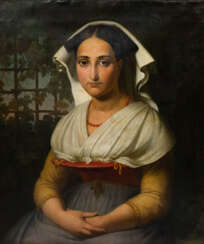

Paul Emil Jacobs was a German Orientalist painter and member of the Imperial Academy of Arts.
Jacobs was known for numerous paintings on Orientalist themes: harem beauties, picturesque Turks, and the slave market. He also painted scenes with religious and historical motifs.
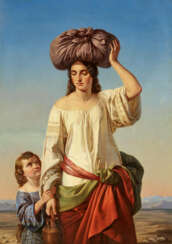

Paul Emil Jacobs was a German Orientalist painter and member of the Imperial Academy of Arts.
Jacobs was known for numerous paintings on Orientalist themes: harem beauties, picturesque Turks, and the slave market. He also painted scenes with religious and historical motifs.
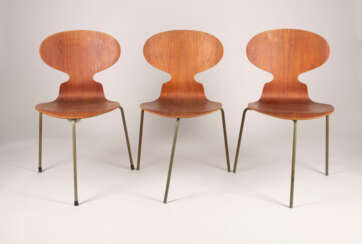

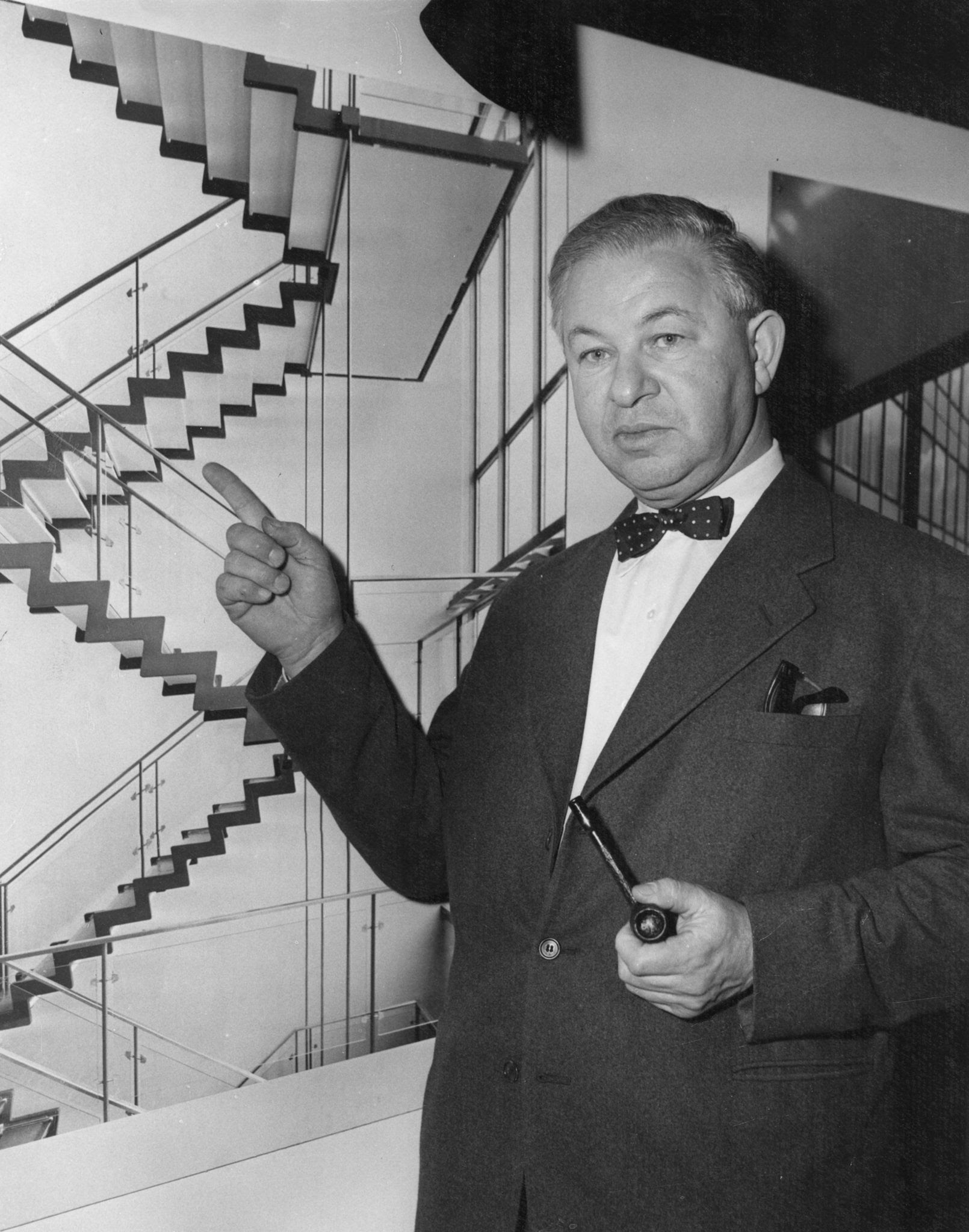
Arne Emil Jacobsen is a Danish architect and designer, the founder of the Danish Functionalism style.
He studied at the School of Architecture at the Royal Danish Academy of Fine Arts, and began working as an architect in the 1930s. Inspired by Art Nouveau, he designed several public buildings, including the Aarhus City Hall. In collaboration with Flemming Lassen, he first created a comprehensive overall interior design, including furniture, fixtures, plumbing and other details. After World War II, Arne Jacobsen made a name for himself both in Denmark and around the world.
For six decades, Arne Jacobsen was at the forefront of Danish architecture, creating visionary works of architecture that still look contemporary today. His projects often included both the building itself and the overall interior design as well as the design of the surrounding landscape. The combination of architecture and design is one of the constant characteristics of Arne Jacobsen's work. In projects such as the SAS Royal Hotel (1960) and St. Catherine's College in Oxford (1964), he not only created the architecture, but also designed every detail of the interiors, turning them into a true work of art.
In addition to architectural structures, Arne Jacobsen created a number of highly original chairs and other furniture. From his studio came avant-garde and innovative furniture, lamps, patterns, clocks, cutlery and glassware that are still in demand today.
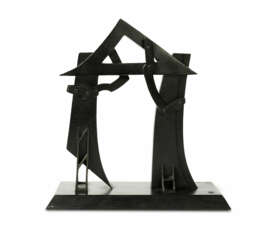

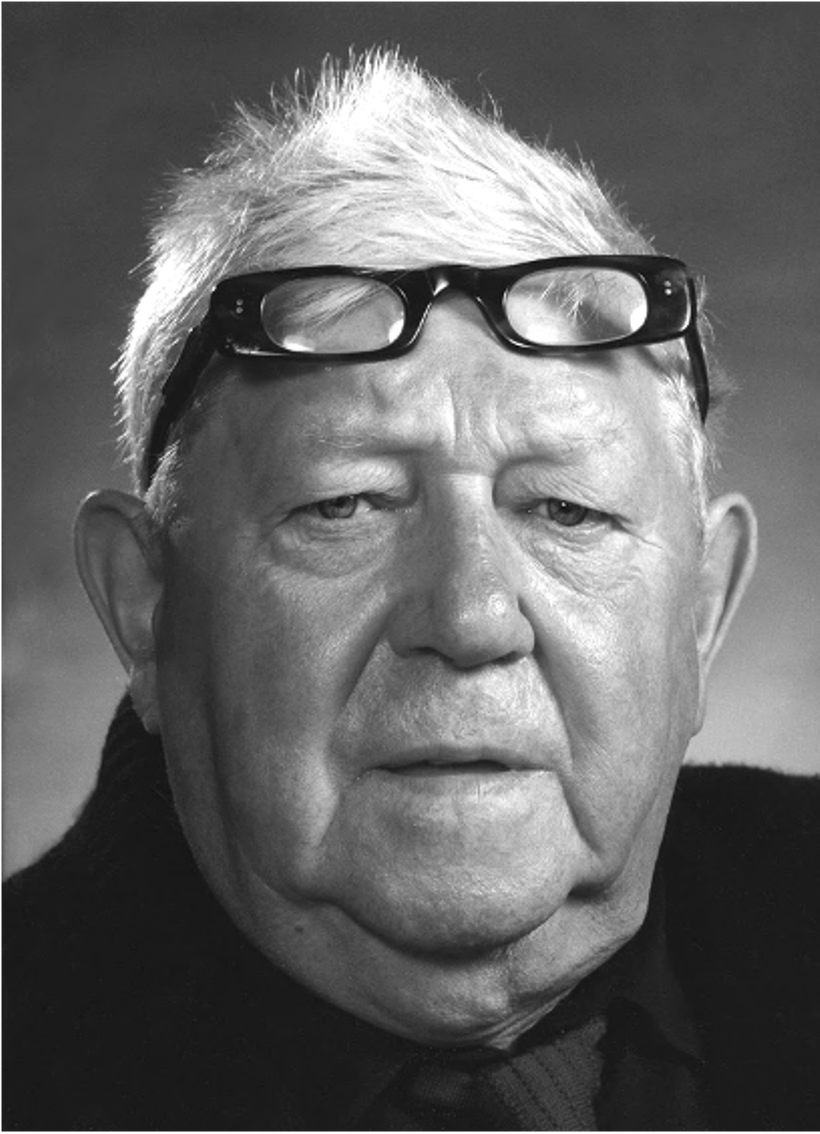
Robert Jacobsen, full name Robert Julius Tommy Jacobsen is a Danish painter and abstract sculptor. Jacobsen is a self-taught sculptor.
He became acquainted with modernist artists and created massive structures in granite and sandstone under the titles "Mythical Creatures", "Dolls". During his stay in France, his work included sculptures in cast iron.
Jacobsen was also a professor at the Munich Academy of Fine Arts and the Royal Danish Academy of Arts.
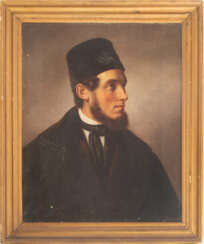

Paul Emil Jacobs was a German Orientalist painter and member of the Imperial Academy of Arts.
Jacobs was known for numerous paintings on Orientalist themes: harem beauties, picturesque Turks, and the slave market. He also painted scenes with religious and historical motifs.


Paul Emil Jacobs was a German Orientalist painter and member of the Imperial Academy of Arts.
Jacobs was known for numerous paintings on Orientalist themes: harem beauties, picturesque Turks, and the slave market. He also painted scenes with religious and historical motifs.
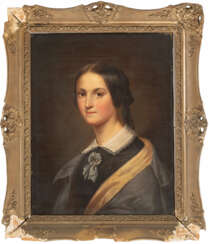

Paul Emil Jacobs was a German Orientalist painter and member of the Imperial Academy of Arts.
Jacobs was known for numerous paintings on Orientalist themes: harem beauties, picturesque Turks, and the slave market. He also painted scenes with religious and historical motifs.


Paul Emil Jacobs was a German Orientalist painter and member of the Imperial Academy of Arts.
Jacobs was known for numerous paintings on Orientalist themes: harem beauties, picturesque Turks, and the slave market. He also painted scenes with religious and historical motifs.
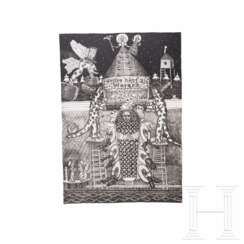

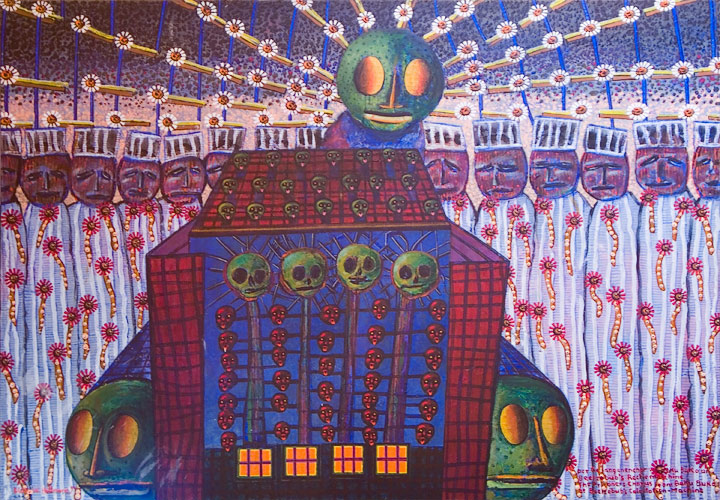
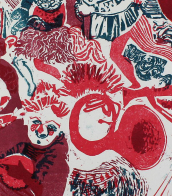
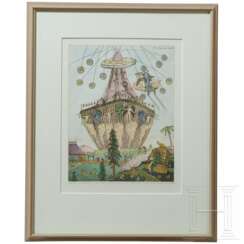
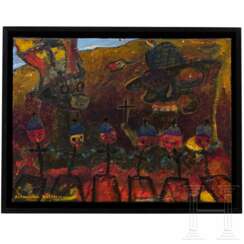
Blalla Wolfgang / Wolfgang Ewald Hallmann was a German painter and graphic artist. He deals with fundamental existential questions (religion, sexuality, ...) in a drastic, both blasphemous and obscene manner. Formally, it moves between surrealism, outsider art (Art Brut), folk art and numerous references to art history. In the 1980s, the cycle of "horror pictures" was created. In addition to other techniques, the reverse glass painting known from folk art is characteristic of him. In 1995/1996 Hallmann produced a series of 149 sheets of woodcuts in which he recapitulated his own career under the title “The Way, the Truth and Life”. He was a member of the artist trio around Herbert Haberl and Bernd Wangerin. In 1965 he was a founding member of a traveling theater that later became “Hoffmanns Comic Teater”. Members of this group later formed the rock band Ton Steine Scherben.


Paul Emil Jacobs was a German Orientalist painter and member of the Imperial Academy of Arts.
Jacobs was known for numerous paintings on Orientalist themes: harem beauties, picturesque Turks, and the slave market. He also painted scenes with religious and historical motifs.
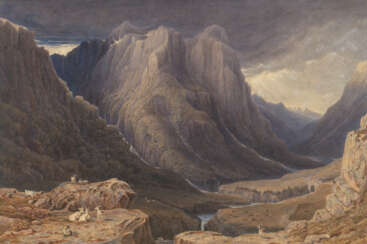

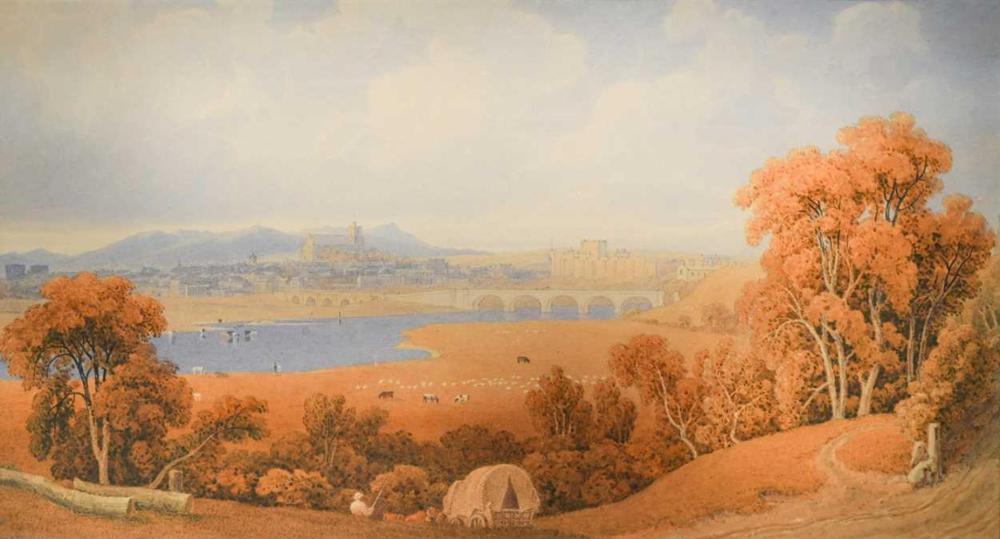
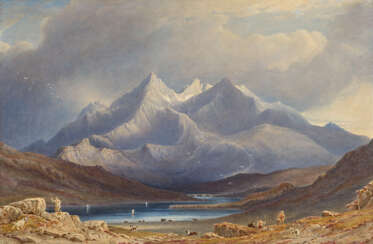
George Fennell Robson was a British landscape painter.
He traveled to various parts of the Highlands of Scotland, making sketches. Robson's landscapes were very successful.

George Fennell Robson was a British landscape painter.
He traveled to various parts of the Highlands of Scotland, making sketches. Robson's landscapes were very successful.

Blalla Wolfgang / Wolfgang Ewald Hallmann was a German painter and graphic artist. He deals with fundamental existential questions (religion, sexuality, ...) in a drastic, both blasphemous and obscene manner. Formally, it moves between surrealism, outsider art (Art Brut), folk art and numerous references to art history. In the 1980s, the cycle of "horror pictures" was created. In addition to other techniques, the reverse glass painting known from folk art is characteristic of him. In 1995/1996 Hallmann produced a series of 149 sheets of woodcuts in which he recapitulated his own career under the title “The Way, the Truth and Life”. He was a member of the artist trio around Herbert Haberl and Bernd Wangerin. In 1965 he was a founding member of a traveling theater that later became “Hoffmanns Comic Teater”. Members of this group later formed the rock band Ton Steine Scherben.

Blalla Wolfgang / Wolfgang Ewald Hallmann was a German painter and graphic artist. He deals with fundamental existential questions (religion, sexuality, ...) in a drastic, both blasphemous and obscene manner. Formally, it moves between surrealism, outsider art (Art Brut), folk art and numerous references to art history. In the 1980s, the cycle of "horror pictures" was created. In addition to other techniques, the reverse glass painting known from folk art is characteristic of him. In 1995/1996 Hallmann produced a series of 149 sheets of woodcuts in which he recapitulated his own career under the title “The Way, the Truth and Life”. He was a member of the artist trio around Herbert Haberl and Bernd Wangerin. In 1965 he was a founding member of a traveling theater that later became “Hoffmanns Comic Teater”. Members of this group later formed the rock band Ton Steine Scherben.


Blalla Wolfgang / Wolfgang Ewald Hallmann was a German painter and graphic artist. He deals with fundamental existential questions (religion, sexuality, ...) in a drastic, both blasphemous and obscene manner. Formally, it moves between surrealism, outsider art (Art Brut), folk art and numerous references to art history. In the 1980s, the cycle of "horror pictures" was created. In addition to other techniques, the reverse glass painting known from folk art is characteristic of him. In 1995/1996 Hallmann produced a series of 149 sheets of woodcuts in which he recapitulated his own career under the title “The Way, the Truth and Life”. He was a member of the artist trio around Herbert Haberl and Bernd Wangerin. In 1965 he was a founding member of a traveling theater that later became “Hoffmanns Comic Teater”. Members of this group later formed the rock band Ton Steine Scherben.