paradoxically
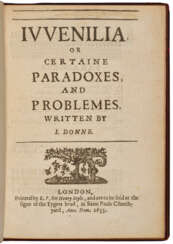

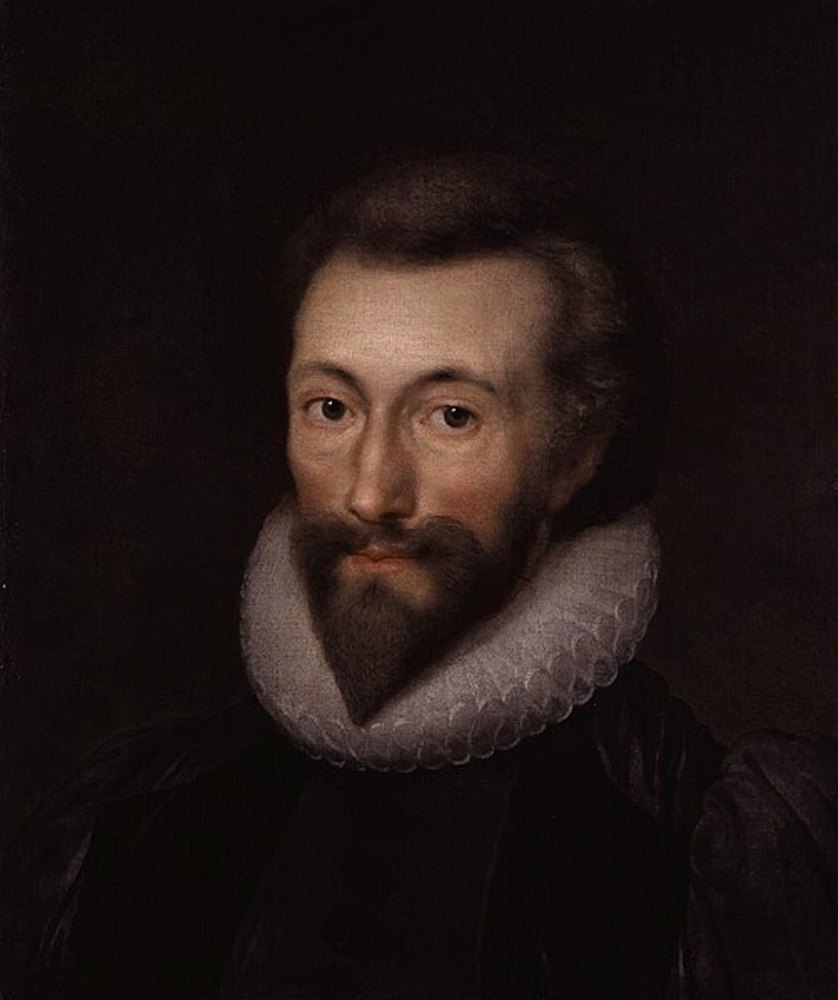
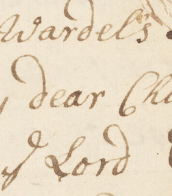
John Donne was a British preacher and poet, a major exponent of English Baroque literature.
His father was a wealthy merchant, and he was educated at Oxford, Cambridge, and Lincoln's Inn. Then began to write satires, which were willingly passed from hand to hand. The first three of Donne's famous satires date from 1593, and the others were written at various times before 1601. In 1594 he began his travels in Europe, accompanied the Earl of Essex on the capture of Cadiz in 1596 and on the expedition of 1597, and was in Italy and Spain.
In 1601. John Donne wrote his remarkable poem "The Progress of the Soul", in 1610 published his prose work against Catholics "Pseudo-Martyr", and in 1611. - an even harsher polemical treatise, Ignatius in Conclave. John Donne was also the author of many sonnets, love poems, elegies, epigrams, and religious sermons.
In 1621 John Donne was appointed rector of St. Paul's Cathedral in London, and near the end of his life he became a popular eloquent preacher whose sermons were eagerly printed and published. 160 of his sermons have survived, including the most famous, Death's Duel, which he delivered in Whitehall before King Charles I on February 25, 1631, a few weeks before his own death.













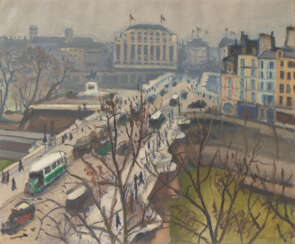

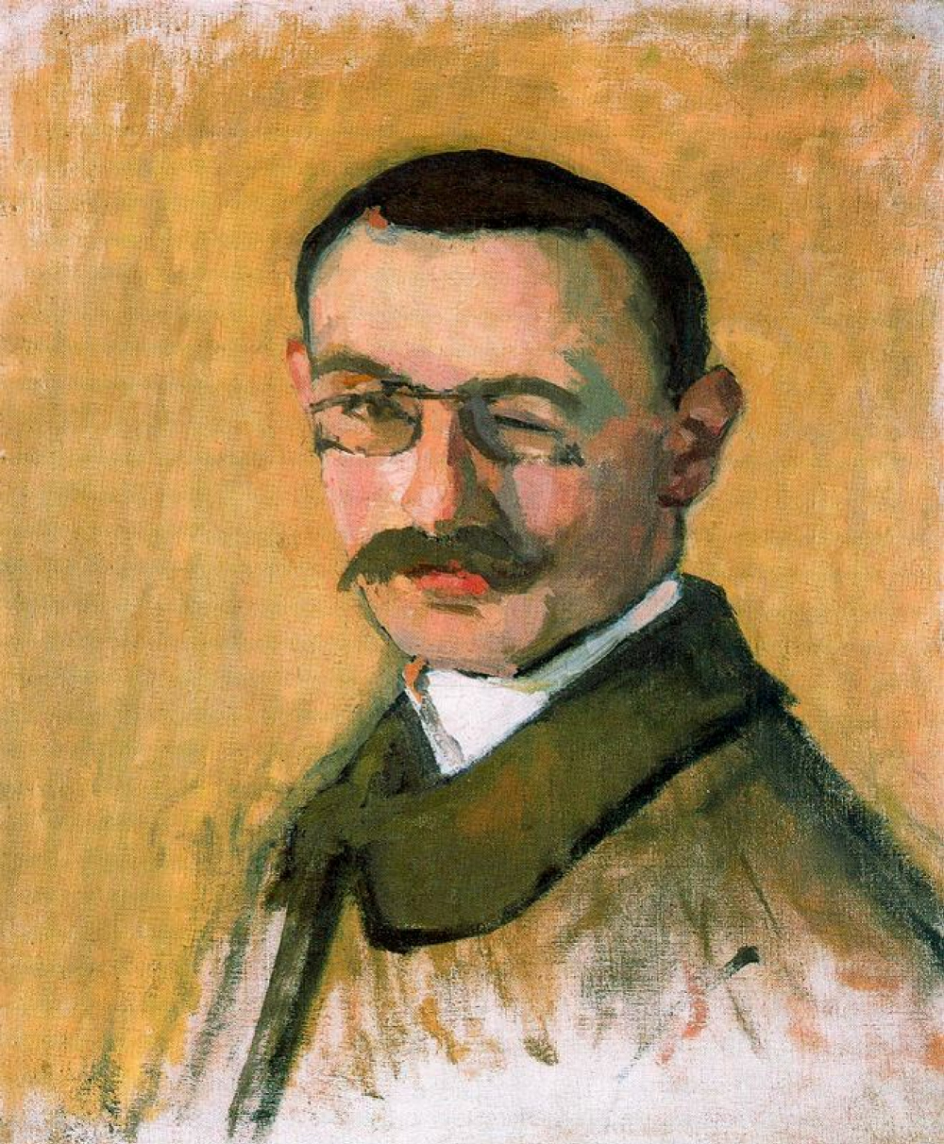
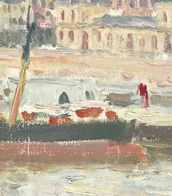
Albert Marquet was a French painter, renowned for his affiliation with the Fauvist movement, a group characterized by their use of wild, vivid colors to depict emotional expression. Unlike his contemporaries who embraced bright and violent colors, Marquet distinguished himself with a more subdued palette, employing less intense tones by mixing complementary colors to achieve a naturalistic style, primarily in landscapes. His work is celebrated for its simplicity in form and color, often focusing on serene water scenes, bustling city views, and the animated life of waterfront cities, particularly in North Africa and across various European locales like Naples and Venice.
Marquet's technique involved painting water as a broad area of simple tone, which cleverly held the plane of the water's surface without resorting to illusionistic perspective, allowing ships to emerge into a different plane with ease. This method, alongside his unique approach to color and composition, drew parallels with Japanese Shijo style work, emphasizing simplicity, movement, and the effective use of color to capture scenes' essence.
Throughout his career, Marquet frequently returned to favored subjects, capturing subtle variations in light and atmosphere. His landscapes, cityscapes, and maritime scenes are noted for their tranquility and the artist's keen observation of light and color. His works are housed in prestigious museums worldwide, including the Musée National d'Art Moderne, the Metropolitan Museum of Art, and the Pushkin Museum, showcasing his versatile talent in capturing the natural and urban environment.
Marquet's legacy is significant, admired for his astute sense of color and the ability to convey atmospheric mood with minimal elements. His influence extends beyond the canvas, impacting subsequent generations of artists and collectors who appreciate the subtlety and depth of his work. For collectors and experts in art and antiques, Albert Marquet represents a pivotal figure in modern art, whose works continue to inspire and captivate audiences with their serene beauty and emotional depth.
To stay informed about new sales and auction events related to Albert Marquet's works, signing up for updates can offer exclusive insights and opportunities to acquire pieces by this influential artist. This subscription is an invaluable resource for those keen to enhance their collection with works by one of the masters of Fauvism and modern landscape painting.
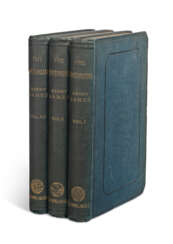

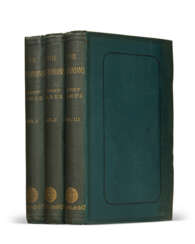

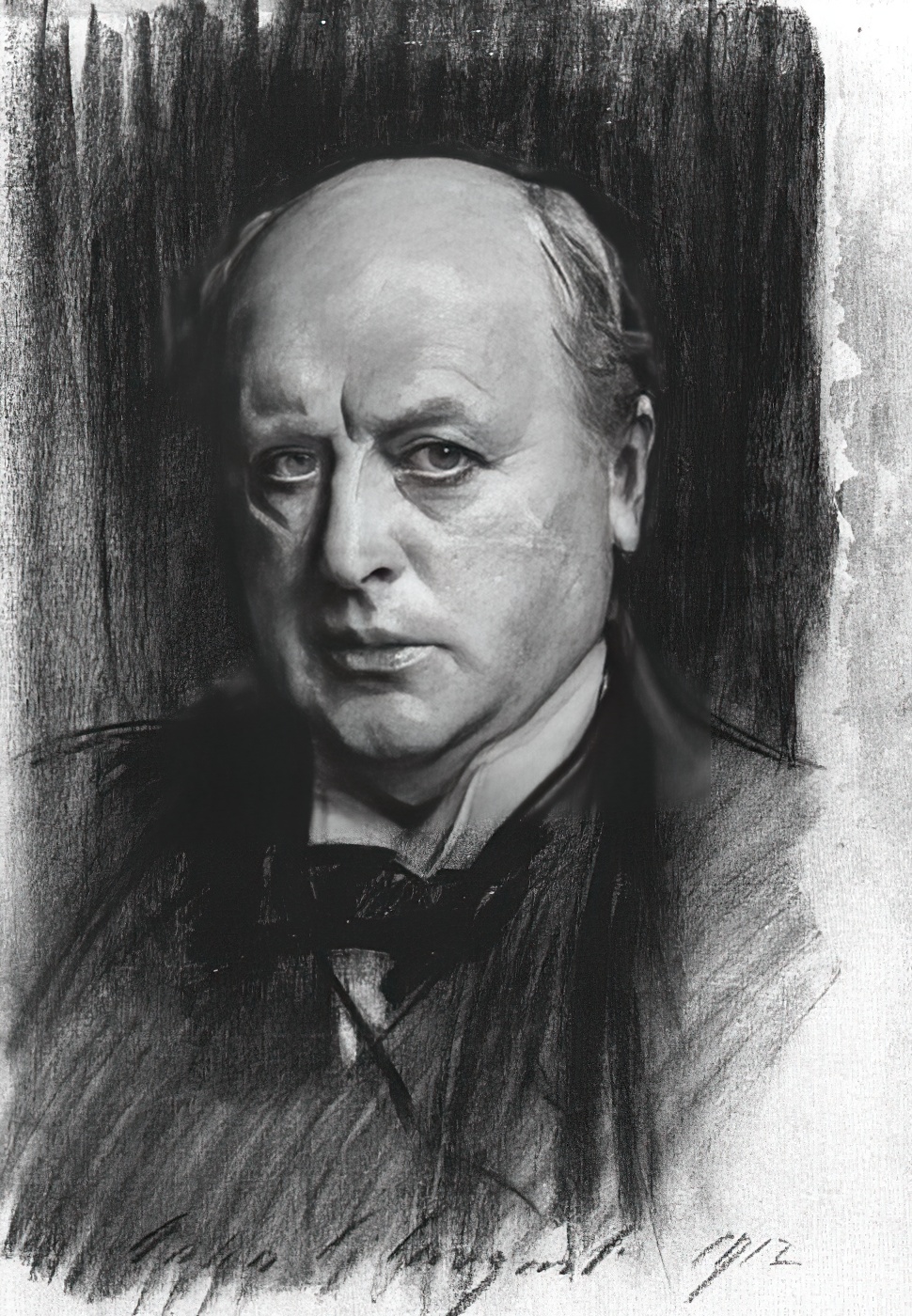
Henry James was an American-British author celebrated for his role as a key transitional figure between literary realism and modernism. Born on April 15, 1843, in New York City, James was known for his nuanced approach to the novel as a literary form. His works, including the famous "The Portrait of a Lady" and "The Turn of the Screw," delve into themes of consciousness and perception, and are revered for their insightful exploration of character and society.
James's mastery in prose is evident in his voluminous output of 22 novels, over a hundred short stories, and numerous volumes of non-fiction, including biographies, travel writing, and literary criticism. His storytelling, characterized by a subtle analysis of personal relationships, has earned him recognition as one of the great prose writers in American literature. This recognition has only grown since his lifetime, with his audience expanding significantly posthumously.
For collectors and experts in literature, James’s works are not just books but artifacts that capture the transformative period of early modernist writing. While physical exhibitions of his manuscripts and early editions are rare, they are highly sought after by collectors and museums. To stay informed about such rare opportunities and updates on Henry James, signing up for specialized updates is invaluable. Don’t miss the chance to explore and perhaps own a piece of literary history.
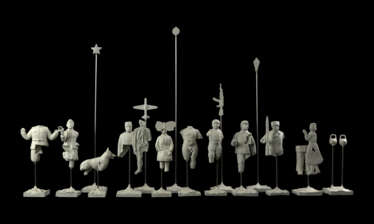





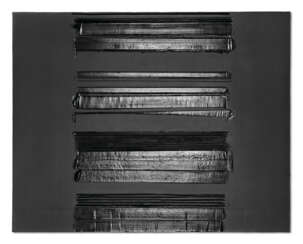

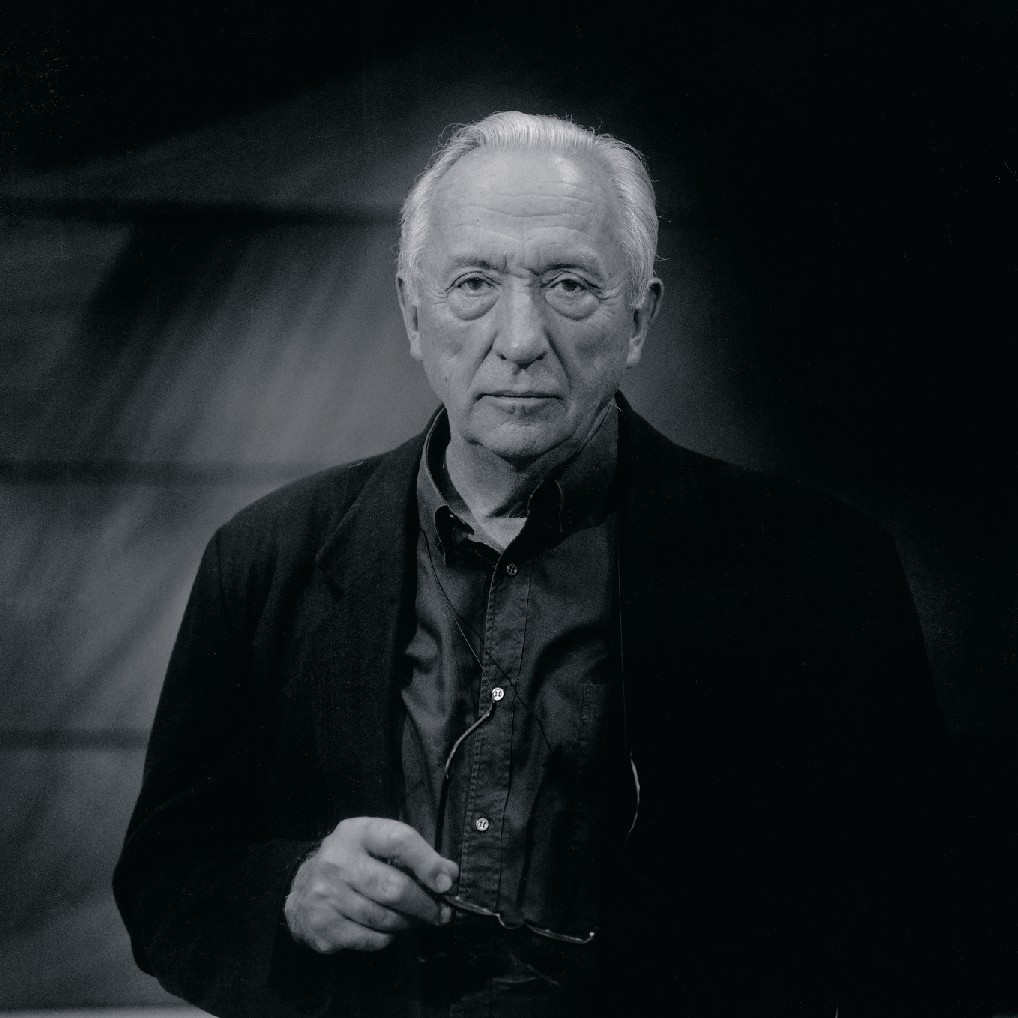
Pierre Soulages was a French painter, printmaker, and sculptor. In 2014, François Hollande described him as "the world's greatest living artist."
Soulages is known as "the painter of black," owing to his interest in the colour "both as a colour and a non-colour. When light is reflected on black, it transforms and transmutes it. It opens a mental field all its own." He saw light as a work material; striations of the black surface of his paintings enable him to reflect light, allowing the black to come out of darkness and into brightness, thus becoming a luminous colour.
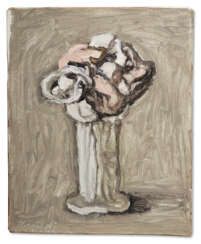

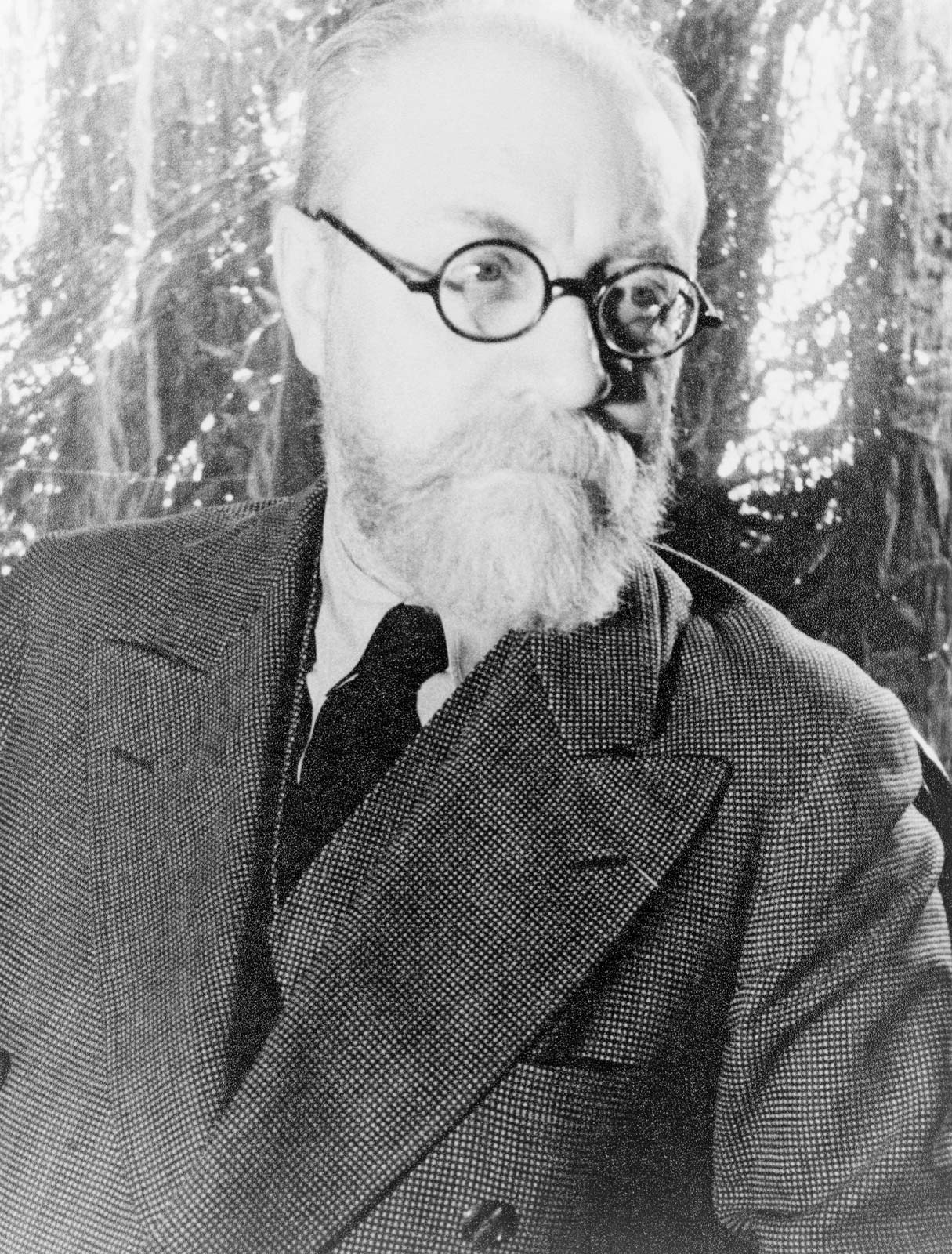
Henri Matisse, a renowned French visual artist, was celebrated for his vibrant use of color and fluid, original draughtsmanship. Born on December 31, 1869, in Le Cateau-Cambrésis, France, Matisse initially pursued a career in law before turning to art. He first began painting in 1889, a change inspired by convalescence art supplies his mother provided. This marked the beginning of a journey that would see him become a leading figure in modern art.
Matisse's career is notable for its stylistic evolution yet consistent aim to capture the "essential character of things." His early works, characterized by intense colorism, earned him recognition as one of the Fauves, or "wild beasts." The period from 1908 to 1913 was marked by significant developments, with works like "Reclining Odalisque" and "The Red Studio" showcasing his mastery in balance and serenity. In the 1920s, his style evolved to more relaxed forms, with a focus on light, color, and decorative patterns in paintings like his odalisque series.
Matisse's exploration of various mediums, including sculpture and paper collage, reflects his innovative spirit. His later years were dominated by cut paper collages, as health challenges limited his ability to paint. These works, alongside his bold drawings and sculptures, cemented his status as a pioneer in visual art.
For collectors and art experts, Matisse's work remains a testament to creative evolution and expressive use of color and form. His masterpieces can be found in prominent museums and galleries worldwide, continuing to inspire and fascinate art enthusiasts.
To stay updated on new product sales and auction events related to Henri Matisse's art, sign up for our updates. This subscription will keep you informed about opportunities to appreciate and acquire works connected to this iconic artist.


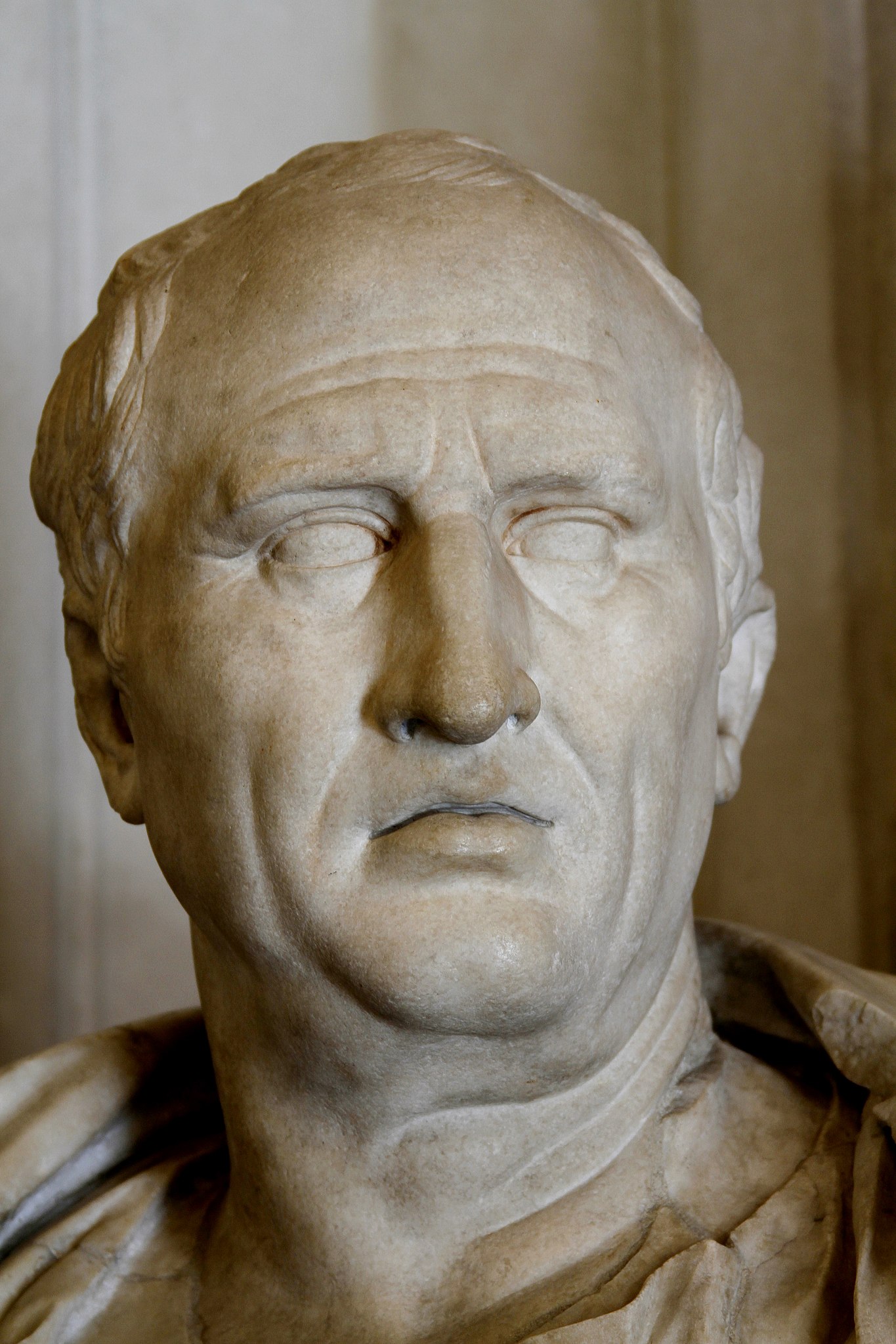
Marcus Tullius Cicero was a Roman statesman, lawyer, scholar, philosopher, and academic skeptic, who tried to uphold optimate principles during the political crises that led to the establishment of the Roman Empire. His extensive writings include treatises on rhetoric, philosophy and politics. He is considered one of Rome's greatest orators and prose stylists. He came from a wealthy municipal family of the Roman equestrian order, and served as consul in 63 BC.
His influence on the Latin language was immense. He wrote more than three-quarters of extant Latin literature that is known to have existed in his lifetime, and it has been said that subsequent prose was either a reaction against or a return to his style, not only in Latin but in European languages up to the 19th century. Cicero introduced into Latin the arguments of the chief schools of Hellenistic philosophy and created a Latin philosophical vocabulary with neologisms such as evidentia, humanitas, qualitas, quantitas, and essentia, distinguishing himself as a translator and philosopher.






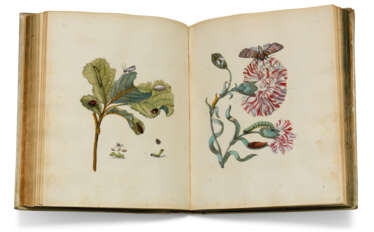

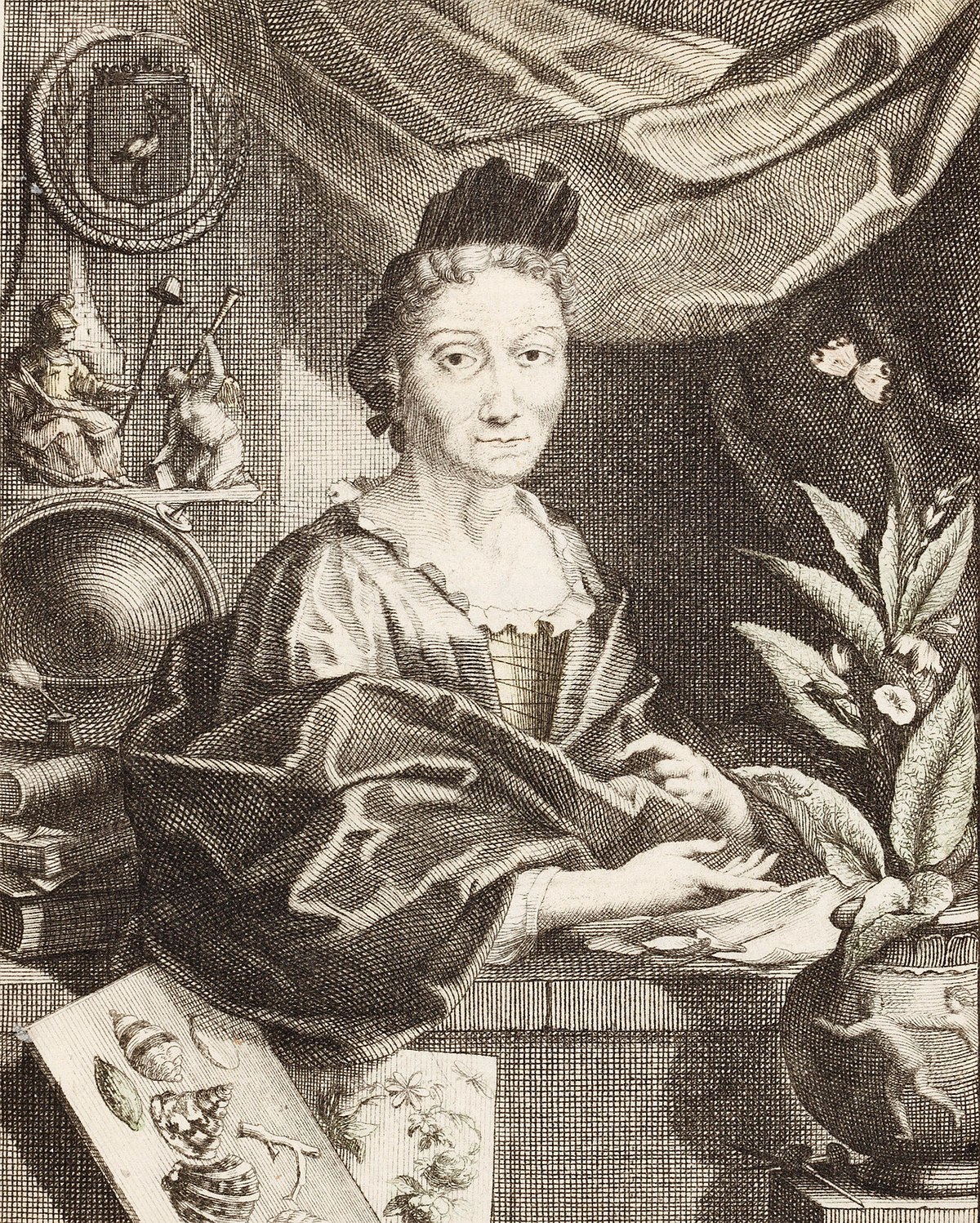
Maria Sibylla Merian was a German-born naturalist and artist renowned for her contributions to entomology and botanical art. Born in Frankfurt am Main in 1647, Merian gained recognition for her detailed studies and illustrations of insects and plants, focusing on their life cycles and metamorphosis, which significantly advanced the field of entomology.
Maria Sibylla Merian's journey into the world of natural history began in her hometown of Frankfurt, where she started studying insects, particularly their metamorphosis. Her marriage to Johann Andreas Graff, an artist's apprentice, eventually took her to Nuremberg, where she continued her work and published her findings. Despite personal challenges, including an unhappy marriage, Merian's dedication to her studies remained unwavering.
A pivotal moment in Merian's life was her association with the Labadist community, where she delved deeper into her studies. Her time with the Labadists in Friesland allowed her to study a variety of species, further enriching her scientific endeavors. Merian's relentless pursuit of knowledge eventually led her to Amsterdam, a hub of scientific inquiry and trade, where she was exposed to a vast array of specimens from across the globe.
Maria Sibylla Merian's most ambitious expedition was to Suriname in South America, where she studied and documented the region's diverse flora and fauna. Her observations and illustrations from this expedition were groundbreaking, providing valuable insights into the natural world. Merian's works, including her detailed engravings and illustrations, not only captivate with their beauty but also serve as valuable scientific records. Her legacy is preserved in institutions like the National Museum of Women in the Arts, which houses some of her remarkable engravings.
Maria Sibylla Merian's life and work exemplify the profound impact of combining art and science, leaving an indelible mark on both fields. Her dedication to observing and documenting the natural world continues to inspire scientists and artists alike.



.jfif)
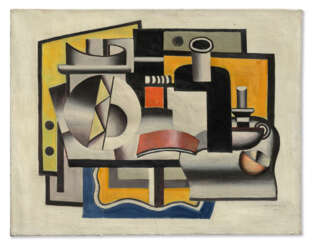
Joseph Fernand Henri Léger was a French artist renowned for his innovative approach to Cubism and his transition towards a figurative, populist style. Born in Argentan, Orne, Lower Normandy, Léger's early career was marked by a stint as an architectural draftsman and a series of educational pursuits that eventually led him to Paris, where he embraced painting seriously. His artistic journey was significantly influenced by the bold abstractions of Cubism, characterized by geometric shapes and a vibrant palette, distinguishing his work from his contemporaries with what came to be known as "Tubism".
Léger's service in World War I profoundly impacted his artistic direction, leading him to adopt a 'mechanical' style that depicted the modern industrial world with sleek, tubular forms. This period saw creations like "Soldier with a Pipe" and "The Card Players," reflecting his war experiences and the mechanical aesthetics of the time. The post-war era encouraged Léger to explore the mechanical style further, evident in works like "The Bargeman" and "Mechanical Elements," highlighting the pace of technological advancement.
Throughout his career, Léger's work evolved, notably in the 1920s, where he aligned with Purist ideas, blending classicism with modernity. This phase is exemplified in "Woman with a Cat," showcasing a classical form with a modern, polished finish. By the 1930s, Léger's art took a more figurative, populist turn, aiming to democratize contemporary art and make it more accessible. His commitment to art education, especially for the common worker, underscored his belief in the social role of art.
For those intrigued by Joseph Fernand Henri Léger's groundbreaking contributions to modern art, his works can be found in prestigious museums worldwide. His legacy continues to inspire art collectors and enthusiasts alike. To stay updated on exhibitions and auction events featuring Léger's work, sign up for updates and embrace the unique opportunity to explore the richness of his artistic endeavors.