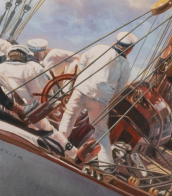
peinture mé



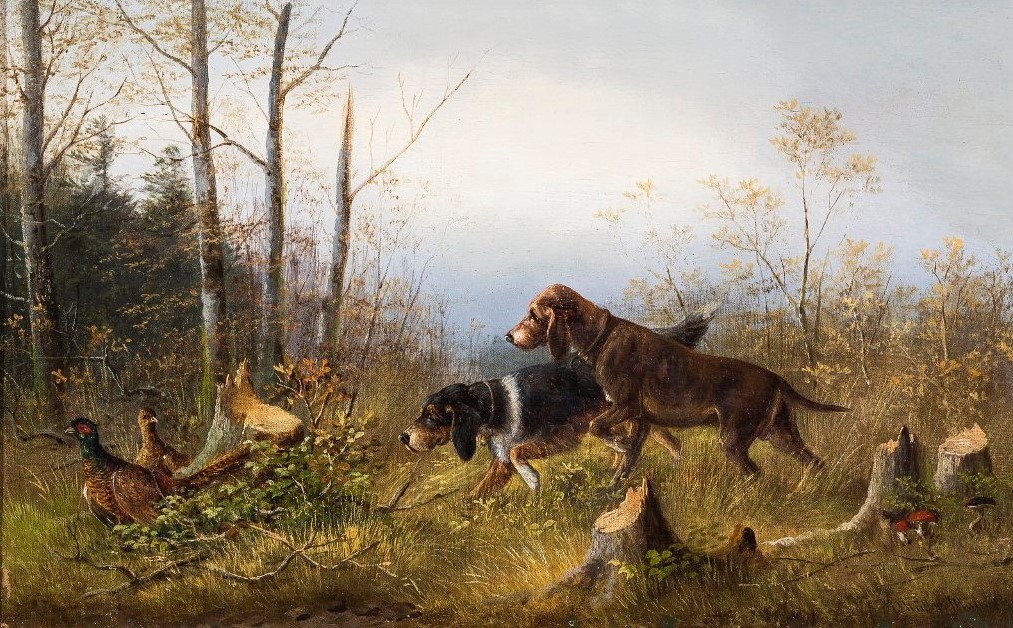
Moritz Müller was a German painter who lived and worked in Germany.
His subject matter is hunting, hunting dogs, wild animals and birds in their environment in nature, and landscapes.
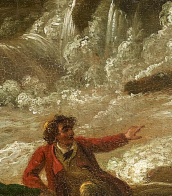
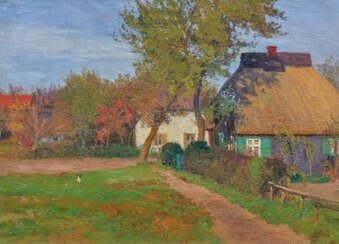

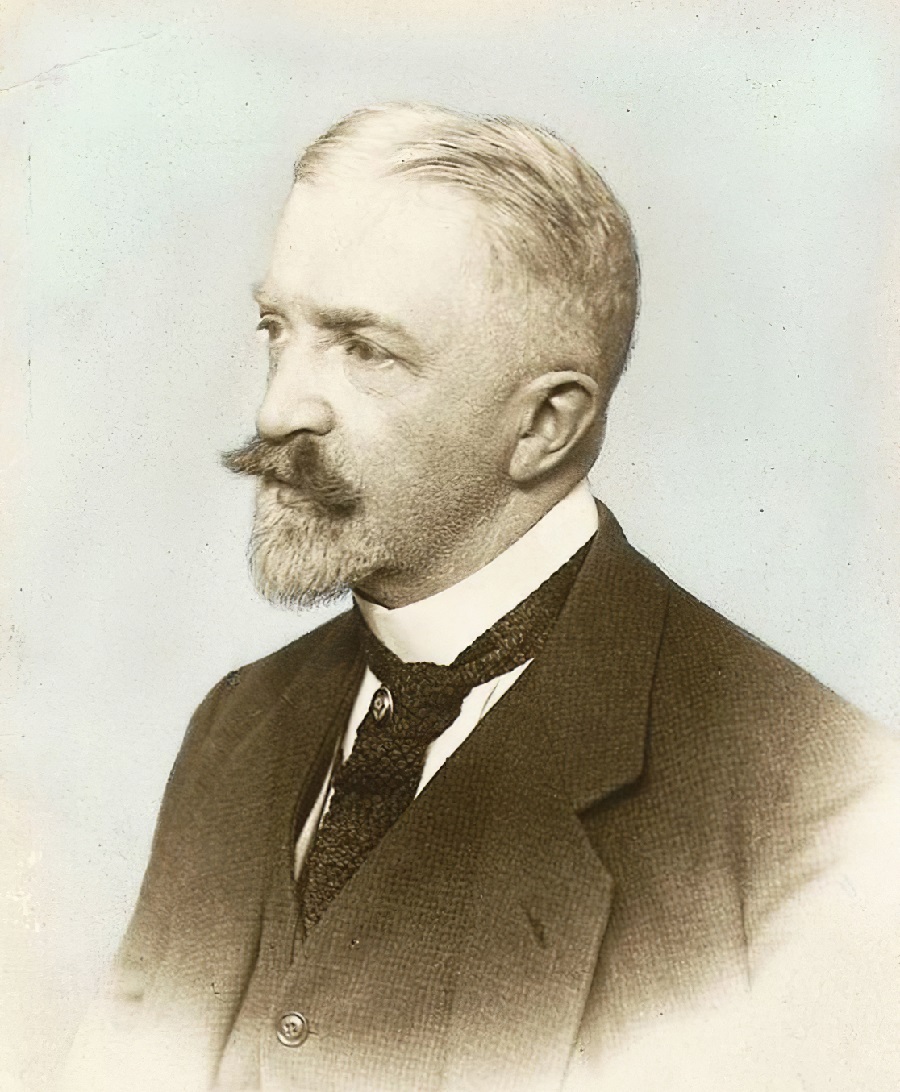
Paul Müller-Kaempff was a German painter, illustrator and lithographer. He is associated with the Düsseldorf school of painting.
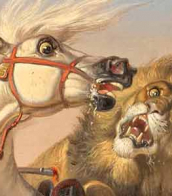
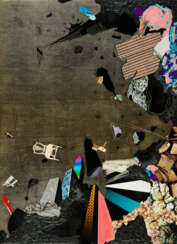


Luis M. Alonzo-Barkigia is a contemporary Mexican artist. He studied at the Malmö Academy of Art (Sweden) and at the University of Illinois at Chicago. He was awarded the UIC Presidential Fellowship, the Larsen Fellowship for Studio Arts.

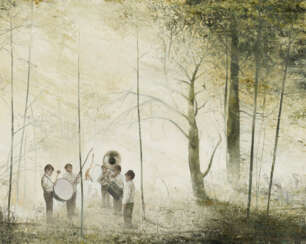

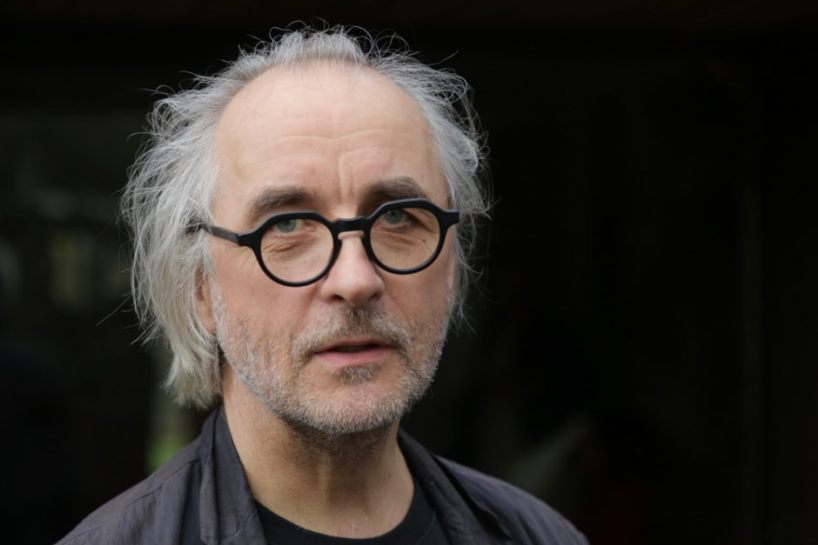
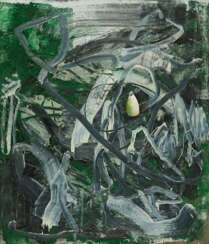

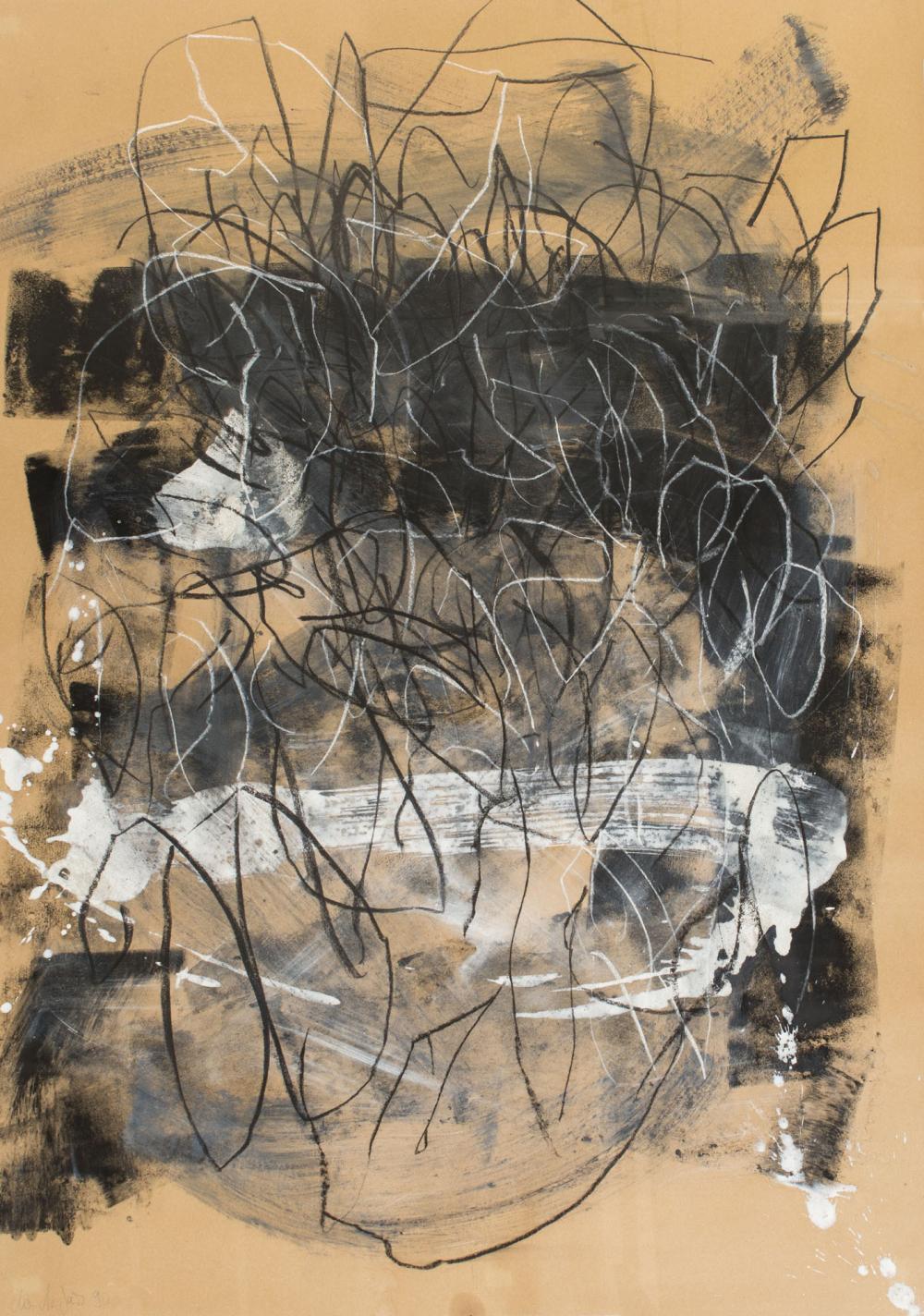
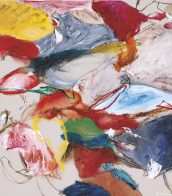
Christoph M. Gais is a German abstractionist painter and designer. He studied painting at the Academy of Fine Arts in Stuttgart and at the Hochschule für Kunst in Berlin, where he received his master's degree. Christoph M. Geiss's paintings are based on the tradition of gestural abstract painting. His work also includes several art projects in architecture, such as the design of the Louise Schroeder Hall at the Red City Hall in Berlin.
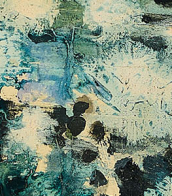
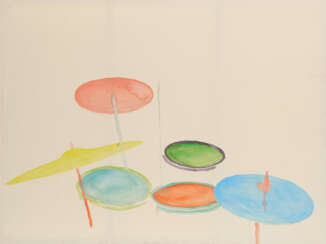

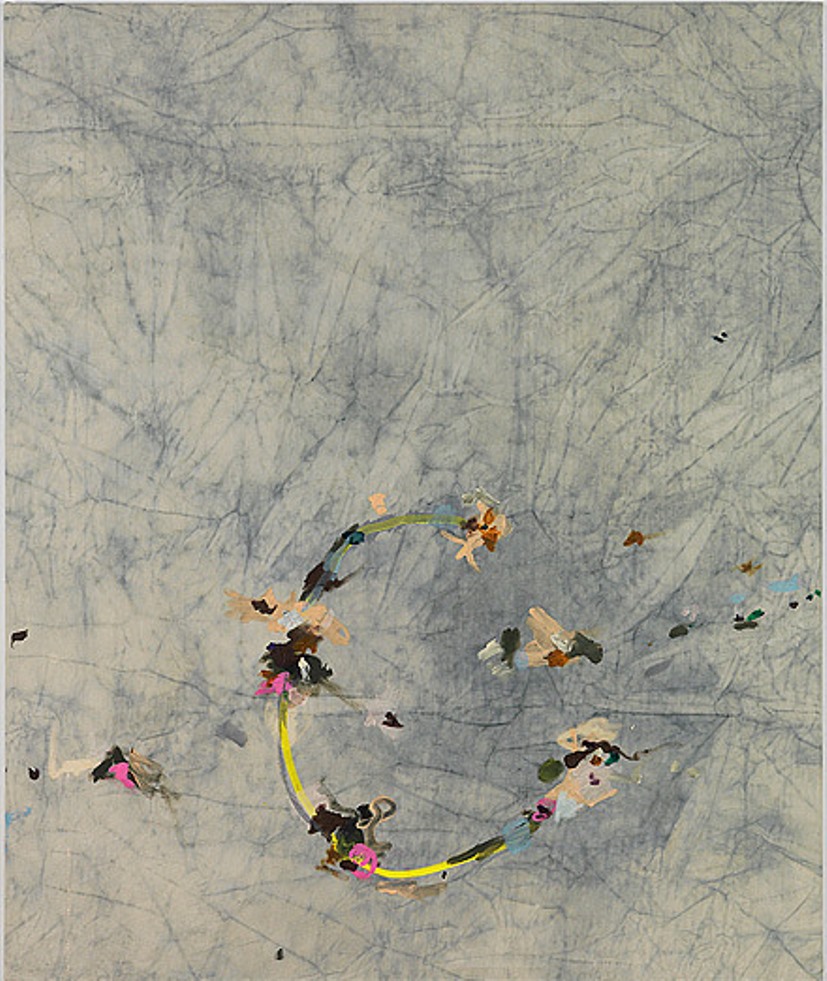
Stefan Müller is a German abstraction artist who works in Germany.
The process of this artist's work is interesting: sometimes Müller bleaches or paints canvases with batik methods or wipes the floor of the studio with them, so that not only the obligatory traces of paint, but also ashes, dust, dirt, beer and other liquids get on the paintings.

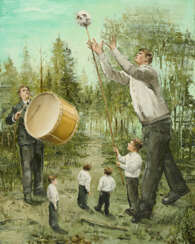

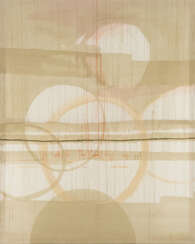

Stefan Müller is a German abstraction artist who works in Germany.
The process of this artist's work is interesting: sometimes Müller bleaches or paints canvases with batik methods or wipes the floor of the studio with them, so that not only the obligatory traces of paint, but also ashes, dust, dirt, beer and other liquids get on the paintings.


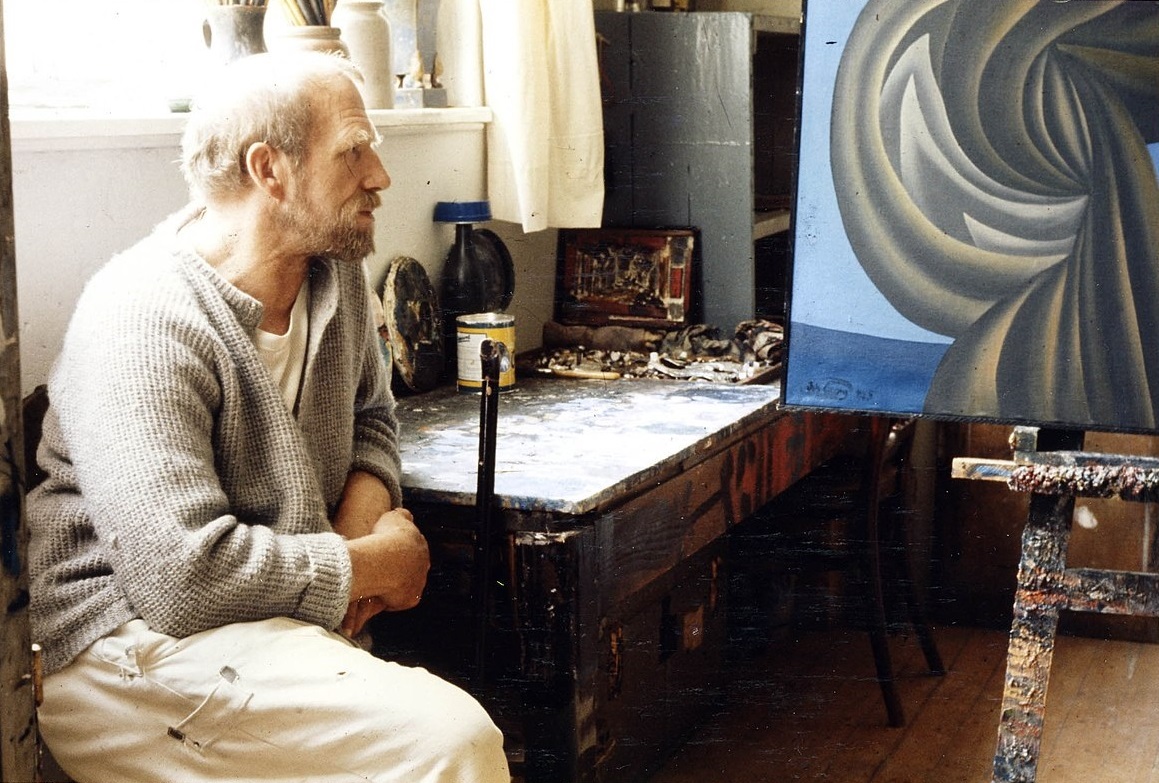
Johann Georg Müller was a German painter and graphic artist. He was studied at the Academy of Fine Arts in Munich.
Müller's work was heavily influenced by the Expressionist and Surrealist movements, and his paintings and graphic works often featured bold colors and abstract, dreamlike imagery. He was known for his use of symbolic motifs and his interest in mythological and religious themes.
During World War II, Müller was drafted into the German army and served on the Eastern Front. After the war, he returned to Munich and resumed his artistic career. He became a member of the German Expressionist group "Die Neue Gruppe" and participated in several exhibitions throughout Europe.
His work continues to be exhibited and studied around the world, and his legacy has had a significant impact on the development of modern and contemporary art in Germany and beyond.

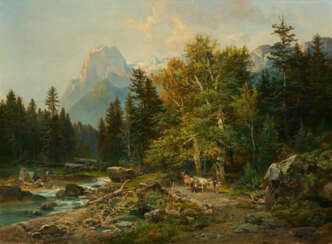

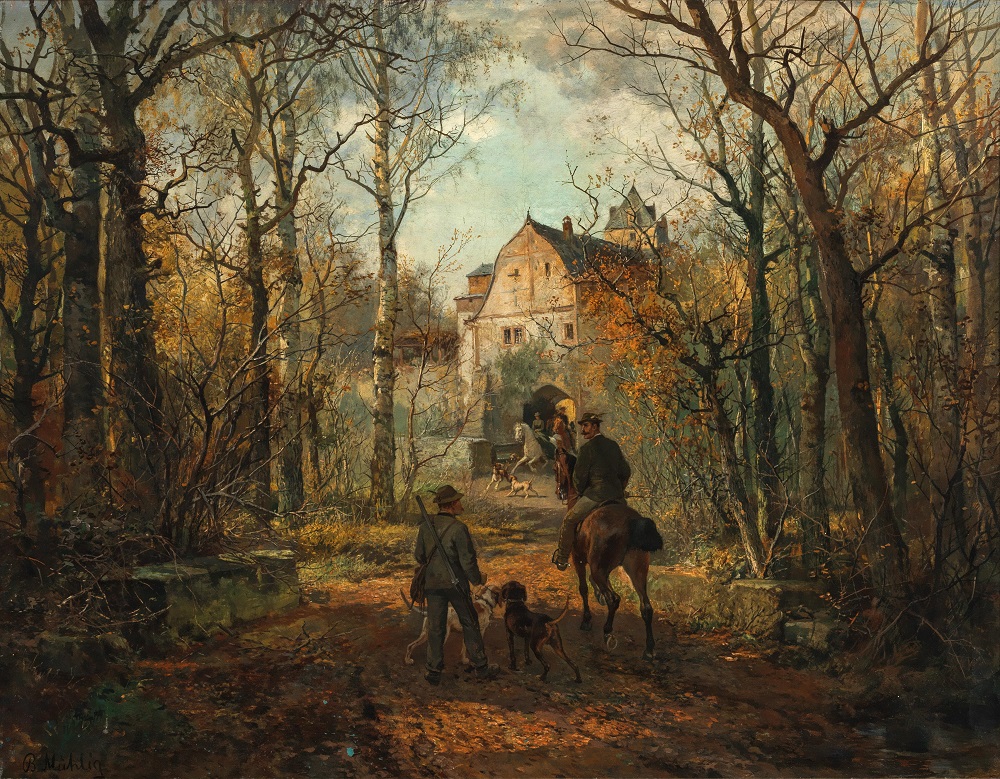
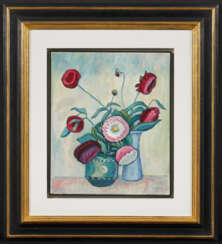

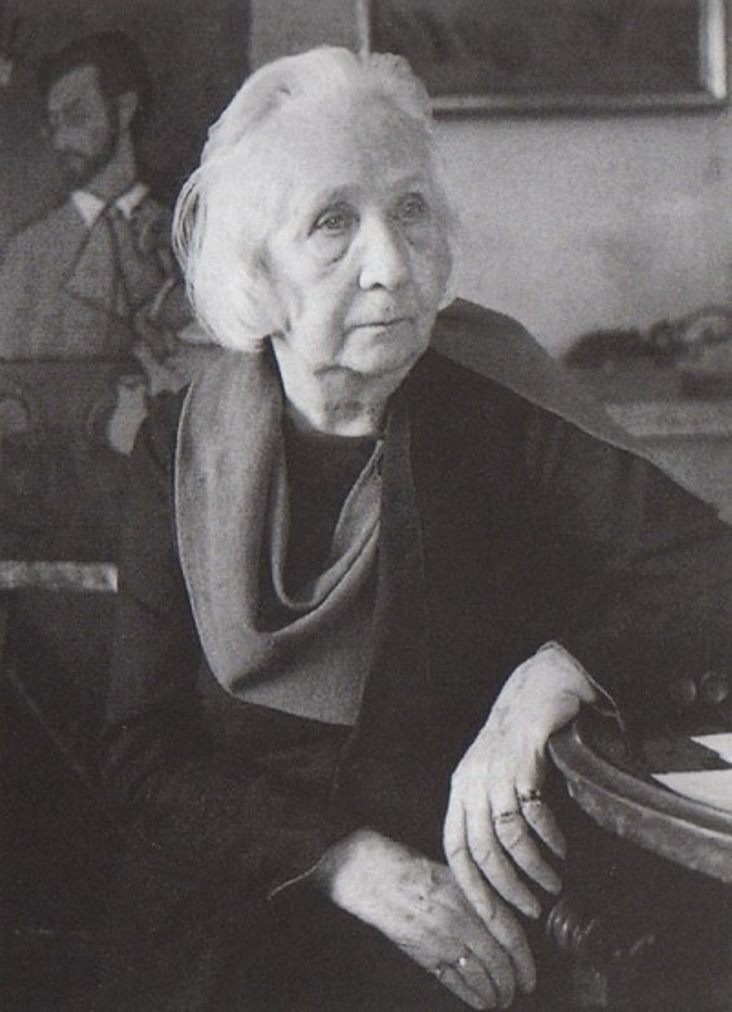
Gabriele Münter, a prominent German painter, left an indelible mark on the art world with her expressionist style and vibrant use of color. Born in Berlin in 1877, Münter was not just an artist but a trailblazer in the early 20th-century avant-garde movement in Munich. Her relationship with Wassily Kandinsky, both personal and professional, greatly influenced her artistic development and vice versa. Together, they explored Europe and North Africa, absorbing influences that would shape their styles. This period was crucial for Münter's transition from impressionistic to more abstract and expressive works, incorporating intense colors and simplified forms that became hallmarks of her style.
Münter's artistic evolution was significantly shaped by her time in Murnau, a Bavarian town that became a refuge and inspiration for her work. Here, she experimented with the Blaue Reiter aesthetic, emphasizing the emotional and spiritual over the representational. Münter's landscapes from this period are notable for their bold use of color and simplified forms, reflecting an intimate interaction with nature. Works like "Jawlensky and Werefkin" and "Lower Main Street, Murnau" exemplify her mastery of color and form, showcasing her ability to capture the essence of her subjects through a unique visual language.
Throughout her career, Münter contributed significantly to the German Expressionist movement, particularly through her involvement with Der Blaue Reiter group. Despite the challenges of World War I and the subsequent estrangement from Kandinsky, she continued to innovate and express her vision through her art. In her later years, Münter's commitment to preserving the legacy of the Blaue Reiter group was demonstrated through her donation of a substantial collection of artworks to the Städtische Galerie im Lenbachhaus in Munich.
For collectors and experts in art and antiques, Gabriele Münter's work represents a pivotal moment in the history of expressionism, offering insights into the movement's evolution and the role of women artists in shaping modern art. Her contributions, both in her vibrant landscapes and in her pioneering spirit, continue to inspire and captivate audiences around the world.
To stay updated on new product sales and auction events related to Gabriele Münter, signing up for updates is an invaluable resource for enthusiasts keen on exploring the depths of expressionism and the enduring legacy of this remarkable artist.



Johann Georg Müller was a German painter and graphic artist. He was studied at the Academy of Fine Arts in Munich.
Müller's work was heavily influenced by the Expressionist and Surrealist movements, and his paintings and graphic works often featured bold colors and abstract, dreamlike imagery. He was known for his use of symbolic motifs and his interest in mythological and religious themes.
During World War II, Müller was drafted into the German army and served on the Eastern Front. After the war, he returned to Munich and resumed his artistic career. He became a member of the German Expressionist group "Die Neue Gruppe" and participated in several exhibitions throughout Europe.
His work continues to be exhibited and studied around the world, and his legacy has had a significant impact on the development of modern and contemporary art in Germany and beyond.


Gabriele Münter, a prominent German painter, left an indelible mark on the art world with her expressionist style and vibrant use of color. Born in Berlin in 1877, Münter was not just an artist but a trailblazer in the early 20th-century avant-garde movement in Munich. Her relationship with Wassily Kandinsky, both personal and professional, greatly influenced her artistic development and vice versa. Together, they explored Europe and North Africa, absorbing influences that would shape their styles. This period was crucial for Münter's transition from impressionistic to more abstract and expressive works, incorporating intense colors and simplified forms that became hallmarks of her style.
Münter's artistic evolution was significantly shaped by her time in Murnau, a Bavarian town that became a refuge and inspiration for her work. Here, she experimented with the Blaue Reiter aesthetic, emphasizing the emotional and spiritual over the representational. Münter's landscapes from this period are notable for their bold use of color and simplified forms, reflecting an intimate interaction with nature. Works like "Jawlensky and Werefkin" and "Lower Main Street, Murnau" exemplify her mastery of color and form, showcasing her ability to capture the essence of her subjects through a unique visual language.
Throughout her career, Münter contributed significantly to the German Expressionist movement, particularly through her involvement with Der Blaue Reiter group. Despite the challenges of World War I and the subsequent estrangement from Kandinsky, she continued to innovate and express her vision through her art. In her later years, Münter's commitment to preserving the legacy of the Blaue Reiter group was demonstrated through her donation of a substantial collection of artworks to the Städtische Galerie im Lenbachhaus in Munich.
For collectors and experts in art and antiques, Gabriele Münter's work represents a pivotal moment in the history of expressionism, offering insights into the movement's evolution and the role of women artists in shaping modern art. Her contributions, both in her vibrant landscapes and in her pioneering spirit, continue to inspire and captivate audiences around the world.
To stay updated on new product sales and auction events related to Gabriele Münter, signing up for updates is an invaluable resource for enthusiasts keen on exploring the depths of expressionism and the enduring legacy of this remarkable artist.
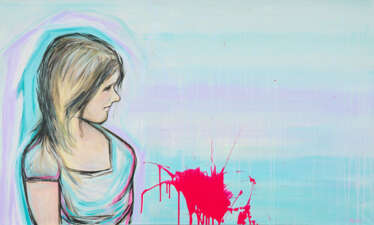


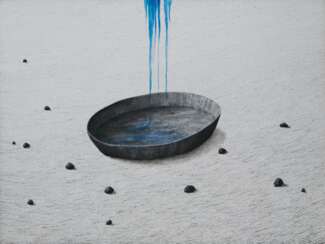
Sebastian Mögelin is a contemporary german artist. Moegelin combines highly emotionally charged pictures of the precariat with snow-snops scenes. He developed ideas that challenge some set in mixed media art.
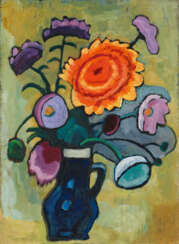

Gabriele Münter, a prominent German painter, left an indelible mark on the art world with her expressionist style and vibrant use of color. Born in Berlin in 1877, Münter was not just an artist but a trailblazer in the early 20th-century avant-garde movement in Munich. Her relationship with Wassily Kandinsky, both personal and professional, greatly influenced her artistic development and vice versa. Together, they explored Europe and North Africa, absorbing influences that would shape their styles. This period was crucial for Münter's transition from impressionistic to more abstract and expressive works, incorporating intense colors and simplified forms that became hallmarks of her style.
Münter's artistic evolution was significantly shaped by her time in Murnau, a Bavarian town that became a refuge and inspiration for her work. Here, she experimented with the Blaue Reiter aesthetic, emphasizing the emotional and spiritual over the representational. Münter's landscapes from this period are notable for their bold use of color and simplified forms, reflecting an intimate interaction with nature. Works like "Jawlensky and Werefkin" and "Lower Main Street, Murnau" exemplify her mastery of color and form, showcasing her ability to capture the essence of her subjects through a unique visual language.
Throughout her career, Münter contributed significantly to the German Expressionist movement, particularly through her involvement with Der Blaue Reiter group. Despite the challenges of World War I and the subsequent estrangement from Kandinsky, she continued to innovate and express her vision through her art. In her later years, Münter's commitment to preserving the legacy of the Blaue Reiter group was demonstrated through her donation of a substantial collection of artworks to the Städtische Galerie im Lenbachhaus in Munich.
For collectors and experts in art and antiques, Gabriele Münter's work represents a pivotal moment in the history of expressionism, offering insights into the movement's evolution and the role of women artists in shaping modern art. Her contributions, both in her vibrant landscapes and in her pioneering spirit, continue to inspire and captivate audiences around the world.
To stay updated on new product sales and auction events related to Gabriele Münter, signing up for updates is an invaluable resource for enthusiasts keen on exploring the depths of expressionism and the enduring legacy of this remarkable artist.
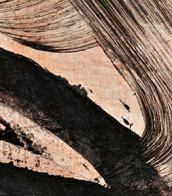
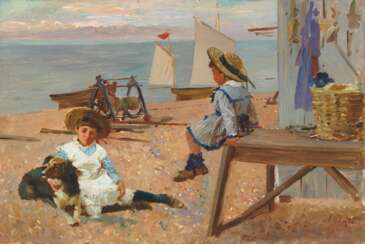

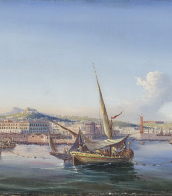
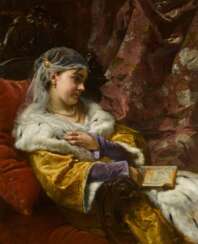


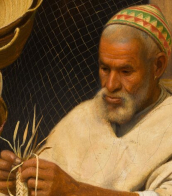
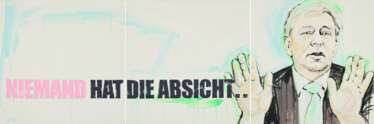

Sebastian Mögelin is a contemporary german artist. Moegelin combines highly emotionally charged pictures of the precariat with snow-snops scenes. He developed ideas that challenge some set in mixed media art.
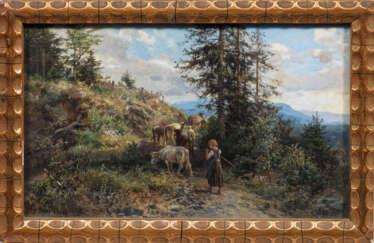

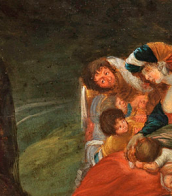
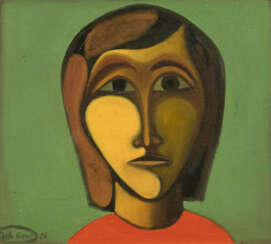

Johann Georg Müller was a German painter and graphic artist. He was studied at the Academy of Fine Arts in Munich.
Müller's work was heavily influenced by the Expressionist and Surrealist movements, and his paintings and graphic works often featured bold colors and abstract, dreamlike imagery. He was known for his use of symbolic motifs and his interest in mythological and religious themes.
During World War II, Müller was drafted into the German army and served on the Eastern Front. After the war, he returned to Munich and resumed his artistic career. He became a member of the German Expressionist group "Die Neue Gruppe" and participated in several exhibitions throughout Europe.
His work continues to be exhibited and studied around the world, and his legacy has had a significant impact on the development of modern and contemporary art in Germany and beyond.
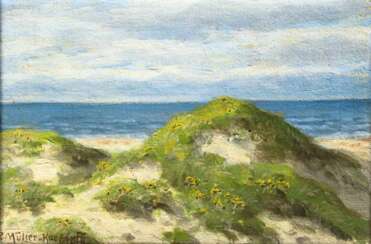

Paul Müller-Kaempff was a German painter, illustrator and lithographer. He is associated with the Düsseldorf school of painting.
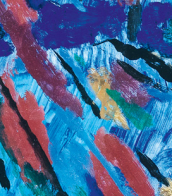
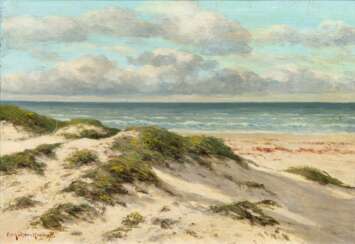

Paul Müller-Kaempff was a German painter, illustrator and lithographer. He is associated with the Düsseldorf school of painting.
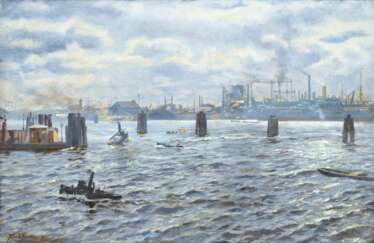

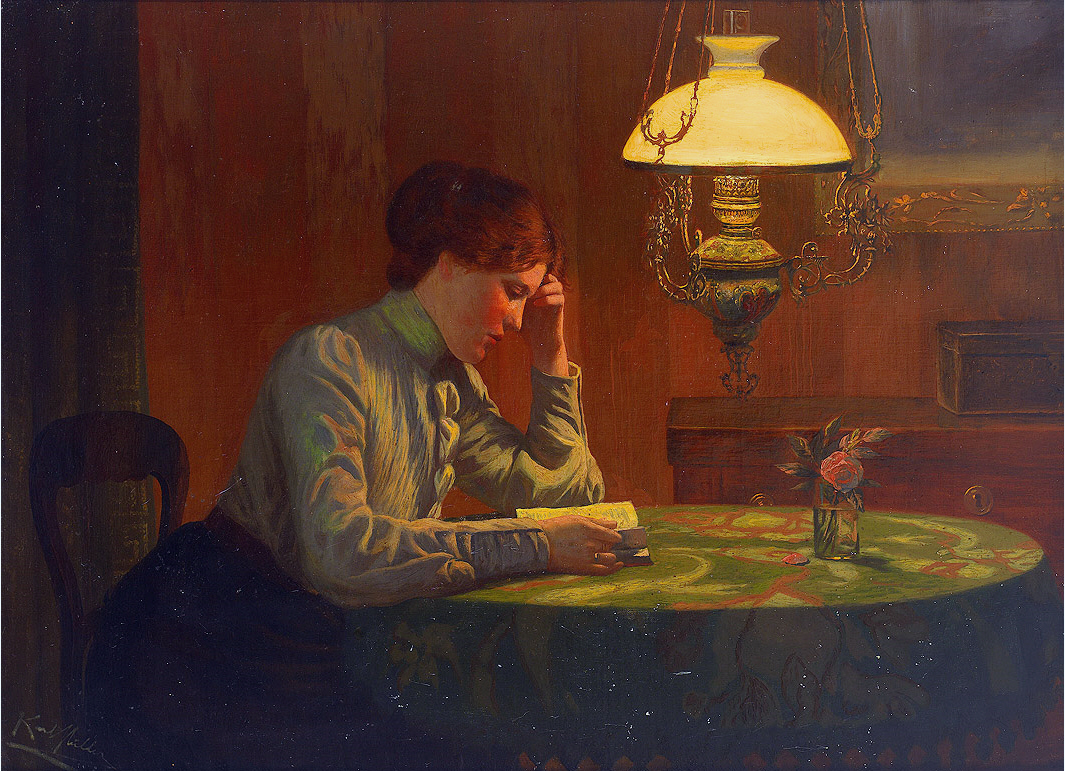

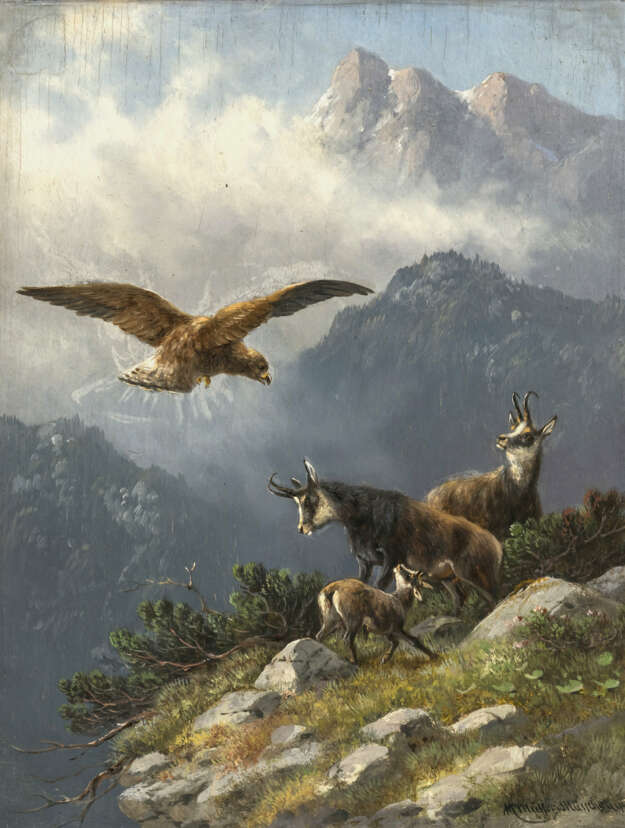
Moritz Gustav Müller the Elder was a German game and hunting painter.
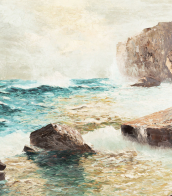
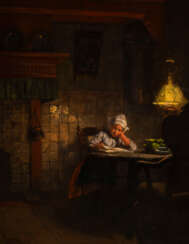

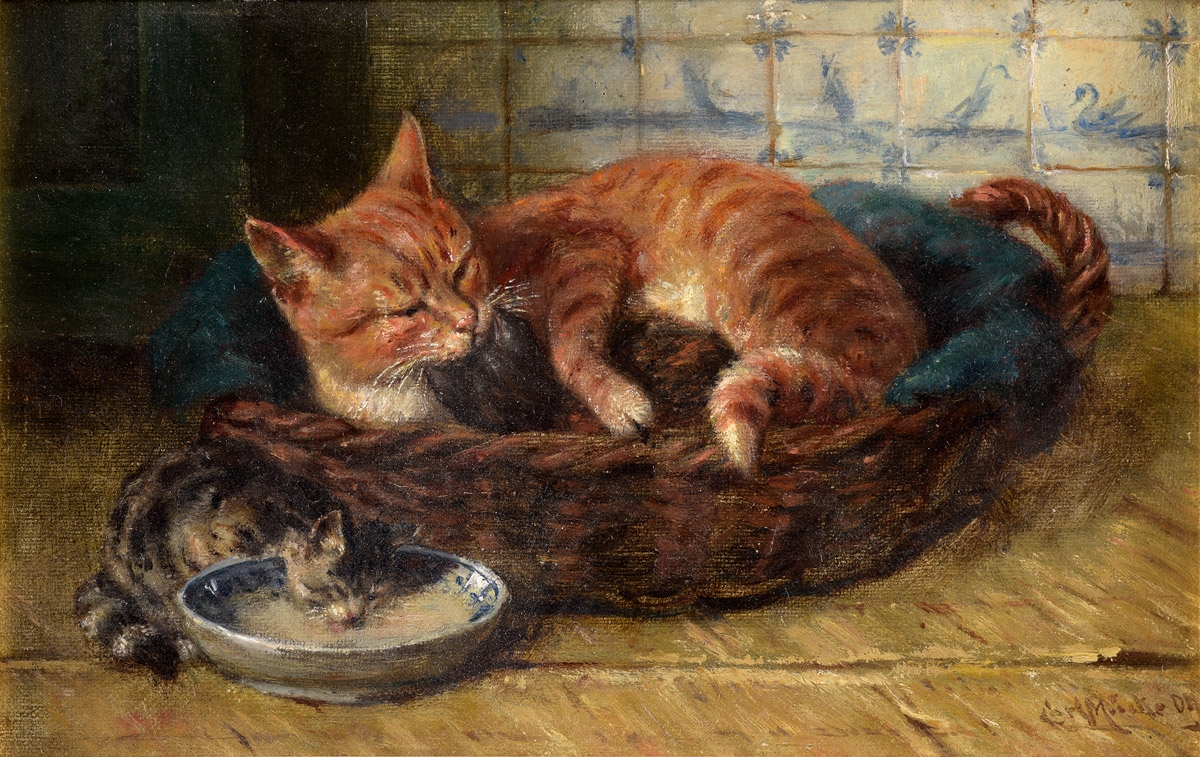
Karl Emil Mücke, also Carl Mücke, was a German genre and animal painter of the Düsseldorf School.
Mücke's works were represented at exhibitions in Düsseldorf, Munich and Berlin, among others.
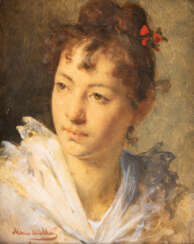

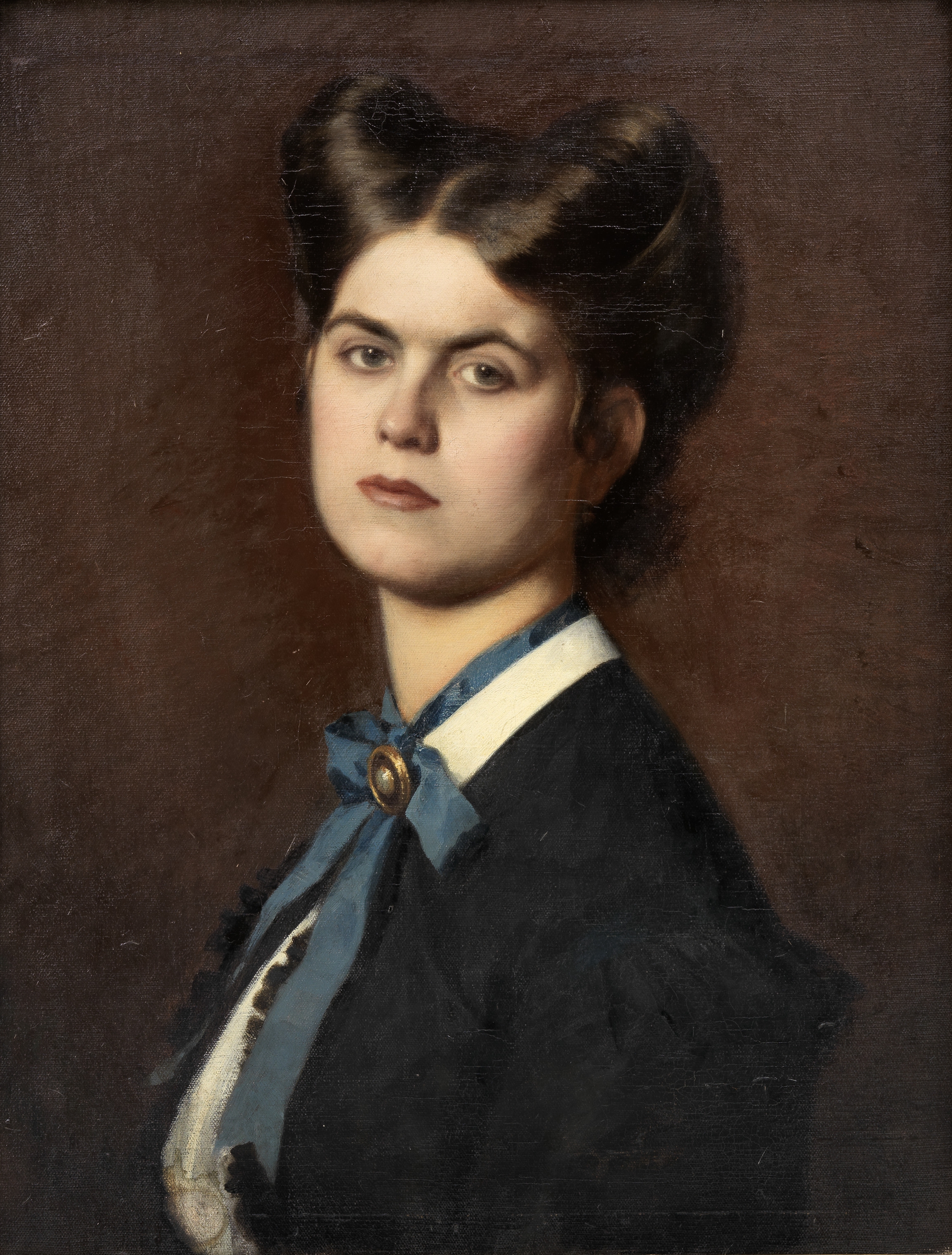
Marie Müller was an Austrian portrait painter.
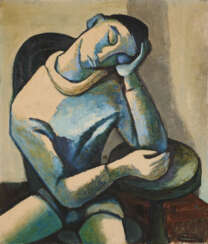

Johann Georg Müller was a German painter and graphic artist. He was studied at the Academy of Fine Arts in Munich.
Müller's work was heavily influenced by the Expressionist and Surrealist movements, and his paintings and graphic works often featured bold colors and abstract, dreamlike imagery. He was known for his use of symbolic motifs and his interest in mythological and religious themes.
During World War II, Müller was drafted into the German army and served on the Eastern Front. After the war, he returned to Munich and resumed his artistic career. He became a member of the German Expressionist group "Die Neue Gruppe" and participated in several exhibitions throughout Europe.
His work continues to be exhibited and studied around the world, and his legacy has had a significant impact on the development of modern and contemporary art in Germany and beyond.

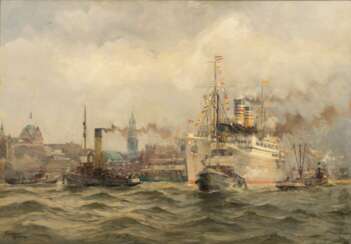

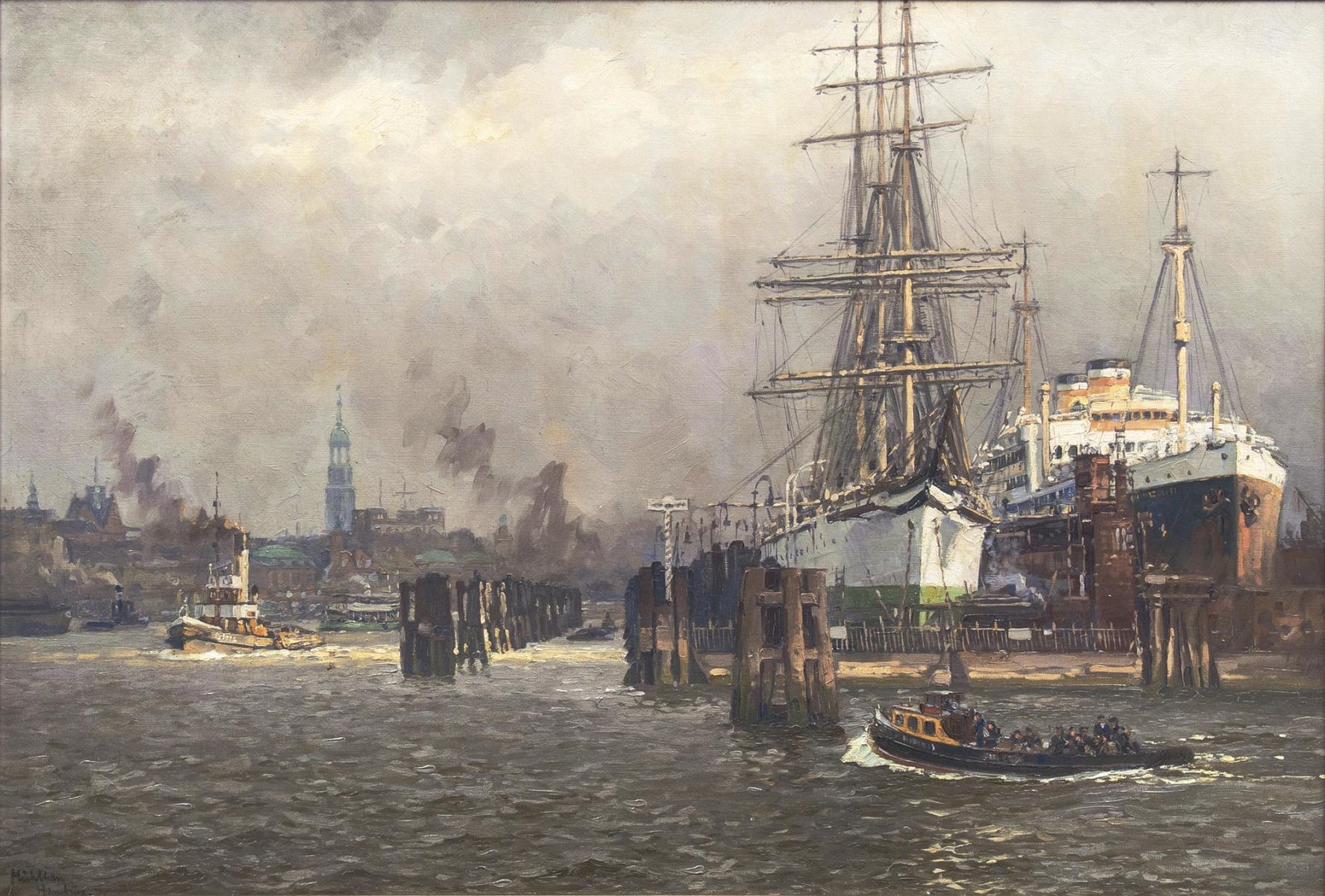
Adolf Mühlhan is a German landscape painter and graphic artist.