pig story










.jpg)
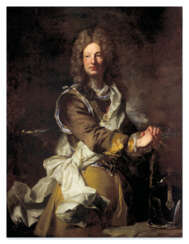
Jacint Rigau-Ros i Serra, known in French as Hyacinthe Rigaud, was a Catalan-French baroque painter most famous for his portraits of Louis XIV and other members of the French nobility.



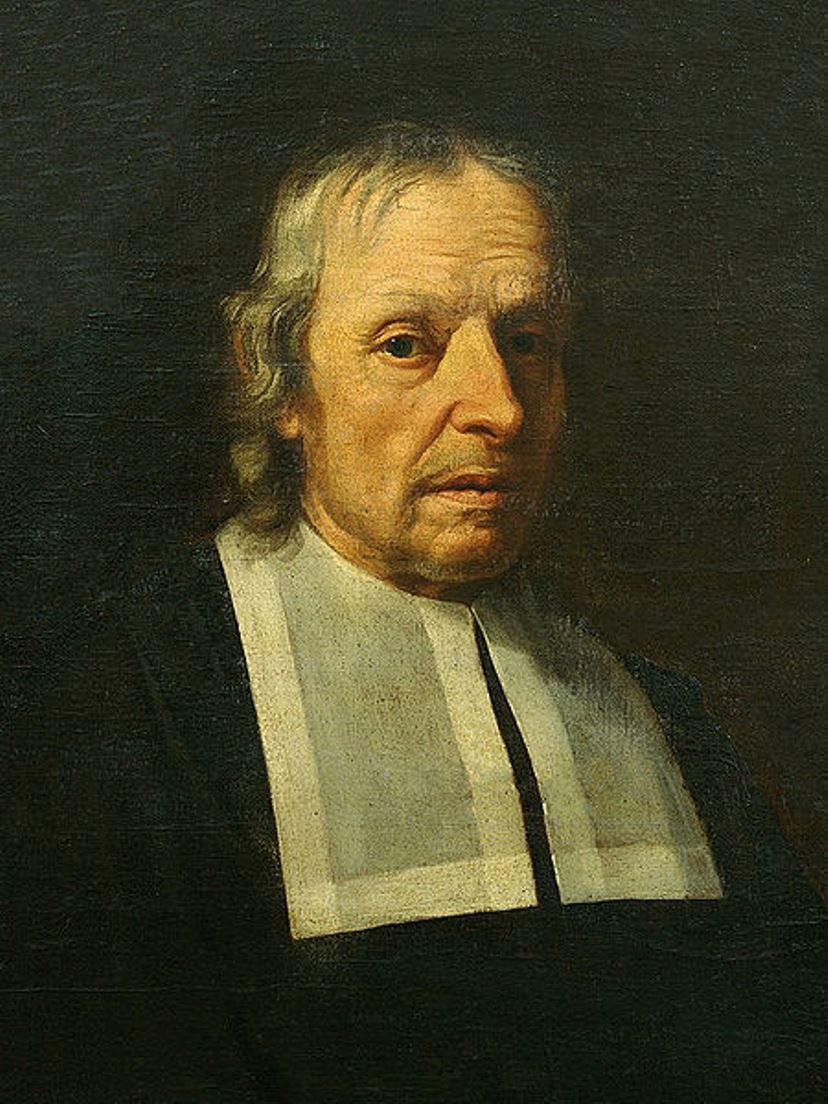
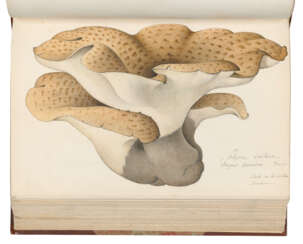
Marcello Malpighi was an Italian biologist, anatomist and physician, professor of logic, theoretical and practical medicine, and a member of the Royal Society of London.
After graduating from the University of Bologna with the degree of Doctor of Medicine and Philosophy, Malpighi soon took up a professorship there, then taught at the universities of Pisa and Messina. At the same time as teaching, he conducted biological research with his microscopes, which was an innovation in those days. In 1661, he identified and described the pulmonary and capillary network connecting small arteries to small veins, one of the most important discoveries in the history of science. He also isolated taste buds and regarded them as nerve endings, described the minute structure of the brain, the optic nerve, and in 1666 was the first to see red blood cells and attribute to them the color of blood. His treatise De polypo cordis (1666) explained the composition of blood and how it coagulates.
During his medical practice, Malpighi studied microscopic sections of the liver, brain, spleen, kidneys, and the bone and deep layers of skin that now bear his name. In his landmark 1673 work on the embryology of the chicken, the scientist concluded that the embryo forms in the egg after fertilization. In 1675-79 he also made extensive comparative studies of the microscopic anatomy of several different plants and saw analogies between plant and animal organisms. The Royal Society of London published two volumes of his botanical and zoological works in 1675 and 1679. His Anatome Plantarum is richly decorated with engravings by Robert White.
After his house was burned and looted by his adversaries, in 1691 Pope Innocent XII invited him to Rome as papal personal physician, which was a great honor.
Malpighi can be considered the first histologist. For almost 40 years he used the microscope to describe the main types of plant and animal structures and thus marked for future generations of biologists the main directions of research in botany, embryology, human anatomy and pathology. The conflict between ancient ideas and modern discoveries continued throughout the seventeenth century. Malpighi was convinced that microscopic anatomy, by showing the minute structure of living things, questioned the value of the old medicine. He laid the anatomical foundation for the subsequent understanding of human physiological exchanges.







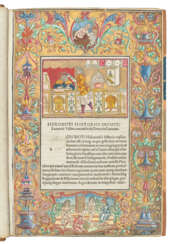



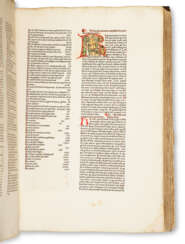

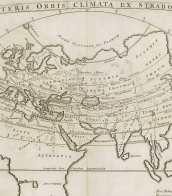
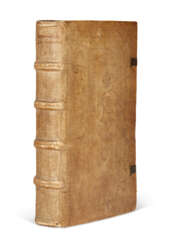




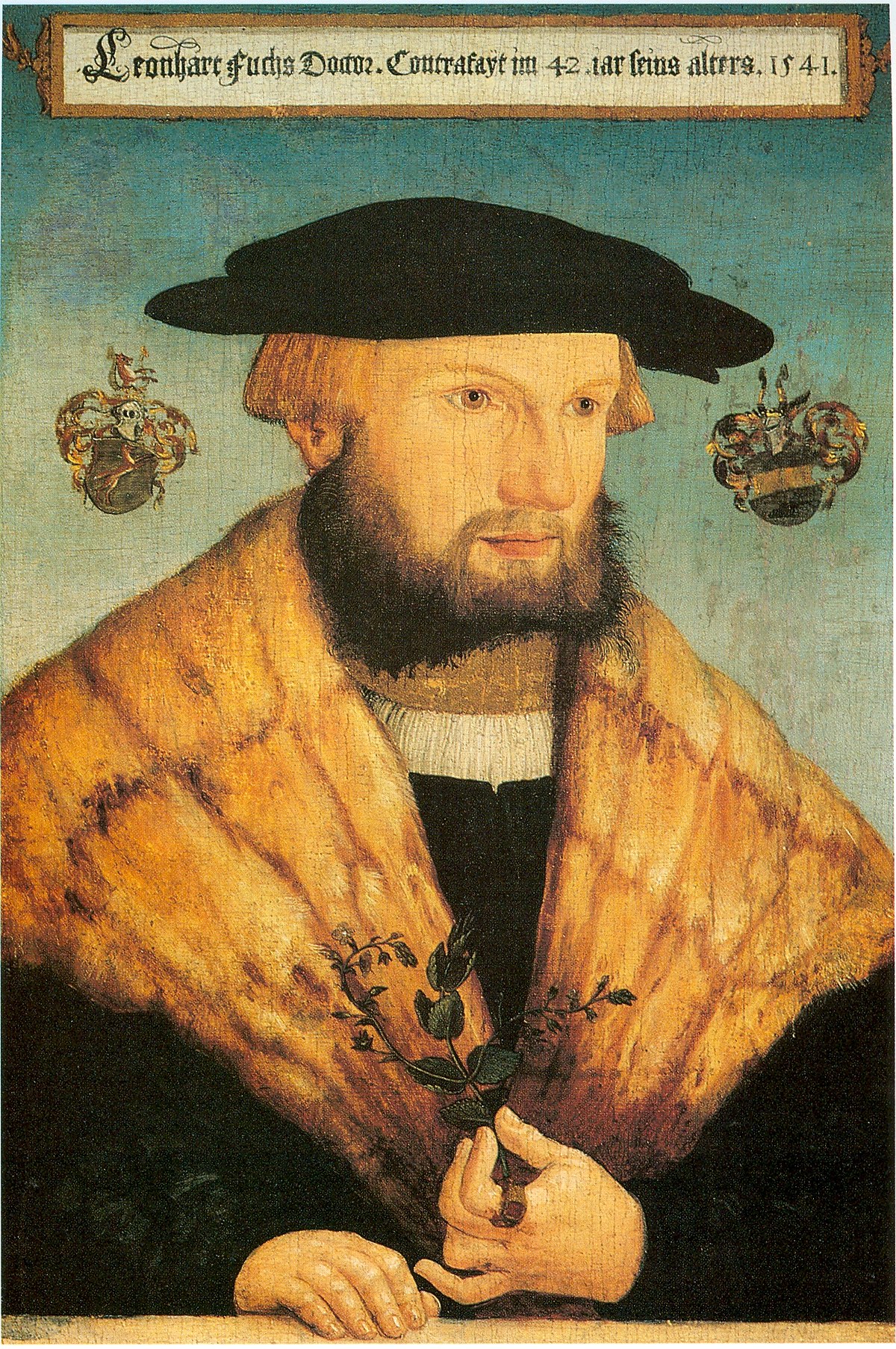
Leonhart Fuchs was a German humanist scientist, botanist, and physician.
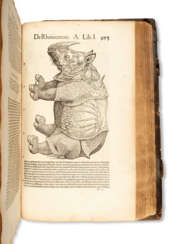
Fuchs received a humanistic education under Catholic guidance, but later became a Protestant. He studied medicine and became a professor in Tübingen. He was most interested in the medicinal properties of plants. Well acquainted with the Greek and Latin classics and an excellent observer, he gave precise descriptions, and his beautiful engravings of plants established the tradition of depicting plants with precise illustrations and in alphabetical order.
In 1542 Fuchs published his most important work, De Historia Stirpium Commentarii Insignes (Famous Commentaries on the History of Plants). The book was a great success, especially because of the magnificent woodcuts and the 487 plants, which were described for the first time in such a systematic form. De Historia Stirpium survived several editions and was translated into Dutch and German.

![[NAPOLEONICA] – Louis-Alexandre BERTHIER (1753-1815)](/assets/image/picture_2932267/1652a/d55b7859dd6900fe098a64a78ff73eed1687420800jpg__fix_374_244.jpeg)
![[NAPOLEONICA] – Louis-Alexandre BERTHIER (1753-1815)](https://veryimportantlot.com/assets/image/picture_2932267/1652a/d55b7859dd6900fe098a64a78ff73eed1687420800jpg__fix_374_244.jpeg)
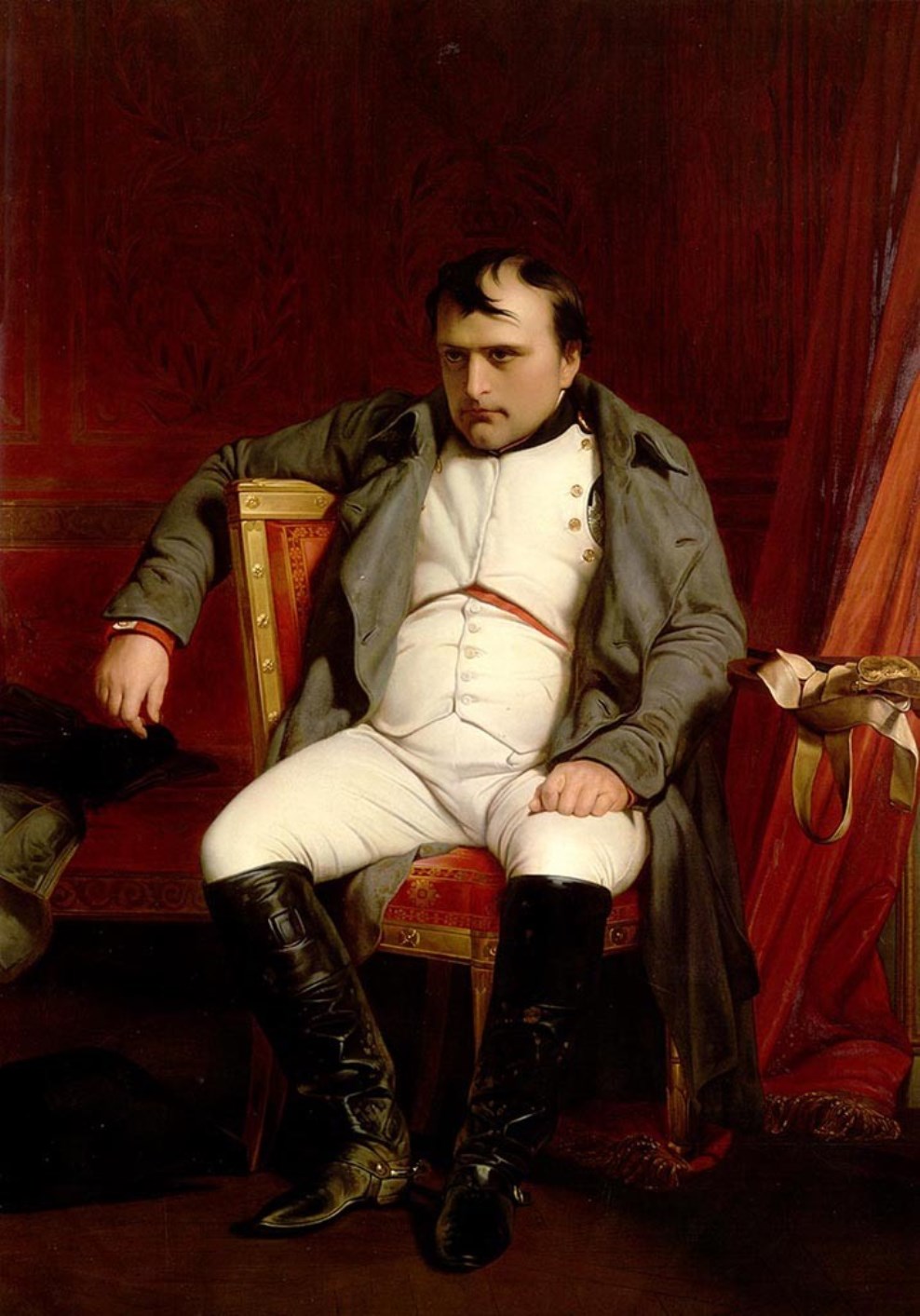
Napoleon I Bonaparte was a French statesman and military leader, Emperor of France (1804-1815).
Napoleon was born in the family of an ignorant Corsican nobleman, graduated from the Brienne military school, then the Paris military school. In 1785 he began military service in the rank of junior lieutenant of artillery in the Royal Army. From the first days of the Great French Revolution of 1789-1799 Bonaparte joined the political struggle on the island of Corsica, in 1792 in Valence joined the Jacobin Club and actively participated in all the turbulent political and military events.
In November 1799 Napoleon was at the head of a coup d'état: the government of the Directory was deposed, and the French Republic was headed by three consuls, the first of whom was Napoleon. In June 1804 Bonaparte was proclaimed Emperor Napoleon I of France, and in December a lavish coronation ceremony took place. After Italy recognized him as its king, in March 1805 he was also crowned in Milan.
With his rise to power, France entered a period of almost continuous warfare. Napoleon greatly expanded the territory of the empire, made most of the states of Western and Central Europe dependent on France. His brothers became kings: Joseph in Naples, Louis in Holland, and Jerome in Westphalia. In 1812, Napoleon made a campaign against Russia and even reached Moscow, but the Russian troops under the leadership of commander M.I. Kutuzov with the active support of all the people completely defeated the "invincible army". This military campaign was the beginning of the collapse of Napoleon's empire. The entry of the anti-French coalition troops into Paris in March 1814 forced Napoleon I to abdicate (April 6, 1814).
Napoleon retained the title of Emperor and was given possession of the island of Elba in the Mediterranean Sea. However, in March 1815, the deposed emperor at the head of a small detachment suddenly landed in the south of France and three weeks later, without a single shot entered Paris. But the emperor failed to live up to the hopes of the people of France, plus his defeat at the Battle of Waterloo all led to his second abdication. As a result, Napoleon Bonaparte was exiled to the island of St. Helena in the Atlantic Ocean, where he died on May 5, 1821.
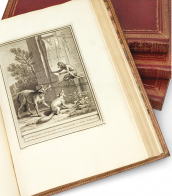


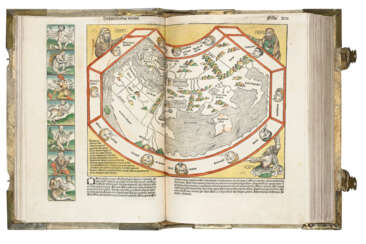

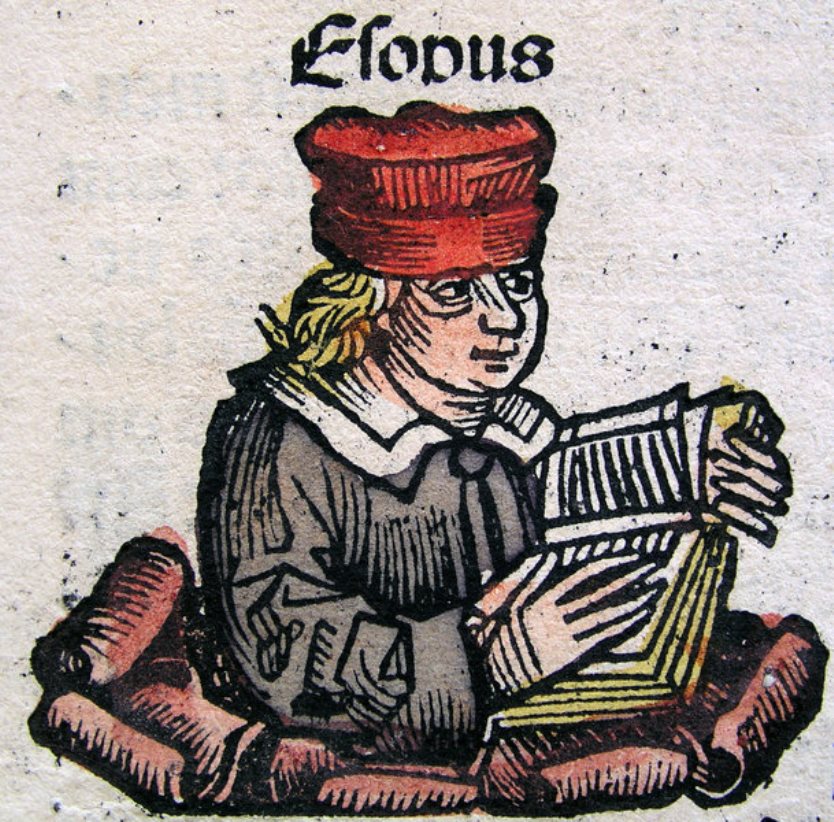
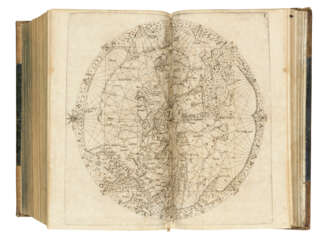
Hartmann Schedel was a German humanist, medical scientist, historian and chronicler.
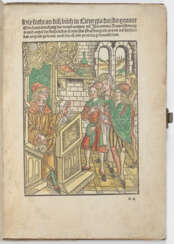
Schedel was the first to compile a world chronicle, the so-called Visual History of the Earth from the Creation of the World to the 1490s, known as Schedelsche Weltchronik (Schedel's World Chronicle). It was published in 1493 in Nuremberg. About 600 woodcuts for this book were created by the artists and engravers Michael Wolgemuth (1434-1519) and Albrecht Dürer (1471-1528). The illustrations depict biblical scenes, family trees, portraits of famous personalities, and fairy tale or legendary creatures. However, the main ones here were maps of the world, Germany and Central Europe.
Hartmann Schedel was one of the first cartographers to use machine printing. He was also a renowned collector of books, artworks and engravings by old masters.