seau
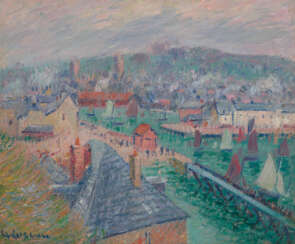

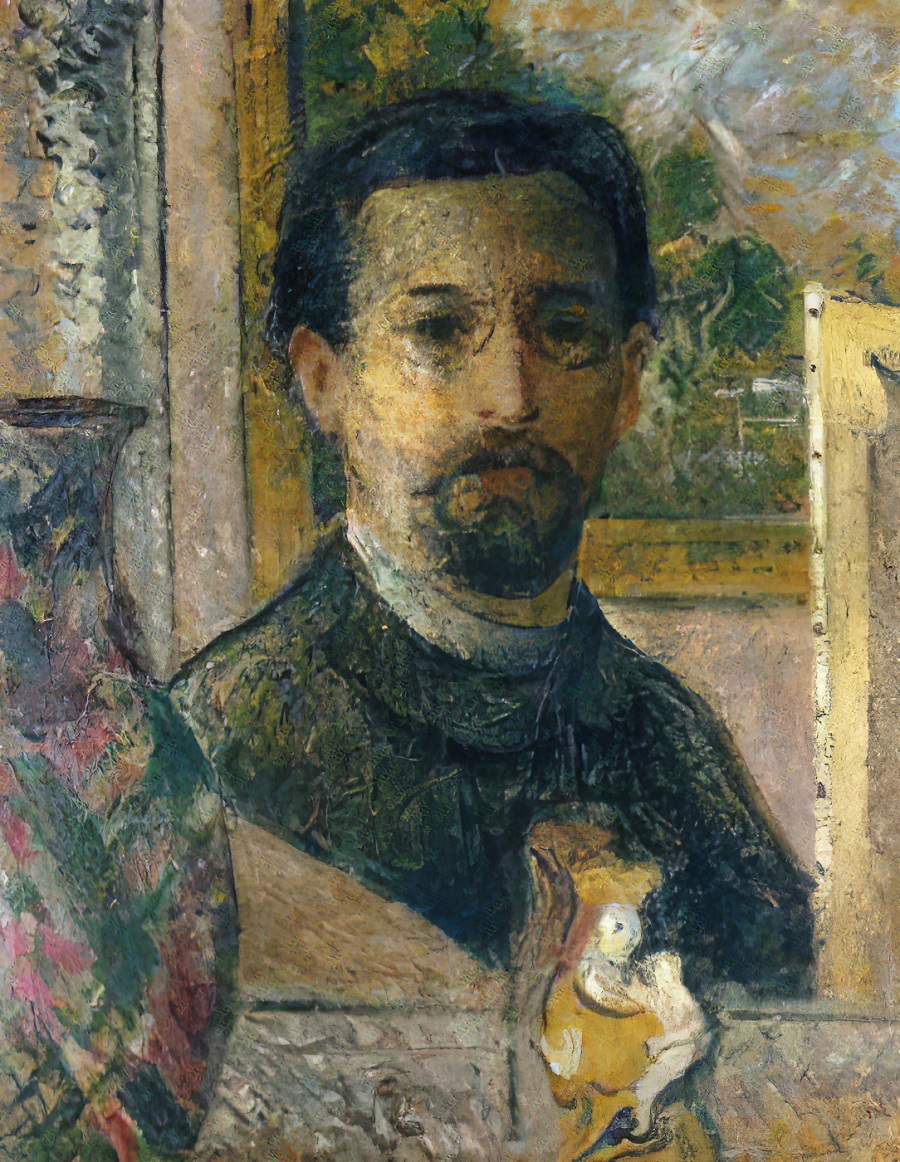
Gustave Loiseau was a French artist known for his landscapes and scenes of the Parisian streets.
In 1890, Gustave Loiseau first travelled to Pont-Aven in Brittany, where he met Paul Gauguin and Emile Bernard. Having experimented with pointillism, he adopted his own approach to post-impressionism, painting landscapes directly from life. His technique, known as en treillis or cross-hatching, gave his works a special quality.
Gustave Loiseau's paintings, which reveal his passion for the seasons from the early spring to the late autumn harvest, often depict the same garden or garden scene over time. Series of this kind, which also include cliffs, harbours or churches, are reminiscent of Claude Monet.


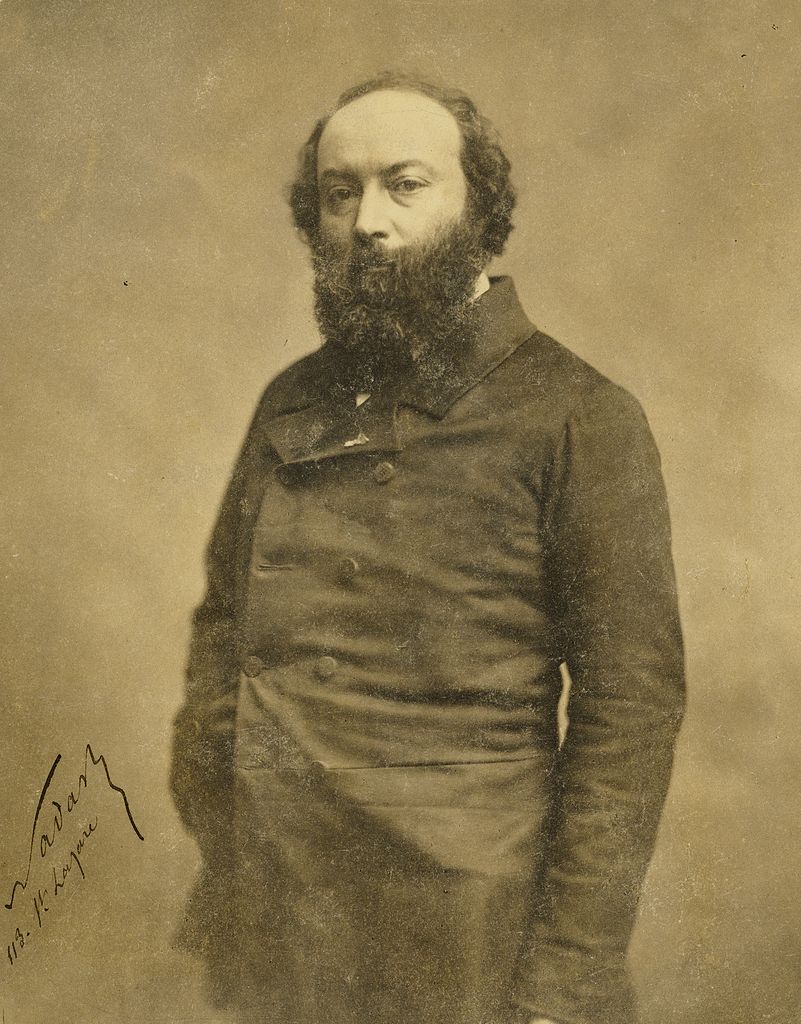
Théodore Rousseau was a prominent French painter, celebrated for his pioneering contributions to the Barbizon school of landscape art. His dedication to capturing nature's essence made him a pivotal figure in landscape painting's evolution. Rousseau's technique involved painting directly from nature, a method that infused his works with a profound sense of realism and vitality. This approach was notably evident in his masterpiece "An Avenue of Trees, Forest of l'Isle-Adam," where he meticulously captured a scene entirely outdoors, a testament to his commitment to authenticity and detail.
Théodore Rousseau's artistry wasn't confined to painting alone; his drawings, like the detailed "Study of an Oak Tree," demonstrate his versatility and deep connection with nature. His works received significant recognition, culminating in a triumphant display at the Universal Exposition of 1855. However, his life was not devoid of challenges. Personal tragedies and professional setbacks marked his later years, yet his resolve and dedication to art remained unshaken.
For art enthusiasts and collectors, Théodore Rousseau's works are pivotal, not just for their beauty but also for their role in the history of landscape painting. His pieces like "The Great Oaks of Old Bas-Bréau" are cherished in collections worldwide, serving as enduring symbols of his talent and his profound influence on subsequent art movements.
For those interested in the intersection of nature and art, subscribing to updates on Théodore Rousseau can provide invaluable insights into his life's work, his contributions to the Barbizon school, and his lasting impact on the world of art. Stay informed about new discoveries, sales, and auction events related to Rousseau's oeuvre to deepen your appreciation and understanding of this illustrious artist's legacy.
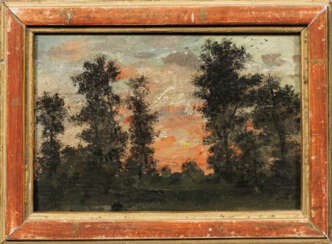

Théodore Rousseau was a prominent French painter, celebrated for his pioneering contributions to the Barbizon school of landscape art. His dedication to capturing nature's essence made him a pivotal figure in landscape painting's evolution. Rousseau's technique involved painting directly from nature, a method that infused his works with a profound sense of realism and vitality. This approach was notably evident in his masterpiece "An Avenue of Trees, Forest of l'Isle-Adam," where he meticulously captured a scene entirely outdoors, a testament to his commitment to authenticity and detail.
Théodore Rousseau's artistry wasn't confined to painting alone; his drawings, like the detailed "Study of an Oak Tree," demonstrate his versatility and deep connection with nature. His works received significant recognition, culminating in a triumphant display at the Universal Exposition of 1855. However, his life was not devoid of challenges. Personal tragedies and professional setbacks marked his later years, yet his resolve and dedication to art remained unshaken.
For art enthusiasts and collectors, Théodore Rousseau's works are pivotal, not just for their beauty but also for their role in the history of landscape painting. His pieces like "The Great Oaks of Old Bas-Bréau" are cherished in collections worldwide, serving as enduring symbols of his talent and his profound influence on subsequent art movements.
For those interested in the intersection of nature and art, subscribing to updates on Théodore Rousseau can provide invaluable insights into his life's work, his contributions to the Barbizon school, and his lasting impact on the world of art. Stay informed about new discoveries, sales, and auction events related to Rousseau's oeuvre to deepen your appreciation and understanding of this illustrious artist's legacy.
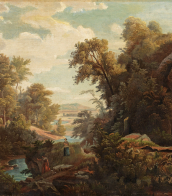
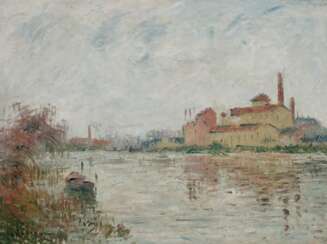

Gustave Loiseau was a French artist known for his landscapes and scenes of the Parisian streets.
In 1890, Gustave Loiseau first travelled to Pont-Aven in Brittany, where he met Paul Gauguin and Emile Bernard. Having experimented with pointillism, he adopted his own approach to post-impressionism, painting landscapes directly from life. His technique, known as en treillis or cross-hatching, gave his works a special quality.
Gustave Loiseau's paintings, which reveal his passion for the seasons from the early spring to the late autumn harvest, often depict the same garden or garden scene over time. Series of this kind, which also include cliffs, harbours or churches, are reminiscent of Claude Monet.
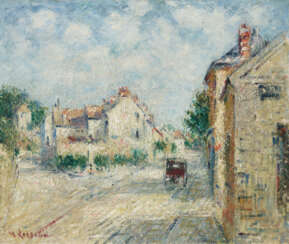

Gustave Loiseau was a French artist known for his landscapes and scenes of the Parisian streets.
In 1890, Gustave Loiseau first travelled to Pont-Aven in Brittany, where he met Paul Gauguin and Emile Bernard. Having experimented with pointillism, he adopted his own approach to post-impressionism, painting landscapes directly from life. His technique, known as en treillis or cross-hatching, gave his works a special quality.
Gustave Loiseau's paintings, which reveal his passion for the seasons from the early spring to the late autumn harvest, often depict the same garden or garden scene over time. Series of this kind, which also include cliffs, harbours or churches, are reminiscent of Claude Monet.
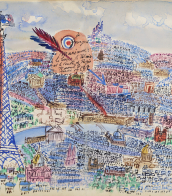
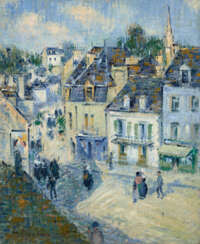

Gustave Loiseau was a French artist known for his landscapes and scenes of the Parisian streets.
In 1890, Gustave Loiseau first travelled to Pont-Aven in Brittany, where he met Paul Gauguin and Emile Bernard. Having experimented with pointillism, he adopted his own approach to post-impressionism, painting landscapes directly from life. His technique, known as en treillis or cross-hatching, gave his works a special quality.
Gustave Loiseau's paintings, which reveal his passion for the seasons from the early spring to the late autumn harvest, often depict the same garden or garden scene over time. Series of this kind, which also include cliffs, harbours or churches, are reminiscent of Claude Monet.
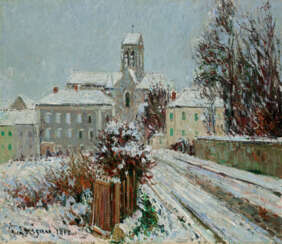

Gustave Loiseau was a French artist known for his landscapes and scenes of the Parisian streets.
In 1890, Gustave Loiseau first travelled to Pont-Aven in Brittany, where he met Paul Gauguin and Emile Bernard. Having experimented with pointillism, he adopted his own approach to post-impressionism, painting landscapes directly from life. His technique, known as en treillis or cross-hatching, gave his works a special quality.
Gustave Loiseau's paintings, which reveal his passion for the seasons from the early spring to the late autumn harvest, often depict the same garden or garden scene over time. Series of this kind, which also include cliffs, harbours or churches, are reminiscent of Claude Monet.
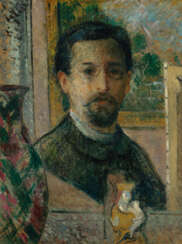

Gustave Loiseau was a French artist known for his landscapes and scenes of the Parisian streets.
In 1890, Gustave Loiseau first travelled to Pont-Aven in Brittany, where he met Paul Gauguin and Emile Bernard. Having experimented with pointillism, he adopted his own approach to post-impressionism, painting landscapes directly from life. His technique, known as en treillis or cross-hatching, gave his works a special quality.
Gustave Loiseau's paintings, which reveal his passion for the seasons from the early spring to the late autumn harvest, often depict the same garden or garden scene over time. Series of this kind, which also include cliffs, harbours or churches, are reminiscent of Claude Monet.
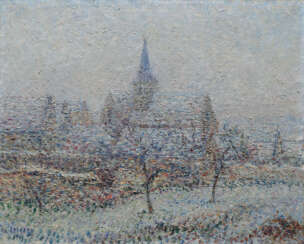

Gustave Loiseau was a French artist known for his landscapes and scenes of the Parisian streets.
In 1890, Gustave Loiseau first travelled to Pont-Aven in Brittany, where he met Paul Gauguin and Emile Bernard. Having experimented with pointillism, he adopted his own approach to post-impressionism, painting landscapes directly from life. His technique, known as en treillis or cross-hatching, gave his works a special quality.
Gustave Loiseau's paintings, which reveal his passion for the seasons from the early spring to the late autumn harvest, often depict the same garden or garden scene over time. Series of this kind, which also include cliffs, harbours or churches, are reminiscent of Claude Monet.
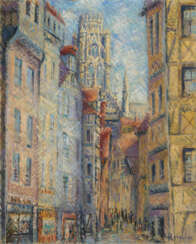

Gustave Loiseau was a French artist known for his landscapes and scenes of the Parisian streets.
In 1890, Gustave Loiseau first travelled to Pont-Aven in Brittany, where he met Paul Gauguin and Emile Bernard. Having experimented with pointillism, he adopted his own approach to post-impressionism, painting landscapes directly from life. His technique, known as en treillis or cross-hatching, gave his works a special quality.
Gustave Loiseau's paintings, which reveal his passion for the seasons from the early spring to the late autumn harvest, often depict the same garden or garden scene over time. Series of this kind, which also include cliffs, harbours or churches, are reminiscent of Claude Monet.
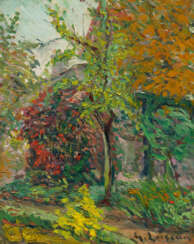

Gustave Loiseau was a French artist known for his landscapes and scenes of the Parisian streets.
In 1890, Gustave Loiseau first travelled to Pont-Aven in Brittany, where he met Paul Gauguin and Emile Bernard. Having experimented with pointillism, he adopted his own approach to post-impressionism, painting landscapes directly from life. His technique, known as en treillis or cross-hatching, gave his works a special quality.
Gustave Loiseau's paintings, which reveal his passion for the seasons from the early spring to the late autumn harvest, often depict the same garden or garden scene over time. Series of this kind, which also include cliffs, harbours or churches, are reminiscent of Claude Monet.
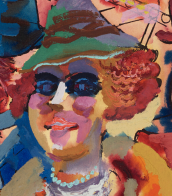
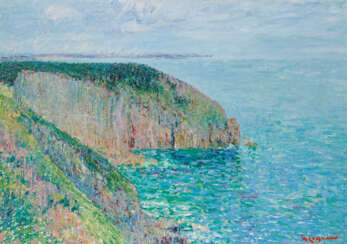

Gustave Loiseau was a French artist known for his landscapes and scenes of the Parisian streets.
In 1890, Gustave Loiseau first travelled to Pont-Aven in Brittany, where he met Paul Gauguin and Emile Bernard. Having experimented with pointillism, he adopted his own approach to post-impressionism, painting landscapes directly from life. His technique, known as en treillis or cross-hatching, gave his works a special quality.
Gustave Loiseau's paintings, which reveal his passion for the seasons from the early spring to the late autumn harvest, often depict the same garden or garden scene over time. Series of this kind, which also include cliffs, harbours or churches, are reminiscent of Claude Monet.


Gustave Loiseau was a French artist known for his landscapes and scenes of the Parisian streets.
In 1890, Gustave Loiseau first travelled to Pont-Aven in Brittany, where he met Paul Gauguin and Emile Bernard. Having experimented with pointillism, he adopted his own approach to post-impressionism, painting landscapes directly from life. His technique, known as en treillis or cross-hatching, gave his works a special quality.
Gustave Loiseau's paintings, which reveal his passion for the seasons from the early spring to the late autumn harvest, often depict the same garden or garden scene over time. Series of this kind, which also include cliffs, harbours or churches, are reminiscent of Claude Monet.
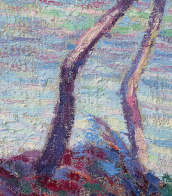


Gustave Loiseau was a French artist known for his landscapes and scenes of the Parisian streets.
In 1890, Gustave Loiseau first travelled to Pont-Aven in Brittany, where he met Paul Gauguin and Emile Bernard. Having experimented with pointillism, he adopted his own approach to post-impressionism, painting landscapes directly from life. His technique, known as en treillis or cross-hatching, gave his works a special quality.
Gustave Loiseau's paintings, which reveal his passion for the seasons from the early spring to the late autumn harvest, often depict the same garden or garden scene over time. Series of this kind, which also include cliffs, harbours or churches, are reminiscent of Claude Monet.


Gustave Loiseau was a French artist known for his landscapes and scenes of the Parisian streets.
In 1890, Gustave Loiseau first travelled to Pont-Aven in Brittany, where he met Paul Gauguin and Emile Bernard. Having experimented with pointillism, he adopted his own approach to post-impressionism, painting landscapes directly from life. His technique, known as en treillis or cross-hatching, gave his works a special quality.
Gustave Loiseau's paintings, which reveal his passion for the seasons from the early spring to the late autumn harvest, often depict the same garden or garden scene over time. Series of this kind, which also include cliffs, harbours or churches, are reminiscent of Claude Monet.
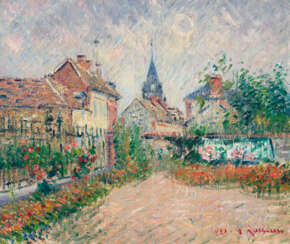

Gustave Loiseau was a French artist known for his landscapes and scenes of the Parisian streets.
In 1890, Gustave Loiseau first travelled to Pont-Aven in Brittany, where he met Paul Gauguin and Emile Bernard. Having experimented with pointillism, he adopted his own approach to post-impressionism, painting landscapes directly from life. His technique, known as en treillis or cross-hatching, gave his works a special quality.
Gustave Loiseau's paintings, which reveal his passion for the seasons from the early spring to the late autumn harvest, often depict the same garden or garden scene over time. Series of this kind, which also include cliffs, harbours or churches, are reminiscent of Claude Monet.
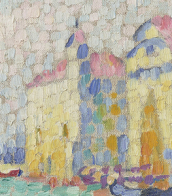
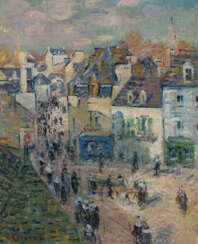

Gustave Loiseau was a French artist known for his landscapes and scenes of the Parisian streets.
In 1890, Gustave Loiseau first travelled to Pont-Aven in Brittany, where he met Paul Gauguin and Emile Bernard. Having experimented with pointillism, he adopted his own approach to post-impressionism, painting landscapes directly from life. His technique, known as en treillis or cross-hatching, gave his works a special quality.
Gustave Loiseau's paintings, which reveal his passion for the seasons from the early spring to the late autumn harvest, often depict the same garden or garden scene over time. Series of this kind, which also include cliffs, harbours or churches, are reminiscent of Claude Monet.
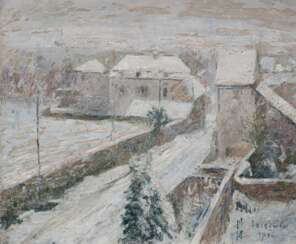

Gustave Loiseau was a French artist known for his landscapes and scenes of the Parisian streets.
In 1890, Gustave Loiseau first travelled to Pont-Aven in Brittany, where he met Paul Gauguin and Emile Bernard. Having experimented with pointillism, he adopted his own approach to post-impressionism, painting landscapes directly from life. His technique, known as en treillis or cross-hatching, gave his works a special quality.
Gustave Loiseau's paintings, which reveal his passion for the seasons from the early spring to the late autumn harvest, often depict the same garden or garden scene over time. Series of this kind, which also include cliffs, harbours or churches, are reminiscent of Claude Monet.
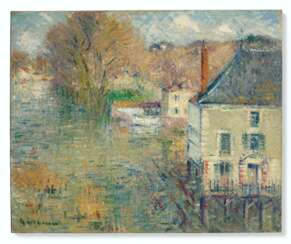

Gustave Loiseau was a French artist known for his landscapes and scenes of the Parisian streets.
In 1890, Gustave Loiseau first travelled to Pont-Aven in Brittany, where he met Paul Gauguin and Emile Bernard. Having experimented with pointillism, he adopted his own approach to post-impressionism, painting landscapes directly from life. His technique, known as en treillis or cross-hatching, gave his works a special quality.
Gustave Loiseau's paintings, which reveal his passion for the seasons from the early spring to the late autumn harvest, often depict the same garden or garden scene over time. Series of this kind, which also include cliffs, harbours or churches, are reminiscent of Claude Monet.


Gustave Loiseau was a French artist known for his landscapes and scenes of the Parisian streets.
In 1890, Gustave Loiseau first travelled to Pont-Aven in Brittany, where he met Paul Gauguin and Emile Bernard. Having experimented with pointillism, he adopted his own approach to post-impressionism, painting landscapes directly from life. His technique, known as en treillis or cross-hatching, gave his works a special quality.
Gustave Loiseau's paintings, which reveal his passion for the seasons from the early spring to the late autumn harvest, often depict the same garden or garden scene over time. Series of this kind, which also include cliffs, harbours or churches, are reminiscent of Claude Monet.
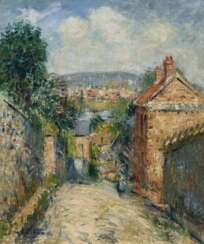

Gustave Loiseau was a French artist known for his landscapes and scenes of the Parisian streets.
In 1890, Gustave Loiseau first travelled to Pont-Aven in Brittany, where he met Paul Gauguin and Emile Bernard. Having experimented with pointillism, he adopted his own approach to post-impressionism, painting landscapes directly from life. His technique, known as en treillis or cross-hatching, gave his works a special quality.
Gustave Loiseau's paintings, which reveal his passion for the seasons from the early spring to the late autumn harvest, often depict the same garden or garden scene over time. Series of this kind, which also include cliffs, harbours or churches, are reminiscent of Claude Monet.
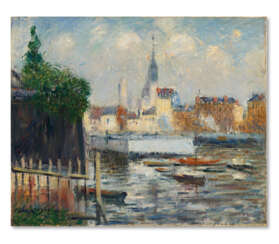

Gustave Loiseau was a French artist known for his landscapes and scenes of the Parisian streets.
In 1890, Gustave Loiseau first travelled to Pont-Aven in Brittany, where he met Paul Gauguin and Emile Bernard. Having experimented with pointillism, he adopted his own approach to post-impressionism, painting landscapes directly from life. His technique, known as en treillis or cross-hatching, gave his works a special quality.
Gustave Loiseau's paintings, which reveal his passion for the seasons from the early spring to the late autumn harvest, often depict the same garden or garden scene over time. Series of this kind, which also include cliffs, harbours or churches, are reminiscent of Claude Monet.
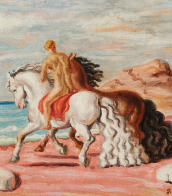
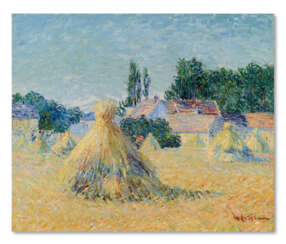

Gustave Loiseau was a French artist known for his landscapes and scenes of the Parisian streets.
In 1890, Gustave Loiseau first travelled to Pont-Aven in Brittany, where he met Paul Gauguin and Emile Bernard. Having experimented with pointillism, he adopted his own approach to post-impressionism, painting landscapes directly from life. His technique, known as en treillis or cross-hatching, gave his works a special quality.
Gustave Loiseau's paintings, which reveal his passion for the seasons from the early spring to the late autumn harvest, often depict the same garden or garden scene over time. Series of this kind, which also include cliffs, harbours or churches, are reminiscent of Claude Monet.
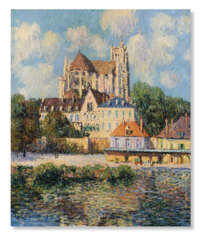

Gustave Loiseau was a French artist known for his landscapes and scenes of the Parisian streets.
In 1890, Gustave Loiseau first travelled to Pont-Aven in Brittany, where he met Paul Gauguin and Emile Bernard. Having experimented with pointillism, he adopted his own approach to post-impressionism, painting landscapes directly from life. His technique, known as en treillis or cross-hatching, gave his works a special quality.
Gustave Loiseau's paintings, which reveal his passion for the seasons from the early spring to the late autumn harvest, often depict the same garden or garden scene over time. Series of this kind, which also include cliffs, harbours or churches, are reminiscent of Claude Monet.
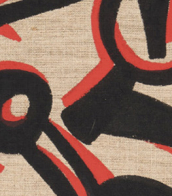
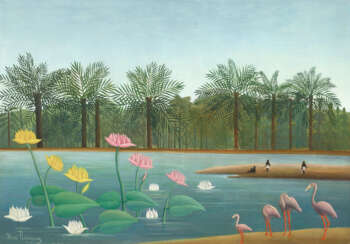

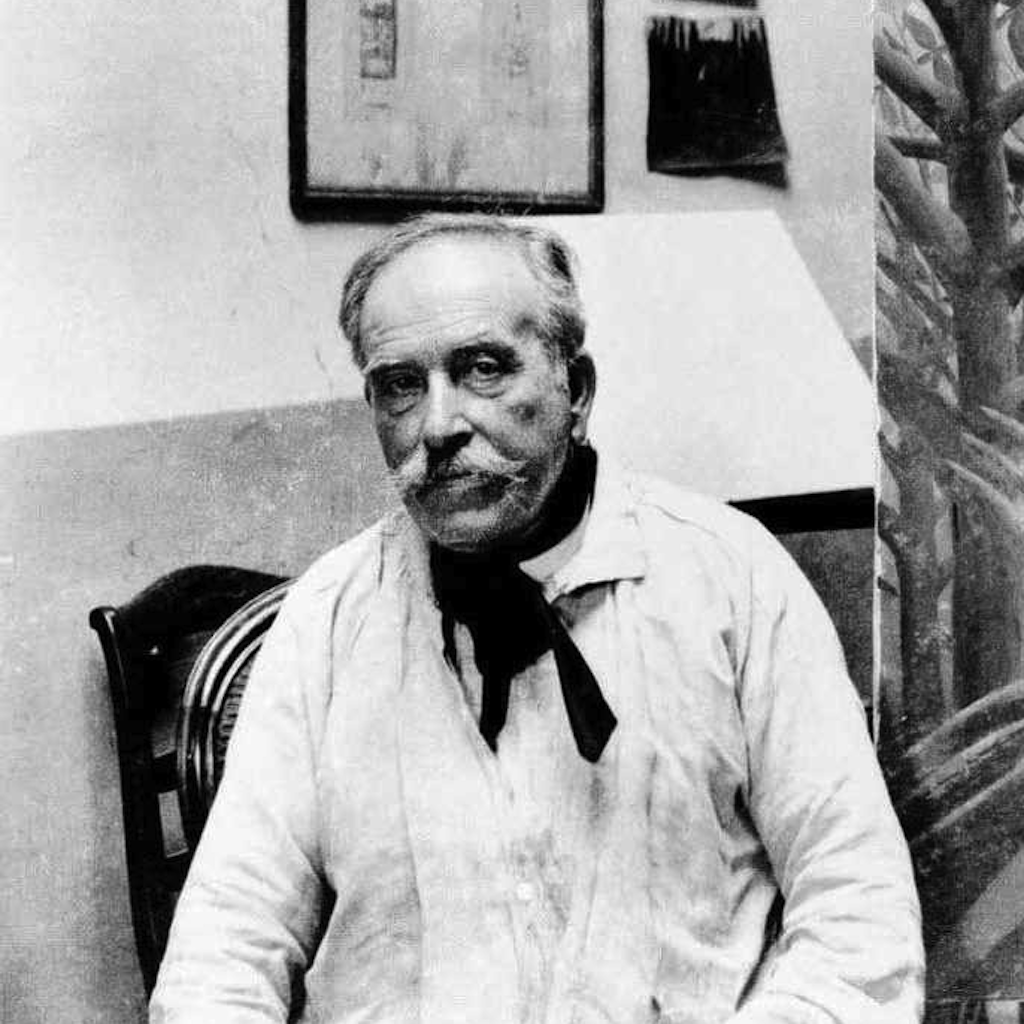
Henri Rousseau was a remarkable French painter, whose work continues to captivate art collectors and experts. Born in Laval, France, in 1844, Rousseau's artistic journey was unconventional. He began painting later in life, around the age of forty, and was primarily self-taught. Despite a lack of formal training, Rousseau developed a unique style that set him apart in the art world.
Rousseau's paintings, characterized by their rich colors and detailed depiction of jungle scenes, wild animals, and exotic figures, marked him as the archetype of the modern naïve artist. He regularly exhibited at the Salon des Indépendants from 1886, gaining attention and admiration over time, especially for works like "Tiger in a Tropical Storm (Surprised!)" and "The Sleeping Gypsy". His art was distinctive for its dreamlike quality and its blend of fantasy and reality.
In 1905, Rousseau exhibited "The Hungry Lion Throws Itself on the Antelope" at the Salon des Indépendants, alongside works by avant-garde artists such as Henri Matisse, marking the first showing of The Fauves. This exhibition was a significant moment, as it highlighted Rousseau's influence on and connection with contemporary art movements. His work, particularly his jungle scenes, was a precursor to surrealism, seen in later artists like René Magritte.
Rousseau's art also included suburban landscapes of Paris, offering a tranquil and cultivated view of the city in contrast to the emotionally charged jungles. These works often included modern elements like smokestacks and telephone poles, yet maintained an eerie stillness, making the familiar appear strange.
A notable event in Rousseau's life was the banquet held in his honor by Pablo Picasso in 1908, an event that signified Rousseau's growing recognition and influence in the art world. This gathering was attended by many influential artists and writers of the time.
Rousseau continued to paint until his death in 1910. His final painting, "The Dream", was exhibited in the same year. Today, Rousseau's works are celebrated for their originality and imaginative quality, and can be found in major museums and galleries worldwide.
For art collectors and experts, Rousseau's work represents a unique blend of naïve art and modern artistic movements. His influence on subsequent artists and his distinct style make his paintings a valuable addition to any collection.
Stay updated on new discoveries and sales related to Henri Rousseau by signing up for our updates. Please note, this subscription is specifically for alerts on new product sales and auction events related to Henri Rousseau.


Théodore Rousseau was a prominent French painter, celebrated for his pioneering contributions to the Barbizon school of landscape art. His dedication to capturing nature's essence made him a pivotal figure in landscape painting's evolution. Rousseau's technique involved painting directly from nature, a method that infused his works with a profound sense of realism and vitality. This approach was notably evident in his masterpiece "An Avenue of Trees, Forest of l'Isle-Adam," where he meticulously captured a scene entirely outdoors, a testament to his commitment to authenticity and detail.
Théodore Rousseau's artistry wasn't confined to painting alone; his drawings, like the detailed "Study of an Oak Tree," demonstrate his versatility and deep connection with nature. His works received significant recognition, culminating in a triumphant display at the Universal Exposition of 1855. However, his life was not devoid of challenges. Personal tragedies and professional setbacks marked his later years, yet his resolve and dedication to art remained unshaken.
For art enthusiasts and collectors, Théodore Rousseau's works are pivotal, not just for their beauty but also for their role in the history of landscape painting. His pieces like "The Great Oaks of Old Bas-Bréau" are cherished in collections worldwide, serving as enduring symbols of his talent and his profound influence on subsequent art movements.
For those interested in the intersection of nature and art, subscribing to updates on Théodore Rousseau can provide invaluable insights into his life's work, his contributions to the Barbizon school, and his lasting impact on the world of art. Stay informed about new discoveries, sales, and auction events related to Rousseau's oeuvre to deepen your appreciation and understanding of this illustrious artist's legacy.