substance painter



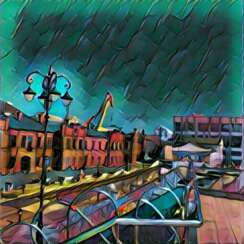

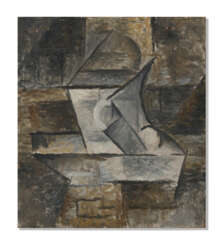

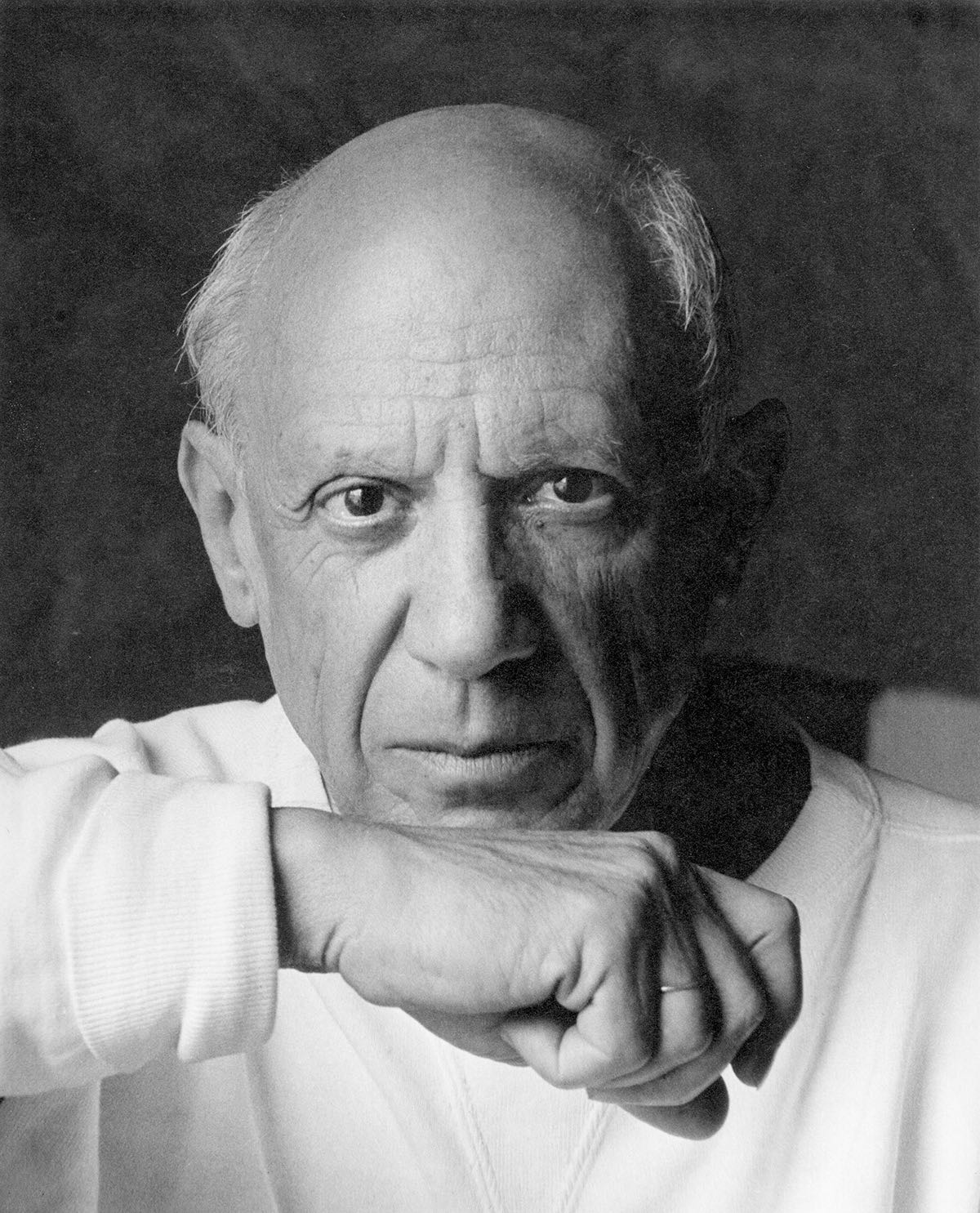
Pablo Ruiz Picasso, a Spanish artist renowned for his revolutionary contributions to the 20th-century art scene, is a figure that resonates profoundly with collectors and art experts. His unique blend of talents in painting, sculpture, printmaking, and ceramic art, infused with his time in France, positioned him as a pivotal character in modern art history.
Picasso's artistic journey was marked by distinct periods, each showcasing his evolving style and genius. His early years were characterized by the Blue Period (1901-1904), followed by the Rose Period (1904-1906), and then the African-influenced Period (1907-1909). Picasso's name is synonymous with Cubism, a movement he co-founded, which significantly altered artistic perspectives and methods. Works like "Les Demoiselles d'Avignon" (1907) and "Guernica" (1937) are emblematic of his cubist legacy, the latter being a poignant anti-war statement that remains influential.
His later years saw a return to more traditional styles, with neoclassical and surrealist influences becoming evident. Works from these phases reflect a deep engagement with mythological themes, as seen in "Faun with Stars" (1955), symbolizing his late-life romance with Jacqueline Roque, his second wife.
Picasso's prolific output and innovative spirit made him a legend in his own time, a status that only grew after his death. His works, housed in major museums and private collections worldwide, continue to captivate and inspire.
As a collector or expert in art and antiques, staying informed about Picasso's works, their auction events, and sales is essential. To stay updated on the latest developments and opportunities related to Pablo Picasso, sign up for our specialized updates. Rest assured, this subscription will focus solely on new product sales and auction events pertaining to Picasso's art, ensuring that you receive only the most relevant and valuable information.
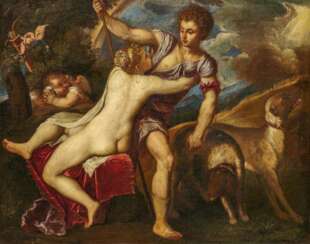

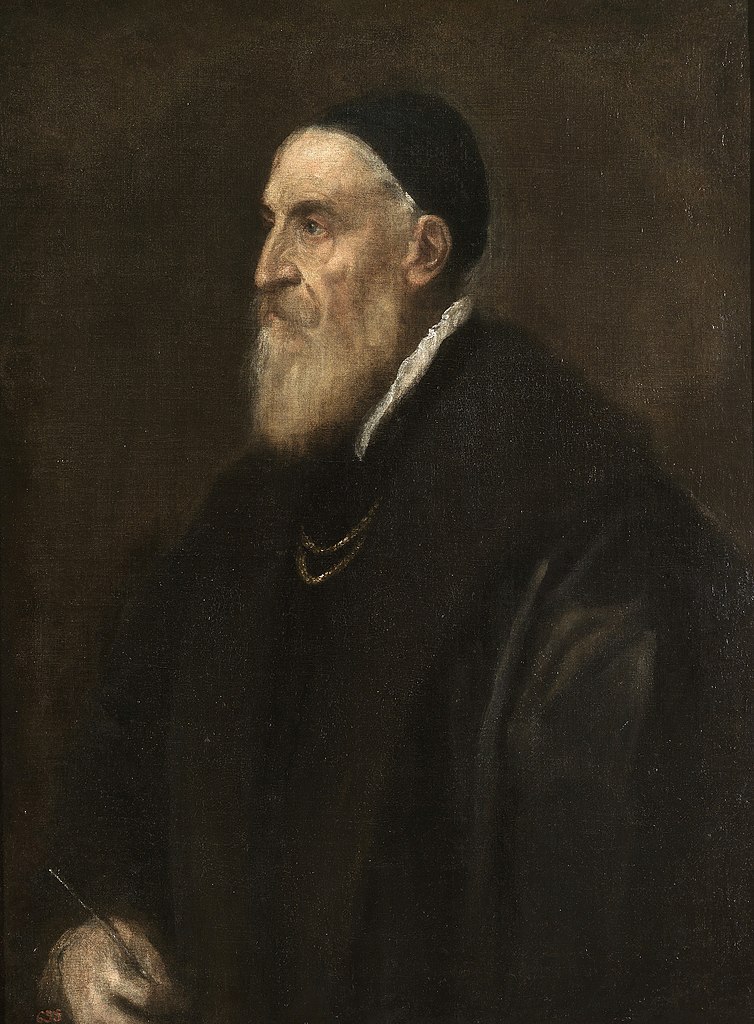
Tiziano Vecellio, an Italian Renaissance painter from Venice, stands out as a pivotal figure in the art world, renowned for his versatility across various genres like portraits, landscapes, and religious subjects. His influence on the development of Western art, particularly through his revolutionary use of color, is profound and long-lasting.
Born around 1488/90 in Pieve di Cadore, part of the then Republic of Venice, Titian's talent was evident early on. He began his artistic journey in the studio of the Bellini brothers in Venice, later joining forces with Giorgione, another influential painter of the time. This collaboration marked the beginning of a distinguished career that would see Titian become the most sought-after painter in Europe, working for nobility, the Habsburgs, and the papacy.
Titian's style evolved significantly throughout his career. He initially gained recognition for his vibrant, luminous colors and later became famous for his loose brushwork and subtle tonality. This shift was not just a matter of aesthetics but also represented a deeper understanding of color and light. Titian's approach to painting, particularly his use of colore, where he juxtaposed colors to define compositions, contrasted sharply with the line-focused disegno technique of the time. This method contributed significantly to the distinctiveness of Venetian art.
Among his many patrons, Emperor Charles V and his son, Philip II of Spain, were perhaps the most notable. As their official painter, Titian created numerous portraits and mythological works that were celebrated for their psychological depth and expressive use of color. His 'poesie' series for Philip II, including famous works like "Diana and Actaeon," showcased his skill in portraying mythological narratives with a sense of drama and sensuality.
Titian's later works, created in the 1560s and 1570s, are particularly revered for their experimental nature, pushing his art towards what has been termed 'magic impressionism'. These works, like "The Death of Actaeon" and the unfinished "Pietà", demonstrate a radical departure from his earlier style and reflect a continued evolution even in his later years.
For art collectors and experts, Titian's oeuvre represents a crucial link in the history of European art, illustrating the transition from the Renaissance to a more modern, expressive form of painting. His mastery of color and light, combined with his ability to convey deep emotional resonance, continues to influence artists and captivate viewers centuries later.
To stay updated on artworks and auction events related to Tiziano Vecelli, consider signing up for updates. This subscription will ensure you are informed about new product sales and auction events related to this remarkable artist.

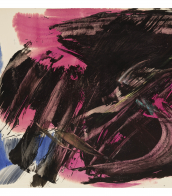
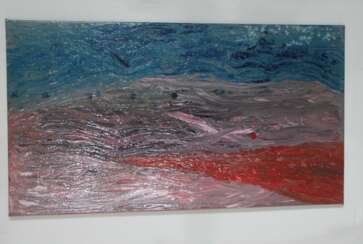



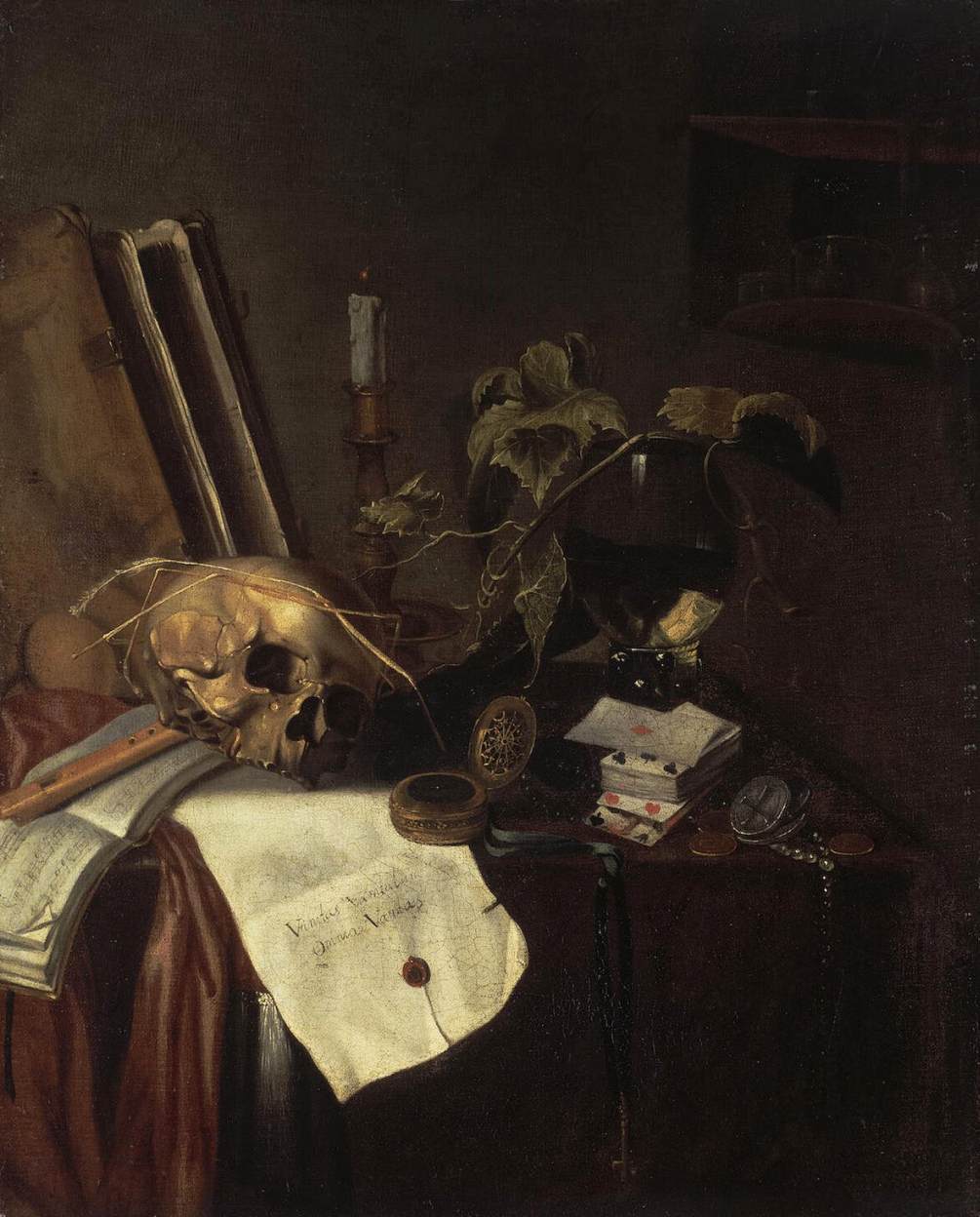
Pieter Steenwijck was a Dutch painter of the Golden Age, younger brother of Harmen Steenwijck. He produced several genre interior paintings, but is known mainly for allegories and still lifes, including vanitas.













Pablo Ruiz Picasso, a Spanish artist renowned for his revolutionary contributions to the 20th-century art scene, is a figure that resonates profoundly with collectors and art experts. His unique blend of talents in painting, sculpture, printmaking, and ceramic art, infused with his time in France, positioned him as a pivotal character in modern art history.
Picasso's artistic journey was marked by distinct periods, each showcasing his evolving style and genius. His early years were characterized by the Blue Period (1901-1904), followed by the Rose Period (1904-1906), and then the African-influenced Period (1907-1909). Picasso's name is synonymous with Cubism, a movement he co-founded, which significantly altered artistic perspectives and methods. Works like "Les Demoiselles d'Avignon" (1907) and "Guernica" (1937) are emblematic of his cubist legacy, the latter being a poignant anti-war statement that remains influential.
His later years saw a return to more traditional styles, with neoclassical and surrealist influences becoming evident. Works from these phases reflect a deep engagement with mythological themes, as seen in "Faun with Stars" (1955), symbolizing his late-life romance with Jacqueline Roque, his second wife.
Picasso's prolific output and innovative spirit made him a legend in his own time, a status that only grew after his death. His works, housed in major museums and private collections worldwide, continue to captivate and inspire.
As a collector or expert in art and antiques, staying informed about Picasso's works, their auction events, and sales is essential. To stay updated on the latest developments and opportunities related to Pablo Picasso, sign up for our specialized updates. Rest assured, this subscription will focus solely on new product sales and auction events pertaining to Picasso's art, ensuring that you receive only the most relevant and valuable information.
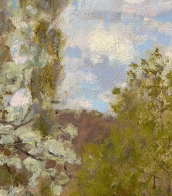
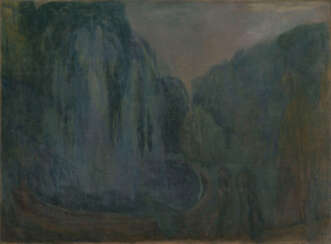

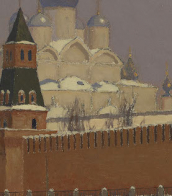


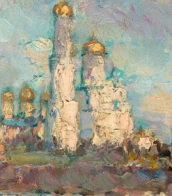


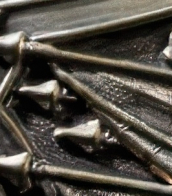
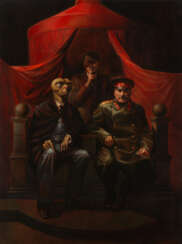

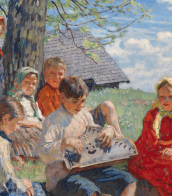
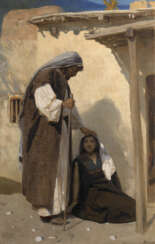

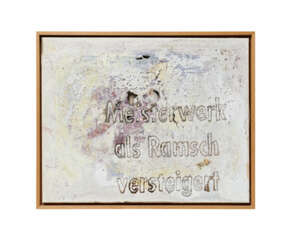

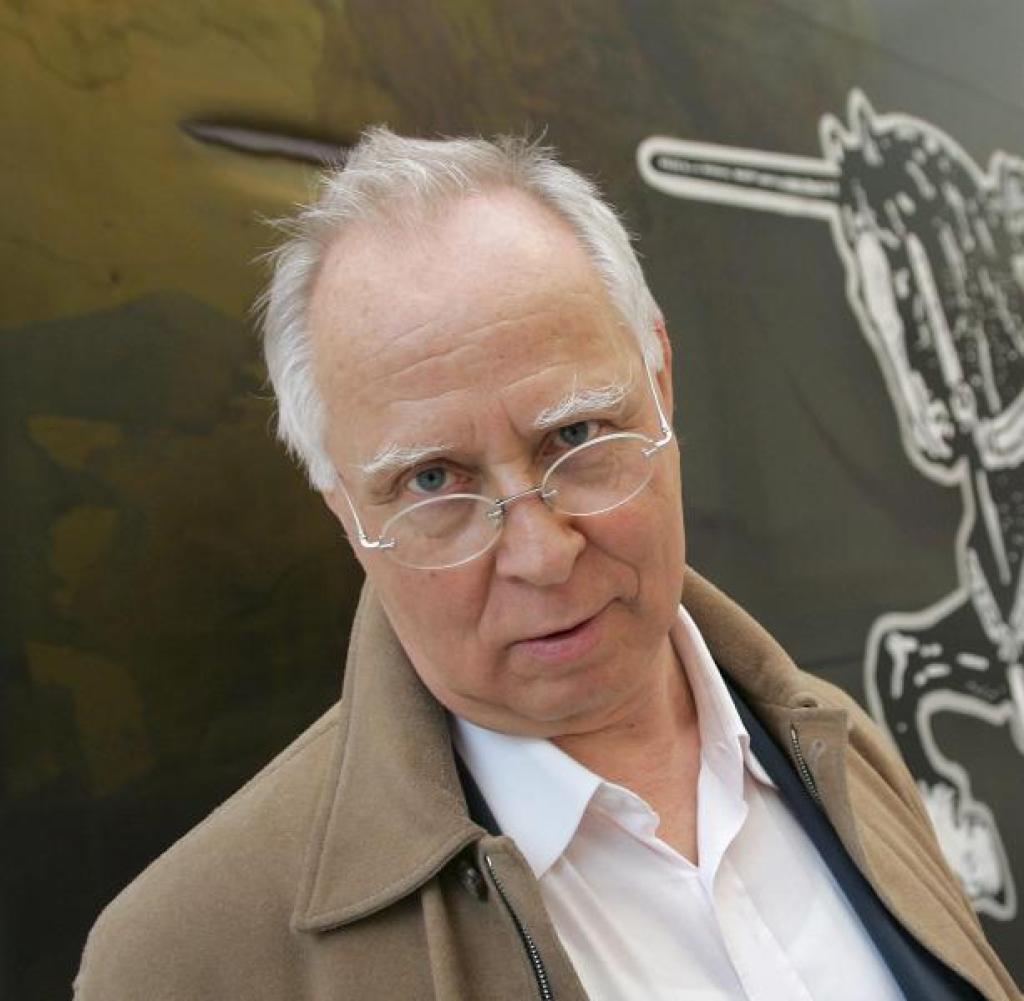
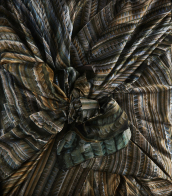
Sigmar Polke was a German painter and photographer.
Polke experimented with a wide range of styles, subject matters and materials. In the 1970s, he concentrated on photography, returning to paint in the 1980s, when he produced abstract works created by chance through chemical reactions between paint and other products. In the last 20 years of his life, he produced paintings focused on historical events and perceptions of them.



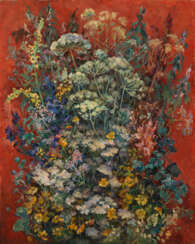






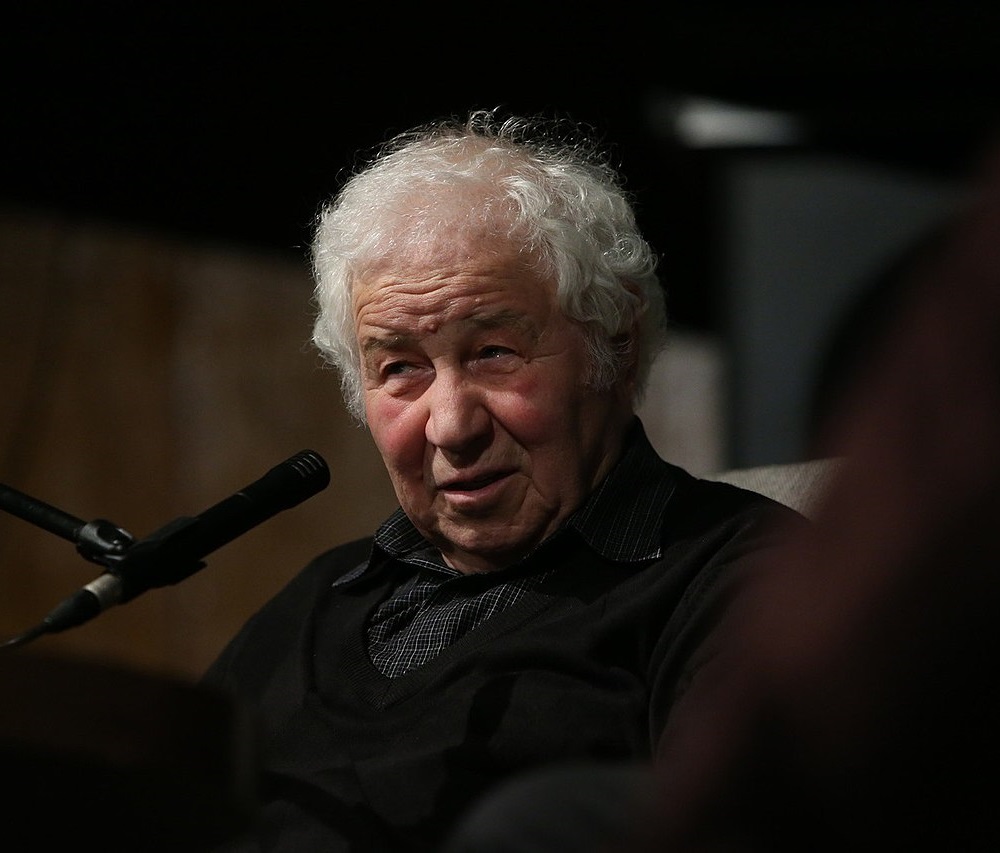
Ilya Iosifovich Kabakov (Russian: Илья́ Ио́сифович Кабако́в) was a seminal Russian-American conceptual artist, celebrated for his profound contributions to the art world, particularly through installations that critically examined Soviet life and the broader themes of human existence. Born on September 30, 1933, in Dnipropetrovsk, Ukrainian SSR, Kabakov's early life during the tumultuous World War II era and subsequent education at the V.I. Surikov State Art Institute in Moscow shaped his perspective and artistic expression. His nuanced critiques of the Soviet regime, combined with his exploration of utopian projects—including capitalism—through his art, positioned him as a pivotal figure in the dialogue between Eastern and Western artistic traditions.
Kabakov's partnership with Emilia Kanevsky, who later became his wife, led to a dynamic collaboration that spanned decades, producing influential exhibitions globally, including notable showcases at the Documenta in 1992, the Venice Biennale in 1993, and the Tate Modern in 2017. Their work is characterized by the use of fictional narratives, which often drew upon Kabakov's personal experiences to explore the life cycle of the Soviet Union, positioning it not merely as a failed socialist experiment but as one among many utopian visions susceptible to the authoritarian will to power.
Throughout his career, Kabakov never shied away from the complexity of the human condition, as evidenced by his installations like "The Man Who Flew Into Space From His Apartment" and "The Toilet," which resonate with viewers for their depth and the universality of their themes. His artworks are part of the collections of prestigious institutions such as the Museum of Modern Art, the Centre Pompidou, and the State Hermitage Museum, underscoring his significant impact and enduring legacy in the art world.
Kabakov's death on May 27, 2023, at the age of 89, marked the end of a prolific career that left an indelible mark on the landscape of conceptual art. His work continues to inspire and provoke thought, bridging the gap between personal narrative and global history, and inviting viewers to reconsider their perspectives on society, history, and the role of art in reflecting and shaping human experience.
For collectors and experts in art and antiques interested in staying updated on exhibitions and auctions related to Ilya Iosifovich Kabakov, signing up for updates can provide exclusive insights and opportunities to engage with his impactful body of work. This subscription ensures that enthusiasts are well-informed about new sales and events, allowing them to deepen their appreciation for Kabakov's artistic contributions.

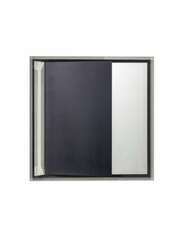

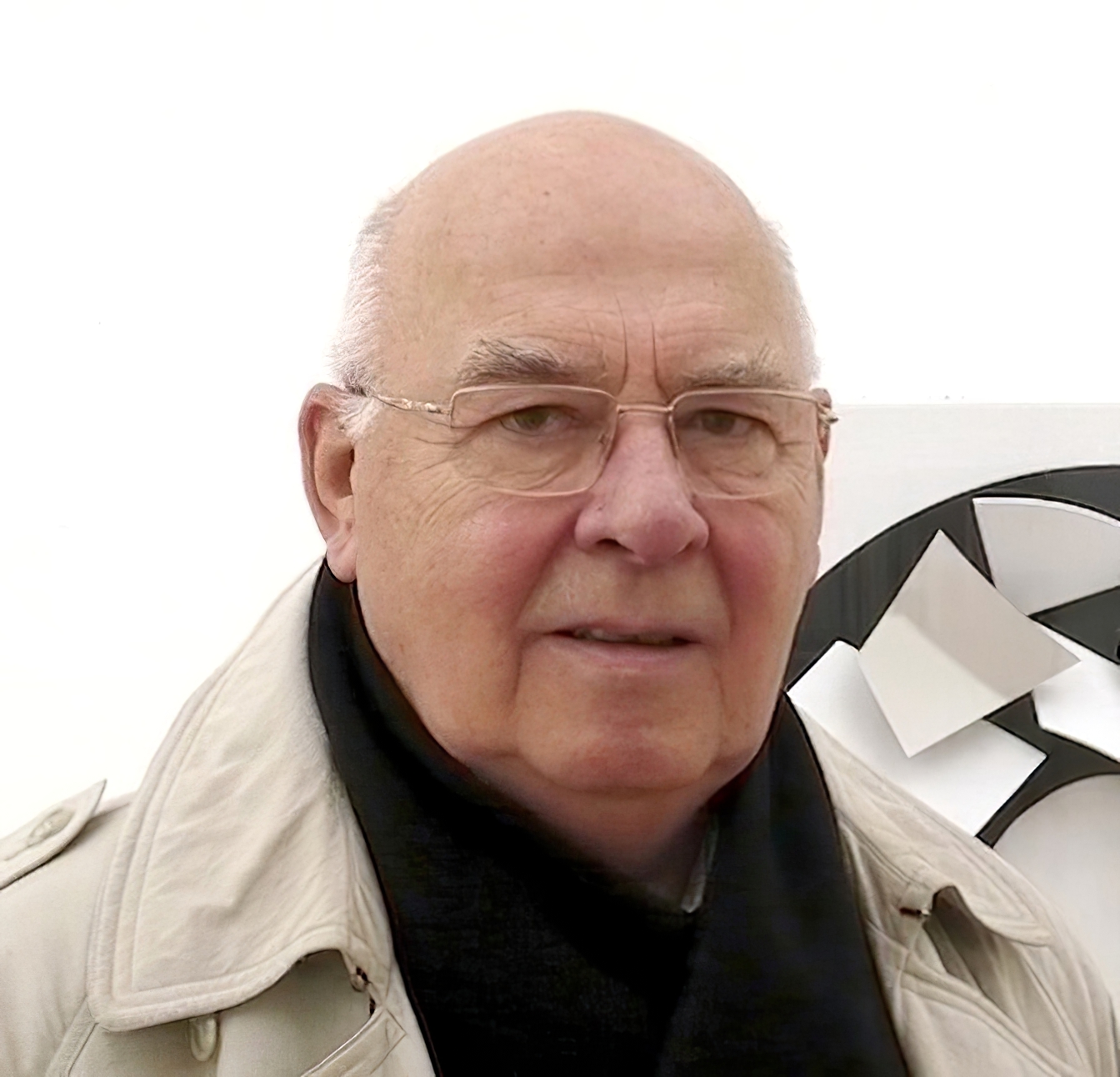
Christian Megert is a Swiss sculptor, object artist, installation and kinetic artist, known for his work with mirrors.