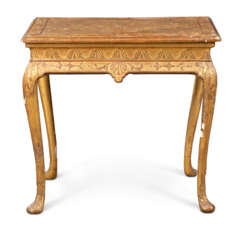
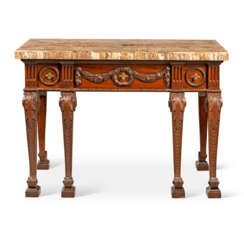
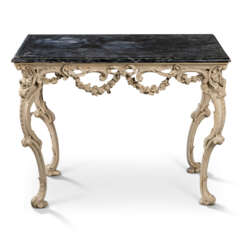
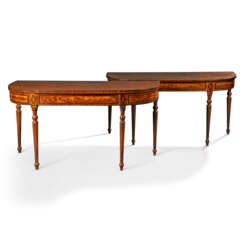
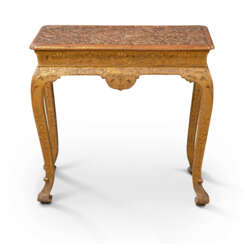
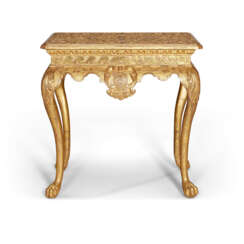
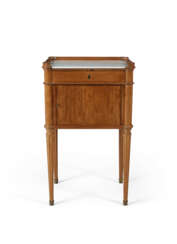
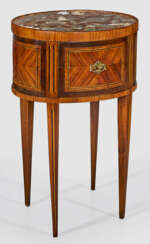
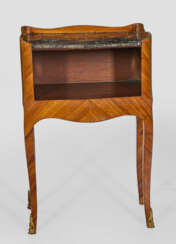
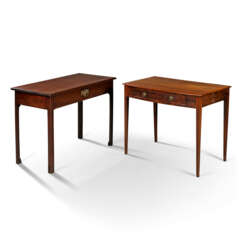
table de chevet













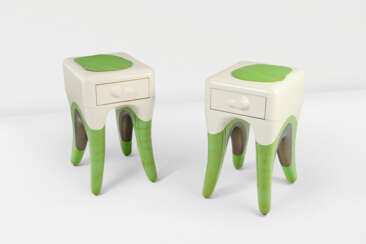

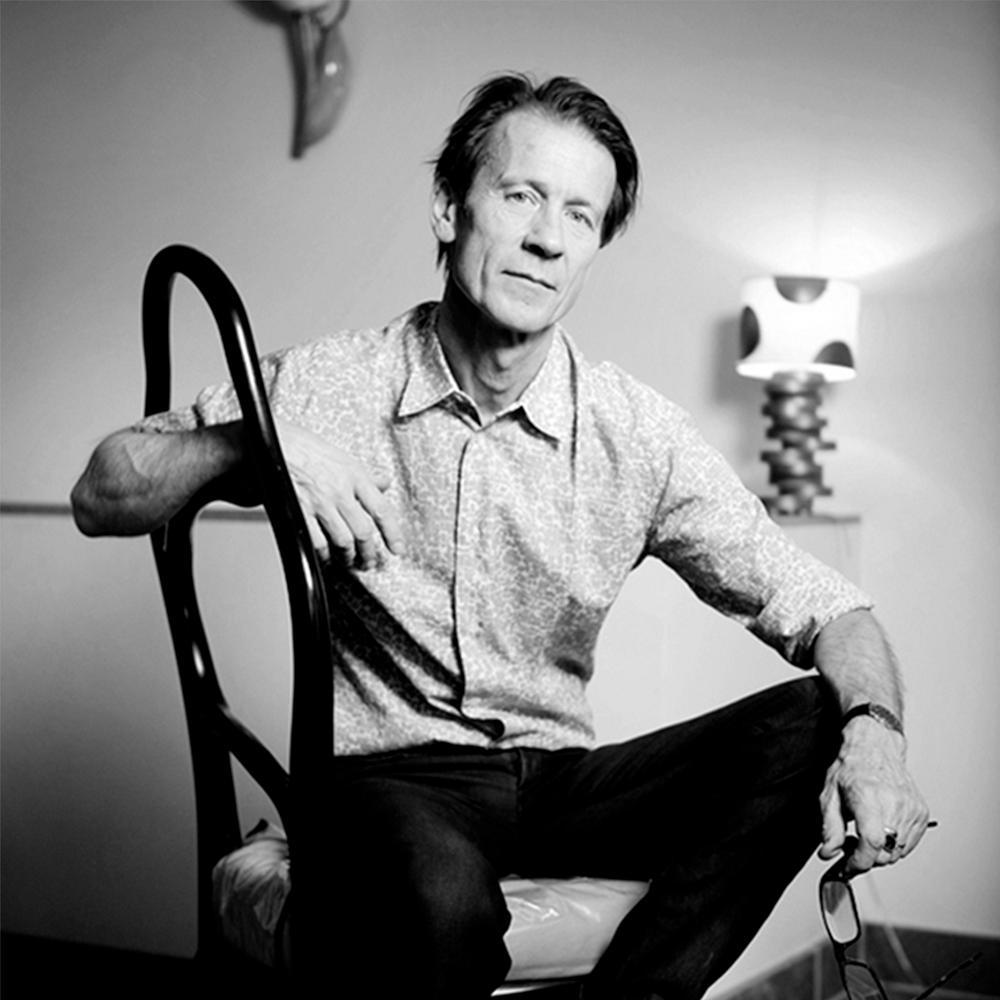
Mattia Bonetti is a Swiss artist and designer who lives and works in Paris. At first he was a stylist and photographer. In 1979 he became involved in furniture design, which he still does to this day.


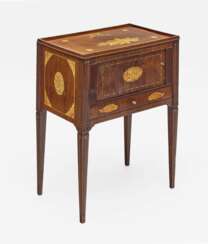










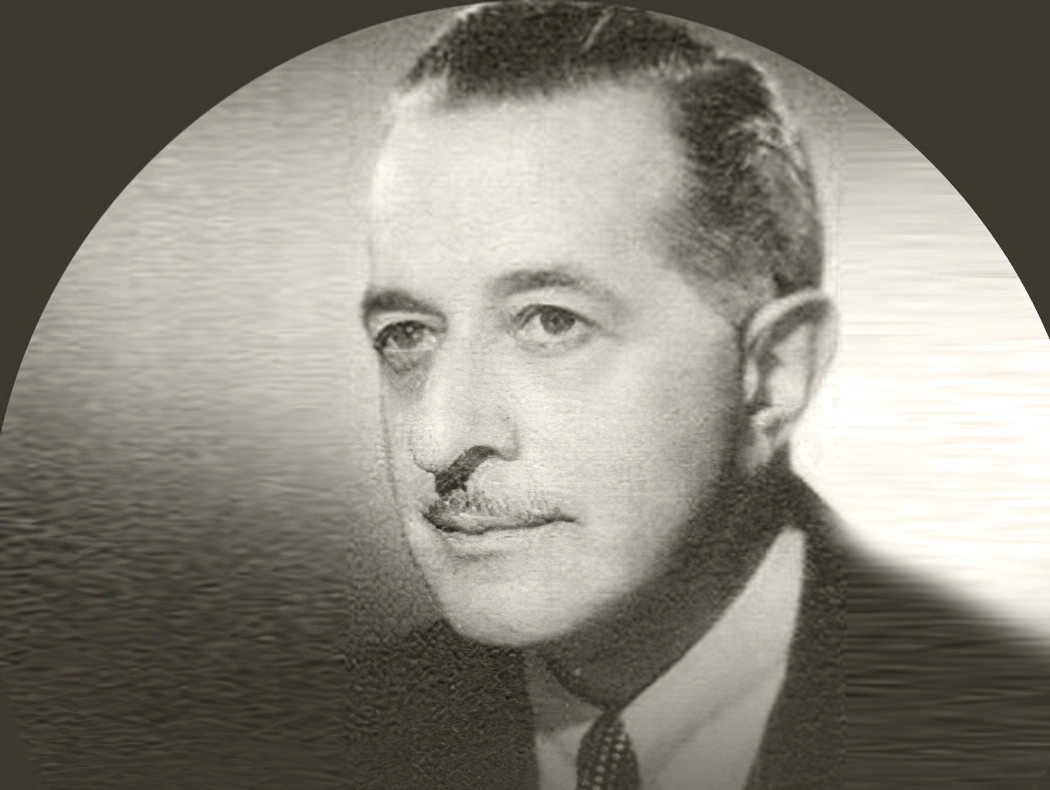
Marcel Coard is one of the great decorators and designers of the 1930s.





.jpg)
Jean Elysée Puiforcat was a French silversmith, sculptor and designer. Miller's Antiques Encyclopedia calls Puiforcat the «most important French Art Deco silversmith».
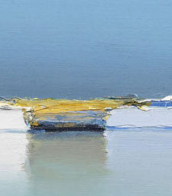
Louis Cane is a contemporary French painter, sculptor and furniture designer. Louis Cane attended the National School of Decorative Arts in Nice then the Superior School of Decorative arts in Paris in 1961. Cane was a part of the Supports/Surfaces Movement in France that lasted from 1969 to 1972 and co-founded and edited the Peinture, Cahiers Theoriques. In 1978, began sculpting again. They consisted of female figures in a traditional style. Cane focused on the concept of deconstruction of the canvas. By 1970, Cane transitioned into a series of cut-out paintings, the toiles découpées, which he worked with for several years. From 1972 to 1972, he produced a series called Sol/Mur as apart of the Supports/Surfaces movement. In 1978, Cane went from abstract painting to figuration. He reflected on the history of pictorial forms. He also started integrating sculpture into his practice. The statues were almost exclusively female occasionally appearing in form of burlesque or baroque expressionism.


Jean Elysée Puiforcat was a French silversmith, sculptor and designer. Miller's Antiques Encyclopedia calls Puiforcat the «most important French Art Deco silversmith».
Louis Cane is a contemporary French painter, sculptor and furniture designer. Louis Cane attended the National School of Decorative Arts in Nice then the Superior School of Decorative arts in Paris in 1961. Cane was a part of the Supports/Surfaces Movement in France that lasted from 1969 to 1972 and co-founded and edited the Peinture, Cahiers Theoriques. In 1978, began sculpting again. They consisted of female figures in a traditional style. Cane focused on the concept of deconstruction of the canvas. By 1970, Cane transitioned into a series of cut-out paintings, the toiles découpées, which he worked with for several years. From 1972 to 1972, he produced a series called Sol/Mur as apart of the Supports/Surfaces movement. In 1978, Cane went from abstract painting to figuration. He reflected on the history of pictorial forms. He also started integrating sculpture into his practice. The statues were almost exclusively female occasionally appearing in form of burlesque or baroque expressionism.
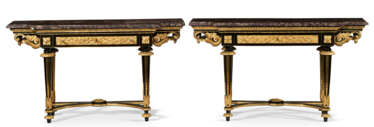

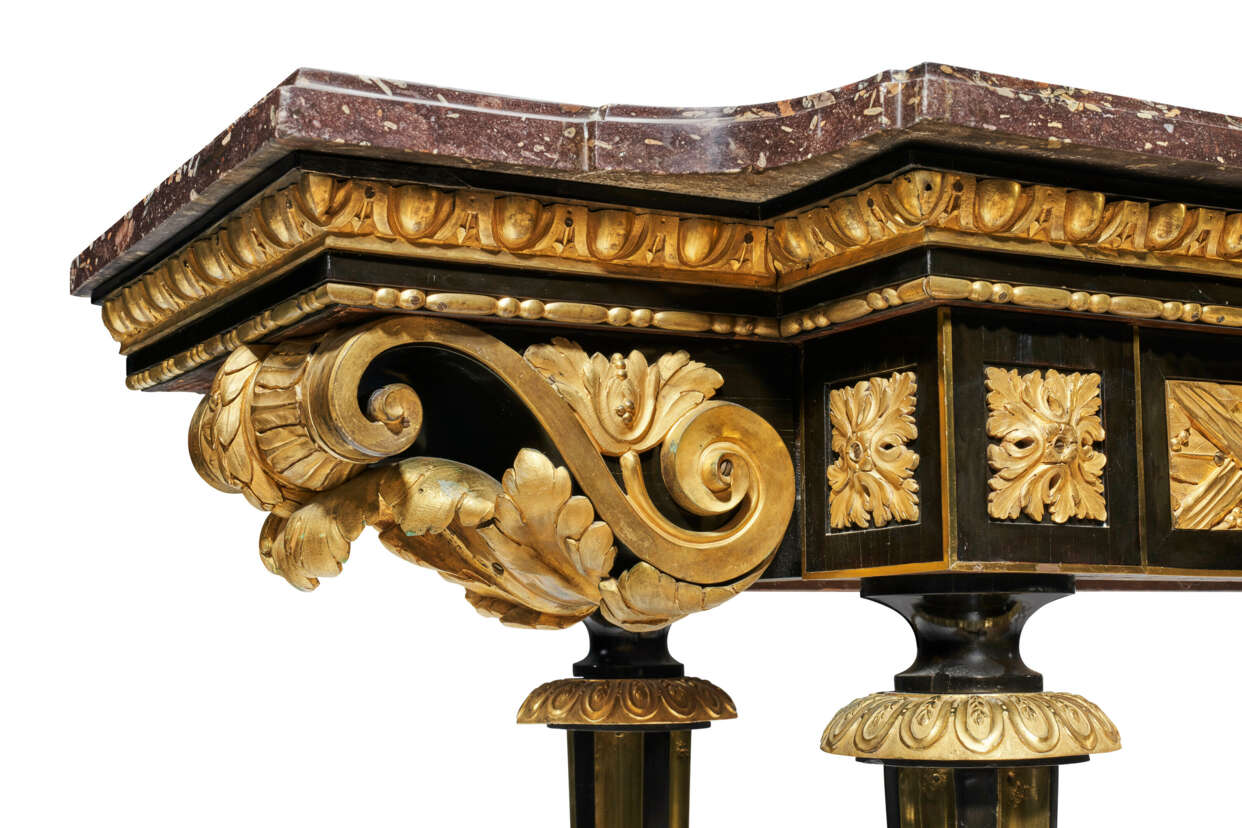
René Dubois was a French cabinetmaker and furniture designer. He followed his father Jacques Dubois, becoming a master ébéniste when he was only eighteen years old. René Dubois continued to work for his father and directed the family workshop with his mother after Jacques's death in 1763. Nine years later Dubois's mother relinquished control of the workshop, selling the existing stock to her son, who agreed to pay her an annuity.