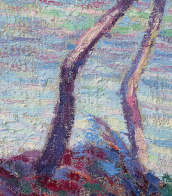
tapestry


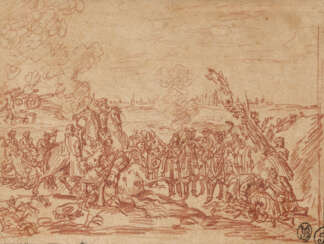

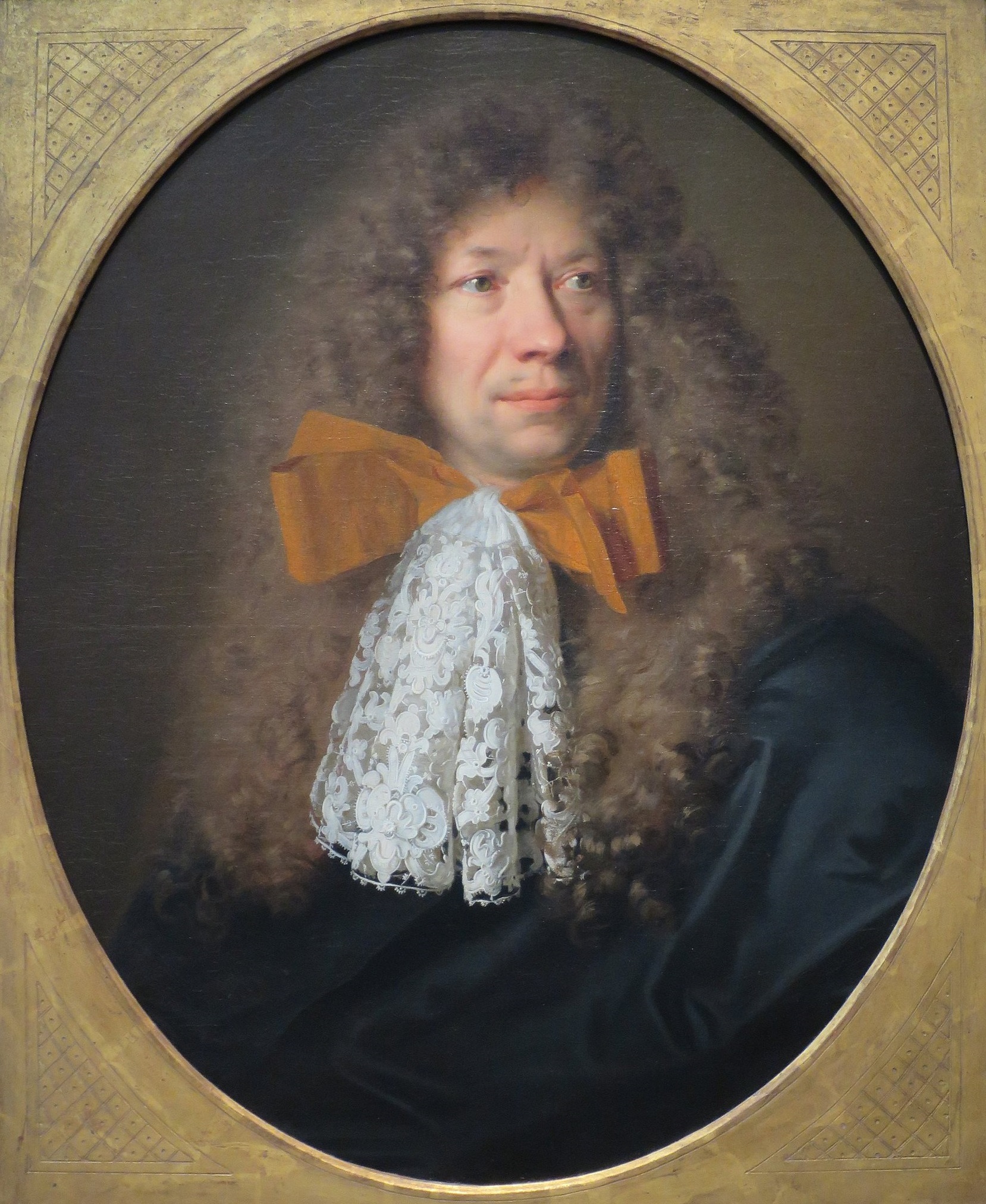
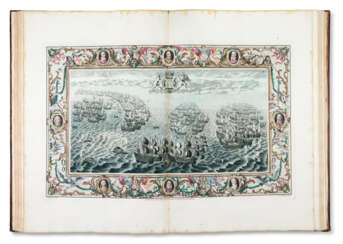
Adam Frans van der Meulen was a Flemish painter and draughtsman who was particularly known for his scenes of military campaigns and conquests. Van der Meulen also painted portraits, hunting scenes, paintings of chateaux and landscapes. He created designs for prints and cartoons for tapestries.












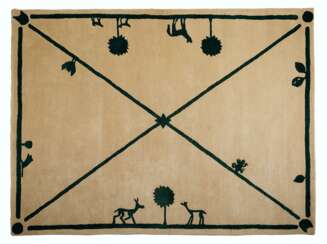


Diego Giacometti was a Swiss sculptor and designer, and the younger brother of the sculptor Alberto Giacometti.




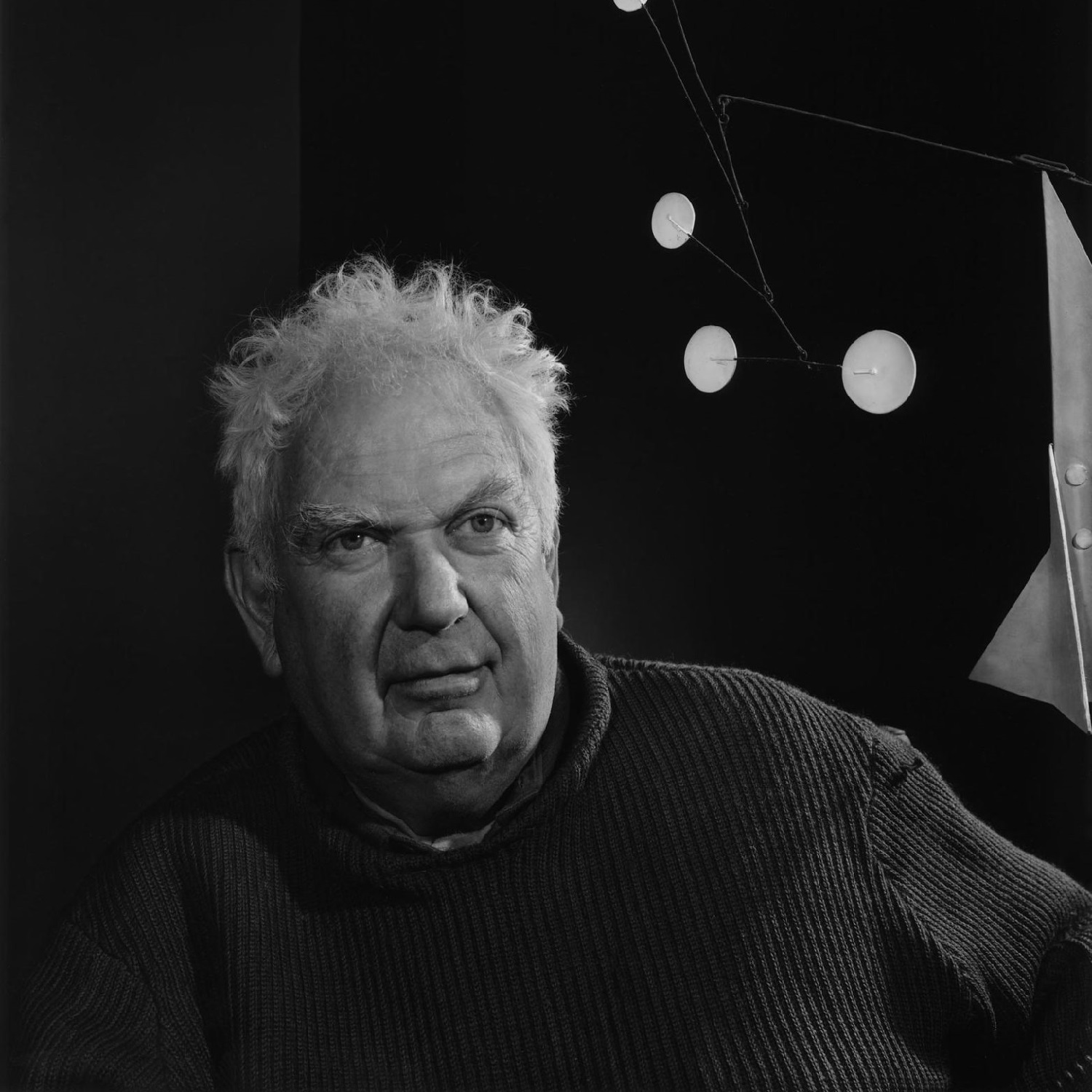
Alexander Calder was an American artist celebrated for his revolutionary contributions to modern sculpture, including his invention of the mobile. Born into a family of artists on July 22, 1898, in Lawnton, Pennsylvania, and passing away on November 11, 1976, in New York, Calder harnessed his background in mechanical engineering to create kinetic sculptures that moved with air currents, alongside his monumental stationary sculptures known as "stabiles".
Calder's early life was marked by his creation of toys and various objects, showcasing his inherent talent and creativity from a young age. Despite initially pursuing a career in mechanical engineering, Calder's true calling in the arts was undeniable. He moved to New York City, where he enrolled at the Art Students League, laying the groundwork for his iconic artistic style. In 1926, Calder relocated to Paris, which became a pivotal moment in his career, leading to the creation of "Calder's Circus," a whimsical assembly of wire figures that gained him entry into the avant-garde art circles of Europe.
Throughout the 1930s and beyond, Calder's work evolved from figurative painting to abstract sculptures that brought motion into the realm of art, a transition influenced by his visit to Piet Mondrian's studio. His innovative mobiles and stabiles were celebrated for their ingenuity and aesthetic appeal, earning Calder international recognition and numerous accolades. Among his well-known public commissions are the .125 mobile for John F. Kennedy Airport and the monumental red-painted steel stabile, "Flamingo," for the Federal Center Plaza in Chicago.
Calder's legacy extends far beyond his sculptures; his work encompassed painting, printmaking, jewelry design, and even set and costume design for theatre productions. His influence on modern art is profound, inspiring future generations of artists to explore the kinetic possibilities of sculpture.
For art enthusiasts and collectors interested in Alexander Calder's groundbreaking work, staying informed about upcoming sales and auctions is essential. Sign up for updates to never miss an opportunity to own a piece by this influential American sculptor, highlighting his unique contributions to the art world.
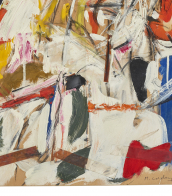


Alexander Calder was an American artist celebrated for his revolutionary contributions to modern sculpture, including his invention of the mobile. Born into a family of artists on July 22, 1898, in Lawnton, Pennsylvania, and passing away on November 11, 1976, in New York, Calder harnessed his background in mechanical engineering to create kinetic sculptures that moved with air currents, alongside his monumental stationary sculptures known as "stabiles".
Calder's early life was marked by his creation of toys and various objects, showcasing his inherent talent and creativity from a young age. Despite initially pursuing a career in mechanical engineering, Calder's true calling in the arts was undeniable. He moved to New York City, where he enrolled at the Art Students League, laying the groundwork for his iconic artistic style. In 1926, Calder relocated to Paris, which became a pivotal moment in his career, leading to the creation of "Calder's Circus," a whimsical assembly of wire figures that gained him entry into the avant-garde art circles of Europe.
Throughout the 1930s and beyond, Calder's work evolved from figurative painting to abstract sculptures that brought motion into the realm of art, a transition influenced by his visit to Piet Mondrian's studio. His innovative mobiles and stabiles were celebrated for their ingenuity and aesthetic appeal, earning Calder international recognition and numerous accolades. Among his well-known public commissions are the .125 mobile for John F. Kennedy Airport and the monumental red-painted steel stabile, "Flamingo," for the Federal Center Plaza in Chicago.
Calder's legacy extends far beyond his sculptures; his work encompassed painting, printmaking, jewelry design, and even set and costume design for theatre productions. His influence on modern art is profound, inspiring future generations of artists to explore the kinetic possibilities of sculpture.
For art enthusiasts and collectors interested in Alexander Calder's groundbreaking work, staying informed about upcoming sales and auctions is essential. Sign up for updates to never miss an opportunity to own a piece by this influential American sculptor, highlighting his unique contributions to the art world.


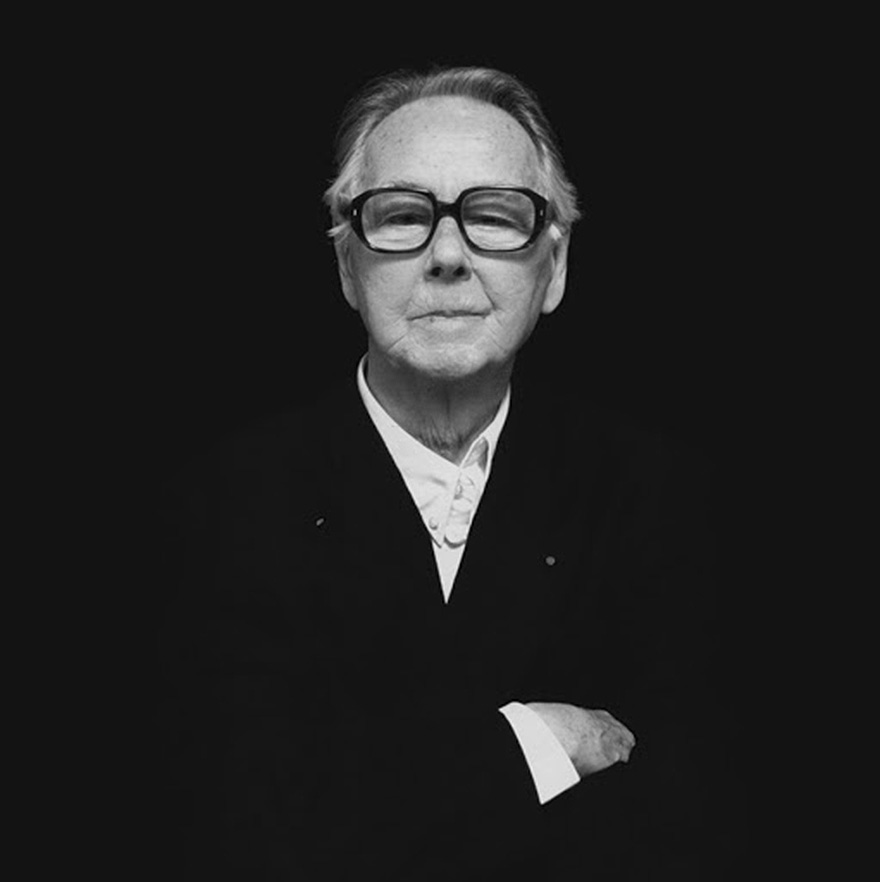
Victor Vasarely, a seminal figure in the Op art movement, was a Hungarian-French artist celebrated for his pioneering contributions to geometric abstract art. Born Győző Vásárhelyi in Pécs, Hungary, in 1906, Vasarely's artistic journey led him to Paris, where he honed a distinctive style marked by optical illusions and kinetic art. By the late 1940s, he had developed his iconic approach, utilizing geometric shapes and a limited color palette to create artworks that seemed to move and vibrate. His work "Zebra," created in 1937, is often cited as one of the earliest examples of Op art, showcasing his fascination with creating the illusion of depth and movement on a flat surface.
Throughout the 1950s and 1960s, Vasarely's exploration into optical effects deepened, leading to significant series like his "Vega" works. These pieces are characterized by their illusionary three-dimensional space, seemingly pushing and pulling the viewer into the canvas. His dedication to optical and geometric abstraction was not just a pursuit of aesthetic innovation but also an exploration of the viewer's perception, making the observer an integral part of the artwork.
Vasarely's influence extended beyond the canvas, impacting architecture, sculpture, and even space exploration. In 1970, he founded the first museum dedicated to his works in Gordes, followed by the establishment of the Fondation Vasarely in Aix-en-Provence in 1976, showcasing his vision of integrating art with the environment. His artworks have found homes in prestigious institutions like the Museum of Modern Art and have been celebrated in exhibitions worldwide.
For collectors and experts in art and antiques, Vasarely's works offer a mesmerizing blend of scientific precision and artistic expression, encapsulating a moment in art history where the boundaries between viewer and artwork blurred. His legacy is a testament to the power of visual perception and the endless possibilities of abstract art.
For those interested in delving deeper into Victor Vasarely's visionary world and perhaps acquiring a piece of this history, signing up for updates on new product sales and auction events related to Vasarely's works is highly recommended. Stay informed and embrace the opportunity to own a part of the optical and geometric abstraction movement that Vasarely so brilliantly pioneered.




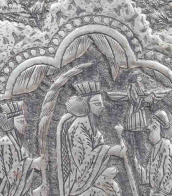
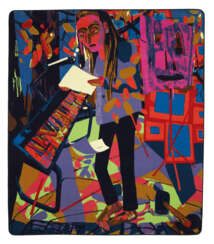


Dana Schutz is an American artist who lives and works in Brooklyn, New York. Schutz is known for her gestural, figurative paintings that often take on specific subjects or narrative situations as a point of departure.
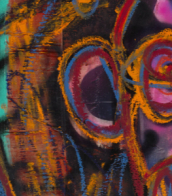
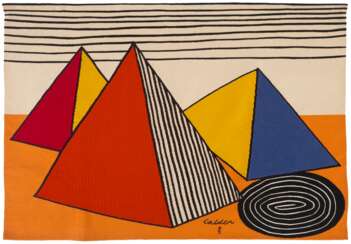

Alexander Calder was an American artist celebrated for his revolutionary contributions to modern sculpture, including his invention of the mobile. Born into a family of artists on July 22, 1898, in Lawnton, Pennsylvania, and passing away on November 11, 1976, in New York, Calder harnessed his background in mechanical engineering to create kinetic sculptures that moved with air currents, alongside his monumental stationary sculptures known as "stabiles".
Calder's early life was marked by his creation of toys and various objects, showcasing his inherent talent and creativity from a young age. Despite initially pursuing a career in mechanical engineering, Calder's true calling in the arts was undeniable. He moved to New York City, where he enrolled at the Art Students League, laying the groundwork for his iconic artistic style. In 1926, Calder relocated to Paris, which became a pivotal moment in his career, leading to the creation of "Calder's Circus," a whimsical assembly of wire figures that gained him entry into the avant-garde art circles of Europe.
Throughout the 1930s and beyond, Calder's work evolved from figurative painting to abstract sculptures that brought motion into the realm of art, a transition influenced by his visit to Piet Mondrian's studio. His innovative mobiles and stabiles were celebrated for their ingenuity and aesthetic appeal, earning Calder international recognition and numerous accolades. Among his well-known public commissions are the .125 mobile for John F. Kennedy Airport and the monumental red-painted steel stabile, "Flamingo," for the Federal Center Plaza in Chicago.
Calder's legacy extends far beyond his sculptures; his work encompassed painting, printmaking, jewelry design, and even set and costume design for theatre productions. His influence on modern art is profound, inspiring future generations of artists to explore the kinetic possibilities of sculpture.
For art enthusiasts and collectors interested in Alexander Calder's groundbreaking work, staying informed about upcoming sales and auctions is essential. Sign up for updates to never miss an opportunity to own a piece by this influential American sculptor, highlighting his unique contributions to the art world.


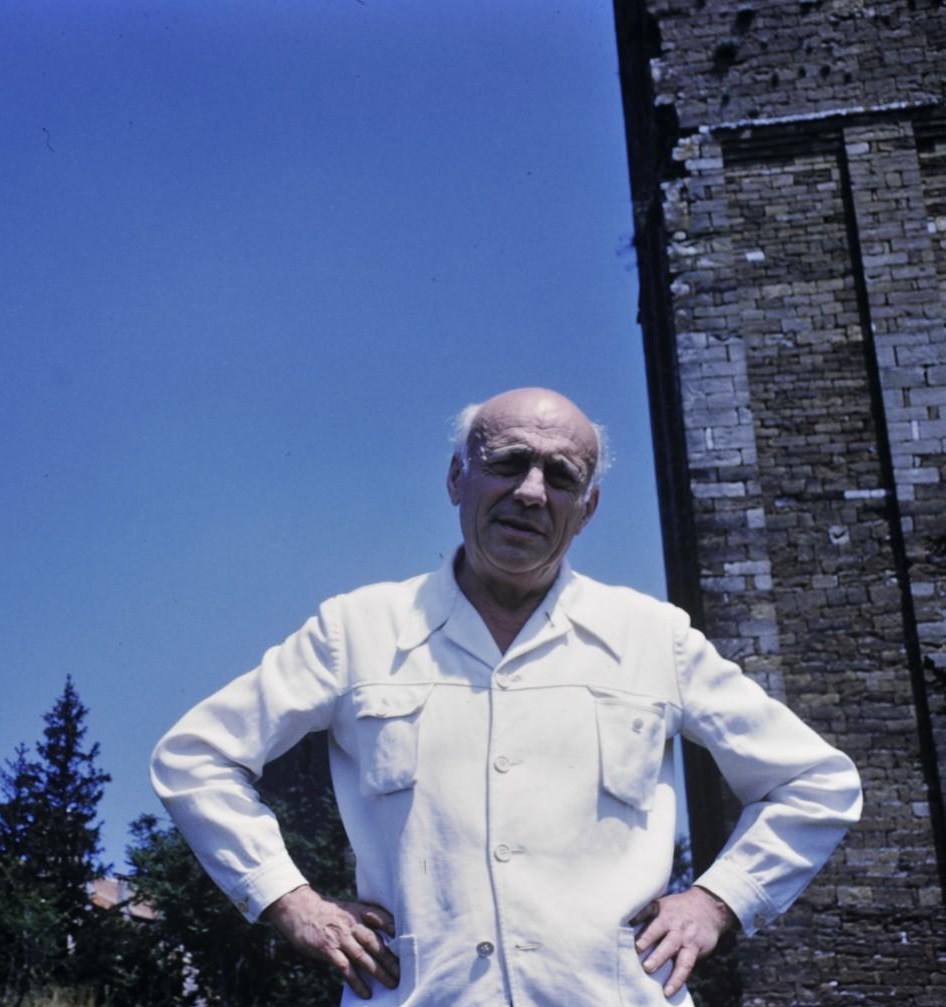
Jean Lurçat was a French artist noted for his role in the revival of contemporary tapestry.
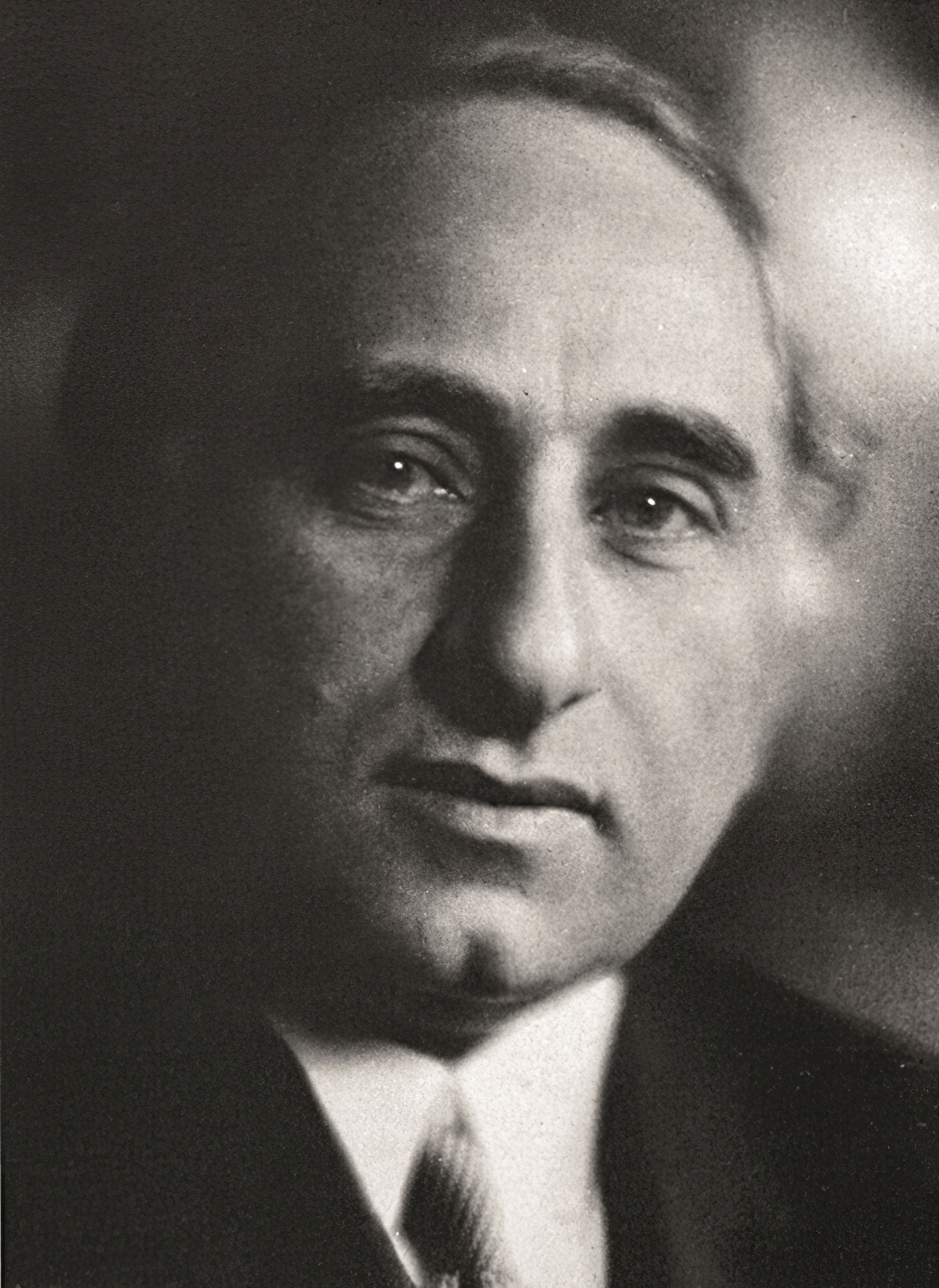
Pierre Chareau was a French architect and designer.
Chareau designed the first house in France made of steel and glass, the Maison de Verre.
Chareau was a member of Congrès International d'Architecture Moderne.
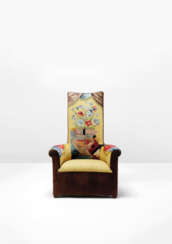

Jean Lurçat was a French artist noted for his role in the revival of contemporary tapestry.
Pierre Chareau was a French architect and designer.
Chareau designed the first house in France made of steel and glass, the Maison de Verre.
Chareau was a member of Congrès International d'Architecture Moderne.
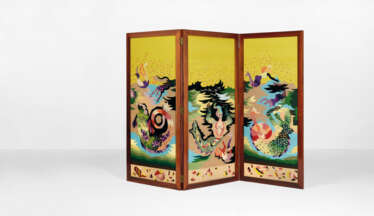

Jean Lurçat was a French artist noted for his role in the revival of contemporary tapestry.
Pierre Chareau was a French architect and designer.
Chareau designed the first house in France made of steel and glass, the Maison de Verre.
Chareau was a member of Congrès International d'Architecture Moderne.


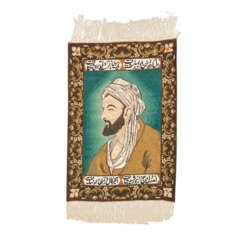






.jpg)
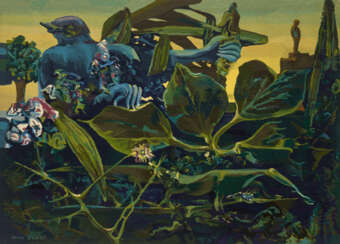
Max Ernst was a pivotal figure in the 20th-century art world, whose work transcended the boundaries of nationality and genre to leave an indelible mark on culture, art, sculpture, and painting. Born in Germany on April 2, 1891, and later becoming a naturalized American and French citizen, Ernst's career was a testament to his relentless innovation and creativity. Known primarily as an artist and painter, Ernst was a founding member of the Dada movement in Cologne before becoming a major proponent of Surrealism in Paris. His early encounters with the works of Pablo Picasso, Vincent van Gogh, and Paul Gauguin at the Sonderbund exhibition in 1912 deeply influenced his artistic direction, infusing it with elements of Cubism and Expressionism. Despite his lack of formal artistic training, Ernst's experimentation with techniques such as collage and frottage showcased his unique ability to blend the absurd with the sublime, making him a central figure in the artistic avant-garde of his time.
Ernst's work is notable for its exploration of the unconscious, using dreamlike imagery and symbolic figures to critique societal norms and delve into the chaos of the human psyche. His experiences in World War I profoundly impacted his worldview, leading to a deep skepticism of Western culture and an enduring search for meaning through art. This is evident in works such as "Europe After the Rain II," which reflects the devastation of war and "The Fireside Angel," inspired by the political turmoil of the Spanish Civil War, showcasing his ability to address contemporary issues through a surreal lens.
Ernst's contributions to art are preserved in major museums and galleries worldwide, including the Tate in the United Kingdom and the Museum of Modern Art in New York. His sculptures, paintings, and collages continue to be celebrated for their innovative techniques and imaginative scope, marking him as a revolutionary figure in modern art. Among his most significant works are "Ubu Imperator," "The Elephant Celebes," and "The Virgin Spanking the Christ Child before Three Witnesses," each reflecting his mastery over a diversity of mediums and themes.
For collectors and experts in art and antiques, Max Ernst remains a symbol of artistic freedom and exploration. His ability to navigate through various artistic movements while maintaining a distinct, innovative voice is a testament to his enduring legacy in the art world. To stay updated on new product sales and auction events related to Max Ernst, signing up for updates is a valuable opportunity for those deeply invested in the nuances of modern and surreal art.