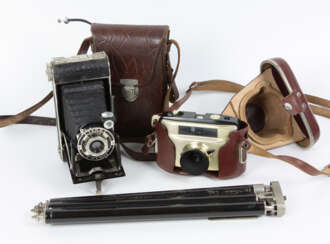
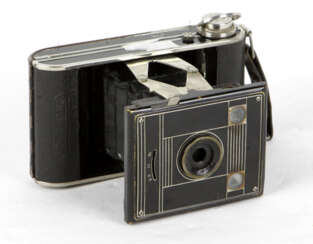
technical devices






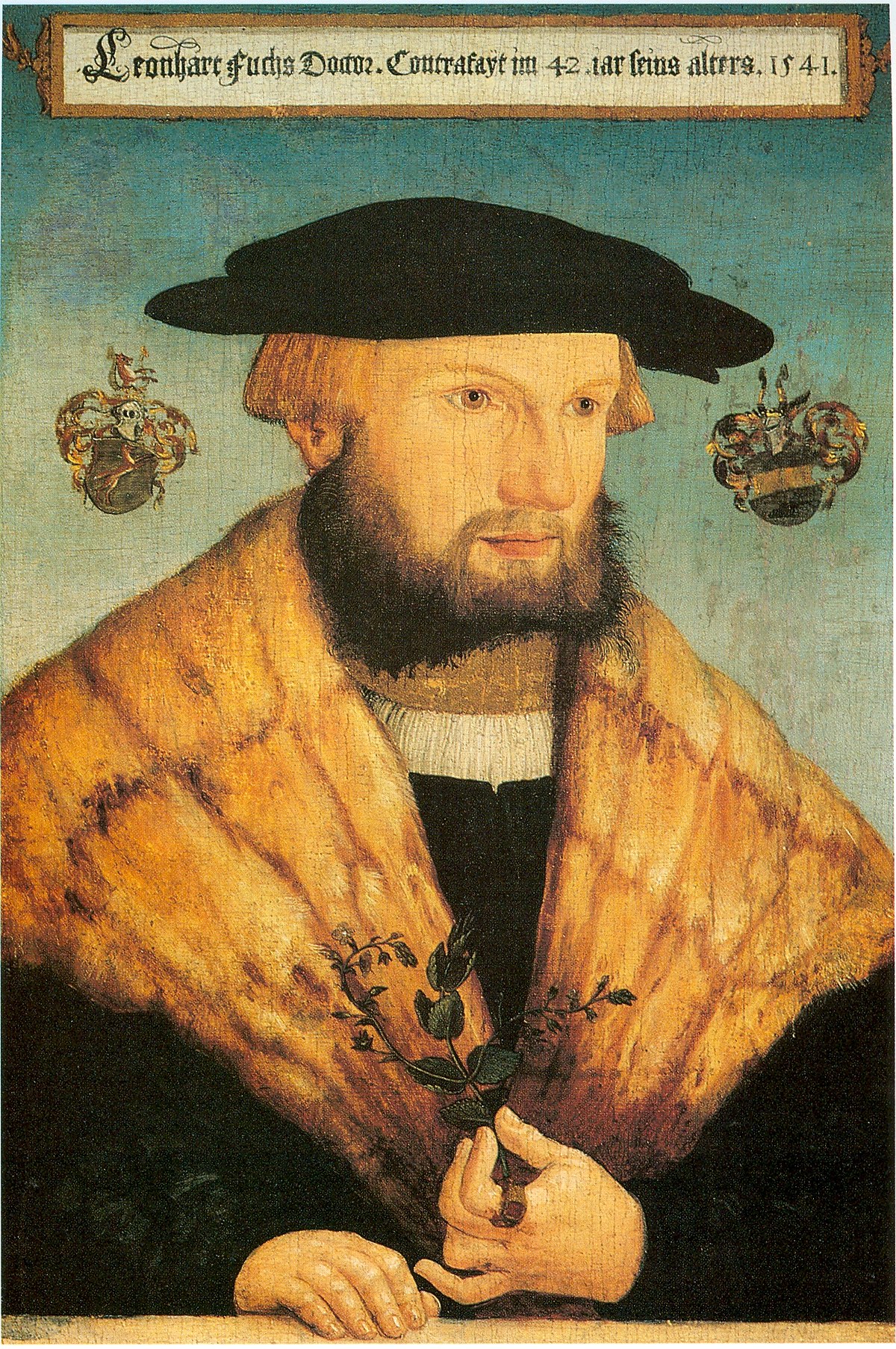
Leonhart Fuchs was a German humanist scientist, botanist, and physician.
Fuchs received a humanistic education under Catholic guidance, but later became a Protestant. He studied medicine and became a professor in Tübingen. He was most interested in the medicinal properties of plants. Well acquainted with the Greek and Latin classics and an excellent observer, he gave precise descriptions, and his beautiful engravings of plants established the tradition of depicting plants with precise illustrations and in alphabetical order.
In 1542 Fuchs published his most important work, De Historia Stirpium Commentarii Insignes (Famous Commentaries on the History of Plants). The book was a great success, especially because of the magnificent woodcuts and the 487 plants, which were described for the first time in such a systematic form. De Historia Stirpium survived several editions and was translated into Dutch and German.
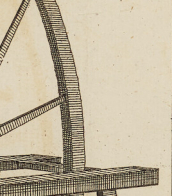
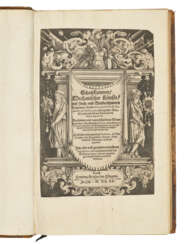

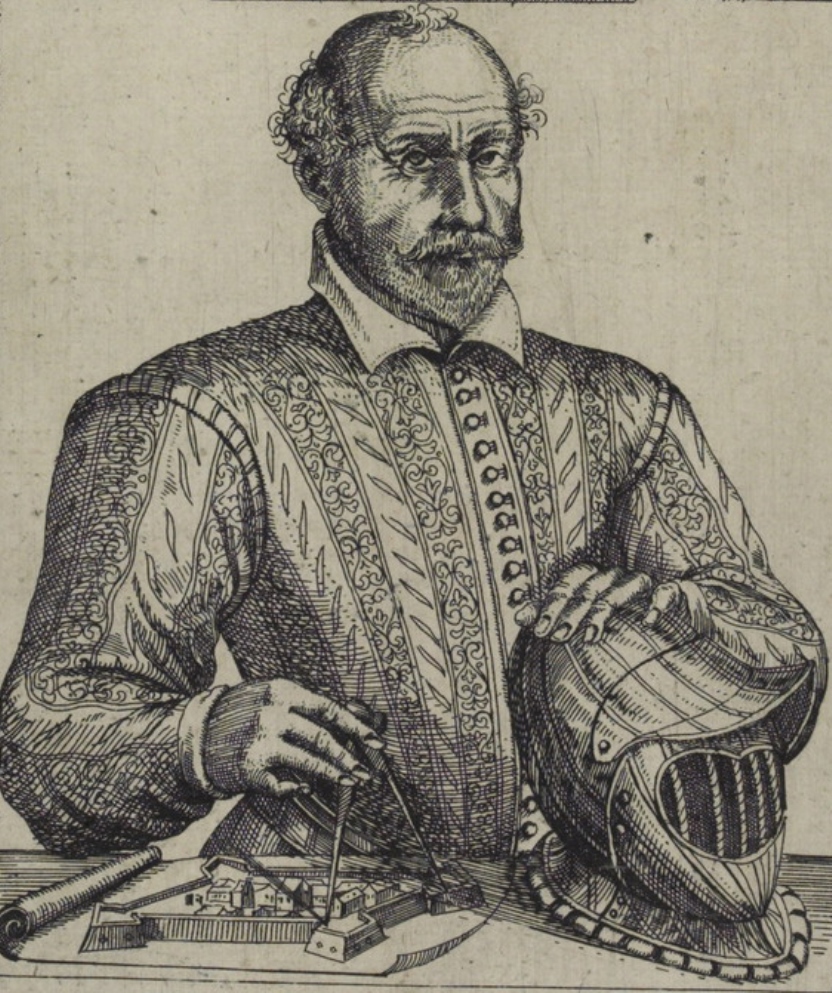
Agostino Ramelli was an Italian military engineer and mechanic who worked in the fields of fortification and practical mechanics.
Ramelli studied mathematics, mechanics, and engineering under Giacomo di Marignano, who is considered a disciple of Leonardo da Vinci. He first showed his talents as a mechanic during Louis XIII's military campaign by constructing a mine under a bastion.
Ramelli invented many mechanisms that impressed his contemporaries, including their special aesthetic appeal. His most popular creation is the so-called Ramelli Book Wheel, a rotating reading table. Agostino Ramelli positioned his invention as a sleek design that allowed access to several books without having to get up from his seat.
Ramelli wrote and illustrated a book of engineering projects, Le various et artificiose machine ("Various and Artificial Machines"). The book contains 195 designs, over 100 of which are water-lifting machines, such as water pumps or wells, as well as bridges, mills, and so on. This very interesting book for our contemporaries is still published and is still in demand.


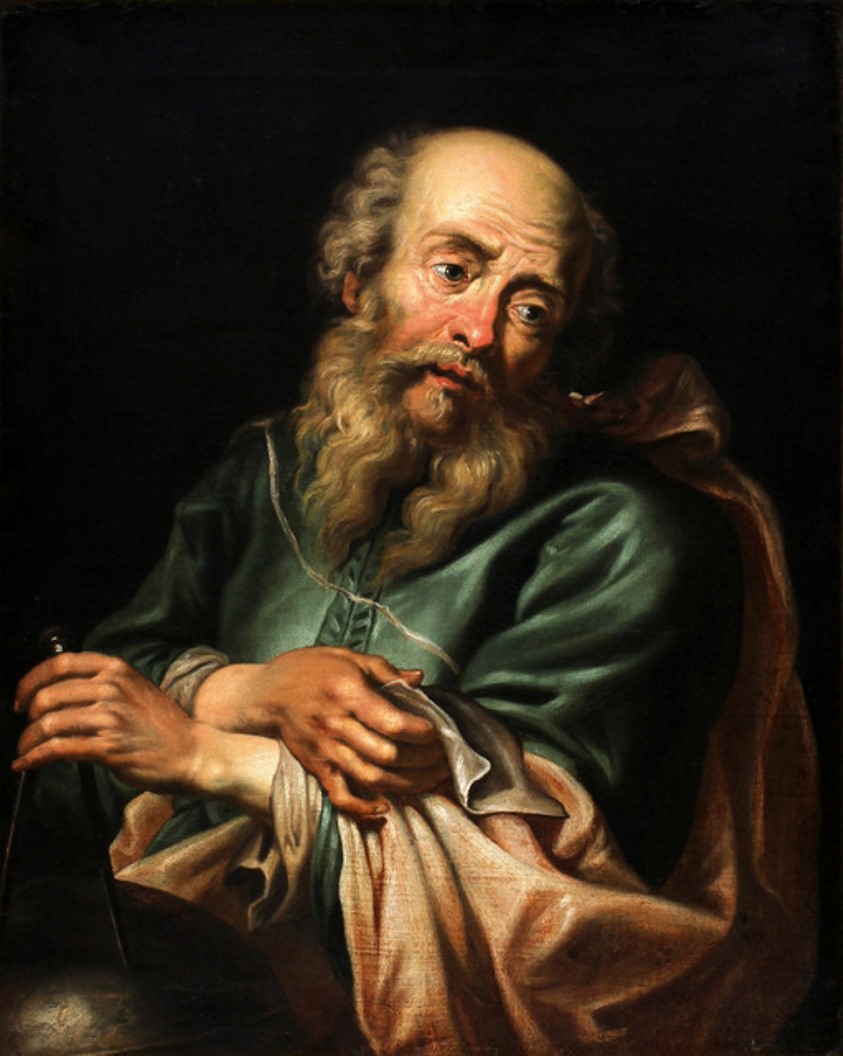
Galileo Galilei was an Italian naturalist, physicist, mechanic, astronomer, philosopher, and mathematician.
Using his own improved telescopes, Galileo Galilei observed the movements of the Moon, Earth's satellites, and the stars, making several breakthrough discoveries in astronomy. He was the first to see craters on the Moon, discovered sunspots and the rings of Saturn, and traced the phases of Venus. Galileo was a consistent and convinced supporter of the teachings of Copernicus and the heliocentric system of the world, for which he was subjected to the trial of the Inquisition.
Galileo is considered the founder of experimental and theoretical physics. He is also one of the founders of the principle of relativity in classical mechanics. Overall, the scientist had such a significant impact on the science of his time that he cannot be overemphasized.
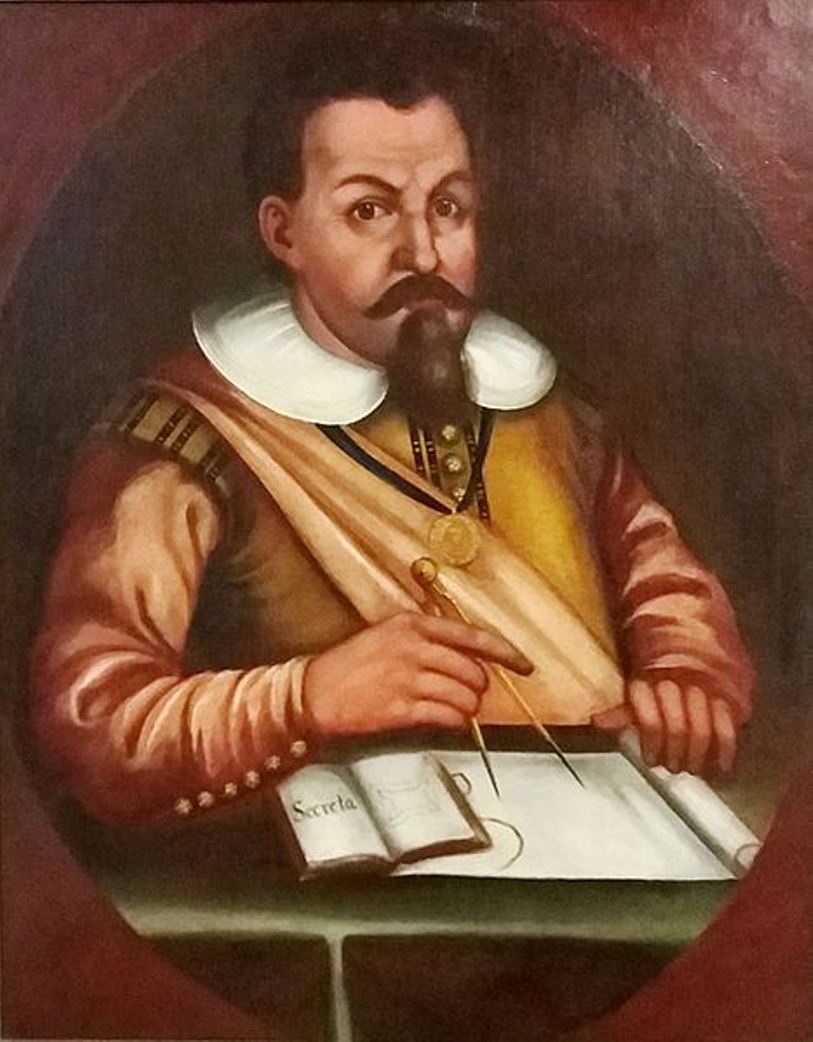
Johannes Faulhaber was a German mathematician and fortification engineer.
He was a weaver, but studied mathematics and showed such aptitude that the city authorities appointed him the city mathematician and surveyor, a surveyor. In 1600, Faulhaber opened his own school in Ulm, and worked on the fortification of Basel, Frankfurt, and many other cities. He also designed water wheels in Ulm and made mathematical and geodetic instruments, particularly for military purposes.
Among the scientists with whom Faulhaber collaborated were Kepler and van Ceulen. He made the first German publication of Briggs' logarithms, and also made the first illustrated descriptions of Galileo's compass.




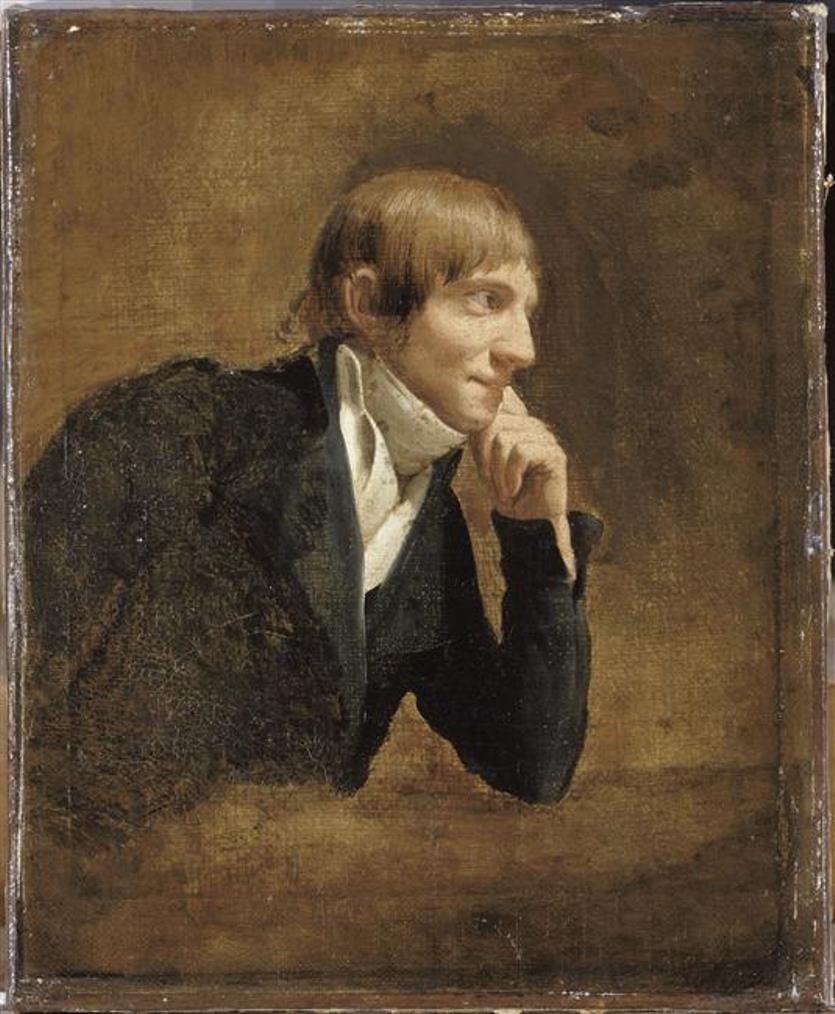
Pierre-Joseph Redouté was a French artist and botanist of Belgian origin, a royal painter and lithographer.
Redouté traveled extensively from his youth and carefully studied the pictorial art of various masters, but his main interest eventually became botanical illustration. He gained access to the Botanical Gardens in Paris and the botanical library. Over time, the talented Redouté became a very popular and successful painter of flowers and plants, publishing more and more albums.
In the 1790s, Redouté was internationally recognized as one of the most popular floral artists in the world. His depictions of plants are still as fresh as if they had just been painted. His album of watercolor illustrations, The Lilies, is one of the most expensive printed books in history.
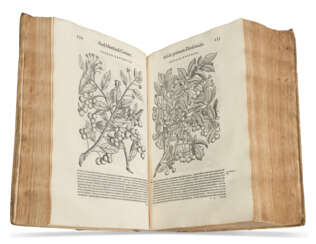

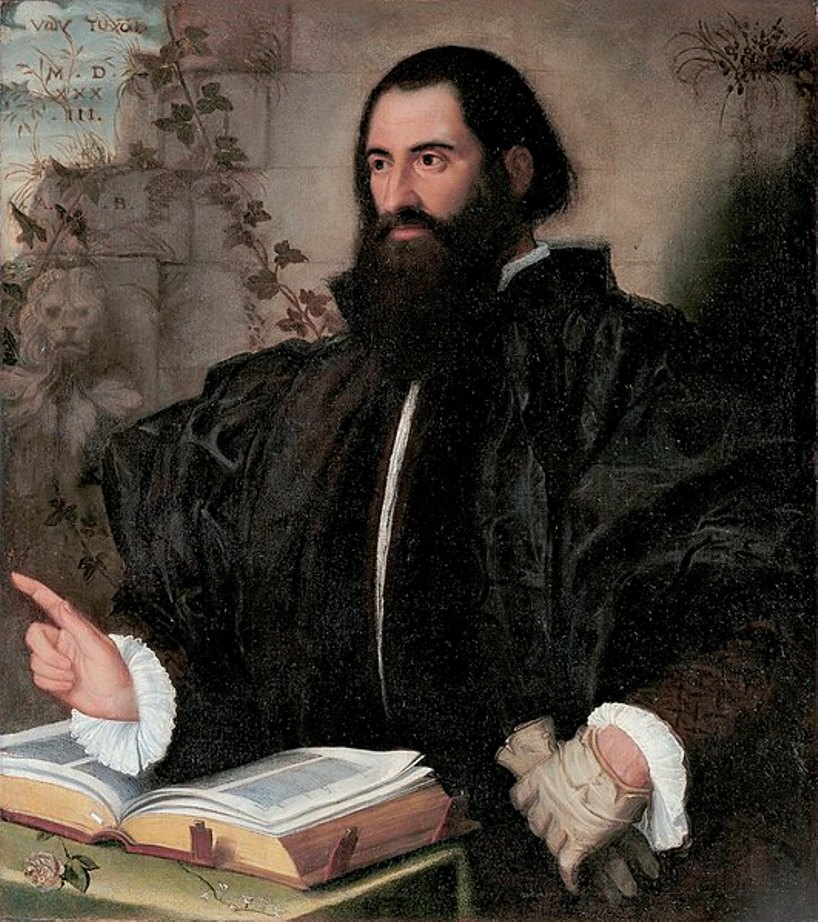
Pietro Andrea Gregorio Mattioli was a 16th-century Italian physician, botanist and pharmacist.
Mattioli studied medicine in Padua and obtained a medical practice first in his hometown. Later, in the 1555-1560s, he served as personal physician to the imperial court of Ferdinand II, Archduke of Austria, and Emperor Maximilian II. This high position allowed him to test the effects of poisonous plants on prisoners for scientific purposes.
Mattioli published several scientific works in which he included many of his own observations on the flora of the Alps, including previously unexplored plants. These works, based on the study of books by predecessor scientists, gave impetus to the development of botany throughout Italy at the time. Mattioli kept up a lively correspondence with other researchers, describing specimens of rare plants received from them. The genus of flowering plants Matthiola is named after Mattioli.


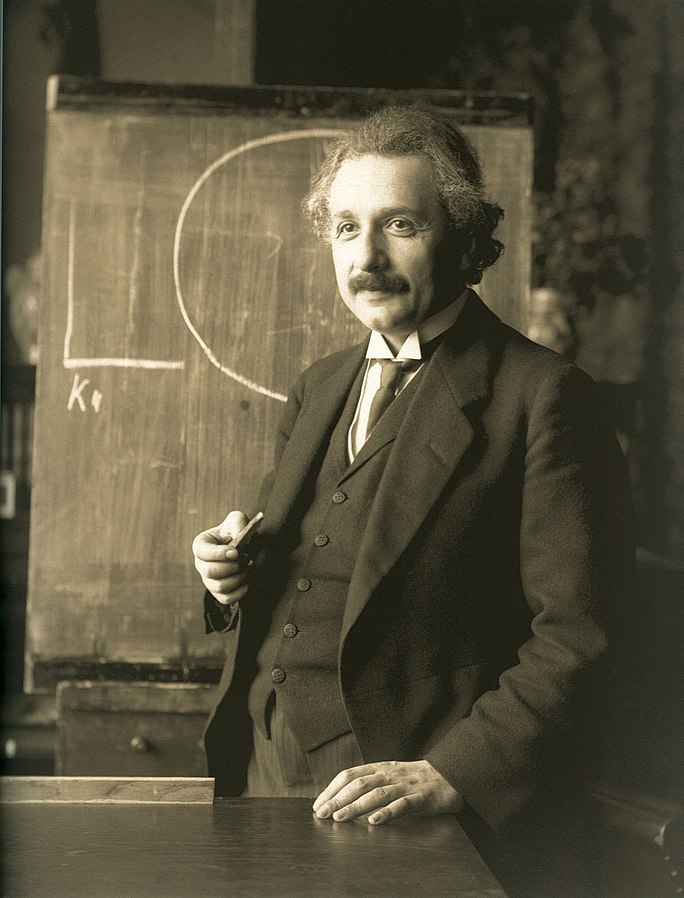
Albert Einstein was a German-born theoretical physicist, widely acknowledged to be one of the greatest and most influential physicists of all time. Einstein is best known for developing the theory of relativity, but he also made important contributions to the development of the theory of quantum mechanics. Relativity and quantum mechanics are together the two pillars of modern physics. His mass–energy equivalence formula E = mc2, which arises from relativity theory, has been dubbed "the world's most famous equation". His work is also known for its influence on the philosophy of science. He received the 1921 Nobel Prize in Physics "for his services to theoretical physics, and especially for his discovery of the law of the photoelectric effect", a pivotal step in the development of quantum theory. His intellectual achievements and originality resulted in "Einstein" becoming synonymous with "genius".










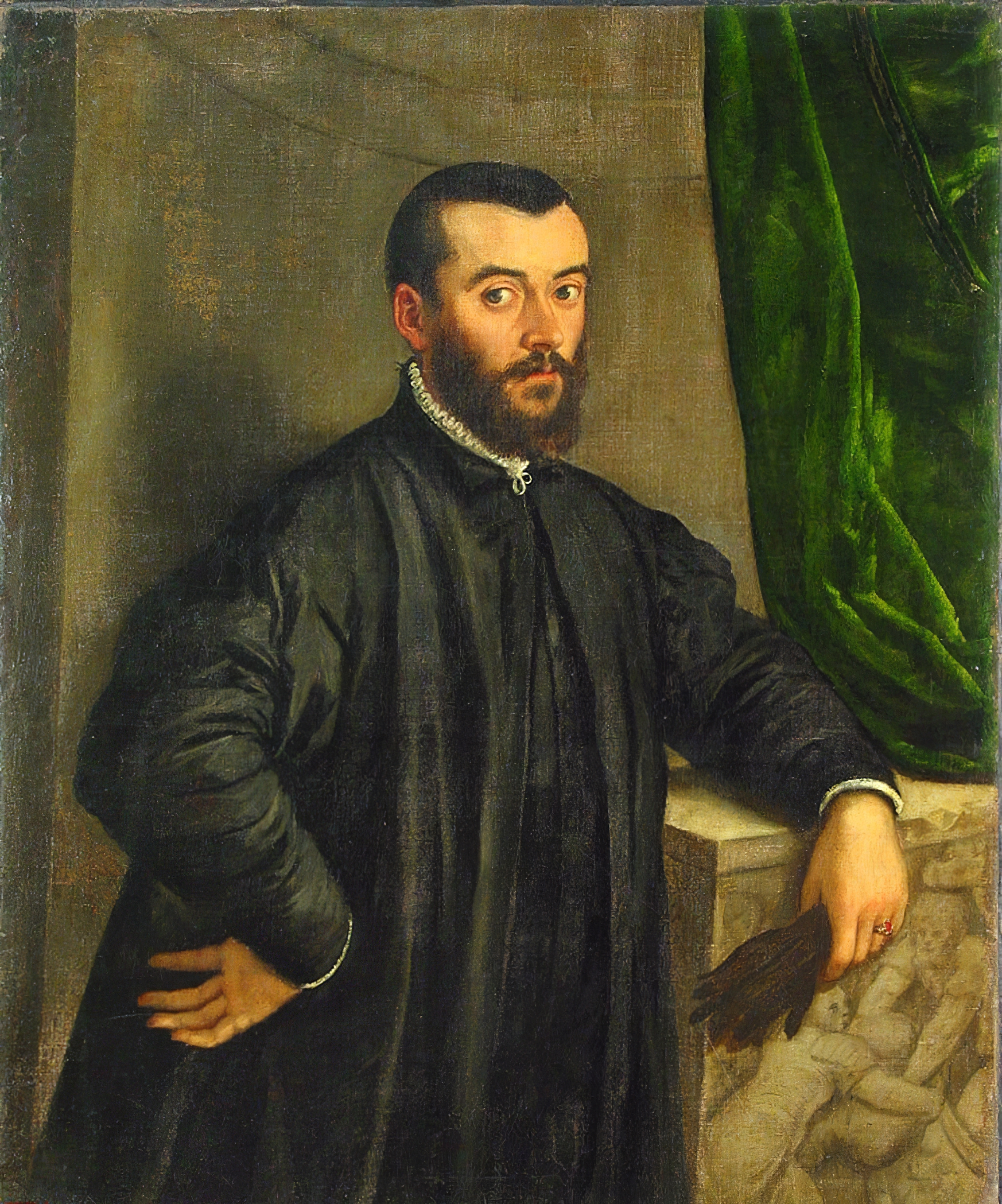
Andreas Vesalius (Dutch: Andries van Wesel) was a Flemish physician, one of the first anatomists of the Renaissance.
Vesalius came from a family of physicians and apothecaries, studied at the Catholic University of Leuven and at the medical school of the University of Paris, where he learned to dissect animals. He also had the opportunity to dissect human cadavers and devoted much time to the study of human bones. He later went to the University of Padua and, after earning his MD degree, was appointed professor of surgery, whose duties included anatomical demonstrations.
Vesalius revolutionized the study of biology and medical practice through his careful description of the anatomy of the human body. Based on observations made by himself, he wrote and illustrated the first complete textbook of anatomy. In 1543 his major work De humani corporis fabrica libri septem ("Seven Books on the Structure of the Human Body"), commonly known as Fabrica, was printed. In this epochal work, Vesalius gave far more extensive and accurate descriptions of the human body than anything that had been done by his predecessors.
In the same year, 1543, the Holy Roman Emperor Charles V appointed him staff physician of his house, and in 1559 Vesalius became physician to the Madrid court of Charles V's son, Philip II.
Vesalius' work made anatomy a scientific discipline with far-reaching implications not only for physiology but for all of biology.