the shapes of love







.jpg)
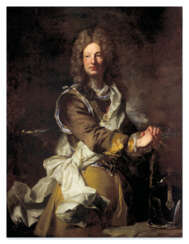
Jacint Rigau-Ros i Serra, known in French as Hyacinthe Rigaud, was a Catalan-French baroque painter most famous for his portraits of Louis XIV and other members of the French nobility.
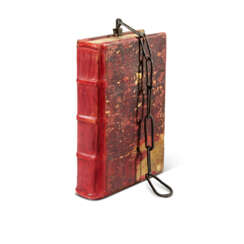








![Daniel Giraud Elliot | A monograph of the bucerotidae, or family of the hornbills. New York, [1876]-1882, fine plates by Keulemans](/assets/image/picture_3530945/0858a/rrsdrxzxxhbxpvqrwotocjaf3ttuqp2mkmdjuujntklnggbkietevtohrlsuahd1698994172jpg__fix_374_244.jpeg)
![Daniel Giraud Elliot | A monograph of the bucerotidae, or family of the hornbills. New York, [1876]-1882, fine plates by Keulemans](https://veryimportantlot.com/assets/image/picture_3530945/0858a/rrsdrxzxxhbxpvqrwotocjaf3ttuqp2mkmdjuujntklnggbkietevtohrlsuahd1698994172jpg__fix_374_244.jpeg)


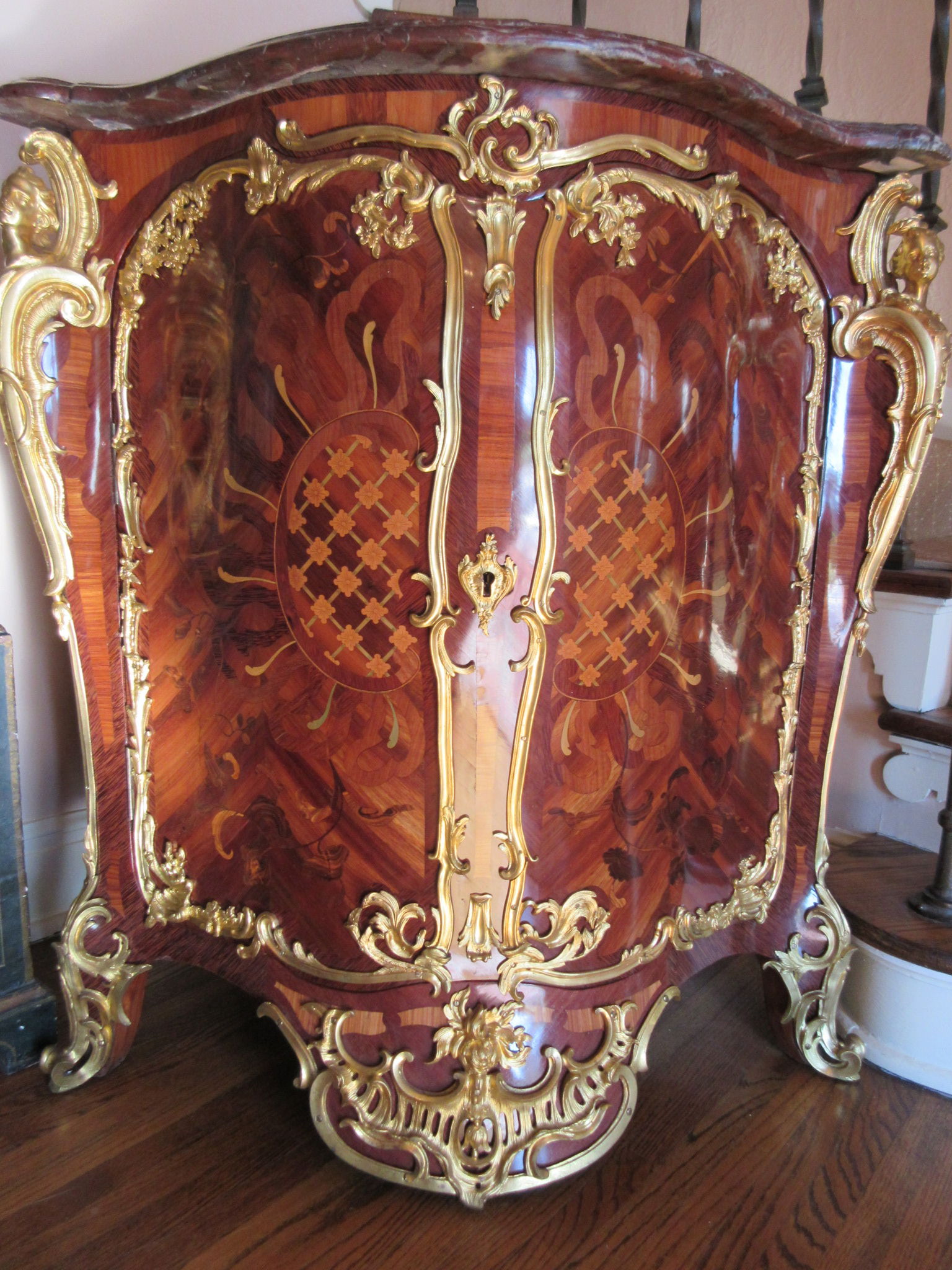
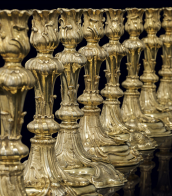
Jean-Pierre Latz was one of the handful of truly outstanding cabinetmakers (ébénistes) working in Paris in the mid-18th century. Like several of his peers in the French capital, he was of German origin. His furniture is in a fully developed rococo style, employing boldly sculptural gilt-bronze mounts complementing marquetry motifs of flowers and leafy sprays, in figured tropical veneers like tulipwood, amarante, purpleheart and rosewood, often featuring the distinctive end-grain cuts.






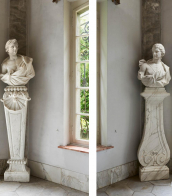
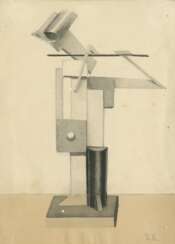

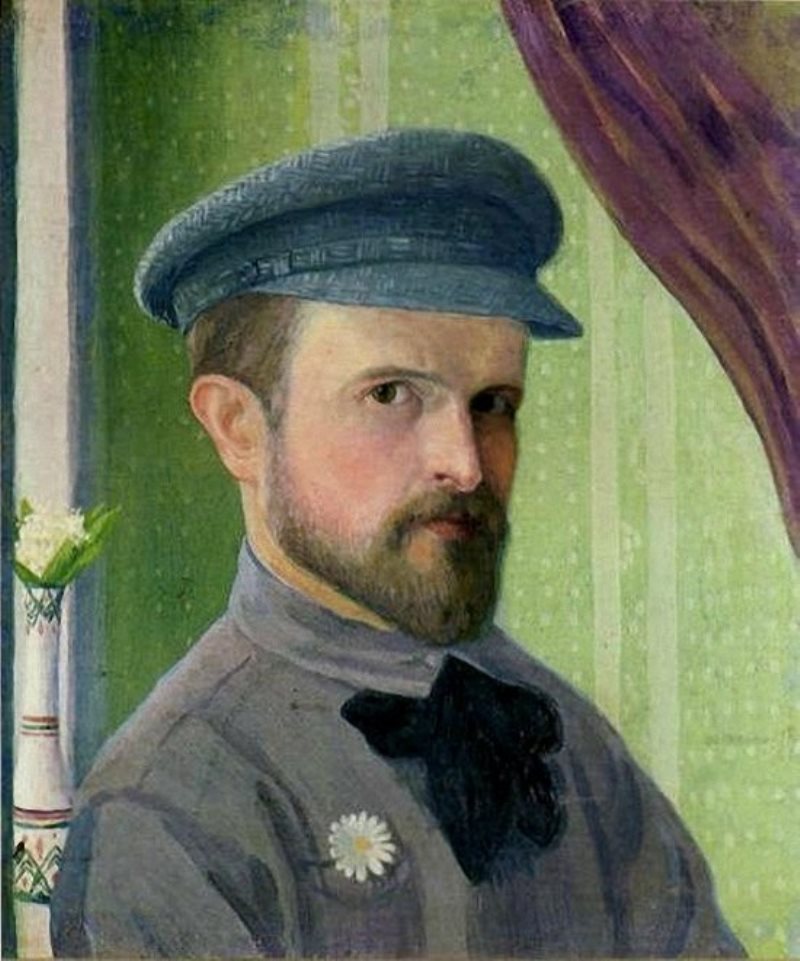
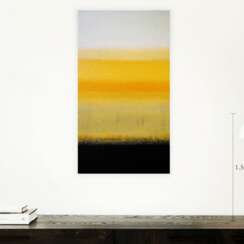
Ivan Vasilievich Kliun (Russian: Иван Васильевич Клюн) was a seminal figure in the Russian Avant-Garde movement, a painter, sculptor, and art theorist associated with Suprematism, a movement that sought to break down art into its basic geometric components. Born in Bolshiye Gorki, Kliun was deeply involved with the avant-garde circles that revolutionized Russian art in the early 20th century. His journey into the art world took him through studies in Kiev, Warsaw, and Moscow, culminating in a long-standing collaboration and friendship with Kazimir Malevich.
Kliun's artistic contributions were vast, ranging from his exploration of color theories to his pioneering Suprematist works that featured geometric shapes against stark backgrounds. Despite the changing tides of political and artistic favor in Soviet Russia, Kliun remained committed to his abstract and purist visions, even when abstraction fell out of favor with the Soviet authorities in the late 1920s.
His works, characterized by a unique integration of light and color to enhance the depth and intensity of the abstract forms, are significant for their experimental approach to Suprematism. Unlike many of his contemporaries who shifted towards Socialist Realism under state pressure, Kliun continued his abstract explorations discreetly. Today, his works are recognized for their innovation and contribution to the avant-garde movement, with pieces displayed in prestigious collections like the Costakis collection and international exhibitions.
For enthusiasts and collectors interested in the avant-garde movement and Kliun's groundbreaking work, staying updated on exhibitions and sales of his art is essential. Sign up for updates to stay informed about new product sales and auction events related to Ivan Vasilievich Kliun and explore the depths of Russian Avant-Garde art.







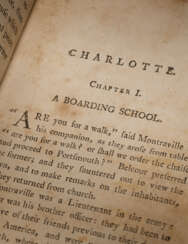

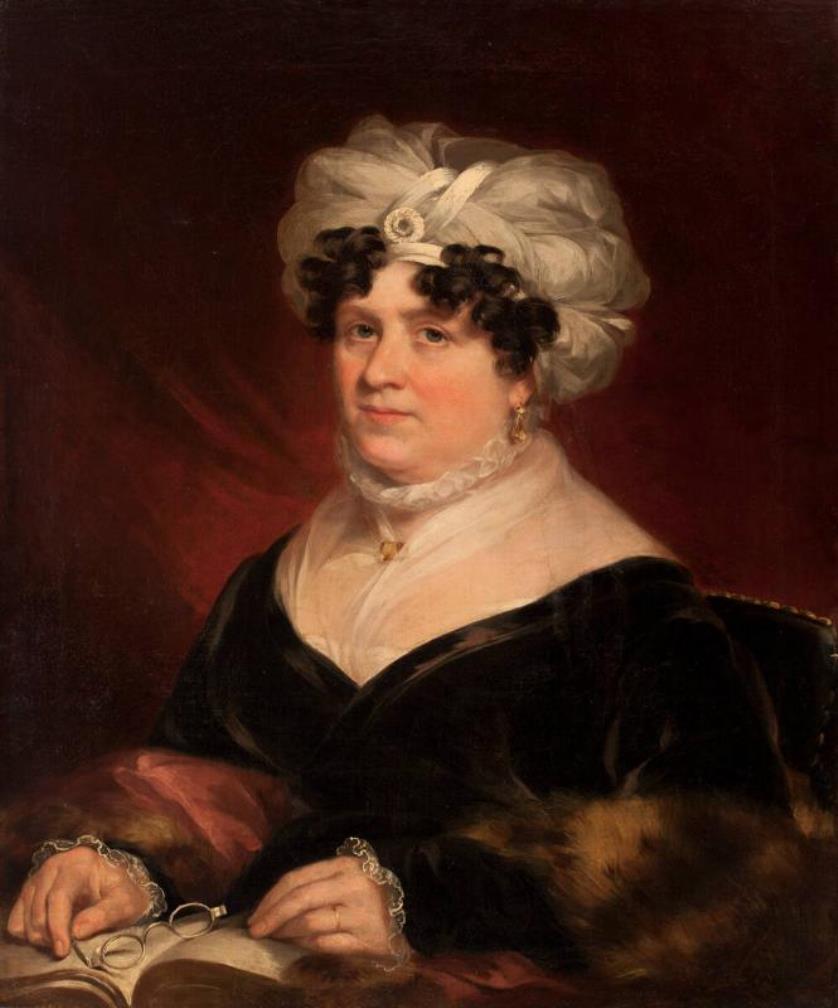
Susanna Rowson, née Haswell, was an American writer and poet, playwright, actress, and educator.
Susanna Haswell was the daughter of an officer in the Royal Navy. She published her first novel, Victoria, in 1786 and soon married businessman William Rowson. Susanna's greatest success was her first American bestseller, the novel Charlotte, A Tale of Truth (1791, in later editions under the title Charlotte Temple). This novel, a conventional sentimental story of seduction and remorse, was immensely popular and went through more than 200 editions.
In 1792 she became an actress and performed with her bankrupt husband in Scotland, as well as in Philadelphia, Baltimore, and Boston. In 1797, after retiring from the stage, Susanna opened the first "female academy" in Boston. Susanna Rowson also wrote many plays and musicals, and in doing so, helped to develop the performing arts in the United States. Later, she also edited the Boston Weekly Magazine, wrote geography and spelling textbooks, and moralizing manuals.








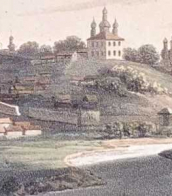
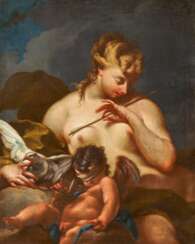

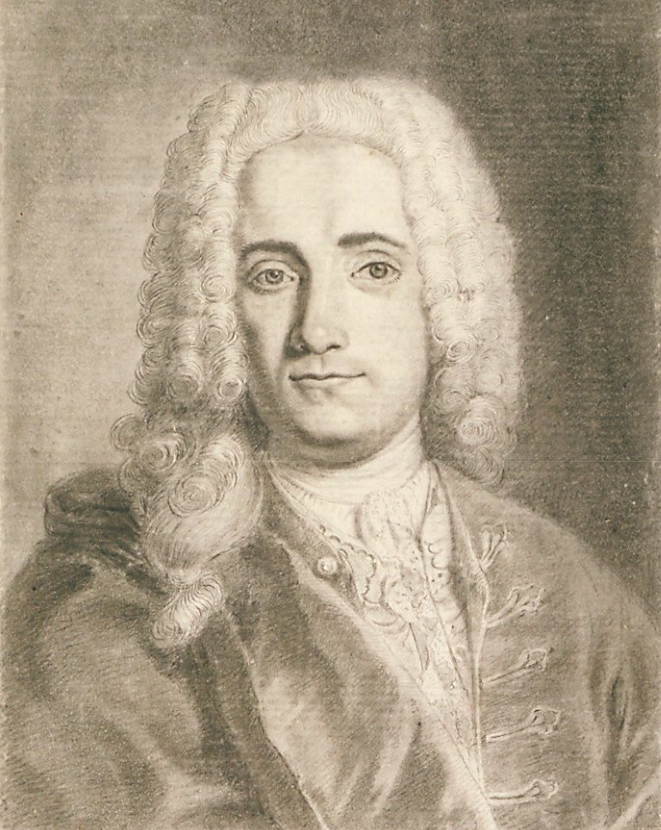
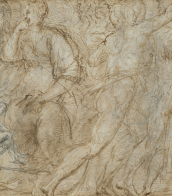
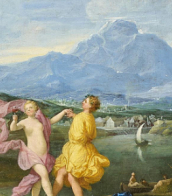
Giambattista Pittoni, an illustrious Venetian painter from the 18th century, was renowned for his religious, historical, and mythological artworks. His style, once established, remained consistent throughout his career, characterized by fluency and expressive theatricality, making his paintings timeless within the Venetian art scene. Despite being less traveled compared to his contemporaries, Pittoni received numerous international commissions, particularly from Germany, reflecting his widespread acclaim.
Giambattista Pittoni's works include altarpieces for various churches across Italy and notable commissions from European royalty and aristocracy. His patrons included Augustus II of Poland, Clemens August of Bavaria, and Philip V of Spain, showcasing his significant influence beyond Italian borders. His artistic journey was influenced by early interactions with Venetian painters like Sebastiano Ricci and later by the Rococo style, evident in his sophisticated and elegant use of color.
Giambattista Pittoni's legacy is evident in various collections, including the National Gallery, London, and the Gallerie dell'Accademia in Venice, which houses a collection of his preparatory studies. As a founding member and later president of the Venice Academy, his contributions to the art world were substantial, leaving an enduring impact on the Venetian art scene and beyond.
For those interested in delving deeper into the world of Venetian art and exploring Giambattista Pittoni's exquisite works, consider signing up for updates on exhibitions, sales, and auctions featuring his art. This will provide enthusiasts and collectors with the latest information and opportunities to engage with Pittoni's enduring artistic legacy.