ucla aud

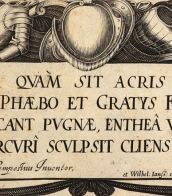
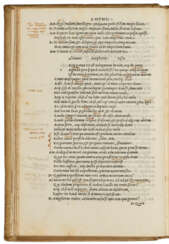

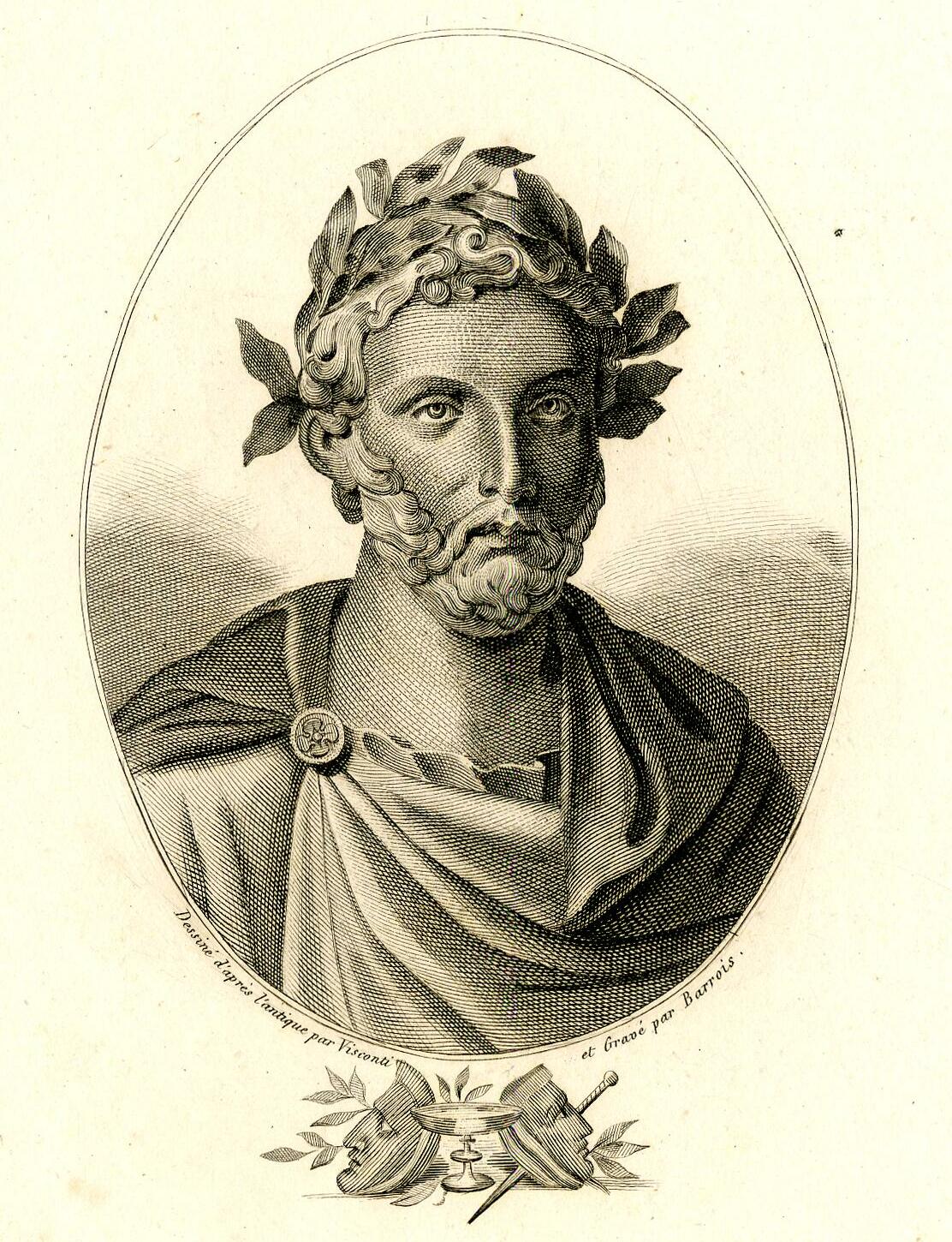
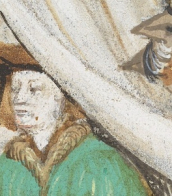
Titus Maccius Plautus, more commonly simply Plautus, was an ancient Roman playwright and comedian.
Little is known about his life, but it is believed that as a young man he worked as a stage master, stage designer, and possibly an actor. In time, Plautus went into the merchant business and, as far as is known, worked in a mill after the collapse of his enterprise. In his spare time he studied Greek dramaturgy, and by the age of forty had finally achieved success as a playwright whose comedies were the most popular dramatic works of their time.
Plautus's plays were largely borrowed from Greek works belonging to the New Comedy style. They were essentially social comedies of manners, which usually told of the domestic life of the middle and upper classes. But they also featured and played a significant role in them obliging slaves, and often young lovers, a strict father, a pimp, military men, etc. Plautus talentedly adapted Greek works for the Roman audience. Instead of exquisite Greek, Plautus deliberately used simple Latin, even street language, which was understandable to the lower classes that made up the bulk of his audience. The playwright had an excellent mastery of the art of theater and knew exactly what to include and what to change in the play to entertain the audience and at the same time not to hurt the tastes and ambitions of the upper classes.
Titus Maccius Plautus is one of the greatest playwrights of ancient Rome and was even granted Roman citizenship as a reward. Of his 130 plays have reached our time only twenty. Many great playwrights of the following centuries, including Shakespeare, based their comedies on Plautus' plots.

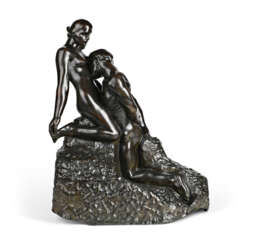

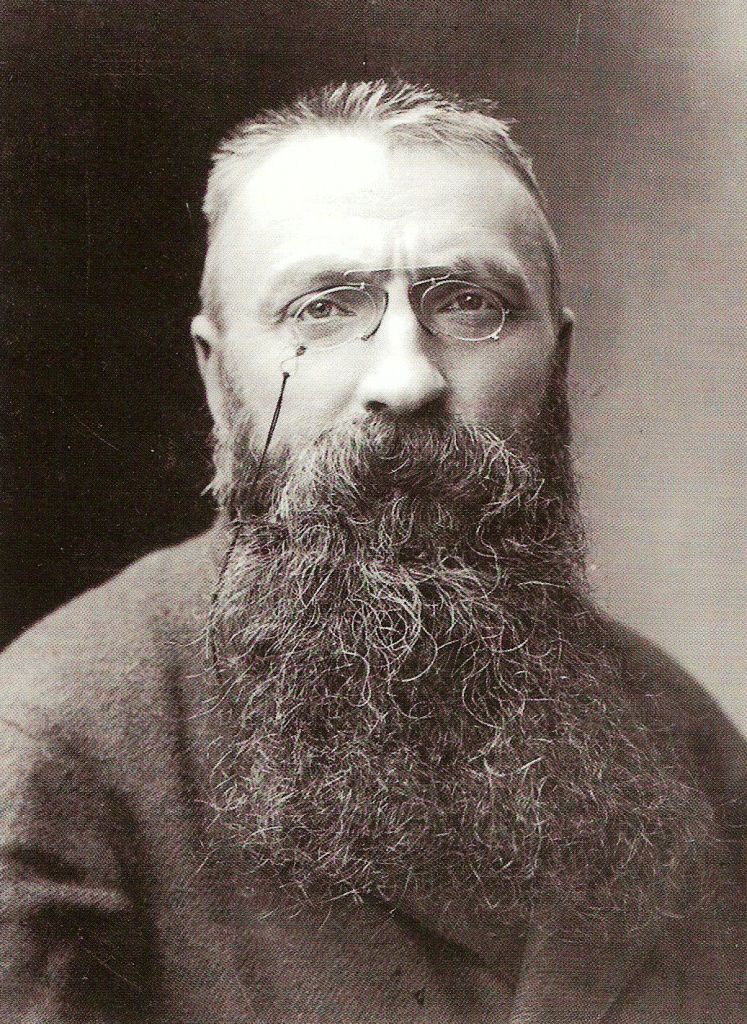
François Auguste René Rodin was a French sculptor, generally considered the founder of modern sculpture. He was schooled traditionally and took a craftsman-like approach to his work. Rodin possessed a unique ability to model a complex, turbulent, and deeply pocketed surface in clay. He is known for such sculptures as The Thinker, Monument to Balzac, The Kiss, The Burghers of Calais, and The Gates of Hell.
Many of Rodin's most notable sculptures were criticized, as they clashed with predominant figurative sculpture traditions in which works were decorative, formulaic, or highly thematic. Rodin's most original work departed from traditional themes of mythology and allegory. He modeled the human body with naturalism, and his sculptures celebrate individual character and physicality. Although Rodin was sensitive to the controversy surrounding his work, he refused to change his style, and his continued output brought increasing favor from the government and the artistic community.


.jpg)
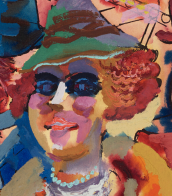
Maurice de Vlaminck was a French artist renowned for his vibrant use of color and contribution to the Fauvist movement. Born in Paris in 1876, Vlaminck's early work was marked by a passionate application of paint and a bold palette, drawing inspiration from Vincent van Gogh and Henri Matisse. His participation in the 1905 Salon d'Automne, alongside other Fauvist painters, was met with critical disdain, leading to the term "fauves" (wild beasts) being coined to describe their unorthodox use of intense color.
Vlaminck's career was characterized by a continuous exploration of color and form. Early on, he depicted scenes of daily life, landscapes, and portraits, imbuing them with a sense of motion through his dynamic brushwork. Notable works from this period include "Sur le zinc" (At the Bar) and "L'homme a la pipe" (Man Smoking a Pipe), which highlighted his departure from traditional portraiture and landscapes towards more expressive and mood-driven compositions. His landscapes, in particular, showcased a disregard for detail in favor of conveying atmosphere, a technique that was revolutionary at the time.
Throughout his life, Vlaminck's style evolved, showing influences from Post-Impressionism and later, a more monochromatic palette reminiscent of Paul Cézanne. Despite this evolution, he maintained a critical stance towards Cubism and its leading figure, Pablo Picasso, believing that Cubism had led French painting into a "wretched dead end". In his later years, Vlaminck's work adopted a darker palette and more naturalistic style, moving away from the Fauvist emphasis on color to explore the dramatic and expressive potential of landscapes and seascapes.
Vlaminck's impact on modern art is undeniable. His works are held in prestigious collections worldwide, including the Hermitage Museum in Saint Petersburg and the Minneapolis Institute of Art, attesting to his enduring influence and the continued fascination with his bold, expressive approach to painting.
For collectors and experts in art and antiques, Vlaminck's oeuvre represents a pivotal moment in the history of modern art, where the emotional intensity and visual impact of color were explored as never before. To stay informed on new product sales and auction events related to Maurice de Vlaminck, signing up for updates is recommended, offering exclusive insights into the vibrant world of Fauvism and modernist painting.
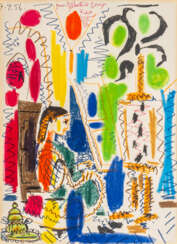

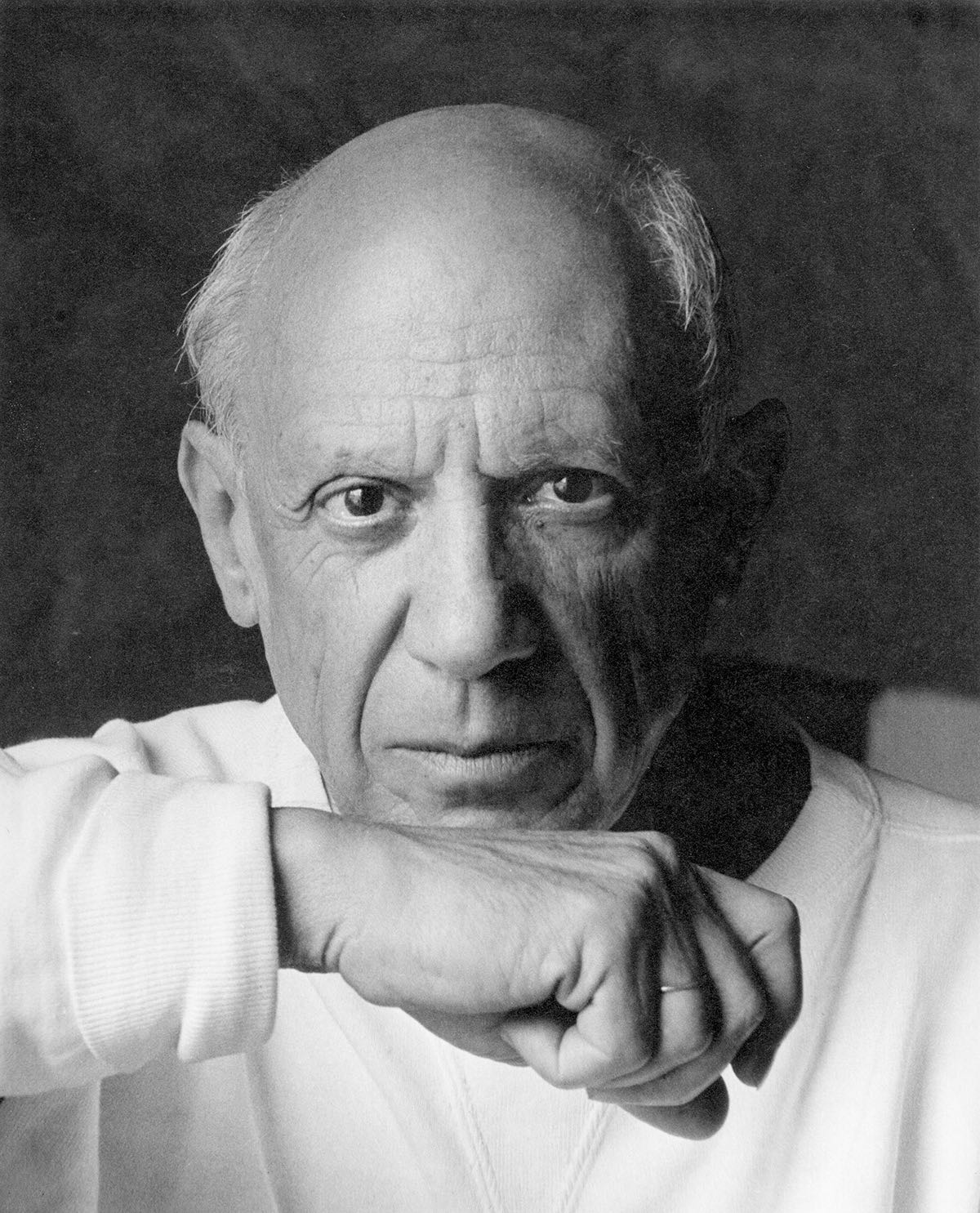
Pablo Ruiz Picasso, a Spanish artist renowned for his revolutionary contributions to the 20th-century art scene, is a figure that resonates profoundly with collectors and art experts. His unique blend of talents in painting, sculpture, printmaking, and ceramic art, infused with his time in France, positioned him as a pivotal character in modern art history.
Picasso's artistic journey was marked by distinct periods, each showcasing his evolving style and genius. His early years were characterized by the Blue Period (1901-1904), followed by the Rose Period (1904-1906), and then the African-influenced Period (1907-1909). Picasso's name is synonymous with Cubism, a movement he co-founded, which significantly altered artistic perspectives and methods. Works like "Les Demoiselles d'Avignon" (1907) and "Guernica" (1937) are emblematic of his cubist legacy, the latter being a poignant anti-war statement that remains influential.
His later years saw a return to more traditional styles, with neoclassical and surrealist influences becoming evident. Works from these phases reflect a deep engagement with mythological themes, as seen in "Faun with Stars" (1955), symbolizing his late-life romance with Jacqueline Roque, his second wife.
Picasso's prolific output and innovative spirit made him a legend in his own time, a status that only grew after his death. His works, housed in major museums and private collections worldwide, continue to captivate and inspire.
As a collector or expert in art and antiques, staying informed about Picasso's works, their auction events, and sales is essential. To stay updated on the latest developments and opportunities related to Pablo Picasso, sign up for our specialized updates. Rest assured, this subscription will focus solely on new product sales and auction events pertaining to Picasso's art, ensuring that you receive only the most relevant and valuable information.