universal class


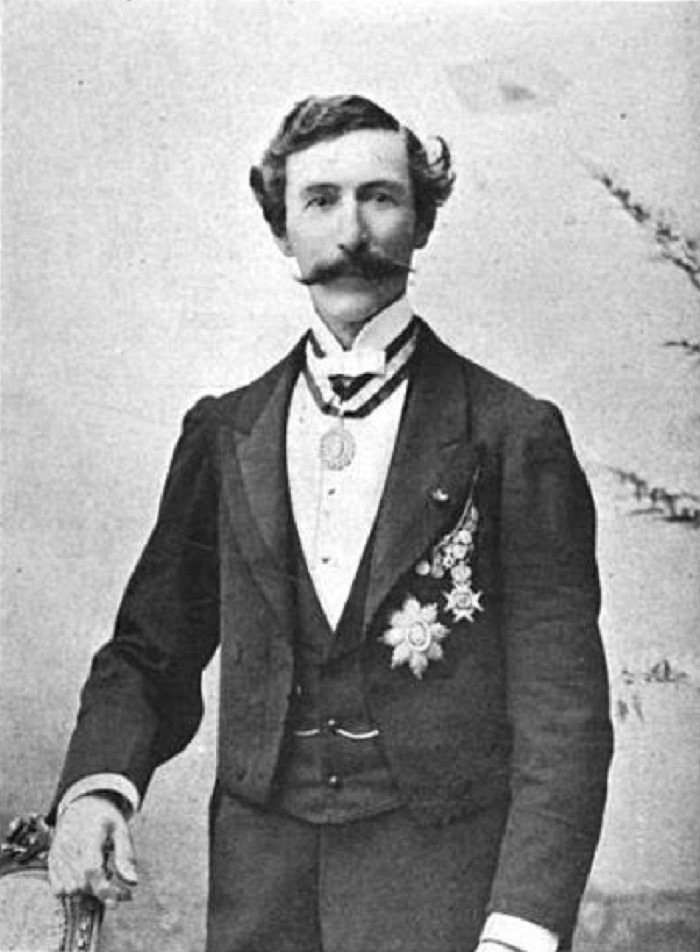
Gilbert Munger was a late 19th-century American landscape painter whose romantic yet topographically accurate landscapes helped to introduce the newly opened West to the American public.
Munger's work is in the collections of numerous regional American museums as well as museums in Paris, Berlin, Munich, and Weimar. The largest collection is at the Tweed Museum of Art, University of Minnesota Duluth. His artwork is also featured in the Utah Museum of Fine Arts collection.
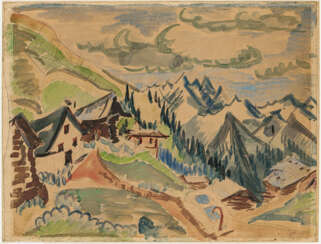

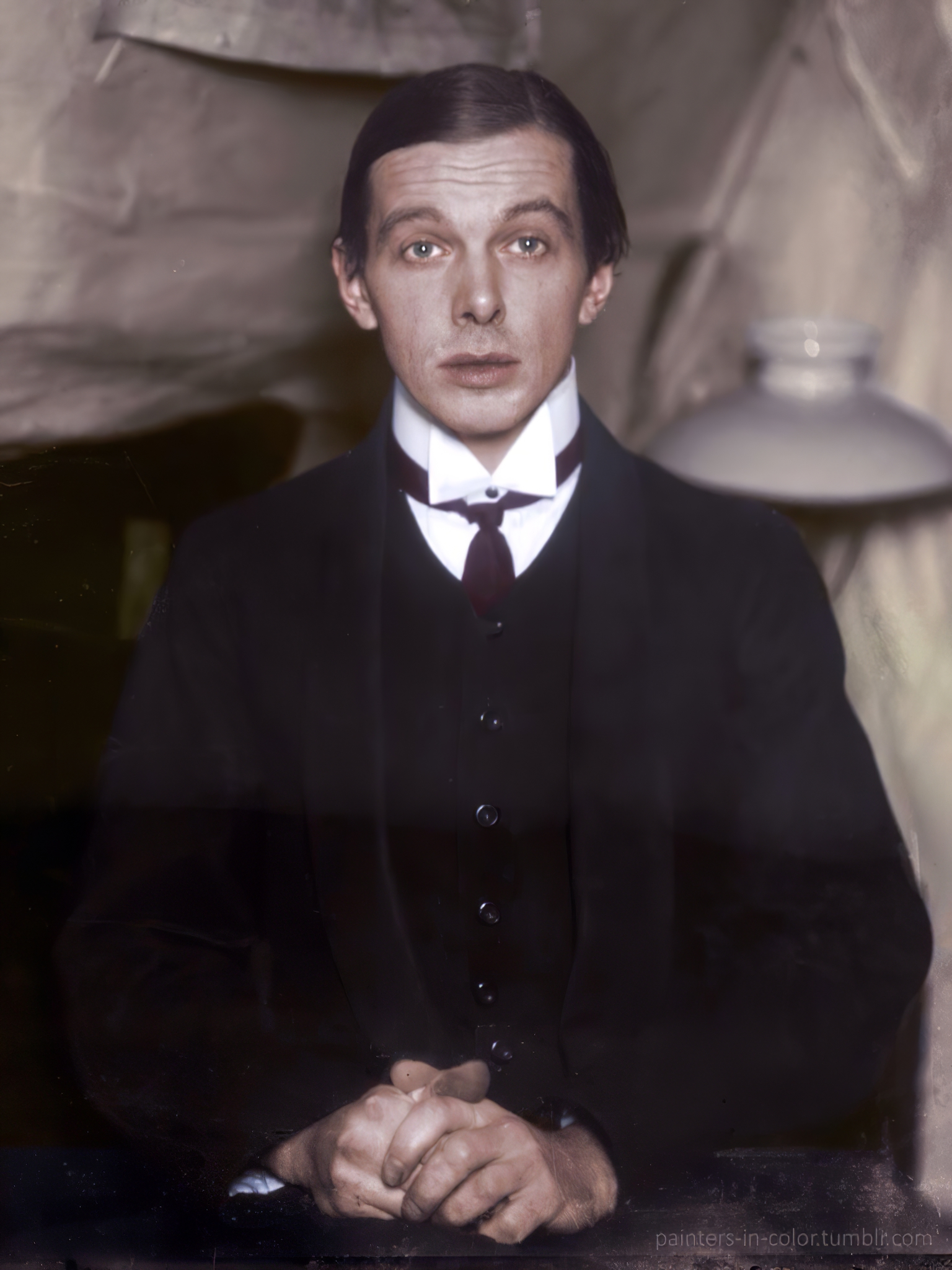
Ernst Ludwig Kirchner was a pivotal figure in the art world, known for his profound impact on 20th-century Expressionism. Born in Bavaria, Germany, on May 6, 1880, Kirchner's journey into art began with architecture studies before he found his true calling in painting and printmaking. In 1905, alongside fellow architecture students, he co-founded Die Brücke ("The Bridge"), a group that sought to revolutionize art by bridging the gap between traditional academic styles and modern artistic expression. This group was instrumental in the development of Expressionism, advocating for intense emotion conveyed through vivid colors and bold lines.
Kirchner's work, characterized by its expressive intensity and often exploring themes of urban life and the human psyche, reflects a deep engagement with the cultural and social upheavals of his time. Notably, his experiences during World War I, including a mental breakdown and subsequent discharge from military service, deeply influenced his art. Works like "Self-Portrait as a Soldier" (1915) poignantly encapsulate the personal and societal trauma of the era.
After the war, Kirchner sought solace in Davos, Switzerland, where the tranquil landscapes inspired a new direction in his work, showcasing a more serene and reflective approach. Despite his contributions to modern art, Kirchner's later years were marred by the Nazi regime's denunciation of his work as "degenerate," leading to the destruction and dispersal of many pieces. Tragically, this persecution contributed to his decision to end his life on June 15, 1938.
Kirchner's legacy is preserved through his influential body of work, from vivid urban scenes to tranquil landscapes, all marked by a distinctive, expressive style that continues to captivate art collectors and experts. His works are held in major museums worldwide, including the Museum of Modern Art in New York and the National Gallery of Art in Washington, underscoring his enduring influence on the art world.
For those interested in the profound impact of Ernst Ludwig Kirchner on modern art and Expressionism, subscribing to updates on new product sales and auction events related to his work can provide valuable insights. This subscription is an opportunity for collectors and art experts to stay informed about the availability of Kirchner's influential pieces and related events.
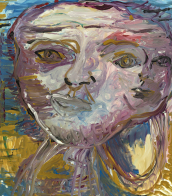
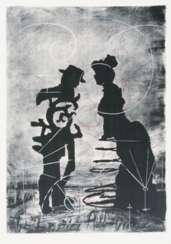

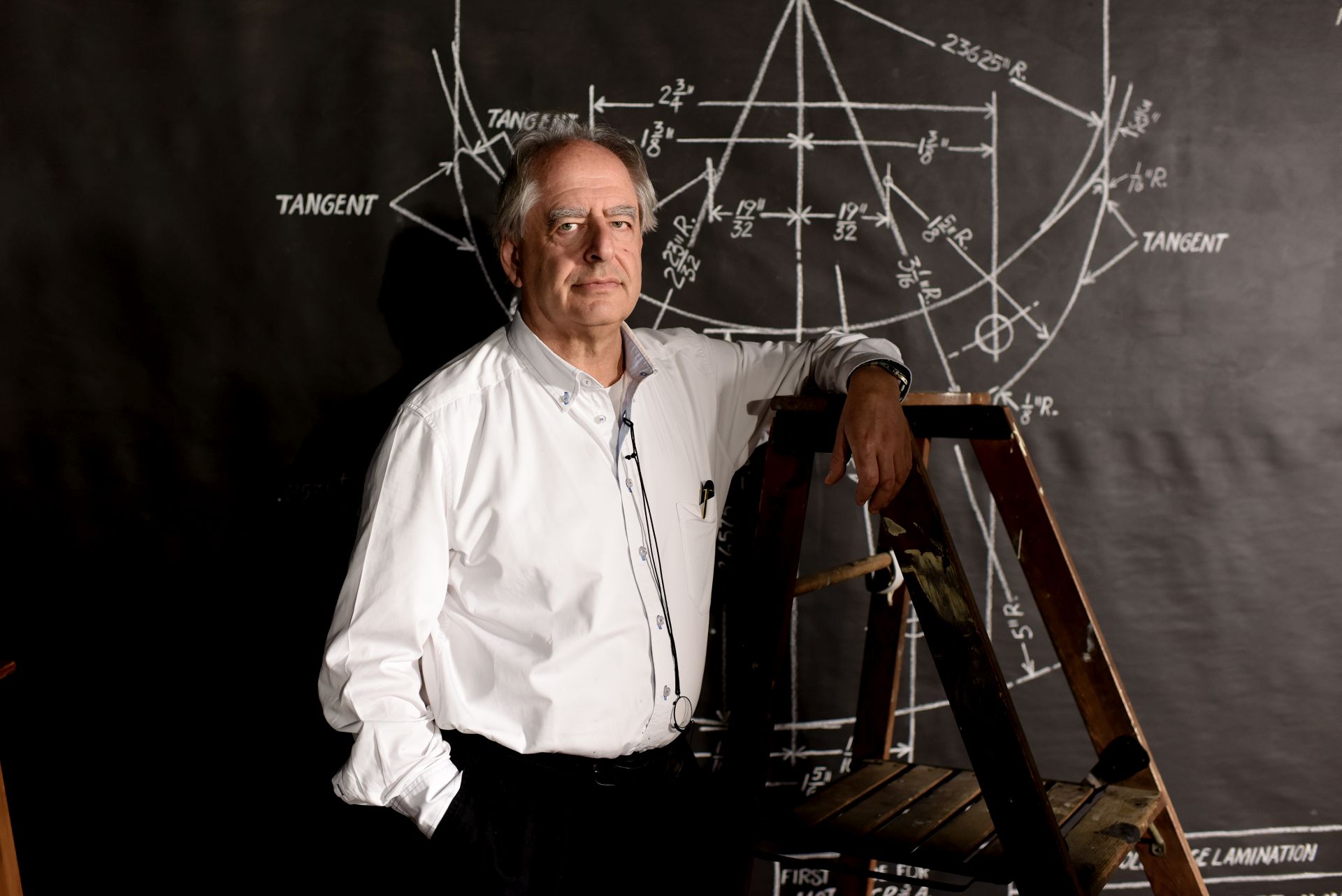
William Kentridge is a South African artist best known for his prints, drawings, and animated films, especially noted for a sequence of hand-drawn animated films he produced during the 1990s. The latter are constructed by filming a drawing, making erasures and changes, and filming it again. He continues this process meticulously, giving each change to the drawing a quarter of a second to two seconds' screen time. A single drawing will be altered and filmed this way until the end of a scene. These palimpsest-like drawings are later displayed along with the films as finished pieces of art.
Kentridge has created art work as part of design of theatrical productions, both plays and operas. He has served as art director and overall director of numerous productions, collaborating with other artists, puppeteers and others in creating productions that combine drawings and multi-media combinations.
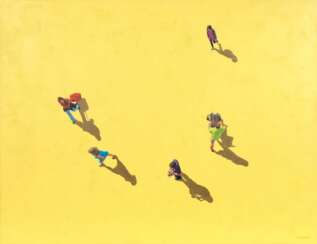

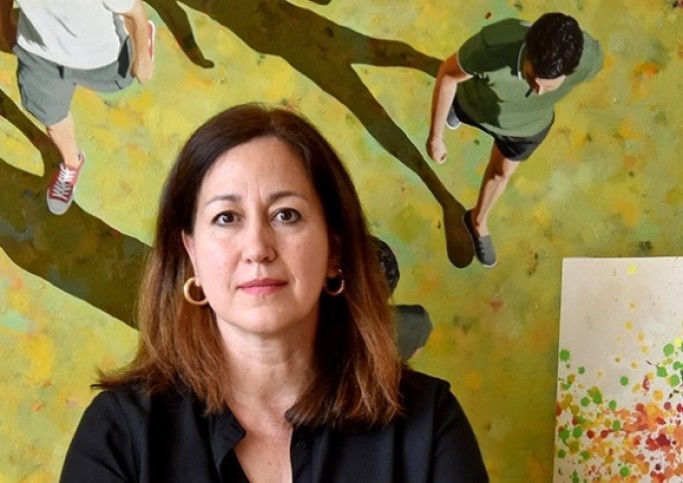
Eva Navarro is a Spanish painter living in Madrid, Spain. She has a bachelor's degree in Fine Arts from the Universidad Complutense de Madrid. Her work is considered part of the Spanish New Figurative Art Movement. She mostly exhibits her work in Europe and the United States.
Navarro's work has been described as "vivacious, uncomplicated and energetic, as well as being full of extraordinary colour". Basic elements such as movement, space, action and time, all expressed through the human figure, are reflected in her work.
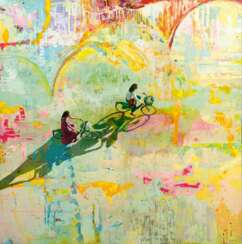

Eva Navarro is a Spanish painter living in Madrid, Spain. She has a bachelor's degree in Fine Arts from the Universidad Complutense de Madrid. Her work is considered part of the Spanish New Figurative Art Movement. She mostly exhibits her work in Europe and the United States.
Navarro's work has been described as "vivacious, uncomplicated and energetic, as well as being full of extraordinary colour". Basic elements such as movement, space, action and time, all expressed through the human figure, are reflected in her work.
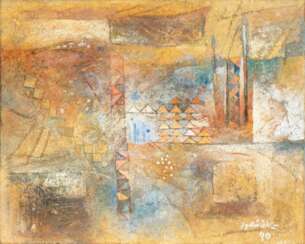

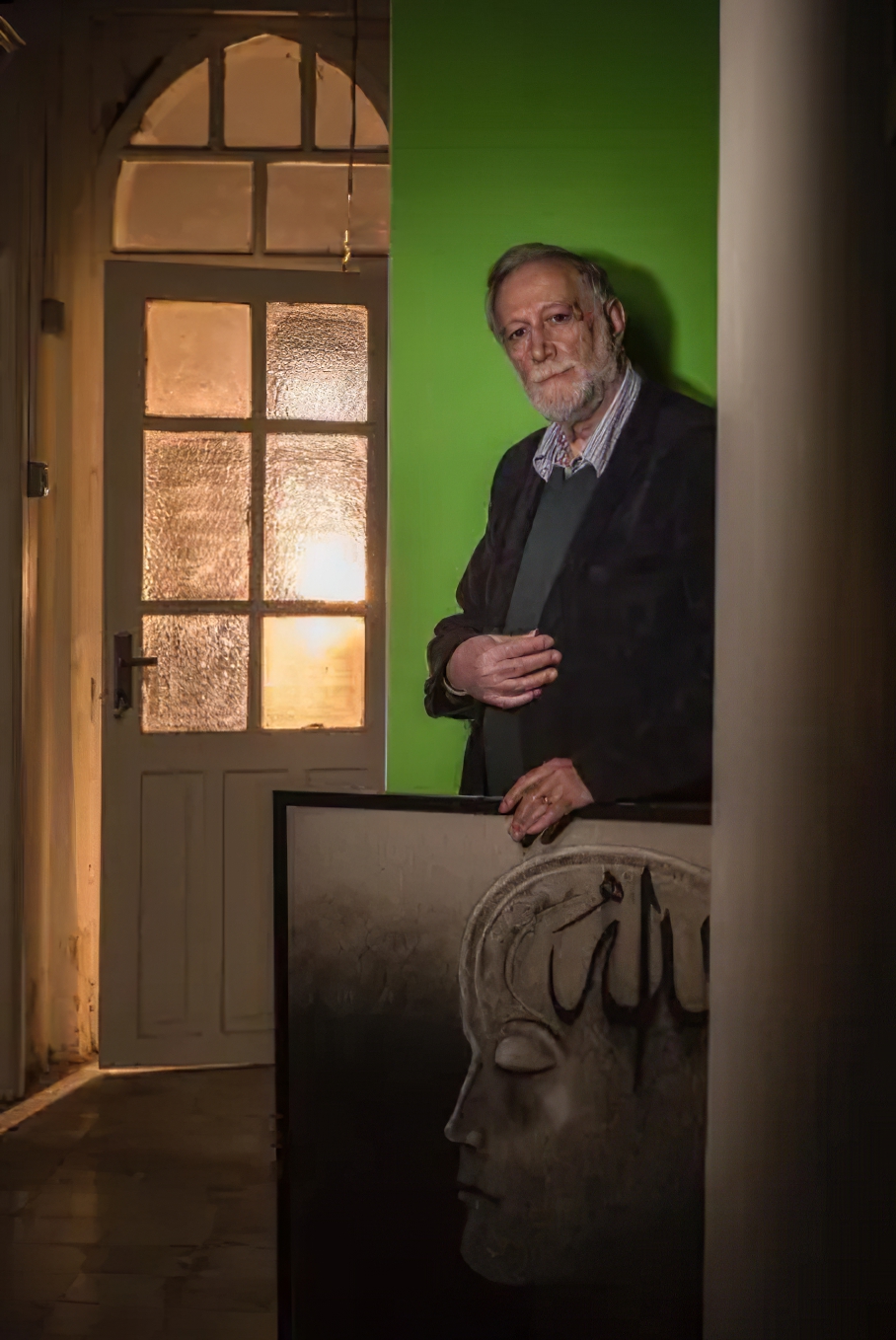
Sliman Mansour (also Suleiman or Suliman, Arabic: سليمان منصور), is a Palestinian painter, considered an important figure among contemporary Palestinian artists. Mansour is considered an artist of the intifada whose work gave visual expression to the cultural concept of sumud. Palestinian artist and scholar Samia Halaby has identified Mansour as part of the Liberation Art Movement and cites his important work as an artist and cultural practitioner before and after the Intifada.
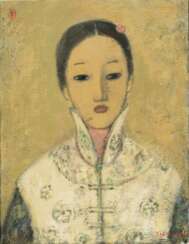

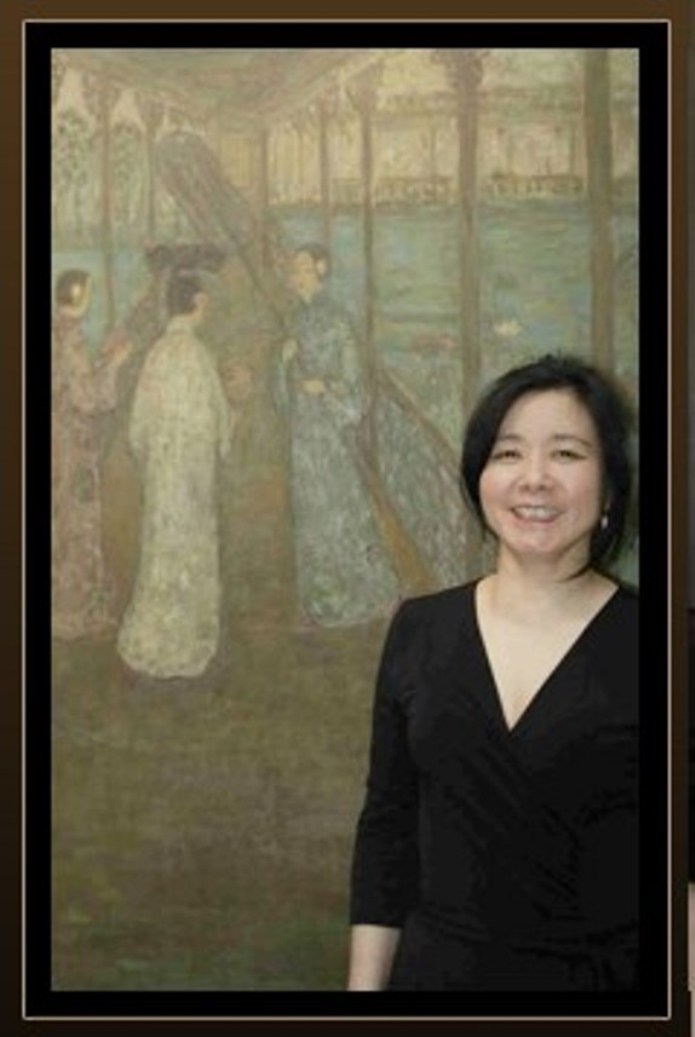


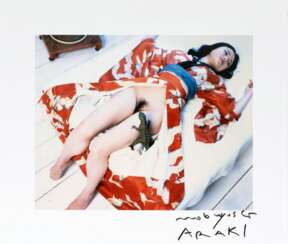

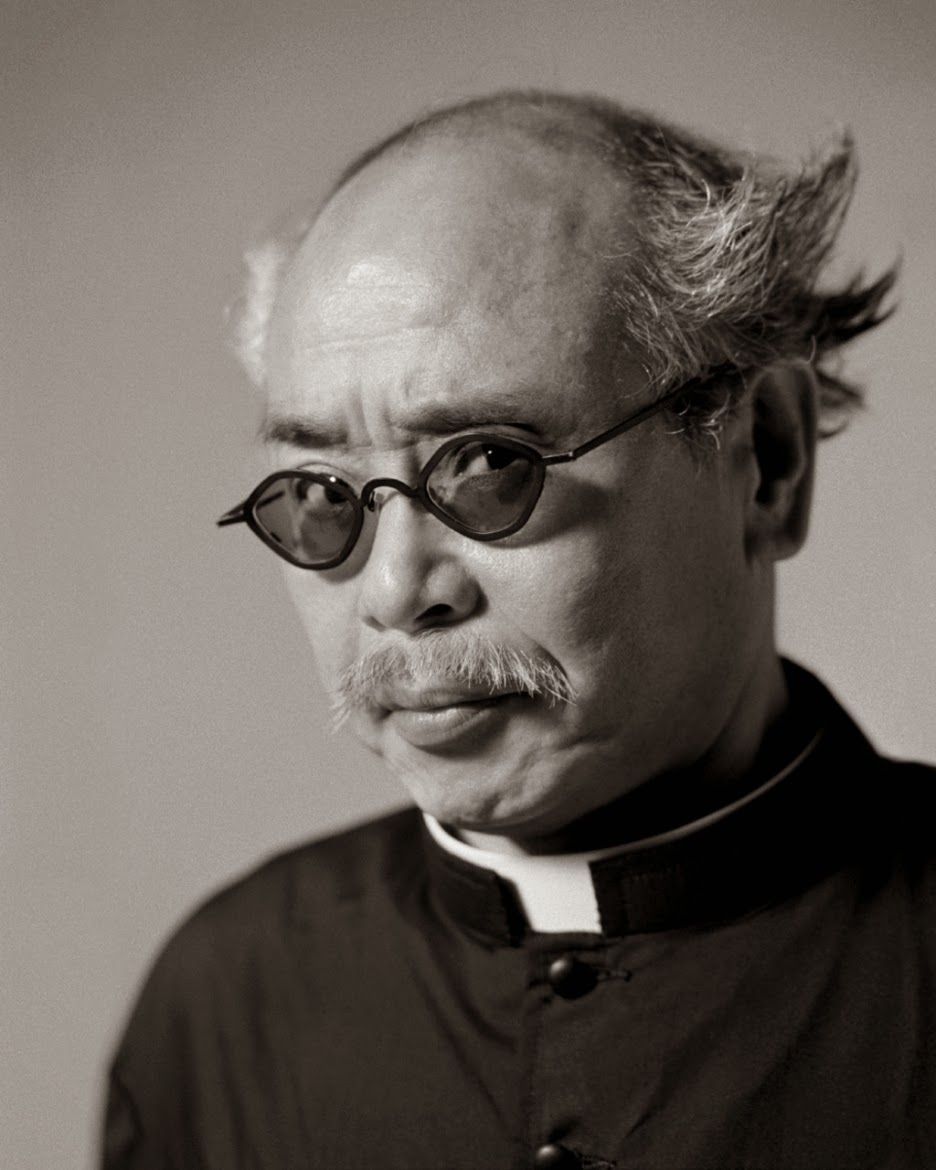
Nobuyoshi Araki is a Japanese photographer and contemporary artist professionally known by the mononym Arākī. Known primarily for photography that blends eroticism and bondage in a fine art context, he has published over 500 books.


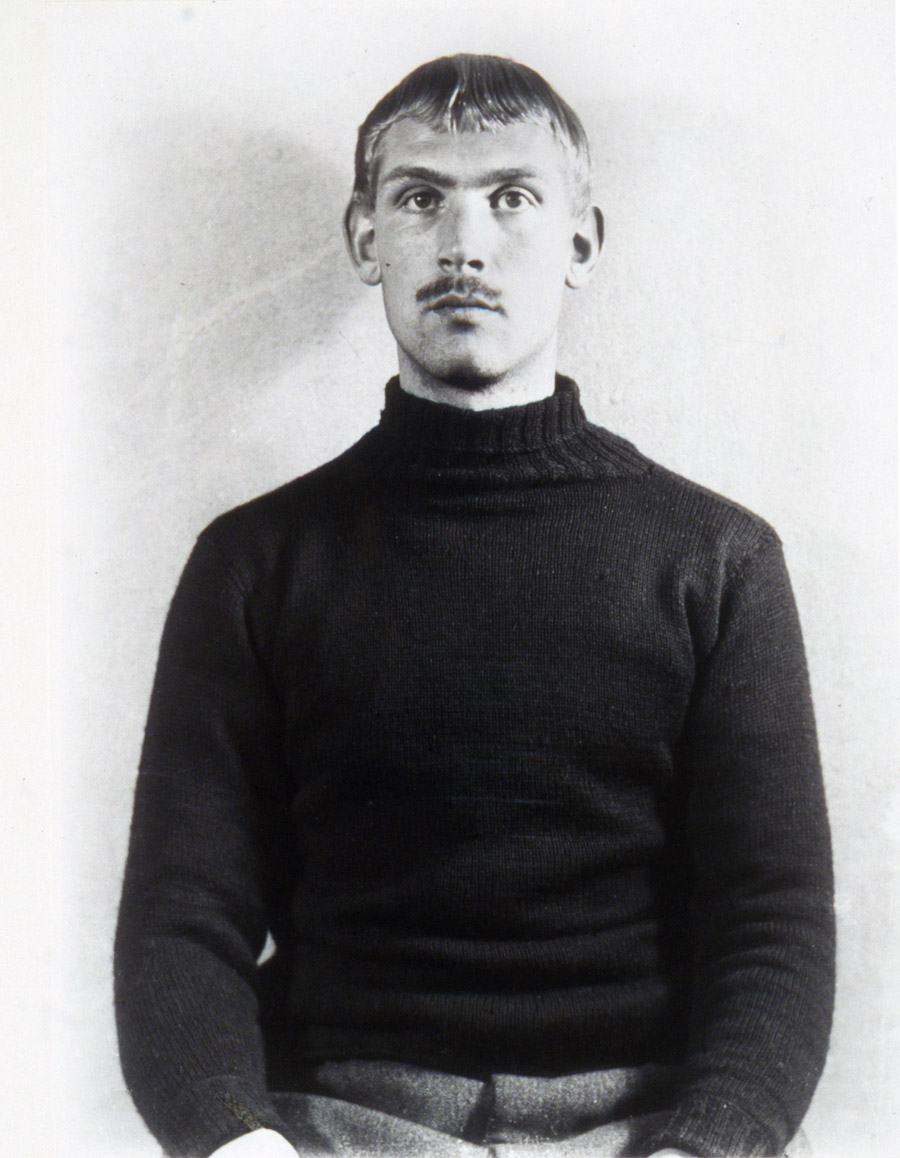
Kurt Kranz was a German artist of the Bauhaus school, graphic artist and university professor.
Kranz studied as a lithographer, then at the Bauhaus Dessau, taking courses with Paul Klee and Wassily Kandinsky. In 1950 he accepted a position at the Hamburg University of Fine Arts and remained there until 1972. He visited America and Japan as a guest lecturer, including Harvard University in Cambridge, USA.
Kurt Kranz remained faithful to the ideas of the Bauhaus throughout his life, was able to experiment freely and boldly with photography and photomontage, used a variety of photographic techniques and created some of the most striking series of abstract images to emerge from the Bauhaus.
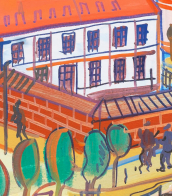


Eva Navarro is a Spanish painter living in Madrid, Spain. She has a bachelor's degree in Fine Arts from the Universidad Complutense de Madrid. Her work is considered part of the Spanish New Figurative Art Movement. She mostly exhibits her work in Europe and the United States.
Navarro's work has been described as "vivacious, uncomplicated and energetic, as well as being full of extraordinary colour". Basic elements such as movement, space, action and time, all expressed through the human figure, are reflected in her work.
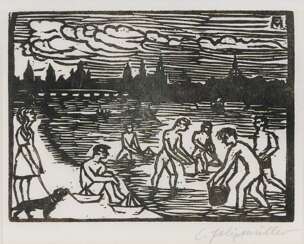

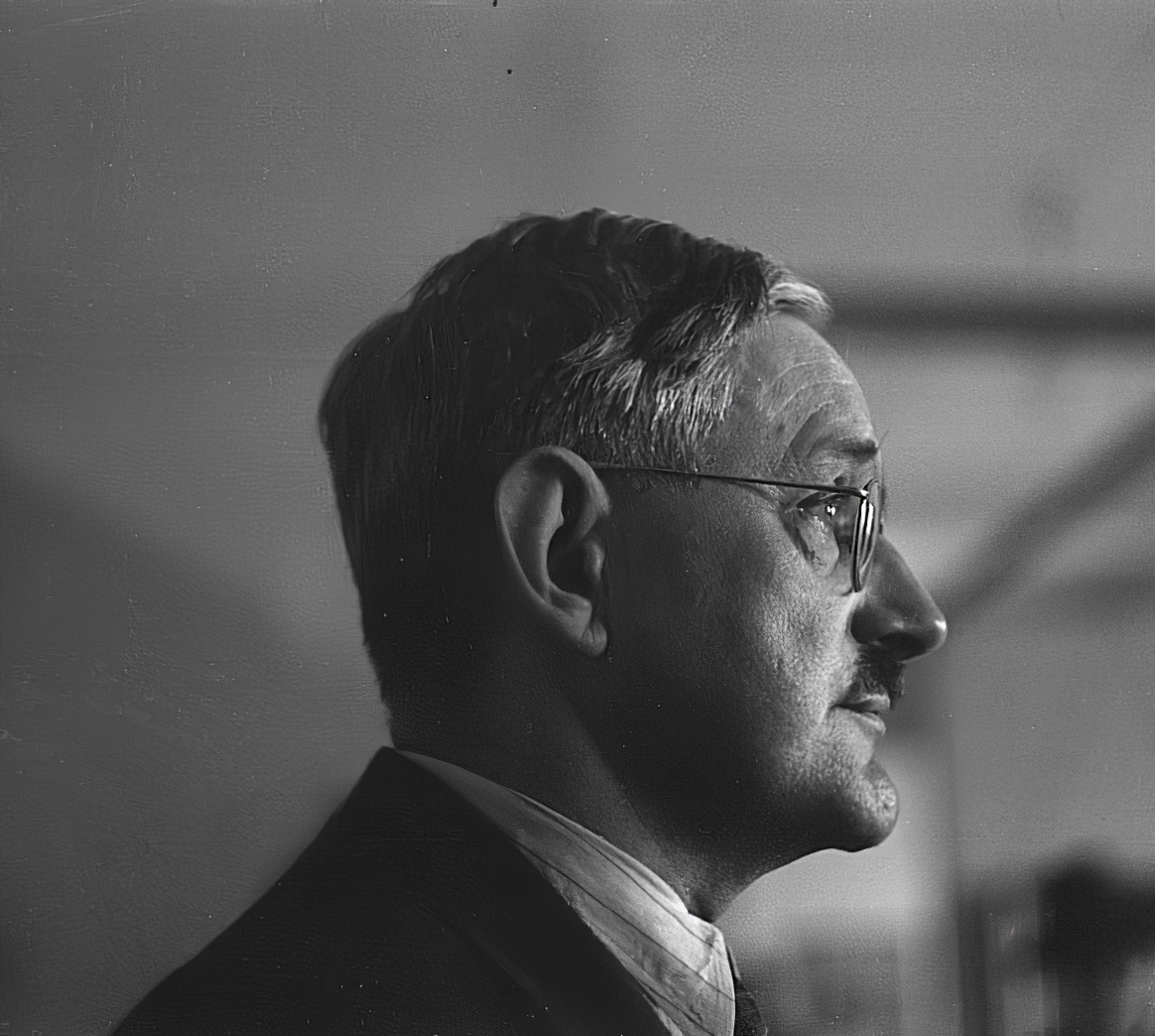
Conrad Felixmüller was a twentieth-century German artist, born Conrad Felix Müller. He is known as a painter, graphic artist, illustrator and printmaker, a representative of the New Materiality movement, who worked in the Expressionist style.
Felixmüller created about 2,500 paintings and graphic drawings, the main motif of which was the human being. The artist considered himself a socially critical expressionist, and his works reflected scenes from everyday life. In the 1930s, many of his works were confiscated by the Nazis as examples of degenerate art and destroyed. As a result of the bombing of Berlin in 1944, Felixmüller lost much of his work.
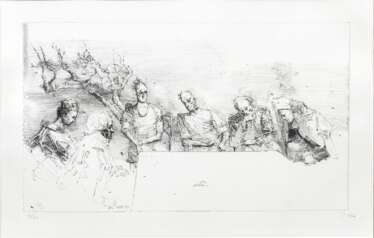


Werner Tübke was a German painter, best known for his monumental Peasants' War Panorama located in Bad Frankenhausen. Associated with the Leipzig School, he is "one of the few East German artists who gained recognition in West Germany."
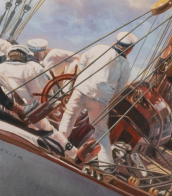
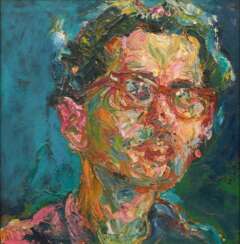

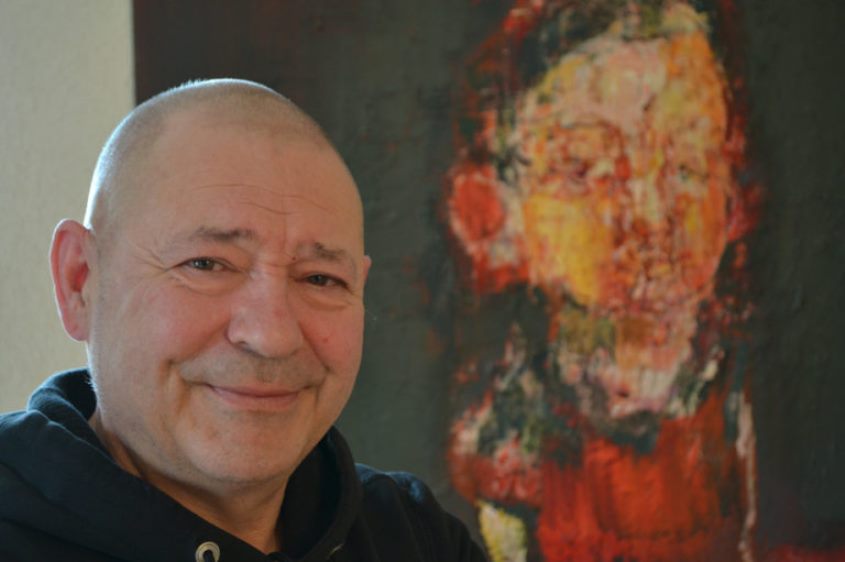
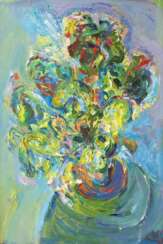

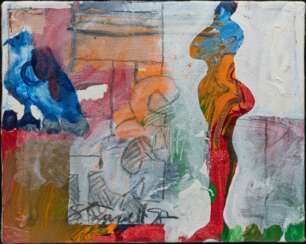

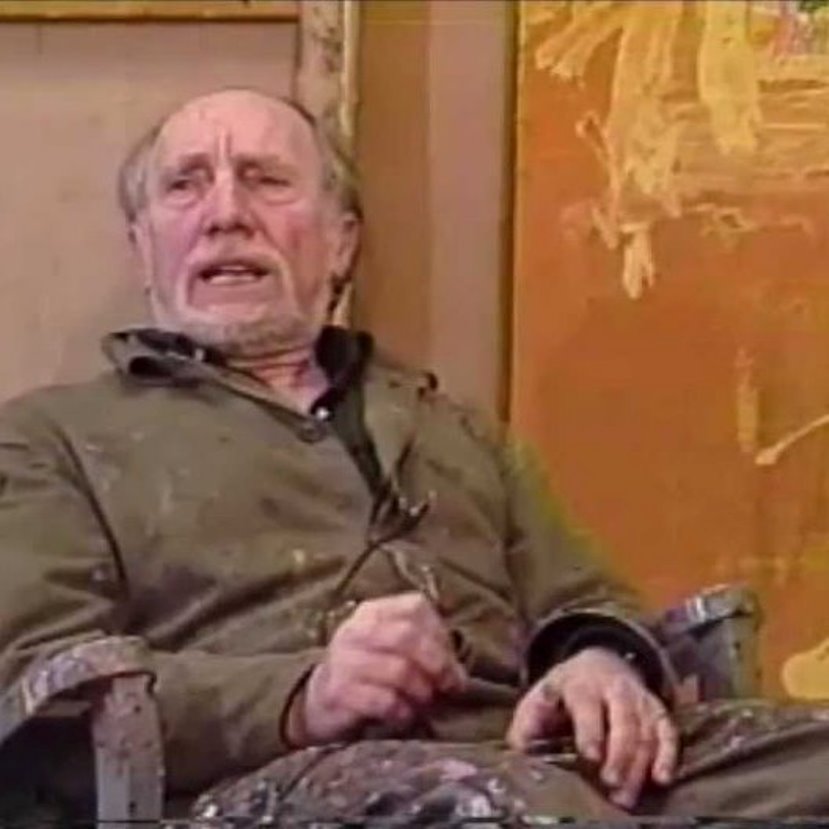
Joe Stefanelli, birth name Joseph J. Stefanelli, is an American abstractionist painter of the New York School.
After studying at the Philadelphia Museum School of Art and the Pennsylvania Academy of the Fine Arts from 1942 to 1946, Joe Stefanelli worked as a military illustrator in the service of the United States Army. In 1947, he enrolled at the Hans Hofmann School of Fine Arts in New York City. This art school, opened in 1934, was a major influence on the young artists of the New York School.
Stefanelli was an artist of the first generation of American Abstract Expressionists, whose members also included Willem de Kooning, Jackson Pollock, Adolph Gottlieb, Barnett Newman, Robert Motherwell, and others. Their influence and artistic innovation were recognized worldwide by the 1950s. The New York School of Abstract Expressionism became the leading art movement after World War II.
Joe Stefanelli held various teaching positions from 1960 to 1979, including at the University of California and Princeton University, New York University, Columbia University, Brooklyn College and Temple University in Rome. His work is represented in many museums and collections.
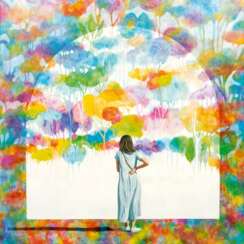

Eva Navarro is a Spanish painter living in Madrid, Spain. She has a bachelor's degree in Fine Arts from the Universidad Complutense de Madrid. Her work is considered part of the Spanish New Figurative Art Movement. She mostly exhibits her work in Europe and the United States.
Navarro's work has been described as "vivacious, uncomplicated and energetic, as well as being full of extraordinary colour". Basic elements such as movement, space, action and time, all expressed through the human figure, are reflected in her work.
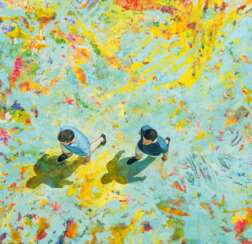

Eva Navarro is a Spanish painter living in Madrid, Spain. She has a bachelor's degree in Fine Arts from the Universidad Complutense de Madrid. Her work is considered part of the Spanish New Figurative Art Movement. She mostly exhibits her work in Europe and the United States.
Navarro's work has been described as "vivacious, uncomplicated and energetic, as well as being full of extraordinary colour". Basic elements such as movement, space, action and time, all expressed through the human figure, are reflected in her work.
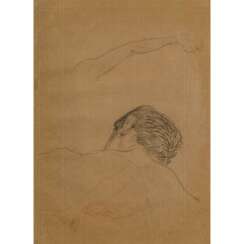

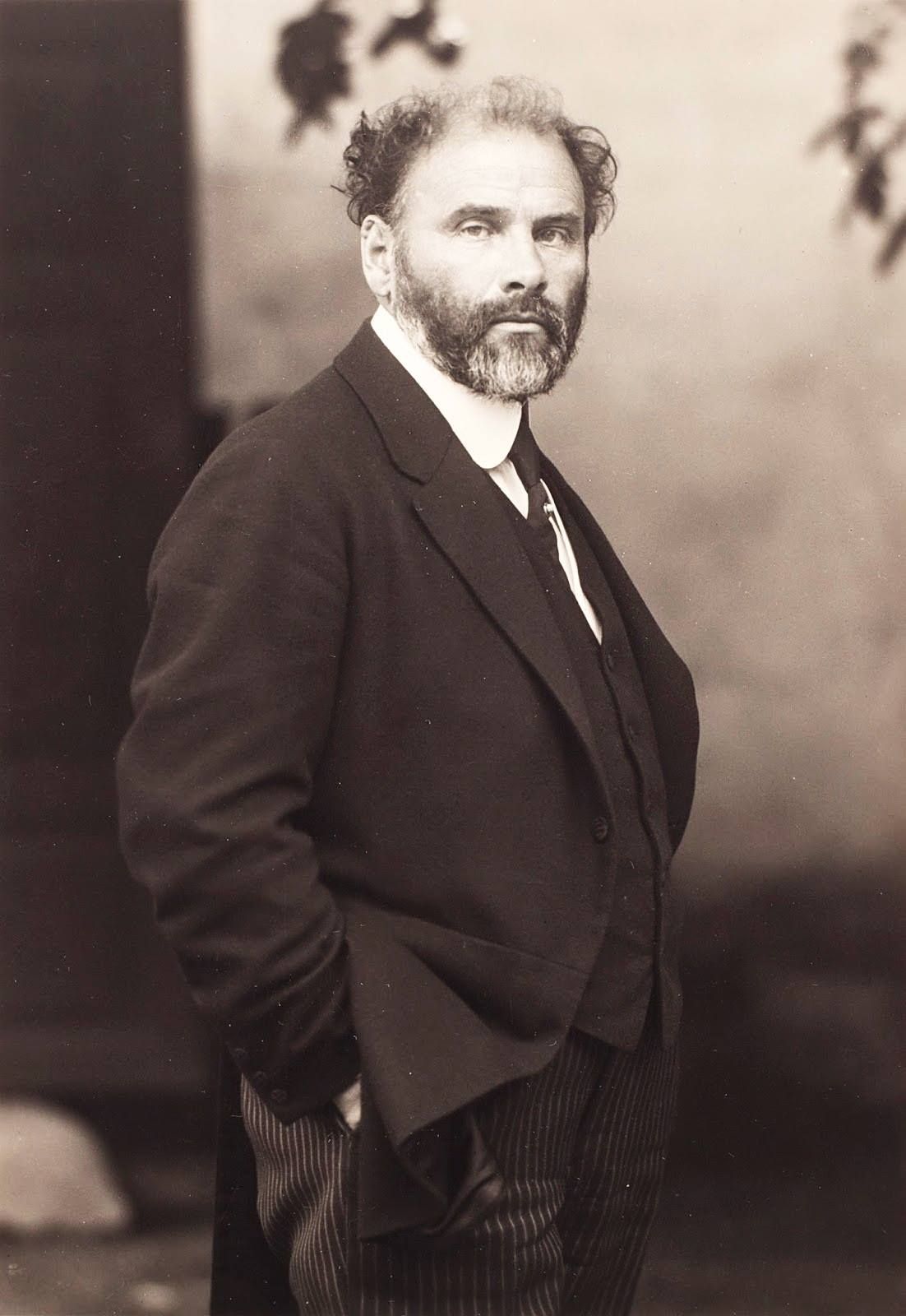
Gustav Klimt, an Austrian Symbolist painter, was a central figure in Vienna's Secession movement, known for his paintings, murals, sketches, and objets d'art. Born on July 14, 1862, in Baumgarten near Vienna, Klimt's early life was marked by financial hardship, but he showed artistic talent at a young age. He studied at Vienna's Kunstgewerbeschule, where he received a conservative education in architectural painting that influenced his early traditional works.
Klimt's path as an artist was evolutionary and controversial. Initially a successful painter of architectural decorations, his style evolved into a more personal and controversial form, especially after public criticism of his works for the Great Hall of the University of Vienna in 1900, which were deemed pornographic. This turning point led him to abandon public commissions and begin the so-called "golden period," characterized by the use of gold leaf in his work. Some of his most famous paintings, such as The Kiss and Portrait of Adele Bloch-Bauer I, which demonstrate a combination of Byzantine influence and modern symbolism, belong to this phase.
An important aspect of Klimt's career was his participation in the Vienna Secession, an art movement he co-founded in 1897. This movement, which had no manifesto, aimed to showcase unconventional artists and to bring foreign artistic influences to Vienna. Klimt was its first president and participated in the creation of the periodical Ver Sacrum.
Despite his artistic fame, Klimt led a relatively withdrawn lifestyle, often working alone and maintaining discreet personal relationships. Nevertheless, his legacy remains strong: his works fetch high prices at auction and continue to be celebrated for their innovative style and symbolic depth.
For collectors and art experts, Klimt's work represents a fascinating exploration of the evolution of Symbolism and Art Nouveau. His unique approach to form, color, and subject matter makes his work highly valued and constantly relevant in the art world.
If you are interested in keeping up to date with sales and auction events related to the works of Gustav Klimt, we recommend signing up for updates. This will ensure that you don't miss the opportunity to own a piece of this remarkable artist's history.
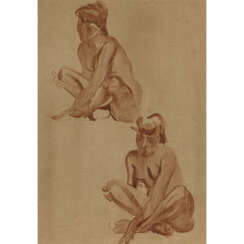

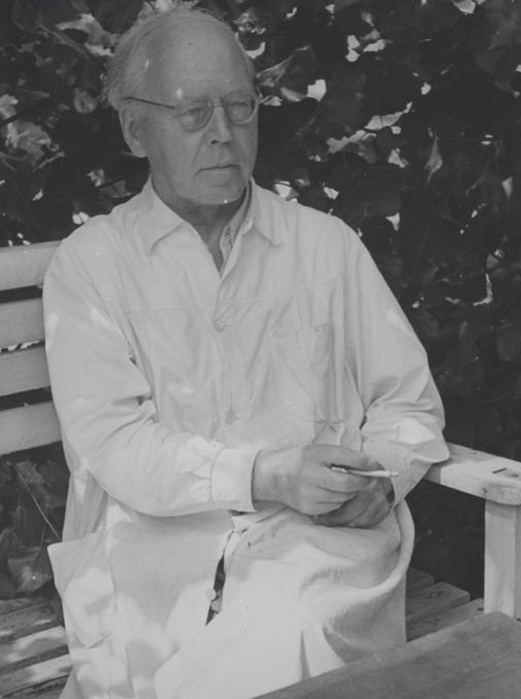
Georg Kolbe was a German sculptor of the first half of the twentieth century. He is known as a master of Classicism and Symbolism. Throughout most of his professional career he was an artist in demand by various German authorities.
Georg Kolbe, despite the strong influence of the Expressionists, managed to develop his own unique style. He left a notable mark not only in sculpture, his artistic legacy includes a large number of drawings and hundreds of engravings.
His biography is closely connected with Berlin, where he lived for more than 40 years. Kolbe is named for the prize awarded by the Artists' Union of Berlin. The artist's former studio now houses a museum with permanent solo exhibitions of works by renowned sculptors of modern art.
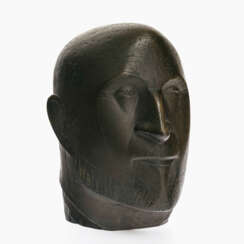

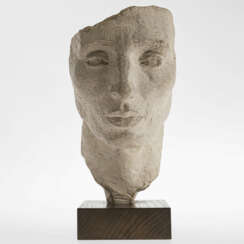

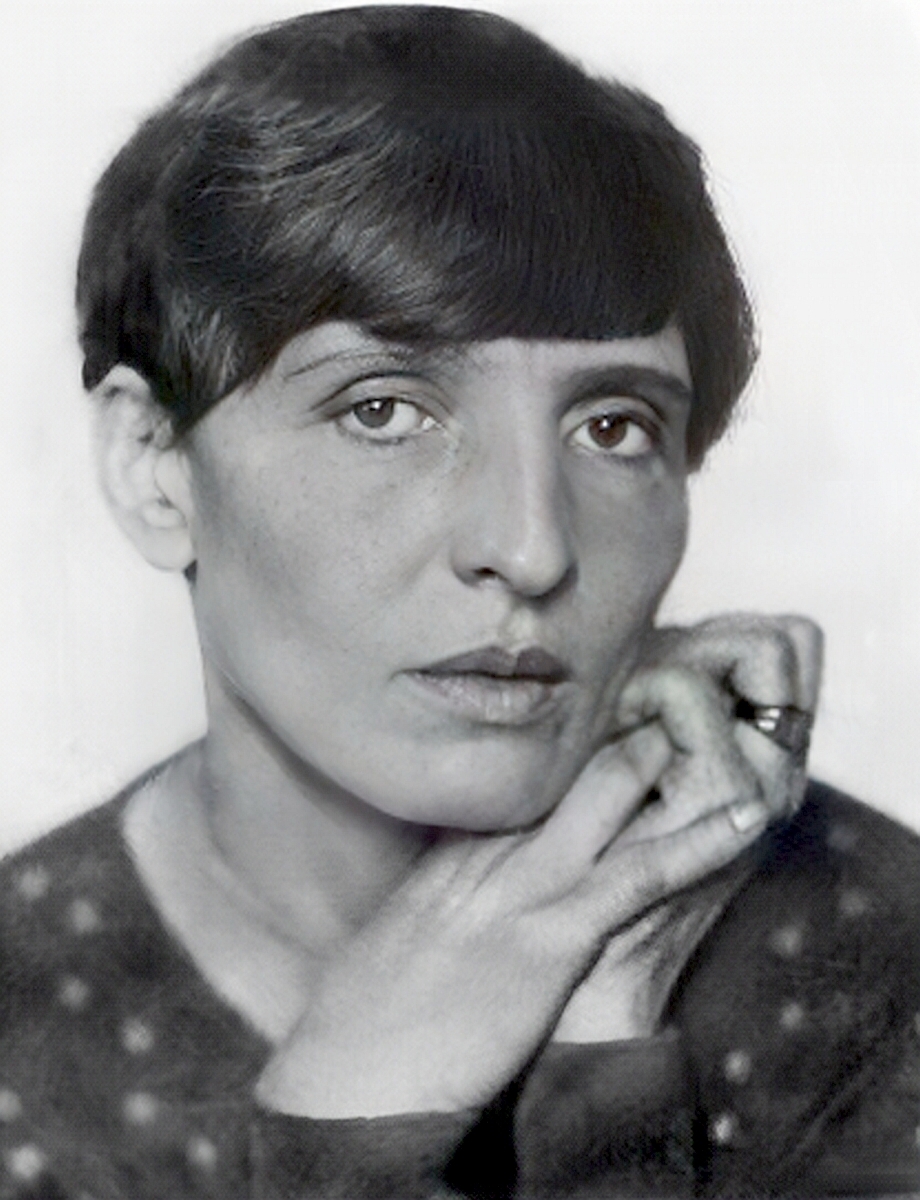
Renée Sintenis was a German sculptor, medallist, and graphic artist who worked in Berlin. She created mainly small-sized animal sculptures, female nudes, portraits, and sports statuettes. She is especially known for her Berlin Bear sculptures, which was used as the design for the Berlinale's top flim award, the Golden Bear.