ups carrier




















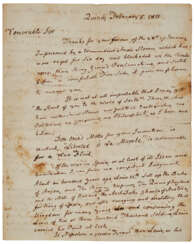

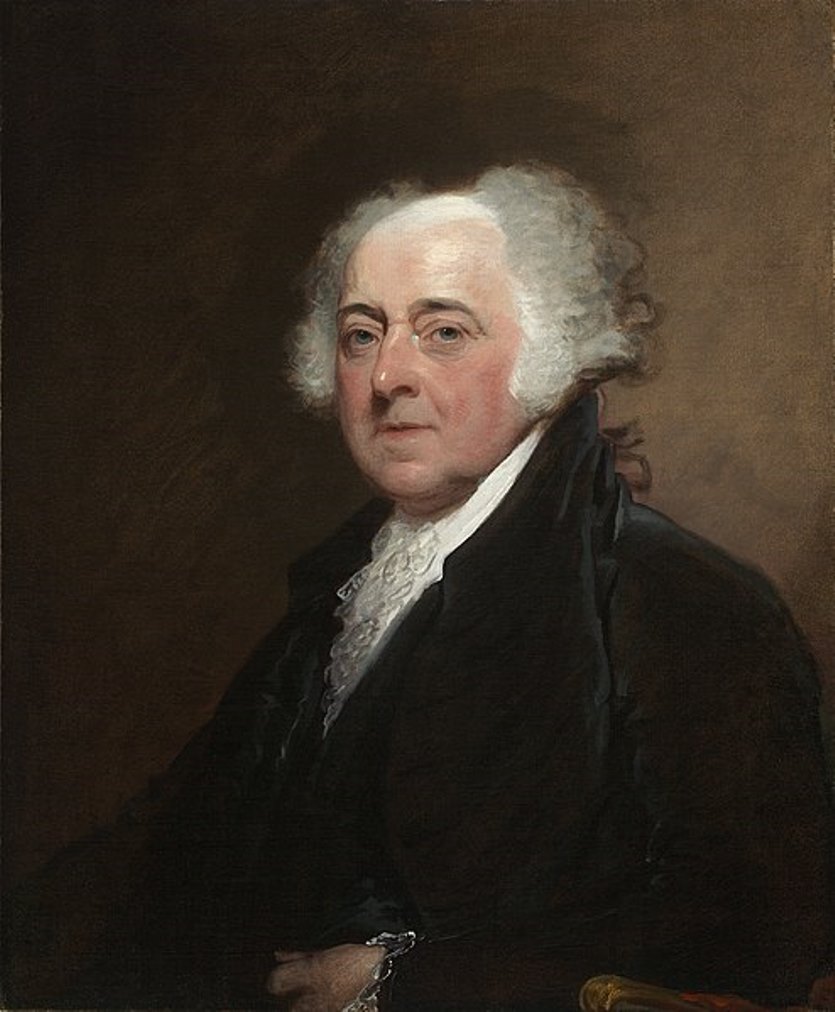
John Adams was an American statesman and politician and the second President of the United States (1797-1801).
The Adamses were among the first Puritan settlers in New England, and John's father was a farmer and shoemaker. John Adams graduated from Harvard College, taught grammar school in Worcester, Massachusetts, and then practiced law in Boston. In 1764, Adams married Abigail Smith, a minister's daughter, who became his confidante and lifelong political partner.
In 1765, Adams wrote "A Dissertation on Canon Law and Feudal Law," where he justified his opposition to British interference in the colonies. In the summer of 1774, Adams was elected to the Massachusetts delegation to the First Continental Congress, in which he became a major figure. He wrote Thoughts on Government as a basic guide to drafting new state constitutions. In July 1776, John Adams drafted the Plan of Treaties, which became the basis for the treaty with France and set the strategic priorities that would shape American foreign policy over the next century.
He was elected to the post of head of the War Council, in 1780 he became the author of the Massachusetts Constitution, which became a model for other states, in 1783 he signed the Treaty of Paris. From 1785 to 1788 John Adams served as the first American ambassador to Great Britain and proved himself worthy in this difficult situation, being the official embodiment of American independence from the British Empire. He studied European history extensively and the result was his three-volume book entitled A Defense of the Constitution of the Government of the United States of America (1787).
In 1789 Adams became the country's first vice president (Washington was the first president of the United States), and in 1797 he was elected the second president of the United States. However, his reign was not the best in the history of the new country. Deteriorating relations with France led to an undeclared naval war between the former allies. In 1798, Adams signed the controversial Alien and Sedition Acts, which restricted free speech rights. They met widespread opposition across the country. Adams resisted opposition demands for all-out war with France, but lost the 1800 election to Thomas Jefferson.
John Adams retired from politics and settled in his hometown of Quincy. He became the founder of an entire dynasty of politicians and died on July 4, 1826 (the 50th anniversary of the Declaration of Independence), living to see his eldest son John Quincy elected as the sixth president.

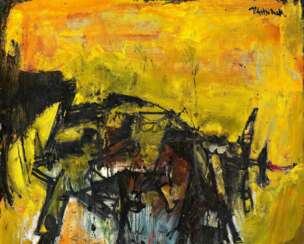

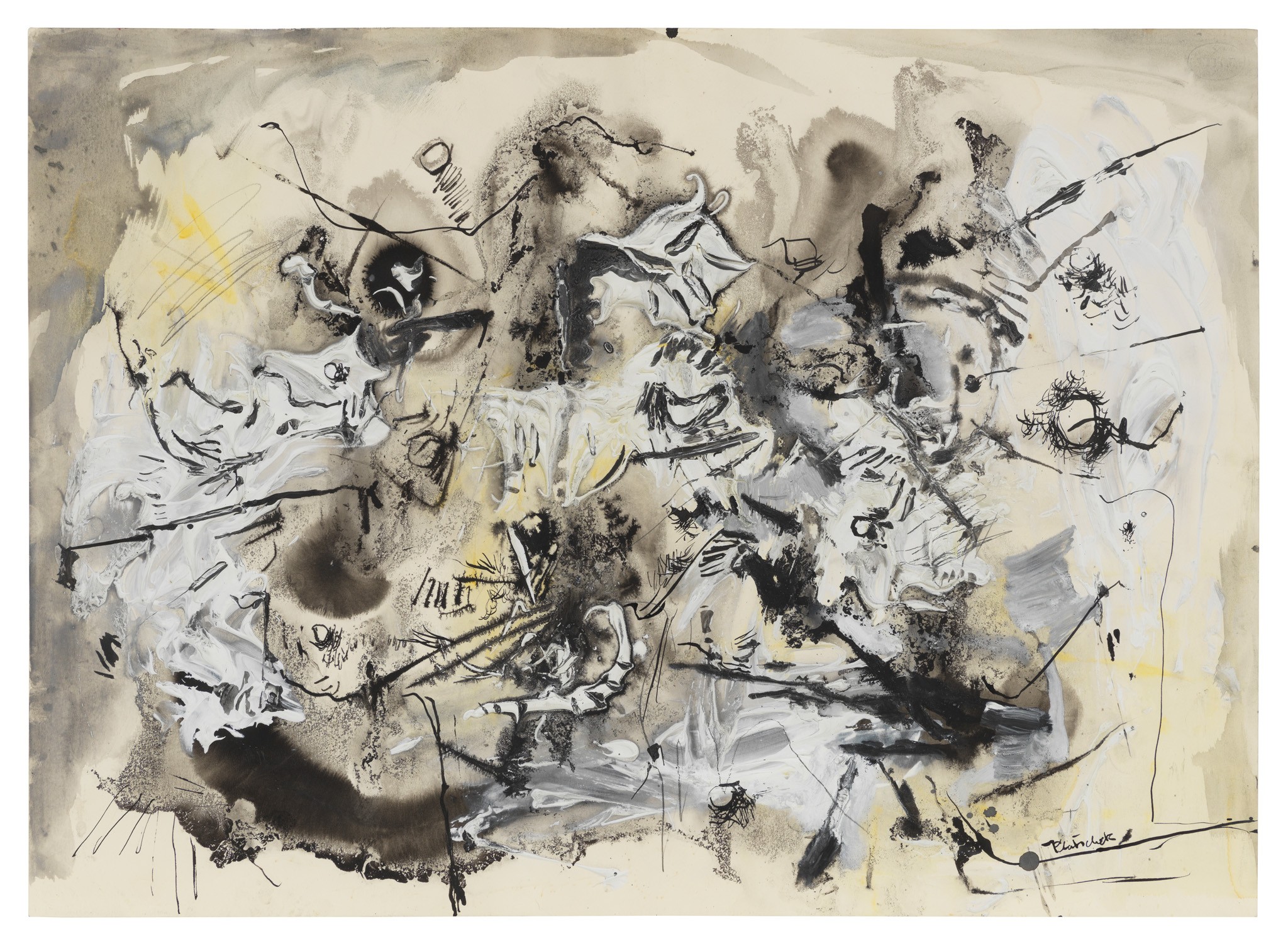
Hans Platschek was a German artist, art critic and writer.
Hans Platschek gained recognition as an artist of Tachism or Informel. But by the time the abstract, automatic art of Informel had gained international recognition, he had already shown an interest in the new figuration. He was fiercely critical of pop art as 'consumer art'.
Placzek's essays, which only on the surface appear to be polemical, made him a household name among the art interested public outside Germany from the 1960s onwards. Even today many connoisseurs consider his texts to be of great freshness and clarity.



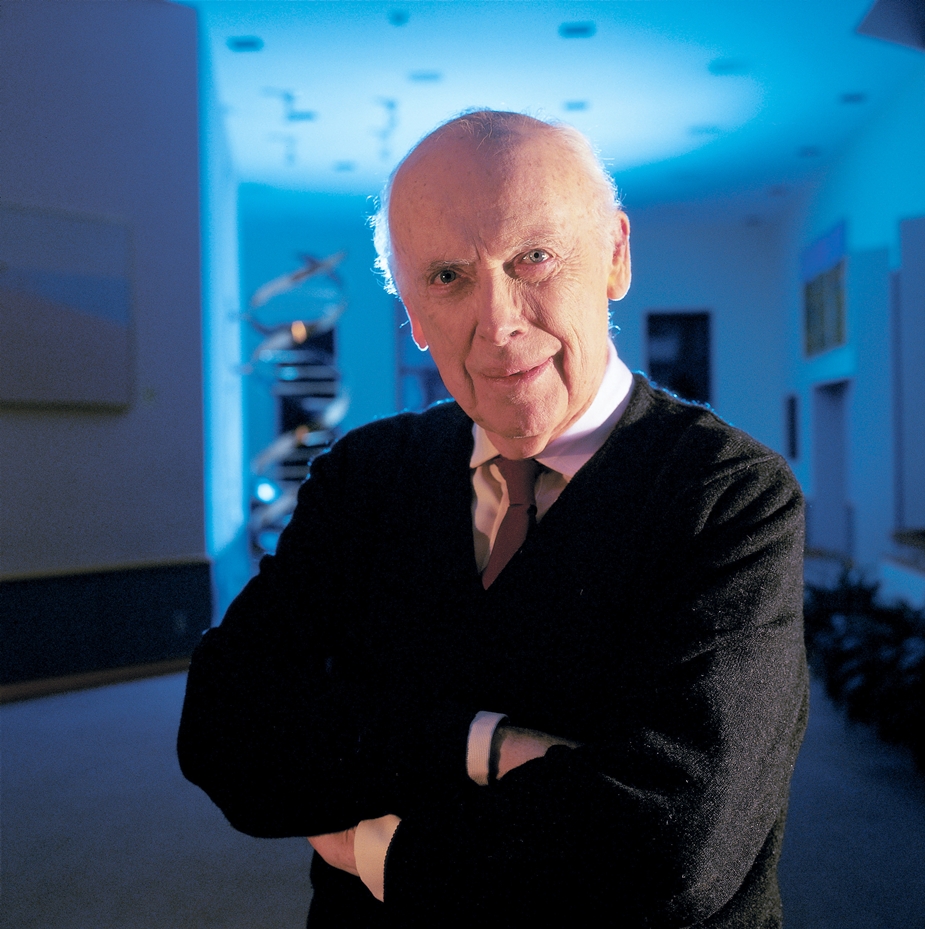
James Dewey Watson was an American geneticist and biophysicist who won the 1962 Nobel Prize in Physiology or Medicine.
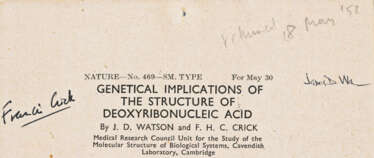
At the age of 15, Watson enrolled at the University of Chicago, then attended Indiana University, earning advanced degrees. After working at the University of Copenhagen, where he first decided to investigate DNA, he conducted research at the Cavendish Laboratory (1951-53). There, Watson learned the techniques of X-ray diffraction and worked with Francis Crick on the problem of DNA structure.
Their joint discovery was a key factor in allowing Watson and Crick to formulate the molecular model of DNA, a double helix, similar to a spiral staircase. It played a crucial role in discovering the molecular structure of deoxyribonucleic acid, the substance underlying heredity. For this achievement, he was awarded the 1962 Nobel Prize in Physiology or Medicine, along with Francis Crick and Maurice Wilkins.
James Watson subsequently taught at Harvard University (1955-76), where he served as professor of biology. He conducted research on the role of nucleic acids in protein synthesis. In 1965, he published The Molecular Biology of the Gene, which became one of the modern biology textbooks. From 1988 to 1992, Watson directed the Human Genome Project at the National Institutes of Health. James Dewey Watson is an honorary member of numerous universities and academies around the world, he has received dozens of honors and awards, and he has written numerous books.
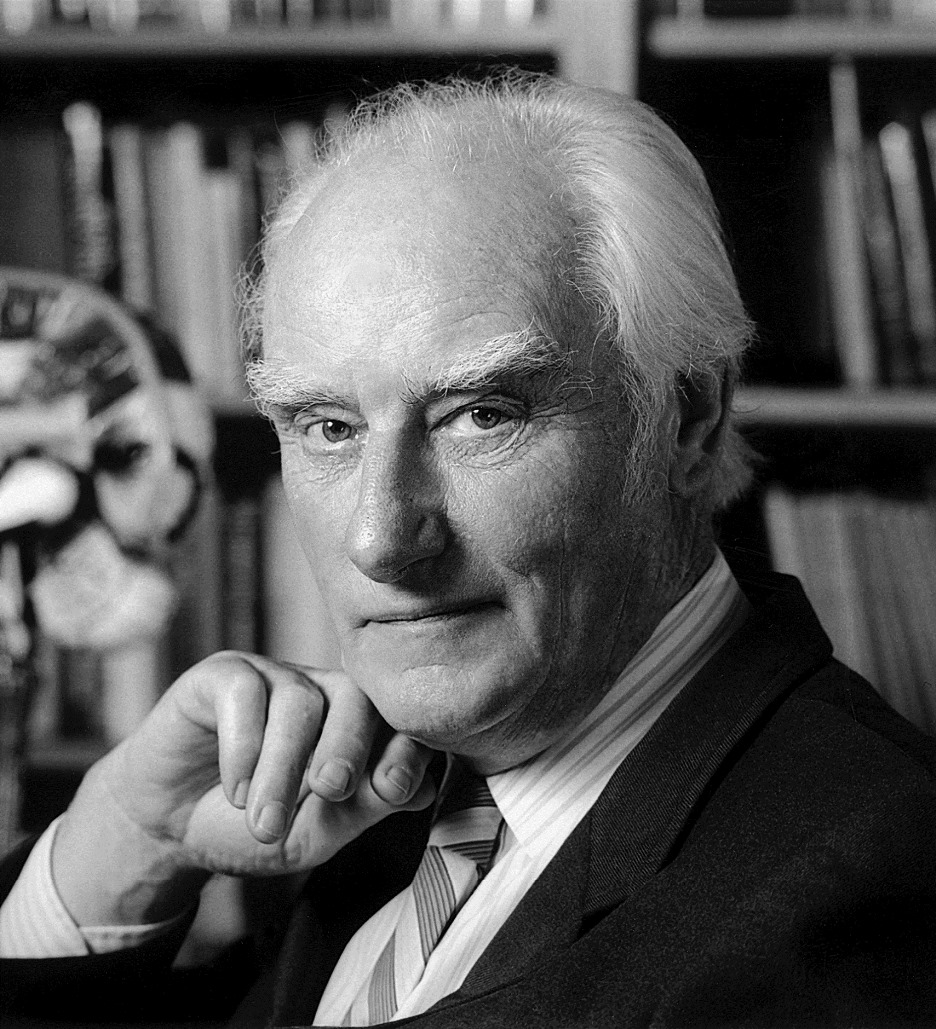
Francis Harry Compton Crick was a British molecular biologist, biophysicist and neuroscientist. He won the Nobel Prize in Physiology and Medicine in 1962.
During World War II he had to work on developments for the military, and in 1947 he turned to biology at the Strangeways Research Laboratory, University of Cambridge. In 1949 he moved to the University Medical Research Council at Cavendish Laboratories. Using X-ray diffraction studies of DNA by biophysicist Maurice Wilkins (1916-2004) and X-ray diffraction images taken by Rosalind Franklin, biophysicist James Watson and Crick were able to construct a molecular model consistent with the known physical and chemical properties of DNA.
This achievement became a cornerstone of genetics and was regarded as one of the most important discoveries of 20th century biology. In 1962, Francis Crick, along with James Watson and Maurice Wilkins, won the Nobel Prize in Physiology or Medicine for determining the molecular structure of deoxyribonucleic acid (DNA), the chemical ultimately responsible for the hereditary control of life functions.
From 1977 until the end of his life, Crick served as professor emeritus at the Salk Institute for Biological Studies in San Diego, California, where he conducted research on the neurological basis of consciousness. He also wrote several books. In 1991, Francis Crick received the Order of Merit.


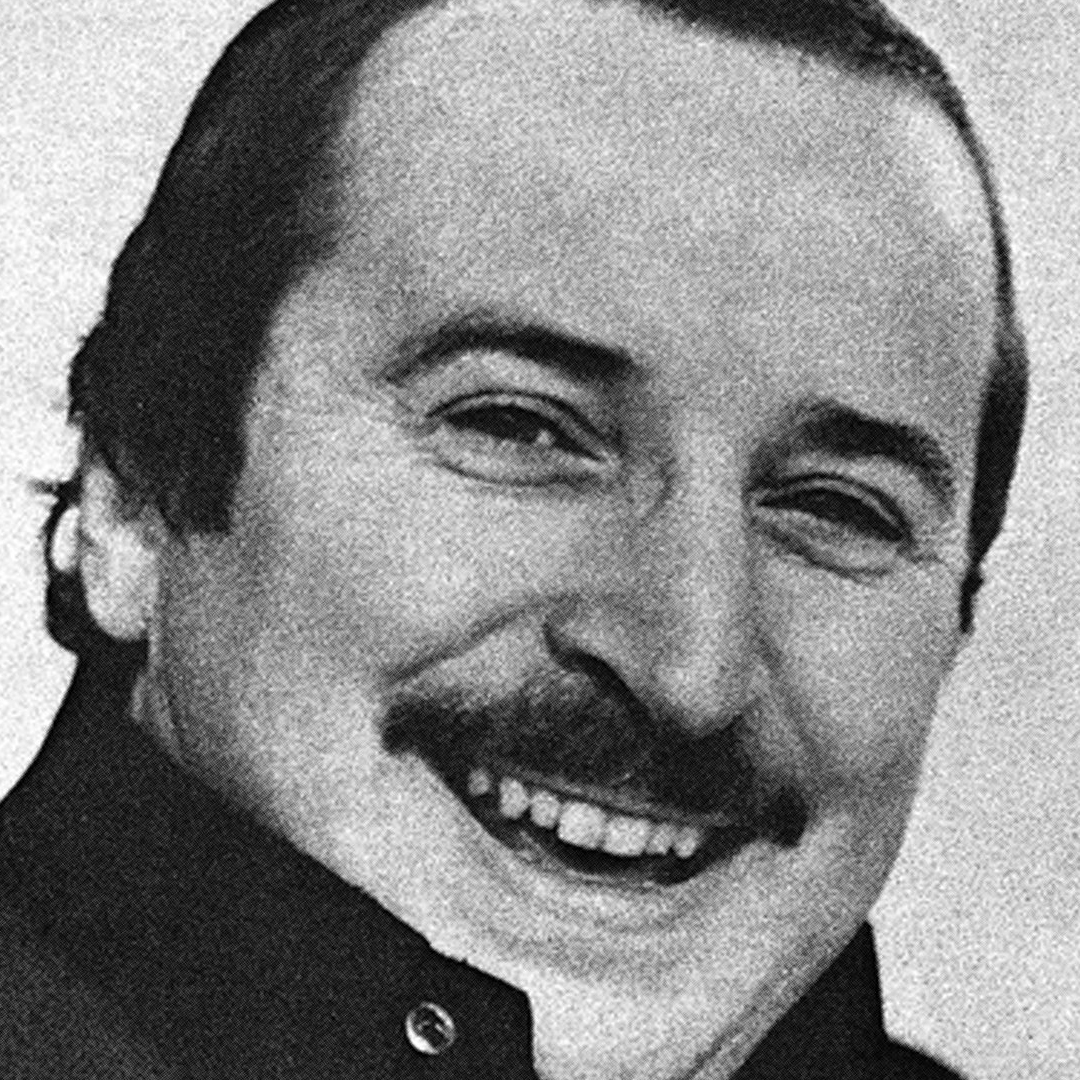
Karl Gerstner was a Swiss designer, typographer, author, and artist.

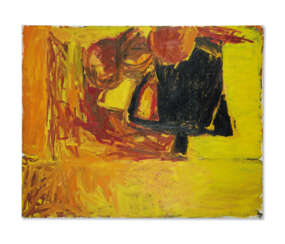

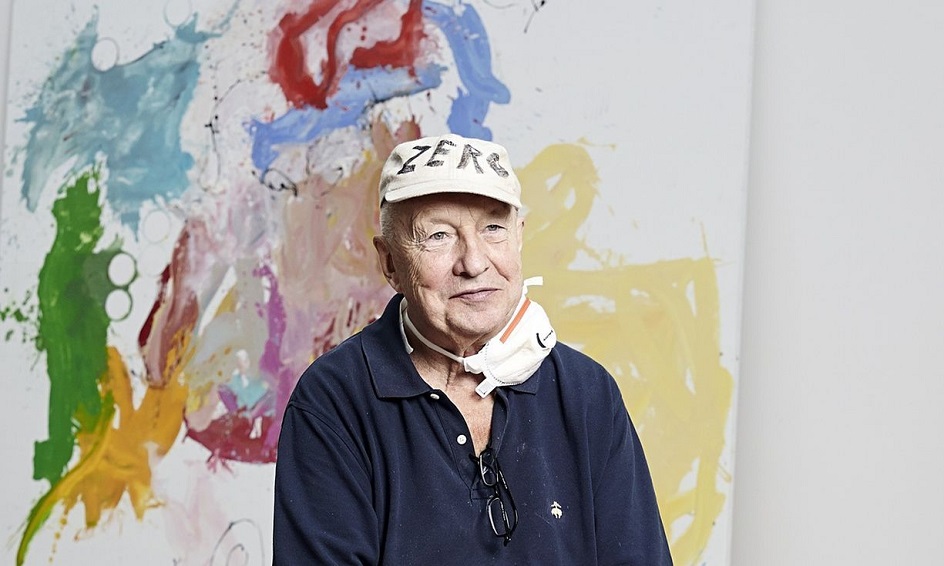
Georg Baselitz is a German painter, sculptor and graphic artist. In the 1960s he became well known for his figurative, expressive paintings. In 1969 he began painting his subjects upside down in an effort to overcome the representational, content-driven character of his earlier work and stress the artifice of painting. Drawing from myriad influences, including art of Soviet era illustration art, the Mannerist period and African sculptures, he developed his own, distinct artistic language.


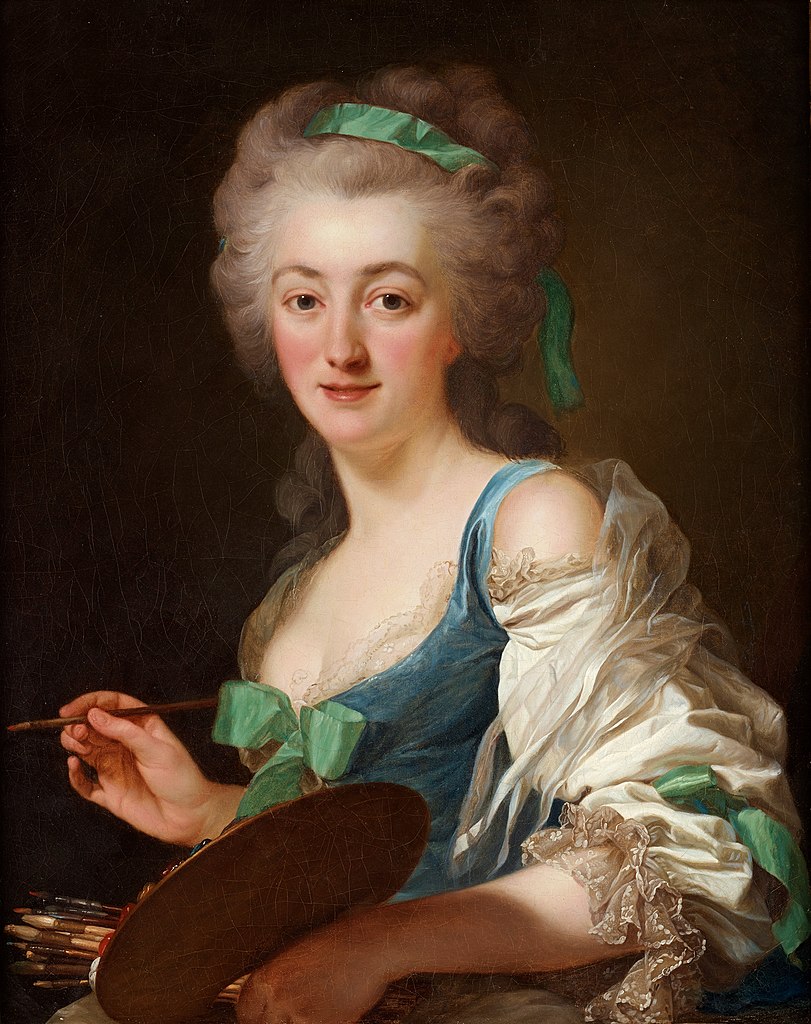
Anne Vallayer-Coster was a renowned French artist, celebrated for her exceptional still-life paintings that captivated 18th-century art enthusiasts, including the French Queen Marie Antoinette. Born into an artistic family in 1744, Vallayer-Coster's talent was evident early on, leading to her unanimous election into the prestigious Académie Royale at just 26 years old. Her works, characterized by their vibrant color, meticulous detail, and textural precision, often depicted bowls of fruit, game, shells, and flowers, showcasing the opulence of French aristocracy before the Revolution.
Vallayer-Coster's career was notable not only for her artistic achievements but also for her ability to navigate the male-dominated art world of her time. Despite the societal constraints on women artists, she gained the patronage of influential figures like Marie Antoinette and was one of the few women admitted to the Royal Academy of Painting and Sculpture. Her work received critical acclaim at the Salon, where she exhibited regularly from 1771 until 1817, and her still-lifes were praised for their sensuality, illusionistic perfection, and the rich, indulgent luxury they portrayed.
One of Vallayer-Coster's most ambitious works, Still Life with Flowers in an Alabaster Vase and Fruit (1783), exemplifies her unparalleled skill in capturing the soft textures of flowers and their harmonious arrangement. This masterpiece was hailed as such at the Salon of 1783 and is considered by Vallayer-Coster herself as her finest painting. Lost for nearly two centuries, it was recently rediscovered in an almost pristine state and is now part of the National Gallery of Art's collection, highlighting Vallayer-Coster's significant contributions to European art history.
Throughout her career, Vallayer-Coster produced more than 120 still lifes, always with a distinctive brilliance in color, earning her a place among the elite artists of her time. Despite facing challenges during the French Revolution due to her close association with the monarchy, she continued to exhibit her work and contribute to the art world until her death in 1818.
For collectors and experts in art and antiques, Anne Vallayer-Coster's legacy is a testament to her skill, resilience, and the impact of her work on the history of art. To stay updated on new product sales and auction events related to Anne Vallayer-Coster, sign up for updates that focus solely on this exceptional artist's contributions to the art world.







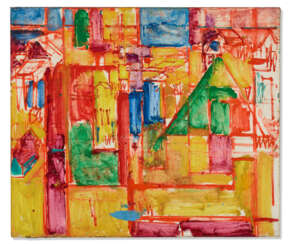

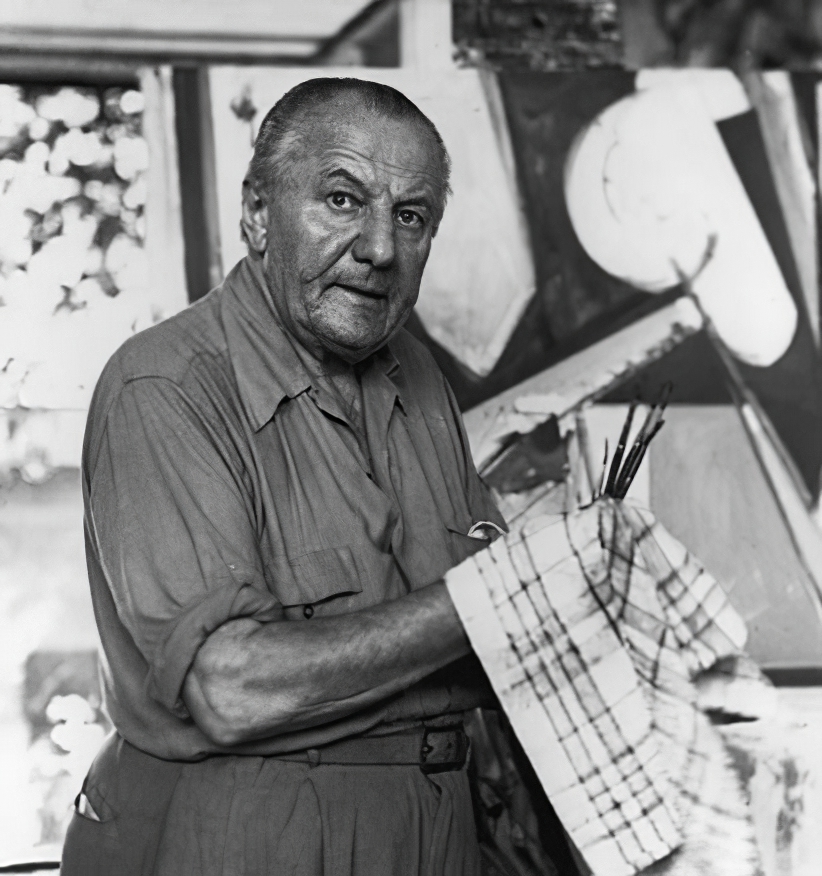
Hans Hofmann, a German-American painter, stands as a towering figure in the 20th-century art world, celebrated for his vibrant contributions to abstract expressionism. Born in Germany in 1880, Hofmann's journey in art took him across continents, from Europe to the United States, where his innovative teaching methods and bold, color-filled canvases left an indelible mark on generations of artists. His unique approach to painting, characterized by a dynamic interplay of color and form, helped bridge the gap between the European modernist traditions and the emerging American abstract art scene.
Hofmann's work is distinguished by its intense color palettes and the technique he termed "push and pull," which refers to the careful balance of color and shape to create depth and movement within the canvas. This technique not only showcased his mastery over the medium but also influenced the development of abstract expressionism, making Hofmann a pivotal figure among his contemporaries. His paintings, such as "The Gate" (1959-60), exemplify this approach and are celebrated in prestigious museums worldwide, including the Museum of Modern Art in New York and the San Francisco Museum of Modern Art.
Beyond his personal contributions as an artist, Hofmann was an esteemed educator, guiding the next generation of artists through his schools in New York and Provincetown. His teaching philosophy emphasized the importance of understanding the fundamental elements of art—color, form, and space—and their interrelation, which he believed was key to achieving harmony and expression in painting.
For collectors and experts in art and antiques, Hans Hofmann's works represent not just significant artistic achievements but also valuable pieces of cultural history. His paintings and teachings continue to inspire and influence the art world, making his pieces highly sought after in galleries and auctions.
We invite you to sign up for updates on new product sales and auction events related to Hans Hofmann. This subscription is your gateway to owning a piece of art history, ensuring you're informed of the latest opportunities to add to your collection. Join us in celebrating the legacy of a master whose work transcends time and continues to dazzle the art world.



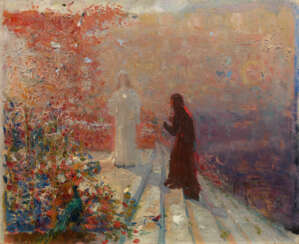

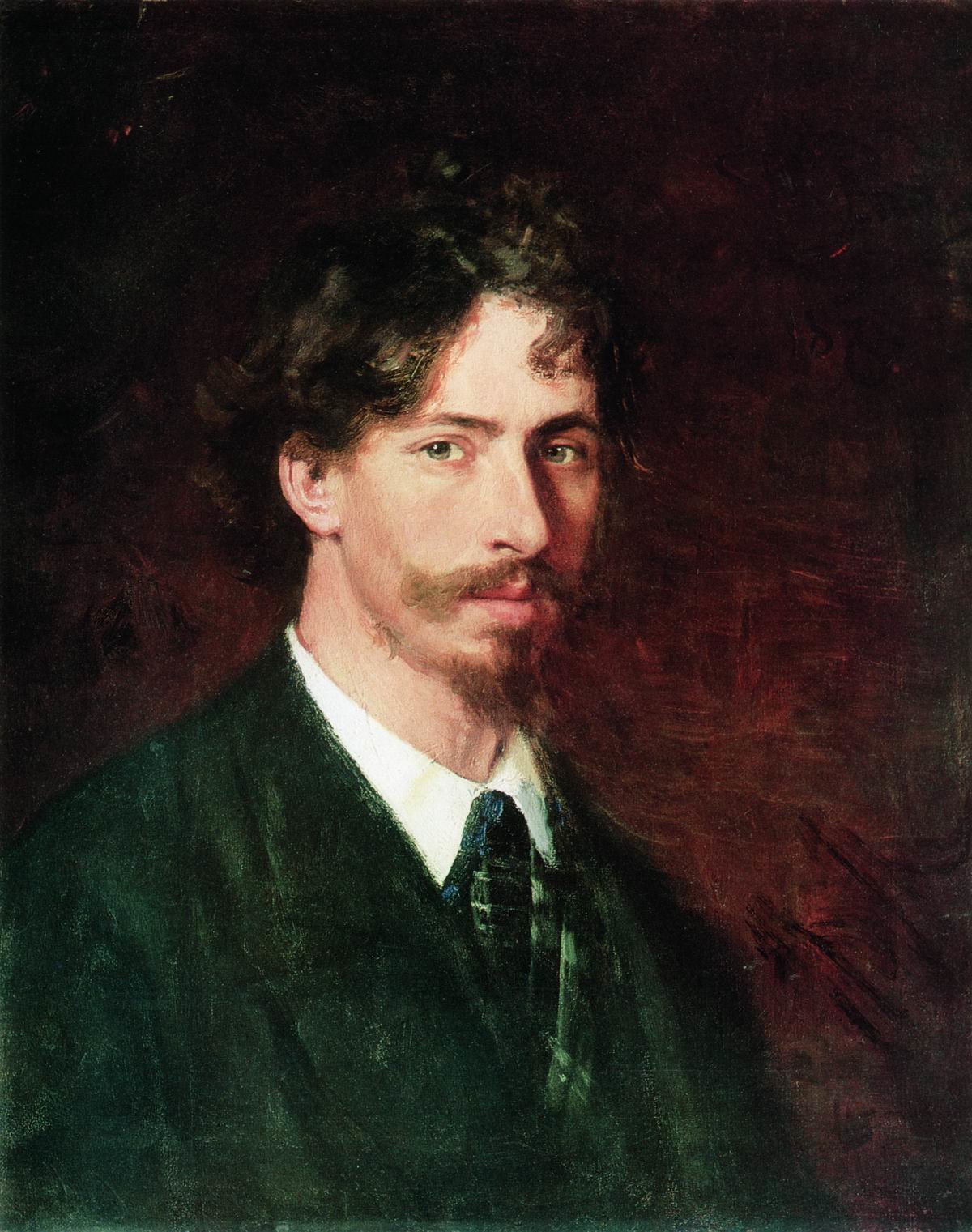
Ilya Yefimovich Repin (Russian: Илья Ефимович Репин) was a preeminent Russian artist, celebrated for his profound influence on the world of art, particularly painting. Born in 1844 in the Russian Empire, Repin distinguished himself as a pivotal figure in bringing Russian art to the forefront of the European scene. His works, characterized by their vivid realism and profound emotional depth, offer a window into the cultural, social, and historical landscapes of 19th-century Russia.
Repin's oeuvre is a testament to his exceptional skill in capturing the essence of his subjects, ranging from the peasantry to the elite, and his commitment to portraying the Russian spirit. His paintings, such as "Barge Haulers on the Volga" and "Ivan the Terrible and His Son Ivan," are lauded for their meticulous detail, dynamic compositions, and the way they convey powerful narratives and emotions. These masterpieces are housed in prestigious museums and galleries worldwide, including the State Russian Museum and the Tretyakov Gallery, affirming Repin's enduring legacy in the annals of art history.
For collectors and experts in art and antiques, Repin's works represent not only significant cultural and historical value but also a deep emotional resonance that transcends time. His ability to intertwine the beauty and tragedy of human experience with the rich tapestry of Russian culture makes his art a compelling exploration for enthusiasts and scholars alike. To stay informed about new product sales and auction events related to Ilya Yefimovich Repin, we invite you to sign up for updates. This subscription is a gateway to exclusive insights and opportunities in the realm of art and antiques, focusing solely on Repin's illustrious work.