ville



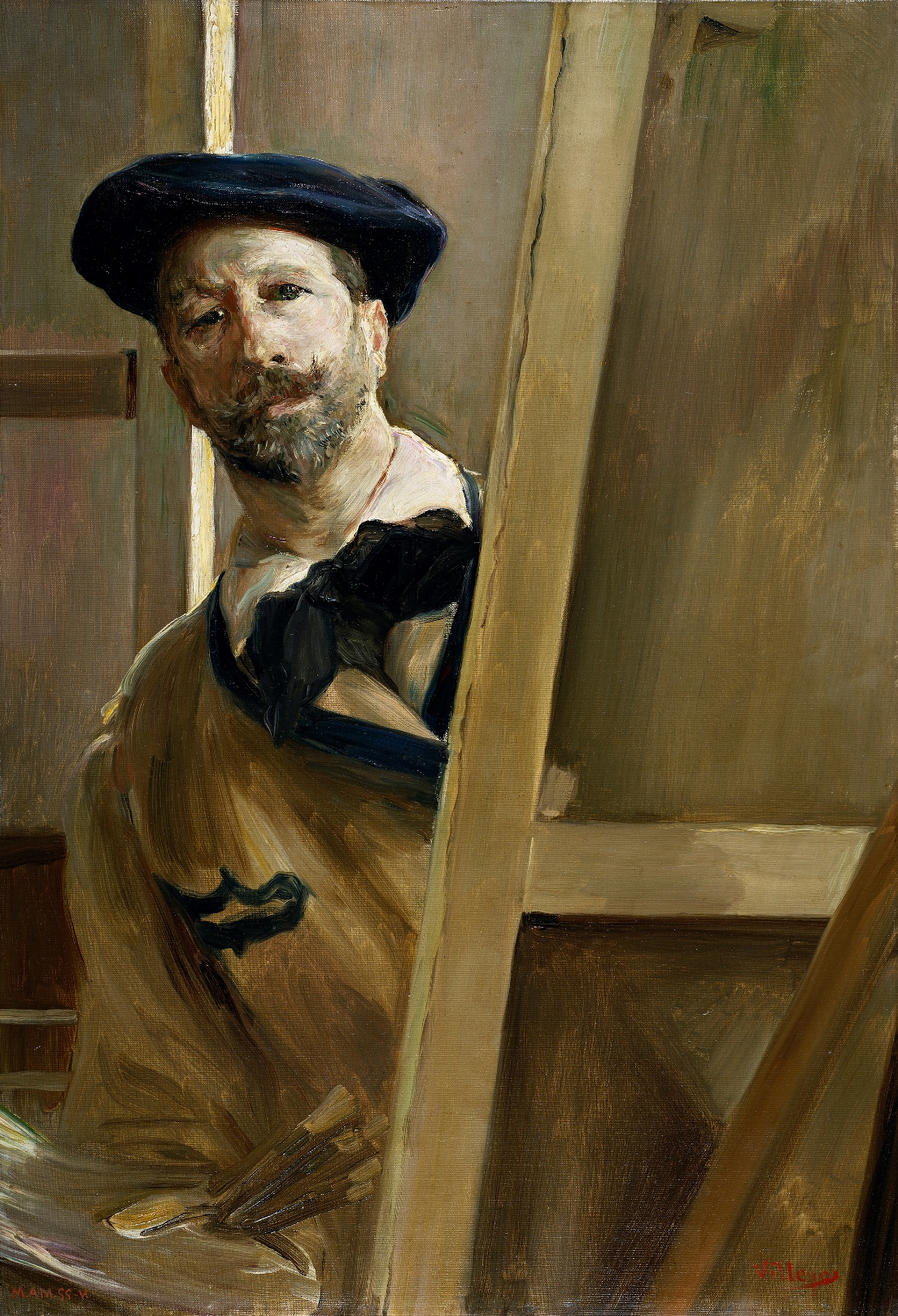
José Villegas Cordero was a Spanish painter, master of costume and genre scenes, who directed the Prado Museum from 1901 to 1918.
He studied at the School of Fine Arts in Seville and became known as a talented genre painter, noting interesting domestic scenes and accurately portraying the characters. Domestic painting at that time was very popular with the public. The artist also deals with the themes of the East, with great skill drawing pictures from sketches he made on a trip to Morocco.
In 1898 Villegas Cordero was appointed director of the Spanish Academy in Rome, and in 1901 he was appointed director of the Museo del Prado, the same museum that had once copied Velázquez's paintings himself while studying his art.




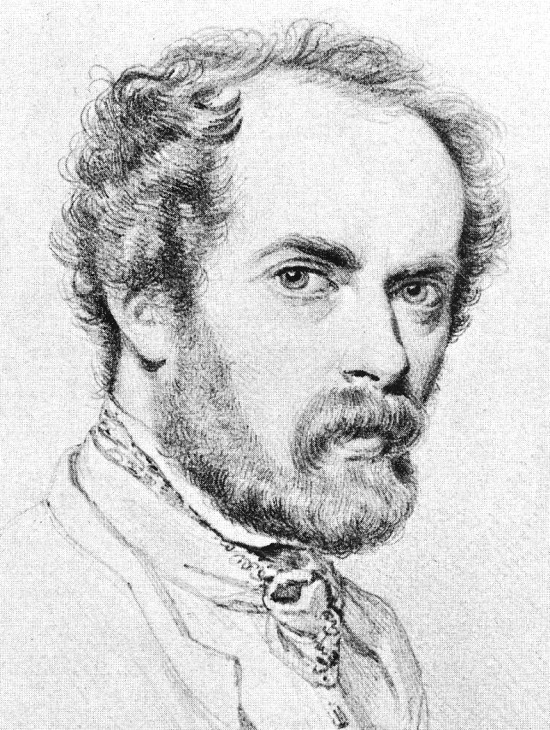
Jean Ignace Isidore Grandville, real name Gerard, was a French painter of the second third of the 19th century. He is known as a draughtsman-illustrator and caricaturist.
Grandville-Gerard came from a family of artists and actors, a stage name he adopted for himself. His humor and rich imagination made him one of the leading caricaturists of his time. Depicting contemporary mores, he endowed animals and plants with human vices and people with the appearance of animals.
Grandville illustrated many classic literary works, including La Fontaine's Fables, Robinson Crusoe, Don Quixote, and Gulliver's Travels, becoming famous for his unique and vividly creative interpretations.

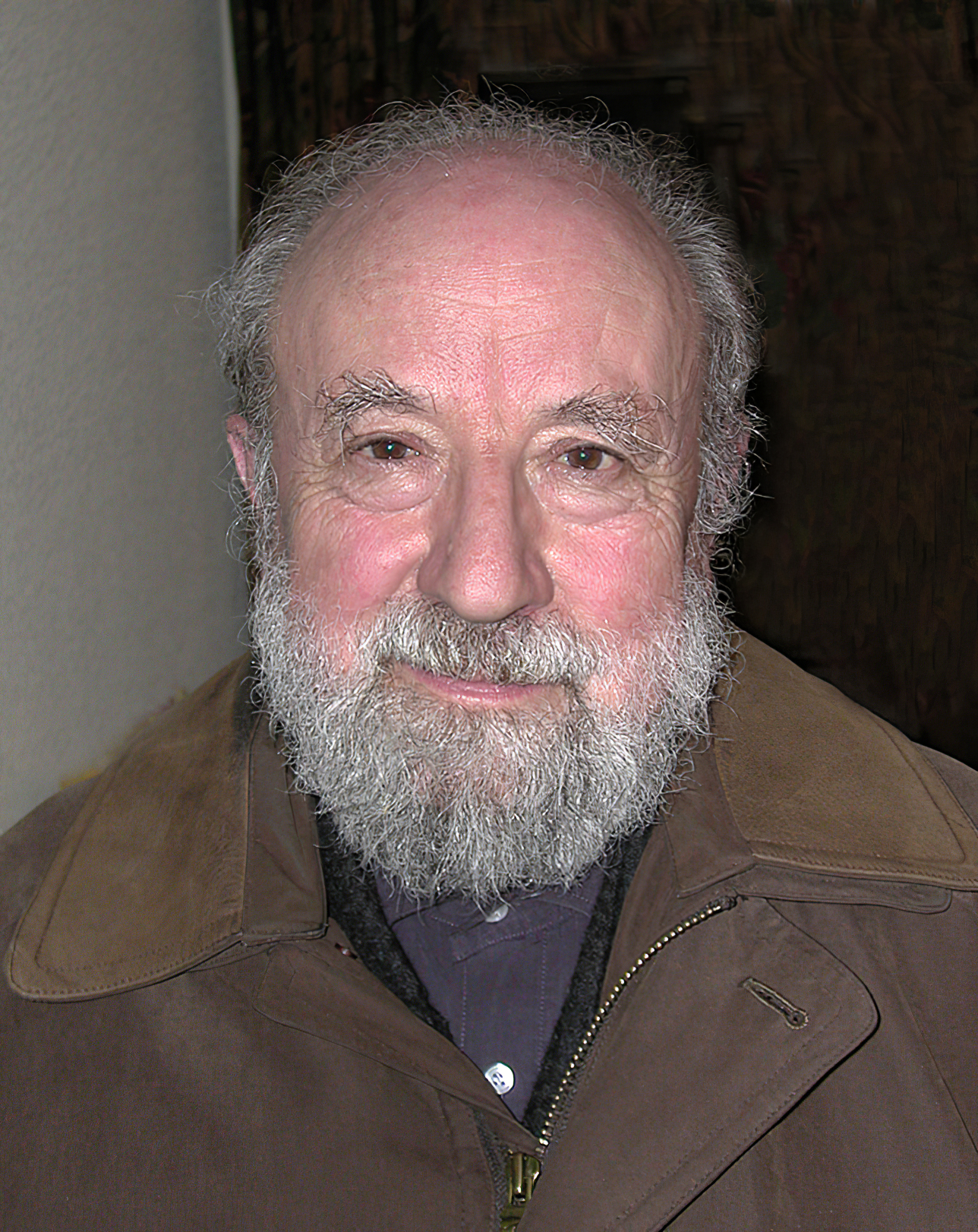
Michel Butor was a French writer and poet, associated with the Nouveau Roman literary movement of the 1950s and 1960s. He was known for his experimental writing style, which often challenged traditional narrative structures and explored the relationship between language, identity, and memory.
Butor studied philosophy and literature at the Sorbonne in Paris. In 1954, he published his first novel, "Passage de Milan," which established his reputation as a leading figure of the Nouveau Roman movement.
Throughout his career, Butor wrote more than twenty novels, as well as essays, poetry, and other works. His writing often incorporated elements of travelogue and autobiography, and he frequently collaborated with visual artists on projects that combined text and image.
In addition to his literary work, Butor was a respected teacher and critic, and he lectured at universities around the world. He was awarded numerous honors and awards for his contributions to French literature, including the Prix Renaudot in 1957.
His legacy as an innovative and influential writer continues to be celebrated by literary scholars and readers around the world.
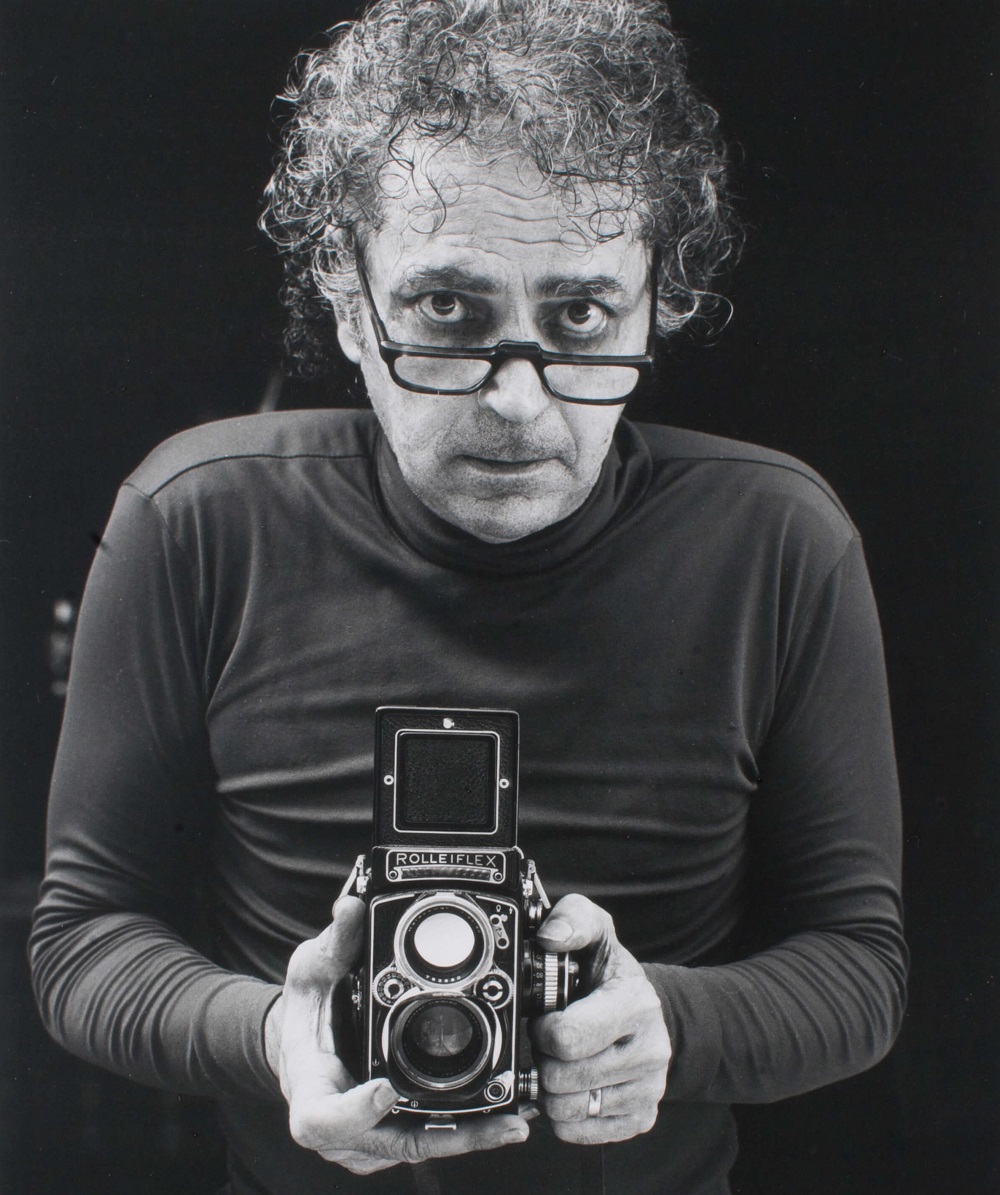
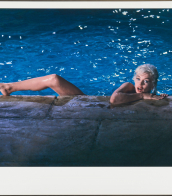
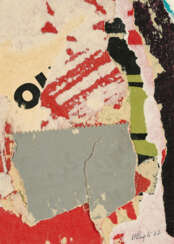
André Villers was a French photographer and artist best known for his pictures of Pablo Picasso in the south of France in the 1950s.

André Villers was a French photographer and artist best known for his pictures of Pablo Picasso in the south of France in the 1950s.
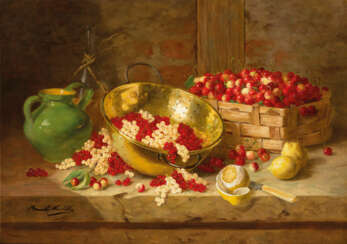

Alfred-Arthur Brunel de Neuville was a French painter known mainly for paintings of still life and animals, especially cats. His works are in museums at Béziers, Brest, Chateau Thierry, and Louviers.
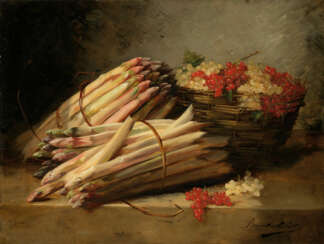

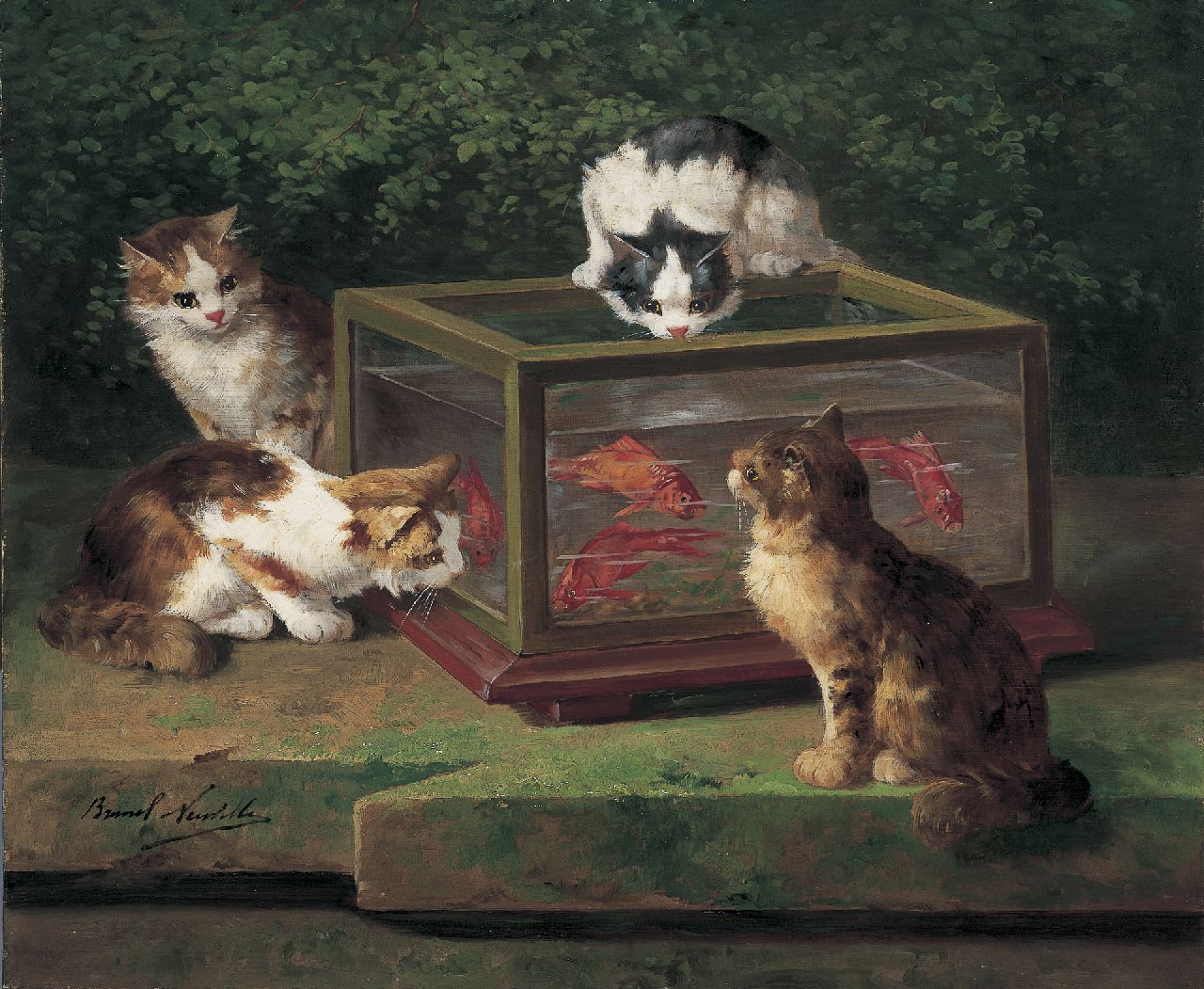
Alfred-Arthur Brunel de Neuville was a French painter known mainly for paintings of still life and animals, especially cats. His works are in museums at Béziers, Brest, Chateau Thierry, and Louviers.


André Villers was a French photographer and artist best known for his pictures of Pablo Picasso in the south of France in the 1950s.





Alfred-Arthur Brunel de Neuville was a French painter known mainly for paintings of still life and animals, especially cats. His works are in museums at Béziers, Brest, Chateau Thierry, and Louviers.



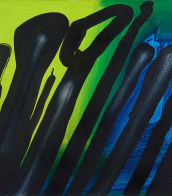
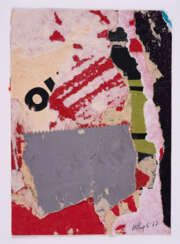

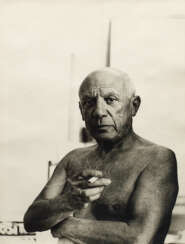

André Villers was a French photographer and artist best known for his pictures of Pablo Picasso in the south of France in the 1950s.
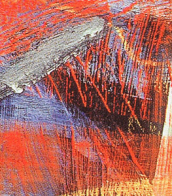
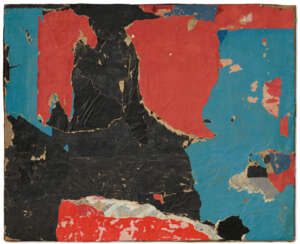





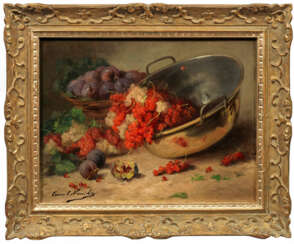

Alfred-Arthur Brunel de Neuville was a French painter known mainly for paintings of still life and animals, especially cats. His works are in museums at Béziers, Brest, Chateau Thierry, and Louviers.
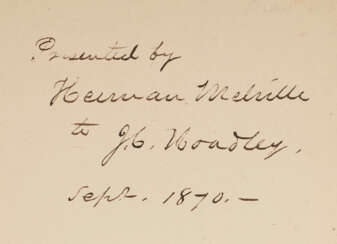

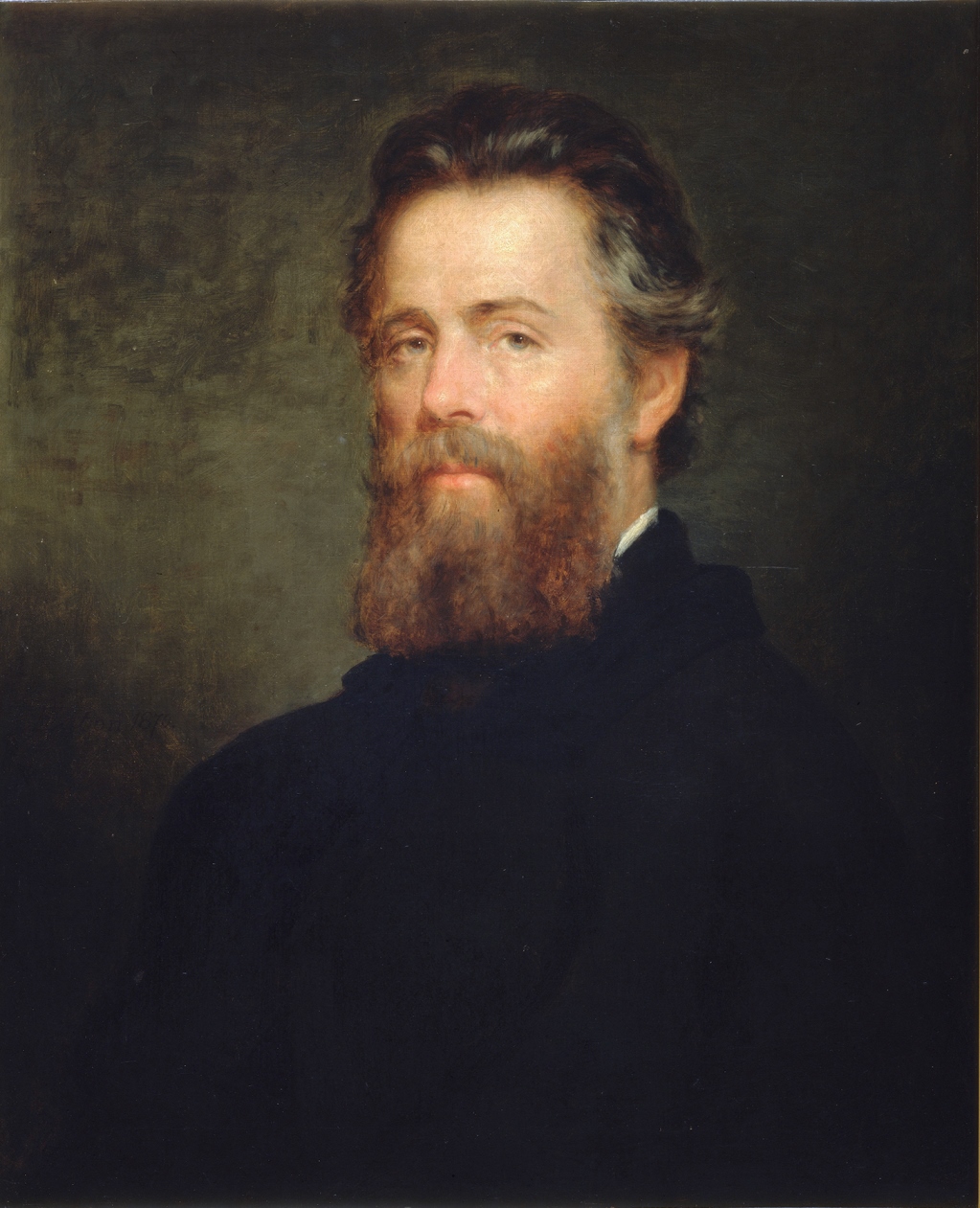
Herman Melville was an American writer, poet, and sailor.
Melville's hardship-filled youth ended on a whaling ship. He returned from his adventures in the South Seas in October 1844, and wrote "Taipi" the following spring. The book was based on the events surrounding Melville's desertion from the whaling ship Acushnet in 1842 and subsequent adventures in the Marquesas Islands.
Melville wrote several other novels and short stories and many poems, but during his lifetime his works were little appreciated by his contemporaries. Only in the 1920s began to rethink Melville, and he was recognized as a classic of world literature. World fame Melville already in the 20th century brought irrational novel "Moby Dick".
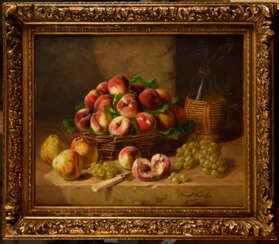

Alfred-Arthur Brunel de Neuville was a French painter known mainly for paintings of still life and animals, especially cats. His works are in museums at Béziers, Brest, Chateau Thierry, and Louviers.
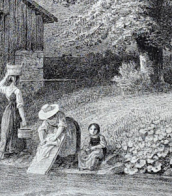
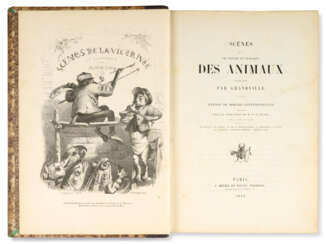

Jean Ignace Isidore Grandville, real name Gerard, was a French painter of the second third of the 19th century. He is known as a draughtsman-illustrator and caricaturist.
Grandville-Gerard came from a family of artists and actors, a stage name he adopted for himself. His humor and rich imagination made him one of the leading caricaturists of his time. Depicting contemporary mores, he endowed animals and plants with human vices and people with the appearance of animals.
Grandville illustrated many classic literary works, including La Fontaine's Fables, Robinson Crusoe, Don Quixote, and Gulliver's Travels, becoming famous for his unique and vividly creative interpretations.


Alfred-Arthur Brunel de Neuville was a French painter known mainly for paintings of still life and animals, especially cats. His works are in museums at Béziers, Brest, Chateau Thierry, and Louviers.


Herman Melville was an American writer, poet, and sailor.
Melville's hardship-filled youth ended on a whaling ship. He returned from his adventures in the South Seas in October 1844, and wrote "Taipi" the following spring. The book was based on the events surrounding Melville's desertion from the whaling ship Acushnet in 1842 and subsequent adventures in the Marquesas Islands.
Melville wrote several other novels and short stories and many poems, but during his lifetime his works were little appreciated by his contemporaries. Only in the 1920s began to rethink Melville, and he was recognized as a classic of world literature. World fame Melville already in the 20th century brought irrational novel "Moby Dick".
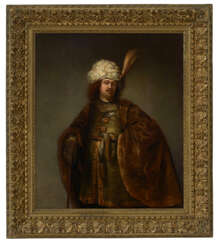



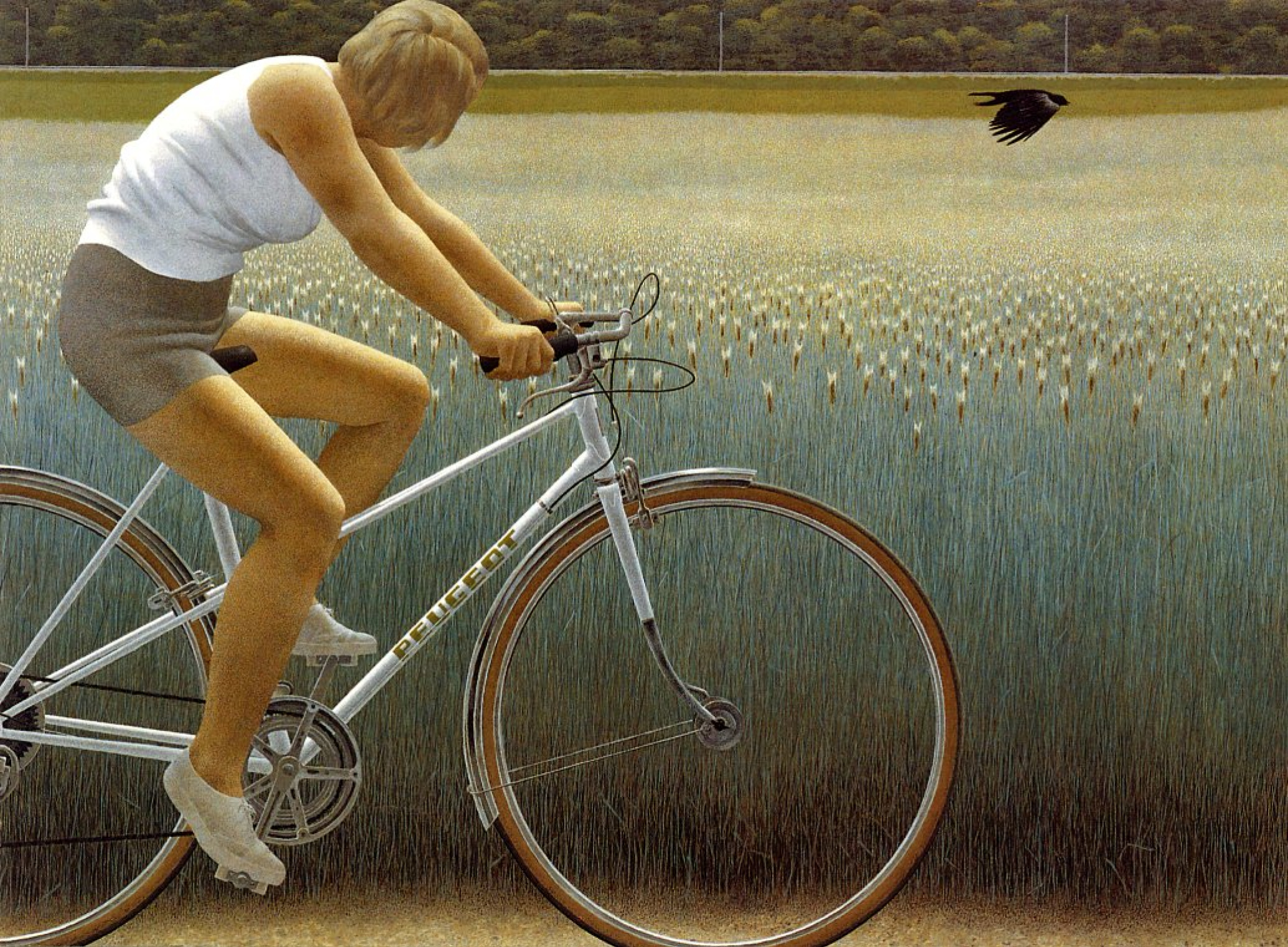
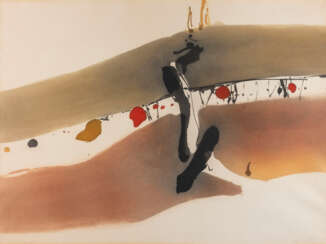



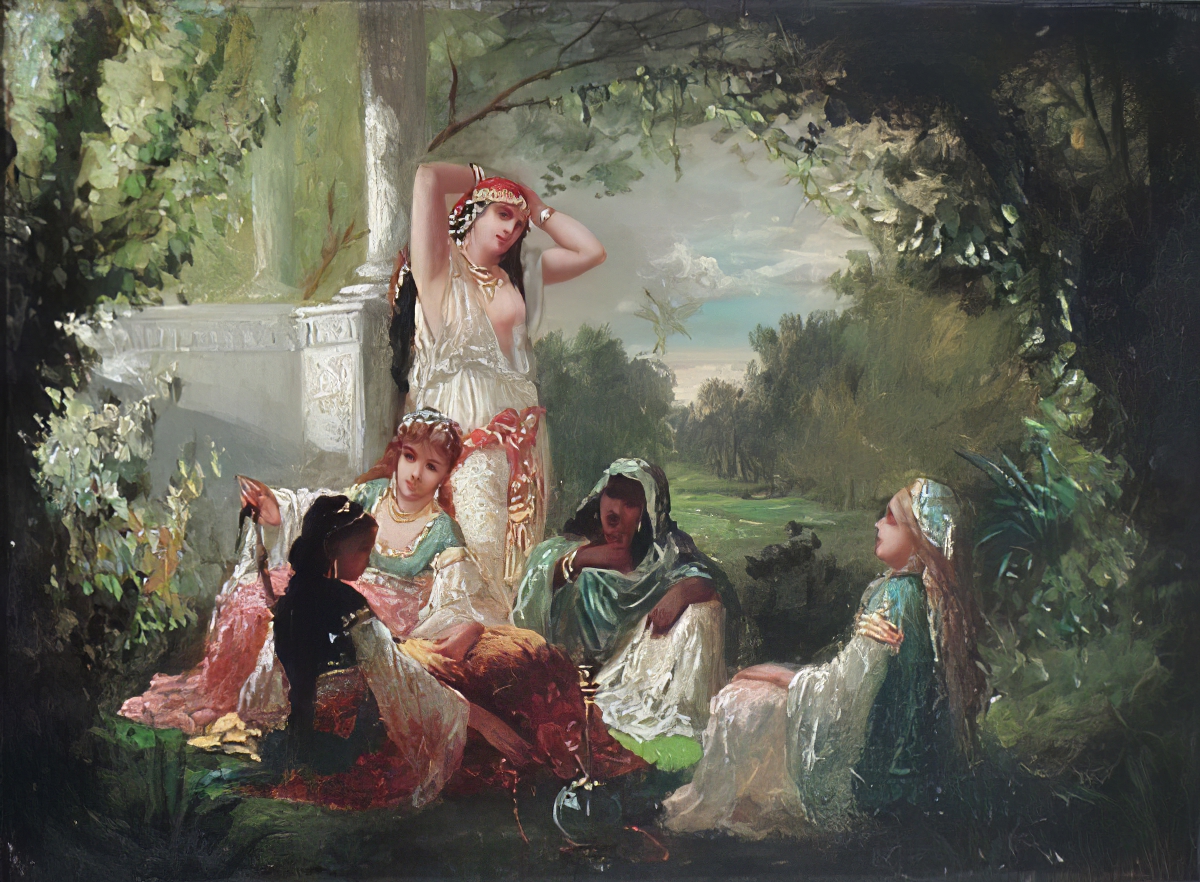
Antoine-Victor-Edmond-Madeleine Joinville was a 19th-century French painter.
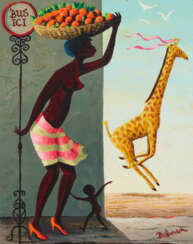

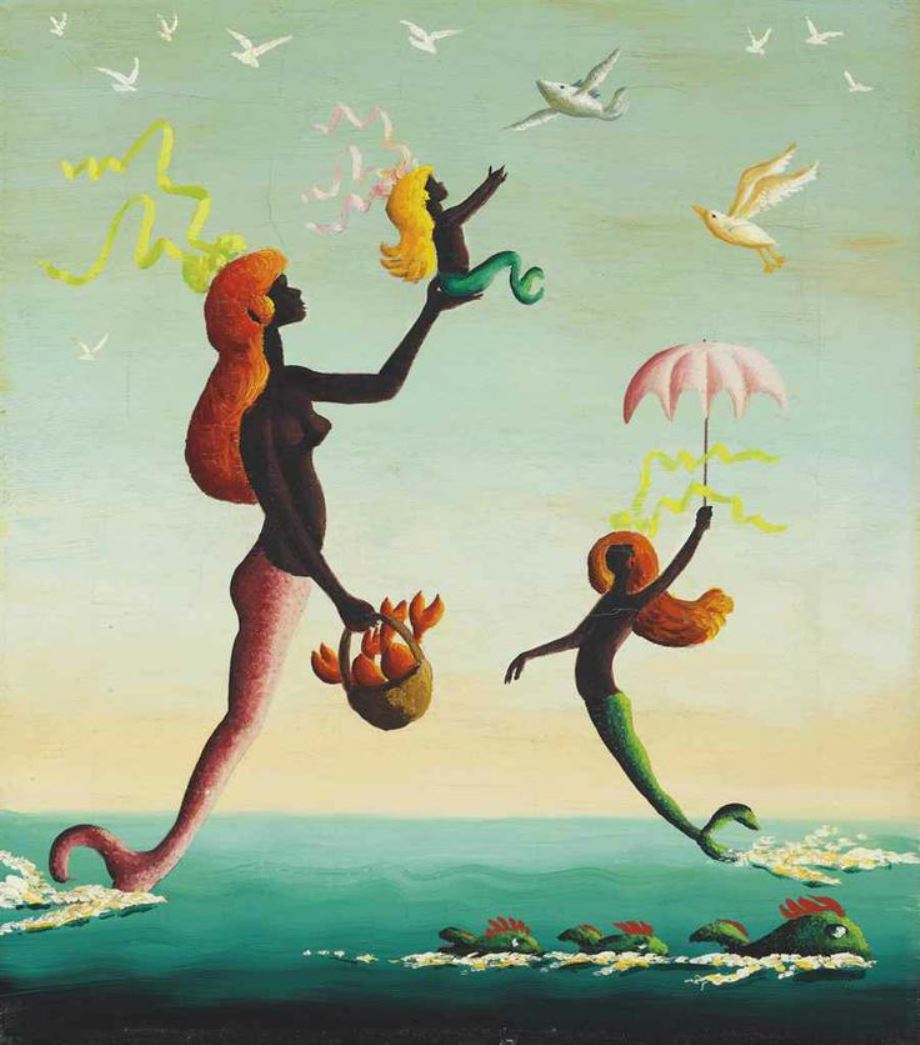
Orville Bulman is a self-taught American artist and former businessman. After working briefly as a cartoonist in Chicago and becoming president of two family-owned companies, he was inspired by the lives of the African-American people of Haiti and the Caribbean islands. Bulman created some 2,000 paintings depicting the flora and fauna of those places and scenes of people's lives.


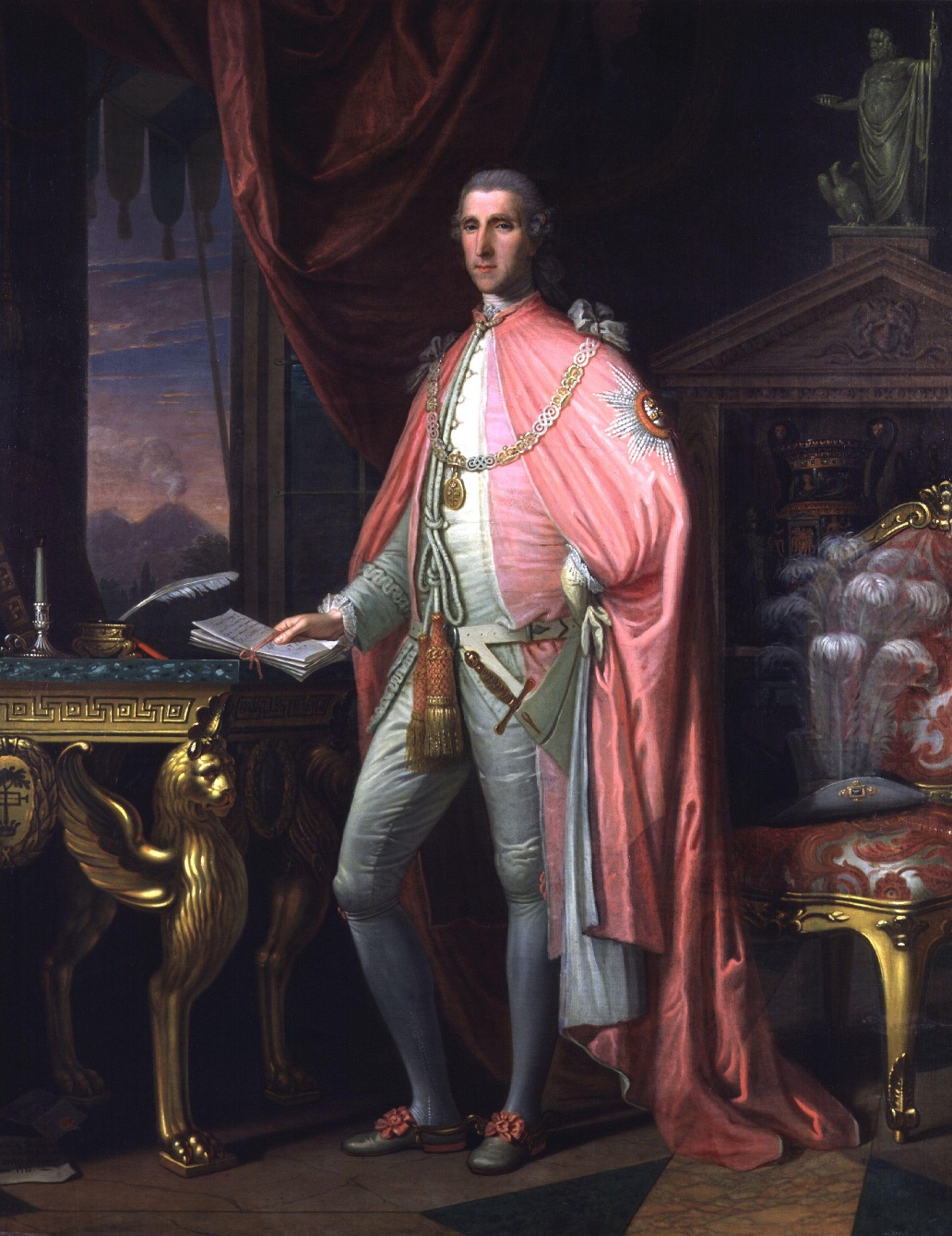
Sir William Douglas Hamilton was a British diplomat, archaeologist and volcanologist, a famous collector, and a Fellow of the Royal Society of London.
He served as British Ambassador to the Kingdom of Naples from 1764 to 1800, but most importantly, he was a passionate researcher of history, art and natural sciences and was a member of the Society of Dilettantes, established for the purpose of studying ancient art.
In Naples, Hamilton amassed a unique collection of antique vases and published an illustrated book about them. In parallel, Sir Hamilton studied the volcanoes Vesuvius and Etna, local volcanic and seismic activity, and the causes of earthquakes in the Neapolitan territory. As a corresponding member of the Royal Society, he sent the results of his research to London. His publications were very valuable for the time.
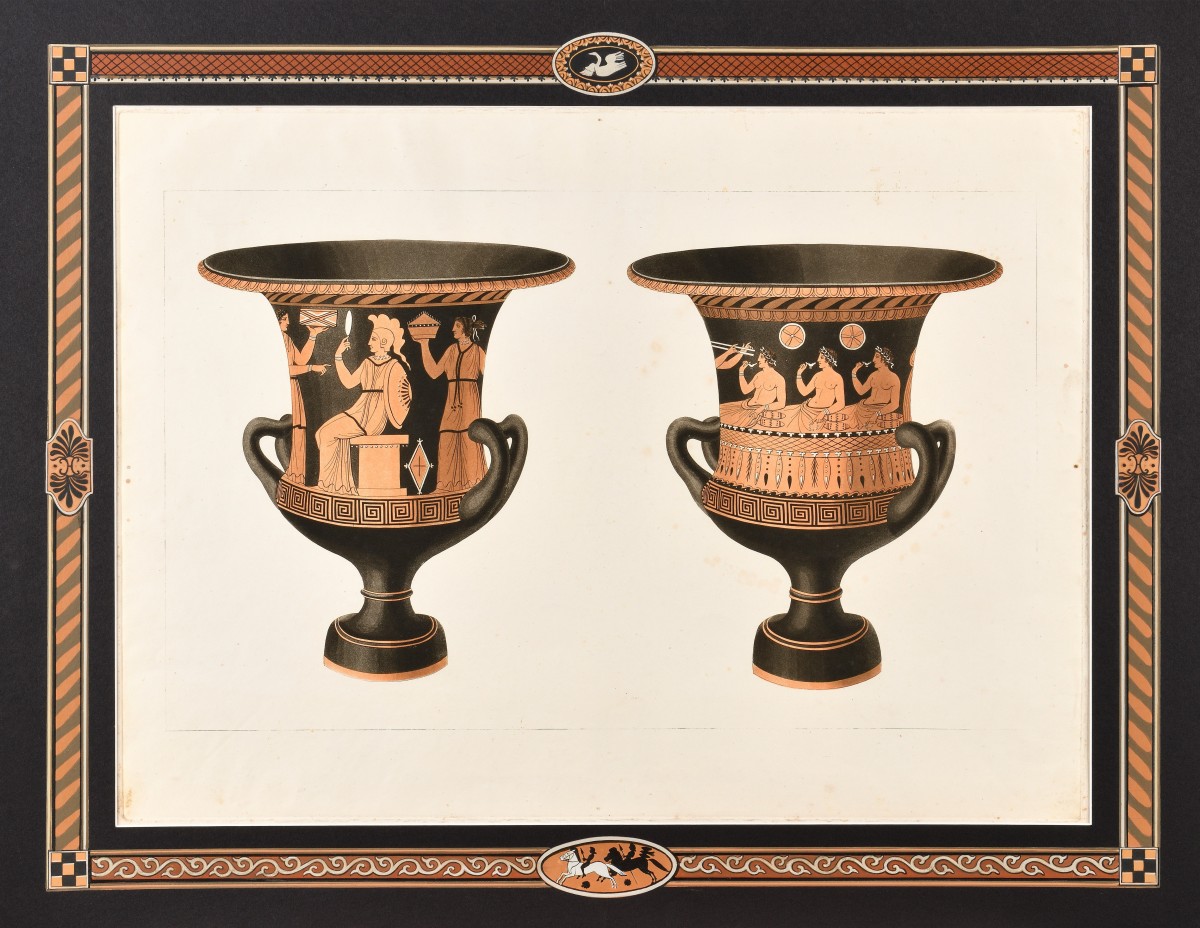
Pierre-François Hugues d'Hancarville, better known as Baron d'Hancarville, was an art historian, writer, and adventurer who lived most of his life in Italy.
To advance from the merchant class to high society, he studied mathematics, physics, history, literature, ancient languages, and English, Italian, and German. Traveling in Europe, he presented himself as an aristocrat under various names. Under the name Baron d'Hancarville, he was known as a connoisseur and art dealer, which is apparently why he was approached by Sir William Hamilton (1731-1803), who was ambassador to the British embassy in Naples and had amassed a large collection of ancient vases. Before selling this collection to the British Museum in 1772, Hamilton asked d'Hancarville for help in creating a complete catalog of it in descriptions and illustrations. The baron also wrote a detailed essay.
This catalog, entitled The Complete Collection of Antiquities from the Cabinet of Sir William Hamilton, is itself a neoclassical masterpiece in French and English. Antique vases have never before been depicted with such precision and aestheticism.