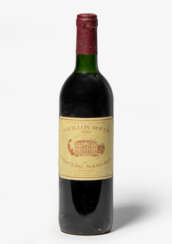
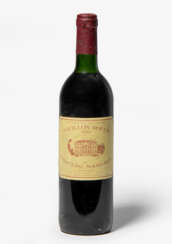
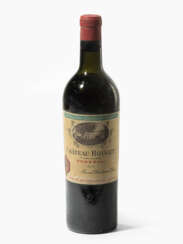
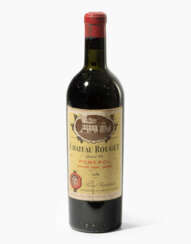
vin rouge
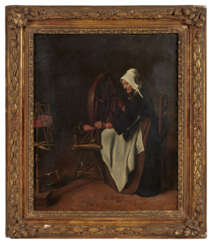

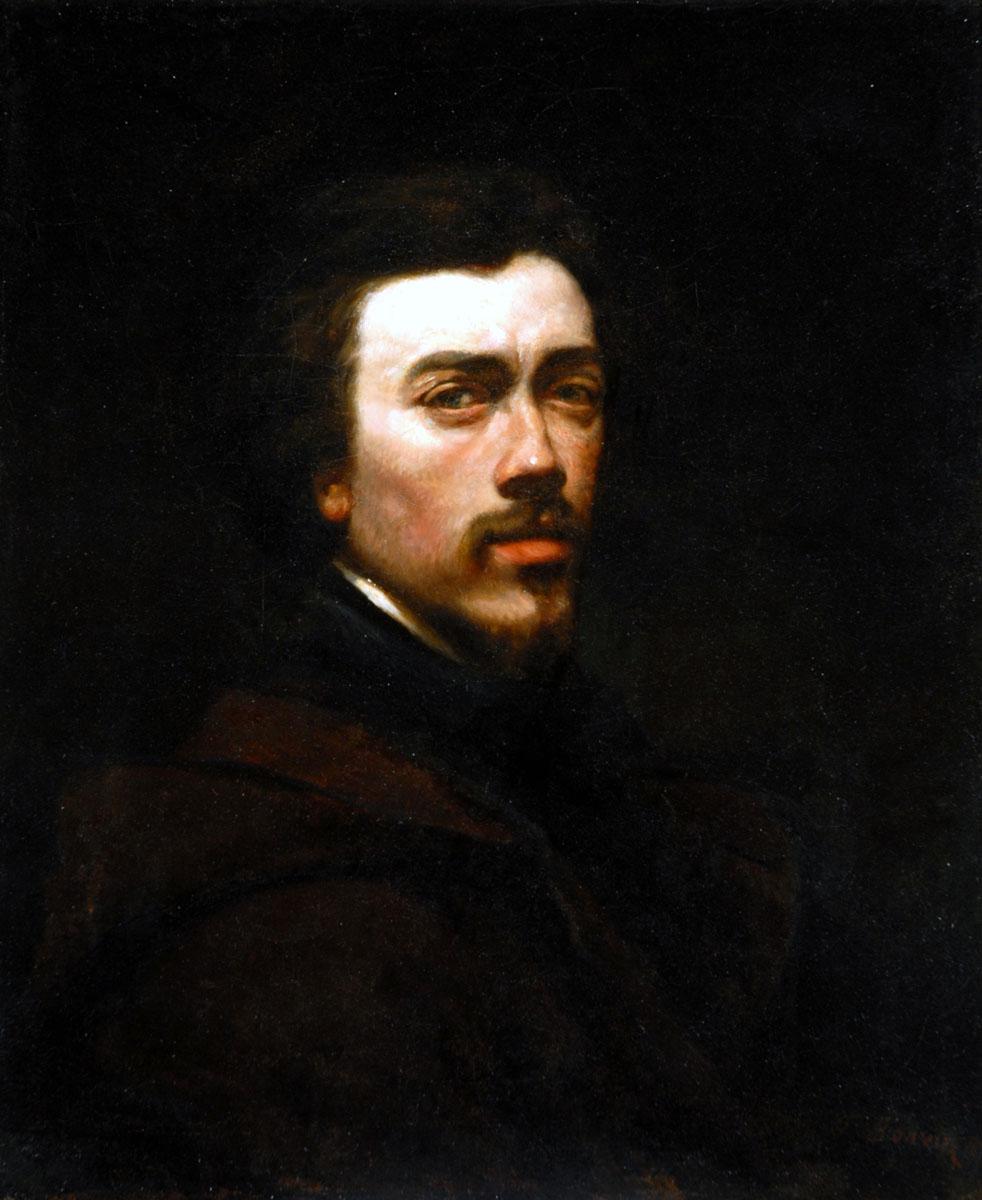
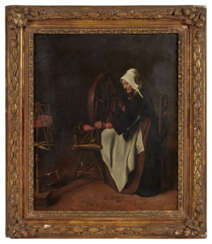




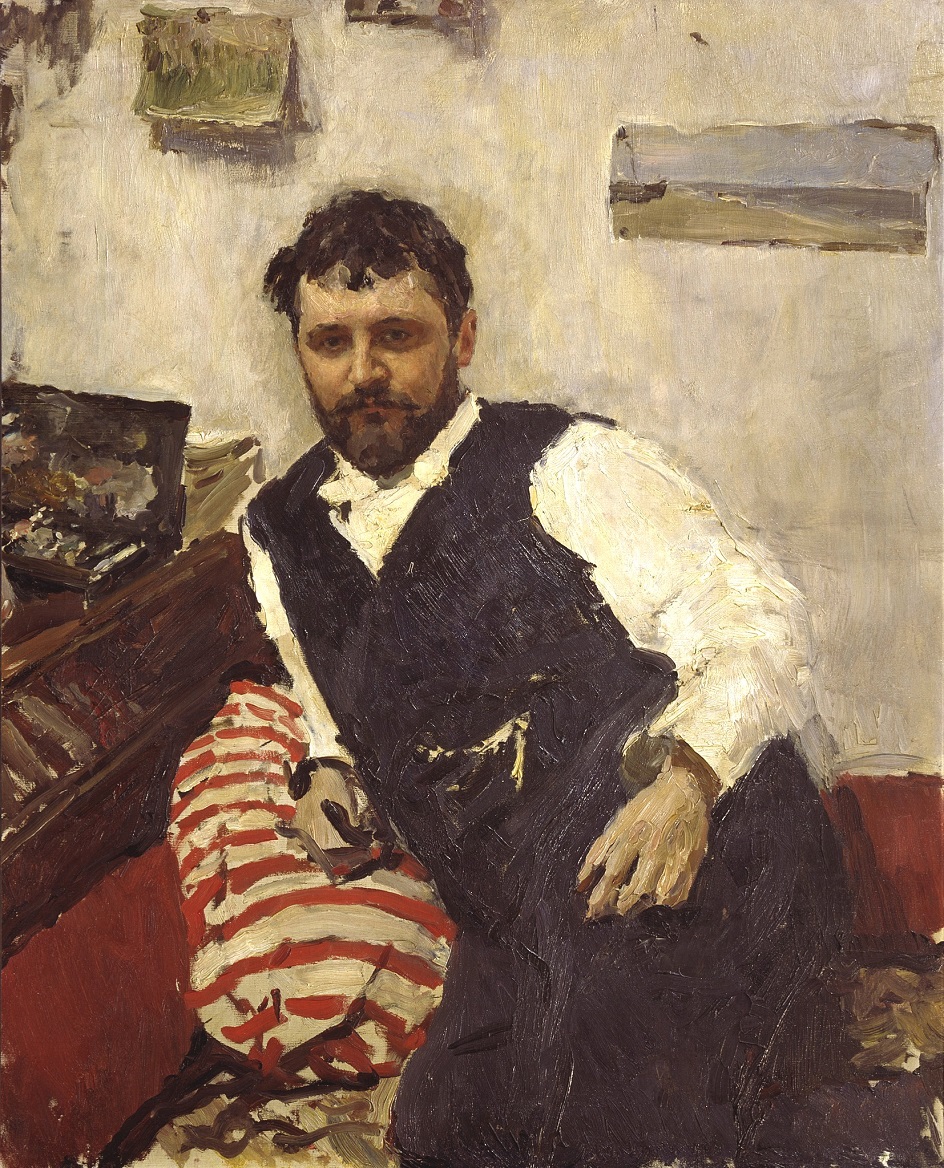
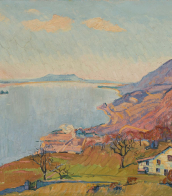
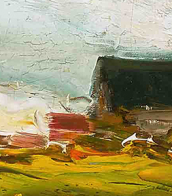
Konstantin Alekseyevich Korovin (Russian: Константи́н Алексе́евич Коро́вин) was a Russian artist and stage designer, renowned for his pivotal role in the transition from Russian Realism to Impressionism. Born in Moscow in 1861, Korovin's artistic journey began at the Moscow School of Painting, Sculpture, and Architecture, where he was heavily influenced by his mentor, Alexei Savrasov. His early work reflected the Realist tradition, but his style evolved after exposure to the vibrant art scenes of Paris and the influence of French Impressionists.
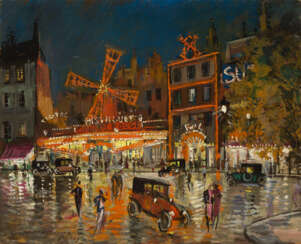
Korovin's contribution to art is marked by his vibrant palette and dynamic brushwork, capturing the transient effects of light and color with a spontaneity that was novel to Russian painting at the time. His works, ranging from lush landscapes and intimate still lifes to vivid portraits, showcase his mastery in evoking mood and atmosphere. Notably, his paintings of the Russian North and scenes of Parisian life have been celebrated for their lively, atmospheric qualities and are held in high esteem in museums and galleries worldwide, including the Tretyakov Gallery in Moscow and the Russian Museum in Saint Petersburg.
Beyond painting, Korovin's legacy includes significant contributions to theater design, where his innovative use of color and lighting brought new dimensions to stage productions in Russia, collaborating closely with the Moscow Art Theatre. His scenic designs for operas and ballets are credited with revolutionizing the visual aspect of Russian theater, making him a pivotal figure in both the visual and performing arts.
For collectors and experts in art and antiques, Korovin's works represent a unique blend of Russian tradition and Western artistic movements, making them highly sought after. His ability to capture the essence of a moment, whether in the tranquil Russian countryside or the bustling streets of Paris, continues to captivate audiences and scholars alike.
To stay informed on new sales and auction events featuring works by Konstantin Alekseyevich Korovin, sign up for our updates. This subscription ensures you're the first to know about valuable opportunities to add to your collection, focusing exclusively on Korovin's art and related events.






































John Montresor was a British military engineer and cartographer who worked in North America.
His father was a military engineer and his youth was spent in British Gibraltar. Montresor studied in London, and in 1754 accompanied his father to North America when he was appointed chief engineer to Major General Edward Braddock's troops. John participated in various expeditions, delivered dispatches, and witnessed the sieges of Louisbourg and Quebec. During his service, he also did the necessary research and prepared maps of Acadia, the St. Lawrence River, and his route along the Kennebec River.
One of John Montresor's major accomplishments is the strategic map of the Hudson River, one of the most detailed maps of the New York City area during the American Revolution, first published in 1775. The map extends from Lake Champlain down the Hudson to Long Island, with insets of Lake Champlain and the White Hills in the upper Connecticut Valley.
John Montresor was promoted to captain in 1776, returned to England in 1779, and retired from the army. He died in prison 20 years later, accused of excessive spending while in the service.