walker &amp
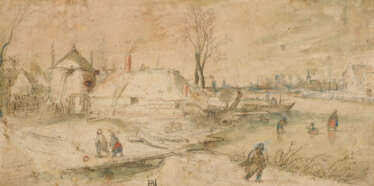

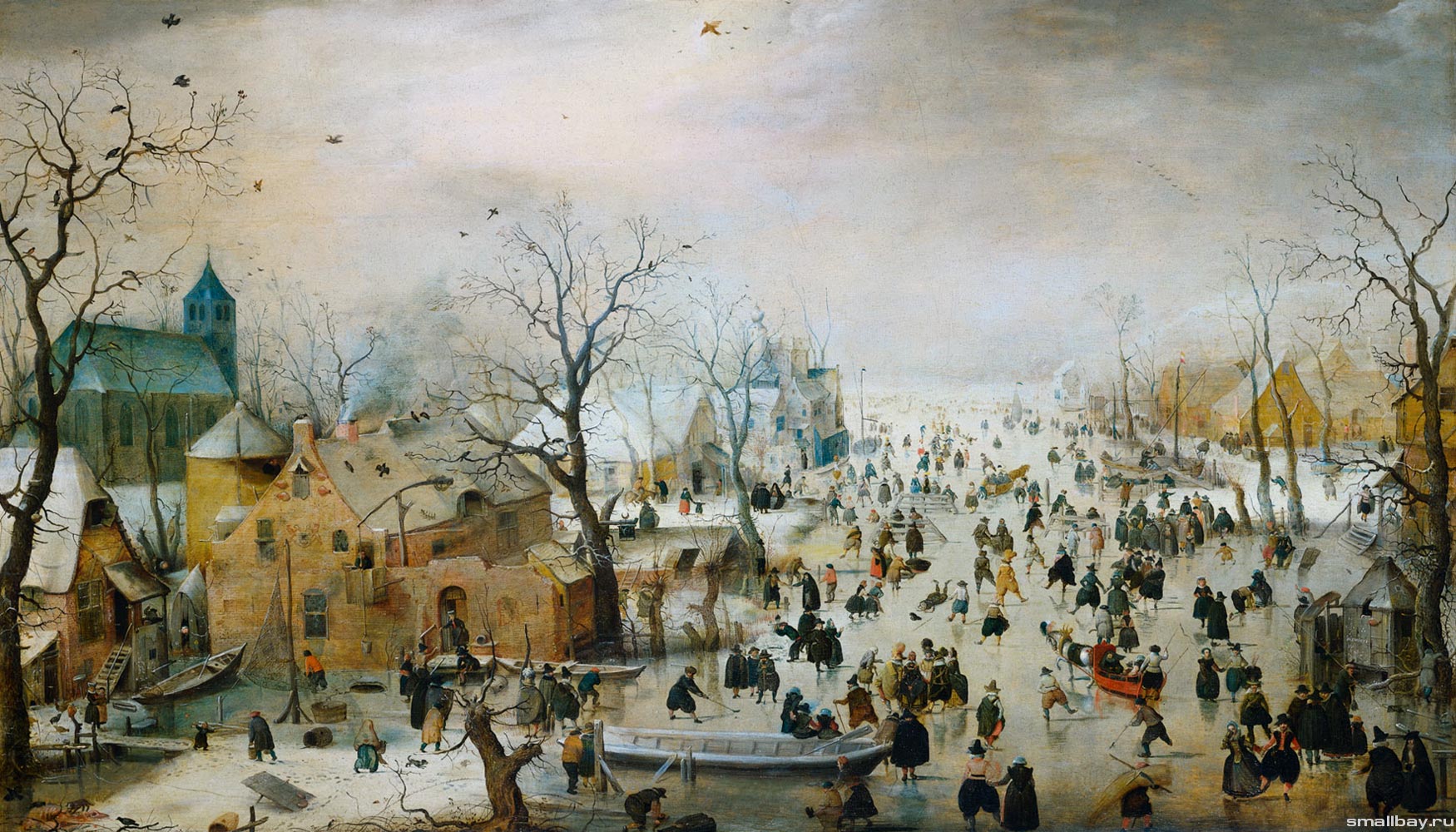
Hendrick Avercamp was a seminal Dutch painter during the Dutch Golden Age. He is celebrated as one of the earliest landscape painters of the 17th-century Dutch school, specializing in vibrant winter scenes of the Netherlands. His paintings are filled with colorful and lively depictions of people engaging in various activities against the backdrop of the Dutch winter landscape.
Educated by the Danish-born portrait painter Pieter Isaacsz, Hendrick Avercamp's work reflects a strong influence from the Flemish painting tradition, especially evident in the landscapes reminiscent of Pieter Bruegel the Elder. His technique of aerial perspective, where objects in the foreground are painted with richer colors than those in the distance, creates a remarkable impression of depth in his paintings.
Hendrick Avercamp's most ambitious and acclaimed work, 'Winter Landscape with Ice Skaters', painted around 1608, is a detailed panorama of human and animal activities during a harsh winter. This painting, along with others like 'Winter Landscape with a Frozen River and Figures' and 'Winter Landscape with Skates and People Playing Golf', showcase his knack for narrative, capturing various facets of 17th-century Dutch society enjoying the winter season.
Despite being mute and probably deaf, Hendrick Avercamp's keen observation skills are evident in his works, where he intricately portrays diverse classes engaging in various winter activities. He produced about a hundred paintings, many of which can be seen in the Rijksmuseum in Amsterdam and the Mauritshuis in The Hague. His work was also celebrated for its historical quality, providing a glimpse into the life of different societal levels in the Netherlands at that time.
For collectors and enthusiasts of art and antiques, Hendrick Avercamp's paintings offer a fascinating window into the Dutch Golden Age, with their vivid portrayal of life and activities in a winter setting. His works, characterized by meticulous detail and a cheerful narrative, remain an integral part of the conversation in the history of Dutch art.
To stay updated on the latest insights and collections related to Hendrick Avercamp's works, consider subscribing to our updates. Stay informed about new sales, exhibitions, and auction events featuring this master of Dutch winter landscapes.
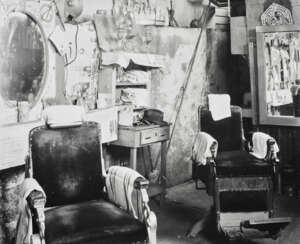

Walker Evans was an American photographer and photojournalist best known for his work for the Farm Security Administration (FSA) documenting the effects of the Great Depression. Much of Evans' work from the FSA period uses the large-format, 8×10-inch (200×250 mm) view camera. He said that his goal as a photographer was to make pictures that are "literate, authoritative, transcendent".
Many of his works are in the permanent collections of museums and have been the subject of retrospectives at such institutions as the Metropolitan Museum of Art or the George Eastman Museum.
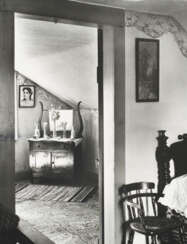

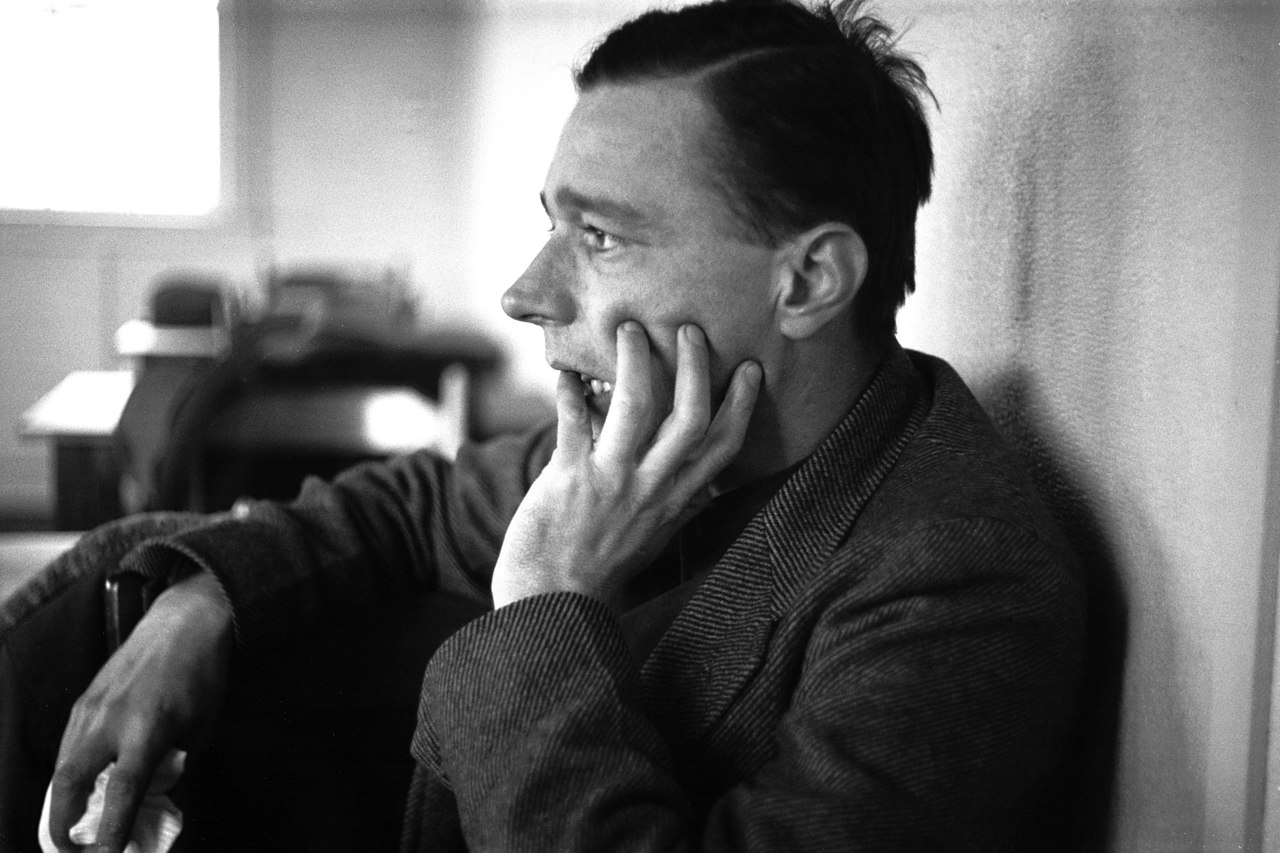
Walker Evans was an American photographer and photojournalist best known for his work for the Farm Security Administration (FSA) documenting the effects of the Great Depression. Much of Evans' work from the FSA period uses the large-format, 8×10-inch (200×250 mm) view camera. He said that his goal as a photographer was to make pictures that are "literate, authoritative, transcendent".
Many of his works are in the permanent collections of museums and have been the subject of retrospectives at such institutions as the Metropolitan Museum of Art or the George Eastman Museum.


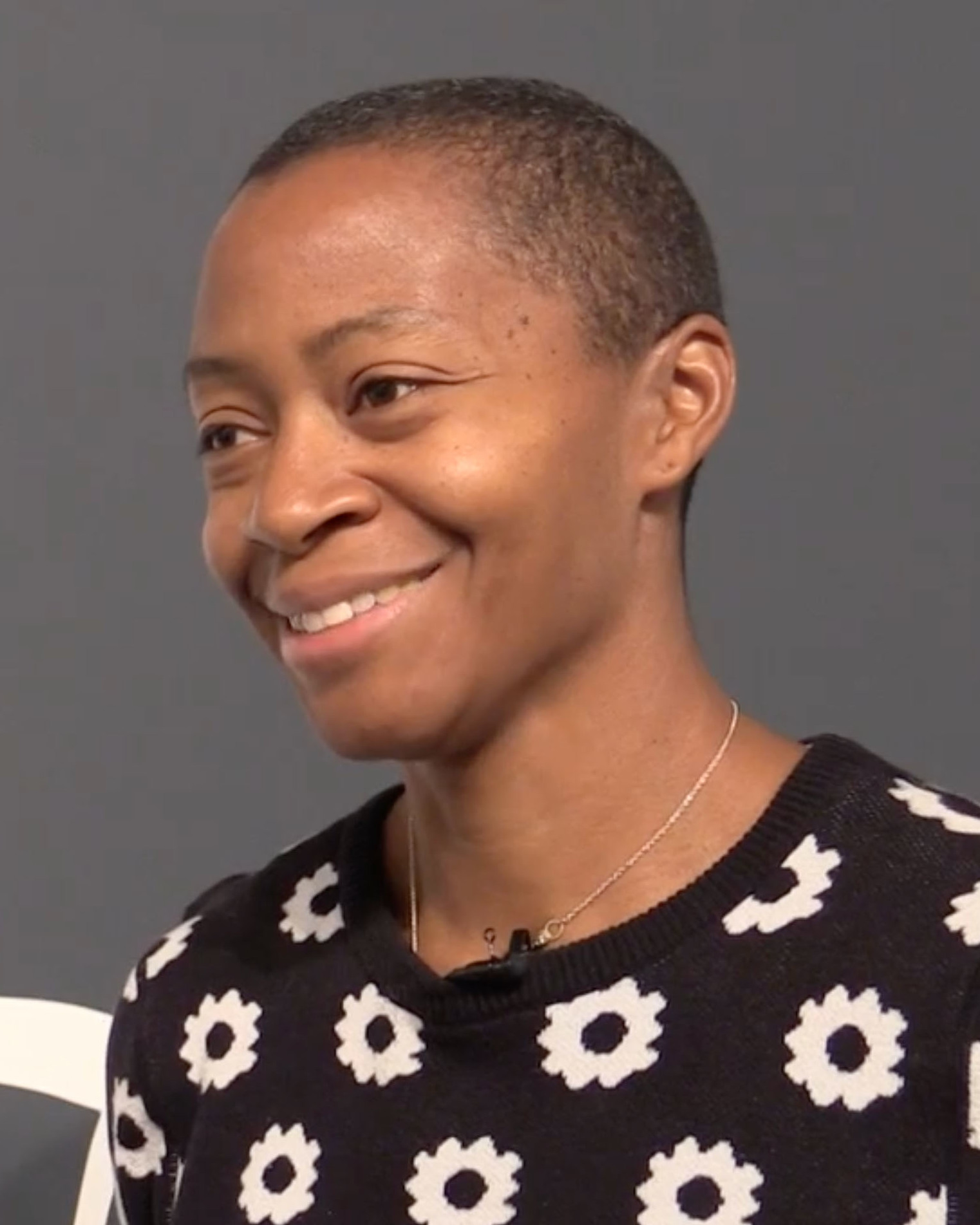
Kara Elizabeth Walker is an American contemporary painter, silhouettist, print-maker, installation artist, filmmaker, and professor who explores race, gender, sexuality, violence, and identity in her work. She is best known for her room-size tableaux of black cut-paper silhouettes. Walker was awarded a MacArthur fellowship in 1997, at the age of 28, becoming one of the youngest ever recipients of the award. She has been the Tepper Chair in Visual Arts at the Mason Gross School of the Arts, Rutgers University since 2015.
Walker is regarded as among the most prominent and acclaimed Black American artists working today.

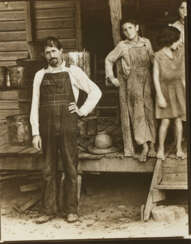

Walker Evans was an American photographer and photojournalist best known for his work for the Farm Security Administration (FSA) documenting the effects of the Great Depression. Much of Evans' work from the FSA period uses the large-format, 8×10-inch (200×250 mm) view camera. He said that his goal as a photographer was to make pictures that are "literate, authoritative, transcendent".
Many of his works are in the permanent collections of museums and have been the subject of retrospectives at such institutions as the Metropolitan Museum of Art or the George Eastman Museum.
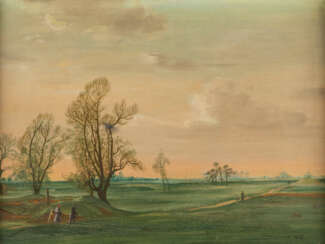

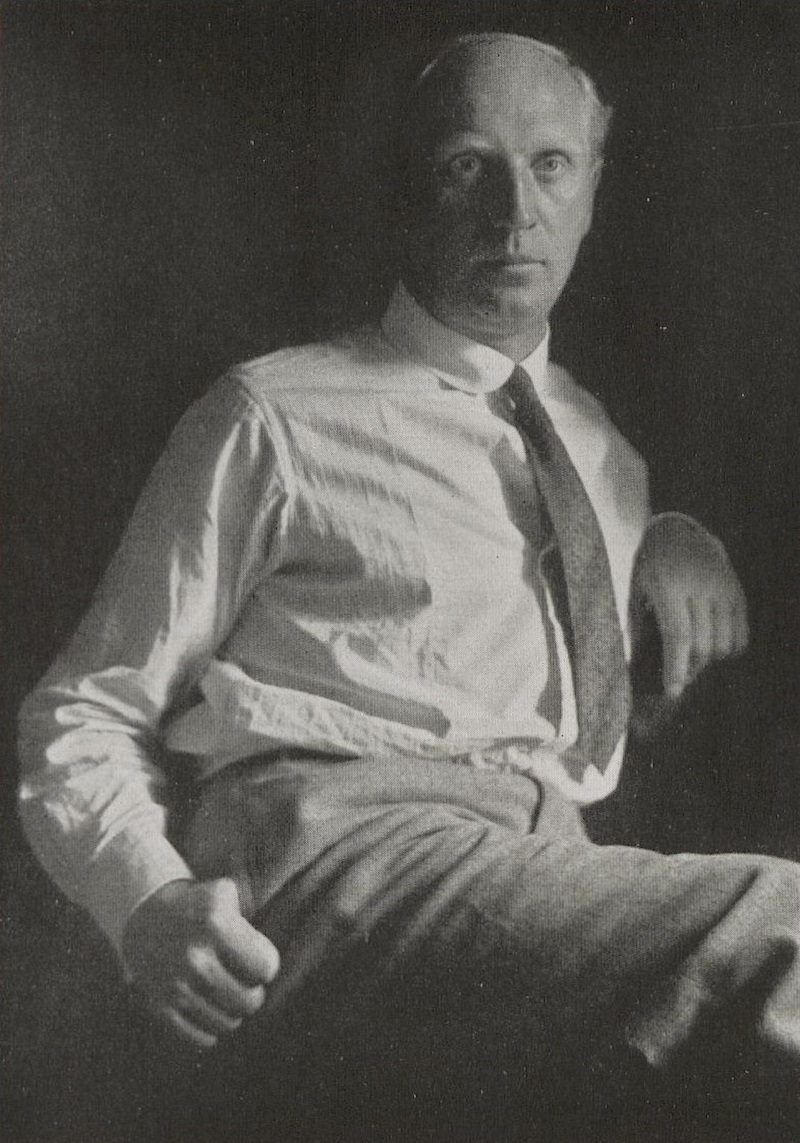
Theo Champion was a German painter. His work was part of the painting event in the art competition at the 1928 Summer Olympics.


Peter Walker Nicholson was a British painter.
After being educated as a lawyer, Nicholson decided to take up painting and entered the Ruskin School in Oxford. He showed great promise and was very talented, but by tragic accident died very young.
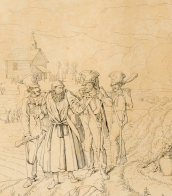
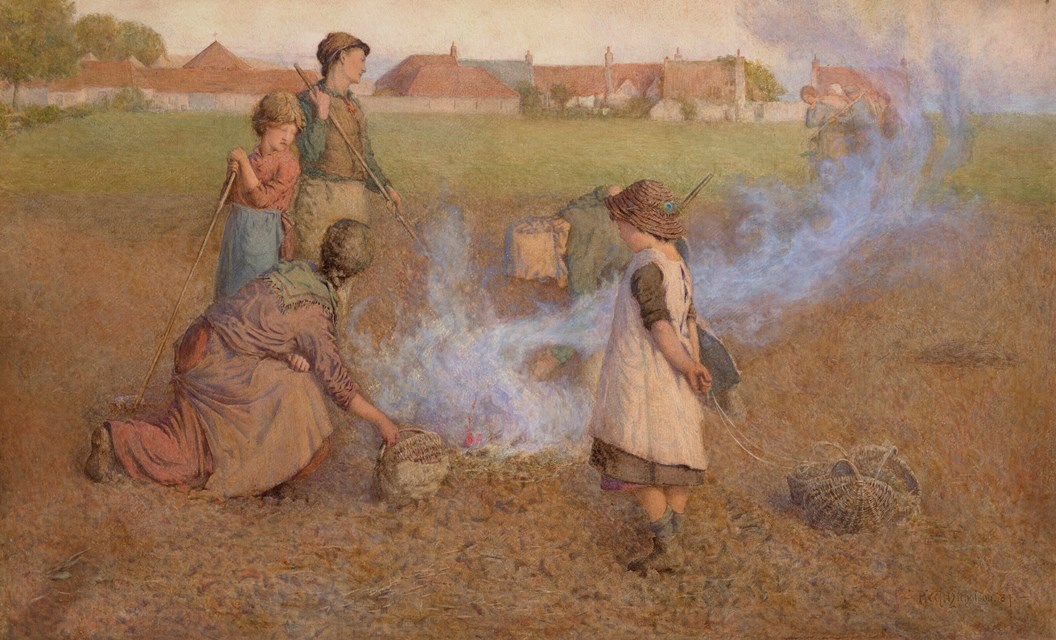
During a year's stay in Paris in 1881, Nicholson was influenced by the work of artists of the Barbizon school, who took as subjects of paintings of everyday life of peasants in a realistic style. Nicholson painted rural landscapes and managed to create his masterpiece, the genre painting The Burning of Weeds, which is on display at the Royal Scottish Academy.


Kara Elizabeth Walker is an American contemporary painter, silhouettist, print-maker, installation artist, filmmaker, and professor who explores race, gender, sexuality, violence, and identity in her work. She is best known for her room-size tableaux of black cut-paper silhouettes. Walker was awarded a MacArthur fellowship in 1997, at the age of 28, becoming one of the youngest ever recipients of the award. She has been the Tepper Chair in Visual Arts at the Mason Gross School of the Arts, Rutgers University since 2015.
Walker is regarded as among the most prominent and acclaimed Black American artists working today.


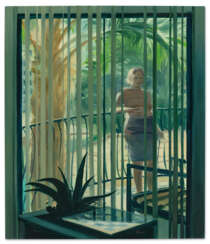

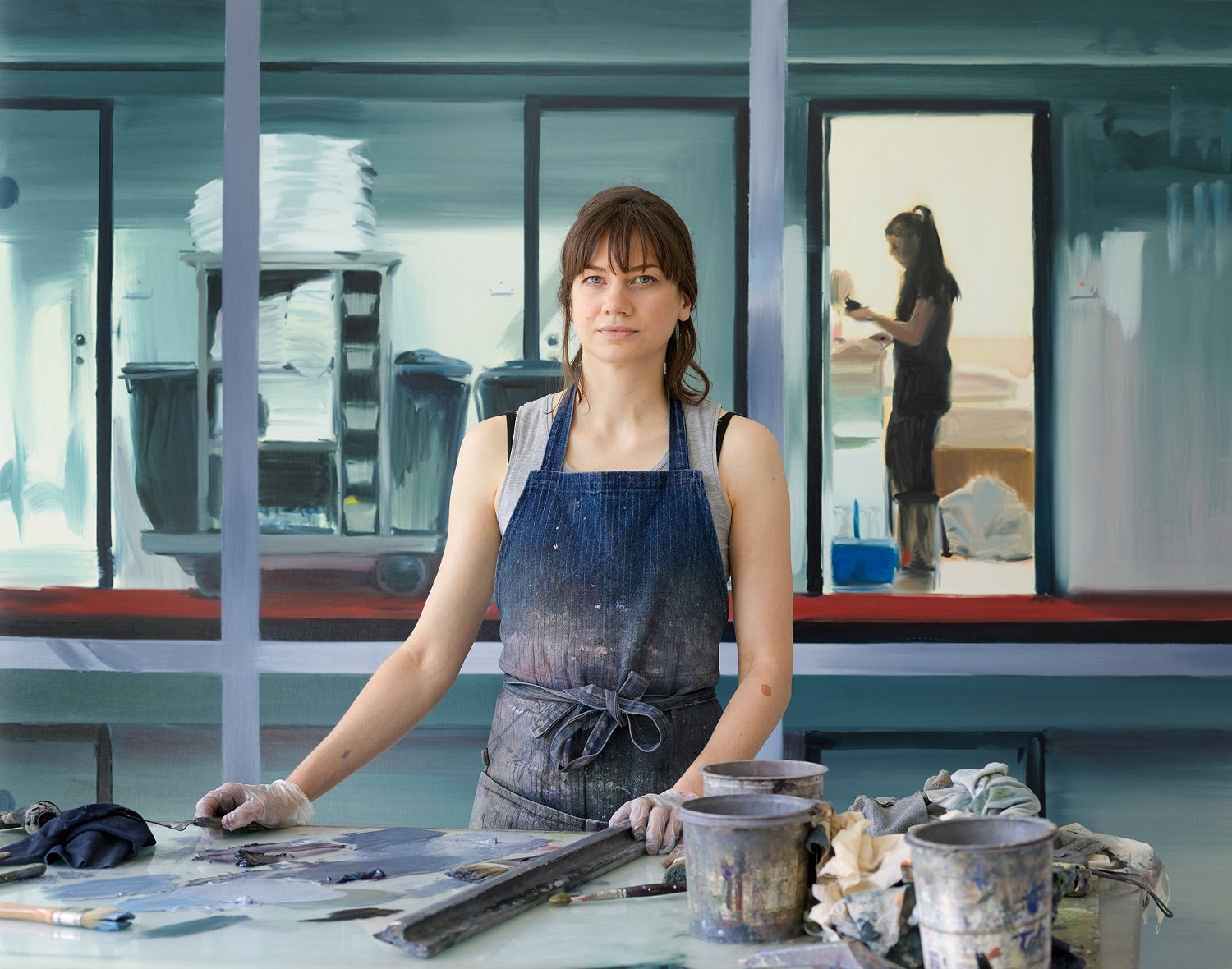
Caroline Walker is a Scottish-born contemporary visual artist based in London. She is known for voyeuristic paintings of women working.
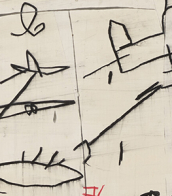


Kara Elizabeth Walker is an American contemporary painter, silhouettist, print-maker, installation artist, filmmaker, and professor who explores race, gender, sexuality, violence, and identity in her work. She is best known for her room-size tableaux of black cut-paper silhouettes. Walker was awarded a MacArthur fellowship in 1997, at the age of 28, becoming one of the youngest ever recipients of the award. She has been the Tepper Chair in Visual Arts at the Mason Gross School of the Arts, Rutgers University since 2015.
Walker is regarded as among the most prominent and acclaimed Black American artists working today.
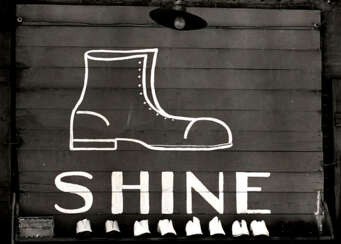

Walker Evans was an American photographer and photojournalist best known for his work for the Farm Security Administration (FSA) documenting the effects of the Great Depression. Much of Evans' work from the FSA period uses the large-format, 8×10-inch (200×250 mm) view camera. He said that his goal as a photographer was to make pictures that are "literate, authoritative, transcendent".
Many of his works are in the permanent collections of museums and have been the subject of retrospectives at such institutions as the Metropolitan Museum of Art or the George Eastman Museum.
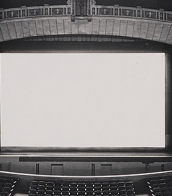


Walker Evans was an American photographer and photojournalist best known for his work for the Farm Security Administration (FSA) documenting the effects of the Great Depression. Much of Evans' work from the FSA period uses the large-format, 8×10-inch (200×250 mm) view camera. He said that his goal as a photographer was to make pictures that are "literate, authoritative, transcendent".
Many of his works are in the permanent collections of museums and have been the subject of retrospectives at such institutions as the Metropolitan Museum of Art or the George Eastman Museum.
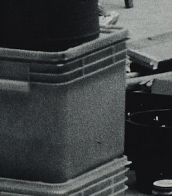


Walker Evans was an American photographer and photojournalist best known for his work for the Farm Security Administration (FSA) documenting the effects of the Great Depression. Much of Evans' work from the FSA period uses the large-format, 8×10-inch (200×250 mm) view camera. He said that his goal as a photographer was to make pictures that are "literate, authoritative, transcendent".
Many of his works are in the permanent collections of museums and have been the subject of retrospectives at such institutions as the Metropolitan Museum of Art or the George Eastman Museum.


Kara Elizabeth Walker is an American contemporary painter, silhouettist, print-maker, installation artist, filmmaker, and professor who explores race, gender, sexuality, violence, and identity in her work. She is best known for her room-size tableaux of black cut-paper silhouettes. Walker was awarded a MacArthur fellowship in 1997, at the age of 28, becoming one of the youngest ever recipients of the award. She has been the Tepper Chair in Visual Arts at the Mason Gross School of the Arts, Rutgers University since 2015.
Walker is regarded as among the most prominent and acclaimed Black American artists working today.
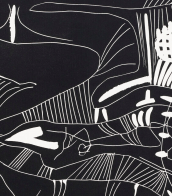
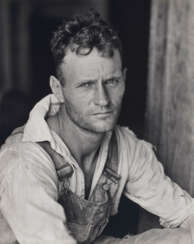

Walker Evans was an American photographer and photojournalist best known for his work for the Farm Security Administration (FSA) documenting the effects of the Great Depression. Much of Evans' work from the FSA period uses the large-format, 8×10-inch (200×250 mm) view camera. He said that his goal as a photographer was to make pictures that are "literate, authoritative, transcendent".
Many of his works are in the permanent collections of museums and have been the subject of retrospectives at such institutions as the Metropolitan Museum of Art or the George Eastman Museum.
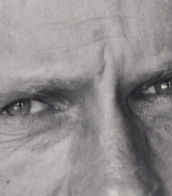


Walker Evans was an American photographer and photojournalist best known for his work for the Farm Security Administration (FSA) documenting the effects of the Great Depression. Much of Evans' work from the FSA period uses the large-format, 8×10-inch (200×250 mm) view camera. He said that his goal as a photographer was to make pictures that are "literate, authoritative, transcendent".
Many of his works are in the permanent collections of museums and have been the subject of retrospectives at such institutions as the Metropolitan Museum of Art or the George Eastman Museum.
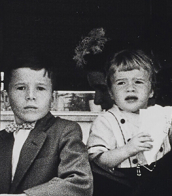


Walker Evans was an American photographer and photojournalist best known for his work for the Farm Security Administration (FSA) documenting the effects of the Great Depression. Much of Evans' work from the FSA period uses the large-format, 8×10-inch (200×250 mm) view camera. He said that his goal as a photographer was to make pictures that are "literate, authoritative, transcendent".
Many of his works are in the permanent collections of museums and have been the subject of retrospectives at such institutions as the Metropolitan Museum of Art or the George Eastman Museum.
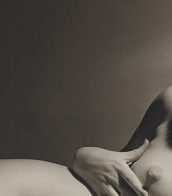
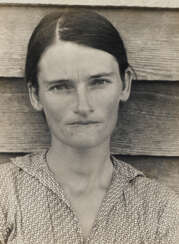

Walker Evans was an American photographer and photojournalist best known for his work for the Farm Security Administration (FSA) documenting the effects of the Great Depression. Much of Evans' work from the FSA period uses the large-format, 8×10-inch (200×250 mm) view camera. He said that his goal as a photographer was to make pictures that are "literate, authoritative, transcendent".
Many of his works are in the permanent collections of museums and have been the subject of retrospectives at such institutions as the Metropolitan Museum of Art or the George Eastman Museum.


Walker Evans was an American photographer and photojournalist best known for his work for the Farm Security Administration (FSA) documenting the effects of the Great Depression. Much of Evans' work from the FSA period uses the large-format, 8×10-inch (200×250 mm) view camera. He said that his goal as a photographer was to make pictures that are "literate, authoritative, transcendent".
Many of his works are in the permanent collections of museums and have been the subject of retrospectives at such institutions as the Metropolitan Museum of Art or the George Eastman Museum.