weiß hel


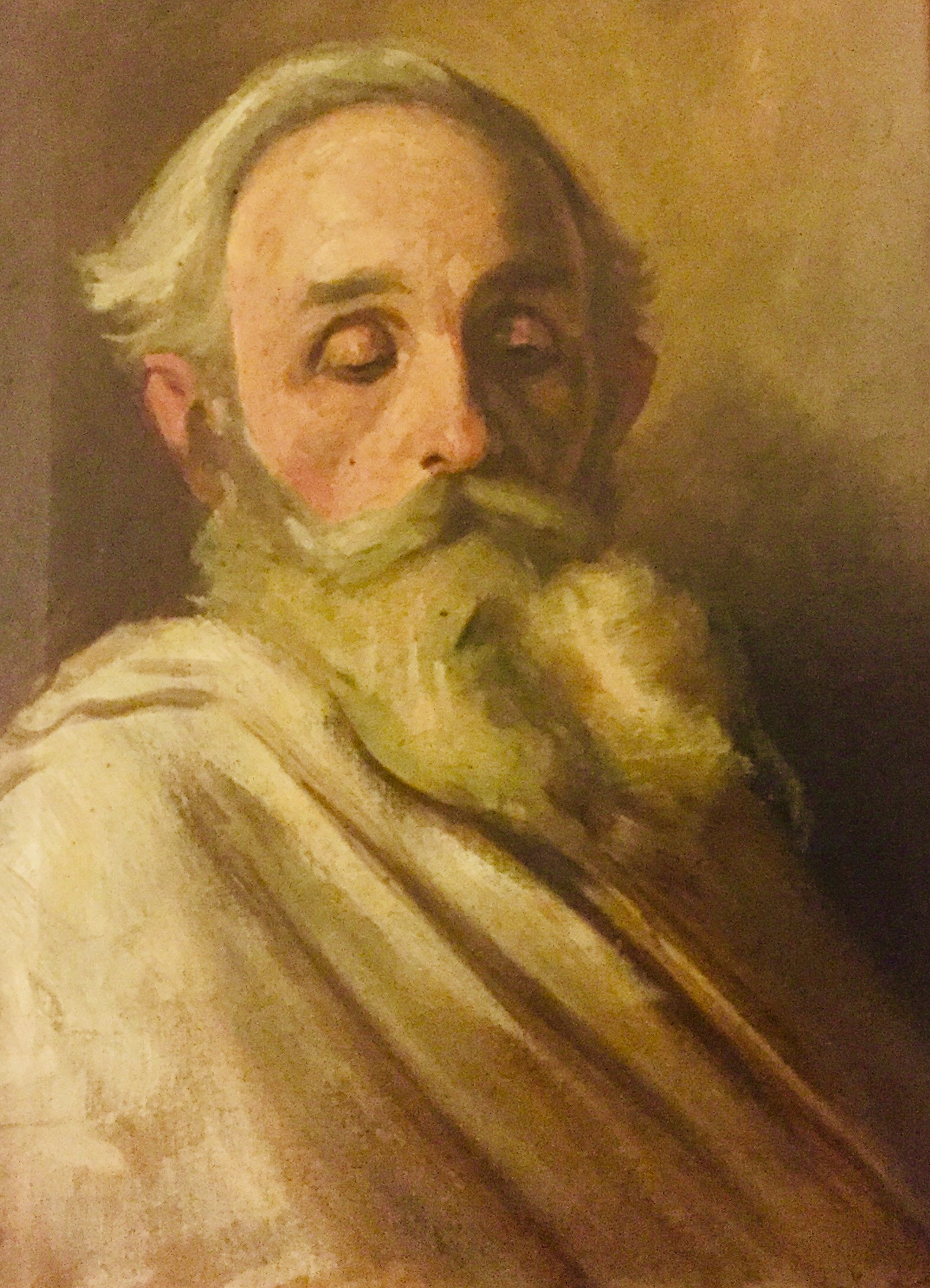
Wilhelm Schreuer was a German painter; associated with the Düsseldorfer Malerschule.
Most of his works were created with a distinctive technique, involving diluted colors on a damp surface, applied to glued paper; a method that makes major corrections almost impossible. The resulting surface is smooth as glass. Often, the effect is nearly monochromatic. Although he painted a wide variety of subjects, scenes from inns, restaurants, dance halls, and various events were obviously his favorites.

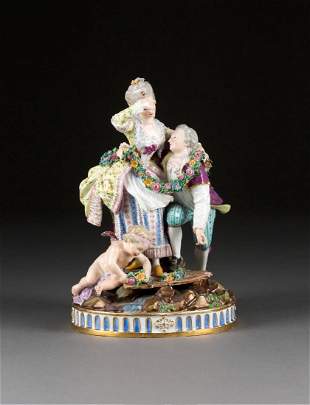
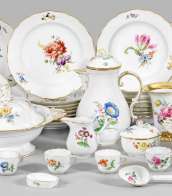
Michel Victor Acier was a French porcelain sculptor and model-maker who worked at the famous Saxon porcelain manufactory in Meissen from 1765 to 1779. With his work in the activities of the manufactory is associated with the period of neoclassicism. Michel-Victor was the maternal great-grandfather of the composer Pyotr Ilyich Tchaikovsky.
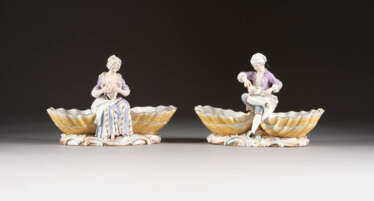

Michel Victor Acier was a French porcelain sculptor and model-maker who worked at the famous Saxon porcelain manufactory in Meissen from 1765 to 1779. With his work in the activities of the manufactory is associated with the period of neoclassicism. Michel-Victor was the maternal great-grandfather of the composer Pyotr Ilyich Tchaikovsky.


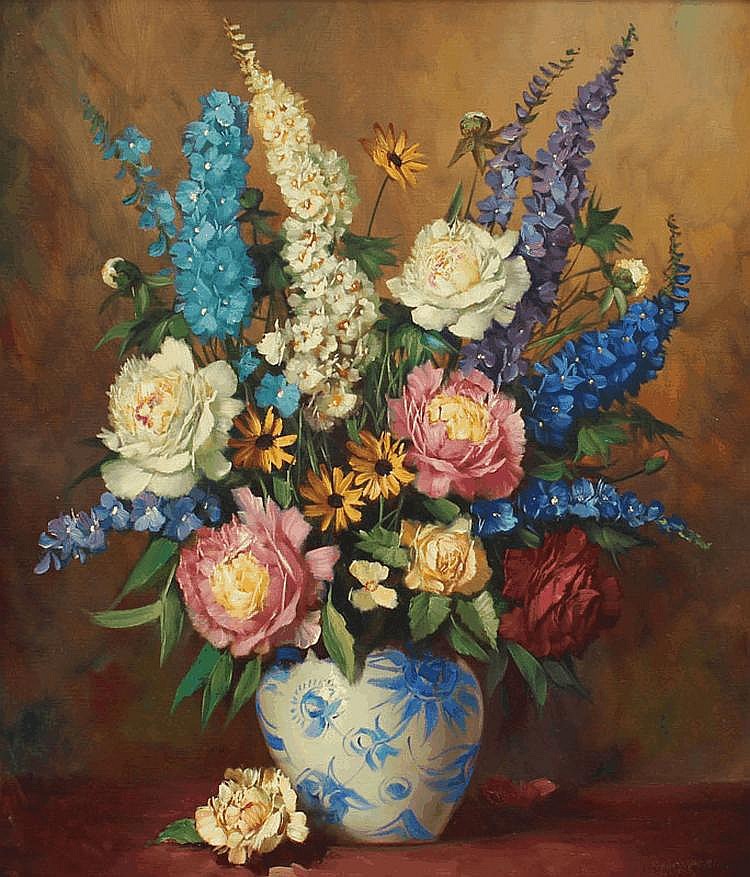
Helmuth Andreas Volkwein was a German still-life painter known for his masterful reproduction of flowers.
Helmuth Andreas Volkwein's paintings are characterised by exquisite technique and attention to detail, incredible realism and depth. Volkwein skilfully used the play of light and shadow, which gives his paintings a painterly dimension. His work captivates viewers with its colourful and impressive compositions.





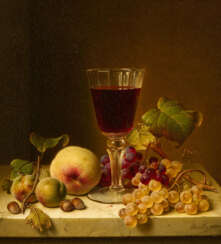

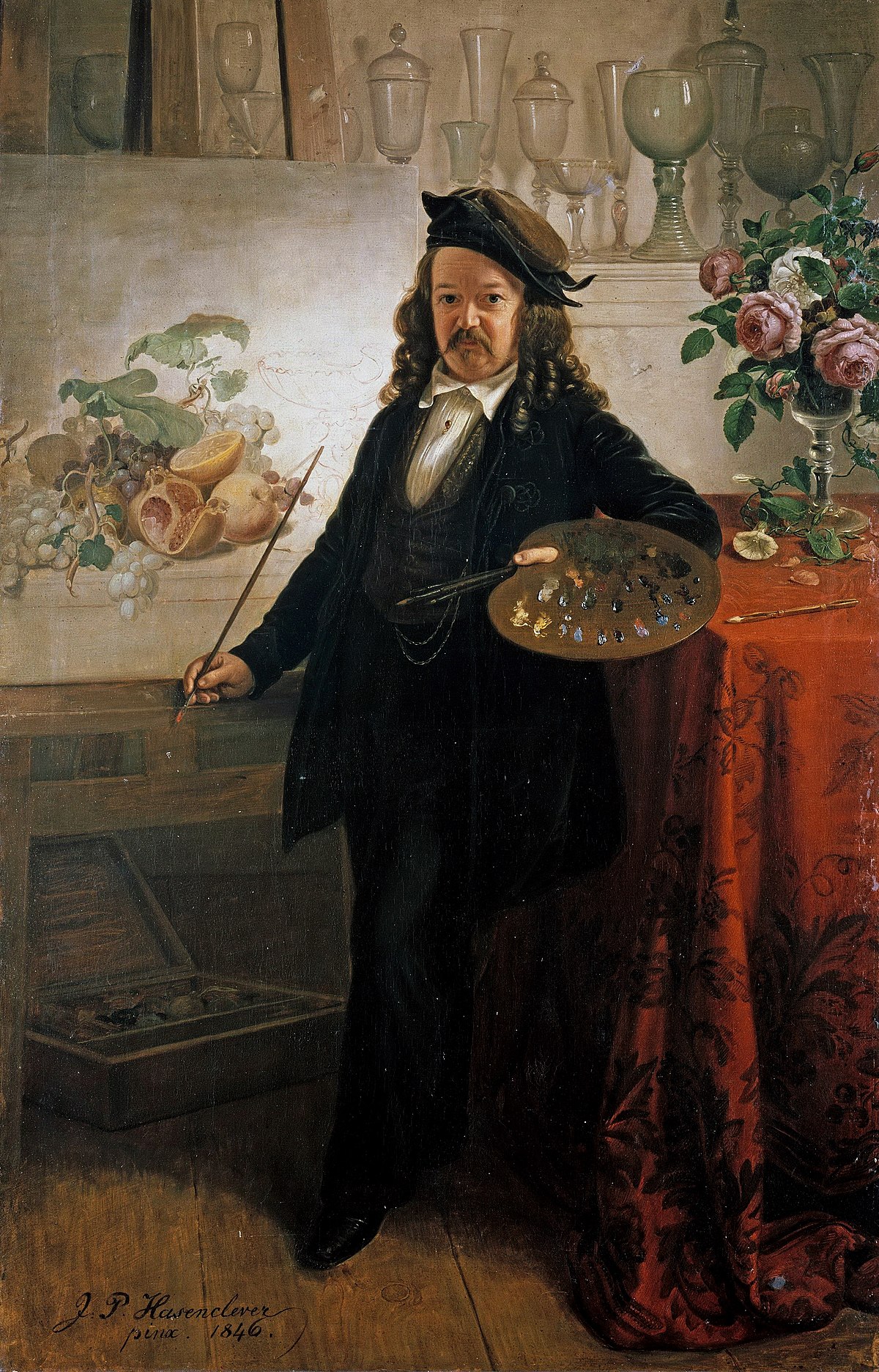
Johann Wilhelm Preyer was a German painter of the second half of the 19th century. He is known as a painter, a representative of the Düsseldorf school of painting.
Preyer specialized in still lifes with flowers and fruit, which were notable for their detailed and meticulous elaboration. He is considered the preeminent painter of this genre of his era. His work is common in the United States, but there are also important pieces in the Berlin National Gallery and other German museums.
Preyer was one of the first representatives of the Düsseldorf School and was instrumental in founding the Düsseldorf Artists' Association.
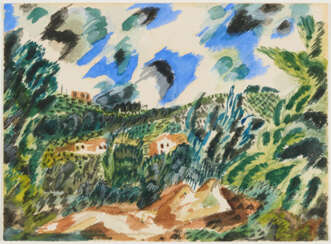

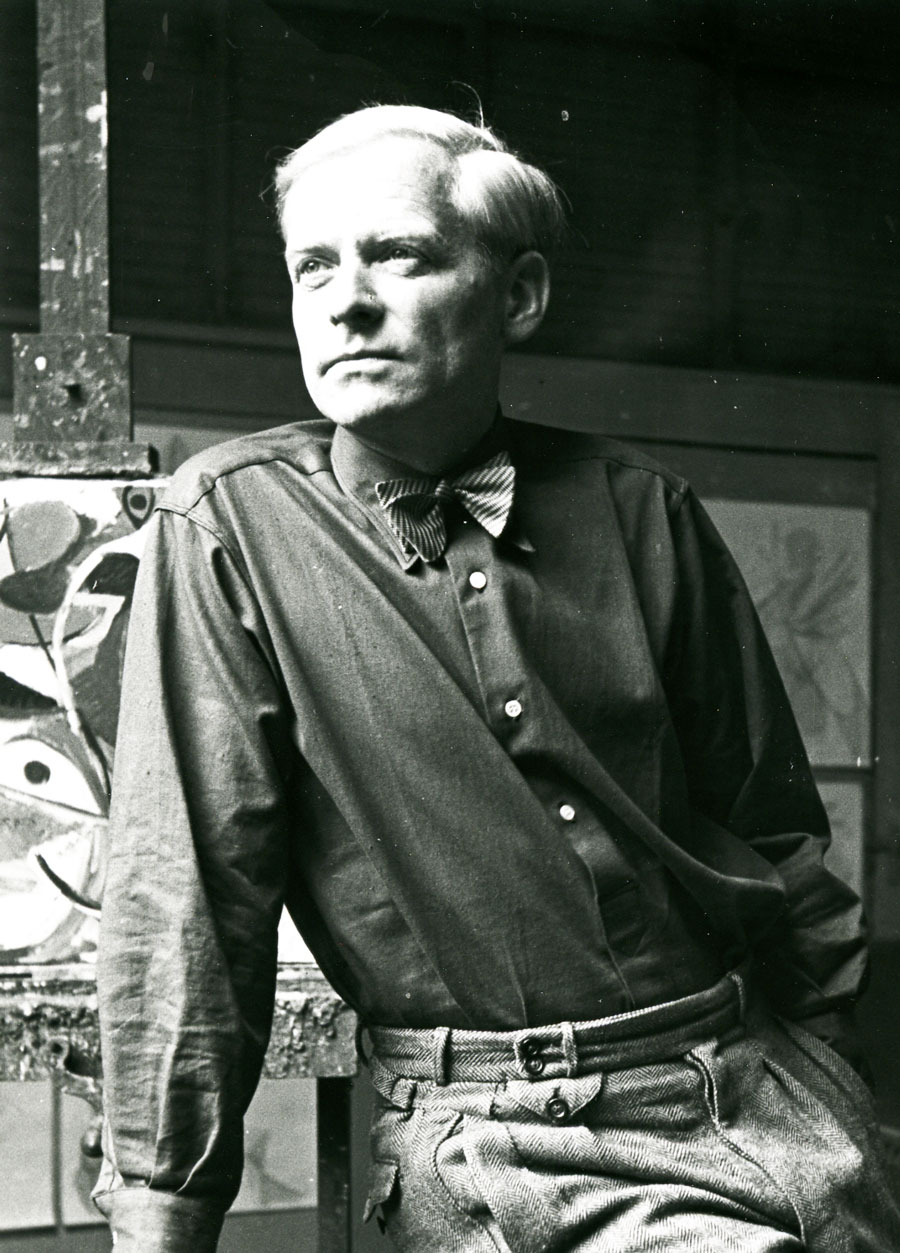
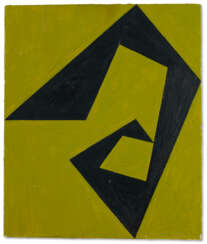
Ernst Wilhelm Nay was a German painter and graphic designer of classical modernism. He is considered one of the most important painters of German post-war art.


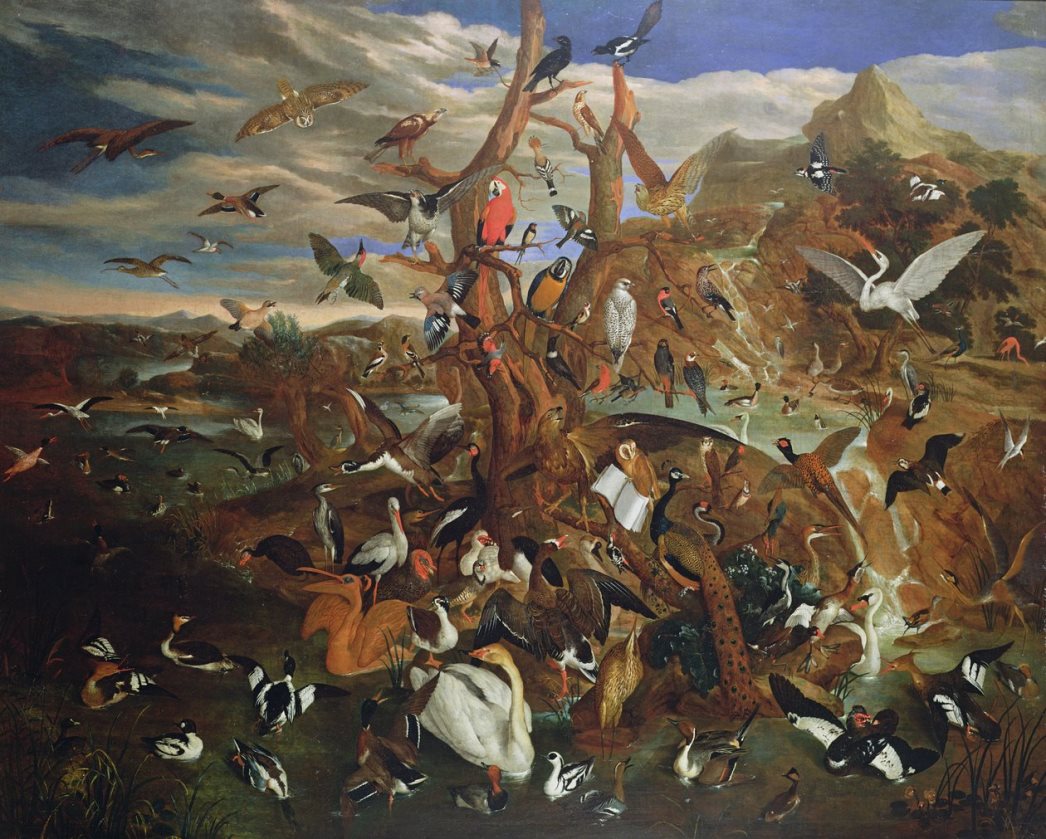
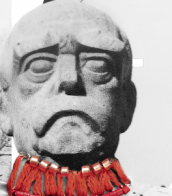
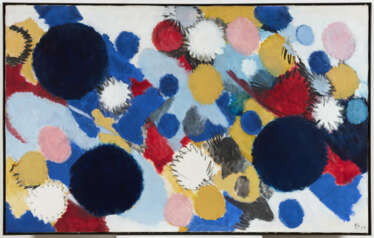

Ernst Wilhelm Nay was a German painter and graphic designer of classical modernism. He is considered one of the most important painters of German post-war art.


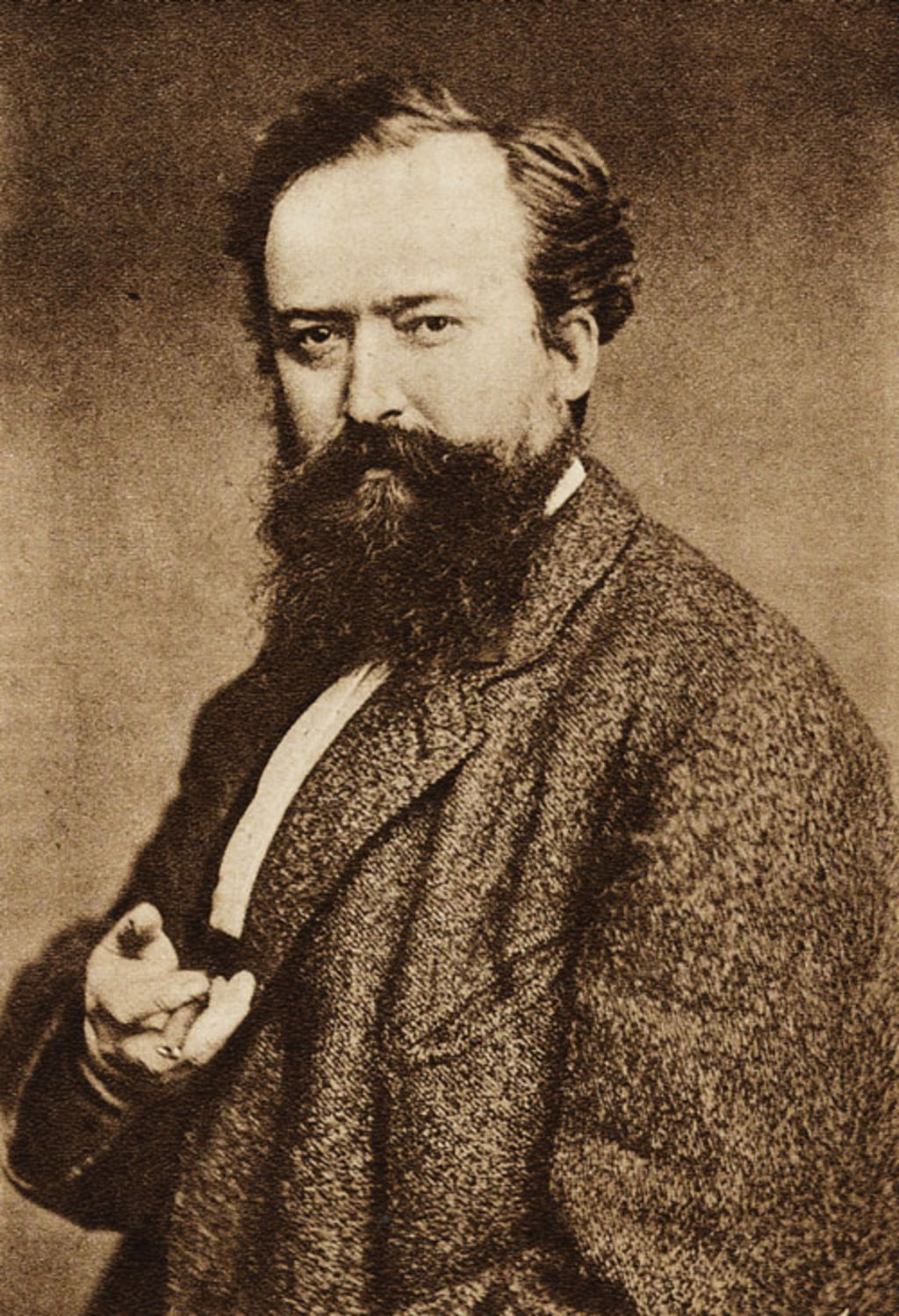
Heinrich Christian Wilhelm Busch was a German humorist, poet, illustrator, and painter. He published wildly innovative illustrated tales that remain influential to this day.
Busch drew on the tropes of folk humour as well as a profound knowledge of German literature and art to satirize contemporary life, any kind of piety, Catholicism, Philistinism, religious morality, bigotry, and moral uplift.
His mastery of drawing and verse became deeply influential for future generations of comic artists and vernacular poets. Among many notable influences, The Katzenjammer Kids was inspired by Busch's Max and Moritz. Today, the Wilhelm Busch Prize and the Wilhelm Busch Museum help maintain his legacy. The 175th anniversary of his birth in 2007 was celebrated throughout Germany. Busch remains one of the most influential poets and artists in Western Europe.


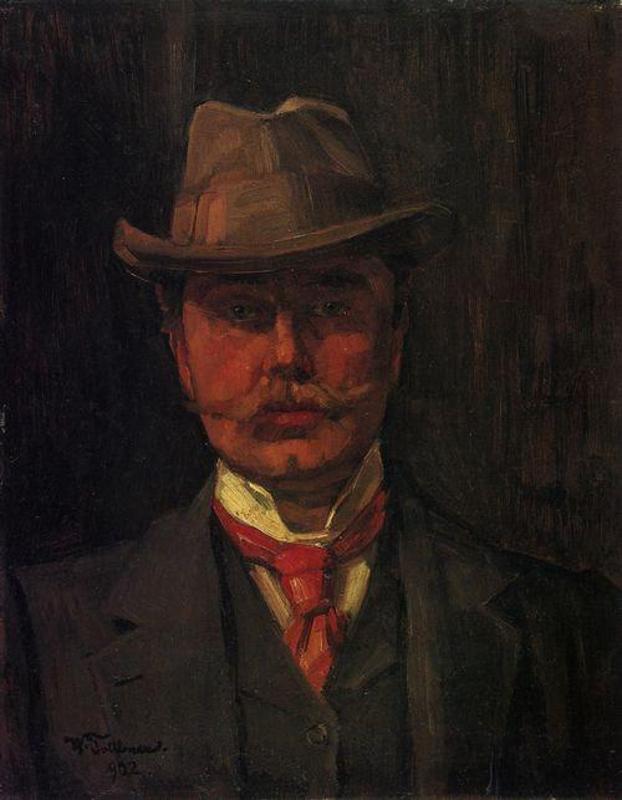
Heinrich Wilhelm Trübner was a German realist painter of the circle of Wilhelm Leibl.
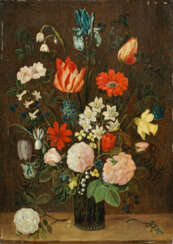

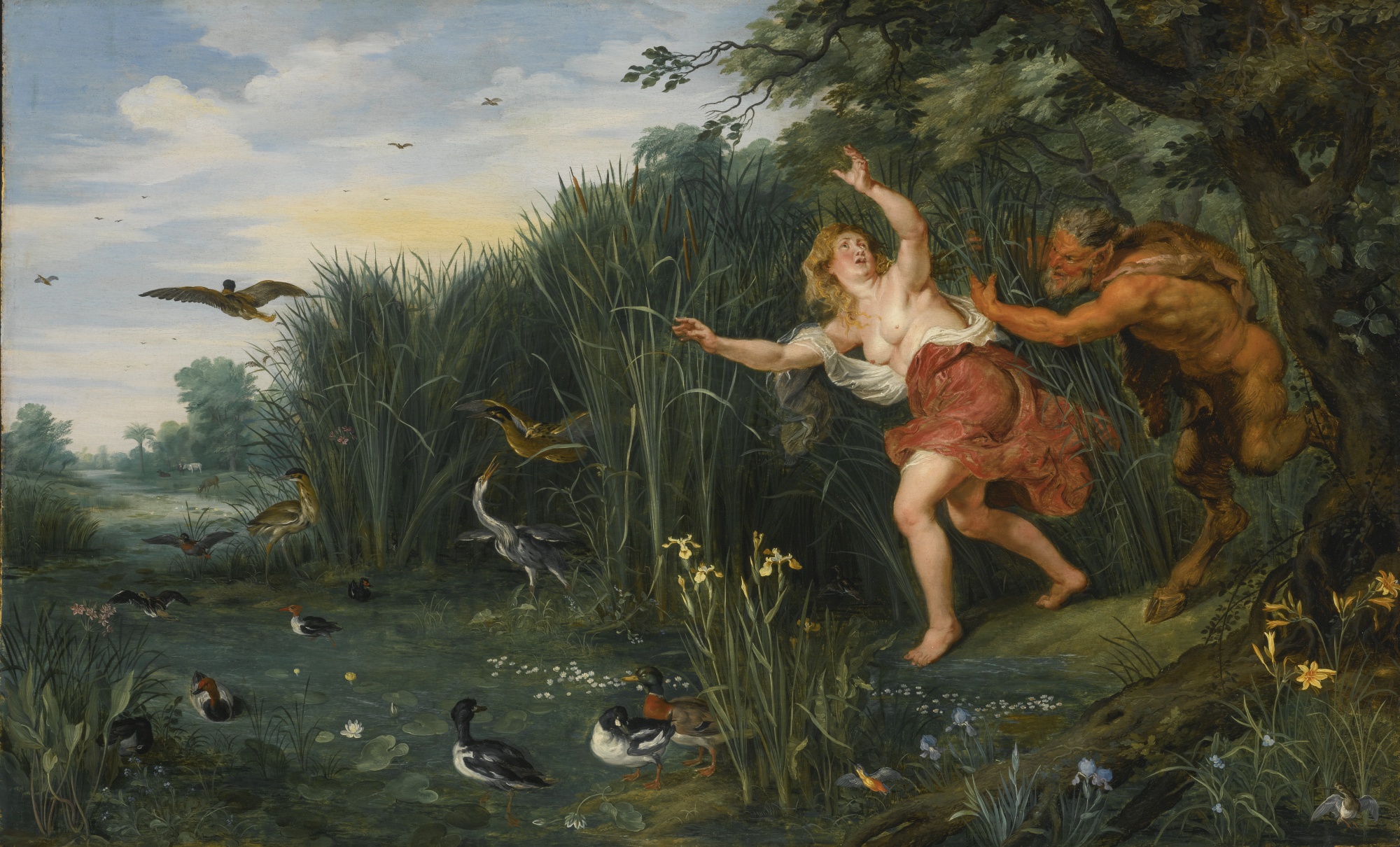
Jan Bruegel the Younger was a Flemish Baroque painter. He was the son of Jan Brueghel the Elder, and grandson of Pieter Bruegel the Elder, both prominent painters who contributed respectively to the development of Renaissance and Baroque painting in the Habsburg Netherlands. Taking over his father's workshop at an early age, he painted the same subjects as his father in a style which was similar to that of his father. He regularly collaborated with leading Flemish painters of his time.
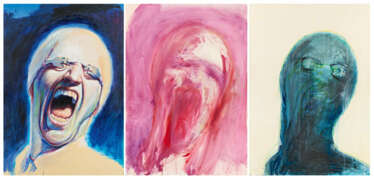


Gottfried Helnwein is an Austrian-Irish visual artist. He has worked as a painter, draftsman, photographer, muralist, sculptor, installation and performance artist, using a wide variety of techniques and media.
His work is concerned primarily with psychological and sociological anxiety, historical issues and political topics. His subject matter is the human condition. The metaphor for his art is dominated by the image of the child, particularly the wounded child, scarred physically and emotionally from within. His works often reference taboo and controversial issues from recent history, especially the Nazi rule and the horror of the Holocaust. As a result, his work is often considered provocative and controversial.
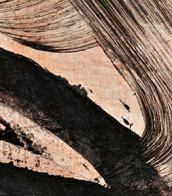





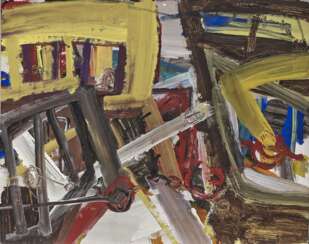

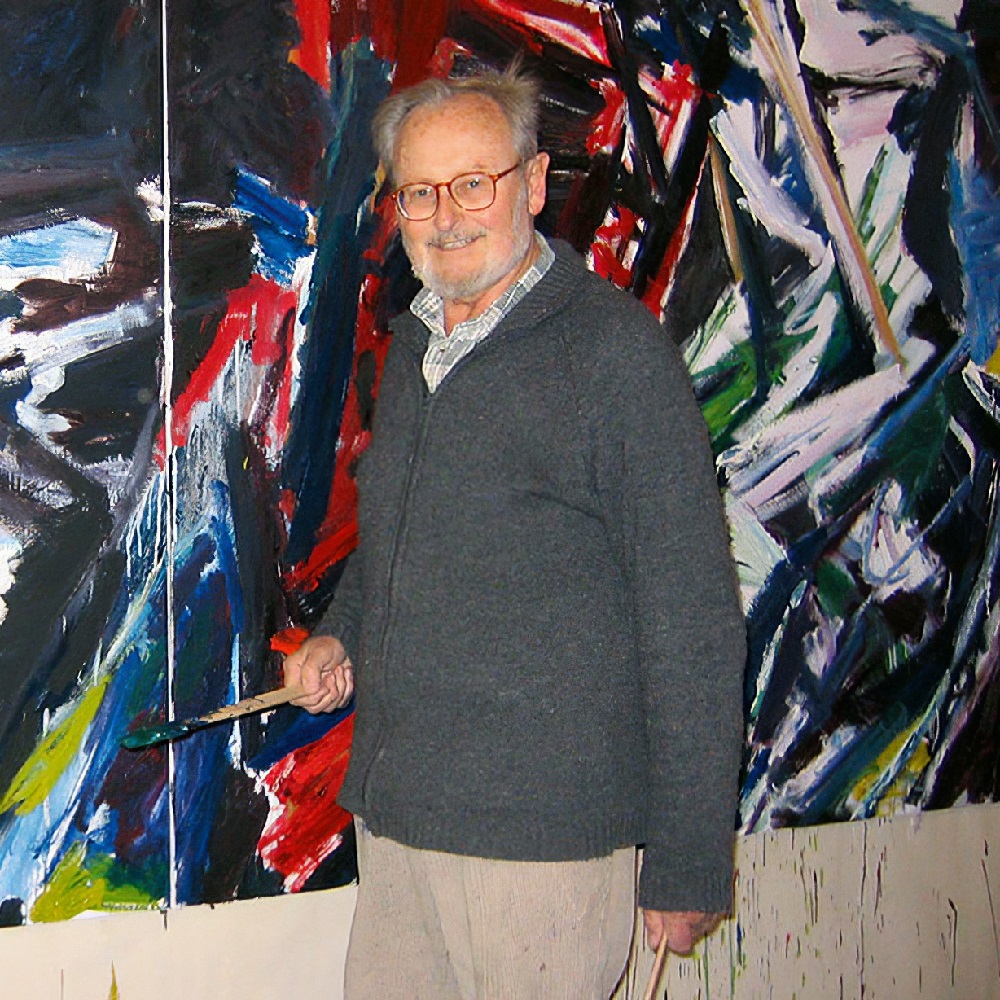
Helmut Sturm was a German painter.
From 1952 to 1958, he studied at the Akademie der Bildenden Künste, Munich. After this he joined Heimrad Prem, Lothar Fischer and Hans-Peter Zimmer in founding Gruppe SPUR, which in 1959 entered the Situationist International.
From 1980 to 1982, he was guest professor at the Hochschule der Künste, Berlin, taking over Hann Trier's class. He continued to exhibit across Germany and from 1985 to 1998 was professor at the Akademie der Bildenden Künste, Munich.

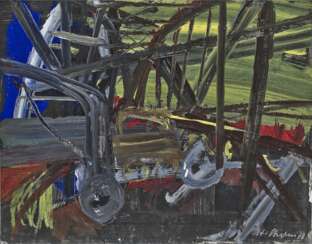

Helmut Sturm was a German painter.
From 1952 to 1958, he studied at the Akademie der Bildenden Künste, Munich. After this he joined Heimrad Prem, Lothar Fischer and Hans-Peter Zimmer in founding Gruppe SPUR, which in 1959 entered the Situationist International.
From 1980 to 1982, he was guest professor at the Hochschule der Künste, Berlin, taking over Hann Trier's class. He continued to exhibit across Germany and from 1985 to 1998 was professor at the Akademie der Bildenden Künste, Munich.

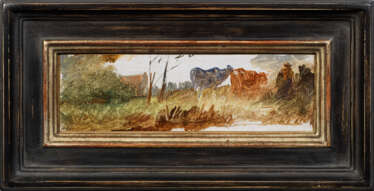

Heinrich Christian Wilhelm Busch was a German humorist, poet, illustrator, and painter. He published wildly innovative illustrated tales that remain influential to this day.
Busch drew on the tropes of folk humour as well as a profound knowledge of German literature and art to satirize contemporary life, any kind of piety, Catholicism, Philistinism, religious morality, bigotry, and moral uplift.
His mastery of drawing and verse became deeply influential for future generations of comic artists and vernacular poets. Among many notable influences, The Katzenjammer Kids was inspired by Busch's Max and Moritz. Today, the Wilhelm Busch Prize and the Wilhelm Busch Museum help maintain his legacy. The 175th anniversary of his birth in 2007 was celebrated throughout Germany. Busch remains one of the most influential poets and artists in Western Europe.



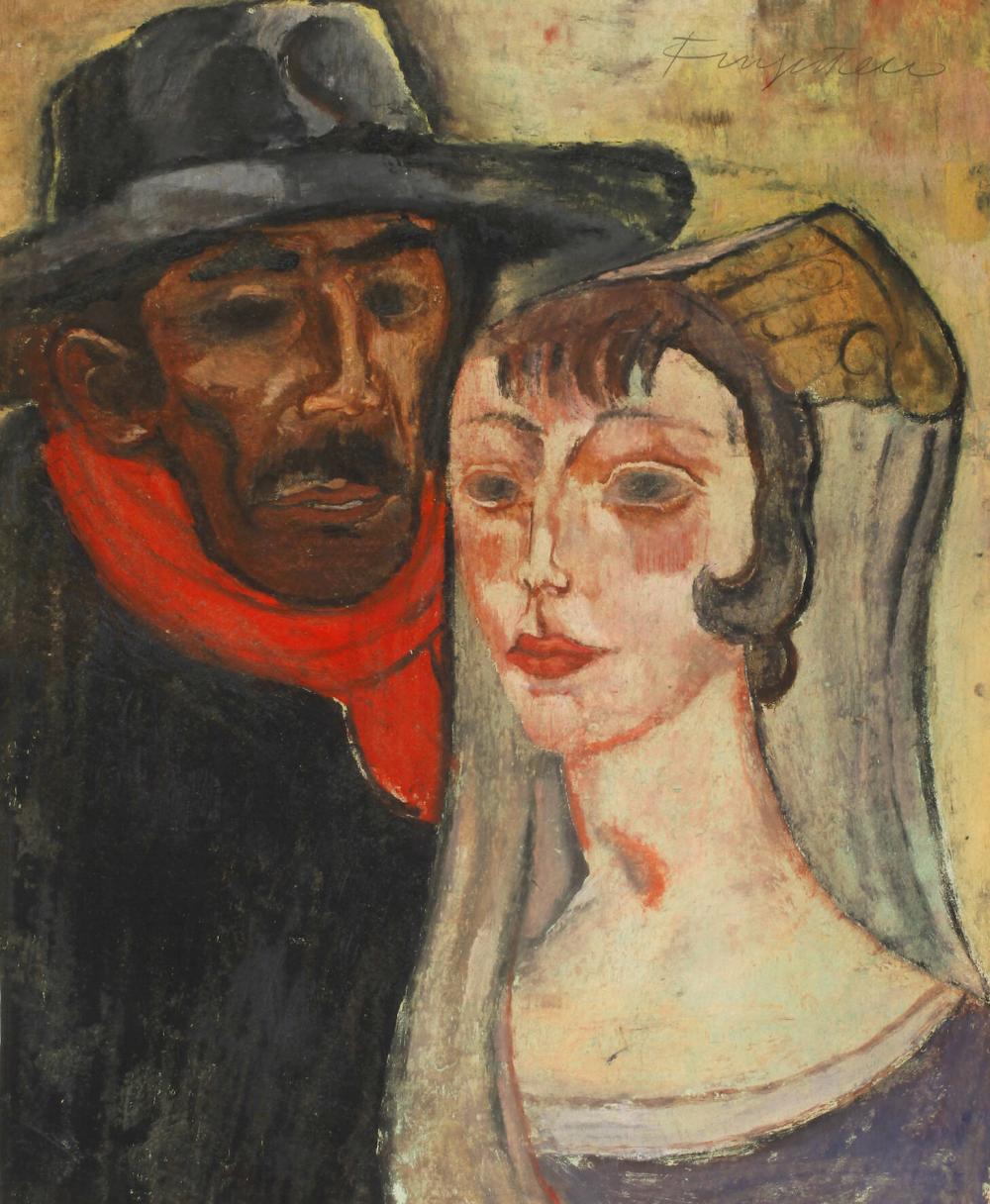
Michel Fingesten, a Czech-Austrian artist of Jewish origin, was an important graphic artist and designer of 20th century bookplates. In the world of bookplates he is often compared to Picasso, and he embarked on a varied artistic career.
Fingesten studied at the Academy of Fine Arts in Vienna, travelled the world and refined his craft in Munich. In 1913 he settled in Berlin and devoted himself to etching. In his private life he married and became a father, while his art flourished with contributions to silent films and over 500 bookplates. Fleeing Nazi persecution, he settled in Italy in 1935, but was interned there. After liberation, he returned to painting and died in Cerisano, Calabria in 1943.