

wes-lorin


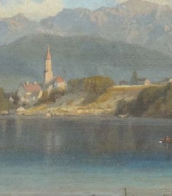


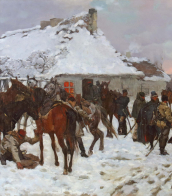
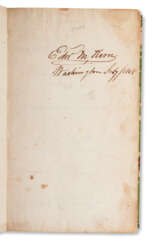

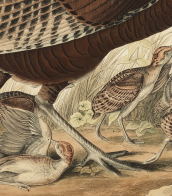









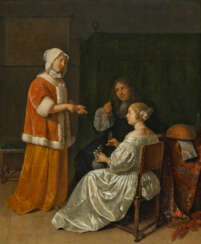

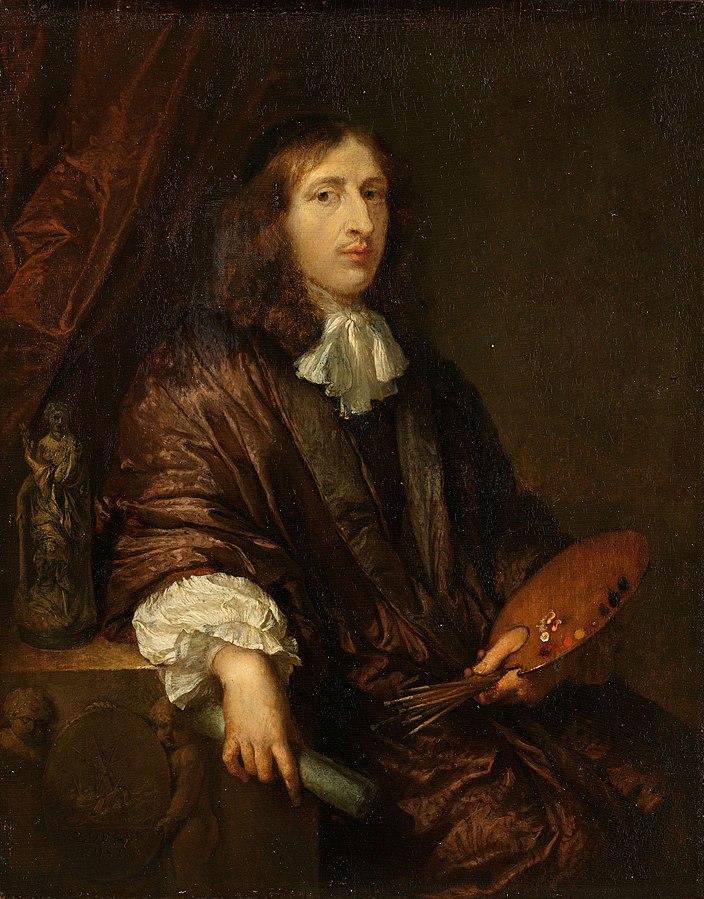
Caspar Netscher was a Dutch painter of the Golden Age of Dutch painting, known for his portraits. Netscher chose subjects from the life of the Dutch elegant and wealthy class; he painted many small portraits - mostly of women; some of them historical. After spending some time in Paris, he painted several persons belonging to the court of Louis XIV. In addition to the above-mentioned usual subjects, he depicted sometimes historical and biblical scenes.
Caspar Netscher's paintings were kept in many art galleries: in the Louvre, Amsterdam, Florence, in several private collections in England and in many other places. In the Hermitage at the beginning of the 20th century there were six of his paintings, including a portrait of the artist himself and a portrait of Mary Stuart, painted in 1683; today only two works have survived.


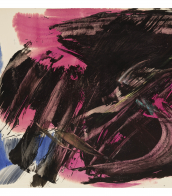
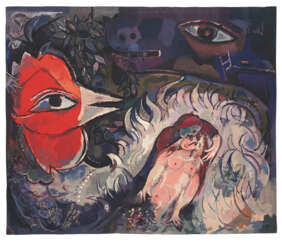





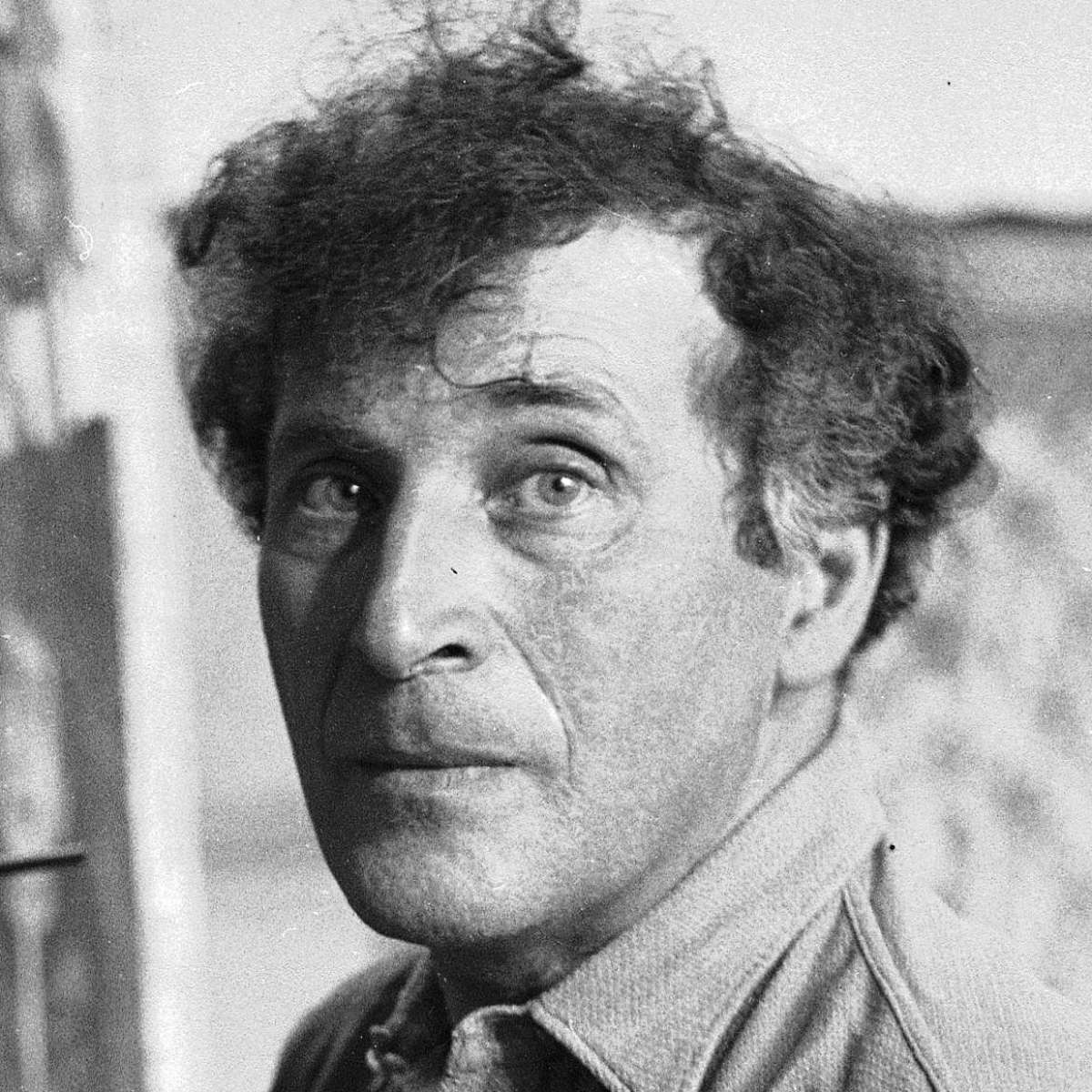
Marc Chagall (Russian: Марк Заха́рович Шага́л), born Moishe Shagal in 1887 near Vitebsk, Belarus (then part of the Russian Empire), was a Belarusian and French artist celebrated for his pivotal role in the avant-garde movement and his unique integration of Eastern European Jewish culture into modern art. His contributions spanned several artistic formats including painting, stained glass, stage sets, ceramics, tapestries, and fine art prints. Chagall's early modernist tendencies were enriched by his experiences across Saint Petersburg, Paris, and Berlin before World War I, leading to a distinctive style that melded Cubism, Symbolism, and Fauvism with his Jewish heritage.
Chagall's work is recognized for its emotional depth, often exploring themes of love, memory, and Jewish folklore through vibrant colors and dreamlike imagery. Notably, art critic Robert Hughes described him as "the quintessential Jewish artist of the twentieth century," a sentiment echoed by art historian Michael J. Lewis who regarded Chagall as a significant figure within European modernism and as the world's preeminent Jewish artist of his time.
Among Chagall's famed contributions are his stained-glass windows for the cathedrals of Reims and Metz, the UN, and the Jerusalem Windows in Israel. His monumental paintings include parts of the ceiling of the Paris Opéra and works that explore biblical themes, a hallmark of his oeuvre that underscores his enduring engagement with spiritual and religious motifs.
For art collectors and antiques experts, Chagall's works are notable not only for their artistic innovation but also for their rich cultural and historical significance. His art is housed in many prestigious museums worldwide, including the Marc Chagall National Museum in Nice, France, which focuses on his works inspired by religion and houses the series of paintings illustrating the biblical message.
For those interested in exploring Chagall's legacy and the vibrant intersection of culture, art, and history his work represents, signing up for updates on new product sales and auction events related to Marc Chagall can provide invaluable insights and opportunities. This is an invitation to engage more deeply with the world of art and culture that Chagall so uniquely encapsulated in his work.
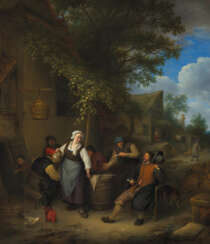

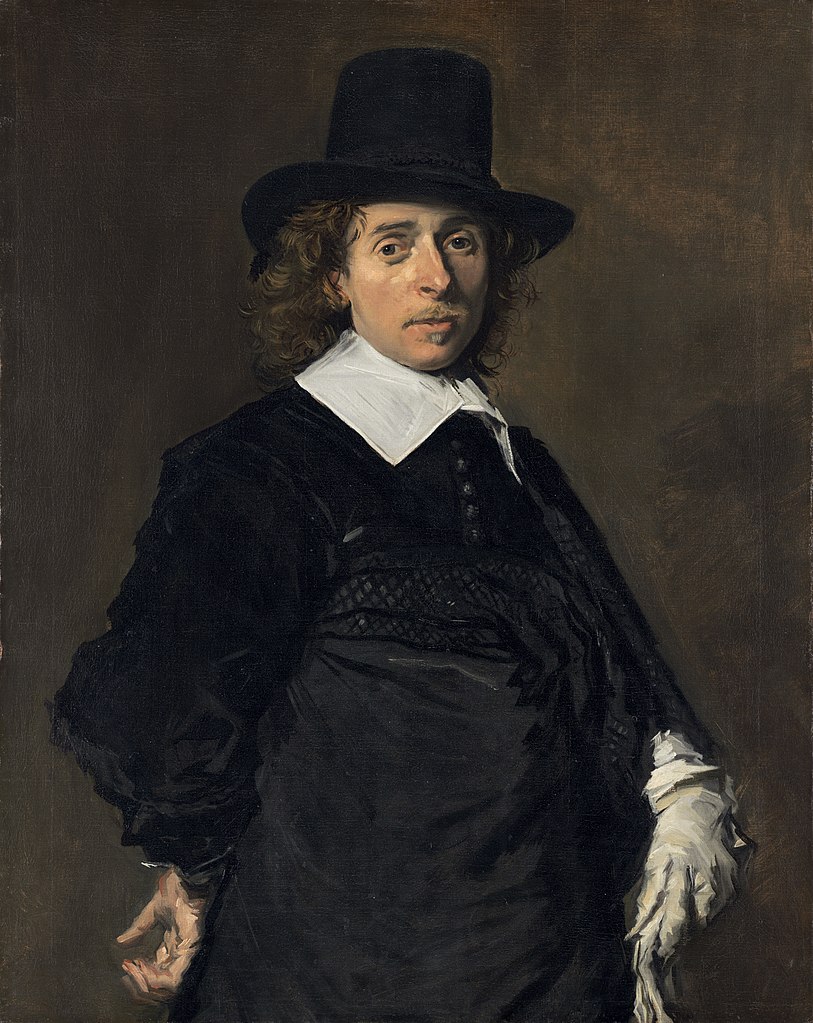
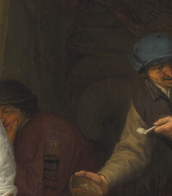
Adriaen van Ostade was a Dutch Golden Age painter of genre works, showing everyday life of ordinary men and women.
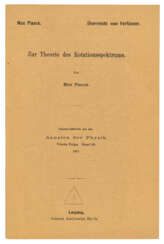

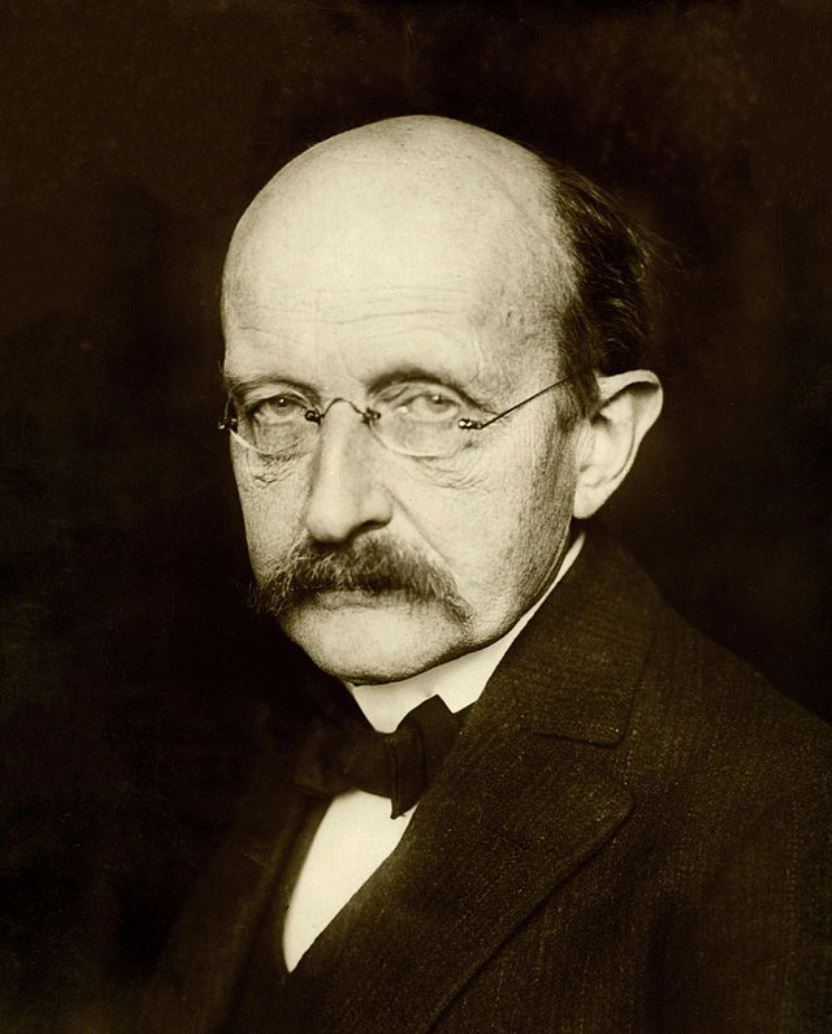
Max Planck, full name Max Karl Ernst Ludwig Planck, is a German theoretical physicist and the founder of quantum theory, which won him the Nobel Prize in Physics in 1918.
Planck made many discoveries in theoretical physics, but his quantum theory revolutionized our understanding of atomic and subatomic processes, just as Albert Einstein's theory of relativity revolutionized our understanding of space and time. Together they represent the fundamental theories of 20th-century physics. They forced humanity to reconsider some philosophical beliefs and began to be applied to industry, including the military, affecting all aspects of modern human life.
Planck was one of the first scientists to realize the importance of Einstein's special theory of relativity, and his influence played a crucial role in its acceptance in Germany. As dean of the University of Berlin, he personally visited Einstein in Zurich in 1913 to persuade him to move to Berlin, which became his base for the next 20 years. Einstein's 1905 work on the photoelectric effect (for which he was awarded the Nobel Prize) is based on Planck's constant (h), the fundamental unit of quantum theory.
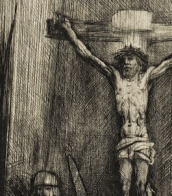
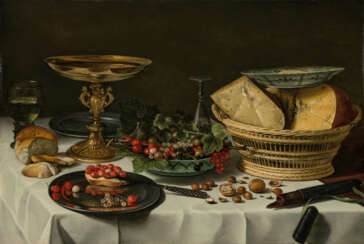

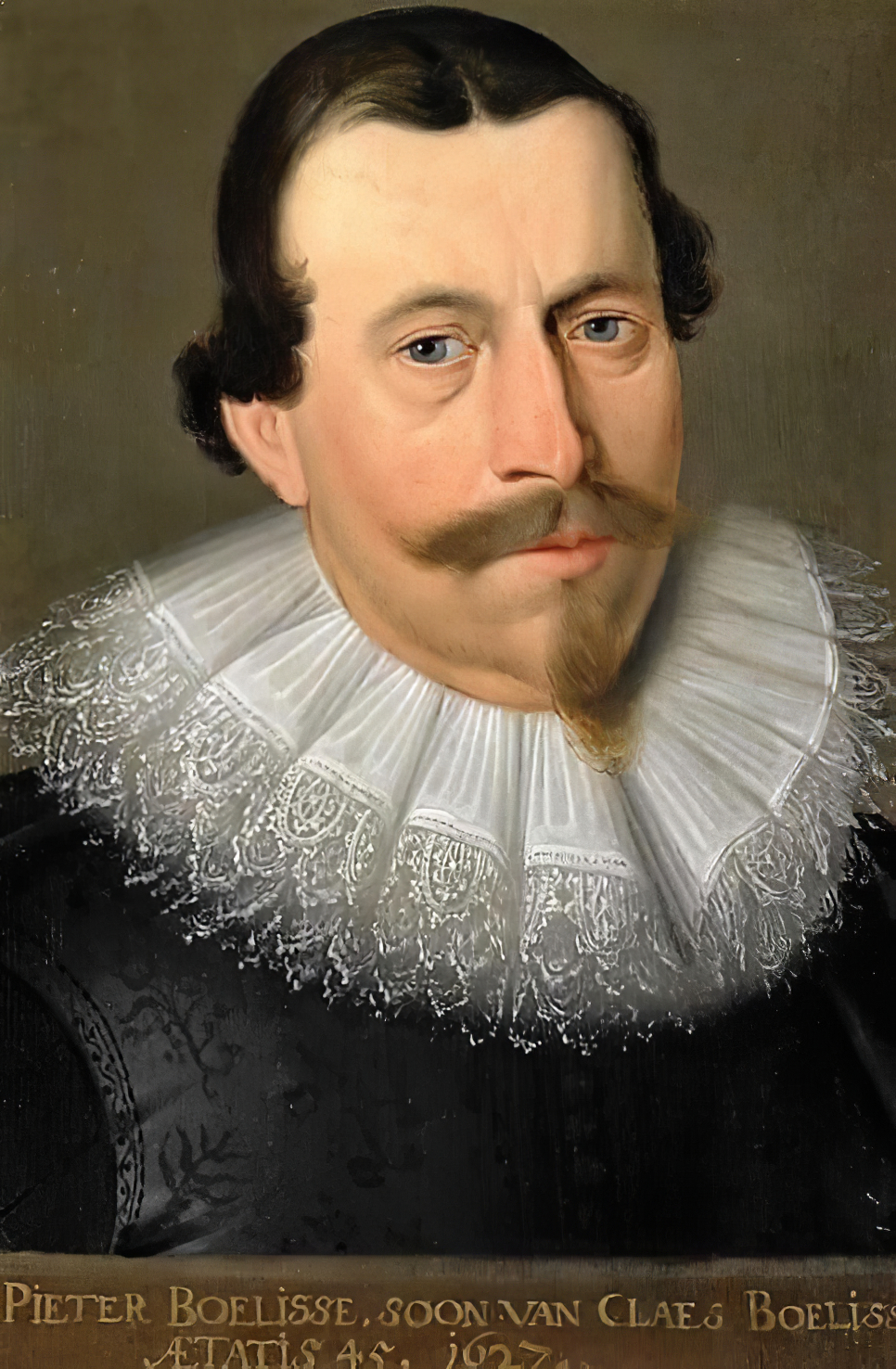
Pieter Claesz was a Dutch Golden Age painter of still lifes.
He and Willem Claeszoon Heda, who also worked in Haarlem, were the most important exponents of the "ontbijt" or dinner piece. They painted with subdued, virtually monochromatic palettes, the subtle handling of light and texture being the prime means of expression. Claesz generally chose objects of a more hospitable kind than Heda, although his later work became more colourful and decorative. Claesz's still lifes often suggest allegorical purpose, with skulls serving as reminders of human mortality. The two men founded a distinguished tradition of still life painting in Haarlem. Pieter Claesz was influenced by the artist movement 'Vanitas'.


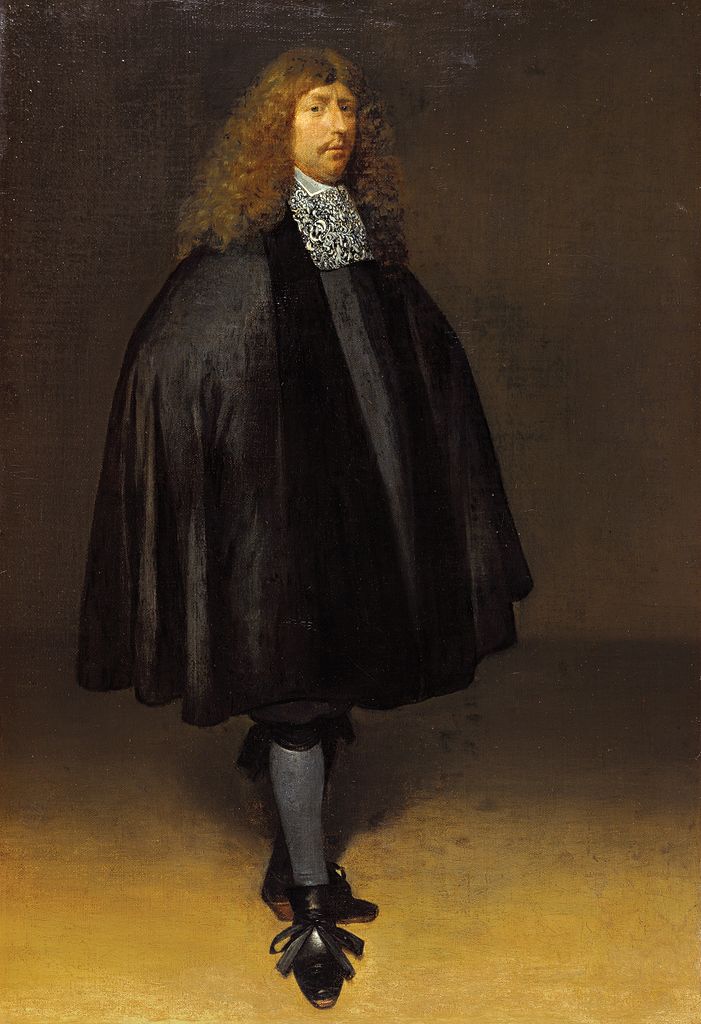
Gerard ter Borch was one of the leading masters of Dutch genre painting of the Golden Age. His realistic aesthetic was developed by the Delft masters Pieter de Hooch and Jan Vermeer.
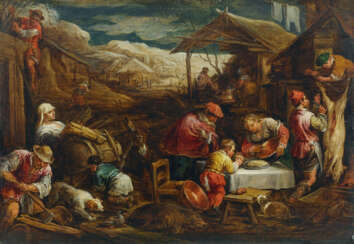

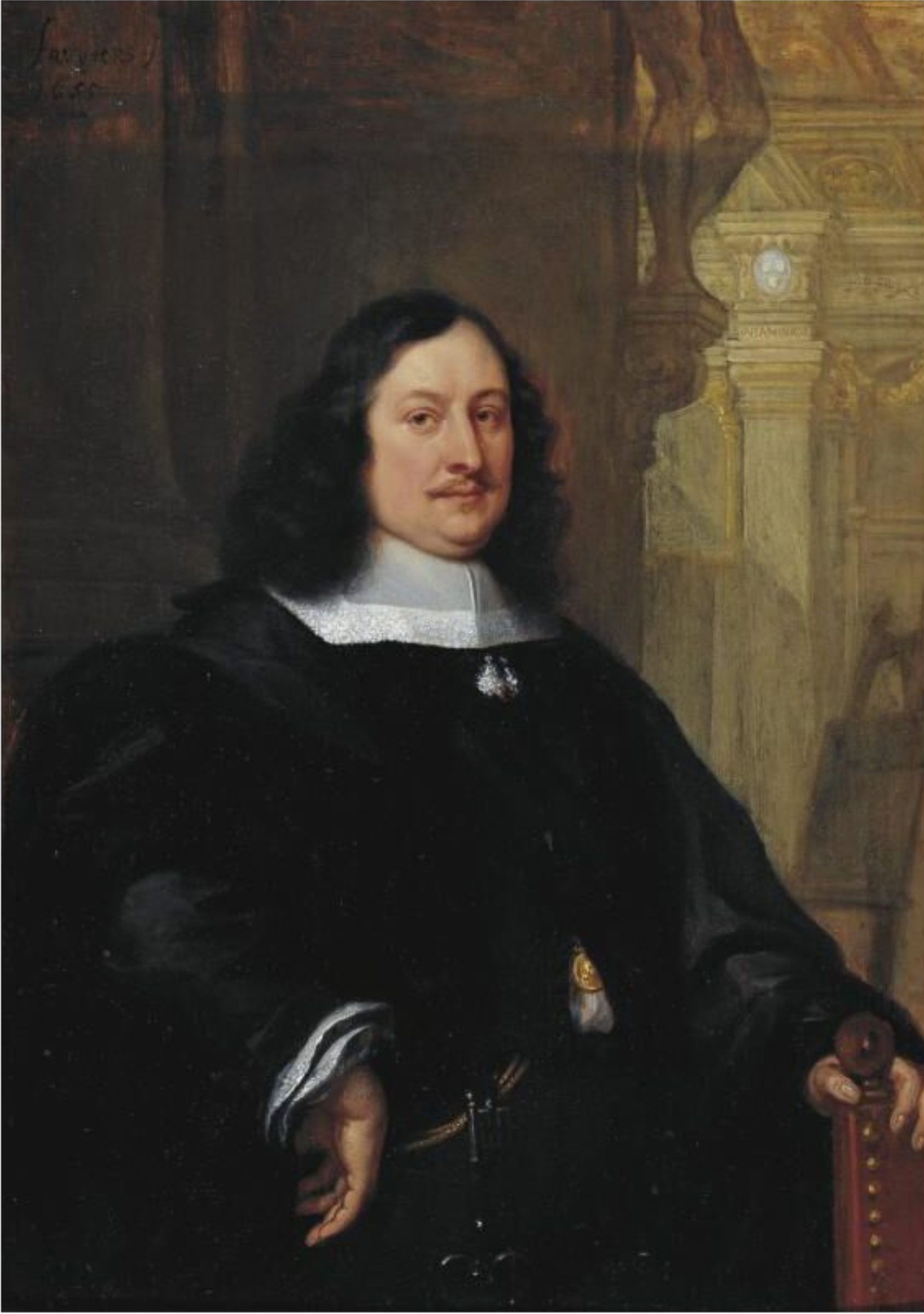
David Teniers the Younger was a Flemish Baroque painter, printmaker, draughtsman, miniaturist painter, staffage painter, copyist and art curator. He was an extremely versatile artist known for his prolific output. He was an innovator in a wide range of genres such as history painting, genre painting, landscape painting, portrait and still life. He is now best remembered as the leading Flemish genre painter of his day. Teniers is particularly known for developing the peasant genre, the tavern scene, pictures of collections and scenes with alchemists and physicians.
He was court painter and the curator of the collection of Archduke Leopold Wilhelm, the art-loving Governor General of the Habsburg Netherlands. He created a printed catalogue of the collections of the Archduke. He was the founder of the Antwerp Academy, where young artists were trained to draw and sculpt in the hope of reviving Flemish art after its decline following the death of the leading Flemish artists Rubens and Anthony van Dyck in the early 1640s. He influenced the next generation of Northern genre painters as well as French Rococo painters such as Antoine Watteau.
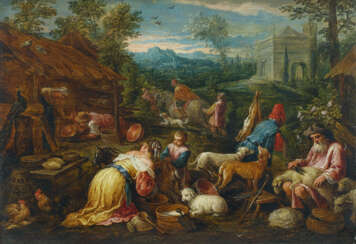

David Teniers the Younger was a Flemish Baroque painter, printmaker, draughtsman, miniaturist painter, staffage painter, copyist and art curator. He was an extremely versatile artist known for his prolific output. He was an innovator in a wide range of genres such as history painting, genre painting, landscape painting, portrait and still life. He is now best remembered as the leading Flemish genre painter of his day. Teniers is particularly known for developing the peasant genre, the tavern scene, pictures of collections and scenes with alchemists and physicians.
He was court painter and the curator of the collection of Archduke Leopold Wilhelm, the art-loving Governor General of the Habsburg Netherlands. He created a printed catalogue of the collections of the Archduke. He was the founder of the Antwerp Academy, where young artists were trained to draw and sculpt in the hope of reviving Flemish art after its decline following the death of the leading Flemish artists Rubens and Anthony van Dyck in the early 1640s. He influenced the next generation of Northern genre painters as well as French Rococo painters such as Antoine Watteau.
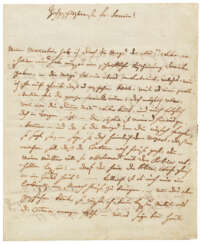

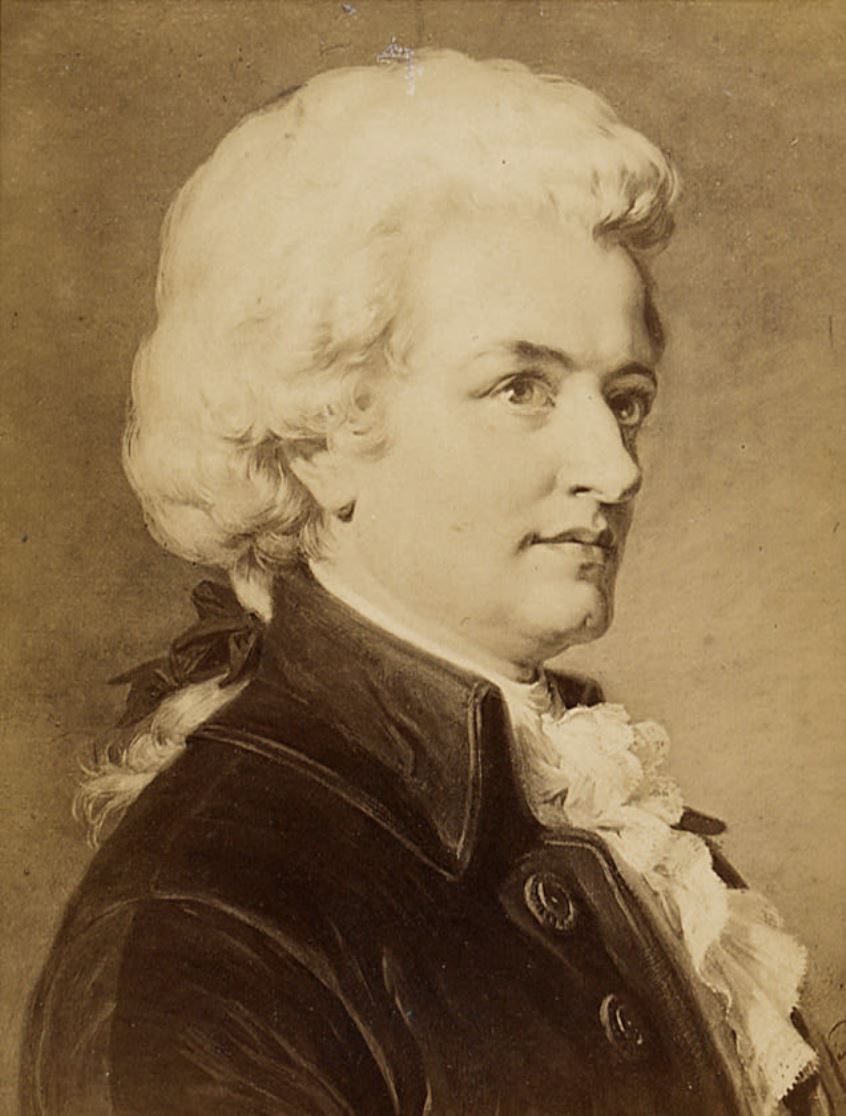
Wolfgang Amadeus Mozart, full name Johann Chrysostomus Wolfgang Amadeus Mozart, was an Austrian composer and virtuoso musician. Mozart is one of the greatest composers in music history on par with Beethoven and Haydn.
Wolfgang was born into the family of violinist and composer Leopold Mozart (1719-1787), at the age of five he had already begun composing and gave his first public performance. His older sister Maria Anna (1751-1829) was also a prodigy, and from 1763 Leopold and his children began traveling around Europe with performances.
Mozart had a phenomenal musical ear, memory and was a superb improviser. Unlike any other composer in music history, he was versatile and wrote in all musical genres of his time. During his short life, Mozart composed more than 800 works, many of which are recognized as the pinnacle of the symphonic, concert, chamber, opera and choral repertoire. The general public is familiar with the composer's three operas: The Marriage of Figaro, Don Giovanni and The Magic Flute.
Society did not immediately appreciate the scale of Mozart's genius. It was only many years later that the vivid image of a prodigy, a refined salon composer who could miraculously think through an entire work in his head, gave way to the image of a serious, meticulous and brilliant creator of music.


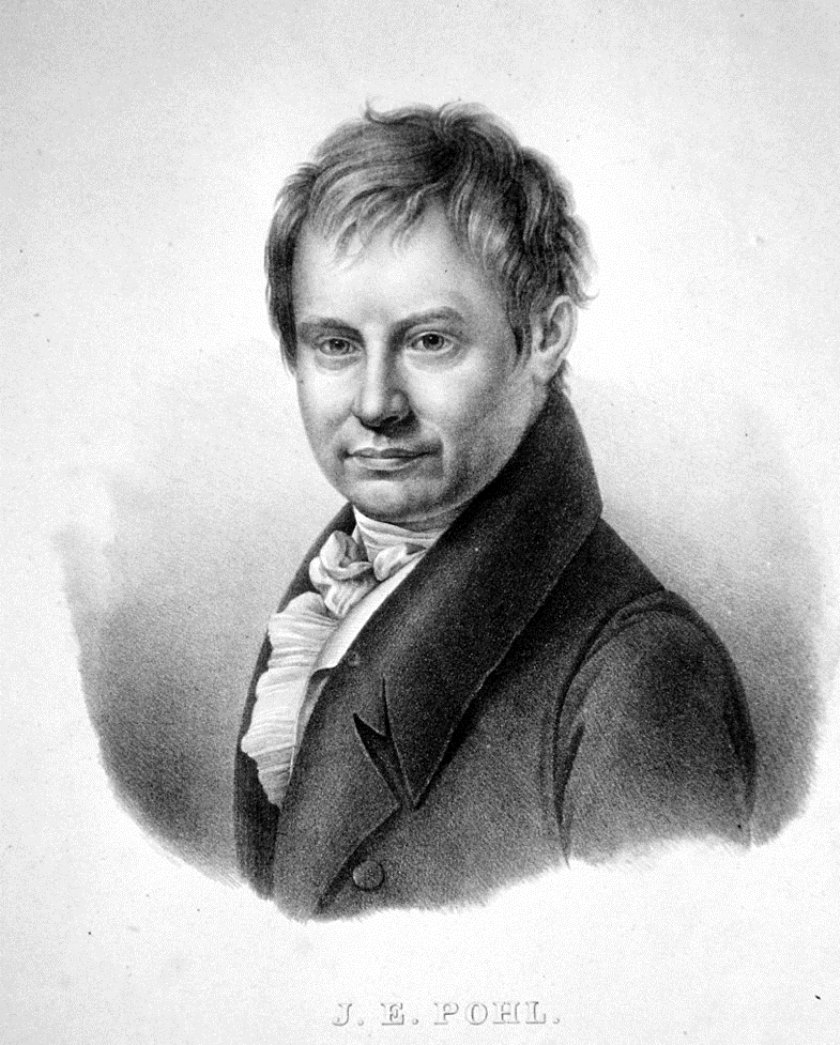
Johann Baptist Emanuel Pohl was an Austrian and Czech scientist, botanist, naturalist, and traveler.
Pohl studied in Prague, earned a doctorate in medicine and practiced science, becoming one of the most prominent botanists in Bohemia. Consequently, he was invited on an expedition to Brazil. Johann Pohl arrived in Brazil in 1817 with the Italian botanist Giuseppe Raddi as part of a large scientific expedition sent by Francis I of Austria, and spent four years traveling through the states of Minas Gerais, Goias, Bahia, and Rio de Janeiro, including some 30 rivers in the country. He collected thousands of plant specimens, as well as studying minerals and zoology, exploring gold and diamond mines, caves, and villages of local people.
After his return to Europe, Pohl served as curator of the Vienna Museum of Natural History and the Museum of Brazil in Vienna until his death. His extensive collections, including some 4,000 plant specimens, were housed here along with the expedition's other scientific collections.


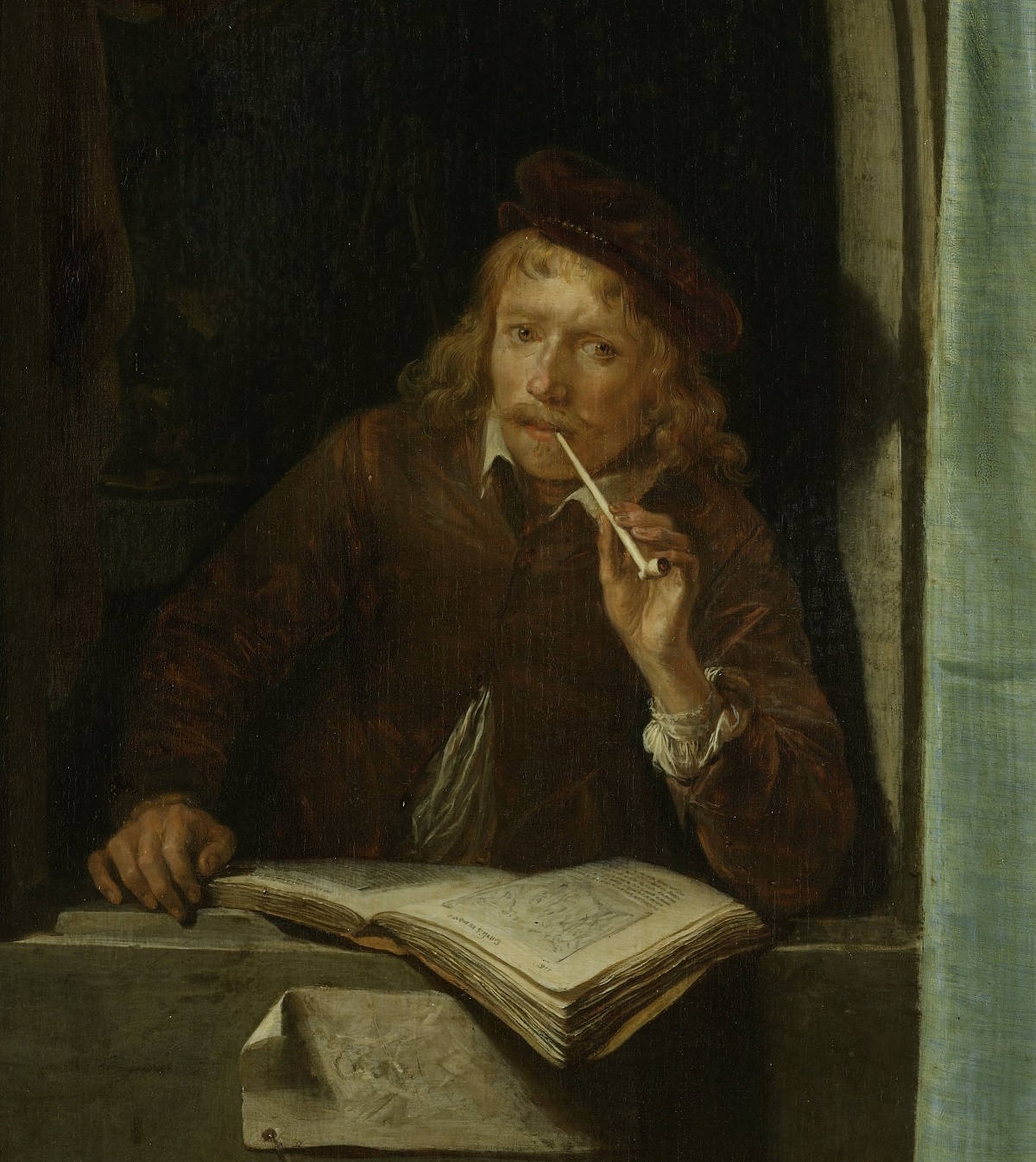
Gerard Dou was a Dutch Golden Age painter, whose small, highly polished paintings are typical of the Leiden fijnschilders. He specialised in genre scenes and is noted for his trompe-l'œil "niche" paintings and candlelit night-scenes with strong chiaroscuro. He was a student of Rembrandt.

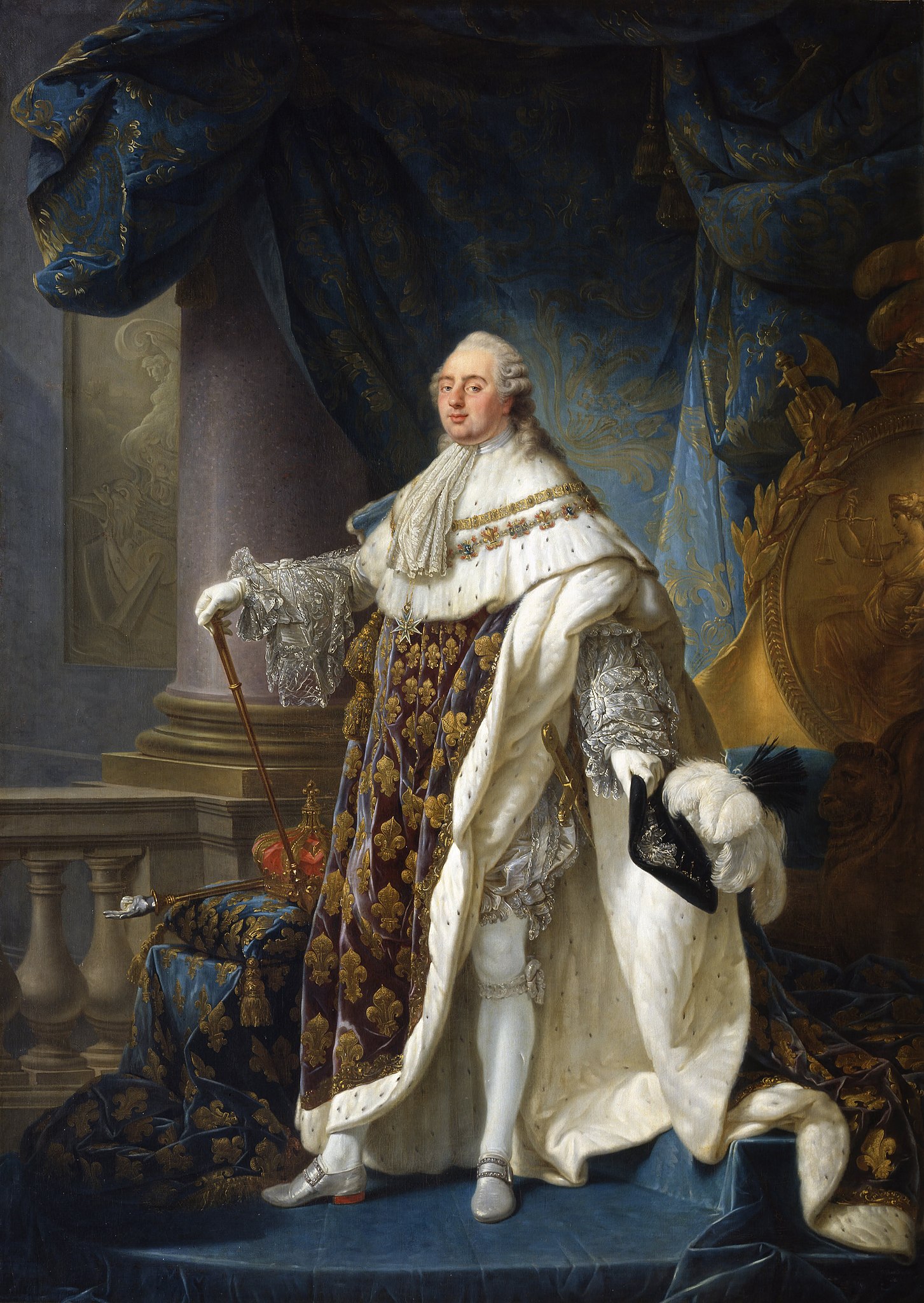
Antoine-François Callet was a French painter of portraits and allegorical works, who acted as official portraitist to Louis XVI.
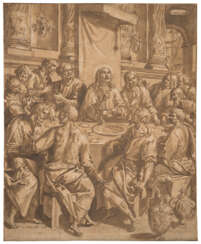

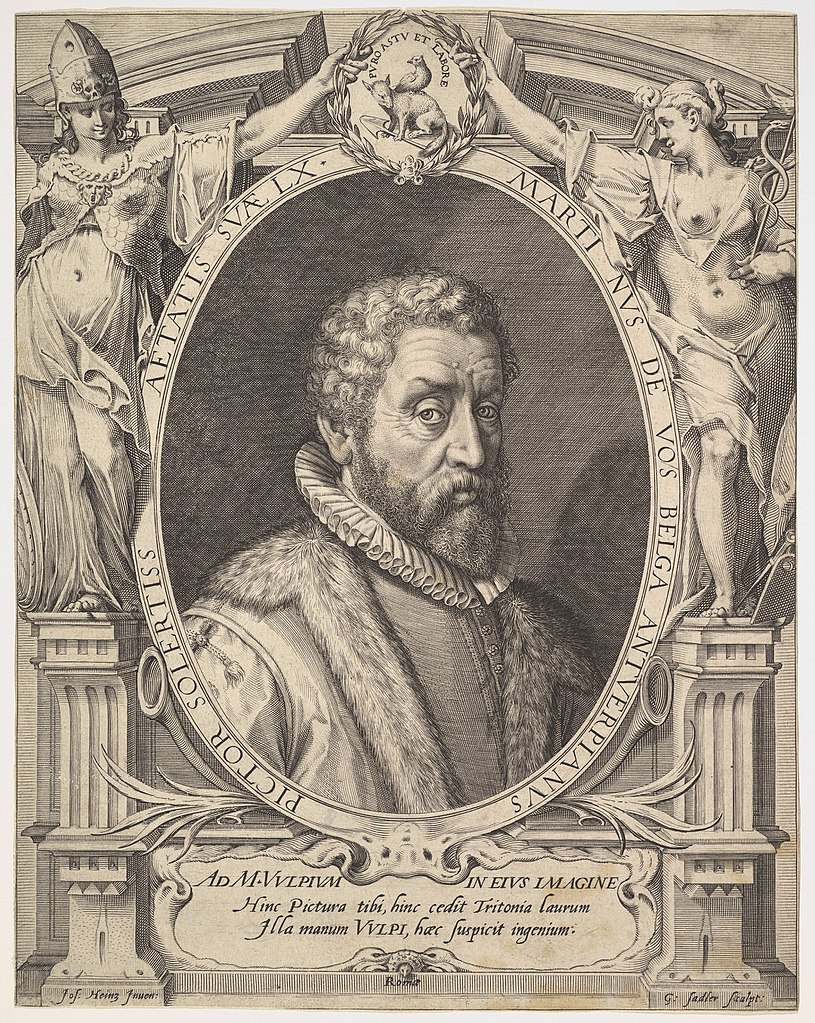
Marten de Vos (or Maarten de Vos, or Maerten de Vos) was a Dutch painter, draughtsman and graphic artist, dean of the Antwerp Guild.
After studying in Rome and Venice, de Vos returned to his native Antwerp in 1558 and became one of the city's leading artists. He created altarpiece images for many of Antwerp's churches. Many of his religious and historical paintings were later engraved, making him known throughout Flanders.
De Vos was also the founder of the Society of Romanists, whose members were famous artists and humanists of the time who appreciated the humanistic culture of Rome.
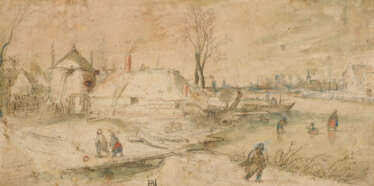

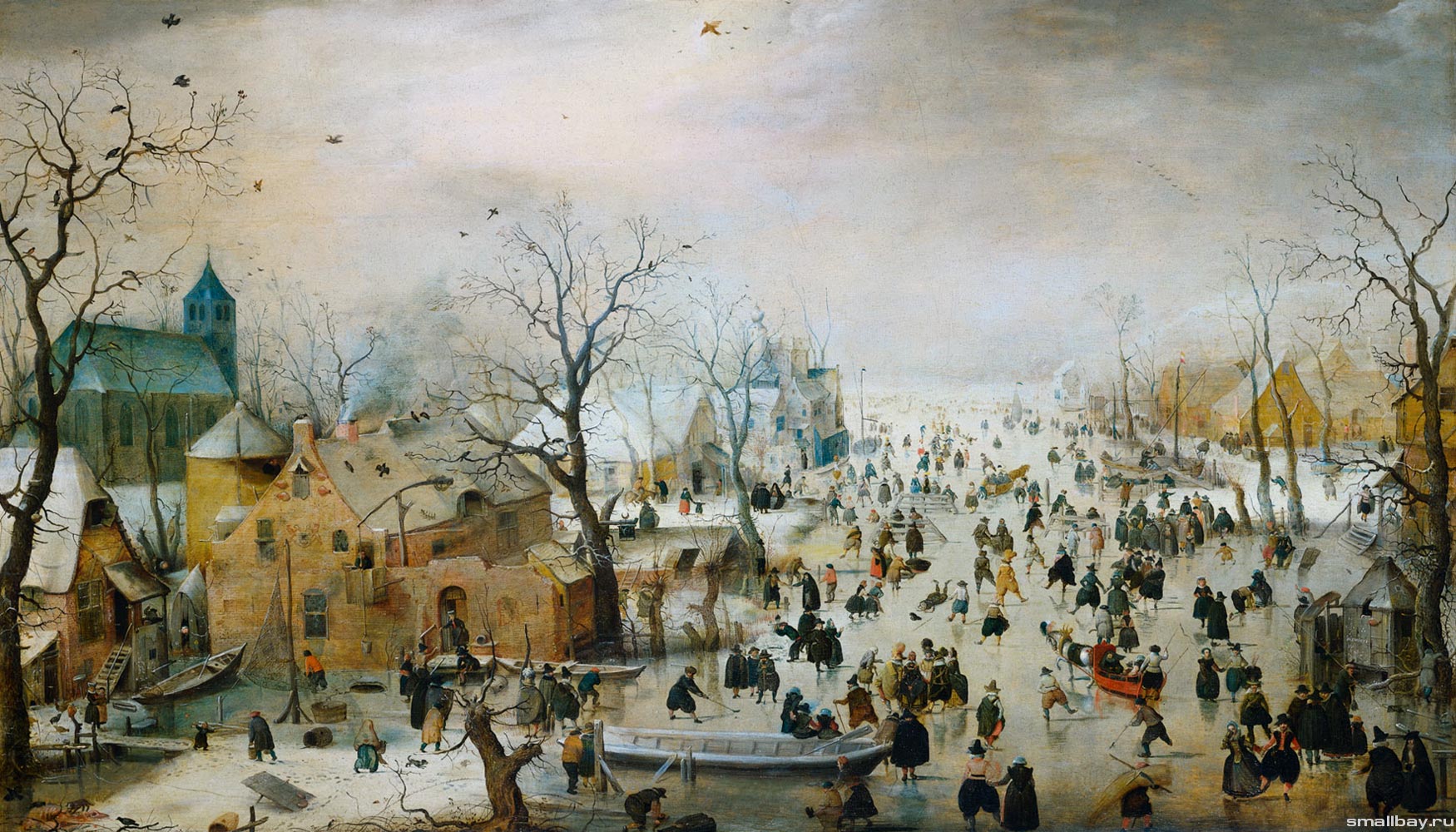
Hendrick Avercamp was a seminal Dutch painter during the Dutch Golden Age. He is celebrated as one of the earliest landscape painters of the 17th-century Dutch school, specializing in vibrant winter scenes of the Netherlands. His paintings are filled with colorful and lively depictions of people engaging in various activities against the backdrop of the Dutch winter landscape.
Educated by the Danish-born portrait painter Pieter Isaacsz, Hendrick Avercamp's work reflects a strong influence from the Flemish painting tradition, especially evident in the landscapes reminiscent of Pieter Bruegel the Elder. His technique of aerial perspective, where objects in the foreground are painted with richer colors than those in the distance, creates a remarkable impression of depth in his paintings.
Hendrick Avercamp's most ambitious and acclaimed work, 'Winter Landscape with Ice Skaters', painted around 1608, is a detailed panorama of human and animal activities during a harsh winter. This painting, along with others like 'Winter Landscape with a Frozen River and Figures' and 'Winter Landscape with Skates and People Playing Golf', showcase his knack for narrative, capturing various facets of 17th-century Dutch society enjoying the winter season.
Despite being mute and probably deaf, Hendrick Avercamp's keen observation skills are evident in his works, where he intricately portrays diverse classes engaging in various winter activities. He produced about a hundred paintings, many of which can be seen in the Rijksmuseum in Amsterdam and the Mauritshuis in The Hague. His work was also celebrated for its historical quality, providing a glimpse into the life of different societal levels in the Netherlands at that time.
For collectors and enthusiasts of art and antiques, Hendrick Avercamp's paintings offer a fascinating window into the Dutch Golden Age, with their vivid portrayal of life and activities in a winter setting. His works, characterized by meticulous detail and a cheerful narrative, remain an integral part of the conversation in the history of Dutch art.
To stay updated on the latest insights and collections related to Hendrick Avercamp's works, consider subscribing to our updates. Stay informed about new sales, exhibitions, and auction events featuring this master of Dutch winter landscapes.

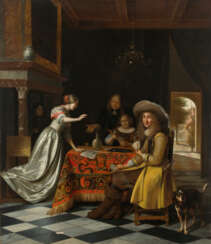

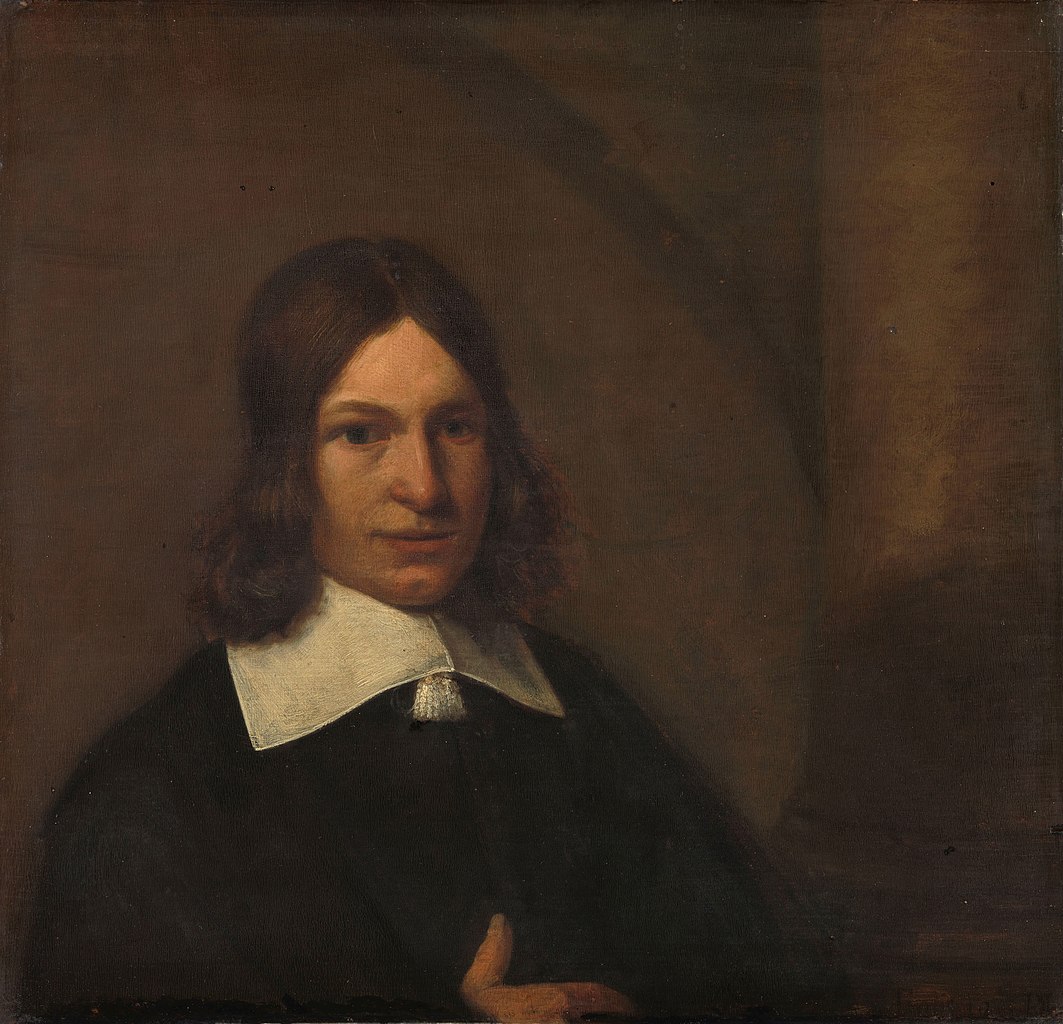
Pieter de Hooch was a Dutch Golden Age painter famous for his genre works of quiet domestic scenes with an open doorway. He was a contemporary of Jan Vermeer in the Delft Guild of St. Luke, with whom his work shares themes and style.