

what is scribe company











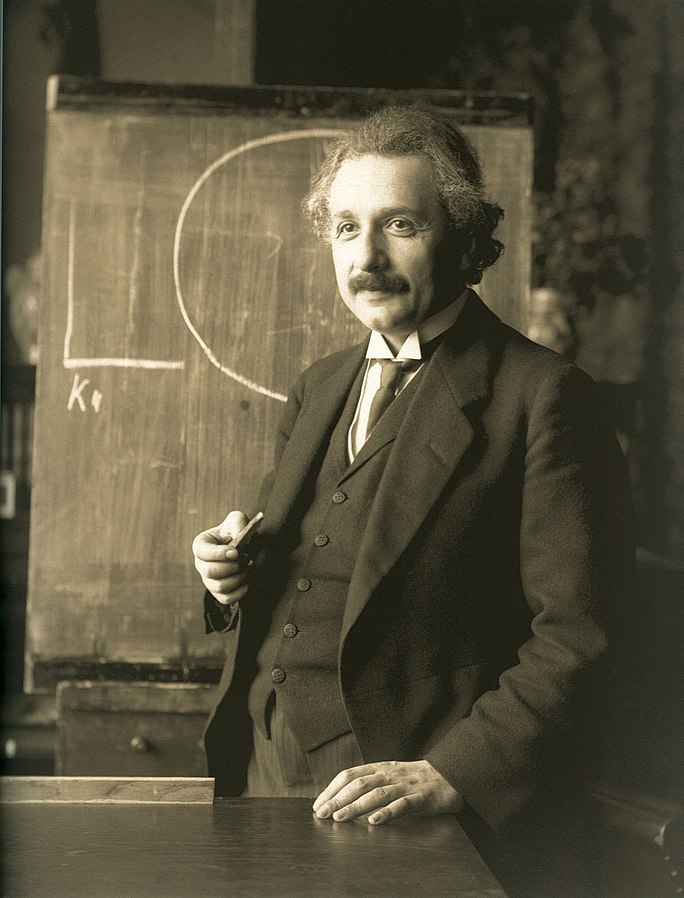
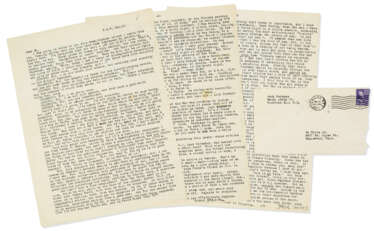
Albert Einstein was a German-born theoretical physicist, widely acknowledged to be one of the greatest and most influential physicists of all time. Einstein is best known for developing the theory of relativity, but he also made important contributions to the development of the theory of quantum mechanics. Relativity and quantum mechanics are together the two pillars of modern physics. His mass–energy equivalence formula E = mc2, which arises from relativity theory, has been dubbed "the world's most famous equation". His work is also known for its influence on the philosophy of science. He received the 1921 Nobel Prize in Physics "for his services to theoretical physics, and especially for his discovery of the law of the photoelectric effect", a pivotal step in the development of quantum theory. His intellectual achievements and originality resulted in "Einstein" becoming synonymous with "genius".




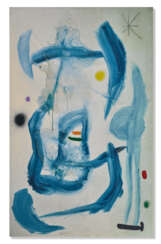

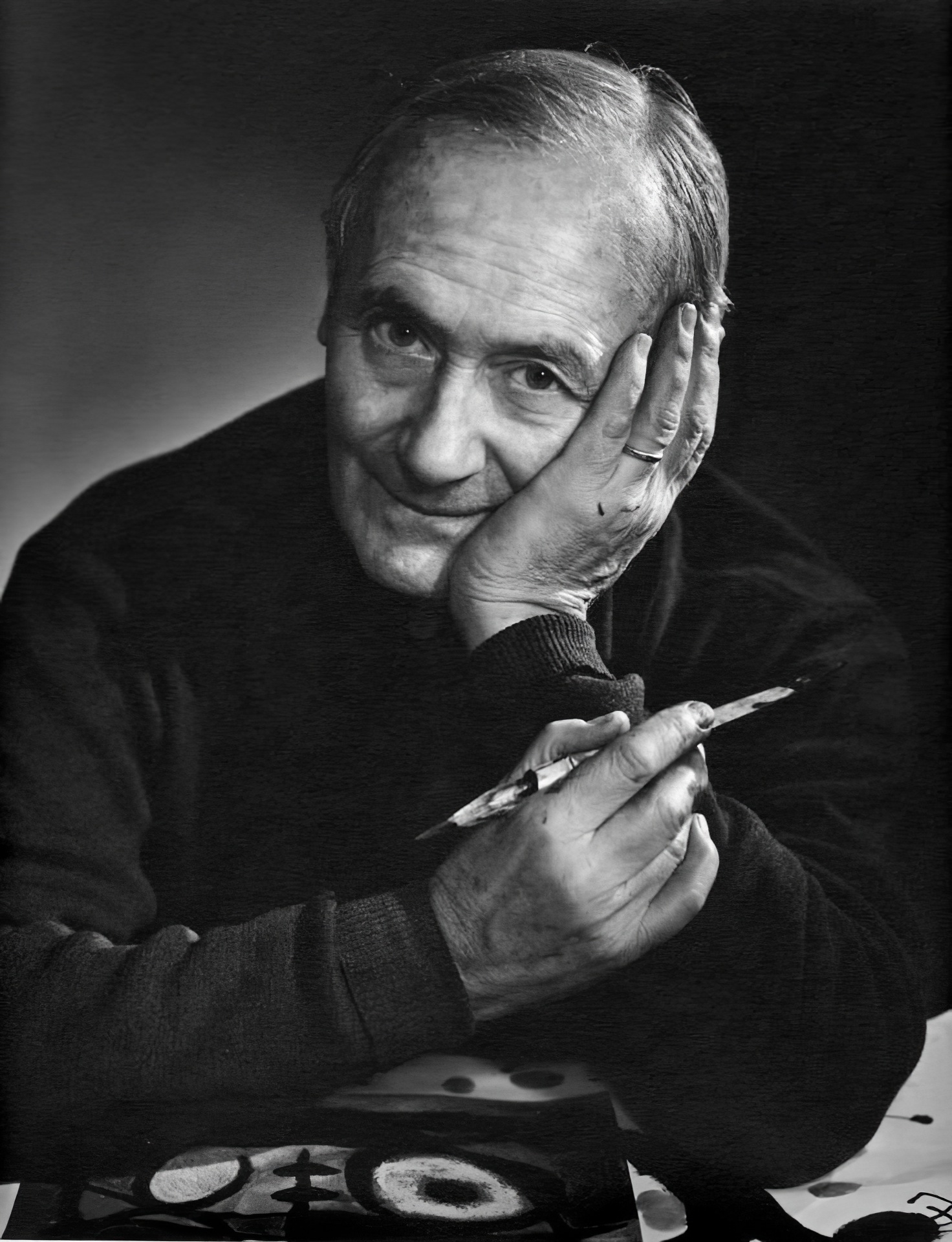
Joan Miró, a celebrated Spanish artist, was a master in painting, sculpture, and ceramics, renowned for his unique style that blurred the lines between Surrealism, Fauvism, and Expressionism. Born in Barcelona to a family of a goldsmith and a watchmaker, Miró grew up immersed in the rich cultural heritage of the Barri Gòtic neighborhood. His artistic journey began with drawing classes at the age of seven and continued at the prestigious La Llotja art academy. Despite an initial venture into the business world, Miró's passion for art prevailed, leading him to abandon his clerical career after a nervous breakdown.
Miró's work is noted for its exploration of the subconscious, often depicting a childlike perspective. This approach was both a critique of traditional painting methods and a means of expressing Catalan pride. His art, challenging to categorize, often featured symbolic elements and nationalistic qualities. One of his notable early works, "The Farm," reflects a transition to a more individual style, blending elements of his Catalan roots with broader artistic influences. This piece, later purchased by Ernest Hemingway, encapsulated the essence of Spain in its imagery.
In Paris, Miró joined the Surrealist movement in 1924, where his work began to reflect the influence of automatism, emphasizing spontaneous, automatic, or subconscious creation. He experimented with various mediums, including painting-poetry and collage, and even ventured into set and costume design for Sergei Diaghilev's Ballets Russes.
During World War II, Miró remained in Spain, and his work from this period, including the 22 Constellations series, reflected an interest in the night, music, and stars. His forms became increasingly abstracted, and he experimented with various techniques, often incorporating primary colors and evocative titles.
Miró's career spanned several decades, during which he continually evolved his style and explored new mediums. His contributions to art were recognized with numerous awards and retrospectives, including a major career retrospective at MoMA in 1941 and the Spanish Gold Medal for Fine Arts in 1980. Among his last major works was a tapestry for the World Trade Center in New York City, created in 1974.
For art collectors and enthusiasts, Joan Miró remains a figure of immense interest, not only for his distinct style and contributions to Surrealism but also for his ability to blend poetic imagery with political commentary. To stay updated on new product sales and auction events related to Joan Miró, sign up for our updates and immerse yourself in the world of this extraordinary artist.
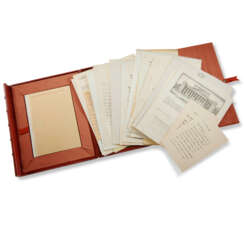

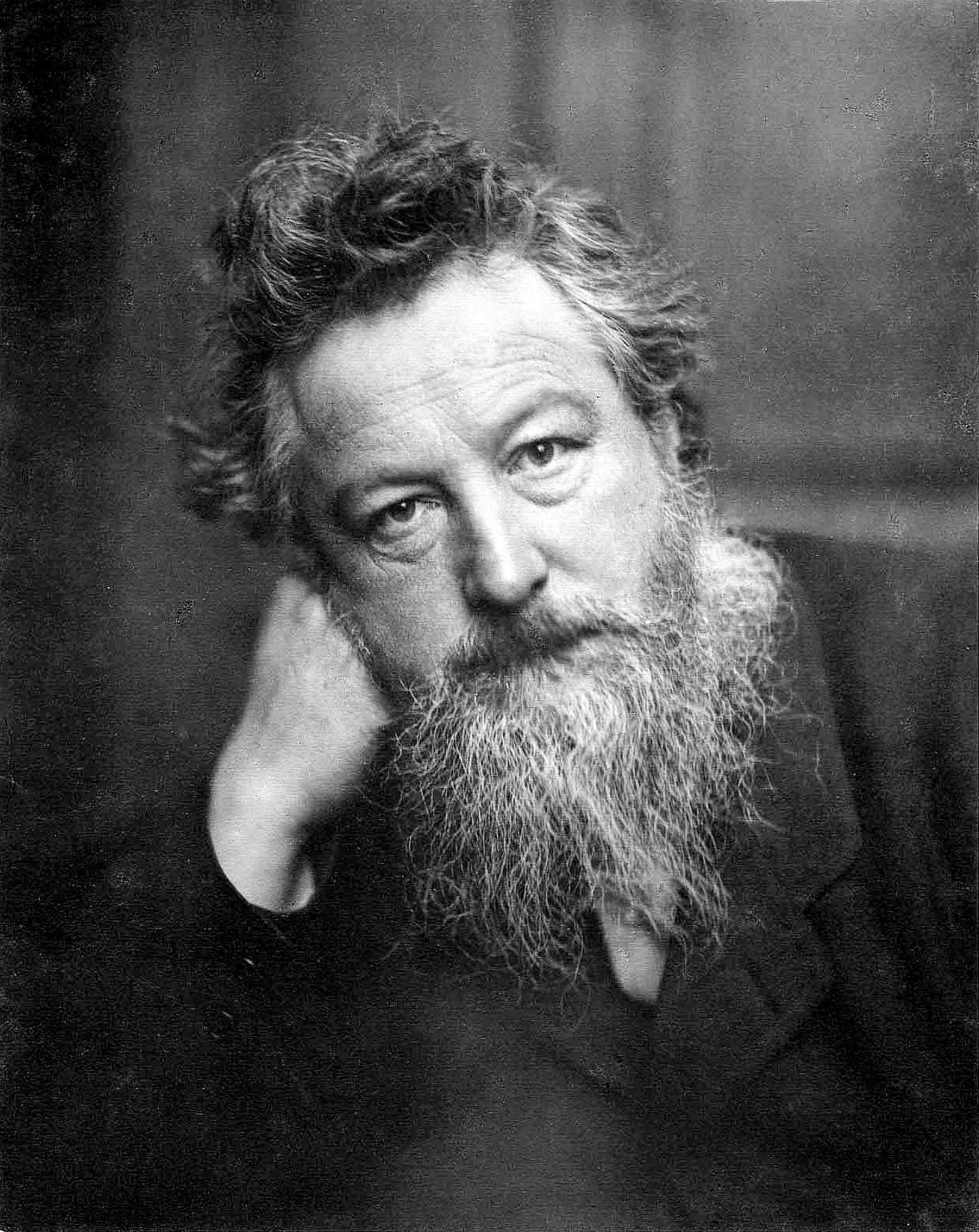
William Morris was a British artist, designer, poet, and social activist, celebrated for his profound impact on the decorative arts and his role in the Arts and Crafts movement. Born in Walthamstow, Essex, in 1834, Morris developed a fascination with medieval architecture and landscapes, influencing his artistic endeavors. He founded Morris & Company, known for producing exquisite textiles, wallpapers, and various decorative items that emphasized craftsmanship and beauty.
William Morris's Kelmscott Press, established in the 1890s, aimed to revive traditional book-making methods, producing works with high-quality materials and craftsmanship. One notable achievement was the Kelmscott Chaucer, a collaboration with Edward Burne-Jones that is still celebrated for its intricate designs and craftsmanship.
William Morris's influence extended beyond his lifetime, with his designs continuing to inspire artists and designers. His works are housed in prestigious institutions like The Metropolitan Museum of Art, reflecting his enduring legacy in the art world. His commitment to social causes, particularly through his socialist beliefs, further highlights his multifaceted contributions to culture and society.
If you're intrigued by William Morris's work and his influence on art and design, consider signing up for updates. Stay informed about new product sales and auction events related to William Morris's legacy, ensuring you don't miss out on owning a piece of this historic artistry.




Joan Miró, a celebrated Spanish artist, was a master in painting, sculpture, and ceramics, renowned for his unique style that blurred the lines between Surrealism, Fauvism, and Expressionism. Born in Barcelona to a family of a goldsmith and a watchmaker, Miró grew up immersed in the rich cultural heritage of the Barri Gòtic neighborhood. His artistic journey began with drawing classes at the age of seven and continued at the prestigious La Llotja art academy. Despite an initial venture into the business world, Miró's passion for art prevailed, leading him to abandon his clerical career after a nervous breakdown.
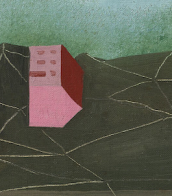
Miró's work is noted for its exploration of the subconscious, often depicting a childlike perspective. This approach was both a critique of traditional painting methods and a means of expressing Catalan pride. His art, challenging to categorize, often featured symbolic elements and nationalistic qualities. One of his notable early works, "The Farm," reflects a transition to a more individual style, blending elements of his Catalan roots with broader artistic influences. This piece, later purchased by Ernest Hemingway, encapsulated the essence of Spain in its imagery.
In Paris, Miró joined the Surrealist movement in 1924, where his work began to reflect the influence of automatism, emphasizing spontaneous, automatic, or subconscious creation. He experimented with various mediums, including painting-poetry and collage, and even ventured into set and costume design for Sergei Diaghilev's Ballets Russes.
During World War II, Miró remained in Spain, and his work from this period, including the 22 Constellations series, reflected an interest in the night, music, and stars. His forms became increasingly abstracted, and he experimented with various techniques, often incorporating primary colors and evocative titles.
Miró's career spanned several decades, during which he continually evolved his style and explored new mediums. His contributions to art were recognized with numerous awards and retrospectives, including a major career retrospective at MoMA in 1941 and the Spanish Gold Medal for Fine Arts in 1980. Among his last major works was a tapestry for the World Trade Center in New York City, created in 1974.
For art collectors and enthusiasts, Joan Miró remains a figure of immense interest, not only for his distinct style and contributions to Surrealism but also for his ability to blend poetic imagery with political commentary. To stay updated on new product sales and auction events related to Joan Miró, sign up for our updates and immerse yourself in the world of this extraordinary artist.
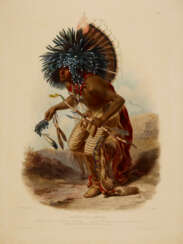

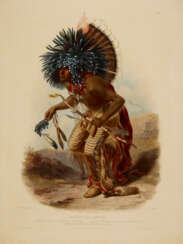

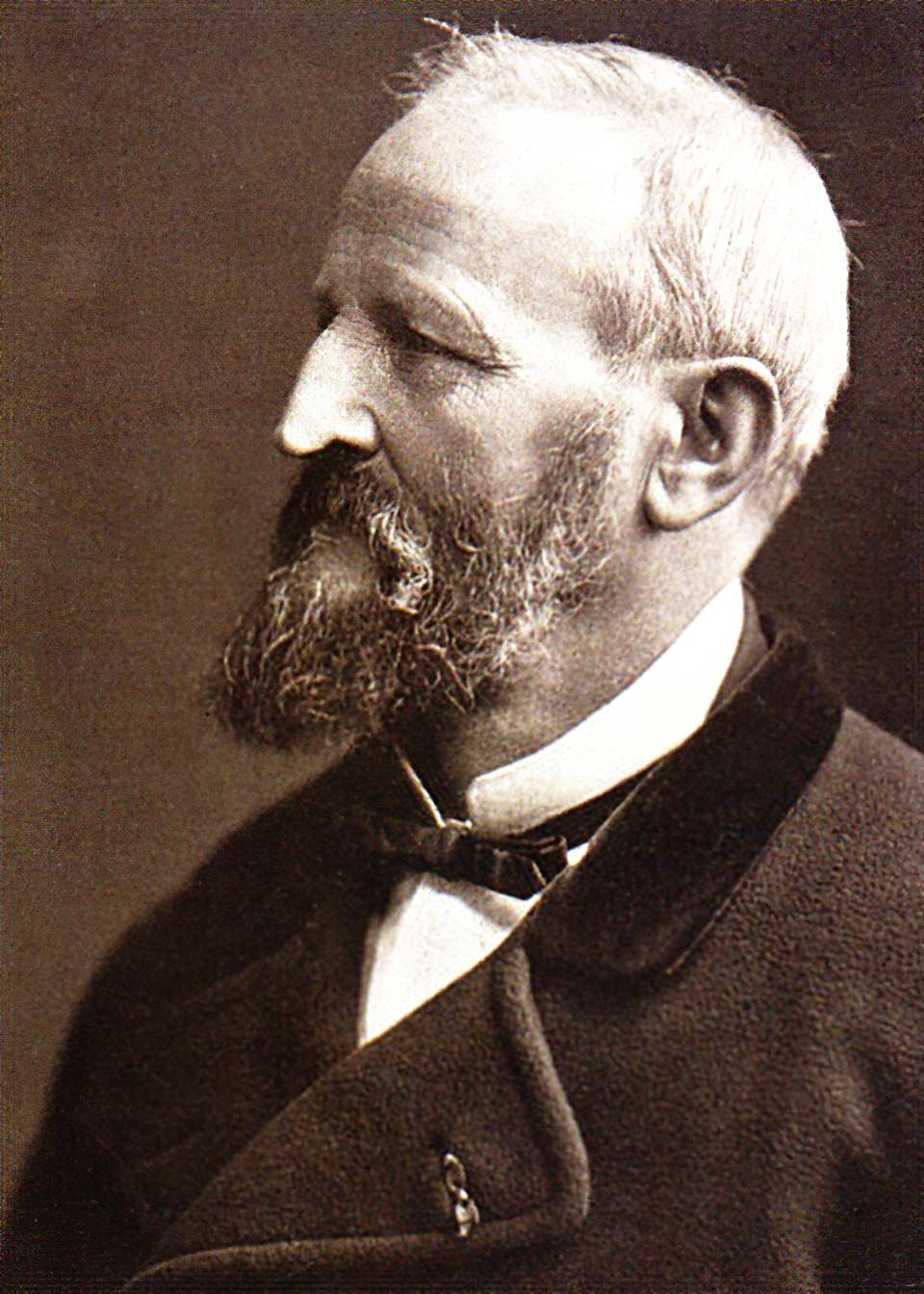
Karl Bodmer was a Swiss-French printmaker, etcher, lithographer, zinc engraver, draughtsman, painter, illustrator and hunter.




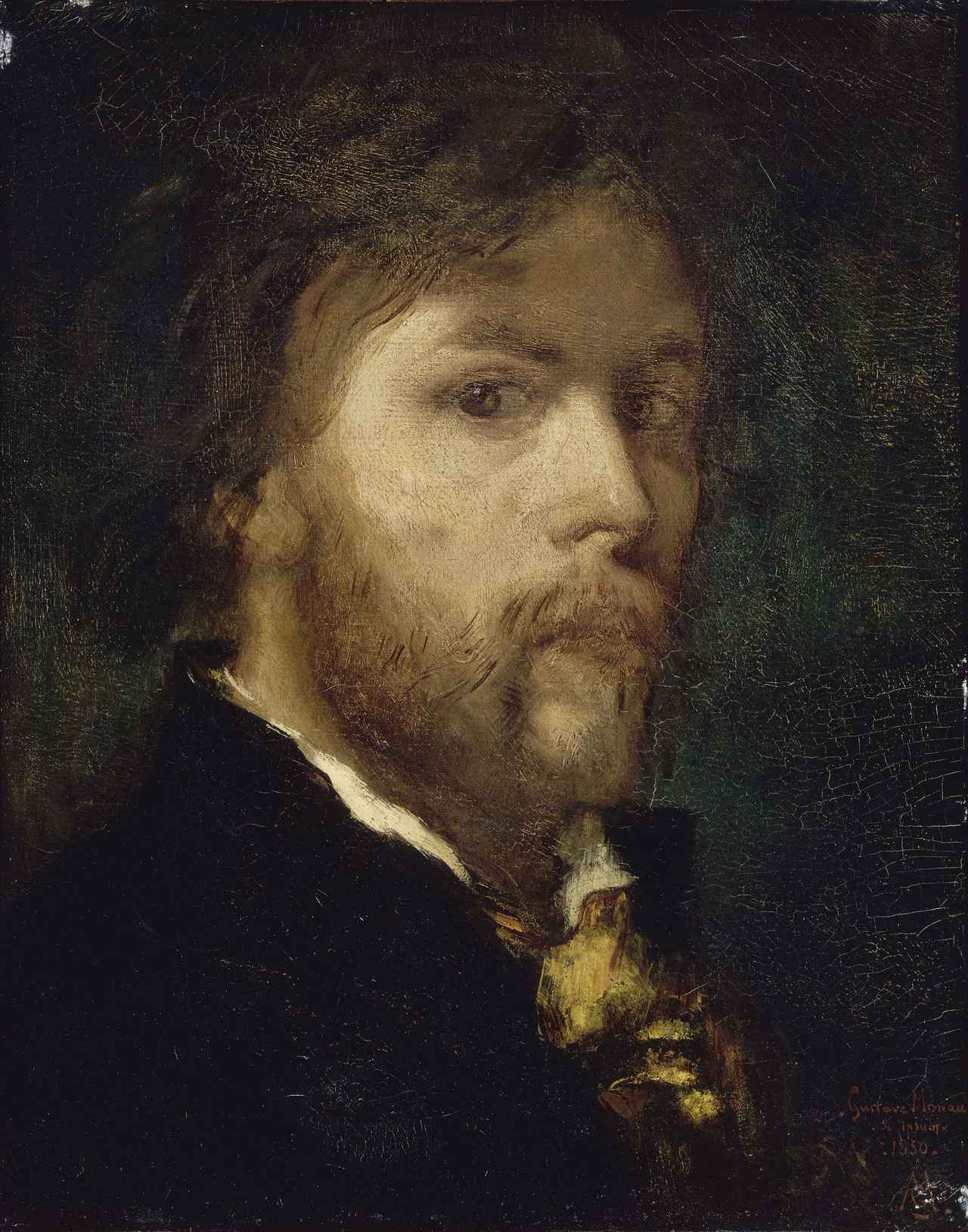
Gustave Moreau was a French artist and an important figure in the Symbolist movement. Jean Cassou called him "the Symbolist painter par excellence". He was an influential forerunner of symbolism in the visual arts in the 1860s, and at the height of the symbolist movement in the 1890s, he was among the most significant painters.


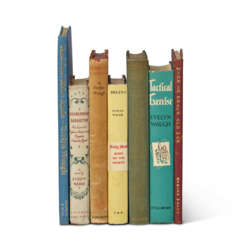

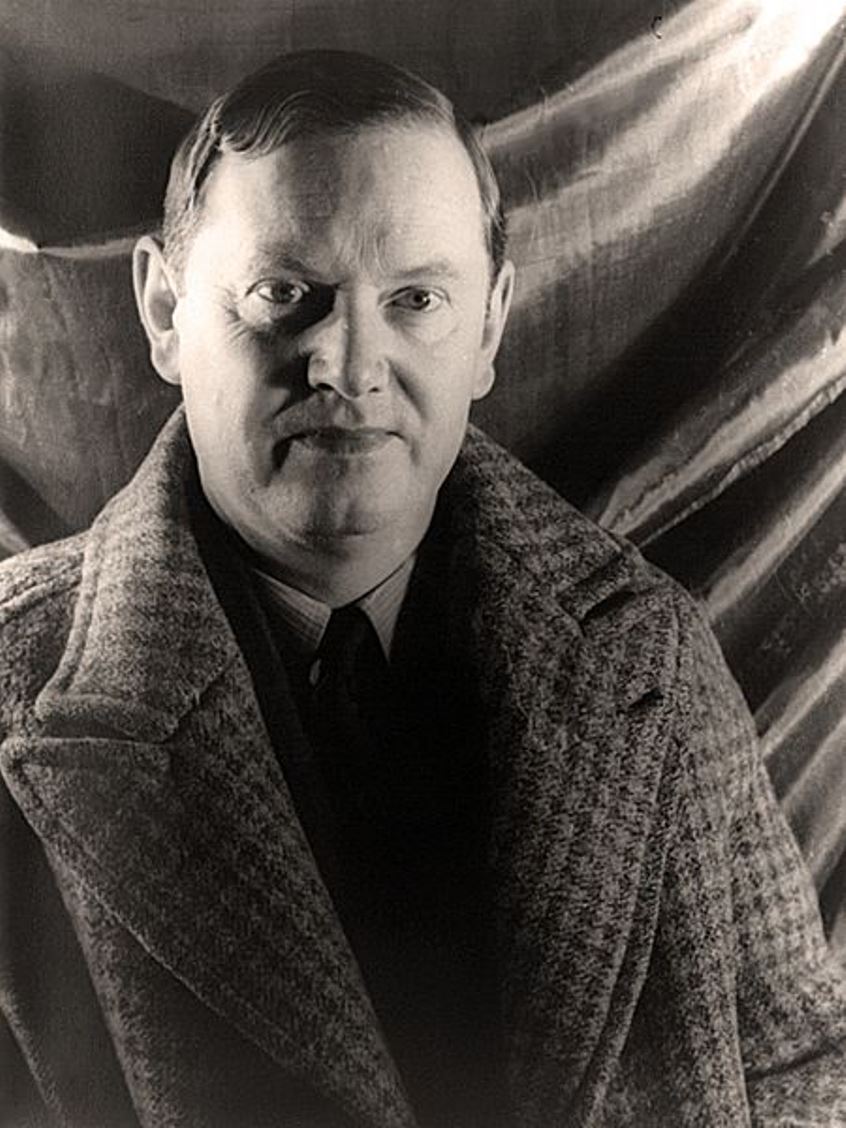
Evelyn Waugh, full name Arthur Evelyn St. John Waugh, was a British satirical writer, travel writer and historian.
Evelyn Waugh studied at Lancing College in Sussex and at Hertford College in Oxford. He then began traveling and writing, soon earning a reputation as a witty satirist. He visited Ethiopia and the Belgian Congo, and traveled to South America. His works are almost always based on personal experience; notable among the early ones are Decline and Fall (1928), Nasty Bodies (1930), Black Mischief (1932), and others.
During World War II, Evelyn Waugh served in the Royal Marines and the Royal Horse Guards. Written at this time, the novel "Return to Brideshead" (1945) is about an aristocratic English Roman Catholic family. In the trilogy "Men in Arms" (1952), "Officers and Gentlemen" (1955) and "Unconditional Surrender" (1961), the author conducted a serious analysis of the events of World War II, as an eternal struggle between good and evil, civilization and barbarism. Later on these works were filmed television series.
Evelyn Waugh also left a significant trace in journalism and literary criticism, he is considered one of the finest stylists in English prose of the XX century.





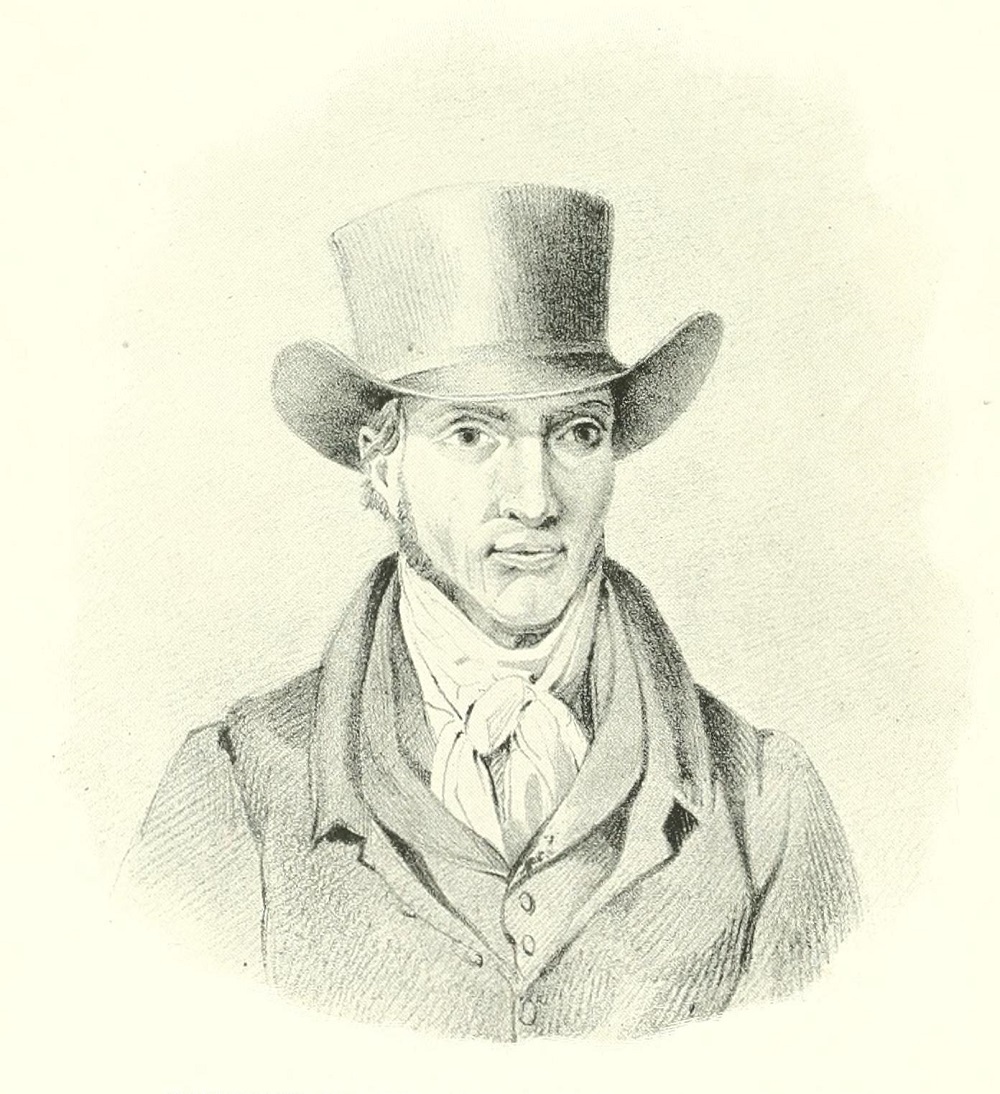
Henry Thomas Alcken was an English painter and engraver chiefly known as a caricaturist and illustrator of sporting subjects and coaching scenes. His most prolific period of painting and drawing occurred between 1816 and 1831.


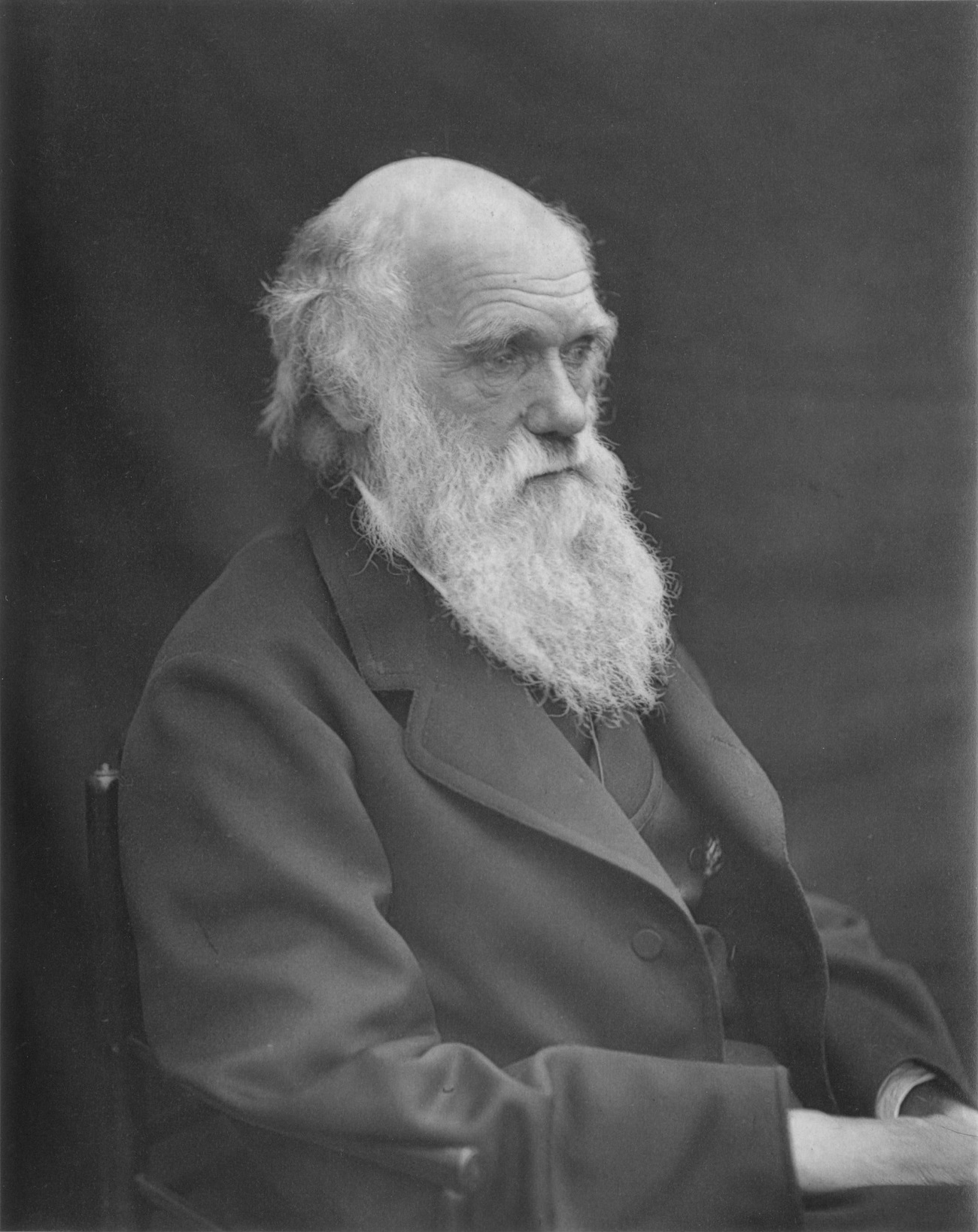
Charles Robert Darwin was an English naturalist, geologist, and biologist, widely known for contributing to the understanding of evolutionary biology. His proposition that all species of life have descended from a common ancestor is now generally accepted and considered a fundamental concept in science. In a joint publication with Alfred Russel Wallace, he introduced his scientific theory that this branching pattern of evolution resulted from a process that he called natural selection, in which the struggle for existence has a similar effect to the artificial selection involved in selective breeding. Darwin has been described as one of the most influential figures in human history, and he was honoured by burial in Westminster Abbey.
![WAKEFIELD, Edward (1796-1862) author [and William POTS (1859-1924) artist]](/assets/image/picture_2944110/da77c/1f881735f97a2bdae3f5b408a353b94d1689199200jpg__fix_374_244.jpeg)
![WAKEFIELD, Edward (1796-1862) author [and William POTS (1859-1924) artist]](https://veryimportantlot.com/assets/image/picture_2944110/da77c/1f881735f97a2bdae3f5b408a353b94d1689199200jpg__fix_374_244.jpeg)