wilhelm rö















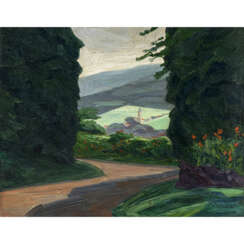

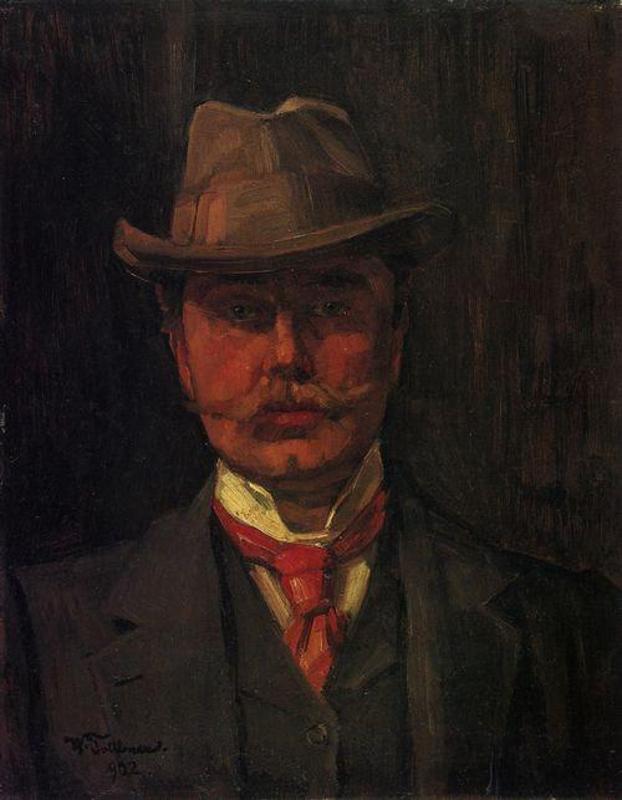
Heinrich Wilhelm Trübner was a German realist painter of the circle of Wilhelm Leibl.
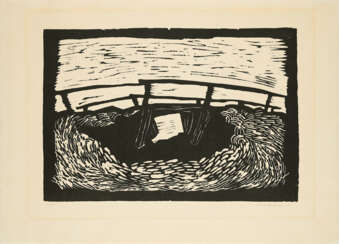

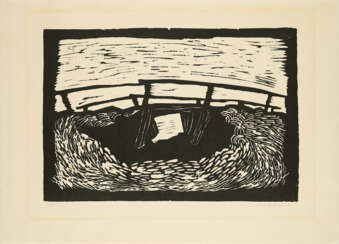

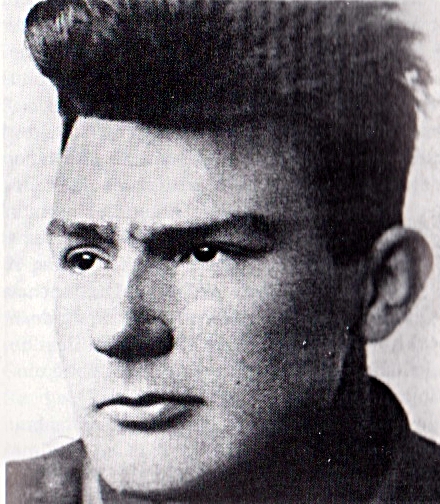
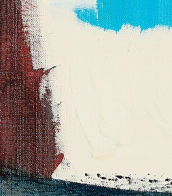

Wilhelm Imkamp was a German painter and a student of the Bauhaus and is one of the most important abstract painters of the post-war period in Germany.
Even though Imkamp made over 500 portraits in his lifetime and thus secured his income for several years of his life, abstract painting is and remains the core of his work. His paintings were created without sketches and preliminary studies, he always painted several pictures at the same time and let a composition emerge in many individual steps from the interaction of colour and form alone. Impressions from nature and music were his sources of inspiration, which played a part in the creative process, but in the end a completely new world of images emerged, on the basis of which the picture titles were also found. Imkamp's work is clearly recognisable as a Bauhaus student, strongly influenced by Wassily Kandinsky's colour compositions, Paul Klee's narrative span and Lyonel Feiniger's structured use of space. Over the years, however, he developed a very independent artistic position among the students of the Bauhaus.

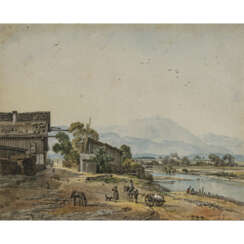

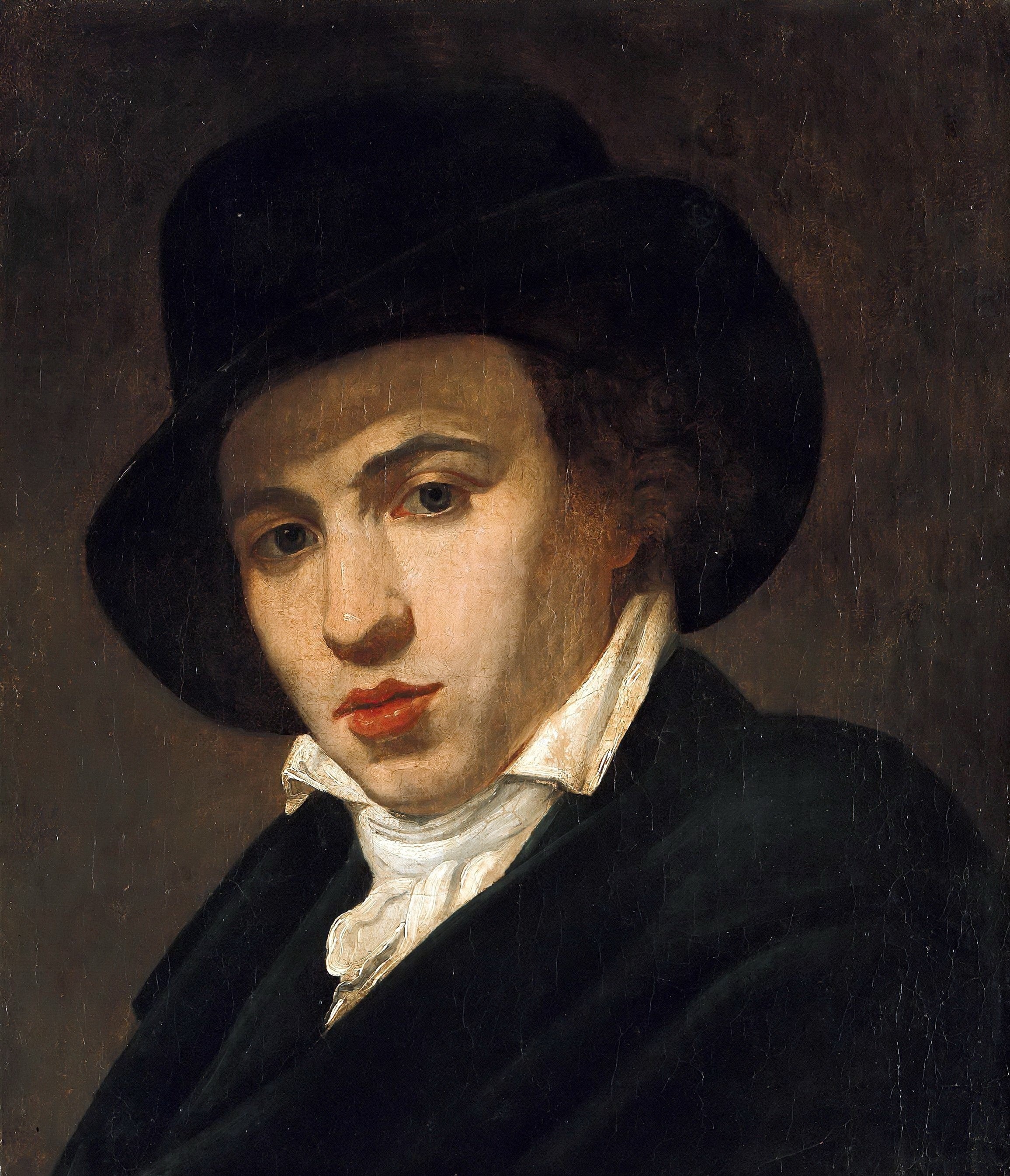
Wilhelm von Kobell was a German painter of the first half of the 19th century. He is known as a landscape painter, animalist and battle painter.
Von Kobell initially produced landscapes and animal paintings, but later focused mainly on battle painting. He visited Vienna and Paris between 1809 and 1810 to study this genre. His battle paintings, based on extensive research, are characterized by striking realism. They are important for the study of military history.





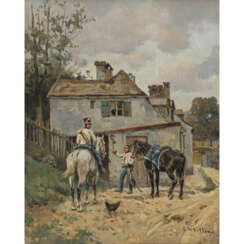

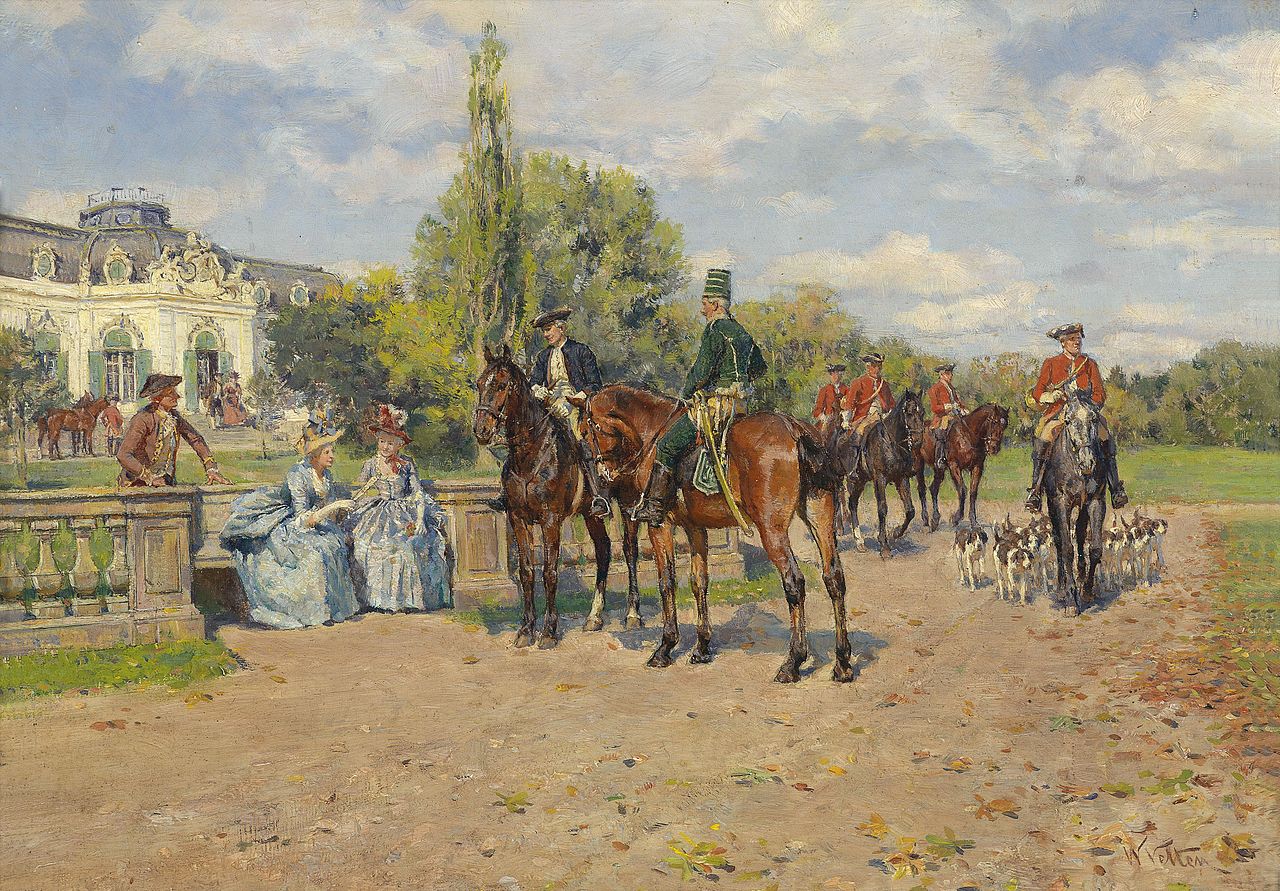
Wilhelm Welten is a Russian-German painter, a master of hunting scenes and the domestic genre.
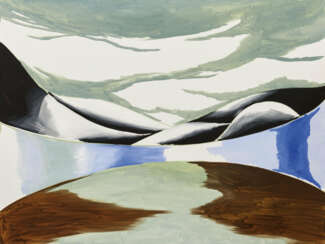

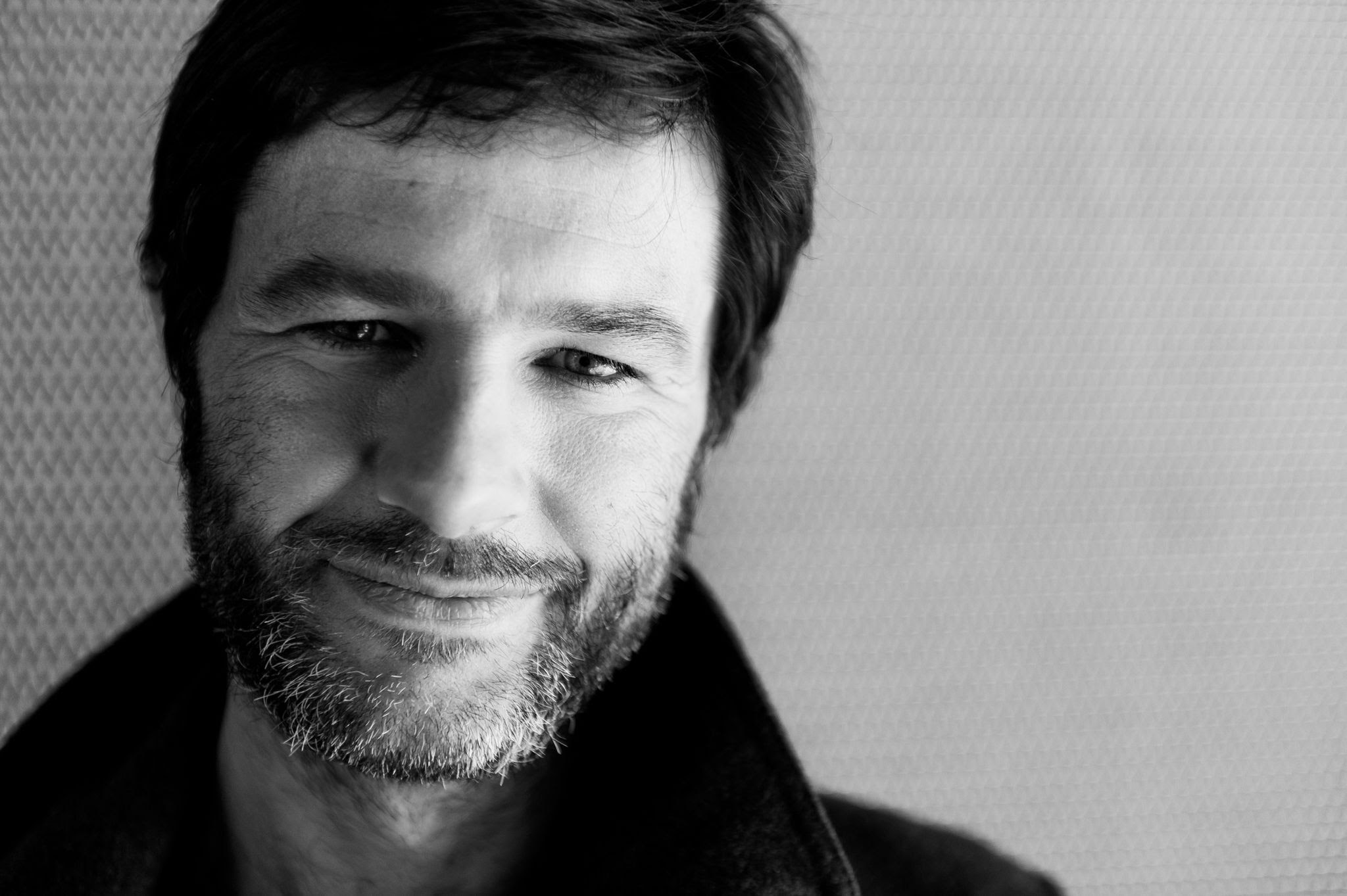
Wilhelm Sasnal is a Polish painter, photographer, poster artist, illustrator and filmmaker.
Sasnal graduated from the Academy of Fine Arts in Krakow, specializing in painting. Besides painting, he creates drawings in pencil and ink. The artist takes his subjects from everyday life, using images from media, propaganda and pop culture. Sasnal often paints from photographs and moves freely from figurative painting to abstraction.
Wilhelm Sasnal is considered one of the most prominent and internationally successful Polish contemporary artists.
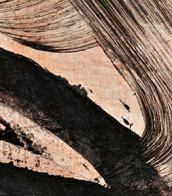


Wilhelm Sasnal is a Polish painter, photographer, poster artist, illustrator and filmmaker.
Sasnal graduated from the Academy of Fine Arts in Krakow, specializing in painting. Besides painting, he creates drawings in pencil and ink. The artist takes his subjects from everyday life, using images from media, propaganda and pop culture. Sasnal often paints from photographs and moves freely from figurative painting to abstraction.
Wilhelm Sasnal is considered one of the most prominent and internationally successful Polish contemporary artists.

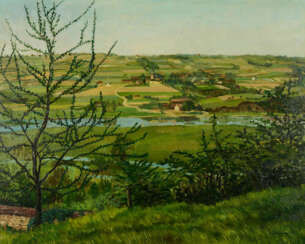

Wilhelm Imkamp was a German painter and a student of the Bauhaus and is one of the most important abstract painters of the post-war period in Germany.
Even though Imkamp made over 500 portraits in his lifetime and thus secured his income for several years of his life, abstract painting is and remains the core of his work. His paintings were created without sketches and preliminary studies, he always painted several pictures at the same time and let a composition emerge in many individual steps from the interaction of colour and form alone. Impressions from nature and music were his sources of inspiration, which played a part in the creative process, but in the end a completely new world of images emerged, on the basis of which the picture titles were also found. Imkamp's work is clearly recognisable as a Bauhaus student, strongly influenced by Wassily Kandinsky's colour compositions, Paul Klee's narrative span and Lyonel Feiniger's structured use of space. Over the years, however, he developed a very independent artistic position among the students of the Bauhaus.
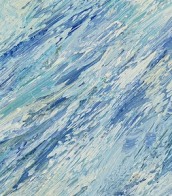
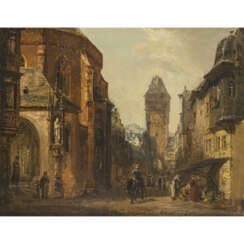

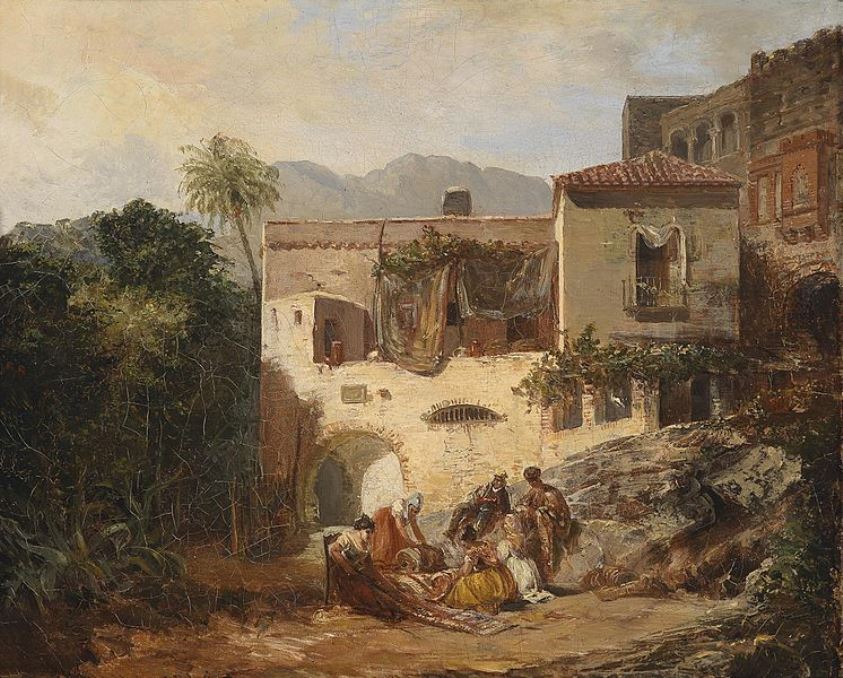
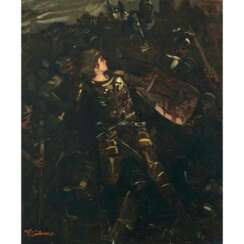

Heinrich Wilhelm Trübner was a German realist painter of the circle of Wilhelm Leibl.
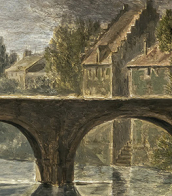



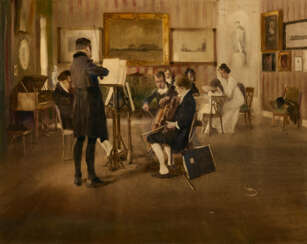

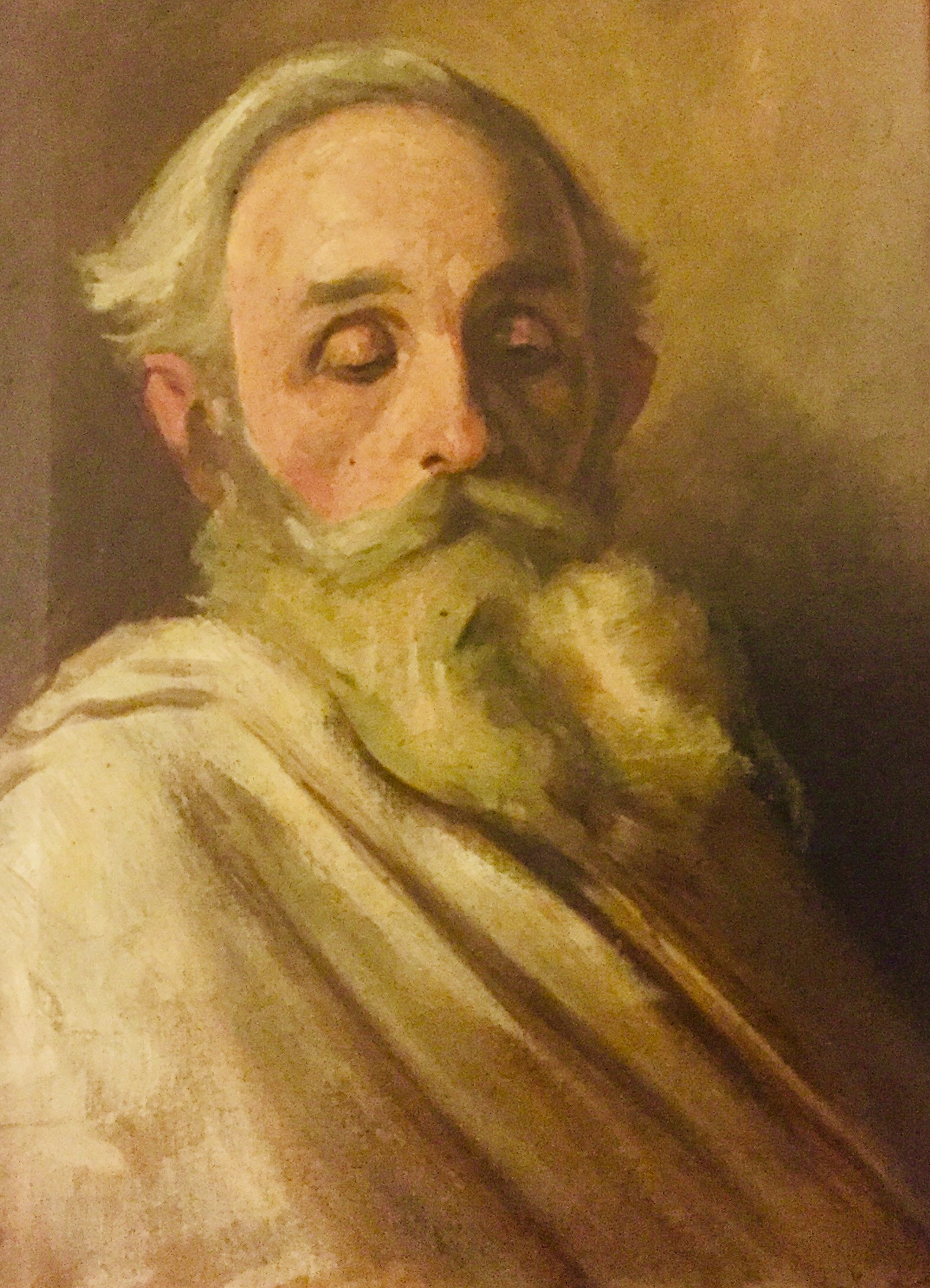
Wilhelm Schreuer was a German painter; associated with the Düsseldorfer Malerschule.
Most of his works were created with a distinctive technique, involving diluted colors on a damp surface, applied to glued paper; a method that makes major corrections almost impossible. The resulting surface is smooth as glass. Often, the effect is nearly monochromatic. Although he painted a wide variety of subjects, scenes from inns, restaurants, dance halls, and various events were obviously his favorites.
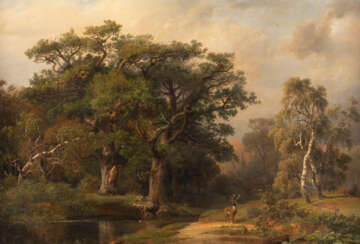

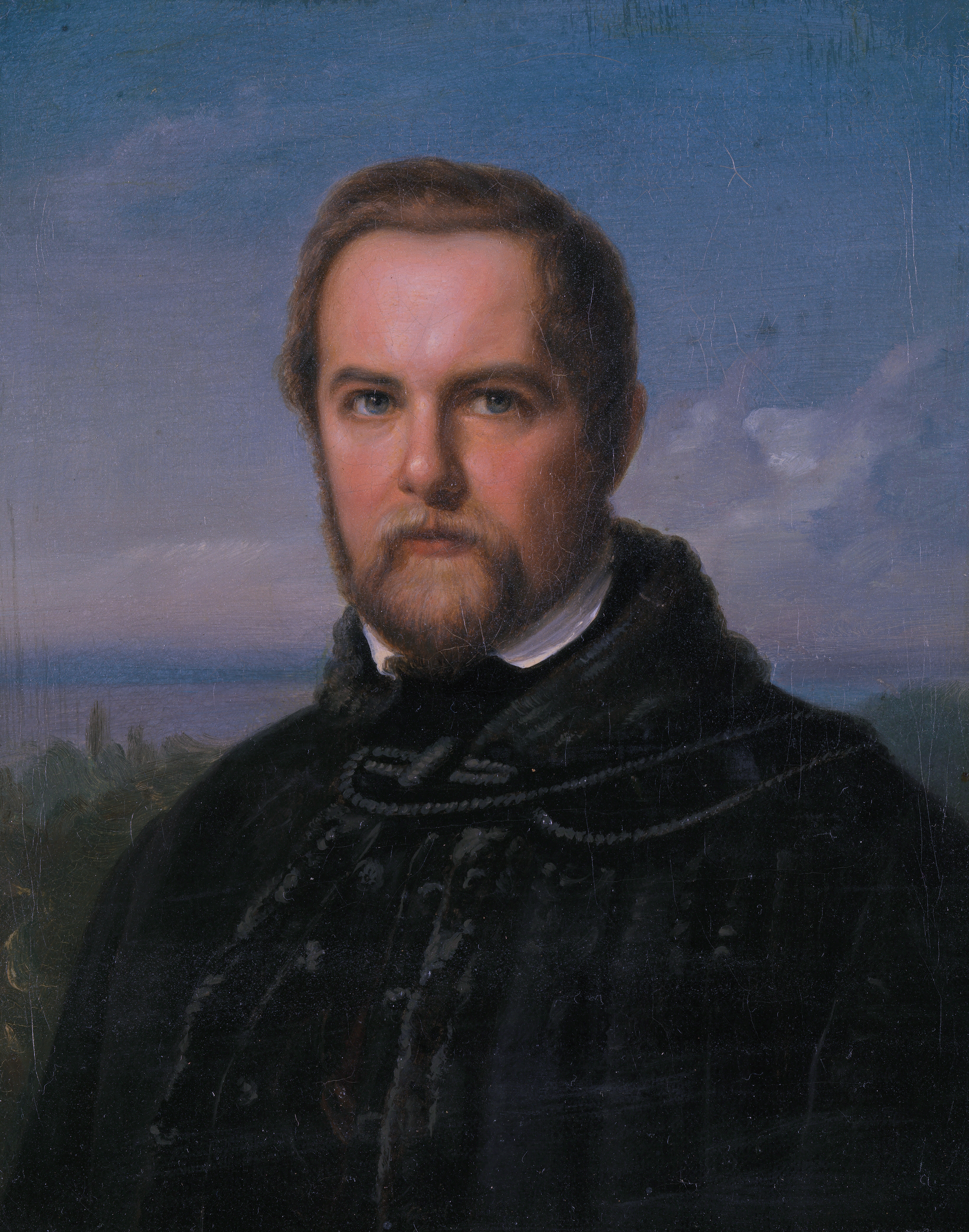
Johann Wilhelm Schirmer was a German landscape artist.
Schirmer was started as a student of historical painting under Schadow at the academy of Düsseldorf. Later, he came under the influence of Carl Friedrich Lessing and landscape painting and began painting historical landscapes in the manner of Nicolas Poussin. He became known as one of the first of the Düsseldorf school of painting.
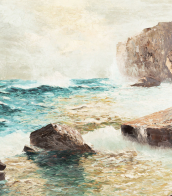


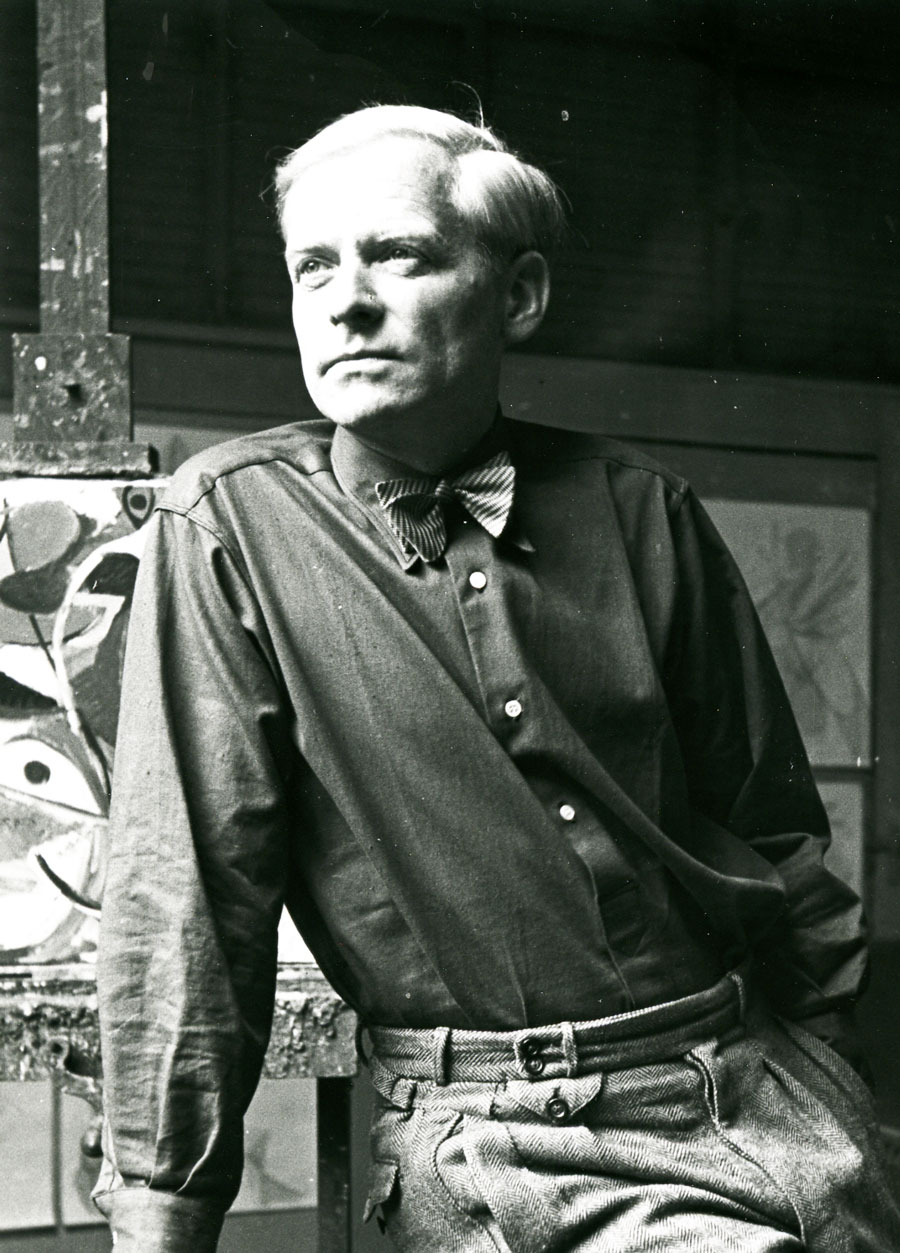
Ernst Wilhelm Nay was a German painter and graphic designer of classical modernism. He is considered one of the most important painters of German post-war art.
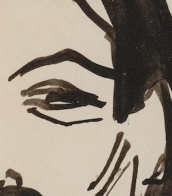
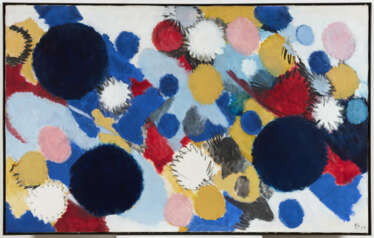

Ernst Wilhelm Nay was a German painter and graphic designer of classical modernism. He is considered one of the most important painters of German post-war art.
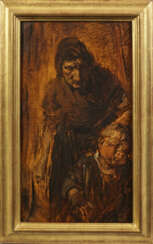

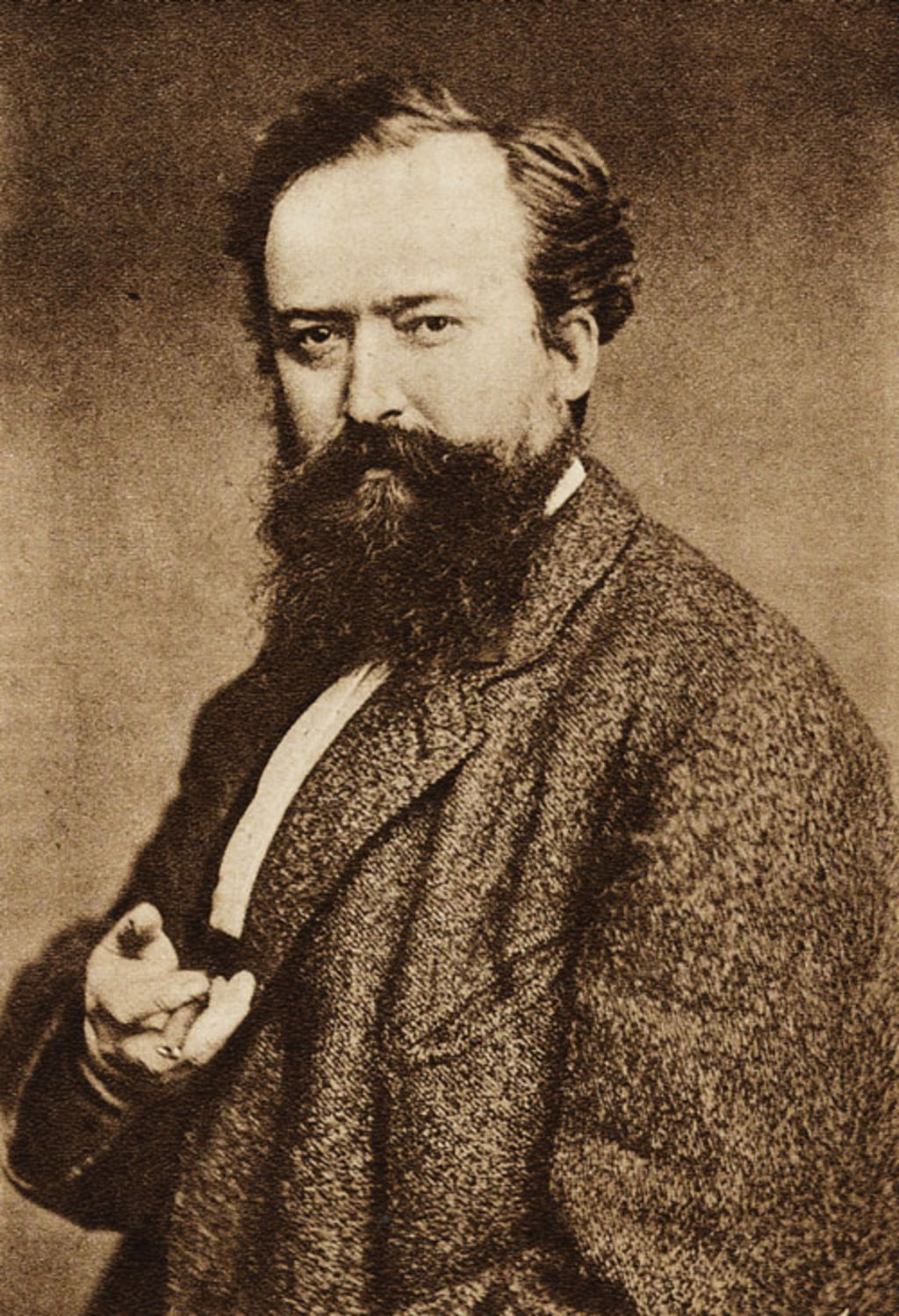
Heinrich Christian Wilhelm Busch was a German humorist, poet, illustrator, and painter. He published wildly innovative illustrated tales that remain influential to this day.
Busch drew on the tropes of folk humour as well as a profound knowledge of German literature and art to satirize contemporary life, any kind of piety, Catholicism, Philistinism, religious morality, bigotry, and moral uplift.
His mastery of drawing and verse became deeply influential for future generations of comic artists and vernacular poets. Among many notable influences, The Katzenjammer Kids was inspired by Busch's Max and Moritz. Today, the Wilhelm Busch Prize and the Wilhelm Busch Museum help maintain his legacy. The 175th anniversary of his birth in 2007 was celebrated throughout Germany. Busch remains one of the most influential poets and artists in Western Europe.
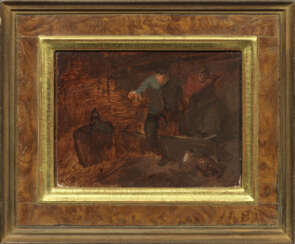

Heinrich Christian Wilhelm Busch was a German humorist, poet, illustrator, and painter. He published wildly innovative illustrated tales that remain influential to this day.
Busch drew on the tropes of folk humour as well as a profound knowledge of German literature and art to satirize contemporary life, any kind of piety, Catholicism, Philistinism, religious morality, bigotry, and moral uplift.
His mastery of drawing and verse became deeply influential for future generations of comic artists and vernacular poets. Among many notable influences, The Katzenjammer Kids was inspired by Busch's Max and Moritz. Today, the Wilhelm Busch Prize and the Wilhelm Busch Museum help maintain his legacy. The 175th anniversary of his birth in 2007 was celebrated throughout Germany. Busch remains one of the most influential poets and artists in Western Europe.

Friedrich Wilhelm Kuhnert was a German painter, author and illustrator, who specialized in animal images. After illustrating the books of Alfred Brehm, he travelled to German East Africa to observe animals in their habitat and produced numerous paintings that defined Africa for many Germans of the period.