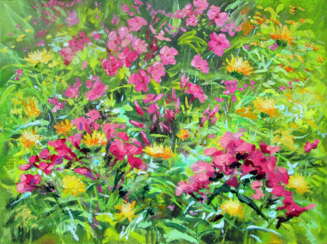
zeitgenössische farbfeldmalerei


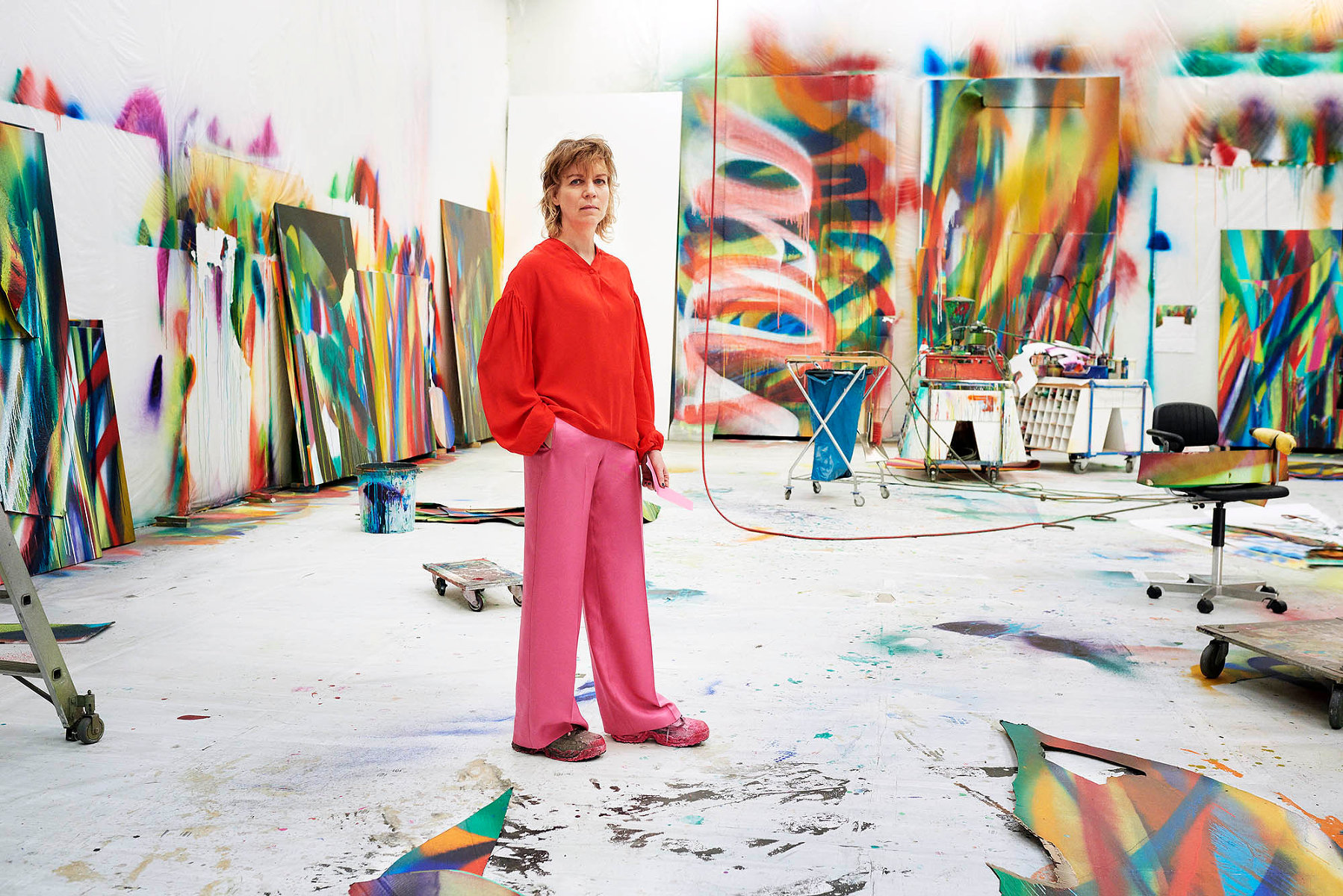
Katharina Grosse is a German artist. As an artist, Grosse's work employs a use of architecture, sculpture and painting. She is known for her large-scale, site-related installations to create immersive visual experiences. She has been using an industrial paint-sprayer to apply prismatic swaths of color to a variety of surfaces since the late 1990s, and often uses bright, unmixed sprayed-on acrylic paints to create both large-scale sculptural elements and smaller wall works.


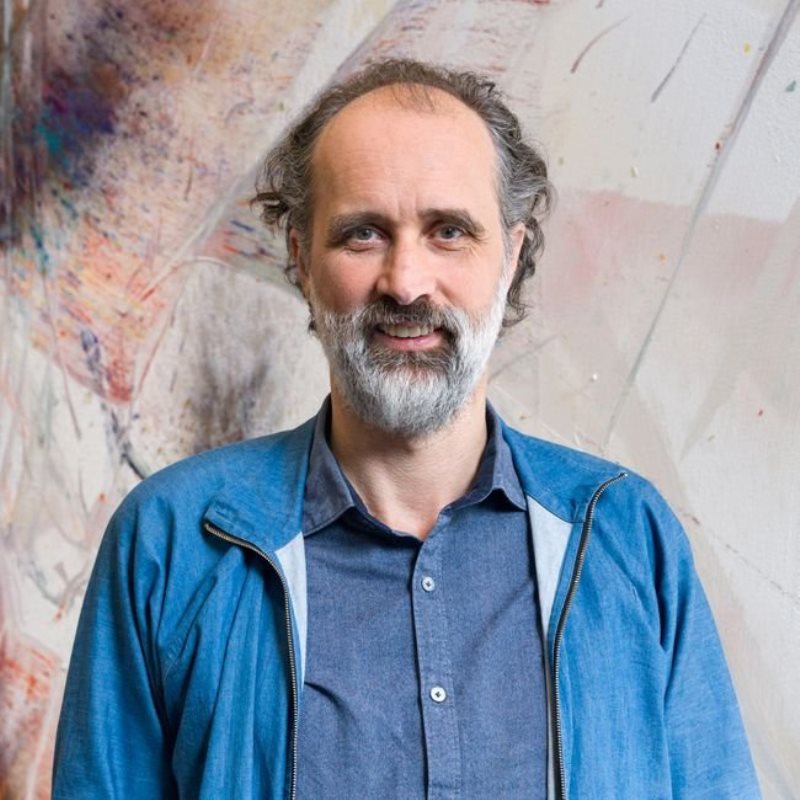

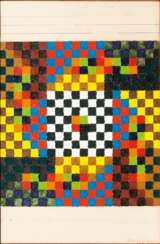

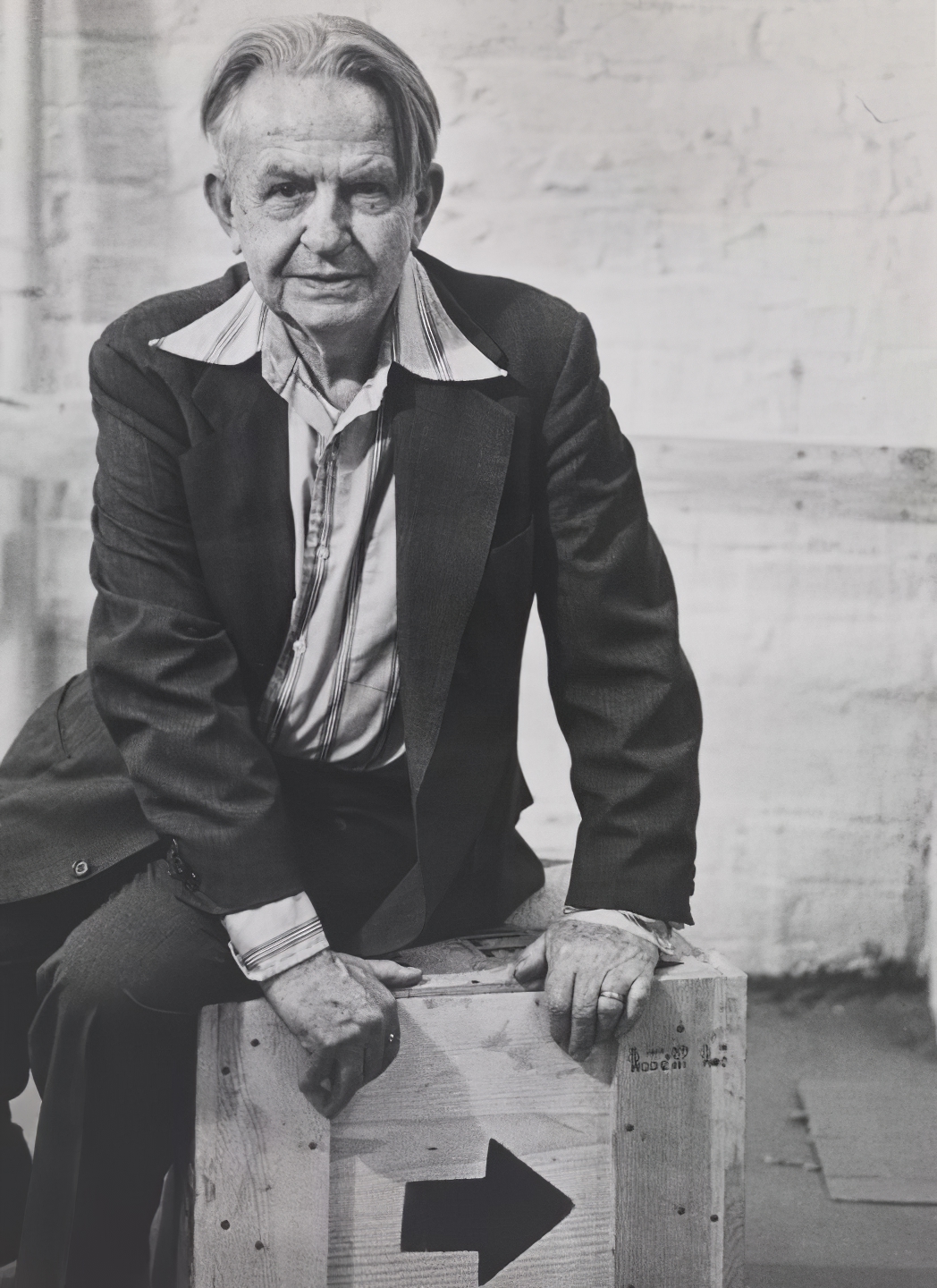
Alfred Jensen was an American abstract painter associated with the Abstract Expressionist movement. Jensen's work often incorporated complex systems of symbols and numerals, which he believed could be used to represent the structure of the universe.
Jensen spent much of his childhood in Europe before immigrating to the United States in the 1920s. He studied at the Art Students League in New York and began his career as an artist in the 1930s, creating figurative paintings that were influenced by the work of Picasso and other European modernists.
In the 1950s and 1960s, Jensen began exploring abstraction and began incorporating his interest in numerology and symbolism into his work. He developed a complex system of symbols and numerals, which he believed could be used to represent the underlying structure of the universe. His paintings often featured grids, mandalas, and other geometric forms, and he believed that his art could serve as a kind of visual language that could help unlock the mysteries of the universe.
Jensen's work was exhibited widely in the United States and Europe, and he was the recipient of several awards and honors throughout his career.
Jensen's unique approach to abstraction and his interest in numerology and symbolism have made him an important figure in the development of abstract painting in the mid-20th century.
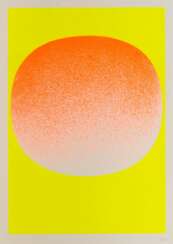




















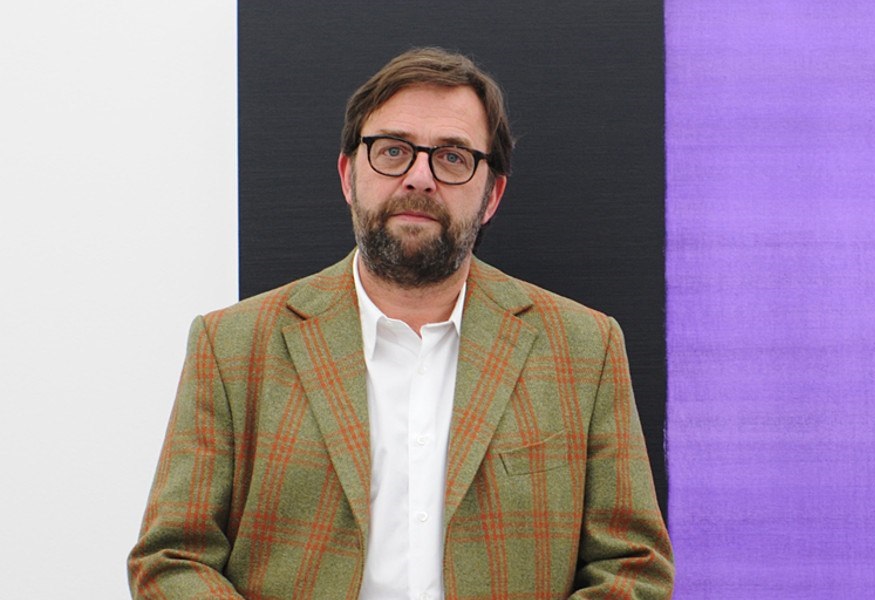
Callum Innes is a Scottish abstract painter, a former Turner Prize nominee and winner of the Jerwood Painting Prize. He lives and works in Edinburgh, Scotland.


Callum Innes is a Scottish abstract painter, a former Turner Prize nominee and winner of the Jerwood Painting Prize. He lives and works in Edinburgh, Scotland.


Callum Innes is a Scottish abstract painter, a former Turner Prize nominee and winner of the Jerwood Painting Prize. He lives and works in Edinburgh, Scotland.


Callum Innes is a Scottish abstract painter, a former Turner Prize nominee and winner of the Jerwood Painting Prize. He lives and works in Edinburgh, Scotland.



Callum Innes is a Scottish abstract painter, a former Turner Prize nominee and winner of the Jerwood Painting Prize. He lives and works in Edinburgh, Scotland.

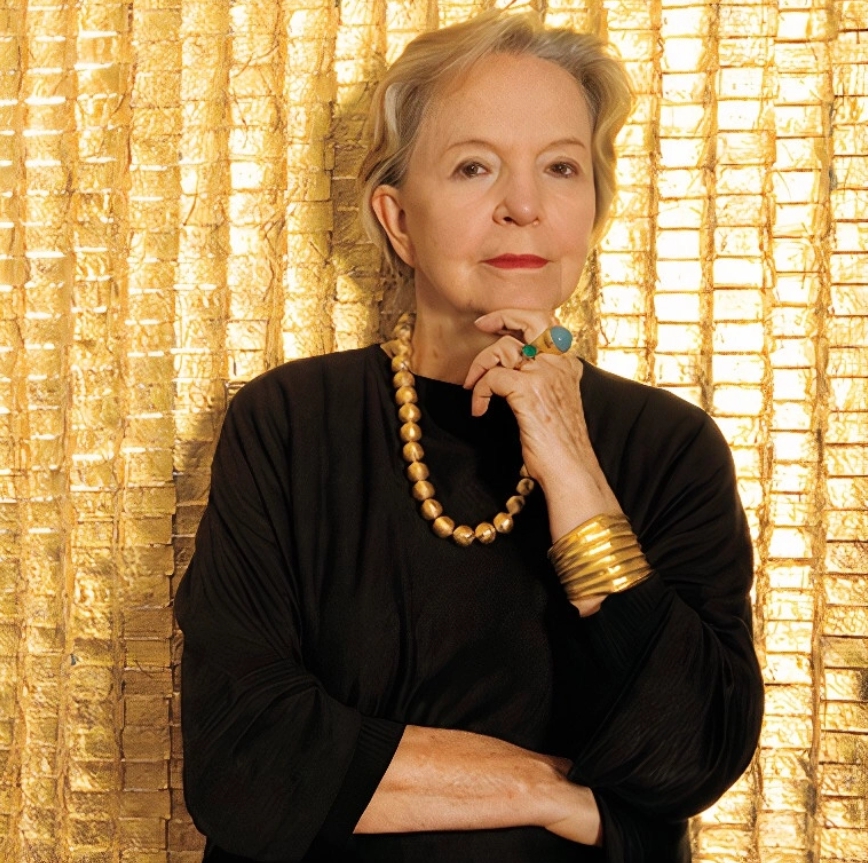
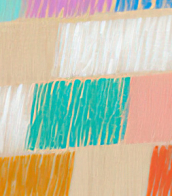
Olga de Amaral is a Colombian textile and visual artist known for her large-scale abstract works made with fibers and covered in gold and/or silver leaf. Because of her ability to reconcile local concerns with international developments, de Amaral became one of the few artists from South America to become internationally known for her work in fiber during the 1960s and ‘70s. She is also considered an important practitioner in the development of postwar Latin American Abstraction. She currently lives and works in Bogotá, Colombia.
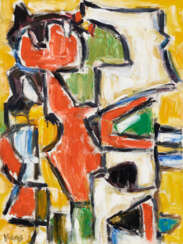

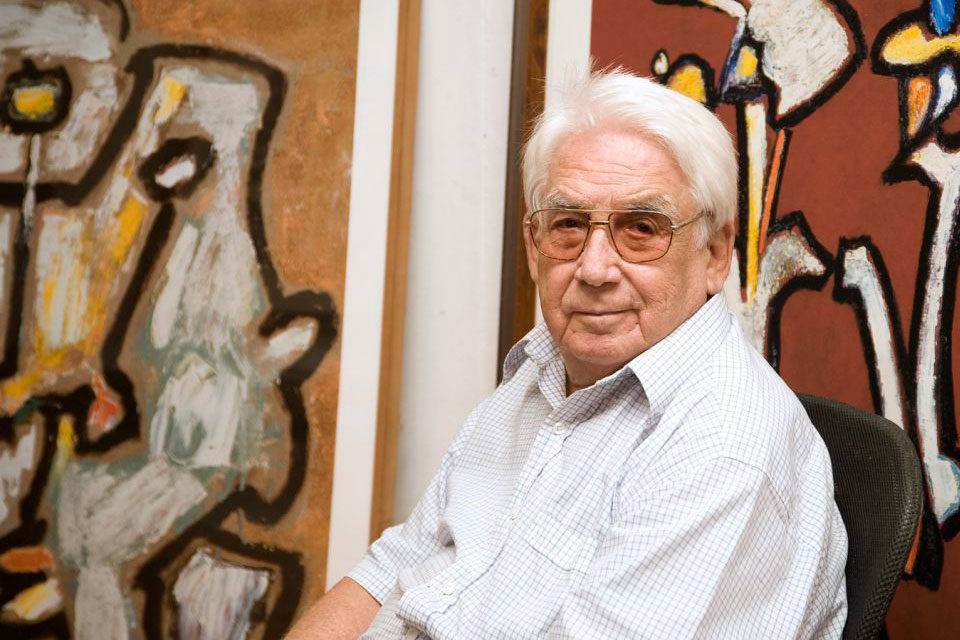
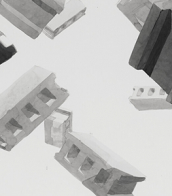
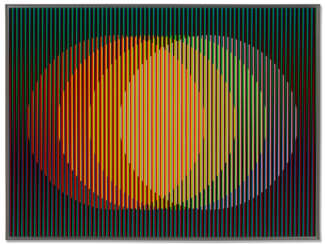

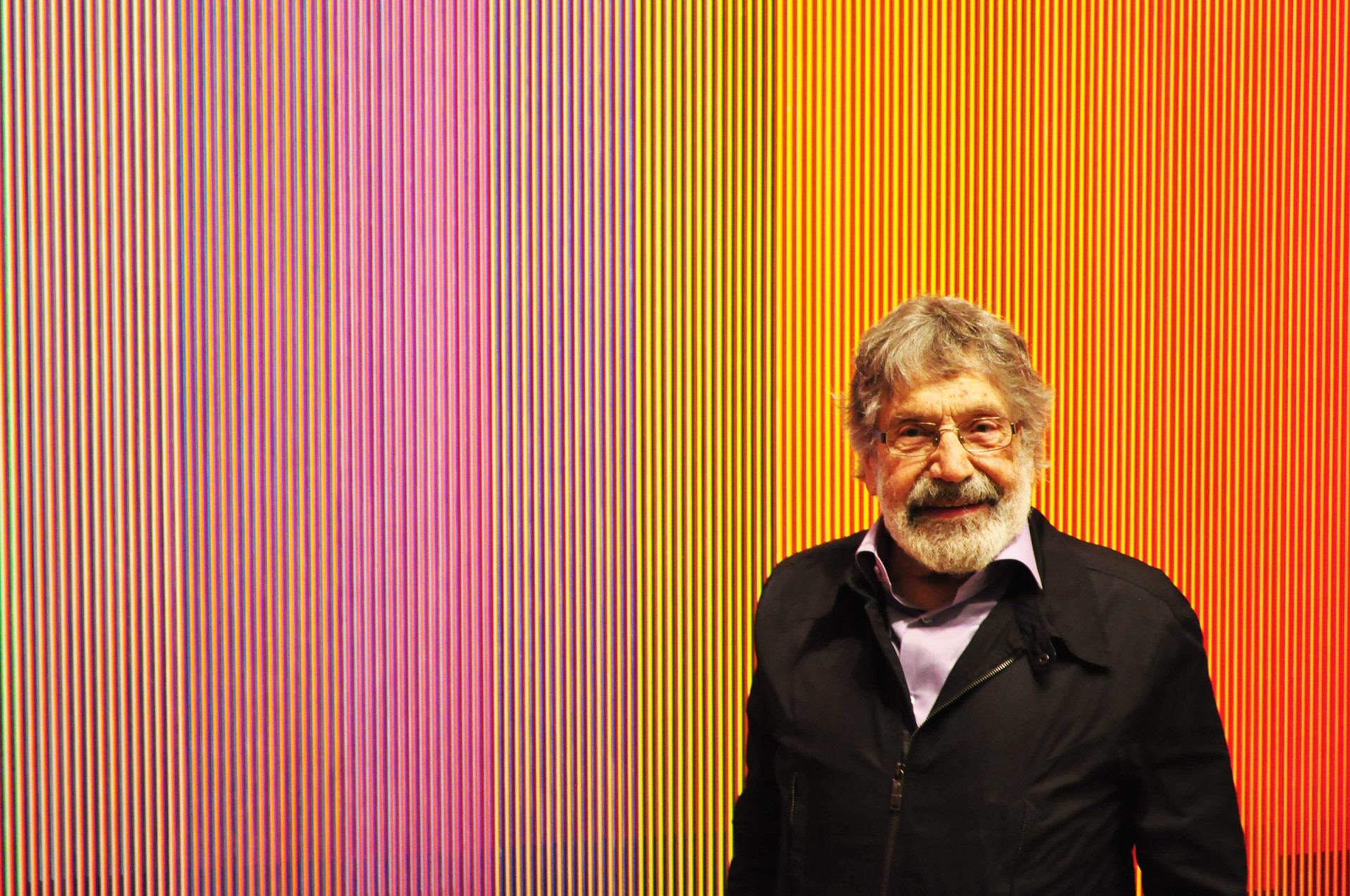
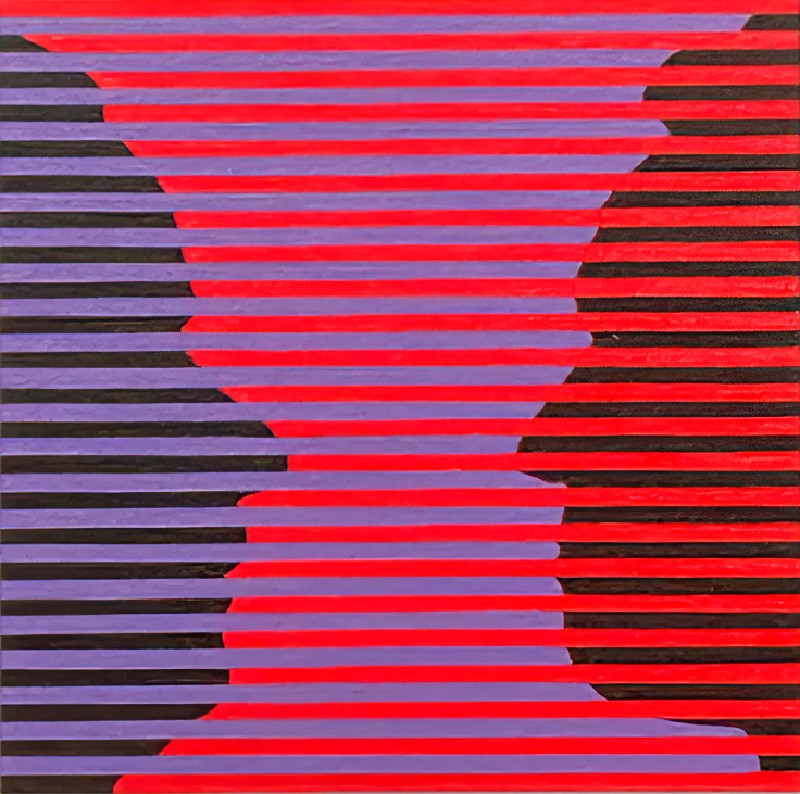
Carlos Cruz-Diez was a Venezuelan artist said by some scholars to have been "one of the greatest artistic innovators of the 20th century."
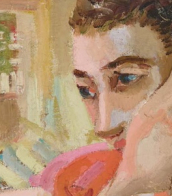
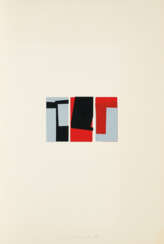

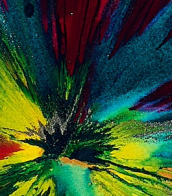
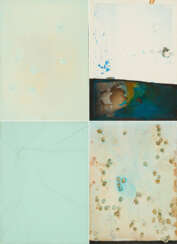

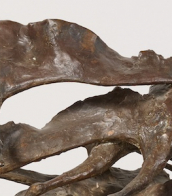
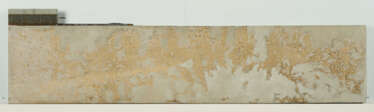




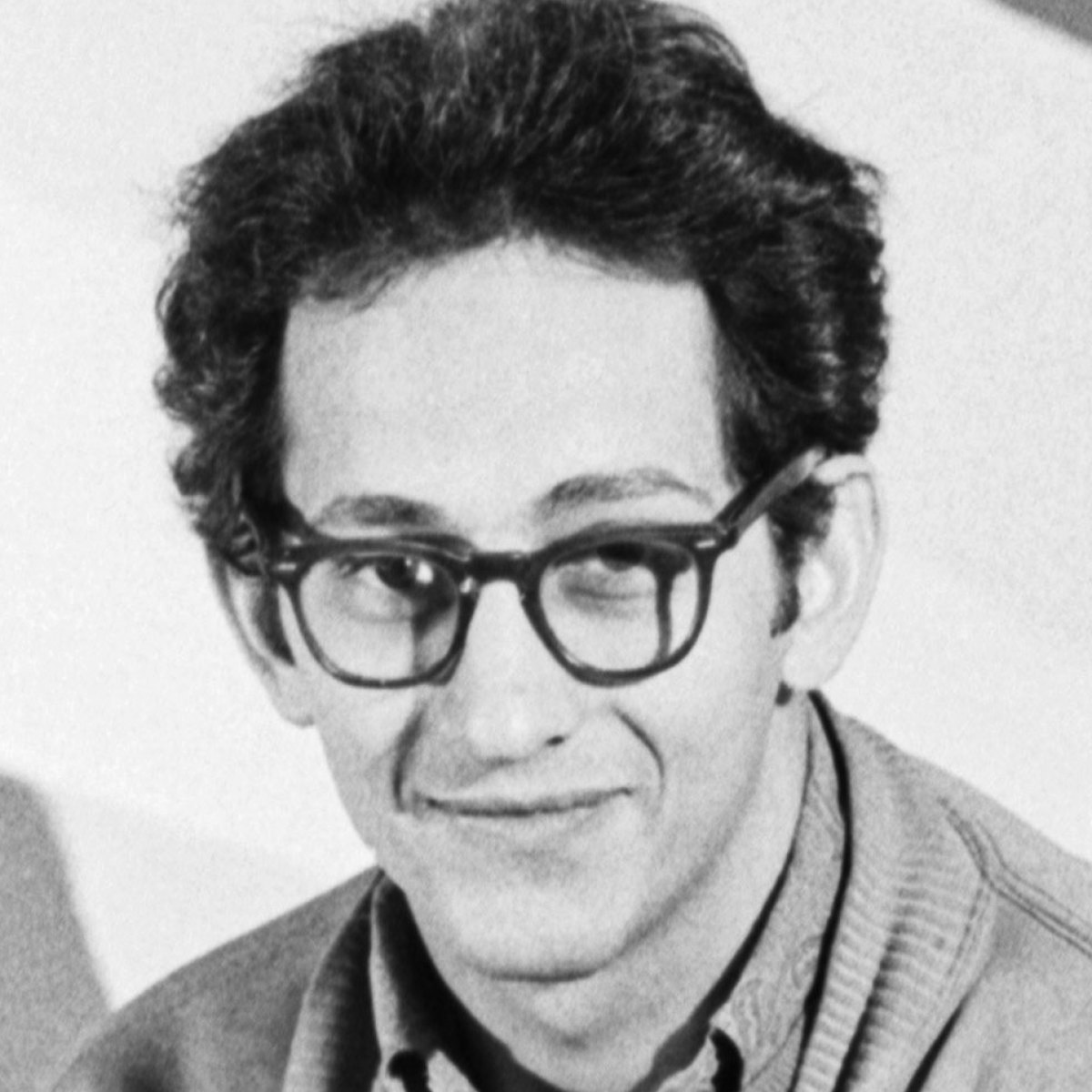
Frank Philip Stella, an American icon in the realms of painting, sculpture, and printmaking, has left an indelible mark on the art world with his pioneering work in minimalism and post-painterly abstraction. Born on May 12, 1936, in Malden, Massachusetts, Stella's artistic journey commenced with his studies in painting at Phillips Academy, Andover, and history at Princeton University. His move to New York City in 1958 heralded the start of an illustrious career that would see him challenge and redefine artistic boundaries.
Stella's work is celebrated for its innovative approach to form, color, and composition. His early endeavors in the late 1950s showcased black paintings characterized by bands of bare canvas, which played a pivotal role in emphasizing the flatness of the picture plane. This deliberate artificiality in his work garnered considerable attention and positioned him at the forefront of Post-Painterly Abstraction, a movement that reacted against the emotive excesses of Abstract Expressionism.
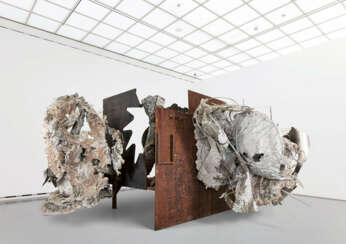
Throughout his career, Stella continued to push the limits of abstraction. His vocabulary expanded to include vibrant and dynamic assemblages that projected out from the wall, utilizing a variety of materials from steel to plastic. This evolution of his style is not only a testament to his ingenuity but also his influence on contemporary art. Notable works that exemplify his groundbreaking approach include "Grajau I," "Harran II," and "Eskimo Curlew," among others, which can be found in prestigious collections such as The Glass House and the Solomon R. Guggenheim Museum.
For art collectors and enthusiasts alike, Stella's oeuvre offers a captivating exploration into the possibilities of abstract art. His continued relevance and the profound impact of his work on both his peers and successive generations of artists underscore his status as a seminal figure in modern art.
Stay updated on new discoveries, sales, and auction events related to Frank Philip Stella by signing up for our newsletter. This subscription is your gateway to the latest in the world of Frank Stella, ensuring you never miss an opportunity to engage with the works of this monumental artist.