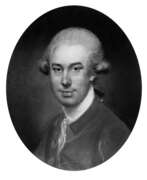
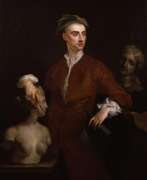
Artists Rococo


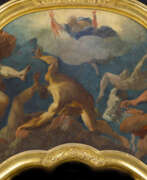


Jean Ranc was a French painter, mainly active in portraiture. He trained under his father Antoine Ranc and his father's former student Hyacinthe Rigaud and served in the courts of both Louis XV of France and (from 1723 onwards) Philip V of Spain.
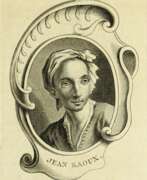

Jean Raoux was a French painter.
After the usual course of training he became a member of the Academy in 1717 as an historical painter. His reputation had been previously established by the acclaimed decorations executed during his three years in Italy on the palace of Giustiniani Solini in Venice, and by some easel paintings, the Four Ages of Man (National Gallery), commissioned by the grand prior of Vendôme. To this latter class of subject Raoux devoted himself, refusing to paint portraits except in character. The list of his works is a long series of sets of the Seasons, of the Hours, of the Elements, or of those scenes of amusement and gallantry in the representation of which he was immeasurably surpassed by his younger rival Watteau. After his stay in England (1720) he lived much in the Temple, where he decorated several rooms.
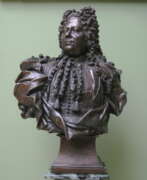

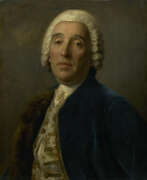

Francesco Bartolomeo Rastrelli was an Italian architect who worked mainly in Russia. He developed an easily recognizable style of Late Baroque, both sumptuous and majestic. His major works, including the Winter Palace in Saint Petersburg and the Catherine Palace in Tsarskoye Selo, are famed for extravagant luxury and opulence of decoration.
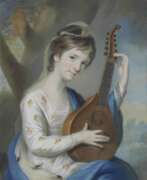


Jean-Baptiste Regnault was a French neoclassical painter. He was a prominent artist in his time, known for his historical paintings, portraits, and illustrations.
Regnault began his artistic training at the Académie royale de peinture et de sculpture in Paris, where he studied under the painter Joseph-Marie Vien. He went on to win the prestigious Prix de Rome in 1776, which allowed him to travel to Italy and study the works of the Old Masters.
Regnault's paintings often depicted classical and historical themes, inspired by the neoclassical movement that was popular during his lifetime. He was known for his skillful use of color and light, as well as his attention to detail and composition.


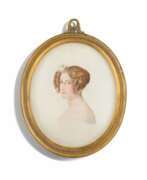

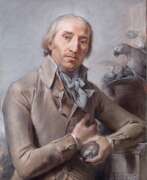


Sir Joshua Reynolds was an English painter, specialising in portraits. John Russell said he was one of the major European painters of the 18th century. He promoted the "Grand Style" in painting which depended on idealization of the imperfect. He was a founder and first president of the Royal Academy of Arts, and was knighted by George III in 1769.


Sebastiano Ricci, an Italian painter, was a significant figure in the late Baroque school of Venice. He moved to Venice at age 12 and was apprenticed to Federico Cervelli. His work took him across Italy and abroad to England and France, where he left his mark with grand decorative paintings and altarpieces that bridged the late Baroque and emerging Rococo styles.
Sebastiano Ricci's style evolved over the years, showing influences from various regions and artists. In Bologna, he was drawn to the Carracci tradition, while in Parma, he absorbed the color sensibilities of Correggio and Parmigianino. His Roman period allowed him to study the works of Baroque decorators, further refining his decorative and coloristic skills. By the time he returned to Venice, Ricci had developed a mature style that incorporated lessons from his travels, particularly from Paolo Veronese.
His works often depicted mythological and religious themes, filled with dynamic compositions and rich color schemes. Notably, his international commissions included decorative schemes for the Royal House of Savoy and significant works in England, where he collaborated with his nephew Marco Ricci. These contributions solidified his reputation across Europe.
Sebastiano Ricci's legacy is seen in his influence on later Venetian painters and his role in transitioning Venetian art from the Baroque to the Rococo. His works remain celebrated for their vibrancy, expressive light, and inventive compositions, holding a prominent place in the collections of major museums worldwide.
For collectors and art enthusiasts, Sebastiano Ricci's works offer a glimpse into a pivotal moment in art history, where the grandeur of the Baroque began to blend with the lighter, more playful elements of the Rococo. His paintings are not only visually stunning but also rich in historical context, reflecting the cross-currents of European art in the early 18th century.
To stay updated on exhibitions and sales featuring Sebastiano Ricci's works, consider subscribing to updates from art institutions and auction houses. This way, you'll be informed about opportunities to view or acquire pieces by this influential artist.


Hubert Robert was a renowned French artist, celebrated for his captivating landscape paintings and architectural fantasies. Born in Paris in 1733, Robert's talent was nurtured early on, thanks to the patronage of the Choiseul family. His journey to Rome in 1754 marked a pivotal phase in his career, where he immersed himself in studying ancient and modern Italian architecture, significantly influencing his artistic style.
Hubert Robert's work is characterized by its romantic depiction of ruins, blending fantasy with historical accuracy, which earned him the nickname "Robert des Ruines." His landscapes and capricci, which are imaginative compositions of architectural elements, resonated with the art collectors and the aristocracy of his time, securing his place as a key figure in French art history.
Noteworthy are Hubert Robert's contributions to the design of picturesque gardens, where he provided atmospheric visions rather than practical layouts. His involvement in the creation of gardens at places like Ermenonville and Méréville showcases his ability to merge art with nature, creating spaces that were both innovative and inspirational.
His artworks, such as "The Port of Rome" and "The Old Bridge," are treasured in prestigious galleries worldwide, reflecting his enduring legacy in the realm of art and culture. For art collectors and experts, Hubert Robert's oeuvre offers a window into the 18th-century artistic landscape, where imagination and historical elements coalesce to form compelling visual narratives.
For updates on exhibitions and auction events related to Hubert Robert's works, sign up to stay informed about new discoveries and opportunities to appreciate the artistry of this exceptional French painter.


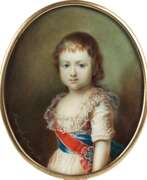

Aloys-Gustav Rockstuhl (Russian: Алоизий Петрович Рокштуль) was a mid-nineteenth-century Russian artist of Baltic-German origin. He is known as a hereditary miniaturist painter, portrait painter, draftsman, and lithographer.
Aloys-Gustav Rockstuhl had the title of court painter. Almost all of his work consisted of creating miniatures for the Imperial couple - Russian and foreign. The artist painted many portraits of Russian emperors and members of the imperial family.
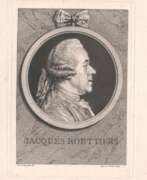

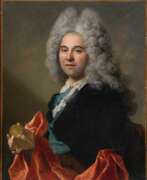


Fyodor Stepanovich Rokotov (Russian: Фёдор Степа́нович Ро́котов) was a distinguished Russian painter, celebrated for his profound contributions to the realm of portrait painting. Born into the 18th century, Rokotov emerged as a pivotal figure in Russian culture, art, and specifically in the development of Russian portrait painting. His ability to capture the essence of his subjects with both realism and sensitivity set a new standard in the art world, making him a beloved artist among collectors and experts alike.
Rokotov’s special features or merits lie in his exceptional skill in portraying the intricate nuances of the human face, coupled with his use of color and light to evoke a vivid presence of the subject. His works are known for their psychological depth and the dignified portrayal of his sitters, traits that have cemented his reputation as a master of portrait painting. Among his most renowned works, the portrait of Catherine II of Russia stands out as a testament to his skill and artistic vision.
Many of Rokotov's masterpieces grace the halls of prestigious museums and galleries, offering a glimpse into the rich cultural heritage of Russia. His paintings are not only significant for their aesthetic beauty but also for their historical value, providing insight into the social and cultural fabric of his time.
For collectors and art and antiques experts, the works of Fyodor Stepanovich Rokotov represent a valuable connection to the rich tapestry of Russian art history. His portraits are more than just depictions; they are windows into the soul of the 18th century, reflecting the elegance, complexity, and evolving culture of the period.
Stay abreast of the legacy of Fyodor Stepanovich Rokotov. Sign up for updates related to new product sales and auction events featuring the illustrious works of this iconic artist. Delve deeper into the world of art and antiques, and enrich your collection with pieces that speak volumes of history and sophistication. Subscribe now and ensure you never miss an opportunity to own a piece of Russian artistry.


Alexander Roslin was a distinguished Swedish portrait painter, celebrated for his refined depictions of European aristocracy, often highlighting his subjects' luxurious garments with great precision. Born in Malmö on July 15, 1718, Roslin moved to Paris in 1752 after developing his artistic skills in Sweden and traveling through Europe. His stay in Paris marked the peak of his career, where he became a prominent artist noted for his ability to capture the subtle intricacies of satin and skin, earning the admiration of high society.
Throughout his career, Roslin painted notable figures such as Empress Catherine II of Russia and members of the French aristocracy. His works, such as "The Lady with the Veil" (1768), showcase his skill in portraying delicate complexions and rich textiles, attributes that made his paintings highly sought after. This painting, along with others like "King Gustav III of Sweden" (1777), are celebrated for their artistic finesse and are held in prestigious collections, indicating Roslin's lasting legacy in the art world.
For collectors and enthusiasts of classical portraiture, Roslin's work offers a glimpse into the elegance of 18th-century aristocratic life, capturing both the opulence of the era and the personal character of his subjects. To stay updated on exhibitions and sales of Alexander Roslin's works, sign up for our newsletter. This subscription will keep you informed about new acquisitions and notable auction events featuring Roslin's art, ensuring you never miss an opportunity to appreciate or acquire his exquisite portraits.
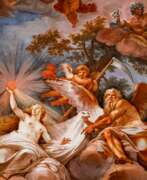

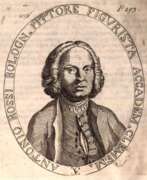

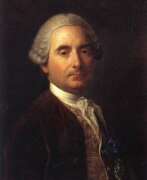

Pietro Antonio Rotari was an Italian painter born in Verona on September 30, 1707. His early artistic development was influenced by his studies under Antonio Balestra and later Francesco Trevisani and Francesco Solimena in Rome and Naples. Rotari's style evolved from history painting to focus primarily on portraitures, particularly of women, which garnered him significant acclaim.
Rotari's career spanned various European cities, with significant periods in Venice, Rome, and eventually Saint Petersburg, Russia, where he was invited by Empress Elizabeth in 1756 to become a court painter. His works are known for their emotional depth and the delicate portrayal of his subjects, often depicted in elegant, idealized manners that emphasized expressions of melancholy, surprise, or joy.
Many of Rotari's most celebrated works are portraits of young women in ethnic or regional costumes, displaying a range of subtle emotions. These works, often referred to as "character heads," are notable examples of his contribution to the rococo style, blending Italian artistry with international elements. His paintings are housed in several prominent collections, including the Cabinet of the Muses at Peterhof in Russia.
For those interested in the works and legacy of Pietro Antonio Rotari, particularly collectors and art historians, staying informed about exhibitions and auctions can enhance appreciation and opportunities to acquire his art. Sign up for updates on new sales and auction events featuring Rotari's works.
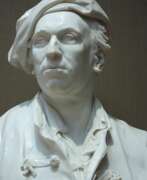


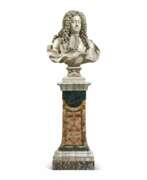

Giuseppe Rusnati was a Lombard sculptor of the Rococo period. Known for having trained with Ercole Ferrata and subsequently from 1673 to c. 1686 training a young Camillo Rusconi, prior to the latter's relocation himself to Ferrata's studio in Rome. He worked for many years for the Duomo of Milan, where he worked along with Giuseppe Buono and Carlo Simonetta.