Landscape painting Ink — Auction price


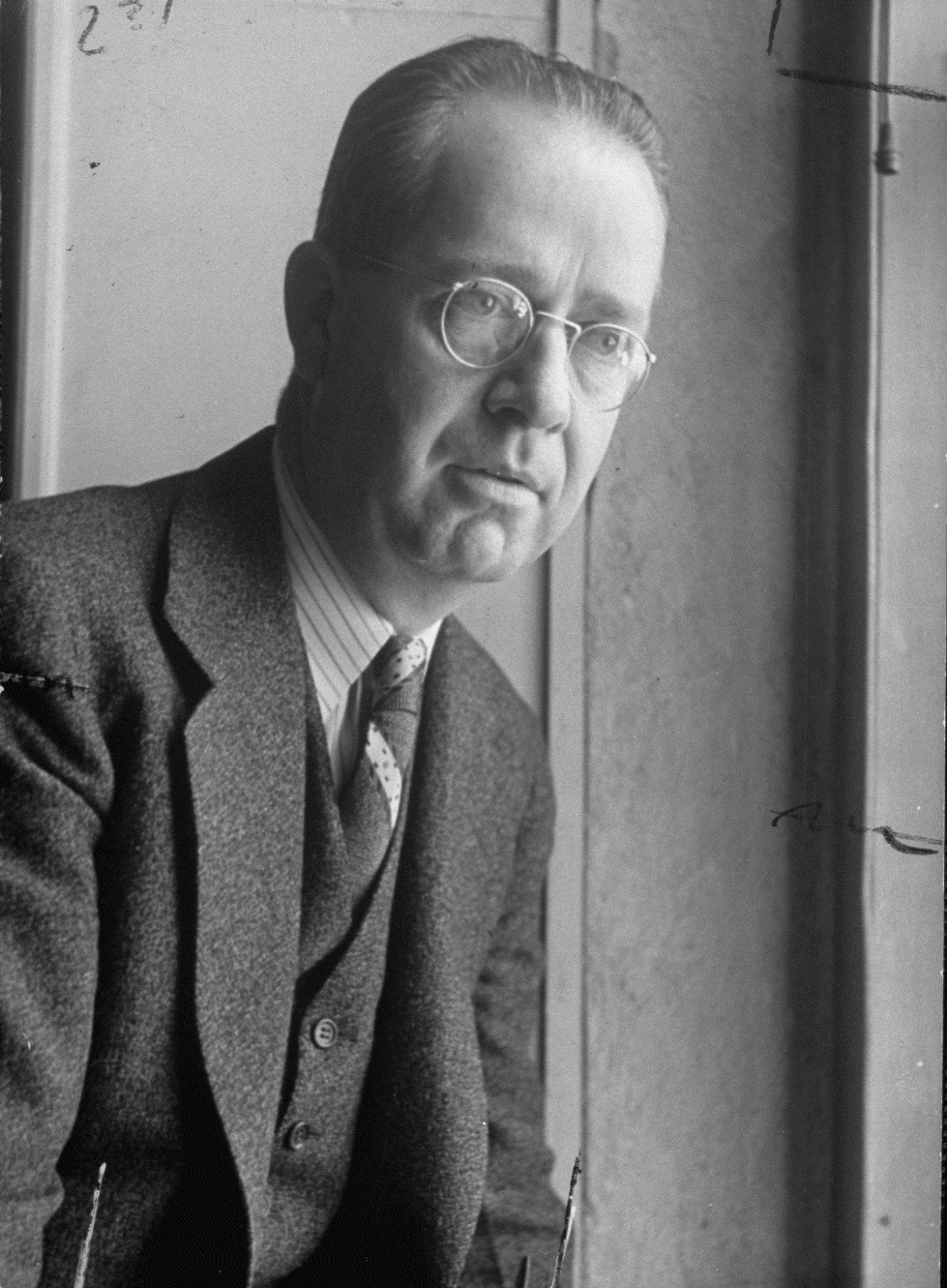
Charles Ephraim Burchfield is an American artist known for his watercolor landscapes and mystical depictions of the world around him.
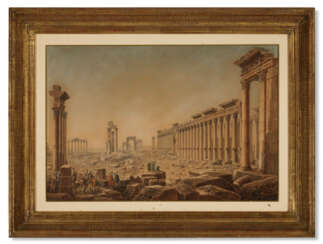

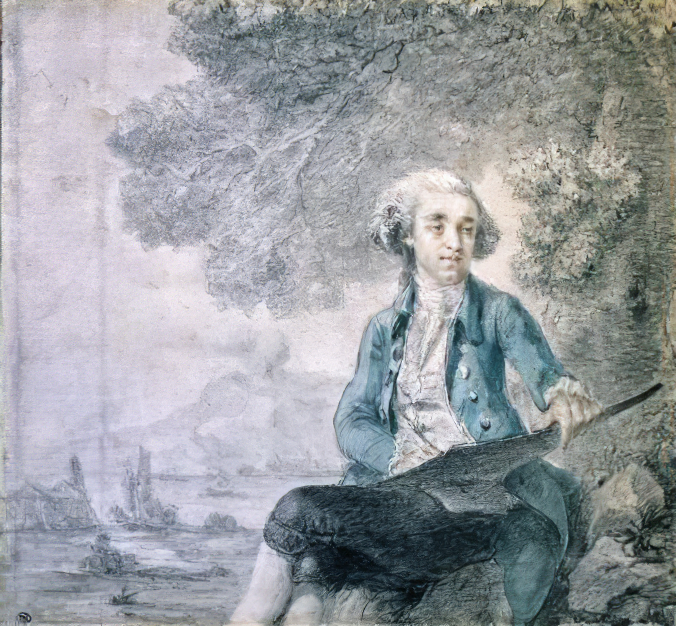
Louis-François Cassas was a distinguished French landscape painter, sculptor, architect, archeologist and antiquary.
Besides his architectural and archaeological drawings and sketches, he drew numerous costumes studies, views and processions, as well as scenes from daily life, plants and animals of all sorts. He also exhibited views of his travels at the "Salons", which were periodic art exhibitions sponsored by the French Académie Royale, in 1804 and 1814, and published Picturesque views of the Principal Sites and Monuments of Greece, of Sicily, and of the Seven Hills of Rome, of which thirty parts had already been published by 1813.

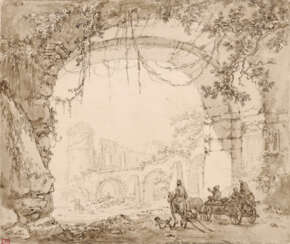

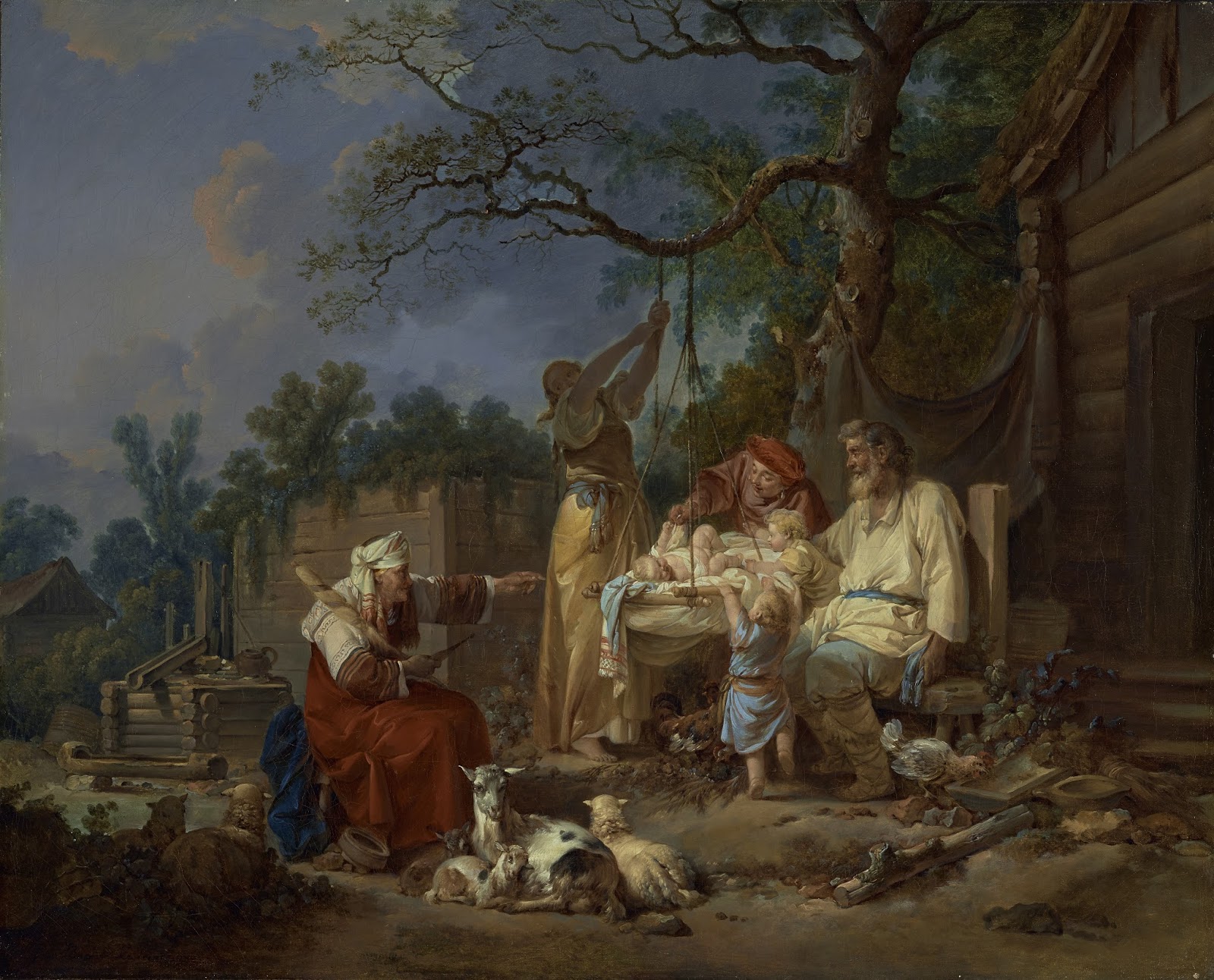
Jean-Baptiste Le Prince was an important French etcher and painter.
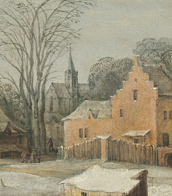
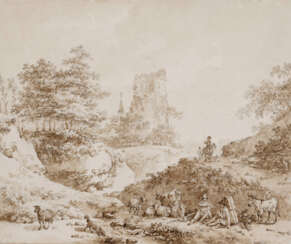

Jean-Baptiste Le Prince was an important French etcher and painter.








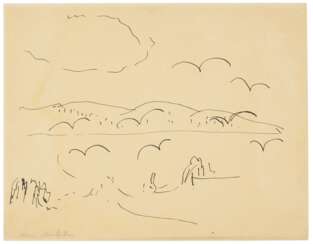

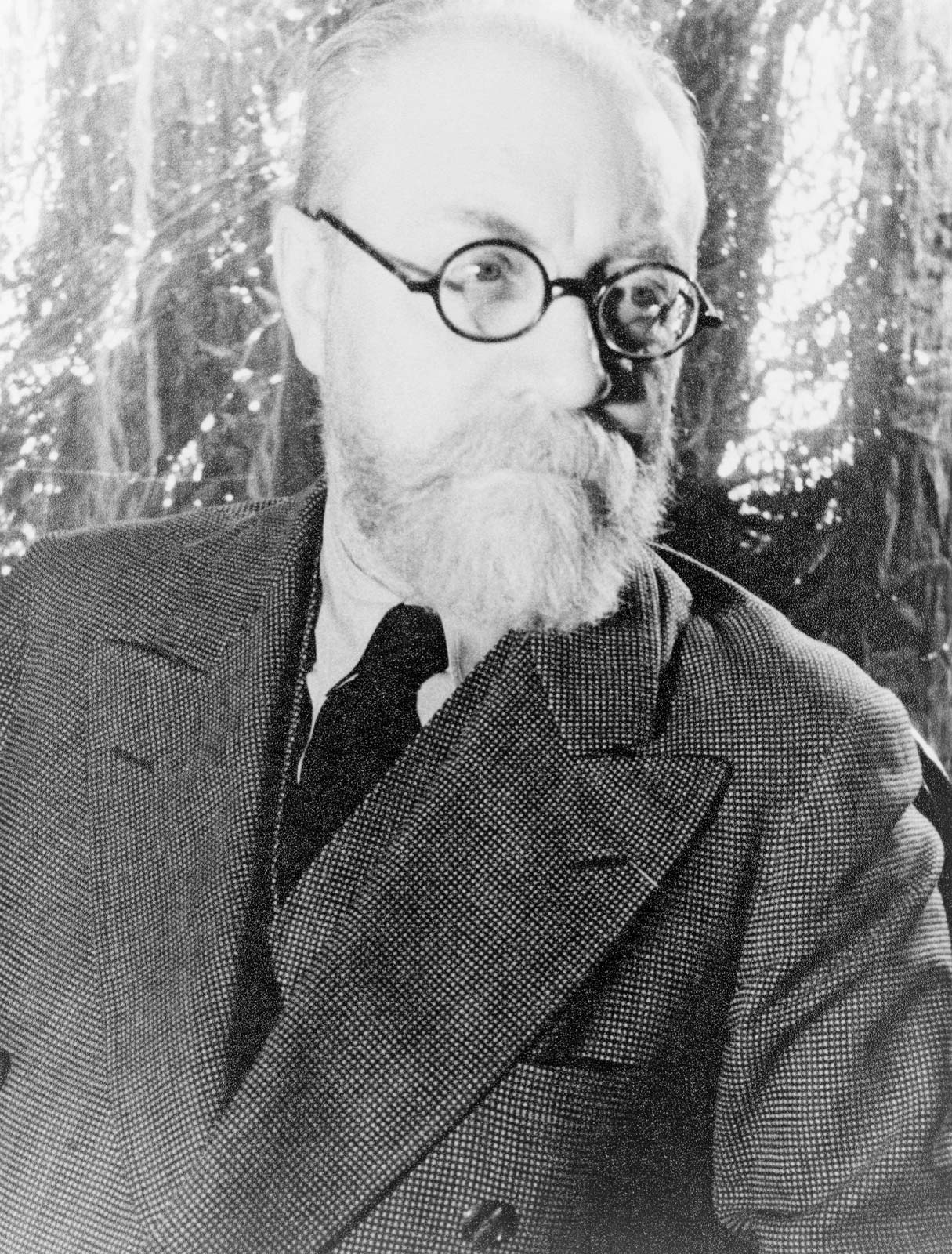
Henri Matisse, a renowned French visual artist, was celebrated for his vibrant use of color and fluid, original draughtsmanship. Born on December 31, 1869, in Le Cateau-Cambrésis, France, Matisse initially pursued a career in law before turning to art. He first began painting in 1889, a change inspired by convalescence art supplies his mother provided. This marked the beginning of a journey that would see him become a leading figure in modern art.
Matisse's career is notable for its stylistic evolution yet consistent aim to capture the "essential character of things." His early works, characterized by intense colorism, earned him recognition as one of the Fauves, or "wild beasts." The period from 1908 to 1913 was marked by significant developments, with works like "Reclining Odalisque" and "The Red Studio" showcasing his mastery in balance and serenity. In the 1920s, his style evolved to more relaxed forms, with a focus on light, color, and decorative patterns in paintings like his odalisque series.
Matisse's exploration of various mediums, including sculpture and paper collage, reflects his innovative spirit. His later years were dominated by cut paper collages, as health challenges limited his ability to paint. These works, alongside his bold drawings and sculptures, cemented his status as a pioneer in visual art.
For collectors and art experts, Matisse's work remains a testament to creative evolution and expressive use of color and form. His masterpieces can be found in prominent museums and galleries worldwide, continuing to inspire and fascinate art enthusiasts.
To stay updated on new product sales and auction events related to Henri Matisse's art, sign up for our updates. This subscription will keep you informed about opportunities to appreciate and acquire works connected to this iconic artist.
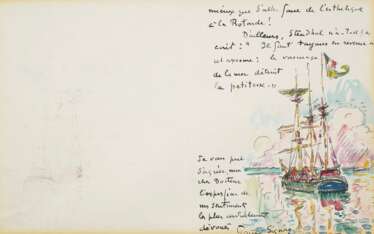


Paul Signac, a French Neo-Impressionist painter, played a pivotal role in the development of the Pointillist style alongside Georges Seurat. Born on November 11, 1863, in Paris, Signac's artistic journey was marked by significant collaborations and encounters, including meeting Vincent van Gogh and Toulouse Lautrec in Paris. His relationship with van Gogh was notably influential, as they painted together at Asnières-sur-Seine, focusing on river landscapes and cafés.
Signac was deeply invested in anarchist ideas, which he explored through his readings of Élisée Reclus, Kropotkin, and Jean Grave. His political leanings were also evident in his art, as seen in his 1893 painting, "In the Time of Harmony," which was initially titled "In the Time of Anarchy." This change was necessitated by the political repression of anarchists in France at the time.
A lover of sailing, Signac began traveling in 1892, which greatly influenced his art. He would sail to various ports, bringing back vibrant watercolors sketched from nature. These sketches later served as the basis for his larger studio canvases, which were composed of small, mosaic-like squares of color, differing from Seurat's tiny, variegated dots.
Signac's contribution to art extended beyond his own works. As president of the Société des Artistes Indépendants from 1908 until his death, he encouraged younger artists and exhibited controversial works of the Fauves and Cubists. He was notably the first patron to buy a painting by Henri Matisse, demonstrating his support for emerging artists.
In his personal life, Signac married Berthe Roblès on November 7, 1892, and his interactions with other artists, including Henri Matisse and André Derain, were instrumental in the evolution of Fauvism. Despite initially not admiring the Fauve style, Signac played a decisive role in its development.
Signac's impact on culture, art, and painting is undeniable. His works, found in various museums and galleries, continue to inspire art collectors and experts. For those interested in exploring Signac's contributions further, signing up for updates on new product sales and auction events related to Paul Signac is highly recommended. This subscription is an excellent way for collectors and art experts to stay informed about the latest developments and opportunities related to Signac's enduring legacy.
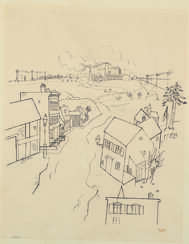

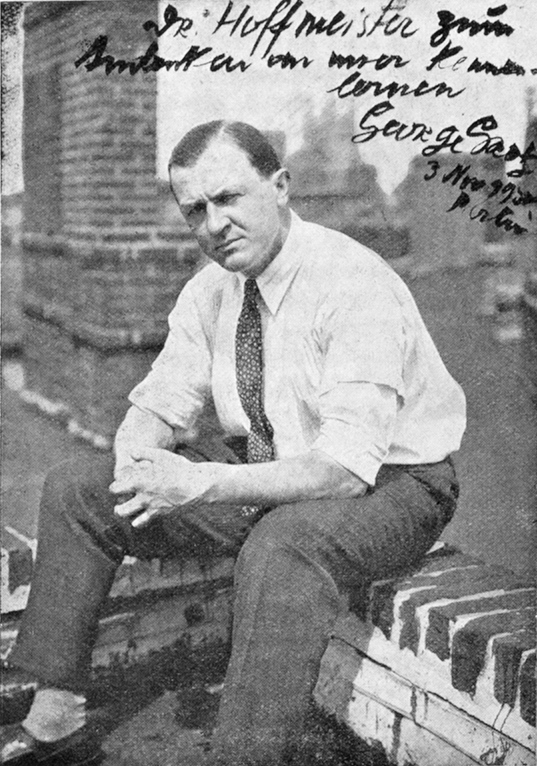
George Grosz was a twentieth-century German painter, graphic artist, and cartoonist. In his work one can find features of various styles of avant-garde art, including Dadaism, Expressionism, and Futurism.
George Grosz drew in every style in a sharp-grotesque and satirical spirit, ridiculing the vices of society. The erotic theme, which occupied a prominent place in Gross's work, was executed in the same spirit.
Grosz devoted more than 20 years to teaching at the Art Students League of New York, and was elected an honorary member of the American and Berlin Academies for his outstanding services to the arts.
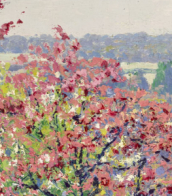


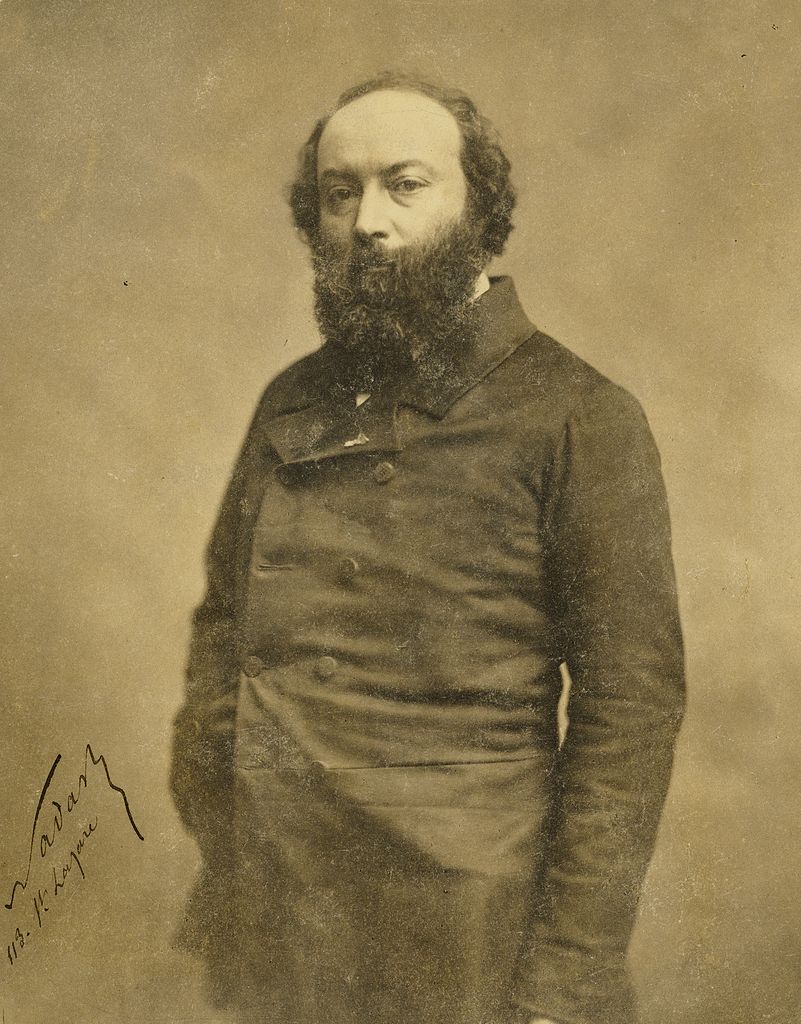
Théodore Rousseau was a prominent French painter, celebrated for his pioneering contributions to the Barbizon school of landscape art. His dedication to capturing nature's essence made him a pivotal figure in landscape painting's evolution. Rousseau's technique involved painting directly from nature, a method that infused his works with a profound sense of realism and vitality. This approach was notably evident in his masterpiece "An Avenue of Trees, Forest of l'Isle-Adam," where he meticulously captured a scene entirely outdoors, a testament to his commitment to authenticity and detail.
Théodore Rousseau's artistry wasn't confined to painting alone; his drawings, like the detailed "Study of an Oak Tree," demonstrate his versatility and deep connection with nature. His works received significant recognition, culminating in a triumphant display at the Universal Exposition of 1855. However, his life was not devoid of challenges. Personal tragedies and professional setbacks marked his later years, yet his resolve and dedication to art remained unshaken.
For art enthusiasts and collectors, Théodore Rousseau's works are pivotal, not just for their beauty but also for their role in the history of landscape painting. His pieces like "The Great Oaks of Old Bas-Bréau" are cherished in collections worldwide, serving as enduring symbols of his talent and his profound influence on subsequent art movements.
For those interested in the intersection of nature and art, subscribing to updates on Théodore Rousseau can provide invaluable insights into his life's work, his contributions to the Barbizon school, and his lasting impact on the world of art. Stay informed about new discoveries, sales, and auction events related to Rousseau's oeuvre to deepen your appreciation and understanding of this illustrious artist's legacy.

 Шарль-Франсуа Добиньи. Фотография художника.jpg)
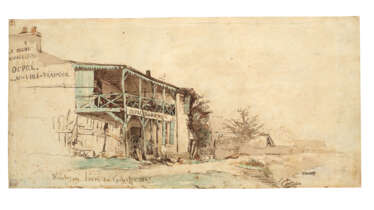
Charles-François Daubigny was a French painter, one of the members of the Barbizon school, and is considered an important precursor of impressionism.
He was also a prolific printmaker, mostly in etching but also as one of the main artists to use the cliché verre technique.


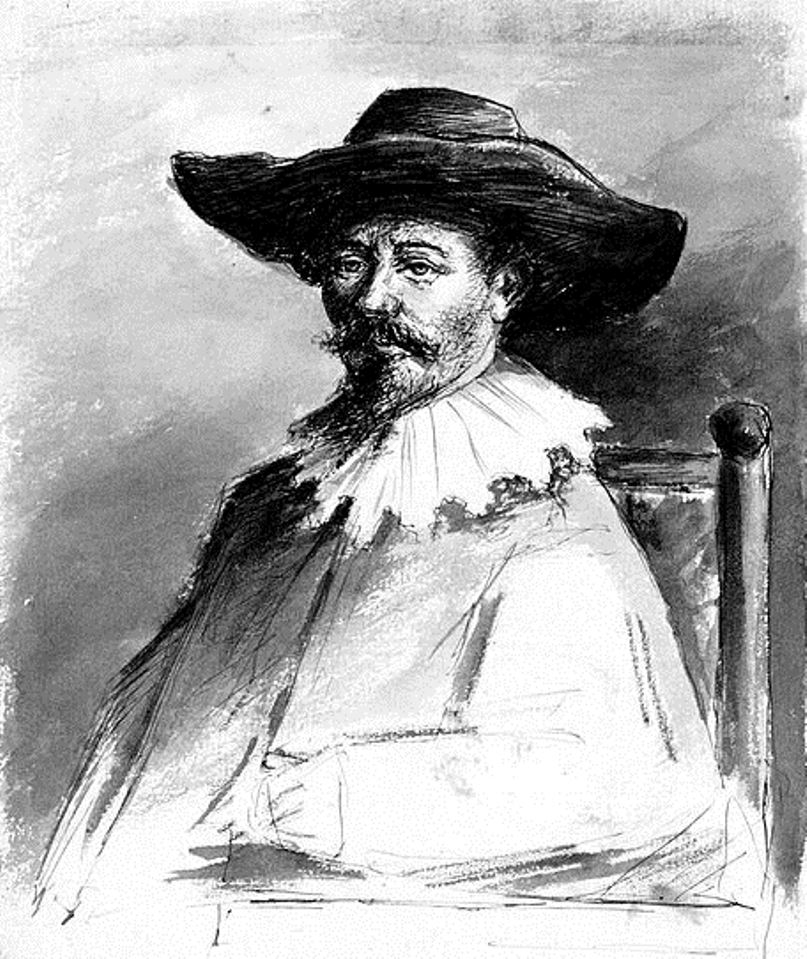


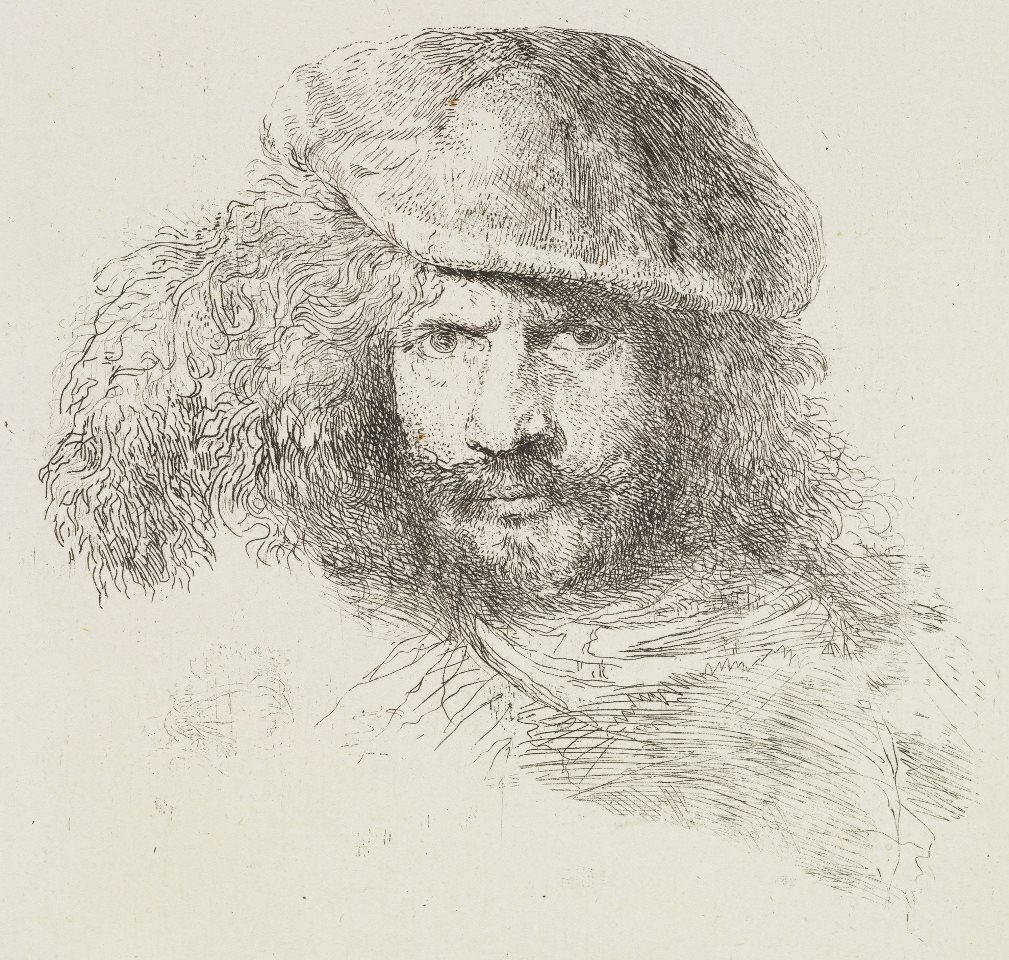
Giovanni Benedetto Castiglione or Il Grechetto was an Italian Baroque painter, draftsman and printmaker.
He is one of the prominent representatives of the Genoese school, working at various times in Genoa, Venice and Rome. Castiglione is believed to be the author of monotype, a type of graphic art and a technique of printmaking that is not engraving.
Castiglione was a versatile and prolific painter, while working in a wide variety of styles that he studied carefully. His paintings pay tribute to Rubens, Van Dyck and Bernardo Strozzi, who worked in Genoa, and his etchings pay tribute to Rembrandt. Castiglione painted expressive portraits, historical and religious works and landscapes, and excelled in rural scenes with animals.

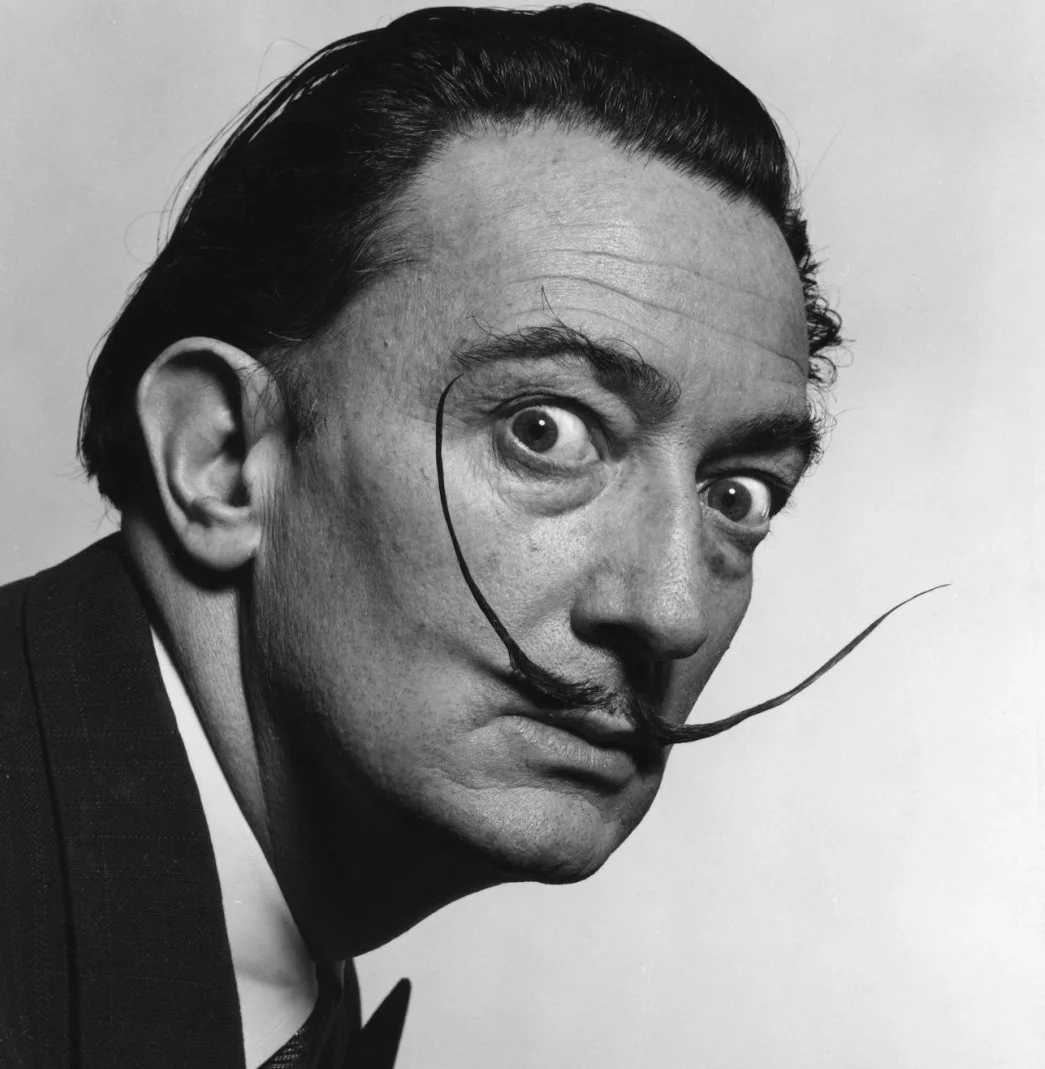
Salvador Dalí, a Spanish Surrealist painter and printmaker, is celebrated for his vivid and imaginative works that delve into subconscious imagery. Born on May 11, 1904, in Figueres, Catalonia, Spain, Dalí's early exposure to Impressionism and Renaissance masters significantly influenced his artistic development. His education in fine arts in Madrid further shaped his style, leading him to experiment with Cubism and avant-garde movements. In the late 1920s, Dalí embraced Surrealism, joining the Surrealist group in 1929 and rapidly becoming one of its most prominent figures.
Dalí's most famous work, "The Persistence of Memory," completed in 1931, epitomizes the Surrealist movement with its iconic melting clocks symbolizing the fluidity of time. His artistic repertoire was diverse, including painting, graphic arts, film, sculpture, design, and photography, often incorporating themes of dreams, the subconscious, sexuality, religion, and science. Despite his remarkable artistic contributions, Dalí's eccentric and flamboyant public persona often overshadowed his work. He faced criticism for his public support of the Francoist regime and the authenticity of some of his late works.
Dalí's legacy is preserved in major museums, notably the Dalí Theatre-Museum in Figueres and the Salvador Dalí Museum in St. Petersburg, Florida. These institutions showcase his extensive and varied body of work, illustrating his profound impact on Surrealism, pop art, and contemporary artists.
If you're captivated by the surreal world of Salvador Dalí and want to stay informed about new sales and auction events featuring his works, sign up for our updates. Our service is tailored specifically for art collectors and experts, providing timely information and insights into the vibrant market of Dalí's art. Remember, this subscription is focused solely on bringing you the latest in product sales and auction events related to Salvador Dalí. Don't miss out on the opportunity to enrich your collection with pieces from one of the most influential surrealists of all time. Sign up now and be the first to know about these exclusive events.