Portrait Ink — Auction price

.jpg)
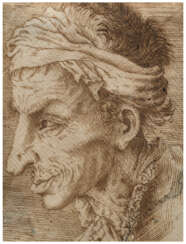
Jusepe de Ribera, a Spanish painter, etcher, and draughtsman, was a notable figure in the world of art, renowned for his distinct style and contribution to Castilian tenebrism. Born in 1591 in Játiva, near Valencia, Spain, Ribera's early life and artistic origins are somewhat shrouded in mystery, with no definitive documentation on his initial training. However, it's speculated that he might have started his artistic journey in Valencia.
Ribera's career took a significant turn when he moved to Italy, where he spent the majority of his professional life, predominantly in Naples, a Spanish territory at that time. He arrived in Naples around 1616 and soon established himself as an important artist in the city. His marriage to Caterina Azzolino, daughter of Sicilian painter Giovanni Bernardino Azzolino, in November of the same year, further solidified his connections in the Italian art scene.
Ribera was deeply influenced by Caravaggio and is often described as one of Caravaggio's followers. His early works displayed a marked tenebrism, characterized by stark chiaroscuro and a robust, scratchy handling of paint. However, Ribera's style evolved over time, moving away from this intense tenebrism to incorporate more color and softer modeling in his later works.
His body of work is diverse, including altarpieces, religious subjects, mythological themes, and portraits. Ribera had a penchant for depicting scenes of martyrdom with graphic realism, as seen in works like the celebrated "Martyrdom of St Bartholomew." Yet, he was also capable of expressing great tenderness, evident in paintings such as "The Adoration of the Shepherds." His secular subjects often depicted philosophers as beggars or vagabonds, adding a unique dimension to the Baroque repertoire.
Ribera's influence extended beyond Naples to Spain and the broader European art scene. He played a foundational role in fostering a respect for individual humanity in Spanish art, a trend that continued with artists like Velázquez and Goya. His works were widely exported to Spain and had a significant impact on both Italian and Spanish art. Ribera remains a highly respected figure in art history, and his works are featured in prominent museums and galleries worldwide, showcasing his enduring legacy in the realm of art and culture.
For art collectors and experts, Ribera's works represent a crucial chapter in the development of European art, particularly in the context of the Spanish Baroque and the evolution of tenebrism. His innovative approach to subject matter and technique continues to inspire and captivate audiences, making his works highly sought after in the world of art and antiques.
To stay updated on sales and auction events related to Jusepe de Ribera, sign up for our updates. This subscription service is tailored specifically for enthusiasts and experts in art and antiques, ensuring that you are the first to know about new opportunities to acquire works related to this influential artist.
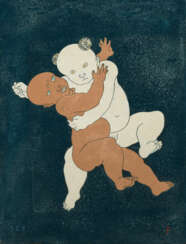

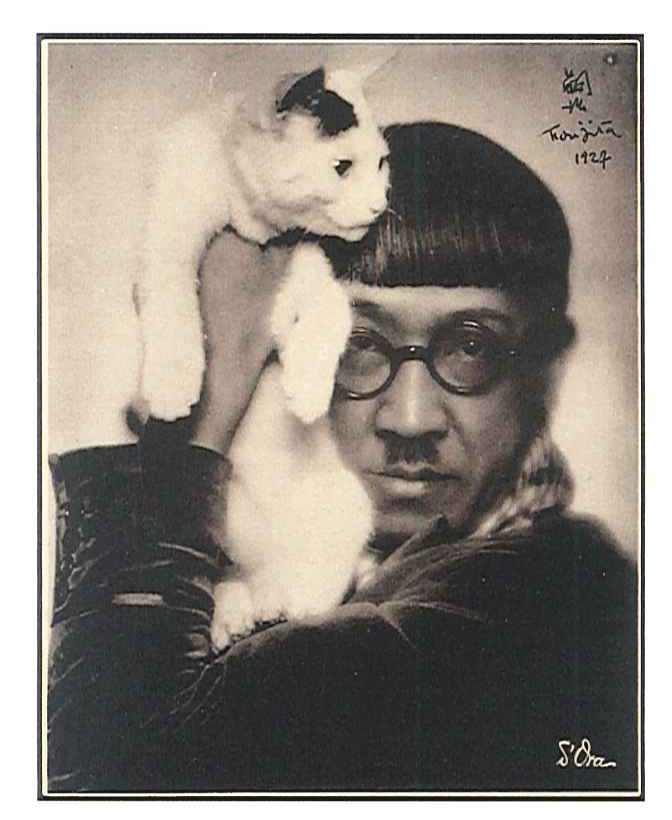
Tsugouharu Foujita was a French twentieth-century artist of Japanese descent. He is known for his unique style, combining elements of Japanese painting and printmaking with European realism.
Foujita created a wide range of works in a variety of genres, including nudes, images of cats, portraits of women and children, and self-portraits. He later converted to Catholicism and began creating paintings with religious themes. The artist was internationally recognized, and his work was exhibited in many countries around the world. His work was characterized by the perfection of pictorial technique, virtuosity of drawing and an atmosphere of sophistication. The master also showed talent in graphics, photography, ceramics, theater, cinema and fashion design. Prices for his paintings were comparable to those of Picasso's works.
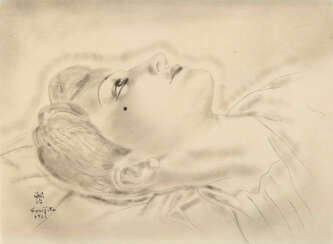

Tsugouharu Foujita was a French twentieth-century artist of Japanese descent. He is known for his unique style, combining elements of Japanese painting and printmaking with European realism.
Foujita created a wide range of works in a variety of genres, including nudes, images of cats, portraits of women and children, and self-portraits. He later converted to Catholicism and began creating paintings with religious themes. The artist was internationally recognized, and his work was exhibited in many countries around the world. His work was characterized by the perfection of pictorial technique, virtuosity of drawing and an atmosphere of sophistication. The master also showed talent in graphics, photography, ceramics, theater, cinema and fashion design. Prices for his paintings were comparable to those of Picasso's works.
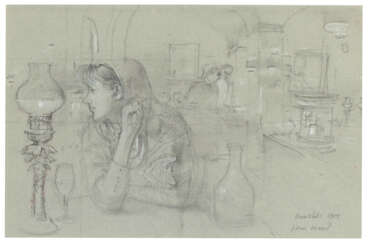



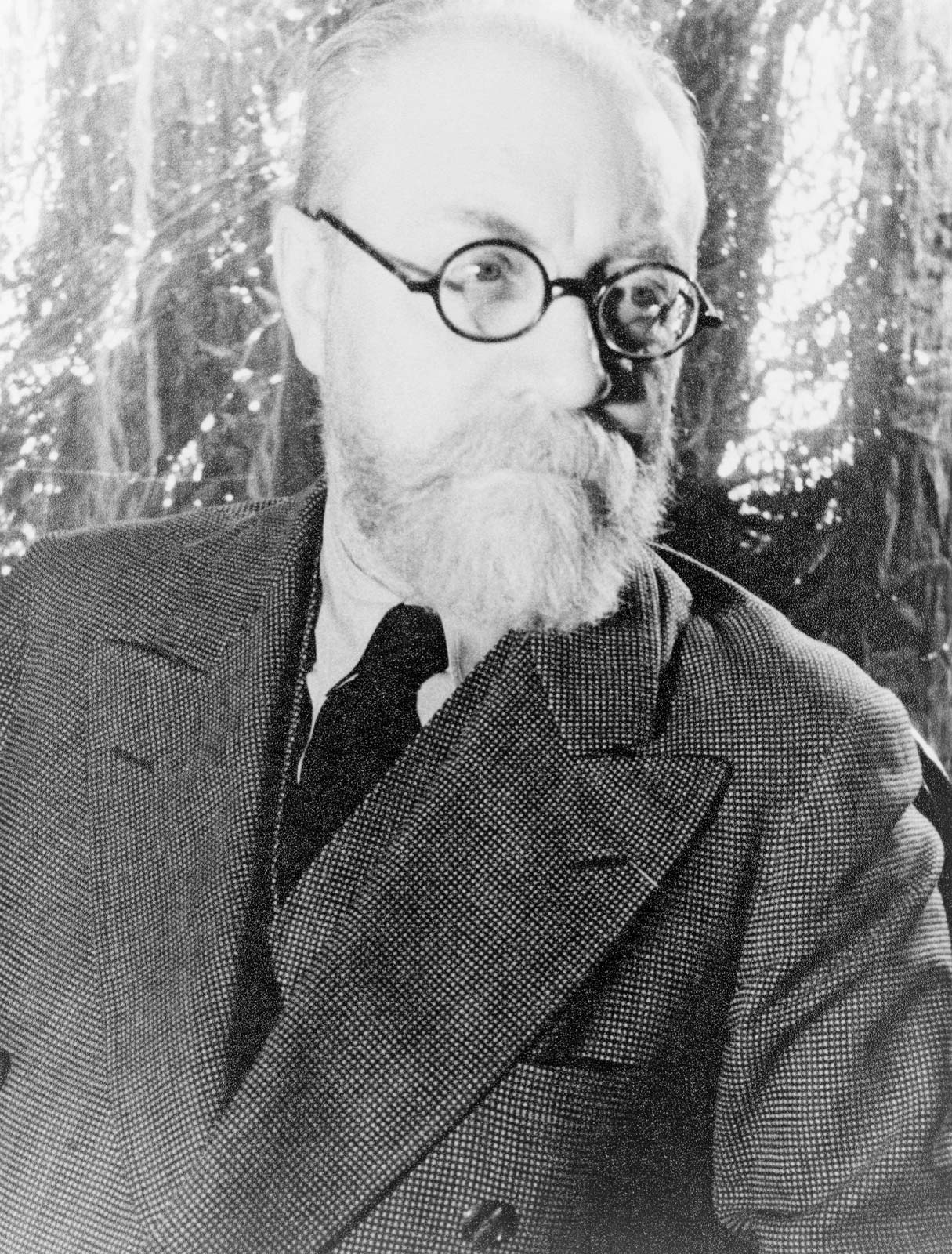
Henri Matisse, a renowned French visual artist, was celebrated for his vibrant use of color and fluid, original draughtsmanship. Born on December 31, 1869, in Le Cateau-Cambrésis, France, Matisse initially pursued a career in law before turning to art. He first began painting in 1889, a change inspired by convalescence art supplies his mother provided. This marked the beginning of a journey that would see him become a leading figure in modern art.
Matisse's career is notable for its stylistic evolution yet consistent aim to capture the "essential character of things." His early works, characterized by intense colorism, earned him recognition as one of the Fauves, or "wild beasts." The period from 1908 to 1913 was marked by significant developments, with works like "Reclining Odalisque" and "The Red Studio" showcasing his mastery in balance and serenity. In the 1920s, his style evolved to more relaxed forms, with a focus on light, color, and decorative patterns in paintings like his odalisque series.
Matisse's exploration of various mediums, including sculpture and paper collage, reflects his innovative spirit. His later years were dominated by cut paper collages, as health challenges limited his ability to paint. These works, alongside his bold drawings and sculptures, cemented his status as a pioneer in visual art.
For collectors and art experts, Matisse's work remains a testament to creative evolution and expressive use of color and form. His masterpieces can be found in prominent museums and galleries worldwide, continuing to inspire and fascinate art enthusiasts.
To stay updated on new product sales and auction events related to Henri Matisse's art, sign up for our updates. This subscription will keep you informed about opportunities to appreciate and acquire works connected to this iconic artist.


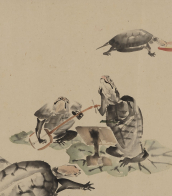


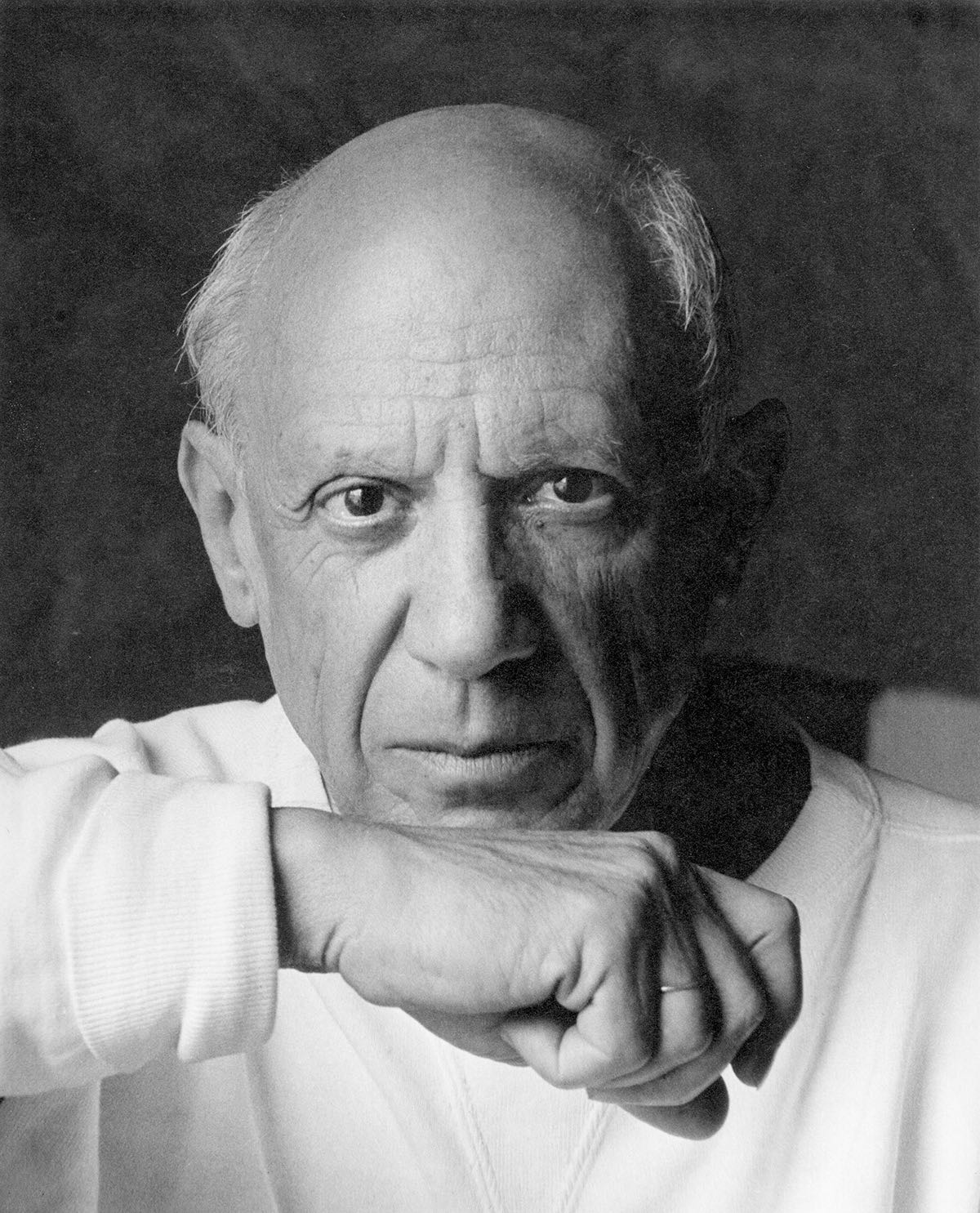
Pablo Ruiz Picasso, a Spanish artist renowned for his revolutionary contributions to the 20th-century art scene, is a figure that resonates profoundly with collectors and art experts. His unique blend of talents in painting, sculpture, printmaking, and ceramic art, infused with his time in France, positioned him as a pivotal character in modern art history.
Picasso's artistic journey was marked by distinct periods, each showcasing his evolving style and genius. His early years were characterized by the Blue Period (1901-1904), followed by the Rose Period (1904-1906), and then the African-influenced Period (1907-1909). Picasso's name is synonymous with Cubism, a movement he co-founded, which significantly altered artistic perspectives and methods. Works like "Les Demoiselles d'Avignon" (1907) and "Guernica" (1937) are emblematic of his cubist legacy, the latter being a poignant anti-war statement that remains influential.
His later years saw a return to more traditional styles, with neoclassical and surrealist influences becoming evident. Works from these phases reflect a deep engagement with mythological themes, as seen in "Faun with Stars" (1955), symbolizing his late-life romance with Jacqueline Roque, his second wife.
Picasso's prolific output and innovative spirit made him a legend in his own time, a status that only grew after his death. His works, housed in major museums and private collections worldwide, continue to captivate and inspire.
As a collector or expert in art and antiques, staying informed about Picasso's works, their auction events, and sales is essential. To stay updated on the latest developments and opportunities related to Pablo Picasso, sign up for our specialized updates. Rest assured, this subscription will focus solely on new product sales and auction events pertaining to Picasso's art, ensuring that you receive only the most relevant and valuable information.



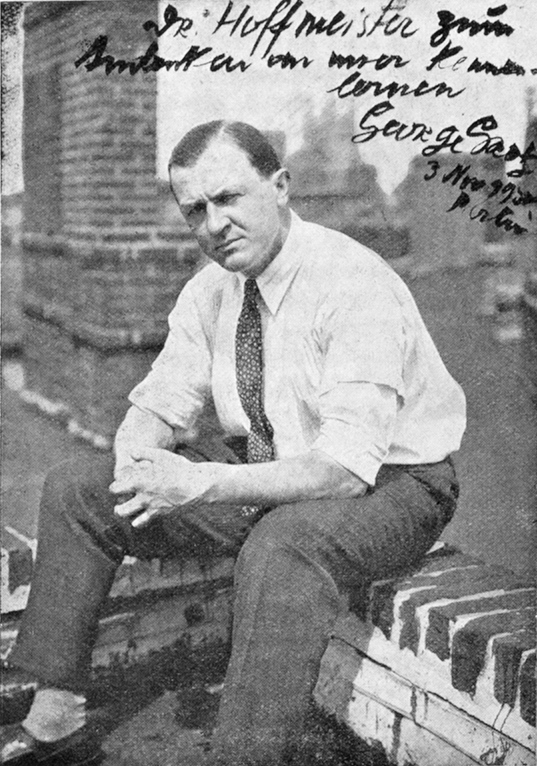
George Grosz was a twentieth-century German painter, graphic artist, and cartoonist. In his work one can find features of various styles of avant-garde art, including Dadaism, Expressionism, and Futurism.
George Grosz drew in every style in a sharp-grotesque and satirical spirit, ridiculing the vices of society. The erotic theme, which occupied a prominent place in Gross's work, was executed in the same spirit.
Grosz devoted more than 20 years to teaching at the Art Students League of New York, and was elected an honorary member of the American and Berlin Academies for his outstanding services to the arts.


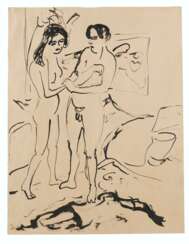

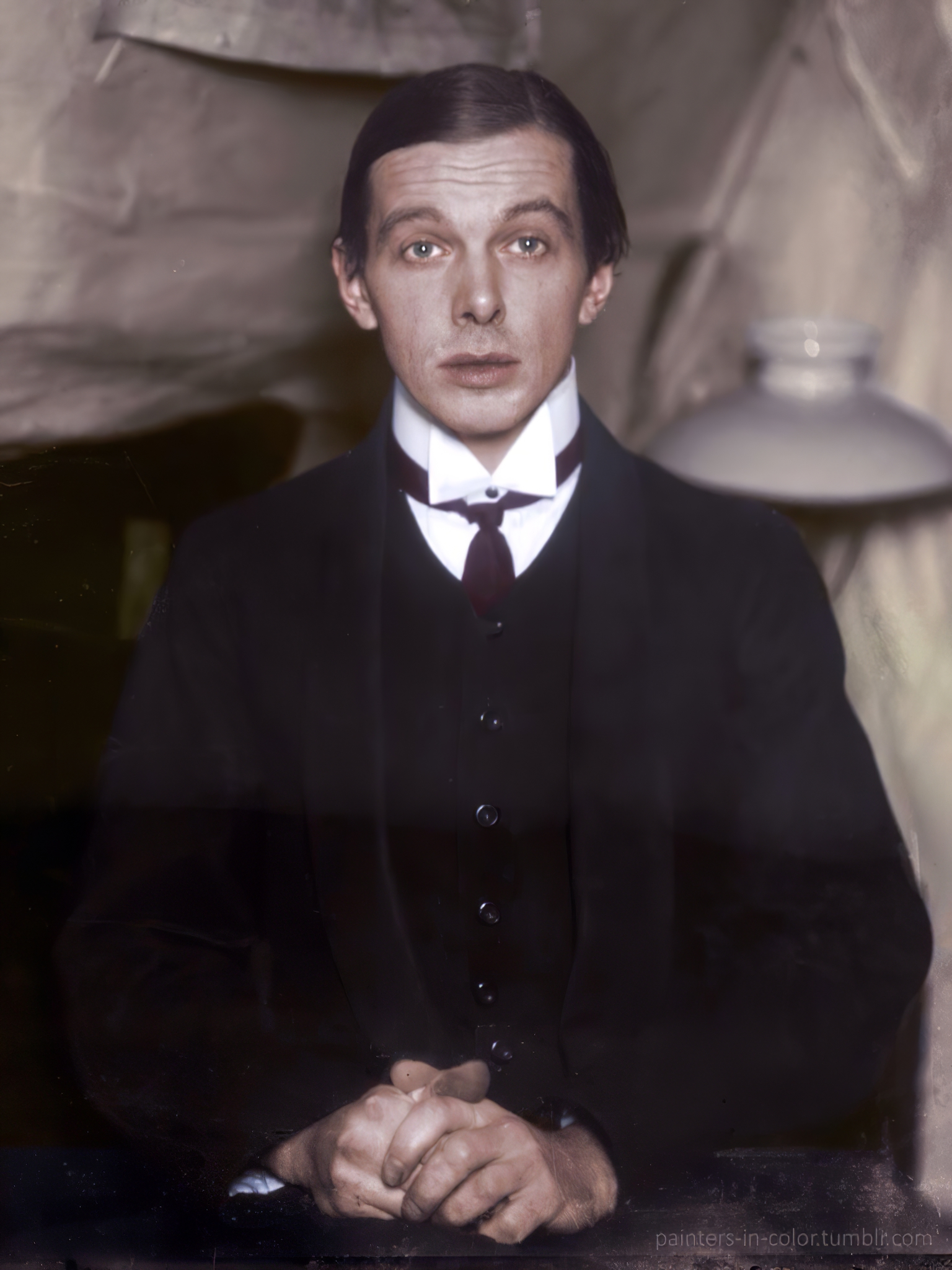
Ernst Ludwig Kirchner was a pivotal figure in the art world, known for his profound impact on 20th-century Expressionism. Born in Bavaria, Germany, on May 6, 1880, Kirchner's journey into art began with architecture studies before he found his true calling in painting and printmaking. In 1905, alongside fellow architecture students, he co-founded Die Brücke ("The Bridge"), a group that sought to revolutionize art by bridging the gap between traditional academic styles and modern artistic expression. This group was instrumental in the development of Expressionism, advocating for intense emotion conveyed through vivid colors and bold lines.
Kirchner's work, characterized by its expressive intensity and often exploring themes of urban life and the human psyche, reflects a deep engagement with the cultural and social upheavals of his time. Notably, his experiences during World War I, including a mental breakdown and subsequent discharge from military service, deeply influenced his art. Works like "Self-Portrait as a Soldier" (1915) poignantly encapsulate the personal and societal trauma of the era.
After the war, Kirchner sought solace in Davos, Switzerland, where the tranquil landscapes inspired a new direction in his work, showcasing a more serene and reflective approach. Despite his contributions to modern art, Kirchner's later years were marred by the Nazi regime's denunciation of his work as "degenerate," leading to the destruction and dispersal of many pieces. Tragically, this persecution contributed to his decision to end his life on June 15, 1938.
Kirchner's legacy is preserved through his influential body of work, from vivid urban scenes to tranquil landscapes, all marked by a distinctive, expressive style that continues to captivate art collectors and experts. His works are held in major museums worldwide, including the Museum of Modern Art in New York and the National Gallery of Art in Washington, underscoring his enduring influence on the art world.
For those interested in the profound impact of Ernst Ludwig Kirchner on modern art and Expressionism, subscribing to updates on new product sales and auction events related to his work can provide valuable insights. This subscription is an opportunity for collectors and art experts to stay informed about the availability of Kirchner's influential pieces and related events.


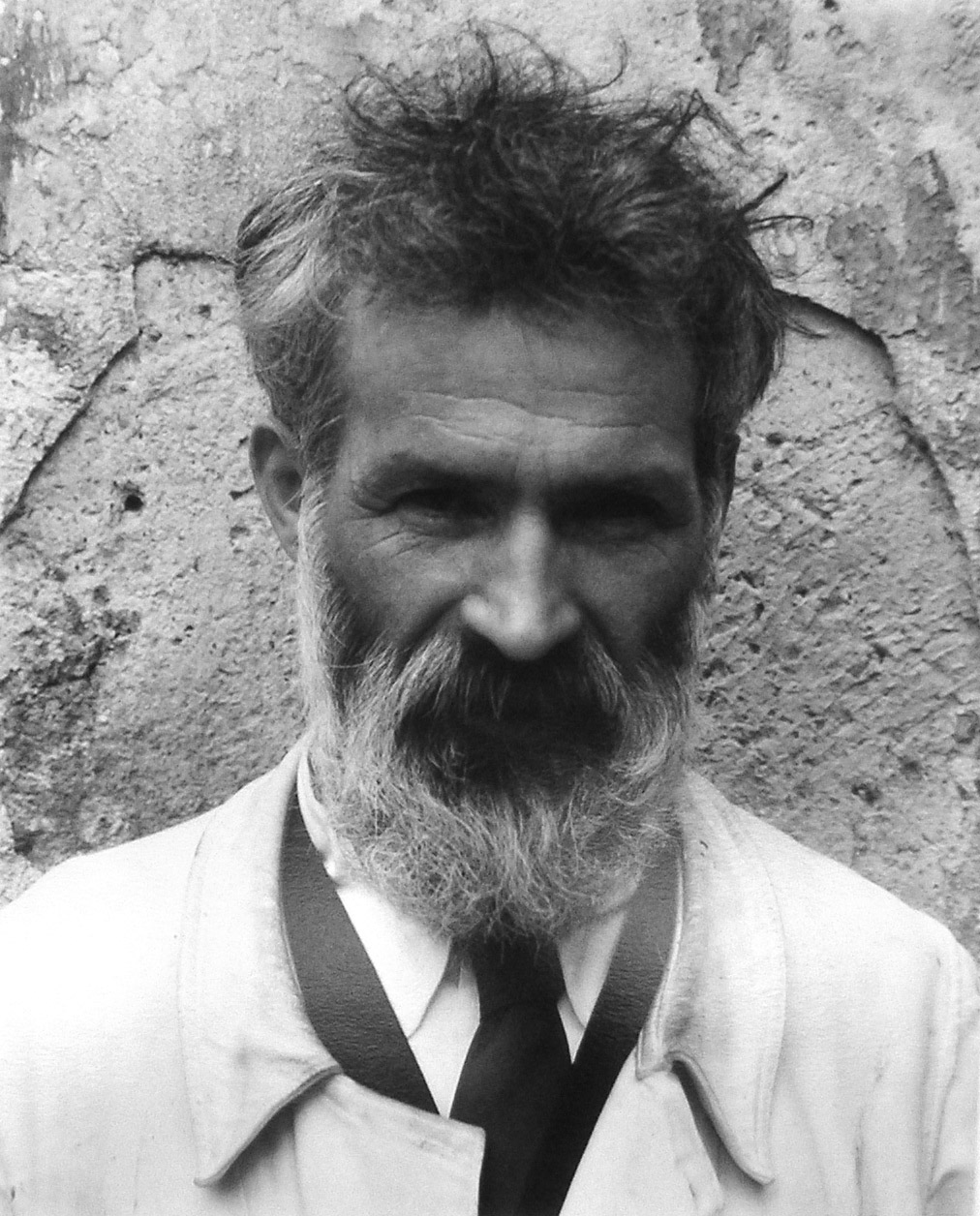
Constantin Brâncuși was a Romanian sculptor, painter, and photographer who made his career mainly in France, becoming one of the pivotal figures of modern sculpture and a pioneer of modernism. Born in 1876 in Hobița, Romania, Brâncuși displayed a talent for carving from a young age, a skill honed during his early life as a shepherd in the Carpathian Mountains. His work evolved from traditional forms to groundbreaking abstract sculptures that sought to capture the essence rather than the literal representation of his subjects.
After moving to Paris in 1904, Brâncuși's unique style began to take shape. He worked briefly in the studio of Auguste Rodin, but soon left to pursue his own vision, stating that "Nothing can grow under big trees." This decision marked the beginning of his pursuit to distill forms to their simplest essence, a philosophy that would define his career. Brâncuși's sculptures, such as "The Kiss" and "Bird in Space," are celebrated for their smooth, simplified forms that evoke the core of the subject matter with minimal detail. His work in wood, bronze, and marble often carried a serene, timeless quality, blending modernist aesthetics with a touch of his Romanian heritage.
Brâncuși's contributions to art were not limited to sculpture. He was also an accomplished photographer, using his camera to capture the spatial relationships and compositions of his studio and sculptures, an extension of his artistic vision. His works are held in high regard worldwide and are featured in prominent collections, such as the Museum of Modern Art in New York and the Tate in the United Kingdom.
The legal battle over "Bird in Space" in 1927 highlighted the challenges Brâncuși faced in having his work recognized as art by traditional standards. This case, which eventually ruled in his favor, established a precedent for modern art's recognition beyond traditional forms and representations.
For art collectors and experts, Brâncuși's oeuvre represents a bridge between the tactile craftsmanship of earlier periods and the conceptual, form-driven concerns of modern art. His legacy is a testament to the power of innovation, vision, and the enduring appeal of simplicity in form.
For those interested in the evolution of sculpture and the role of art in transcending cultural and temporal boundaries, Constantin Brâncuși's work offers profound insights. We invite you to sign up for updates on new product sales and auction events related to Brâncuși's work, ensuring you stay informed about opportunities to engage with the legacy of this pioneering artist.

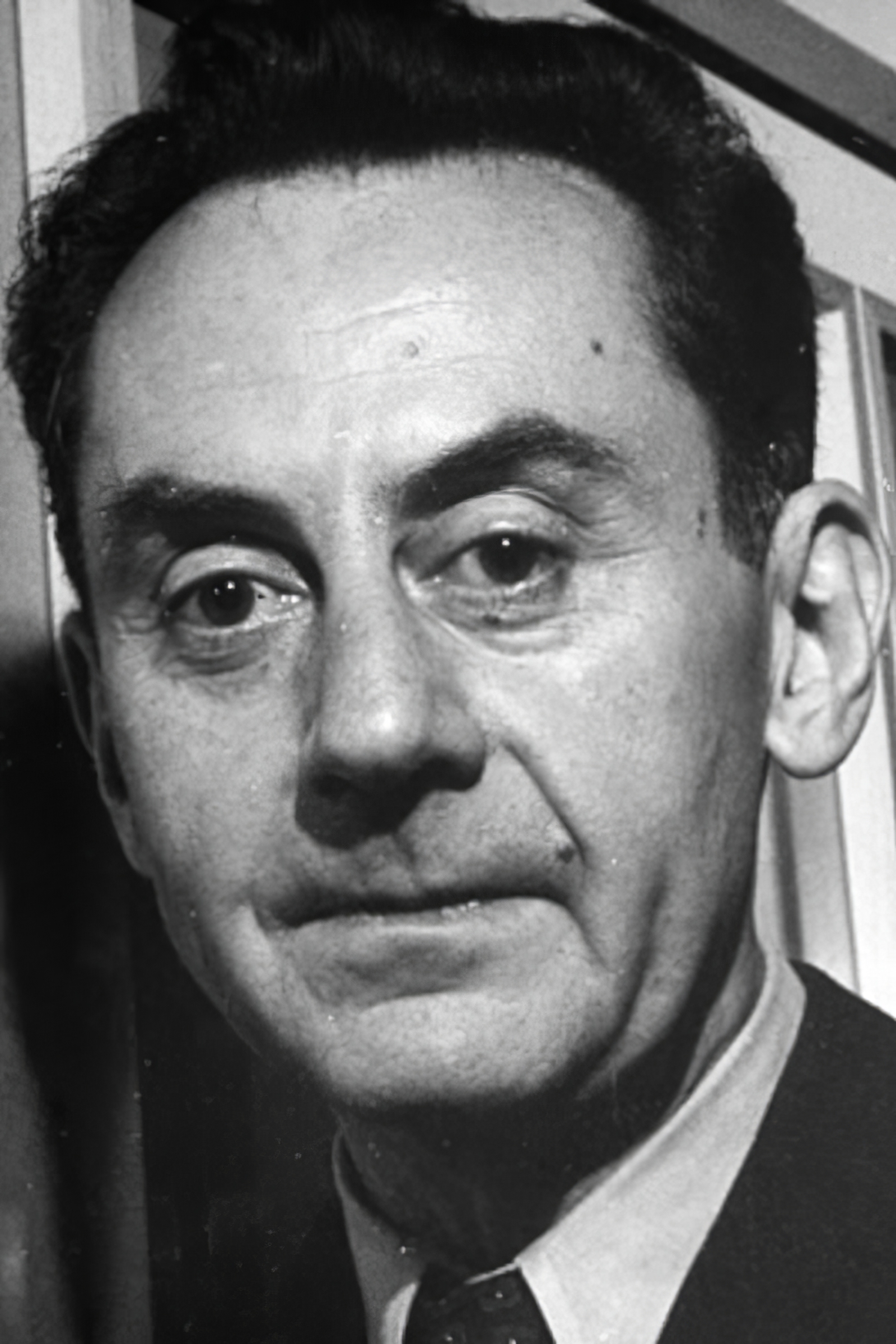
Man Ray, born Emmanuel Radnitzky, was an American visual artist who played a significant role in the Dada and Surrealist movements. His pioneering efforts in photography, alongside his work in painting and sculpture, have cemented his place as a major figure in modern art. Known for his innovative techniques and the ability to convey complex ideas through simple, striking visuals, Man Ray's contribution to the art world is profound.
Throughout his career, Man Ray was celebrated for his avant-garde approach and his ability to transcend traditional boundaries between different artistic mediums. His photography, characterized by experimental techniques such as solarization and rayographs (cameraless photographs), challenged conventional perceptions of photography as merely a means of representation. These artistic innovations made him a central figure in both Parisian and American art circles.
Man Ray's works are housed in some of the world's most prestigious museums and galleries, including the Museum of Modern Art in New York and the Centre Pompidou in Paris. His pieces, such as "Le Violon d'Ingres" and "Noire et Blanche," are iconic images that continue to influence artists today. His ability to blend the abstract with the realistic, and the humorous with the serious, has left a lasting legacy in the world of art.
For collectors and experts in art and antiques, the work of Man Ray offers a glimpse into the revolutionary changes that shaped the visual arts in the 20th century. His unique perspective and pioneering techniques continue to inspire and challenge those interested in the boundaries of creativity and expression.
If you're passionate about the avant-garde, or simply wish to explore the fascinating world of Man Ray further, sign up for our updates. You'll receive alerts on new product sales and auction events related to Man Ray, ensuring you never miss an opportunity to engage with the legacy of this extraordinary artist.






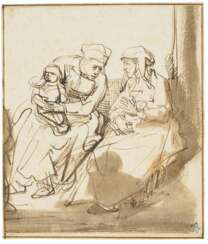


Rembrandt Harmenszoon van Rijn, a Dutch Baroque painter and printmaker, was born on July 15, 1606, in Leiden, Netherlands, and died on October 4, 1669, in Amsterdam. He is celebrated as one of the greatest storytellers in art history, acclaimed for his adept portrayal of human emotions and dramatic narratives. Rembrandt's extensive oeuvre includes portraits, self-portraits, landscapes, genre scenes, allegorical, historical, and biblical themes, as well as animal studies. His artistry shined during the Dutch Golden Age, a period marked by cultural and scientific achievements in the Netherlands.
Rembrandt's education in art began around the age of 10 when he left the Latin School in Leiden to train as an artist. He apprenticed with artists like Jacob van Swanenburg and Pieter Lastman, mastering various aspects of painting. He opened his own studio in Leiden around 1624 or 1625, sharing it with his colleague Jan Lievens. By 1631, he had moved to Amsterdam, where he achieved significant success and trained many important Dutch painters.
Among Rembrandt's notable works are "The Anatomy Lesson of Dr. Nicolaes Tulp" (1632), "The Night Watch" (1642), and "The Syndics of the Amsterdam Drapers’ Guild" (1662). He was also renowned for his self-portraits, creating around 80 over his lifetime, more than any other artist until the 20th century. These self-portraits were not just artistic endeavors but also experiments with facial expressions and lighting effects. Additionally, Rembrandt was a master etcher, transforming etching from a reproductive technique into an art form.
Rembrandt's painting style is characterized by its dramatic use of light and shadow, known as chiaroscuro. His ability to depict materials realistically was unparalleled; his portrayal of metals and fabrics was so lifelike that they appeared to glow and be tangible. He was also known for his impasto technique, applying paint thickly to the canvas, adding a three-dimensional quality to his works.
Despite his artistic prowess, Rembrandt faced financial difficulties and personal tragedies throughout his life. He declared bankruptcy in 1656, a downfall attributed partly to his extensive collection of art objects and curiosities. His masterpieces, however, continued to garner appreciation and influence generations of artists that followed.
For collectors and experts in art and antiques, Rembrandt's works represent a pinnacle of artistic achievement in the Dutch Golden Age. His mastery in portraying the human condition and his innovative techniques in painting and etching make his works highly prized and influential in the art world.
To stay updated on new product sales and auction events related to Rembrandt van Rijn, sign up for our updates. This subscription service is dedicated exclusively to news and events concerning works related to this unparalleled master of the Dutch Golden Age.

_(NPG_x13488).jpg)