Portrait Oil on canvas — Auction price



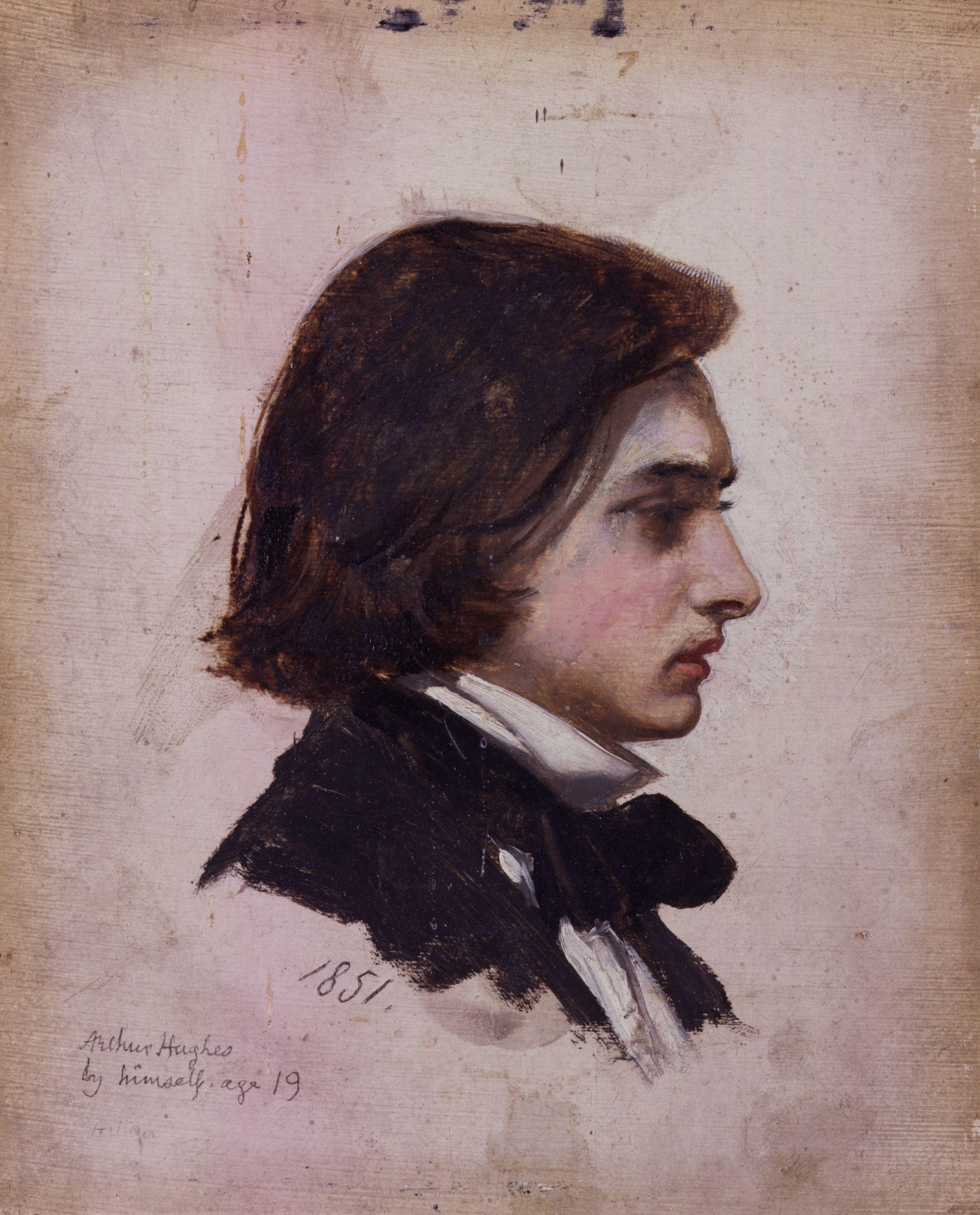
Arthur Hughes was an English painter and illustrator associated with the Pre-Raphaelite Brotherhood.


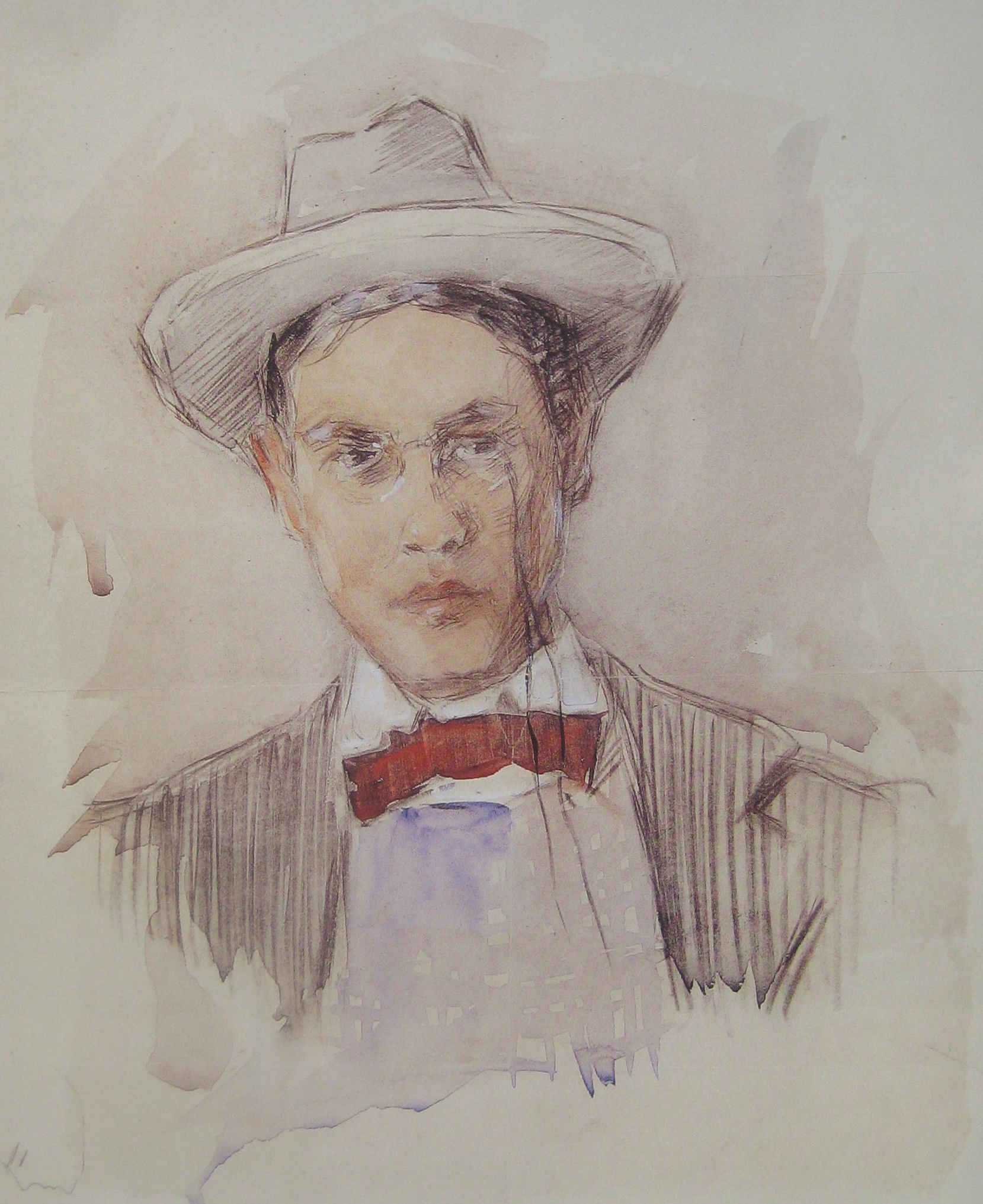
Frederick Carl Frieseke was an American Impressionist painter who spent most of his life as an expatriate in France. An influential member of the Giverny art colony, his paintings often concentrated on various effects of dappled sunlight. He is especially known for painting female subjects, both indoors and out.
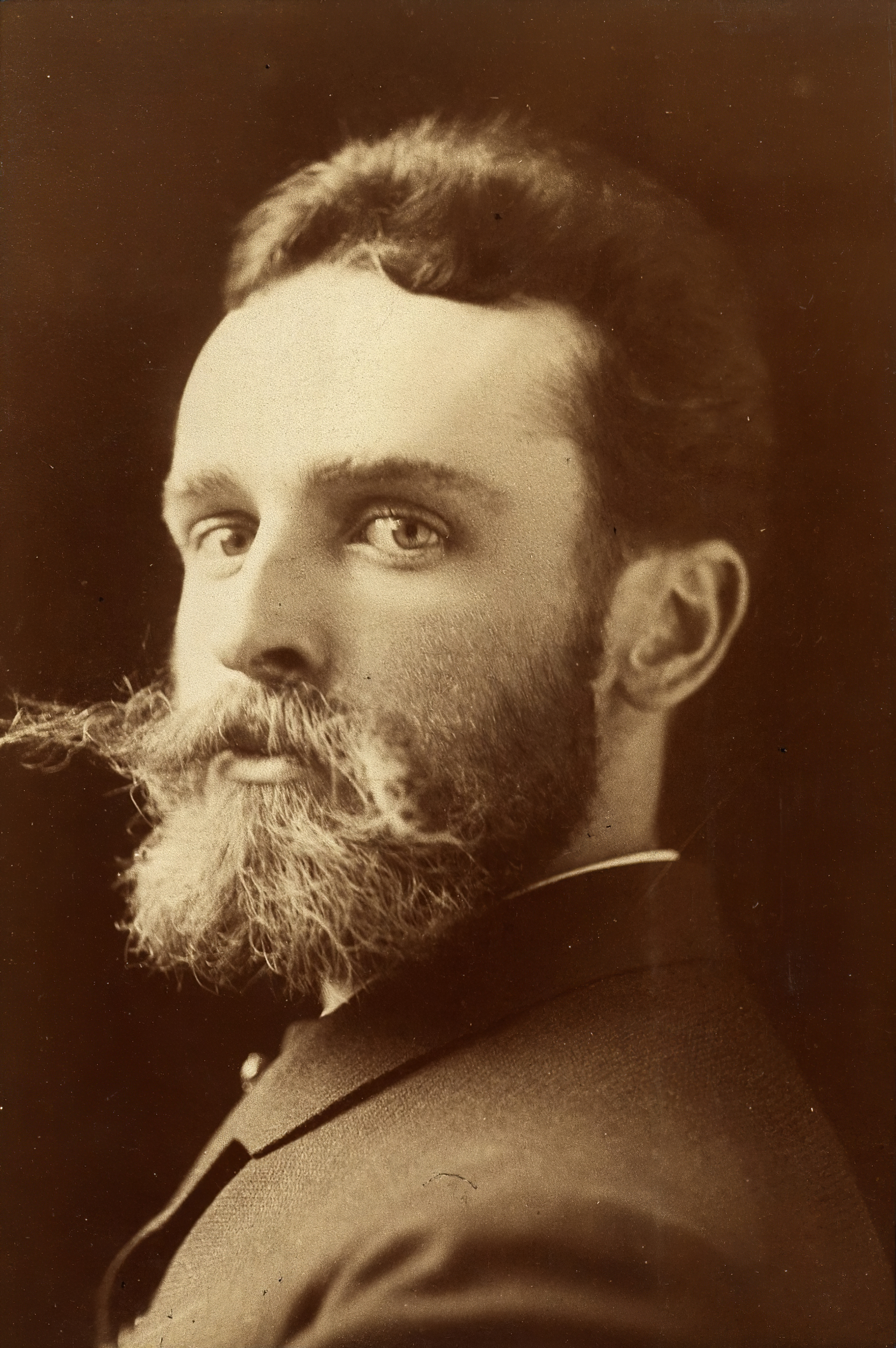
John White Alexander was an American portrait, figure, and decorative painter and illustrator.

John White Alexander was an American portrait, figure, and decorative painter and illustrator.
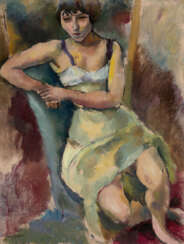

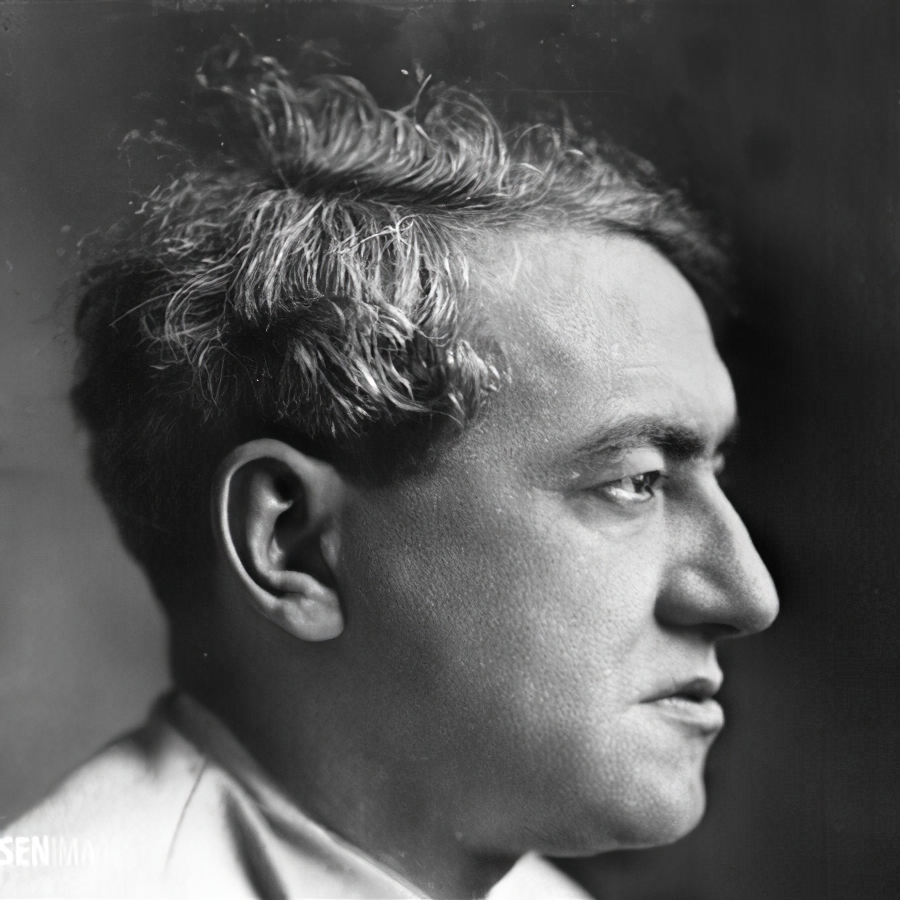
Jules Pascin, born Julius Mordecai Pincas, was a Bulgarian-born American painter and draftsman. He studied art in Vienna, Munich, and Paris, where he settled in 1905.
Pascin became known for his portraits and nudes, which often featured elongated figures and fluid lines. He was also noted for his use of watercolors and his depictions of Parisian nightlife, cafes, and brothels. His work was influenced by the Fauvists and the German Expressionists.
Pascin was a member of the Montparnasse artistic community in Paris, and he was friends with many of the leading artists and writers of the day, including Pablo Picasso, Henri Matisse, and Ernest Hemingway. He was married twice, but his personal life was marked by numerous affairs and a struggle with alcoholism.
His work is held in many major collections, including the Museum of Modern Art in New York and the Art Institute of Chicago.
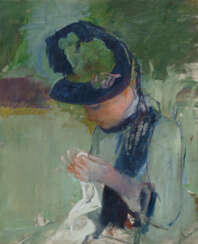

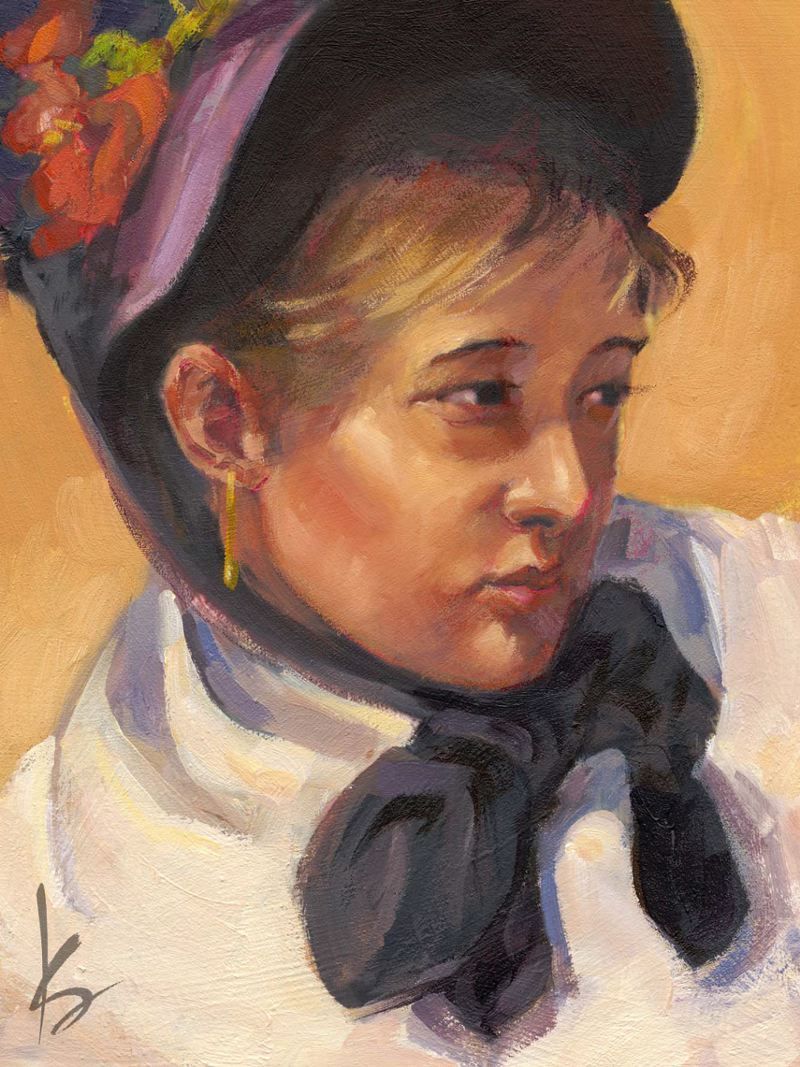
Mary Stevenson Cassatt was an influential American painter and printmaker known for her pivotal role in the Impressionist movement. Born on May 22, 1844, in Allegheny City, Pennsylvania, Cassatt spent much of her adult life in France, where she formed a significant professional relationship with Edgar Degas and exhibited with other Impressionists. Despite her family's initial reluctance, Cassatt pursued art from a young age, attending the Pennsylvania Academy of the Fine Arts at fifteen and later moving to Paris to continue her education under private tutors, including the renowned Jean-Léon Gérôme.
Cassatt's art mainly focused on women and children, encapsulating intimate moments with a profound sense of dignity and depth. Her works, such as "The Boating Party" and "Mother and Child," showcase her skill in portraying the nuanced interactions of everyday life. Cassatt's technique evolved from the light brushstrokes of early Impressionism to a more structured form, emphasizing solid figures and clear contours.
A prominent figure not just in art but also in art advocacy, Cassatt was instrumental in advising American collectors, including the Havemeyers, which helped enrich public and private American art collections significantly. Despite challenges related to her gender and later, her failing eyesight, Cassatt's contributions to art remain influential, reflecting her unique perspective and unyielding dedication to Impressionism.
For updates on exhibitions and sales related to Mary Stevenson Cassatt's works, consider signing up for our newsletter. This subscription will keep you informed about the latest auction events and product sales directly linked to Cassatt's enduring legacy.
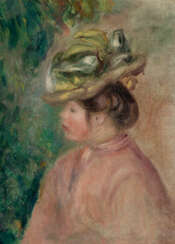

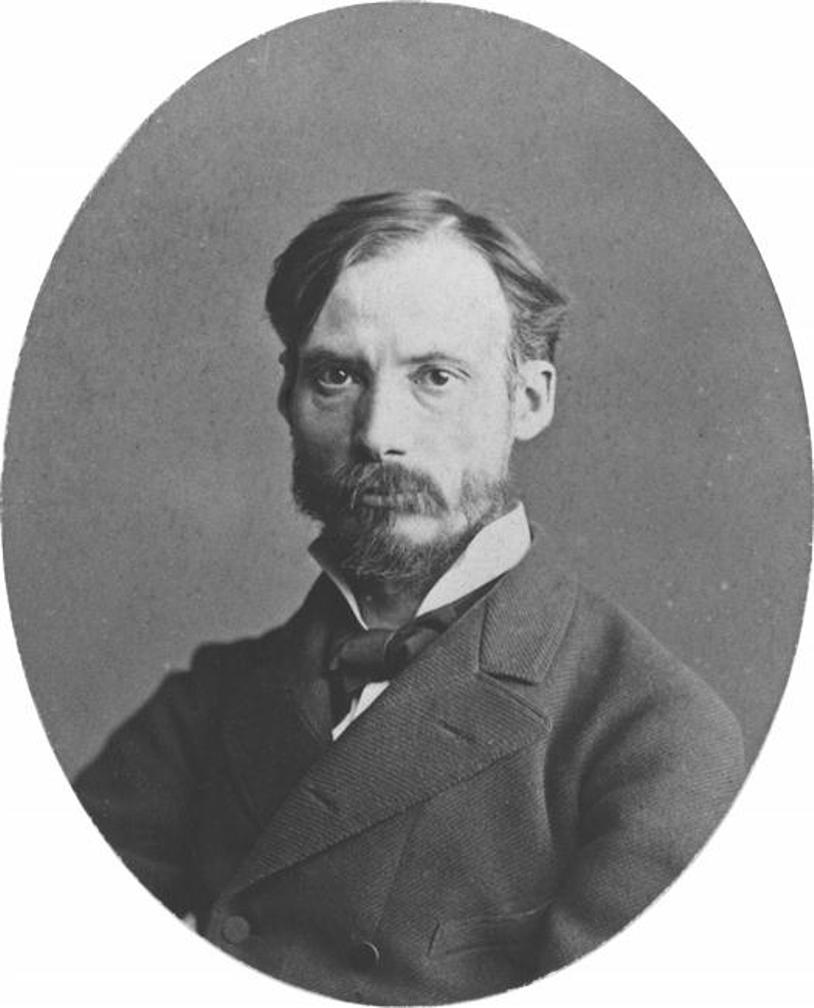
Pierre-Auguste Renoir was a French artist, celebrated as a pivotal figure in the development of the Impressionist movement. Born in Limoges, France, in 1841, Renoir's early experiences in Paris and his apprenticeship as a porcelain painter laid the foundation for his illustrious career in art. His transition to painting was marked by an early fascination with the play of light and color, which became a hallmark of his work. Renoir's paintings are renowned for their vibrant light and saturated color, often focusing on people in intimate and candid compositions. This focus on beauty and a particular affinity for capturing the sensuality of the female form distinguished his work from his contemporaries.
Renoir's contributions to Impressionism were significant, characterized by his use of bright colors and a technique that captured the movement and luminosity of the scene. His evolution as an artist saw him experimenting with a more linear and classical style, especially after his travels to Italy, where he was deeply influenced by the Renaissance masters. Despite facing personal challenges, including severe rheumatoid arthritis in his later years, Renoir's passion for painting never waned. His determination saw him adapting his painting technique to his physical limitations, ensuring that his creative output remained prolific until his death in 1919.
Among Renoir's notable works are "Bal du moulin de la Galette" (1876), "Luncheon of the Boating Party" (1880), and "Girls at the Piano" (1892). These masterpieces exemplify the essence of Impressionist art with their depiction of light, movement, and everyday life. Renoir's works are housed in prestigious museums around the world, serving as a testament to his enduring legacy in the realm of art.
For art collectors and experts, Renoir's oeuvre represents an essential segment of the Impressionist movement, offering insights into the evolution of modern art. His mastery in portraying the beauty of the moment and the depth of human emotion continues to captivate and inspire audiences worldwide.
If you are passionate about collecting or studying the works of Pierre-Auguste Renoir, we invite you to sign up for updates on new product sales and auction events related to this iconic artist. Stay informed about the opportunity to own a piece of art history and deepen your appreciation for the rich tapestry of culture and art that Renoir helped weave.
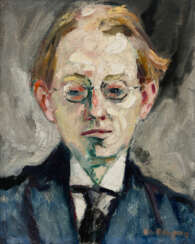

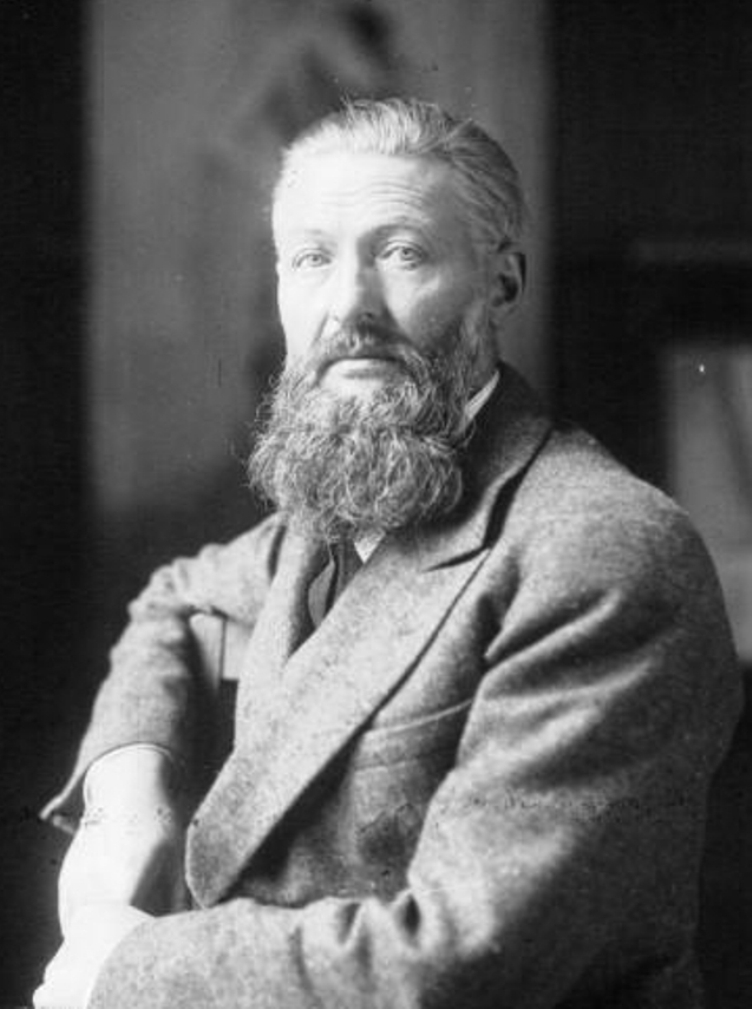
Kees van Dongen was a Dutch-French painter renowned for his vivid and expressive works that placed him at the forefront of the Fauvist movement. Born in 1877 in Delfshaven, Netherlands, van Dongen's journey into the art world began with his education at the Akademie voor Beeldende Kunsten in Rotterdam. His move to Paris in 1897 marked a pivotal moment in his career, immersing him in the bustling avant-garde scene and connecting him with influential circles, including Pablo Picasso and the Fauves. Van Dongen's art, characterized by its striking use of color and bold brushwork, captured the essence of his subjects with a unique blend of realism and abstraction.
Van Dongen's work evolved significantly over time, initially influenced by the dark tones of his Dutch heritage and the works of Rembrandt. His encounter with Fauvism around 1906 brought a dramatic shift towards brighter, more vibrant colors, marking his most iconic phase. His ability to capture the sensuousness and personality of his subjects made him a sought-after portraitist among the French bourgeoisie and celebrities of his time. Notable works include "Femme aux bas noirs" (Woman with Black Stockings), "Les lutteuses" (Lutteuses du Tabarin), and "The Dancer Anita," showcasing his fascination with the human figure, particularly sensuous depictions of women.
Beyond his remarkable contributions to Fauvism, van Dongen's ventures into illustration and his role as a society portraitist underscore his diverse talents and adaptability to the changing tastes of the art market. His works are celebrated in major collections worldwide, including the Hermitage Museum and the National Gallery of Denmark, affirming his lasting impact on the art world.
Collectors and art experts continue to appreciate van Dongen's work for its bold experimentation with color, form, and the evocative portrayal of his subjects. His legacy lives on as a testament to the vibrancy and dynamism of early 20th-century modern art.
For those keen to explore van Dongen's captivating works further and stay informed about new discoveries, exhibitions, and auction events related to his art, signing up for updates is a must. This ensures direct access to the latest sales and scholarly insights into the painter's rich oeuvre, a valuable resource for collectors and enthusiasts alike.
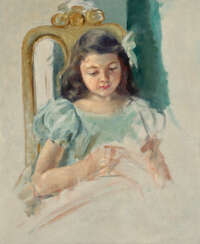

Mary Stevenson Cassatt was an influential American painter and printmaker known for her pivotal role in the Impressionist movement. Born on May 22, 1844, in Allegheny City, Pennsylvania, Cassatt spent much of her adult life in France, where she formed a significant professional relationship with Edgar Degas and exhibited with other Impressionists. Despite her family's initial reluctance, Cassatt pursued art from a young age, attending the Pennsylvania Academy of the Fine Arts at fifteen and later moving to Paris to continue her education under private tutors, including the renowned Jean-Léon Gérôme.
Cassatt's art mainly focused on women and children, encapsulating intimate moments with a profound sense of dignity and depth. Her works, such as "The Boating Party" and "Mother and Child," showcase her skill in portraying the nuanced interactions of everyday life. Cassatt's technique evolved from the light brushstrokes of early Impressionism to a more structured form, emphasizing solid figures and clear contours.
A prominent figure not just in art but also in art advocacy, Cassatt was instrumental in advising American collectors, including the Havemeyers, which helped enrich public and private American art collections significantly. Despite challenges related to her gender and later, her failing eyesight, Cassatt's contributions to art remain influential, reflecting her unique perspective and unyielding dedication to Impressionism.
For updates on exhibitions and sales related to Mary Stevenson Cassatt's works, consider signing up for our newsletter. This subscription will keep you informed about the latest auction events and product sales directly linked to Cassatt's enduring legacy.
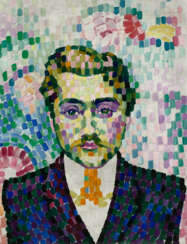

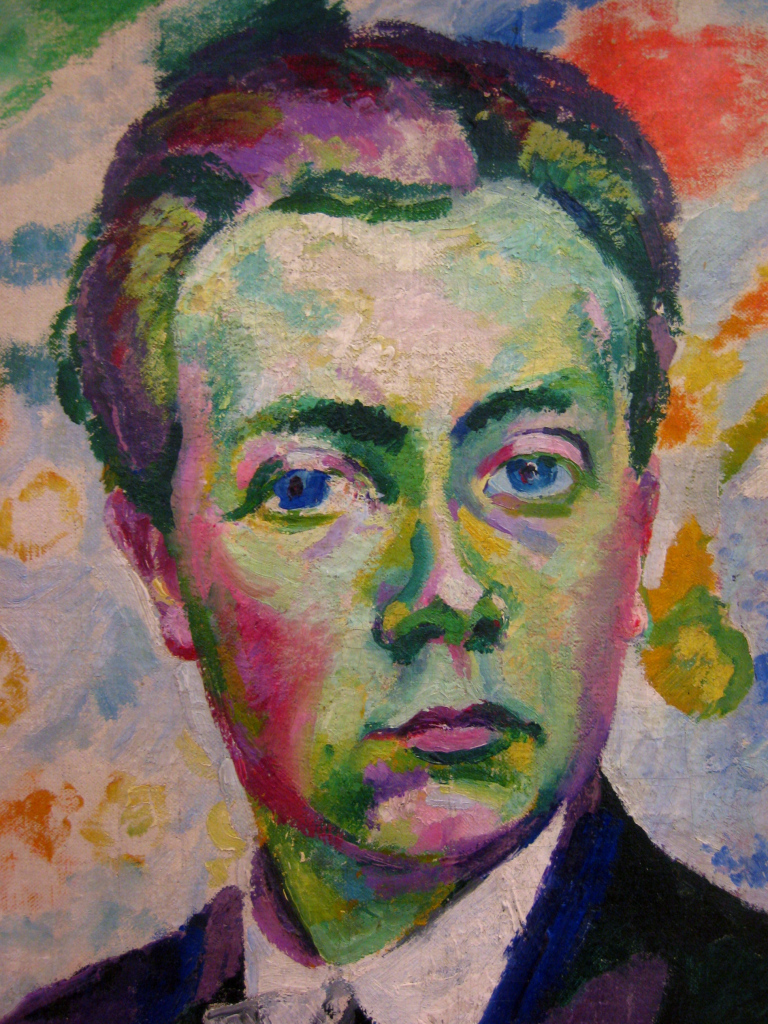
Robert Delaunay, a French artist, emerged as a pivotal figure in the development of early 20th-century art, blending the realms of painting and sculpture with his innovative approaches. His work is celebrated for its dynamic use of color and geometric shapes, making him a cornerstone in the Orphism movement, which he co-founded alongside his wife Sonia Delaunay and others. This movement is distinguished by its focus on vibrant colors and geometric forms, contributing significantly to the abstract art landscape.
Delaunay's artistic journey began earnestly at the age of 19 when he decided to fully dedicate himself to painting, contributing works to the Salon des Indépendants. His early career was marked by a deep engagement with Neo-Impressionism and Cubism, as evidenced by his collaborative work with Jean Metzinger and his exploration of color theory. Notable works from this period include "Paysage au disque" (1906–07) and "Champs de Mars: The Red Tower" (1911), showcasing his departure from representational art towards a more abstract, color-driven aesthetic.
Among Delaunay's celebrated series are the Eiffel Tower and Simultaneous Windows, reflecting his fascination with Parisian architecture and the dynamic interplay of light and color. These works, along with others like "L'Équipe de Cardiff" (1912-13) and "Endless Rhythm" (1934), are housed in prestigious museums such as the Musée d'Art Moderne de la Ville de Paris, The Solomon R. Guggenheim Museum, and the Tate collection. These pieces illustrate his evolving style, from the depiction of movement and technology in pre-war Paris to the rhythmic abstraction of later years.
Delaunay's influence extended beyond France, with significant contributions to exhibitions in Germany, Switzerland, and Russia, particularly through his involvement with Der Blaue Reiter group. His work not only captured the essence of the technological and cultural shifts of his time but also laid the groundwork for future artistic explorations into color and form.
For collectors and experts in art and antiques, Delaunay's oeuvre offers a rich study in the evolution of modern art, from its roots in Cubism and Neo-Impressionism to the heights of abstract expression. His works serve as a testament to the power of color and shape in conveying emotion and motion, making them invaluable to the understanding of 20th-century art history.
To stay informed on new sales, auctions, and exhibitions related to Robert Delaunay, sign up for updates. This subscription ensures you remain updated on opportunities to engage with Delaunay's influential body of work, reflecting the ongoing interest in his contributions to modern art.
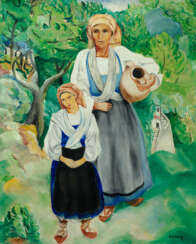

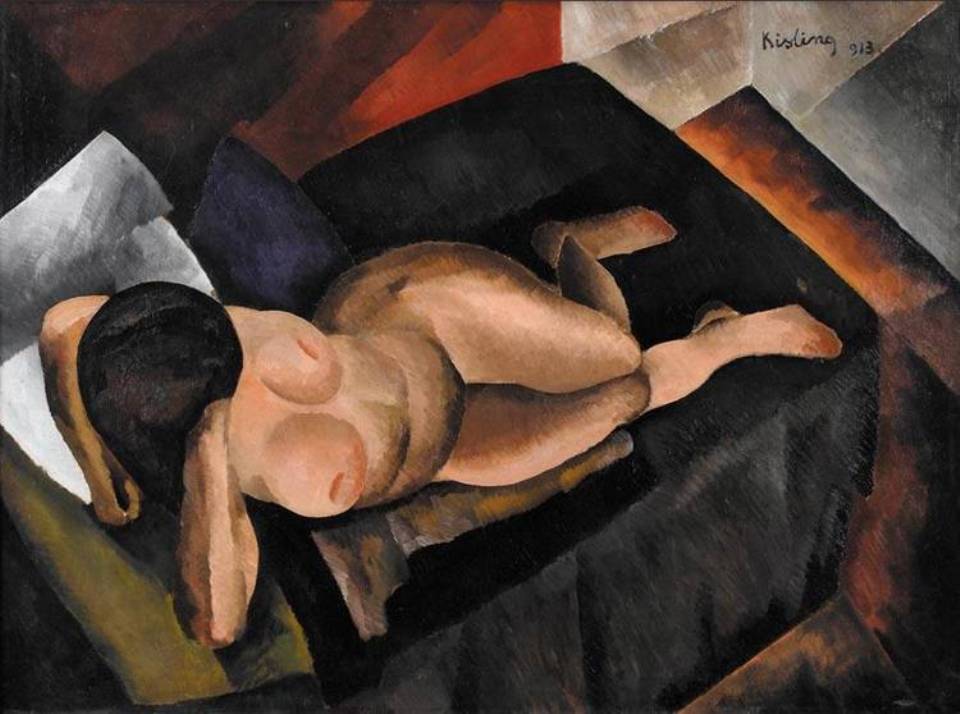
Moïse Kisling was a Polish-born French painter renowned for his contributions to modern art, particularly his highly stylized and evocative portraits. Born in Kraków in 1891, Kisling moved to Paris at the age of 19, quickly immersing himself in the vibrant artistic community of Montmartre and Montparnasse. His work, characterized by bold colors and dynamic compositions, spans a variety of themes, including landscapes, still lifes, and nudes, reflecting influences from Cubism and Post-Impressionism.
Kisling's artistry is celebrated for its unique blend of realism and abstraction, marked by a fluid, colorful style that evolved from his early influences, including Cezanne and Cubism. He was a central figure in the School of Paris, engaging with contemporaries such as Pablo Picasso, Georges Braque, and Amedeo Modigliani, the latter of whom he shared a close friendship and mutual artistic admiration. Modigliani's portraits of Kisling underscore their deep personal and professional bond. Notable works by Kisling include "La Sieste à Saint-Tropez," "Portrait du peintre (Autoportrait)," and "Le pêcheur," showcasing his versatility and skill in capturing the essence of his subjects.
During World War II, Kisling's Jewish heritage forced him to flee to the United States, where he continued to exhibit his work in New York City and California before returning to France after the war. His legacy is preserved in numerous public collections, including the Metropolitan Museum of Art, the National Gallery of Art, and the Brooklyn Museum, among others. This wide recognition attests to his significant impact on the development of modern art.
For collectors and experts in art and antiques, Kisling's work represents a pivotal intersection of cultural and artistic movements of the early 20th century. His paintings are not only visually stunning but also historically significant, embodying the spirit of an era marked by innovation and experimentation. The Musée du Petit Palais in Geneva holds a large collection of his works, offering a comprehensive overview of his artistic journey.
We invite enthusiasts and collectors to stay updated on new discoveries, sales, and auction events related to Moïse Kisling's work. Subscribing to updates ensures you won't miss the opportunity to engage with the rich legacy of this remarkable artist. This subscription is a gateway to exploring the vibrant world of Kisling's art, from his captivating portraits to his lush landscapes and still lifes, all of which continue to enchant and inspire.
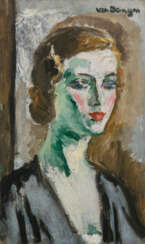

Kees van Dongen was a Dutch-French painter renowned for his vivid and expressive works that placed him at the forefront of the Fauvist movement. Born in 1877 in Delfshaven, Netherlands, van Dongen's journey into the art world began with his education at the Akademie voor Beeldende Kunsten in Rotterdam. His move to Paris in 1897 marked a pivotal moment in his career, immersing him in the bustling avant-garde scene and connecting him with influential circles, including Pablo Picasso and the Fauves. Van Dongen's art, characterized by its striking use of color and bold brushwork, captured the essence of his subjects with a unique blend of realism and abstraction.
Van Dongen's work evolved significantly over time, initially influenced by the dark tones of his Dutch heritage and the works of Rembrandt. His encounter with Fauvism around 1906 brought a dramatic shift towards brighter, more vibrant colors, marking his most iconic phase. His ability to capture the sensuousness and personality of his subjects made him a sought-after portraitist among the French bourgeoisie and celebrities of his time. Notable works include "Femme aux bas noirs" (Woman with Black Stockings), "Les lutteuses" (Lutteuses du Tabarin), and "The Dancer Anita," showcasing his fascination with the human figure, particularly sensuous depictions of women.
Beyond his remarkable contributions to Fauvism, van Dongen's ventures into illustration and his role as a society portraitist underscore his diverse talents and adaptability to the changing tastes of the art market. His works are celebrated in major collections worldwide, including the Hermitage Museum and the National Gallery of Denmark, affirming his lasting impact on the art world.
Collectors and art experts continue to appreciate van Dongen's work for its bold experimentation with color, form, and the evocative portrayal of his subjects. His legacy lives on as a testament to the vibrancy and dynamism of early 20th-century modern art.
For those keen to explore van Dongen's captivating works further and stay informed about new discoveries, exhibitions, and auction events related to his art, signing up for updates is a must. This ensures direct access to the latest sales and scholarly insights into the painter's rich oeuvre, a valuable resource for collectors and enthusiasts alike.


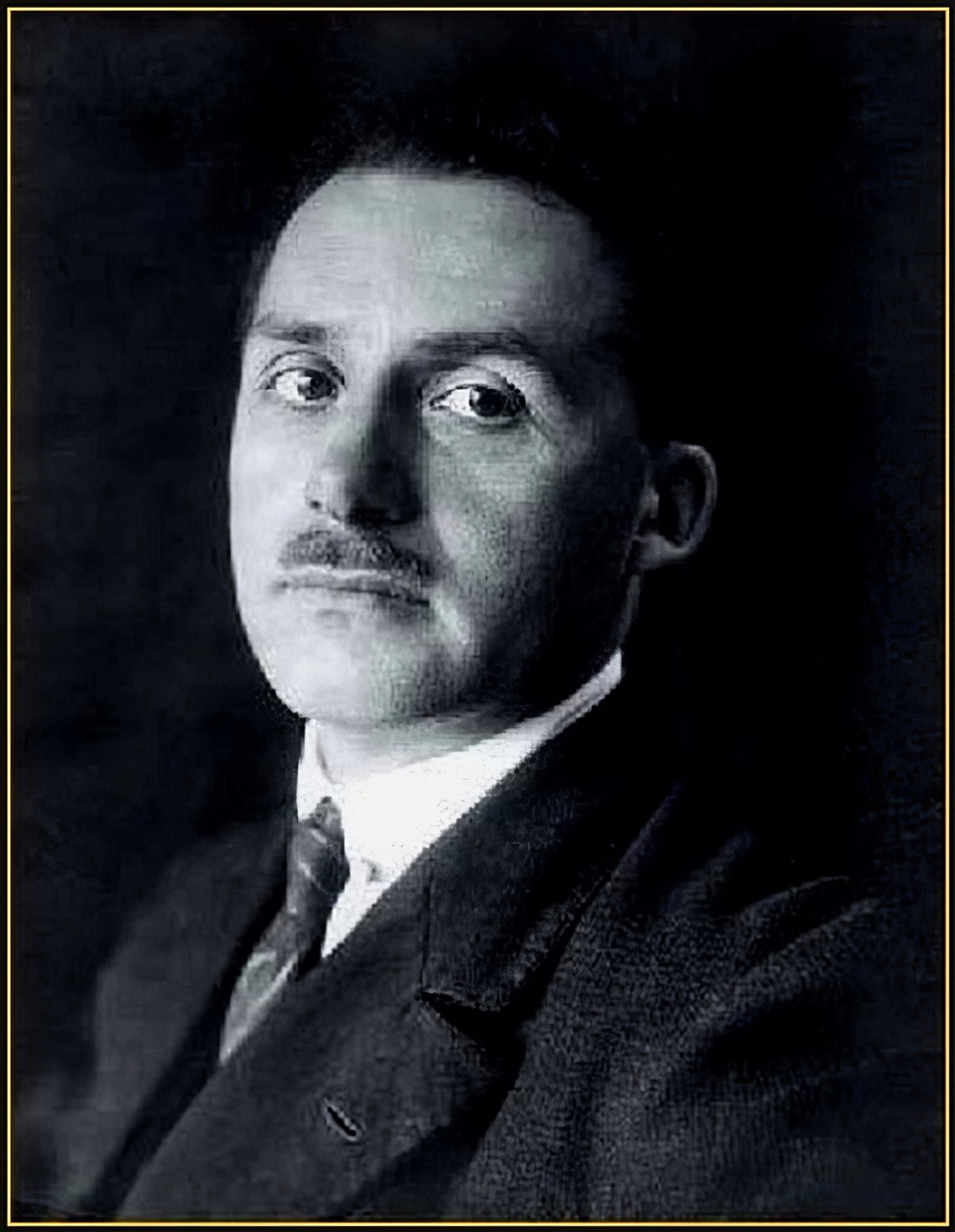
Andre Lhote, a French artist, was a pivotal figure in the Cubist movement, known for his contributions as a painter, theoretician, critic, and art teacher. His journey in the arts began at the École des Beaux-Arts in Bordeaux, focusing on decorative arts before shifting his full attention to painting after moving to Paris in 1906. Lhote's work initially drew influences from Paul Gauguin and Paul Cézanne, but by 1910, he was deeply entrenched in Cubism, aligning with artists like Fernand Léger and Jean Metzinger.
Andre Lhote's impact extended beyond his paintings; he was instrumental in developing Cubist theory through his writings and art criticism, notably contributing to La nouvelle revue française. In 1922, he founded the Académie André Lhote in Paris, shaping the future of many artists, including Henri Cartier-Bresson. His dedication to teaching and theoretical work earned him the Grand Prix National de Peinture in 1955 and a position as president of the UNESCO commission for sculpture's International Association of Painters, Engravers, and Sculptors.
For art collectors and experts, Andre Lhote's work represents a crucial chapter in the history of Cubism, offering insights into the movement's evolution and its theoretical underpinnings. To stay updated on exhibitions or sales featuring Andre Lhote's work, consider signing up for updates from reputable art institutions or galleries.
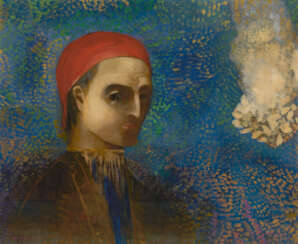

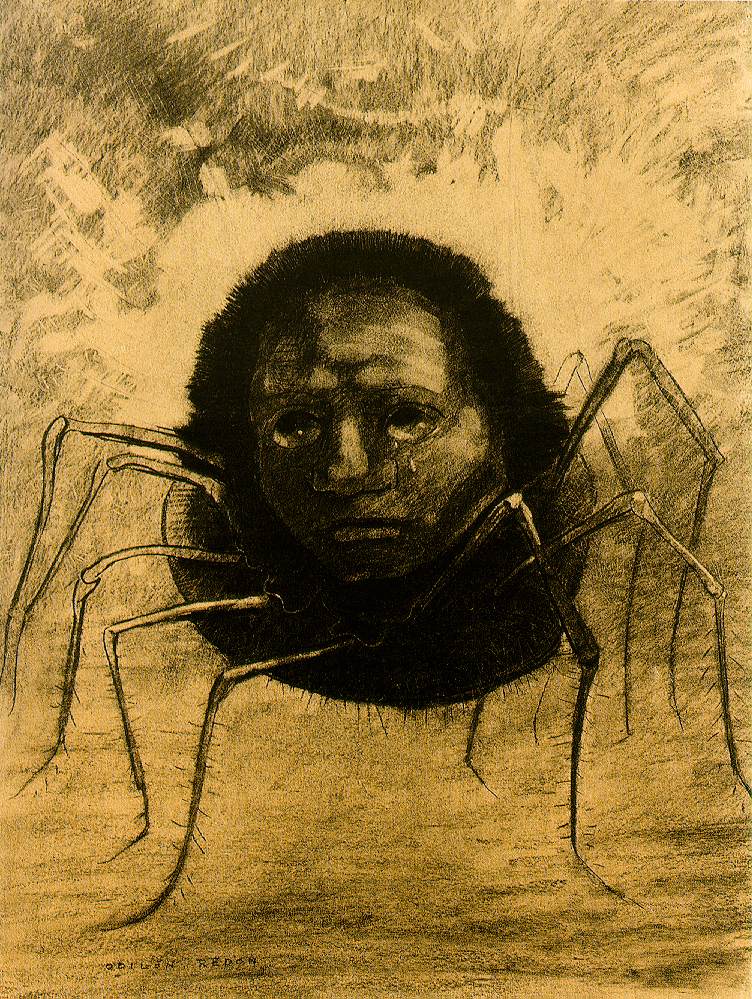
Odilon Redon was a prominent French artist, renowned for his unique contributions to the Symbolist movement. His artistic journey began with a focus on charcoal and lithography, creating works known as "noirs" that reflected a deep, dream-like quality. Redon's art evolved to incorporate vibrant colors and themes, often inspired by Buddhist and Hindu cultures. Notably, his paintings such as "The Death of Buddha" and "The Buddha," alongside others, displayed his fascination with Eastern philosophies and their integration into his art.
Redon's works are celebrated for their evocative, almost mystical qualities, blending elements of the natural world with fantastical, often surreal imagery. His attention to detail in portraying flowers, plants, and imaginary creatures reflected his interest in natural sciences and botany. This interplay between the real and the imagined is a hallmark of his work, making him a pivotal figure in the Symbolist movement.
His influence is evident in various collections and museums. For instance, the Musée d'Orsay in Paris houses some of his most significant works, including his decorative panels for the Château de Domecy-sur-le-Vault. These panels marked a transition in his style from ornamental to more abstract painting. Additionally, the Getty Museum in California and the Los Angeles County Museum of Art hold significant collections of Redon's works.
For art collectors and enthusiasts, Odilon Redon's work represents a blend of imagination, deep emotional resonance, and a unique interpretation of Symbolist ideas. His ability to capture the unseen and give it form on canvas or paper makes his work a valuable addition to any collection.
If you're interested in staying updated on sales and auction events featuring Odilon Redon's art, signing up for updates can be a great way to stay informed. This subscription is specifically tailored for new product sales and auction events related to Odilon Redon, offering a focused and business-like approach to your art collection interests.
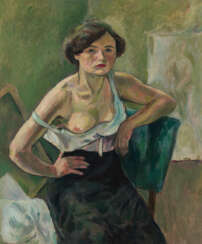

Jules Pascin, born Julius Mordecai Pincas, was a Bulgarian-born American painter and draftsman. He studied art in Vienna, Munich, and Paris, where he settled in 1905.
Pascin became known for his portraits and nudes, which often featured elongated figures and fluid lines. He was also noted for his use of watercolors and his depictions of Parisian nightlife, cafes, and brothels. His work was influenced by the Fauvists and the German Expressionists.
Pascin was a member of the Montparnasse artistic community in Paris, and he was friends with many of the leading artists and writers of the day, including Pablo Picasso, Henri Matisse, and Ernest Hemingway. He was married twice, but his personal life was marked by numerous affairs and a struggle with alcoholism.
His work is held in many major collections, including the Museum of Modern Art in New York and the Art Institute of Chicago.


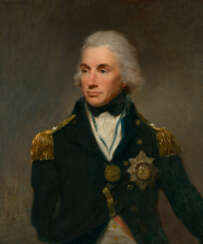

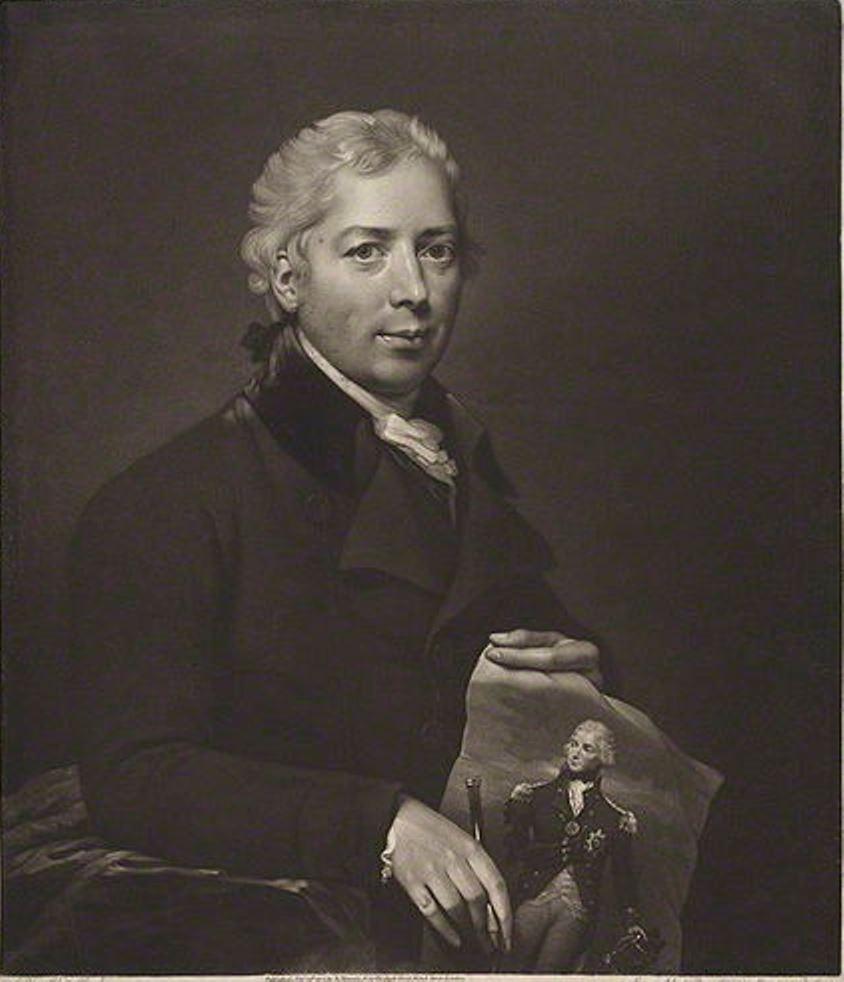
Lemuel Francis Abbott was an English portrait painter. His most famous work is the portrait of Nelson, exhibited at the residence of the British Prime Minister.
During his artistic life Abbott created many portraits of famous people of the 18th century - naval officers, literati, officials, ladies of the world. He was one of the first to portray golfers.