Baroque — Auction price
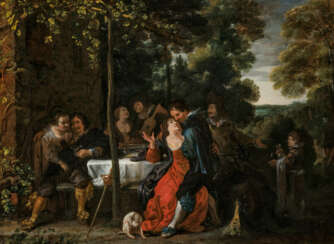

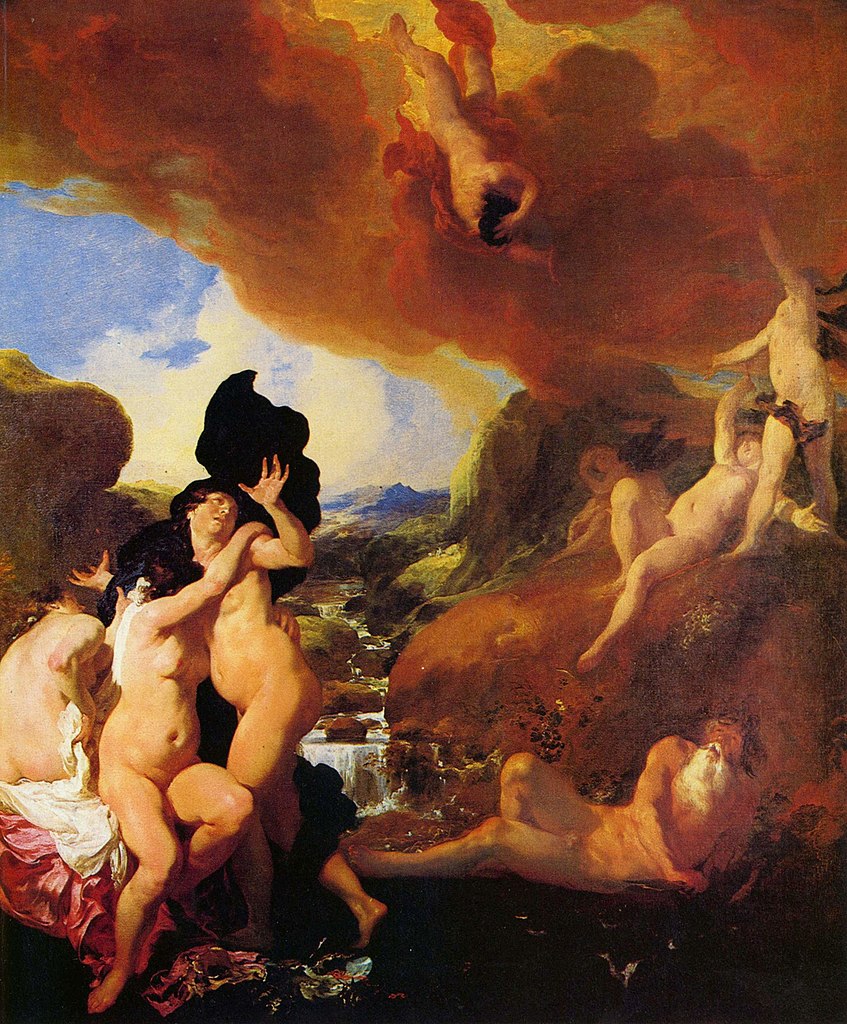
Johann Liss was a German painter of the first third of the 17th century. He is known as a painter, draughtsman and printmaker, who worked in Italy for much of his life, and as the son and namesake of Johann Liss, a painter at the court of the Dukes of Holstein.
Johann Liss worked primarily in the mythological genre. He is considered one of the key artists of the German Baroque and a prominent representative of the Venetian school. Early in his career, the artist traveled to the Netherlands, where he was influenced by a number of Dutch and Flemish masters. Italy inspired him to synthesize Dutch genre painting, Venetian style and Roman realism.
His paintings are in numerous European collections as well as in Russia and the United States.

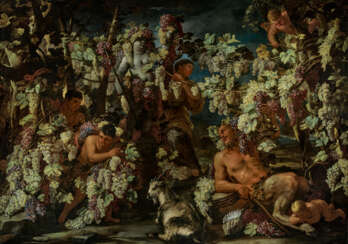

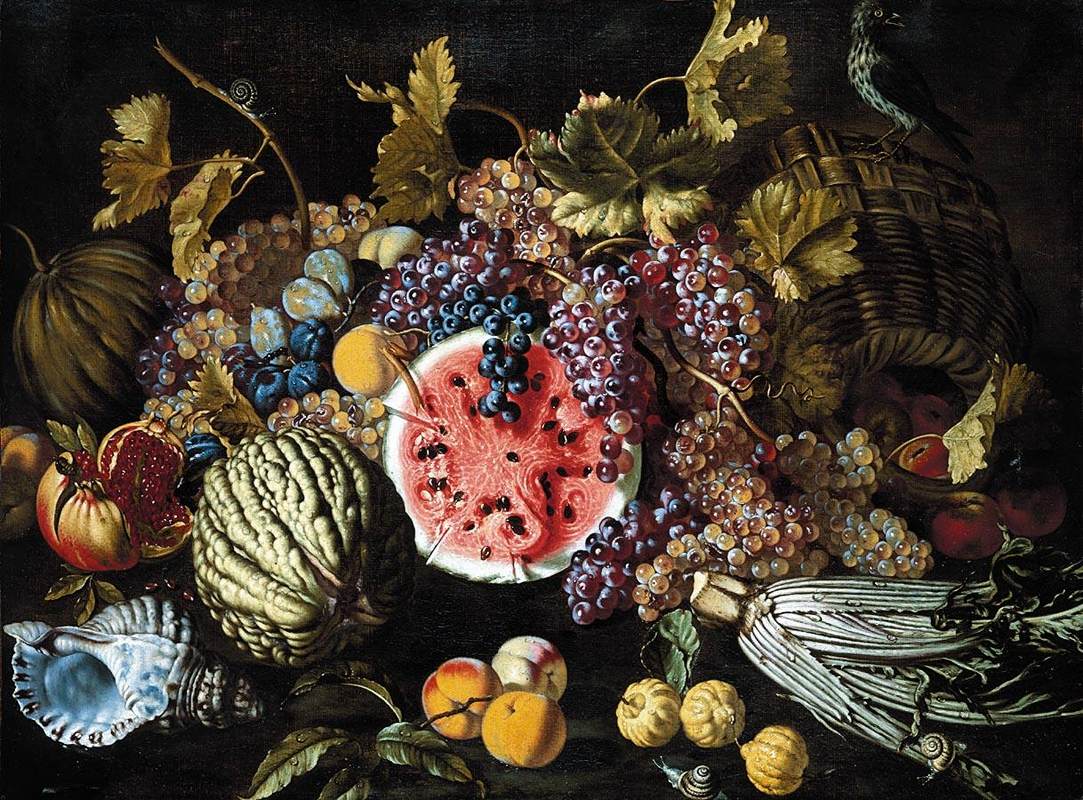
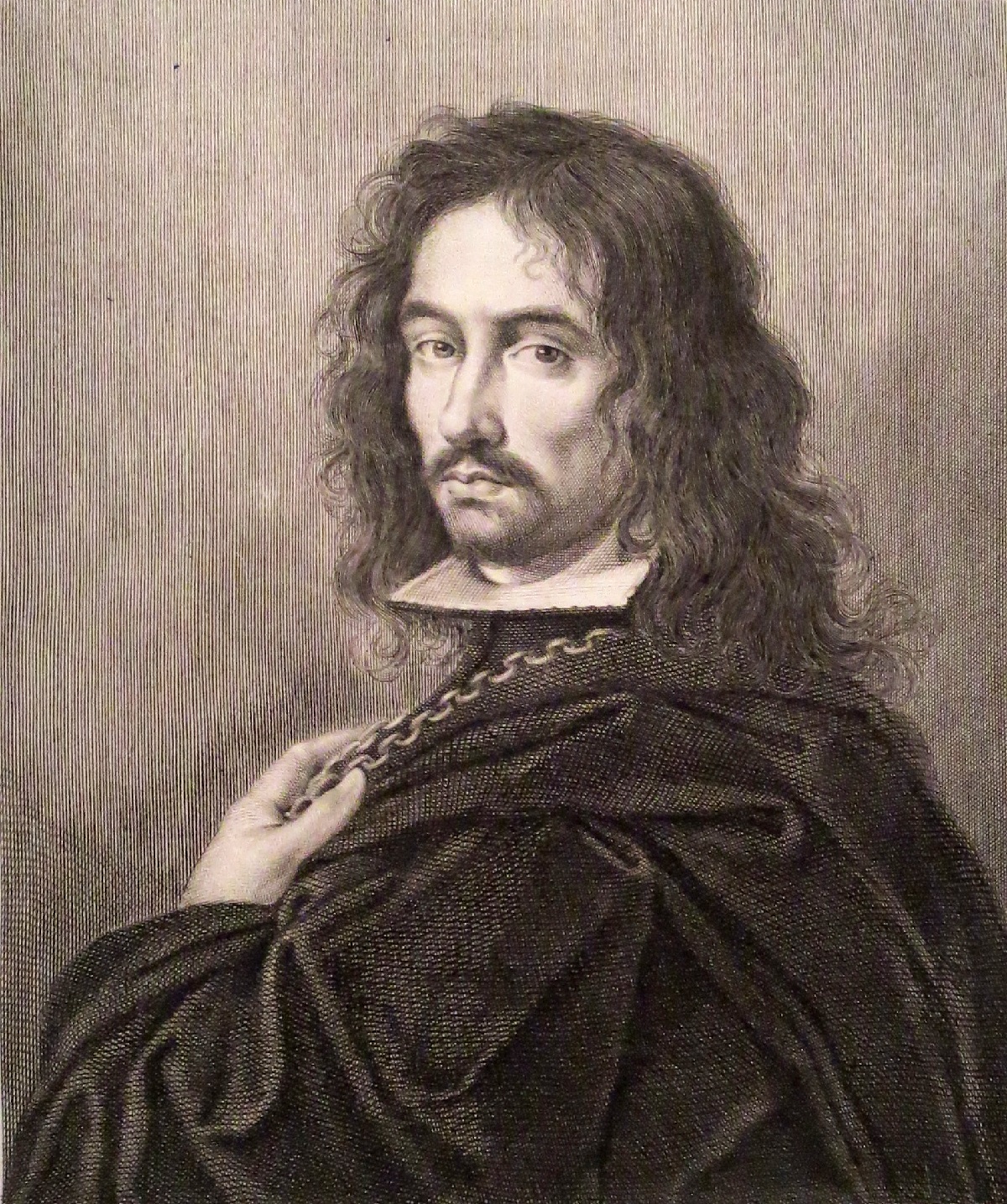
Luca Giordano, born on October 18, 1634, in Naples, emerged as the most celebrated Neapolitan painter of the late 17th century, known for his quick workmanship, which earned him the nickname "Luca Fa Presto" from his father's frequent admonitions to work quickly. His profound contribution to the development of Italianate landscape painting marked a significant chapter in art history.
Giordano's works are celebrated for their dynamic compositions, vibrant color palette, and the ability to infuse his subjects with vitality and emotion. His prolific career saw him working across Italy and Spain, leaving behind a legacy that includes monumental works such as the frescoes in the Palazzo Medici-Riccardi in Florence and the ceiling paintings in Santa Brigida Church in Naples. His late works, lighter and prefiguring the Rococo movement, were particularly influential and admired by later artists such as Fragonard.
Giordano's artistic prowess was not confined to a single genre; his oeuvre includes religious and mythological scenes, landscapes, and portraits. His versatility and ability to adapt his style to suit different subjects and patrons' preferences made him a pivotal figure in the transition from the Baroque to the Rococo style. Despite criticisms of superficiality due to his rapid execution, Giordano's work was fundamentally rooted in a deep understanding of his predecessors, combining the dramatic intensity of the Baroque with the emerging lighter Rococo aesthetic.
For collectors and experts in art and antiques, Luca Giordano's paintings represent a significant period in art history, bridging the gap between two major stylistic periods and reflecting the vibrant cultural exchanges of 17th-century Europe. His works, found in esteemed collections worldwide, continue to be studied and admired for their technical brilliance and artistic innovation.
To explore more about Luca Giordano's masterful contributions to the world of art and to stay updated on exhibitions or sales featuring his work, consider signing up for updates from art institutions. This subscription ensures enthusiasts and collectors are well-informed about developments related to Giordano's oeuvre, enhancing their appreciation and understanding of his enduring legacy.
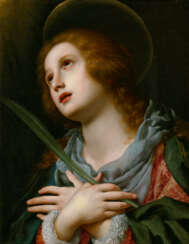

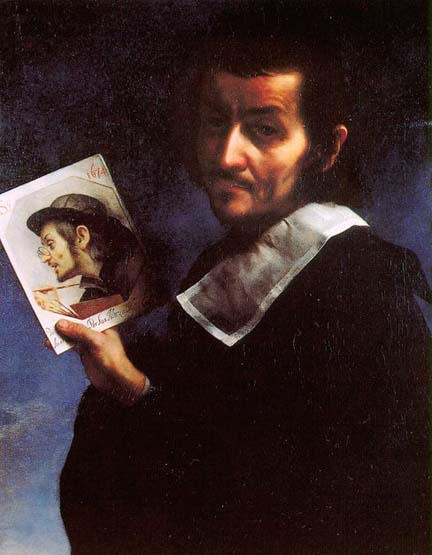
Carlo Dolci was a mature Baroque Florentine painter. He is known for his paintings on religious themes.
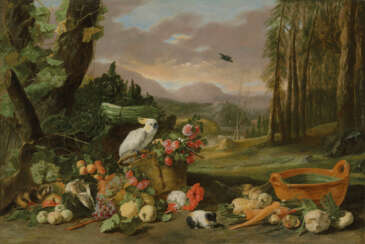

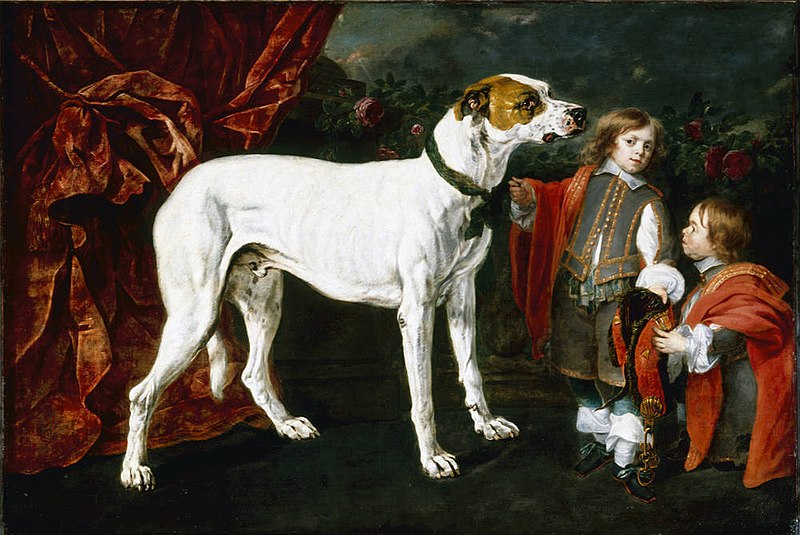
Jan Fyt (March 15, 1611 – September 11, 1661) was a prominent Flemish painter and engraver of the Baroque period, celebrated for his refined still lifes and animal depictions. Born in Antwerp to a wealthy merchant family, Fyt began his artistic training in 1621 under Hans van den Bergh. He later apprenticed with Frans Snyders, a leading master of still life and animal paintings, working in his workshop until 1631. In 1630, Fyt became a master of the Antwerp Guild of Saint Luke.
Between 1633 and 1640, Fyt traveled extensively across Europe, visiting cities such as Paris, Rome, and Venice. In Rome, he joined the Bentvueghels, a society of Northern European artists, where he was nicknamed "Goudvink" (Bullfinch). During his time in Venice, he received commissions from noble families like the Sagredo and Contarini.
Upon returning to Antwerp in 1641, Fyt established his own workshop, producing numerous works that catered to the tastes of aristocratic patrons. His paintings are distinguished by their vibrant palettes, dynamic compositions, and meticulous rendering of textures, particularly the fur and feathers of animals. Contemporaries highly valued his hunting still lifes, as well as his portrayals of flowers and fruits.
On March 22, 1654, Fyt married Françoise van de Sande, with whom he had four children. In 1650, he joined the Antwerp "Sodaliteit der Bejaerde Jongmans" (Sodality of Elder Bachelors), a fraternity that required members to have visited Rome. By 1652, he was elected dean of this guild.
Fyt's artistic legacy comprises approximately 280 paintings, many of which are signed and dated. His works are housed in major museums worldwide, including the Hermitage Museum in St. Petersburg, the Louvre in Paris, and the Kunsthistorisches Museum in Vienna. In addition to painting, Fyt was an accomplished engraver, creating etchings that featured animals and birds.
Jan Fyt passed away on September 11, 1661, in his native Antwerp, leaving an indelible mark on Flemish painting and influencing subsequent generations of artists.
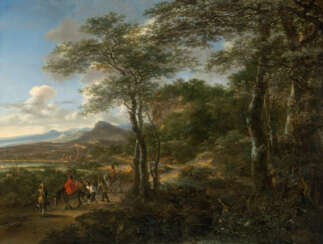

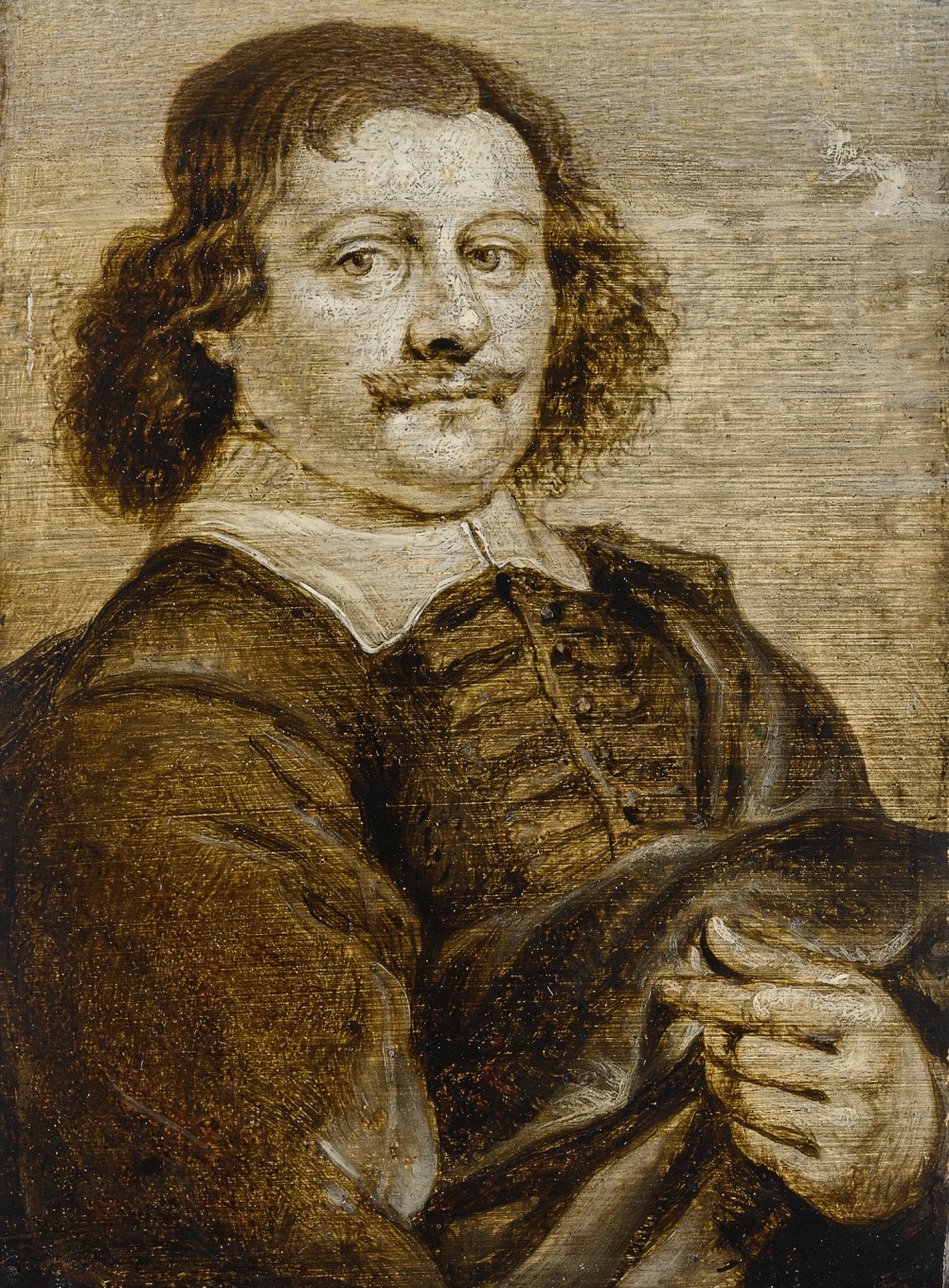
Jan Dirksz Both was a distinguished Dutch painter, draughtsman, and etcher renowned for his pivotal role in the evolution of Dutch Italianate landscape painting. His journey into the arts began in Utrecht, learning from his father before becoming a pupil of Abraham Bloemaert. Both's career took a significant turn when he, alongside his brother Andries, ventured to Rome, absorbing the influence of Claude Lorrain and contributing to projects such as the Buen Retiro Palace in Madrid.
By the mid-1640s, Jan had returned to Utrecht, further honing his craft to produce expansive landscapes illuminated by a Mediterranean glow, notable for their mixture of realism in the foreground against idyllic backgrounds. Noteworthy pieces include "Landscape with Bandits Leading Prisoners" and "Judgement of Paris," showcasing his mastery in blending naturalistic details with mythological and religious figures. His landscapes, characterized by their golden light and imaginative vistas, earned him a place among the leading masters of the Italianate trend in Dutch landscape painting.
Jan Both's legacy is preserved in prestigious collections worldwide, including the Fitzwilliam Museum, the Hermitage, the Kunsthistorisches Museum, the Louvre, and the National Gallery, among others. His work reflects a significant Italian influence merged with his native Dutch sensibilities, marking him as a key figure in the 17th-century art scene.
For collectors and experts in art and antiques, Jan Dirksz Both's oeuvre offers a fascinating glimpse into the blend of Dutch and Italian influences that characterize the Italianate landscape painting tradition. His contributions not only enriched Dutch art but also provided a bridge between the Renaissance and Baroque periods, capturing the beauty of landscapes with a unique, poetic light.
To explore more about Jan Dirksz Both's contributions to art and to stay informed about exhibitions or sales featuring his work, signing up for updates from art institutions can offer exclusive insights into the world of this influential Dutch painter. This subscription ensures enthusiasts and collectors are well-informed about developments related to Both's oeuvre, enhancing their appreciation and understanding of his artistic legacy.